


Deller, dunser, cheeky deller, cheeky balls, or “frikdeller”. Beloved things have many (funny) names, and no matter what you call them, all Danes know what a frikadelle is!
There are almost as many opinions about what makes a good “delle” as there are grandmothers. Because surely, no one makes frikadeller like “grandma,” right?
If you think your family lacks a good family recipe, or you just want to try to give grandma a run for her money on the frikadelle front, it might be a good idea to get to know what a frikadelle actually is.
IKEA Meatballs

The famous Swedish classic that you can now make at home with the authentic taste. Read the recipe here: IKEA Meatballs
Danish Frikadeller (meatballs)
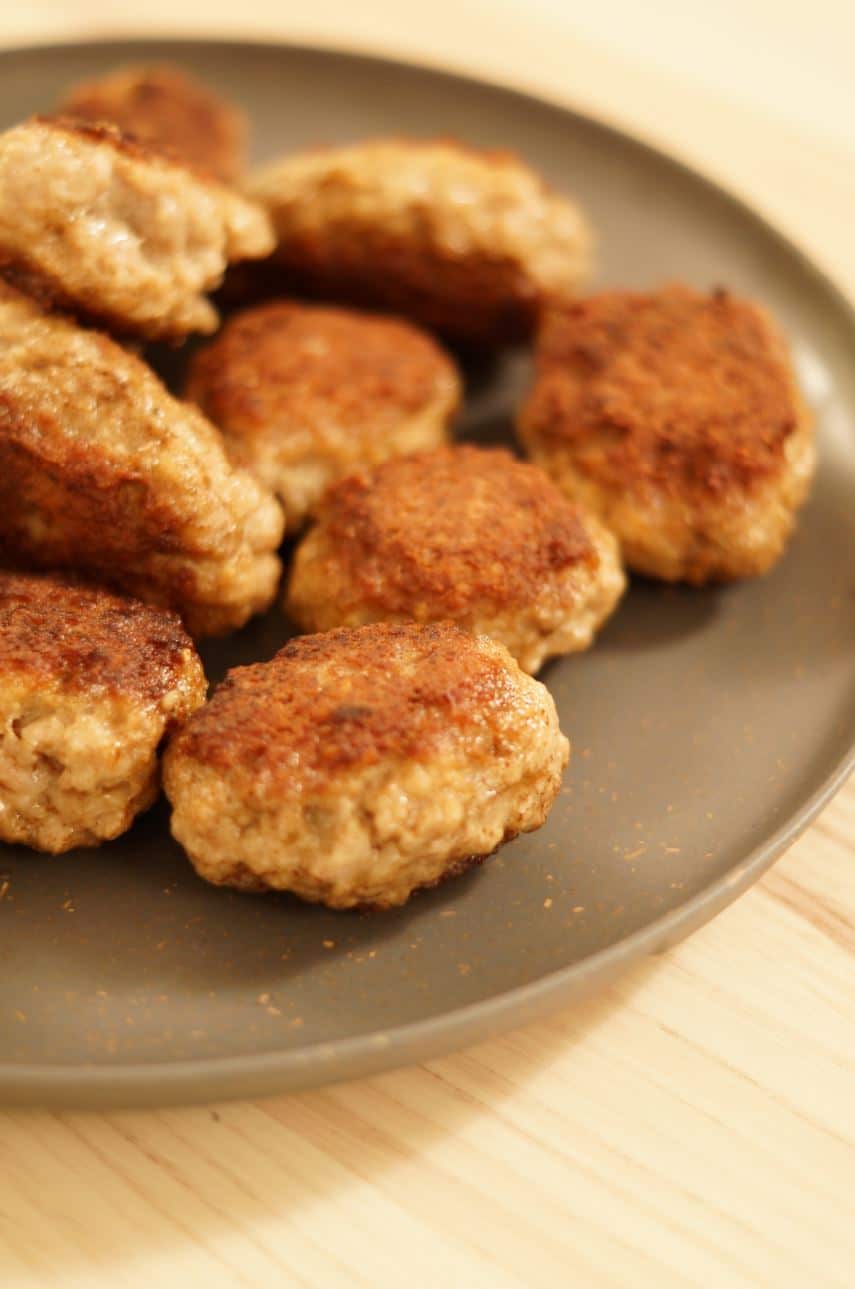
Frikadeller are as Danish as it gets – or are they? Many Danes would probably claim so, and frikadeller are indeed almost considered a bona fide Danish national dish.
If you want to make frikadeller in the proper old-fashioned Danish style, the meat mixture should consist of a blend of veal and pork. Additionally, we add milk, eggs, flour, onions – and of course, salt and pepper.
Denmark being a true “pork nation” is probably also the reason why many Danes regard frikadeller as something quintessentially Danish.
However, that’s not entirely correct. One thing is, of course, that the Danish national dish is fried pork belly with parsley sauce, and quite another that many other parts of the world have similar “meatballs.”
Frikadeller/Meatballs Around the World

Frikadeller, by nature, are “just” meatballs, and most countries have some form of meatball that closely resembles the Danish frikadelle.
Especially the Norwegian kjøttkaker and the Swedish köttbullar resemble our frikadeller, although the Swedish version is a tad smaller – perhaps they make them with a teaspoon? However, the meat mixture used in Sweden is quite similar to what we Danes typically use for frikadeller. It’s a bit funny because what we in Denmark would call meatballs, the Swedes call “frikadeller” – and vice versa! It’s downright confusing.
In Greece and Turkey, the meat mixture is made from either beef or lamb and is well-seasoned with, among other things, garlic. In Palestine, however, the mixture is made from chickpeas, fried in plenty of oil, and called falafel – which you surely know already.
One could easily imagine that the meat mixture would deviate more and more from the Danish frikadelle the further out in the world you go, but in fact, the Russian bitoque/bitok is quite similar to Danish frikadeller. However, they add breadcrumbs to the mixture, and they typically serve it with a warm crème fraîche sauce.
The Difference Between Meatballs and Frikadeller
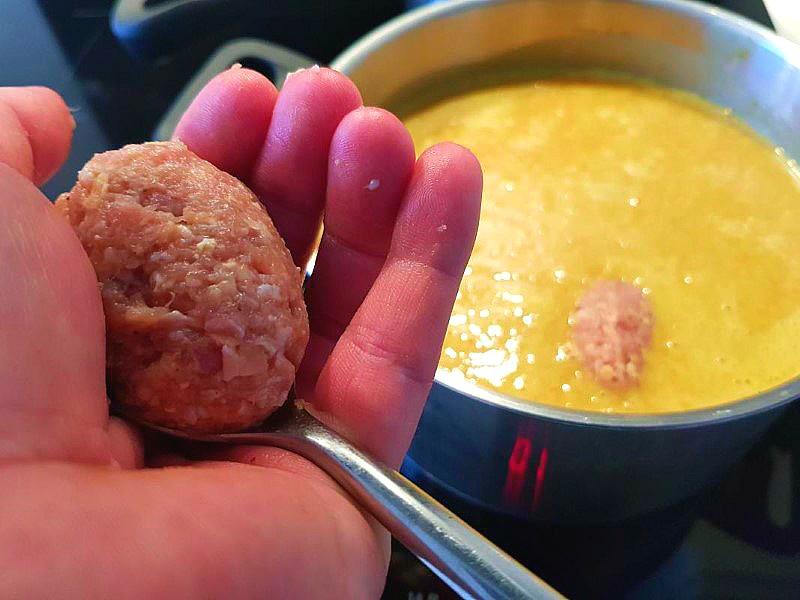
There aren’t many Danes who would dream of calling a meatball a frikadelle and vice versa (like the Swedes do!), but what exactly sets meatballs and frikadeller apart?
Well, in Denmark, the difference is simply that meatballs are boiled (for example, in boller i karry or boller i paprika), while frikadeller are fried. That makes sense, as the name “frikadeller” originates from the Italian fritella, which is a type of fritter, and the name “fritella” comes from the Italian word for “fried” (fritta).
Therefore, a frikadelle is an expression of the mixture being fried, and it doesn’t matter what the mixture consists of. We can thus conclude that, for example, vegetarian frikadeller are just as deserving of the name “frikadeller.”
Variants of Frikadeller/Meatballs
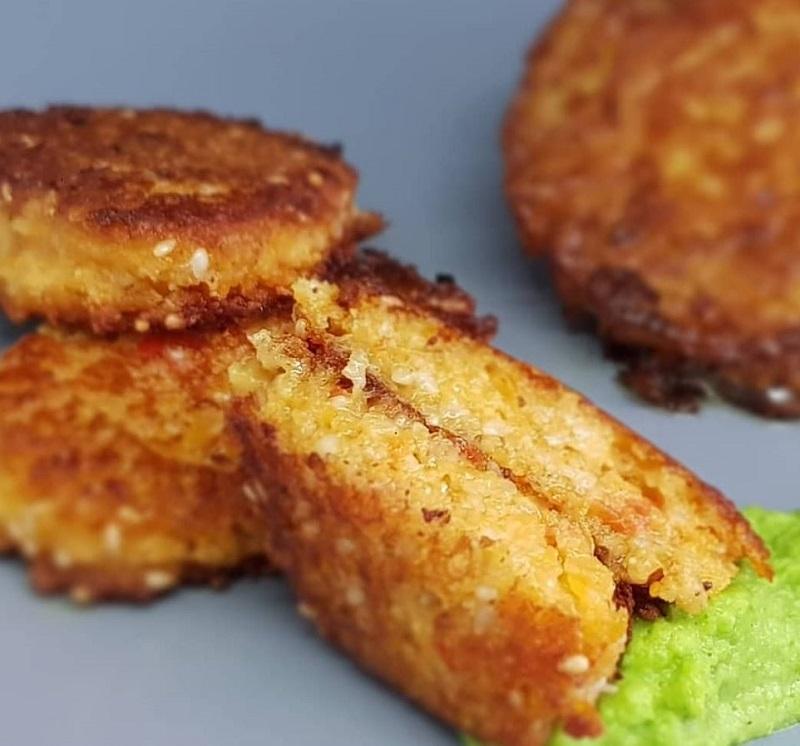
It has become very popular in Denmark to create entirely new variants of the classic Danish frikadeller. For example, it’s become quite common to replace the pork with minced chicken. Chicken frikadeller can actually be a bit easier to make juicy, and since chicken has a slightly milder taste than pork, some would even argue that you can experiment a bit more with the spices.
There are also those who choose to tweak some of the other basic ingredients. For example, you can replace the flour with oats if you want a healthier frikadelle, or you can add more vegetables besides just onions.
We’ve already hinted at it, but some Danes go as far as to completely omit the meat and instead use lentils – especially in vegan and vegetarian circles, lentil frikadelle/meatballsr are a classic. Frikadeller without meat may sound slightly blasphemous to some, but it’s not so bad!
Guides to a great Frikadelle/Meatball
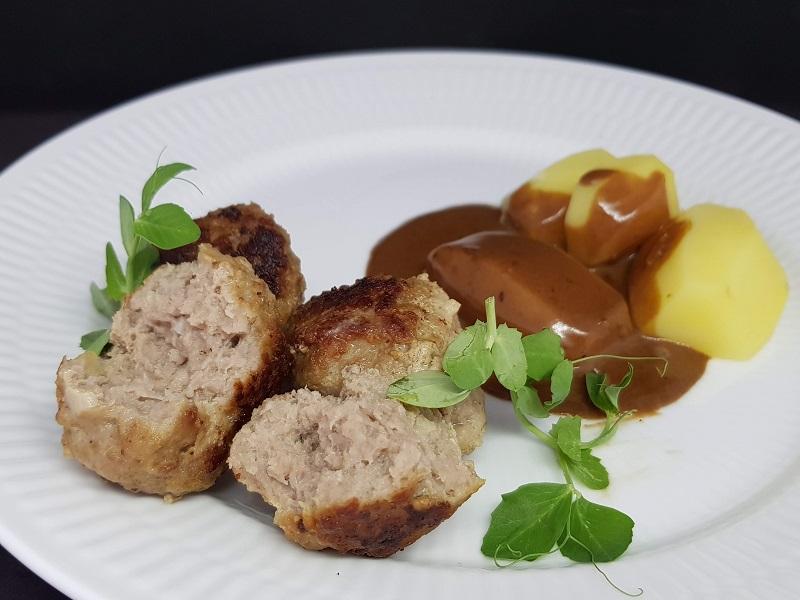
With the ingredients in place, it’s hard to make a completely bad meat mixture – but it’s not impossible! There are several points in the preparation of frikadeller that you need to get right.
For example, the ingredients shouldn’t just be mixed together haphazardly. Onions add a good flavor, but it’s important for the taste experience that they aren’t too large: the onions should therefore be grated or blended, as this gives the frikadeller a much better texture.
If you’ve decided to use pork, we also recommend that you don’t only use minced pork. The mixture gets both more flavor and a better texture if you mix in some veal, lamb, or pork belly. Additionally, you should be mindful of how you mix the meat: the meat should be mixed firm with salt before adding the other ingredients. This way, the mixture can absorb more liquid, making your frikadeller juicier. Also, don’t stir the mixture too vigorously, as it may otherwise become too sticky.
Once you’ve mixed the meat, let it rest, preferably for an hour. This makes the frikadeller extra springy and delicious.
When it’s finally time to fry the frikadeller, it’s important to use plenty of fat, so the edges of the frikadeller also get fried. And when it comes to choosing fat, butter is always best.
The World’s Best Frikadeller/Meatballs
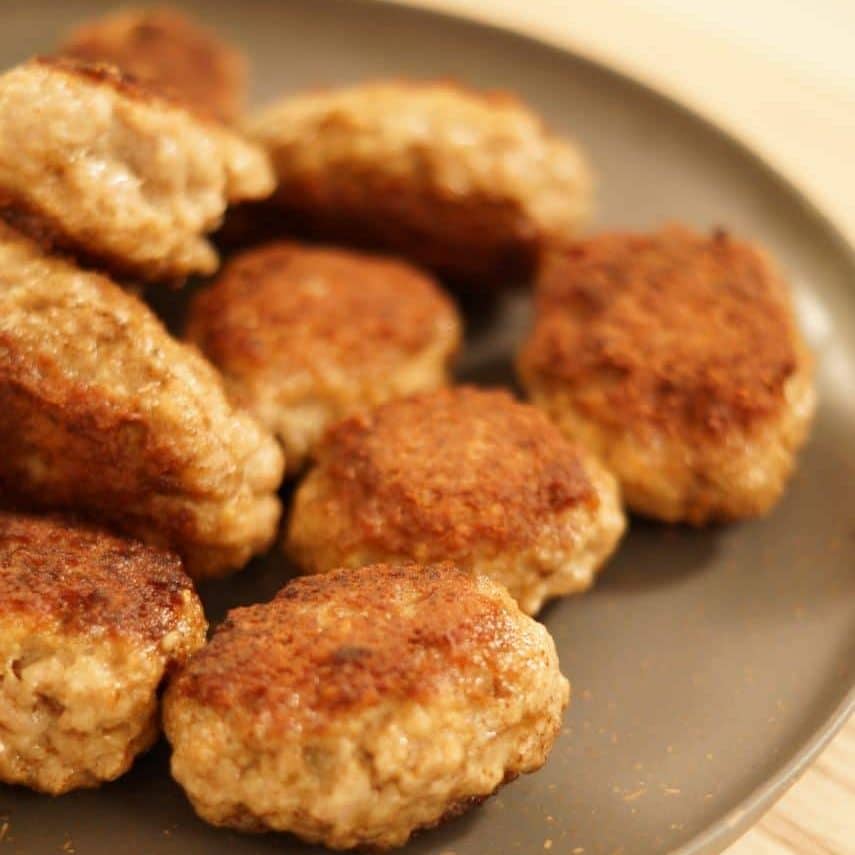
Classic, juicy meatballs that truly live up to their name and will become a family favorite. Read the recipe here: The World’s Best Frikadeller/Meatballs
Frikadeller/Meatballs with Potato Salad
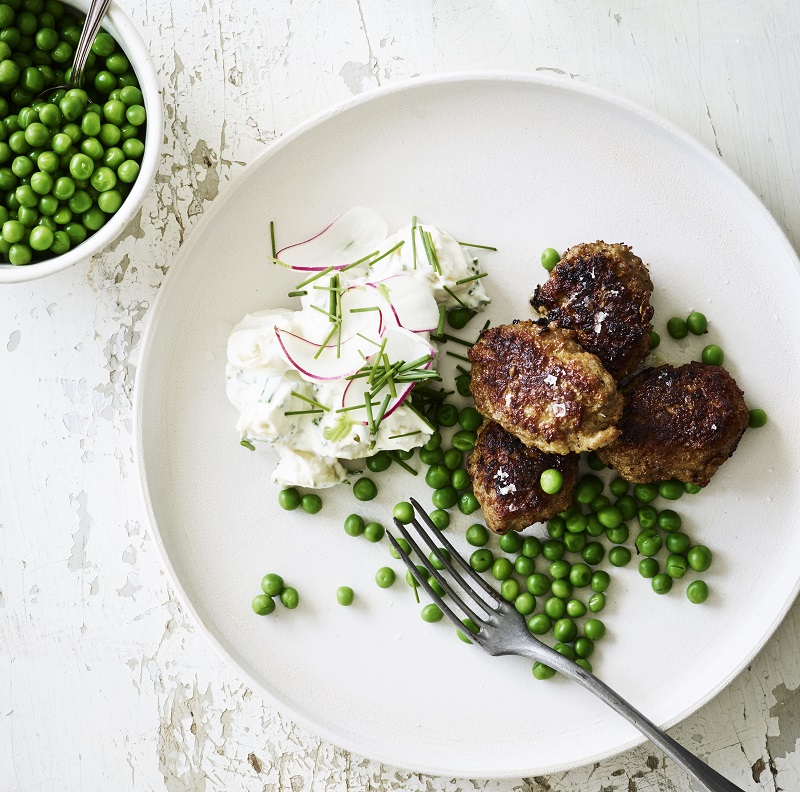
A perfect combination of crispy meatballs and creamy potato salad – a true Danish classic! Read the recipe here: Meatballs with Potato Salad
Fishcakes
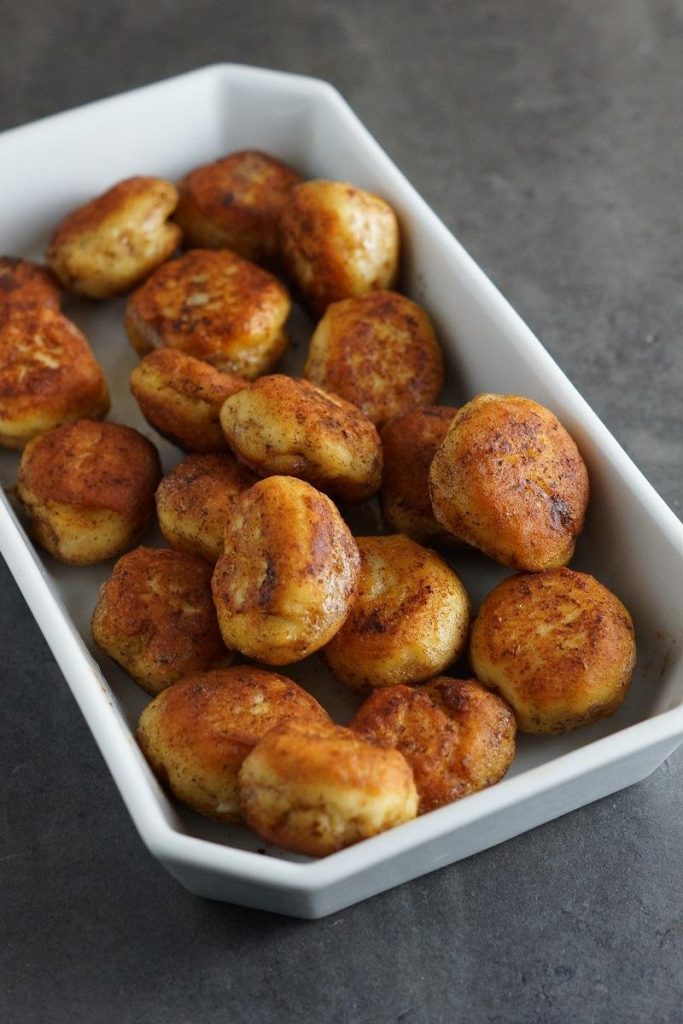
Delicious fish cakes made from flatfish, offering a mild and delicate taste of the sea. Read the recipe here: Flatfish Fishcakes
Thyme Frikadeller/Meatballs

A tasty twist on the classic meatball with a hint of thyme for a lovely aromatic flavor. Read the recipe here: Thyme Meatballs
Zucchini Meatballs with Cottage Cheese and Parmesan
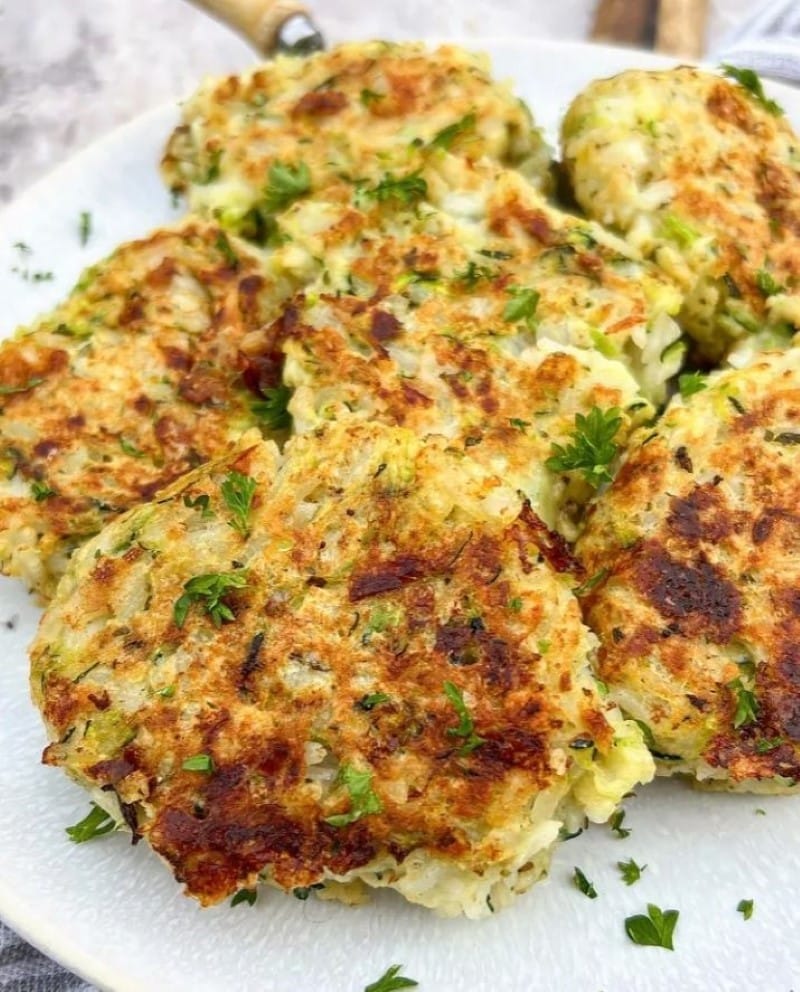
A delicious vegetarian meatball alternative with zucchini, cottage cheese, and parmesan for a creamy texture. Read the recipe here: Zucchini Fritters with Cottage Cheese and Parmesan
Lentil Meatballs

Flavorful and protein-rich meatballs made from lentils – a great plant-based alternative. Read the recipe here: Lentil Meatballs
Spiced Corn Patties with Cottage Cheese and Carrots

A colorful and flavorful vegetarian meatball with plenty of spices and vegetables. Read the recipe here: Spiced Corn Fritters with Cottage Cheese and Carrots
Spiced Chicken Frikadeller/Meatballs with Pesto and Bell Pepper

A juicy and tasty chicken meatball with a twist of pesto and sweet bell pepper. Read the recipe here: Spiced Chicken Meatballs with Pesto and Bell Pepper
Falafels
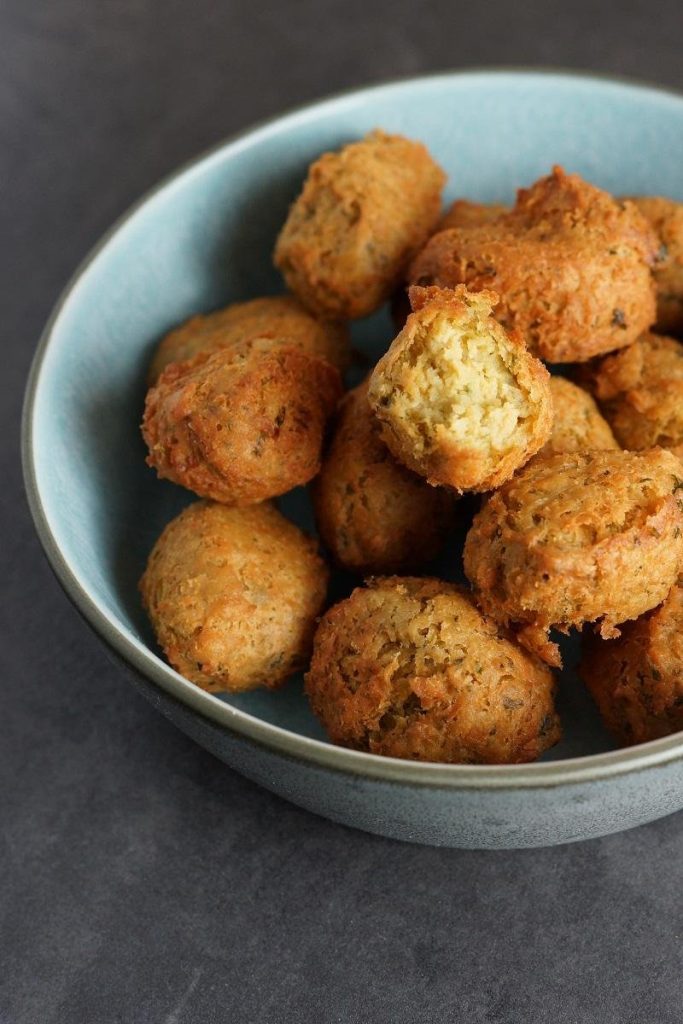
Crispy, spiced, plant-based meatballs made from chickpeas – perfect for pita bread or salads. Read the recipe here: Falafel
Delicious Tuna Patties/Frikadeller
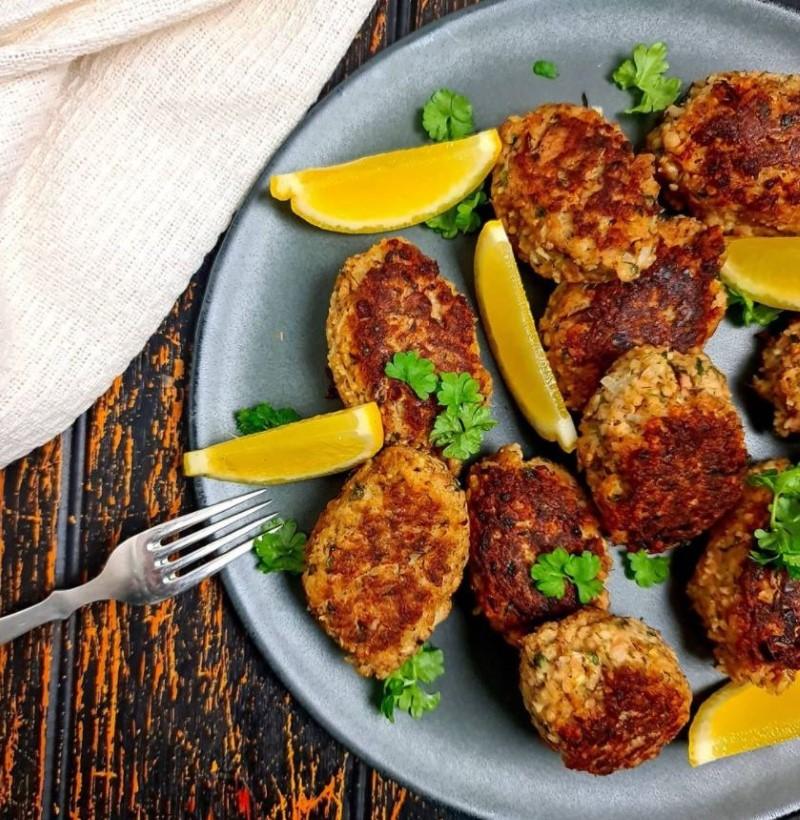
Small, juicy fish patties made from tuna – perfect for a light and protein-rich meal. Read the recipe here: Delicious Tuna Patties
Chao Tom
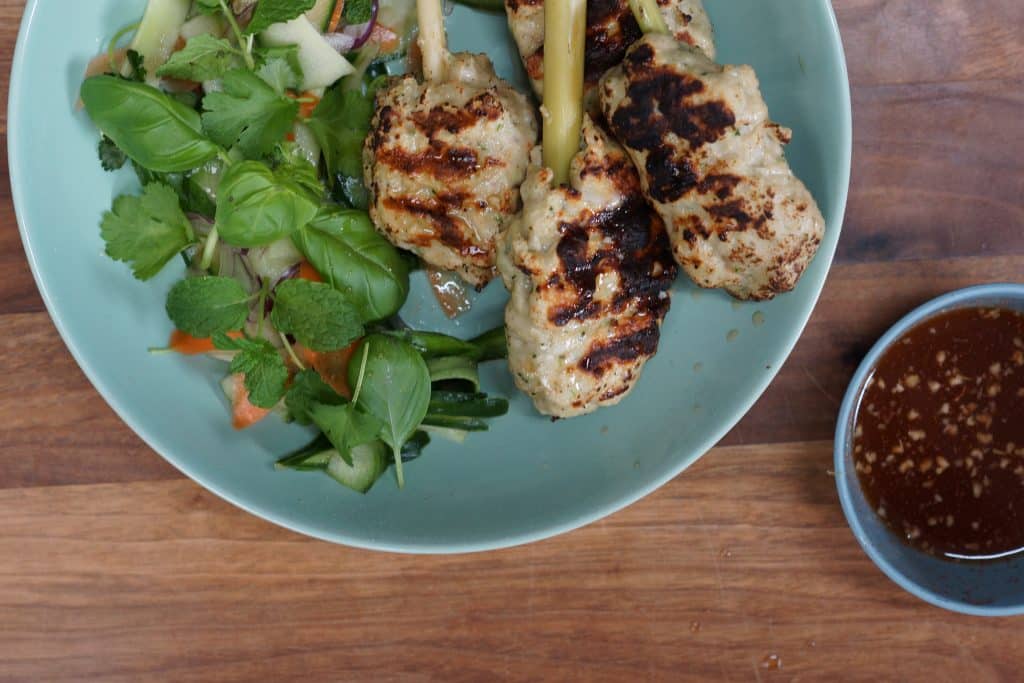
Experience the fresh and complex flavors of Vietnamese meatballs. Made with shrimp, a bit of pork, and lemongrass instead of sugarcane, this dish is perfect for the grill. Read the recipe here: Chao Tom.
Italian Meatballs in Tomato Sauce

Small, juicy meatballs in a deliciously spiced tomato sauce – a true Italian classic. Read the recipe here: Italian Meatballs in Tomato Sauce
Vegan Meatballs with Lentils and Chickpeas

A fantastic plant-based version of classic meatballs, packed with flavor and healthy ingredients. Read the recipe here: Vegan Meatballs with Lentils and Chickpeas