

Recipe for gin and tonic
Gin & Tonic is a delicious, refreshing drink that – not surprisingly – consists of gin and tonic water. However, a Gin & Tonic can be made in many different ways and with various garnishes.
Gin is booming here at home as a popular spirit, which, with the help of the Gin & Tonic, has become a household favorite. More and more distilleries are popping up with their own exclusive gin brands, just as many Danes enjoy gin “on the rocks,” as one would drink a good glass of rum or whiskey.
Gin is only one half of the drink we’re focusing on here, with tonic water making up a substantial 3/4 of a Gin & Tonic. If you think tonic is “just” tonic, you’re mistaken. Just as gin has been making its way into the Danish market over the past few years, the tonic industry is following suit and now offers a wide range of tonic waters.
The most important thing is to choose the right tonic to match your good gin. It’s the tonic water’s job to highlight and emphasize the many nuances in the gin. It can be a good idea to ask for advice when buying your gin and tonic.
Do you know the history of gin and tonic?
There’s no clear consensus on where gin actually originated. Most sources point to the 17th century, where the Dutch Dr. Fransiscus Sylvius, known among other things for his groundbreaking medical research, thought to mix an extract of juniper berries with alcohol. He knew that juniper berries were good for kidney problems, and thus the gin was created as a medicine beneficial for both body and soul. Dr. Sylvius called the mixture “Jenever.” “Jeneverbes” is Dutch for juniper berries.
It later spread to England, where it became part of the selection of spirits at the country’s pharmacies. Gin was then seen as a “drunk for a penny” product, which later led to taxes being imposed on gin trade to reduce consumption. The Gin Act forced distilleries to sell gin only through authorized dealers under the supervision of local officials. Today, we know many of the old distilleries as well-known brands such as Gordons, Bombay, Tanqueray, and Hendricks, to name a few.
Tonic water, like gin, has a history that begins in the world of medicine. Tonic water generally consists of water, sugar, carbon dioxide, citric acid, and quinine. Quinine is the interesting substance because it provides the bitter twist that makes tonic what it is. As far back as the 17th century, quinine was used as a remedy for malaria and muscle cramps. In the 19th century, the British army discovered that if you mixed the bitter medicine quinine with gin, soda, and sugar, you got a delightful drink that could actually be enjoyed – a Gin & Tonic.
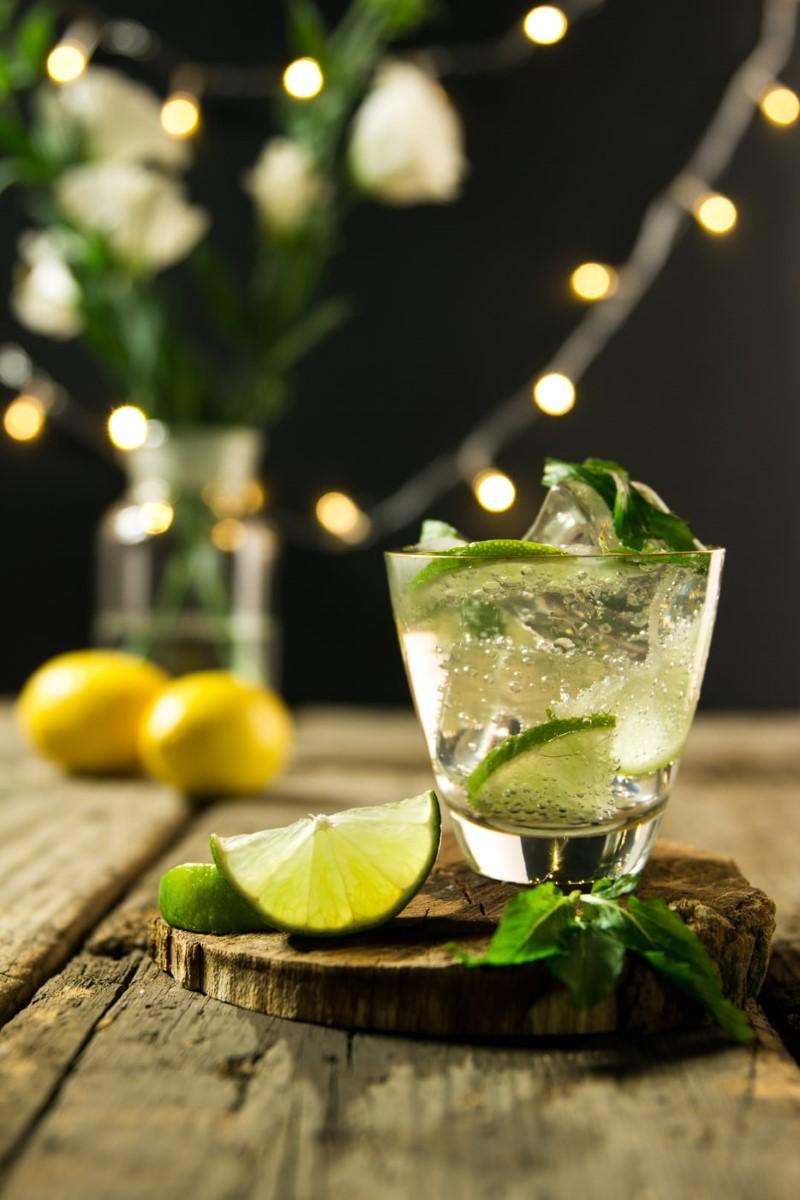
Here’s the recipe for a good, classic gin and tonic. It should be enjoyed cold and in good company – enjoy!
Gin and tonic
Ingredients
- 4 cl Gin
- 10 cl Tonic
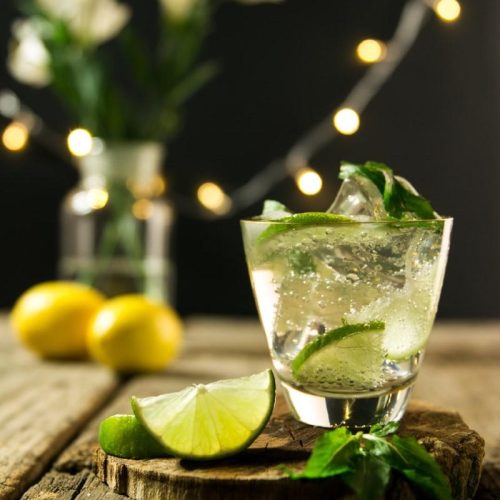
- 1 slices Lime
Instructions
- Mix gin and tonic in a glass - you can use tall cocktail glasses, low glasses, or large red wine glasses.
- Fill the glass with ice and top it with a slice of lime.
- More ice cubes take longer to melt than if you only add 2.
- So don't skimp on the ice!
- If you're not fond of lime, you can instead try with a couple of slices of cucumber, lemon, or fresh berries.
- But keep it simple to preserve the good taste of the gin and tonic respectively.