
Gluten is found in almost all bread, so it’s hard to avoid. As a topic of conversation, it’s even harder to escape, as more and more people are eliminating it from their diet, believing it to be harmful to them.
But what is gluten really? Is it bad for you? And if so, how can you avoid it?
What is gluten?
Gluten is a protein found in wheat, rye, and barley – some of the most common grains used for flour. That’s why it’s found in most bread.
However, gluten is not something that just “exists” in bread; it is actually a crucial component in the structure of bread. It binds the liquid, contributing to the dough’s elasticity, structure, and firmness.
It’s also gluten that determines whether the dough rises, as it prevents air gases from escaping through the dough, so the gas produced by fermentation makes the dough rise and, importantly, maintain its shape – even after cooling.
Is gluten bad for you?
People with the disease celiac cannot tolerate gluten. Celiac disease is an autoimmune disease where gluten causes the body’s immune system to attack the lining of the small intestine, leading to symptoms such as diarrhea and malabsorption of essential nutrients.
So, if you have celiac disease, gluten is very bad for you. It is estimated that somewhere between 0.6% and 1% of the world’s population have celiac disease, so it’s not a very common disease, and it can easily be managed by simply following a gluten-free diet.
How can you make bread without gluten?
Gluten is not present in all grains, so there are many types of bread you can bake using an alternative grain. For example, corn, buckwheat, rice, chestnut, millet, teff, lentils, and chickpeas can all be ground into flour. For instance, we have a recipe for gluten-free rye bread baked with cooked rice, which helps give the finished bread a delicious, spongy texture.
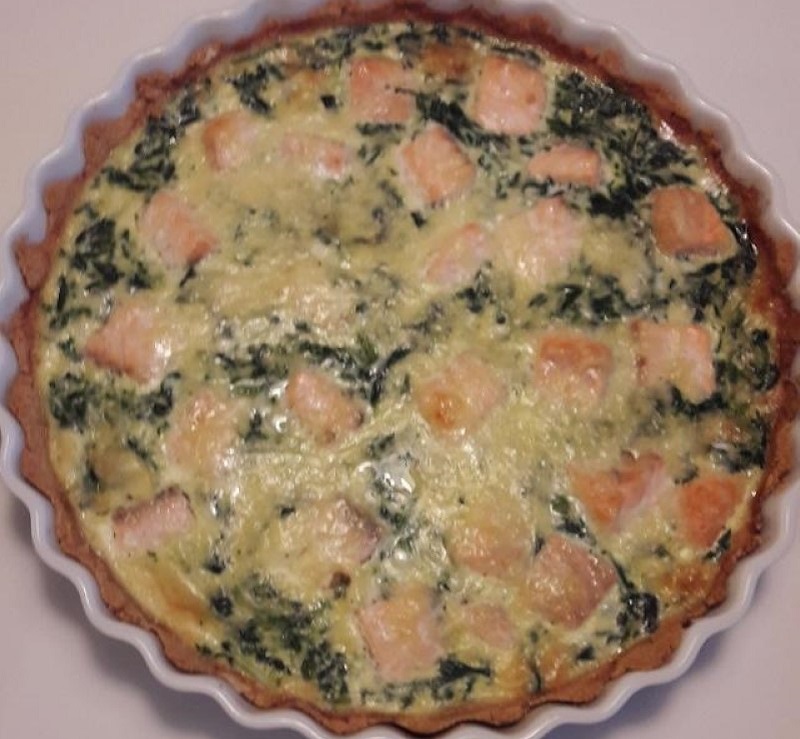
The challenge with using these grains is that without gluten, there is nothing to bind the dough and make it sticky. Therefore, it is usually necessary to use a binding agent. In our recipe for a salmon/spinach tart with a gluten-free crust, for example, we use potato fiber and xanthan gum, which can be found in health food stores.
Gluten-Free Recipes
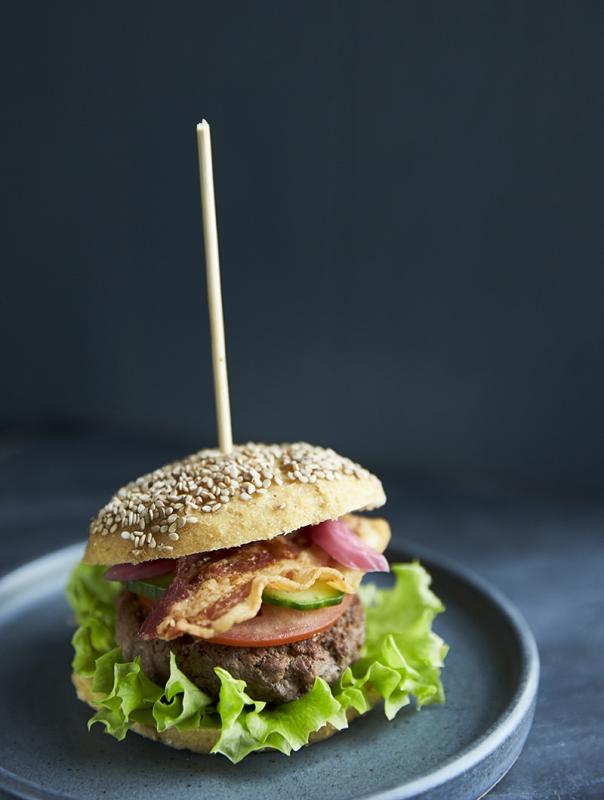
Burger Buns
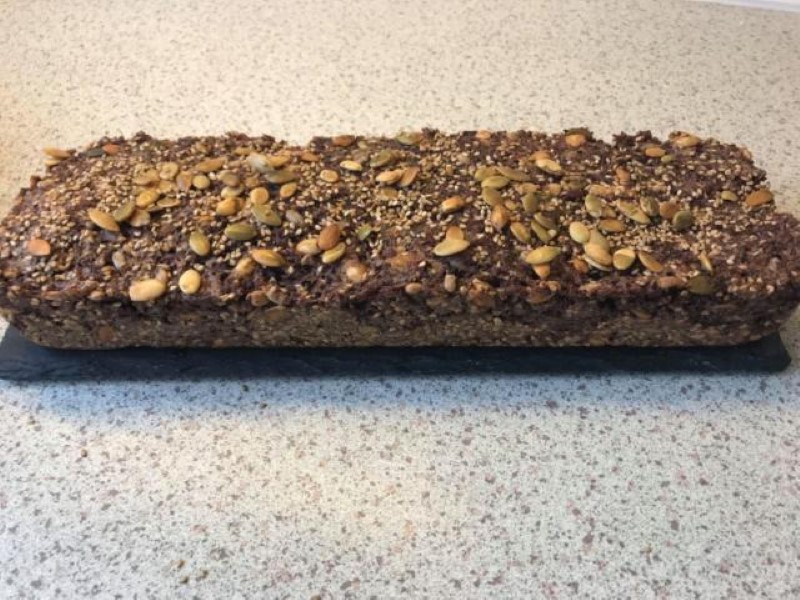
Gluten-Free Rye Bread
Triple Chocolate Cake

Gluten-Free Oat Rolls
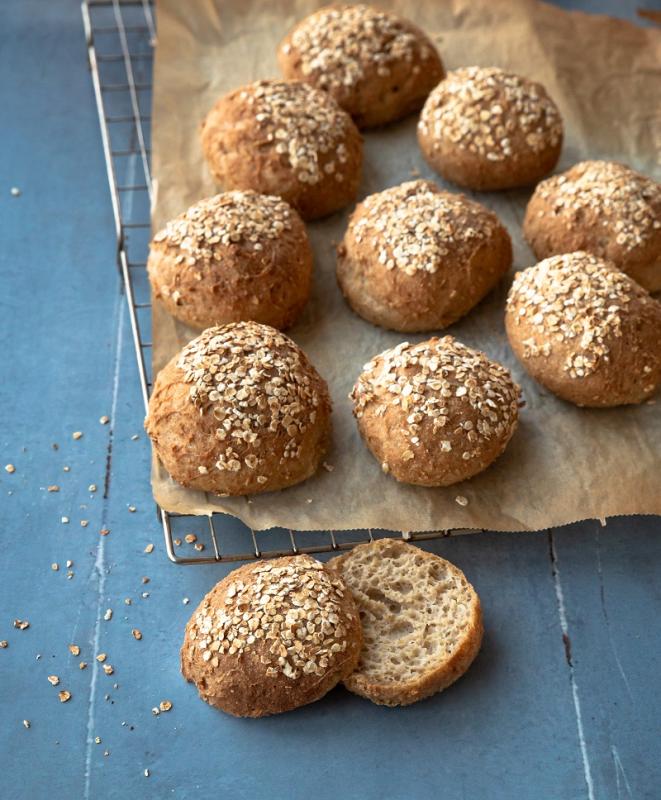
Quinoa Salad with Roasted Vegetables

Gluten-Free Pumpkin Cake (Halloween Cake)
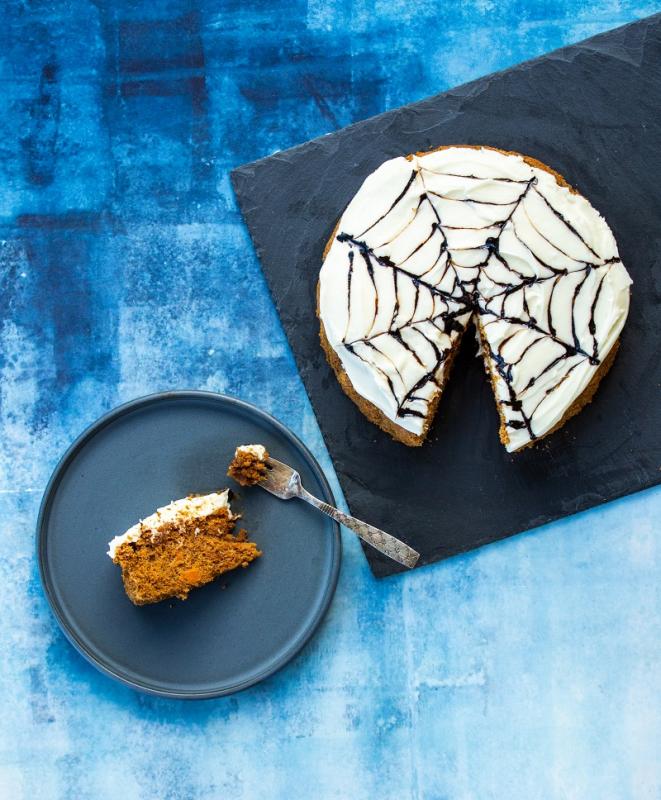
Broccoli Buns
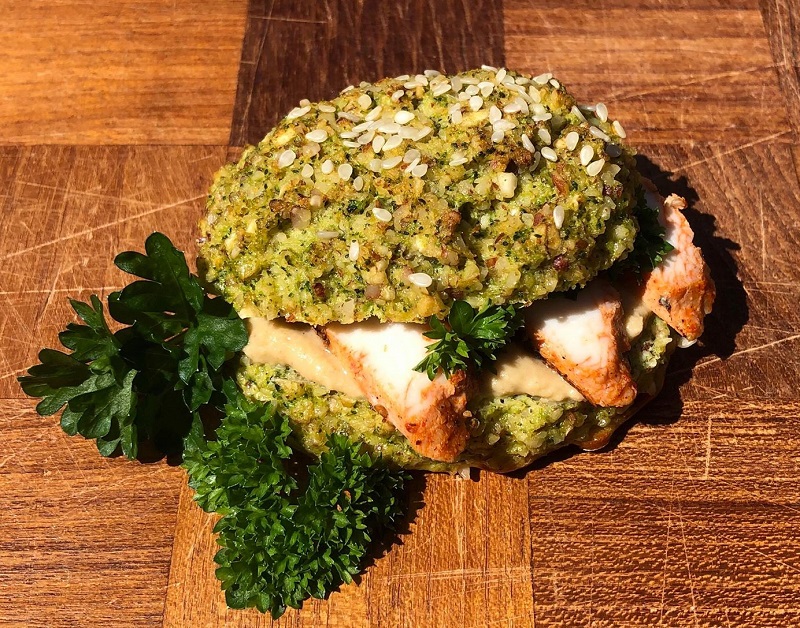
Homemade Gluten-Free Rye Bread
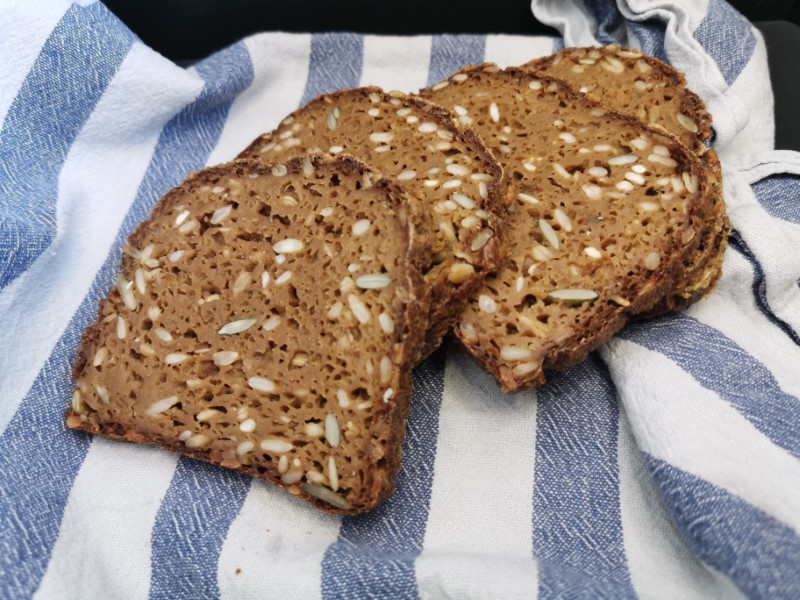
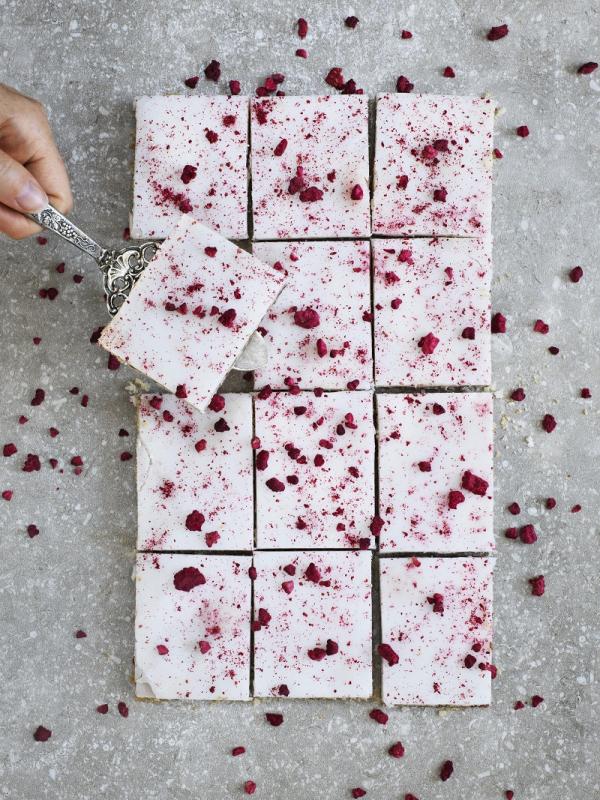
Gluten-Free Raspberry Slices
Gluten-Free Sausage Rolls

Starter with Scallops and Mushrooms

Healthy Snickers

Sushi Bowl

Sunflower Bread

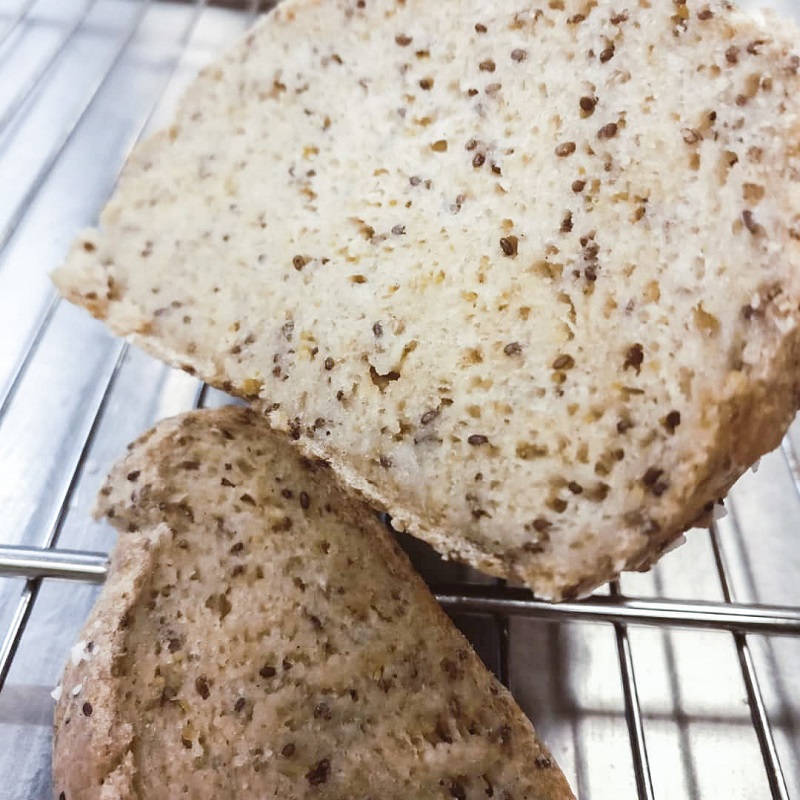
Gluten-Free Bread
Gluten-Free French Carrot Cake

Sugar-Free Cake

Gluten-Free Cookies with Peanut Butter

Gluten-Free and Lactose-Free Cookies

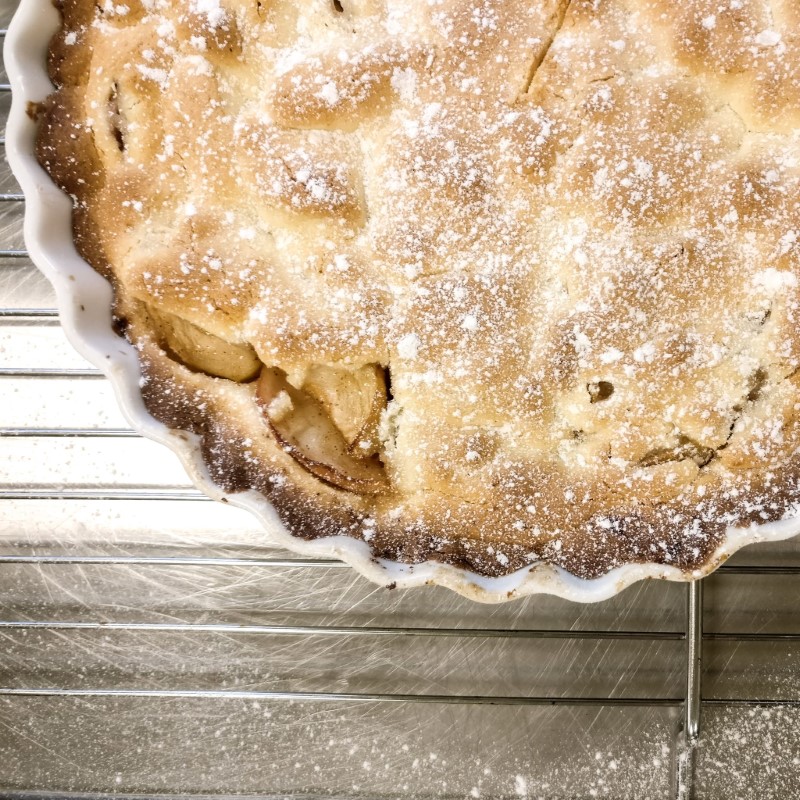
Gluten-Free Apple Tart
Gluten-Free Layer Cake
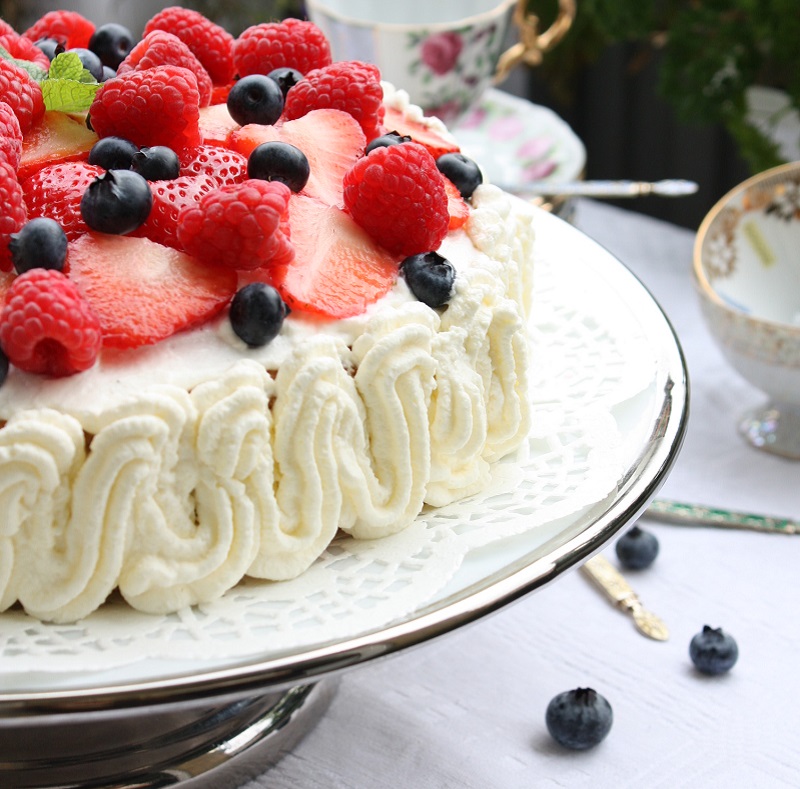
Vegetable Tart

Homemade Milk Slice

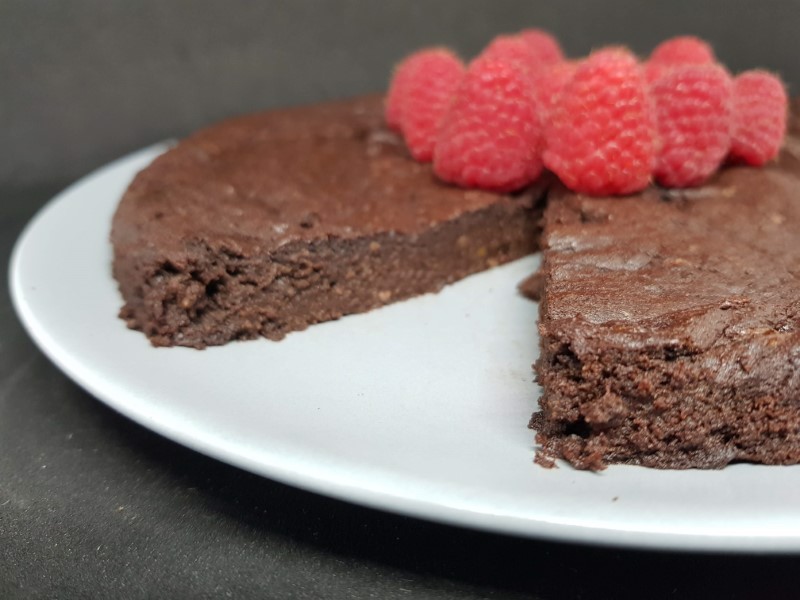
Gluten-Free Chocolate Cake
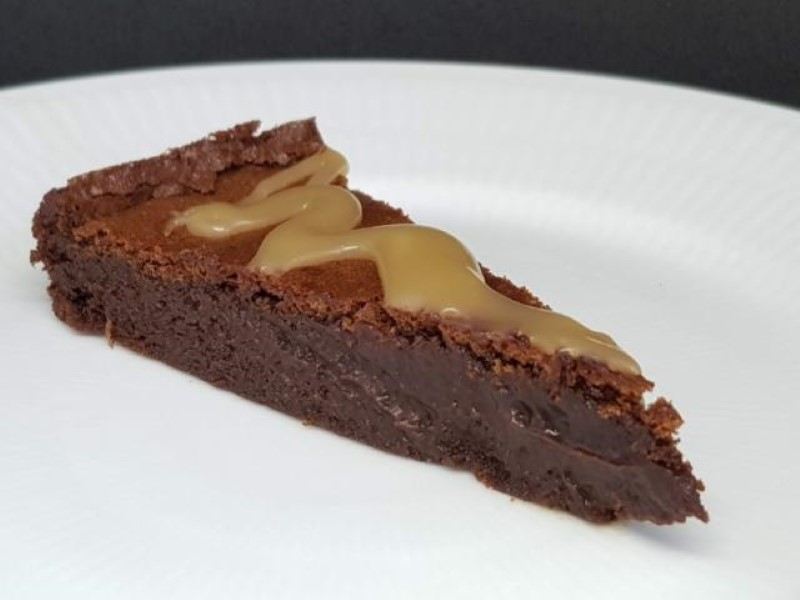
Gluten-Free Lamb Burger
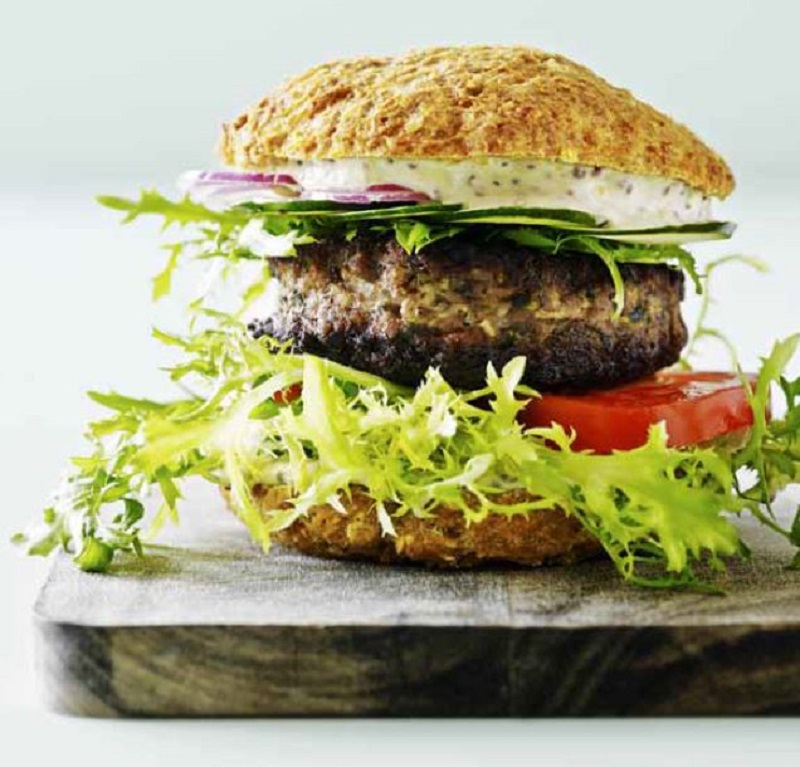
Salmon Patties

Pancakes with Cauliflower Rice

Healthy Moussaka
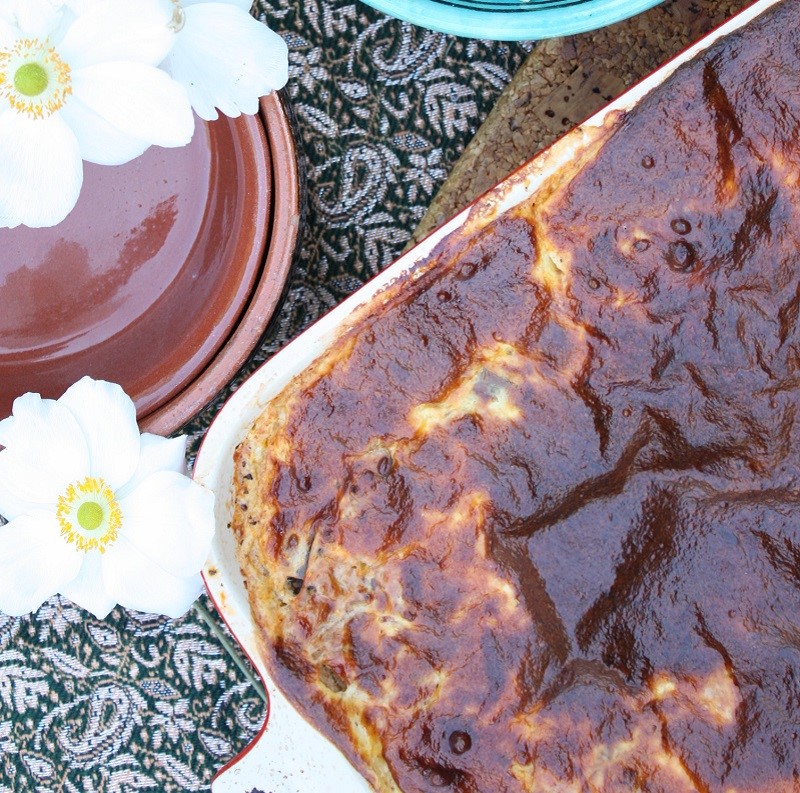
Savory Waffles
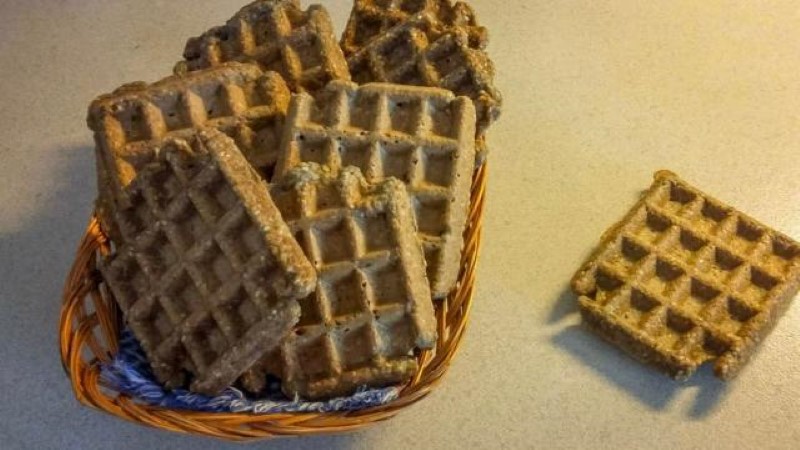
Gluten-Free Pizza
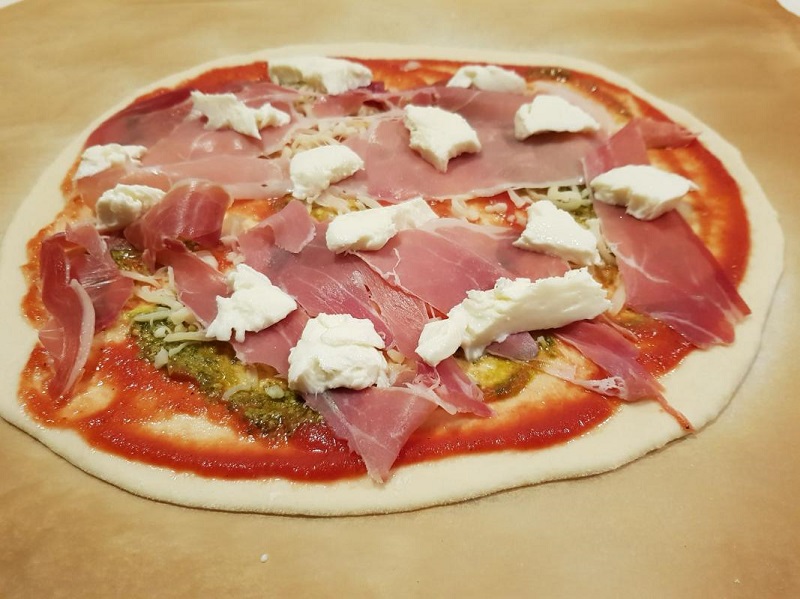
Baked Zucchini with Beef
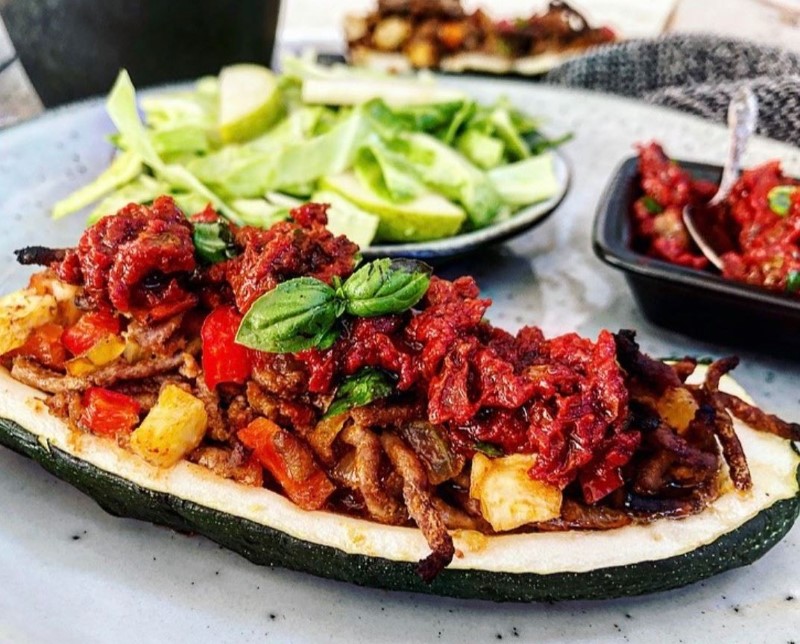
Celery Pasta with Chicken and Celery Sauce

Bean Pasta with Chicken Breast
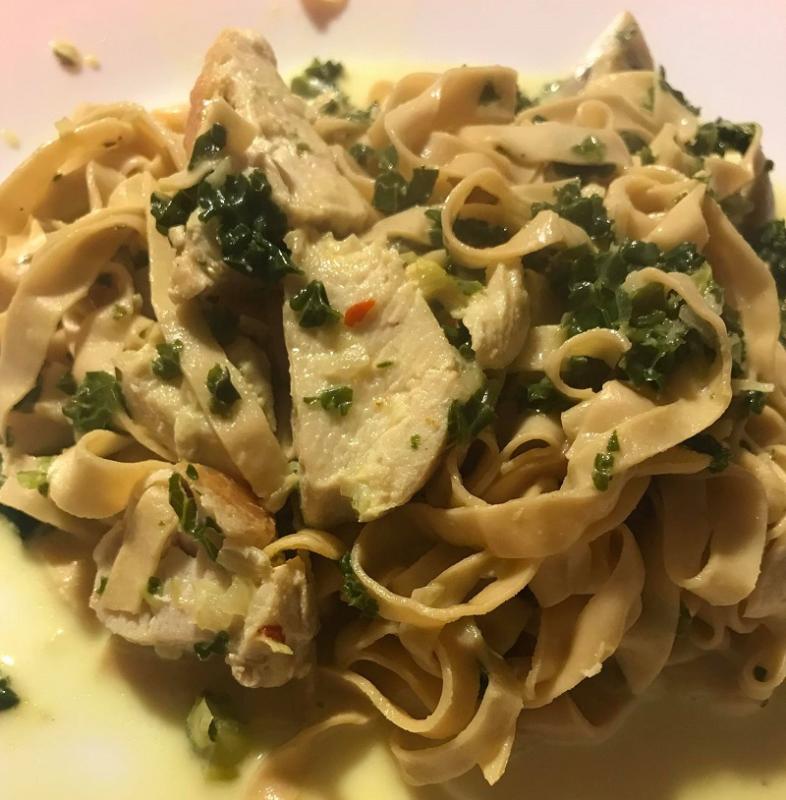
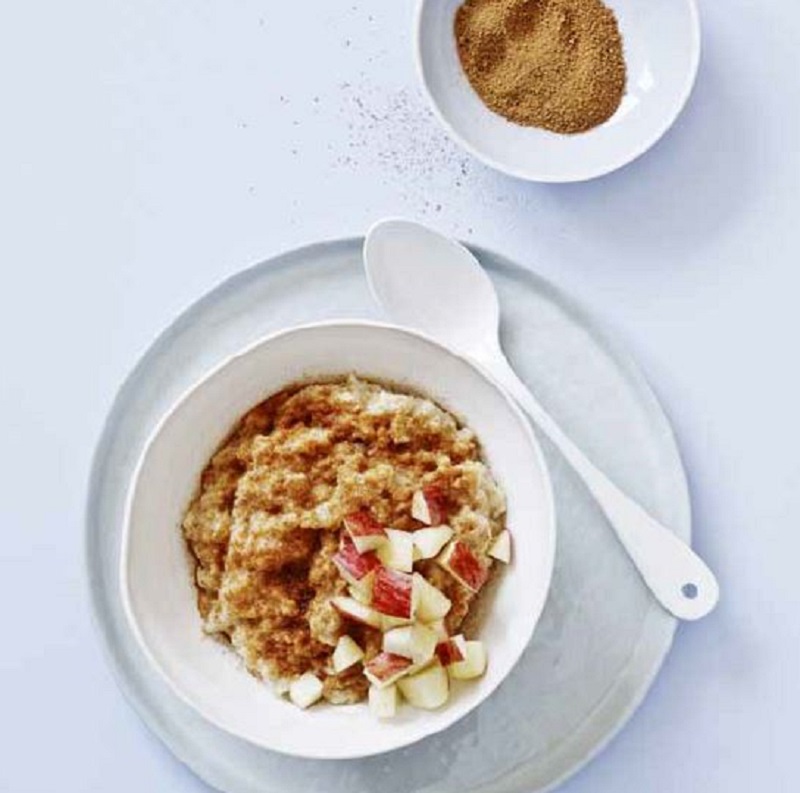
Gluten-Free Porridge
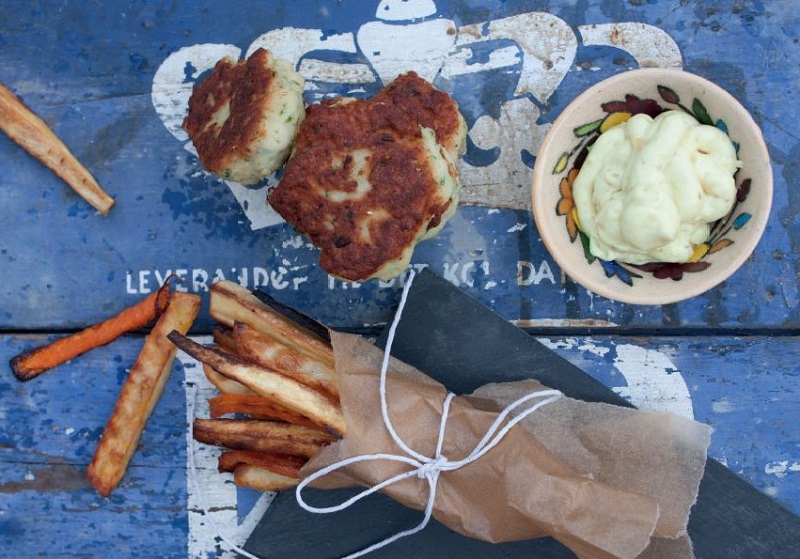
Healthy Fish Cakes with Crispy Fries and Homemade Remoulade
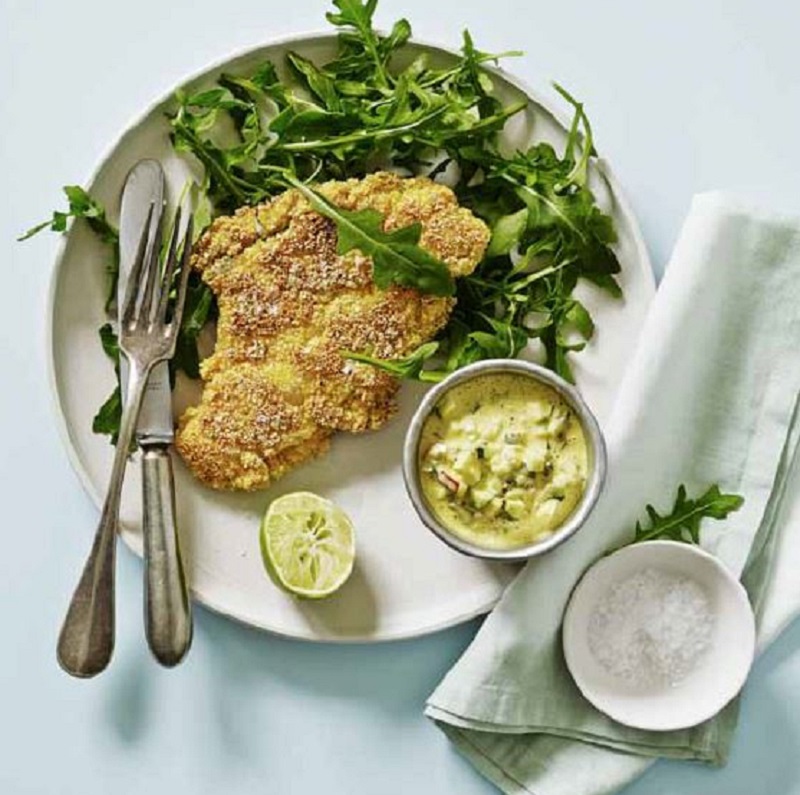
Gluten-Free Fish Fillet
Gluten-Free Burger Buns with Cauliflower
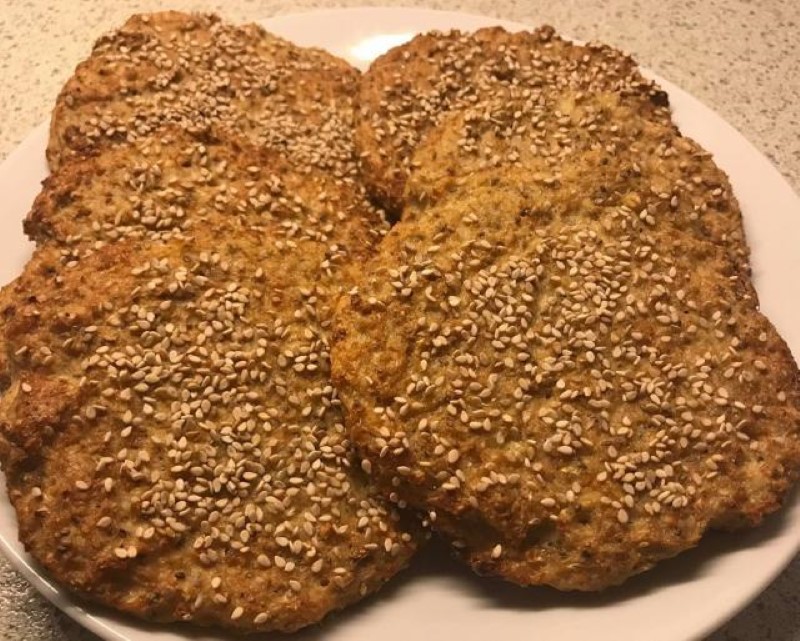
Gluten-Free & Lactose-Free Broccoli Scones
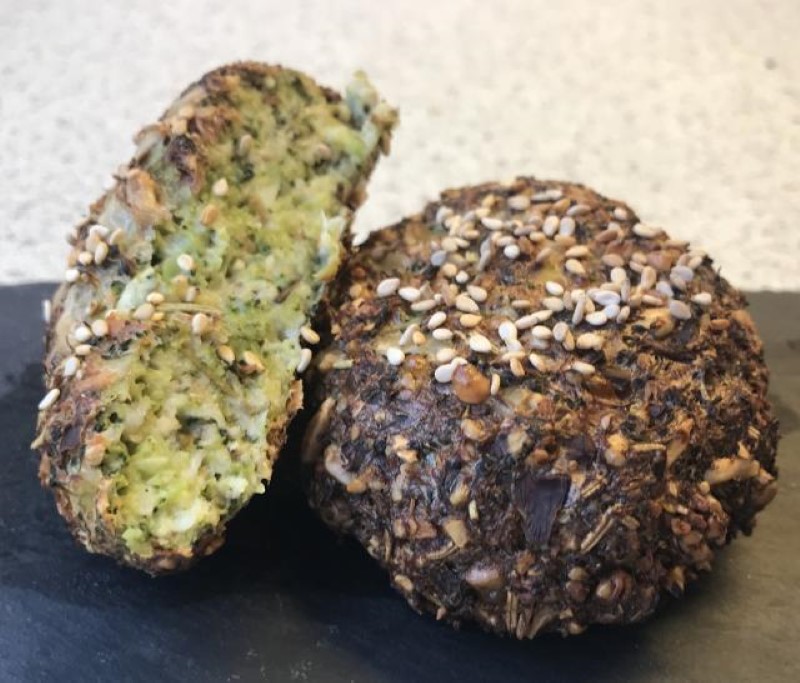
Greek Gyros with Lamb

Chocolate Cake without Flour
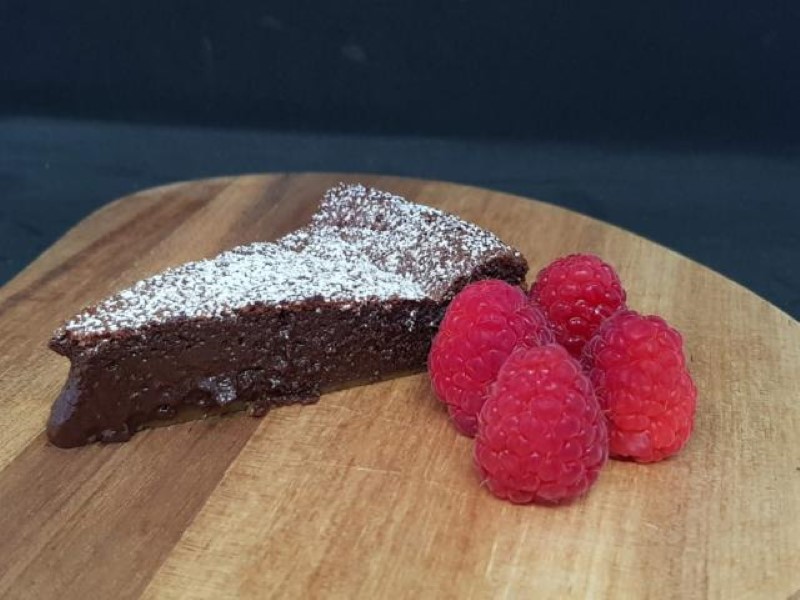
Gluten-Free Rye Bread with Seeds
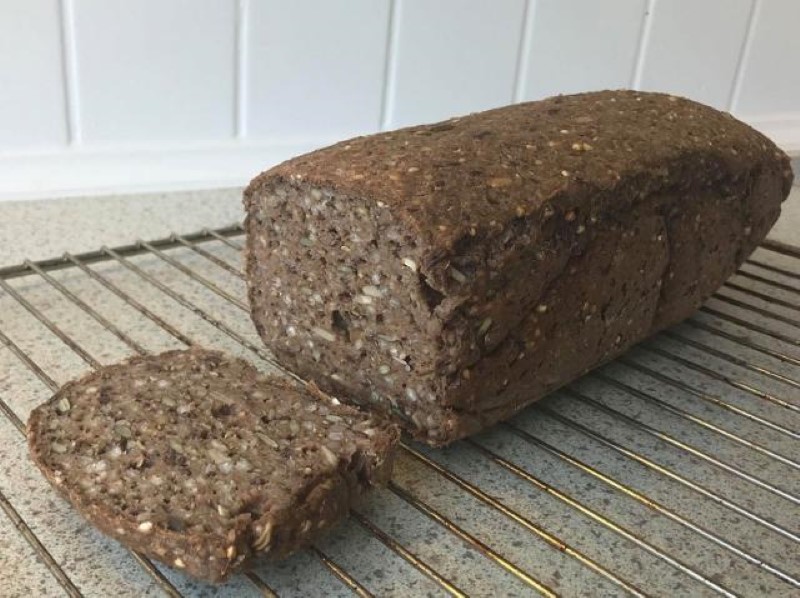
Pumpkin Bread
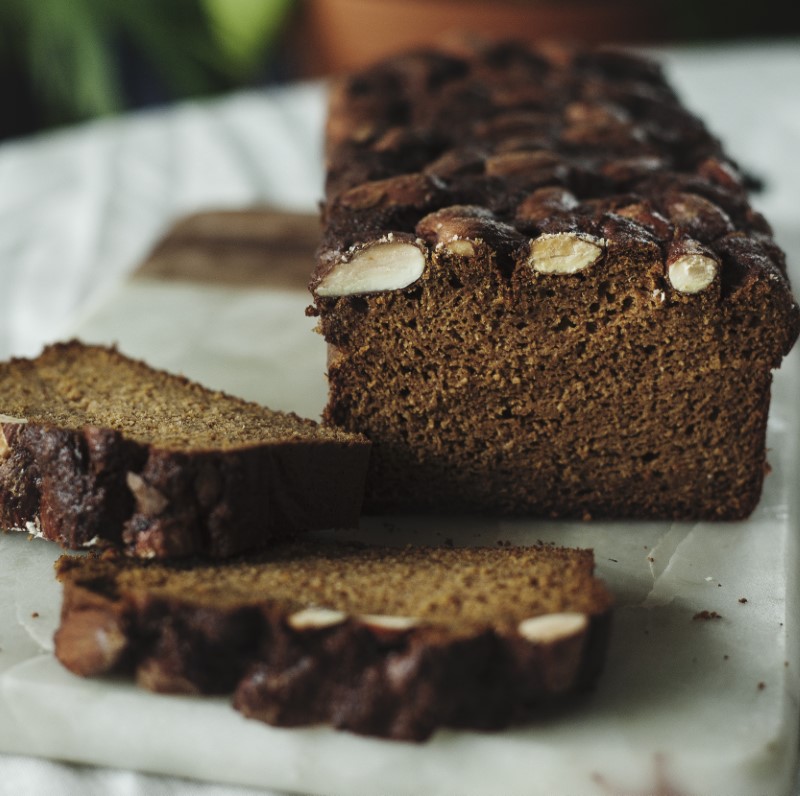
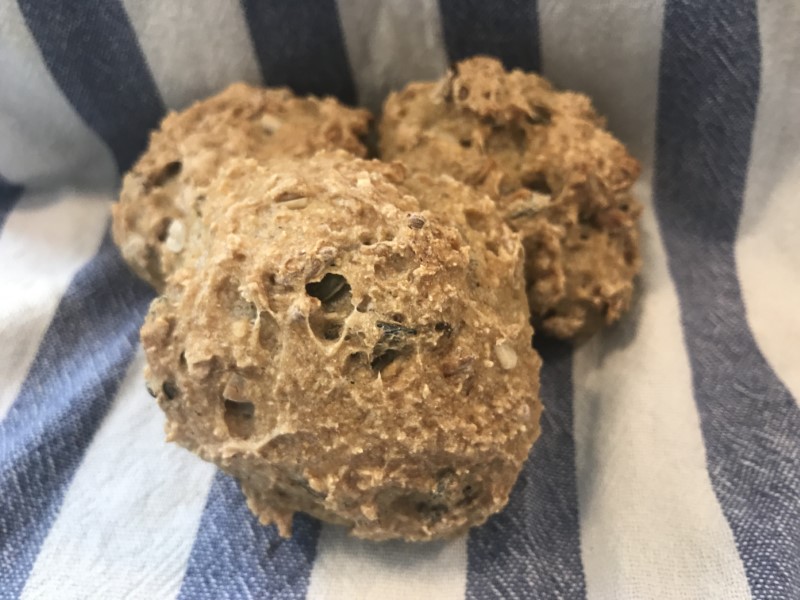
Gluten and Dairy-Free Seed Rolls
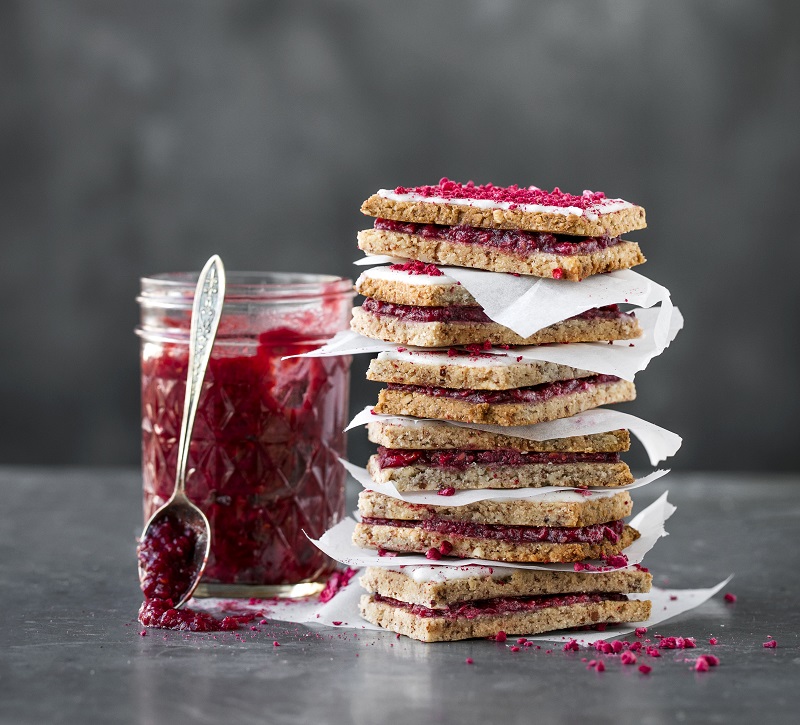
Almond Cake Slices
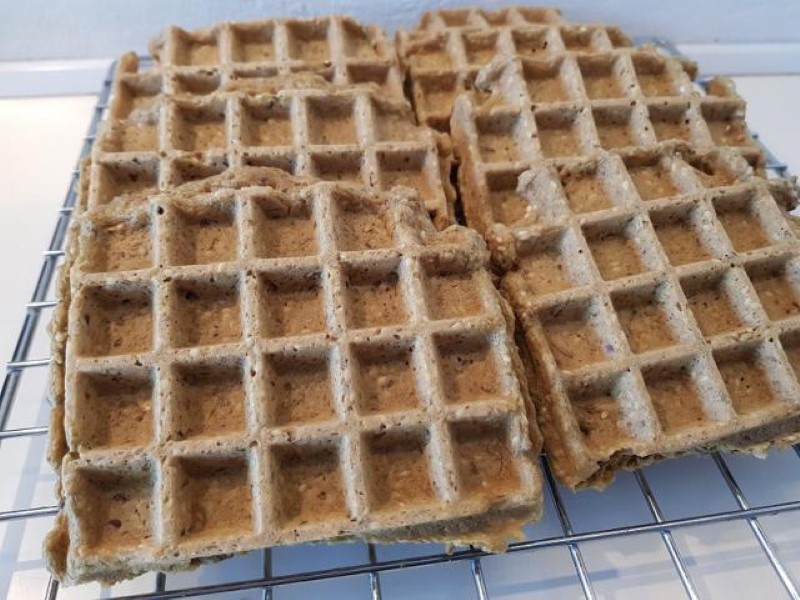
Savory Waffles
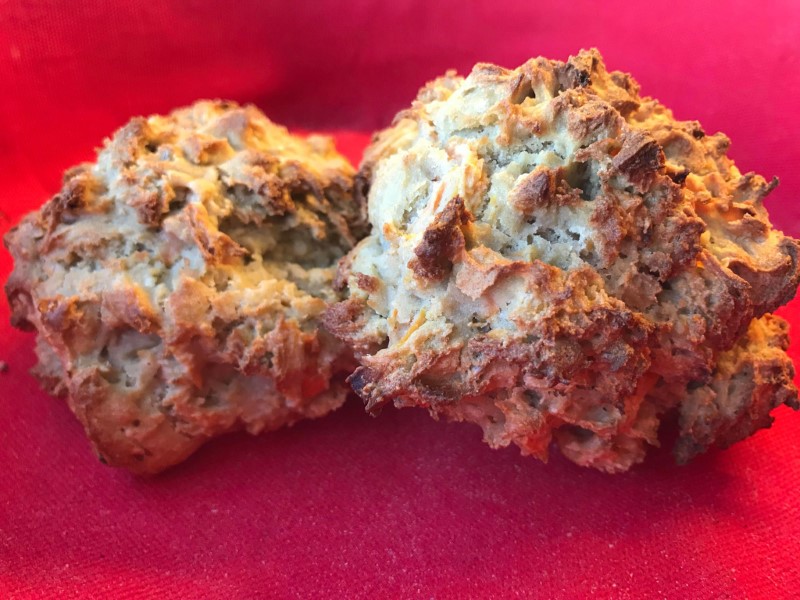
Carrot Buns
Dream Cake with Butter Beans
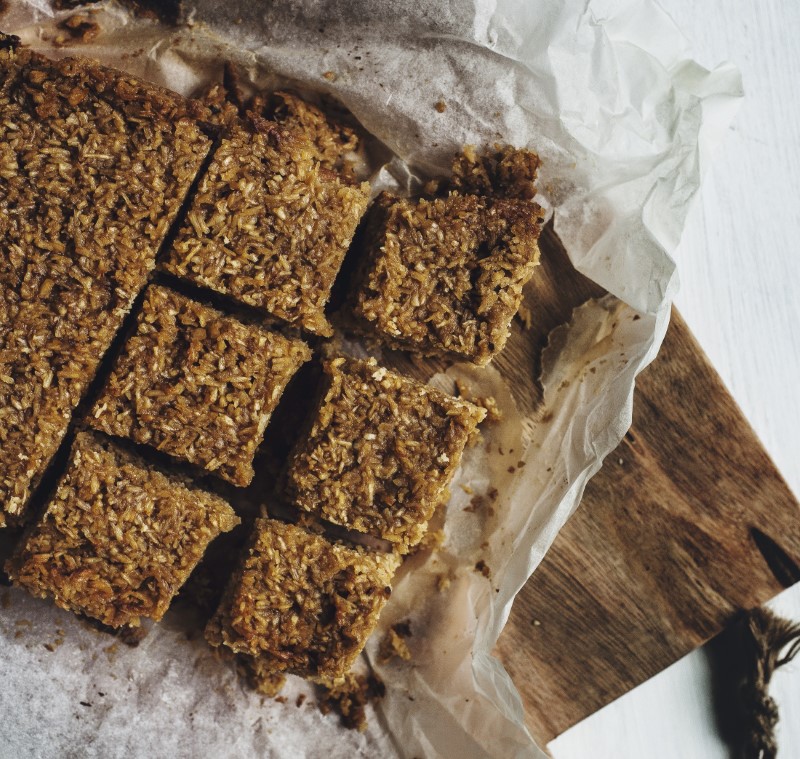
Crispbread with Insect Flour
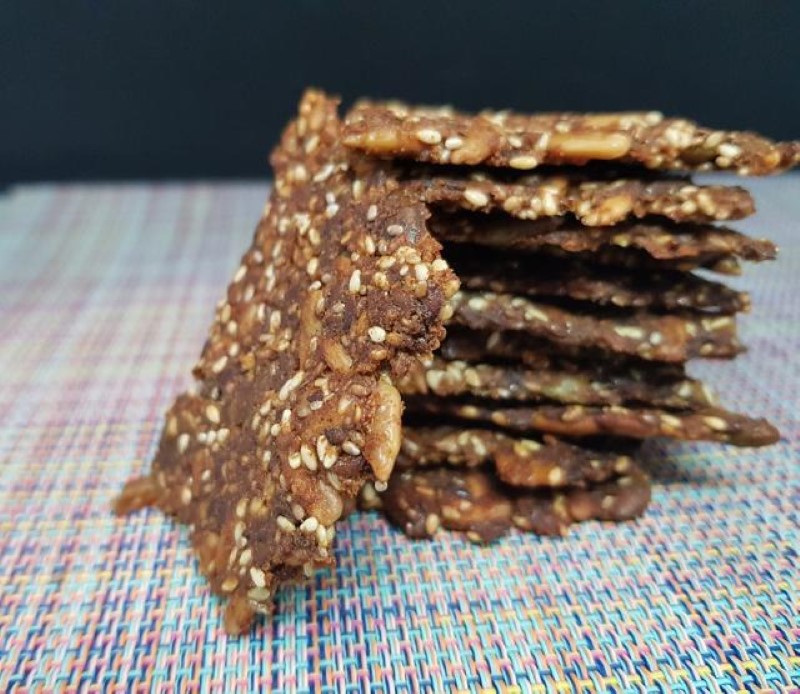
Egg Muffins
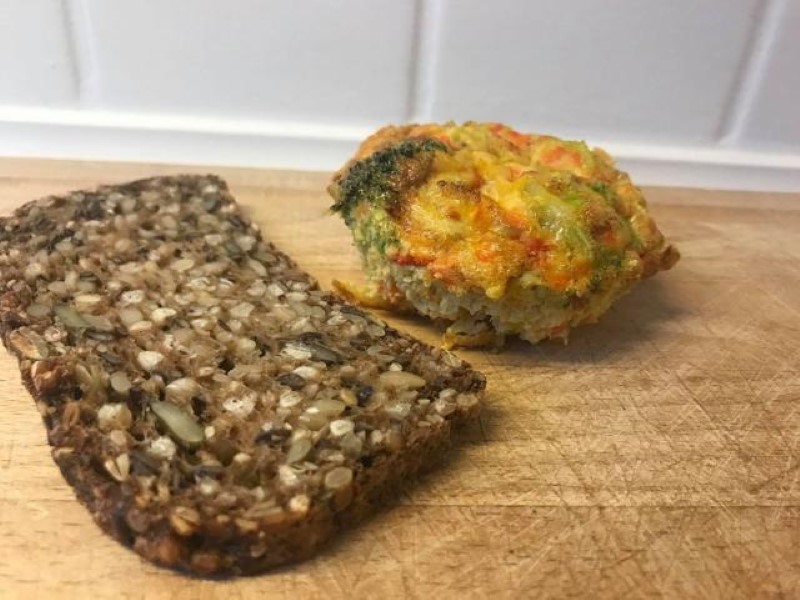
Gluten-Free Rusk Cake
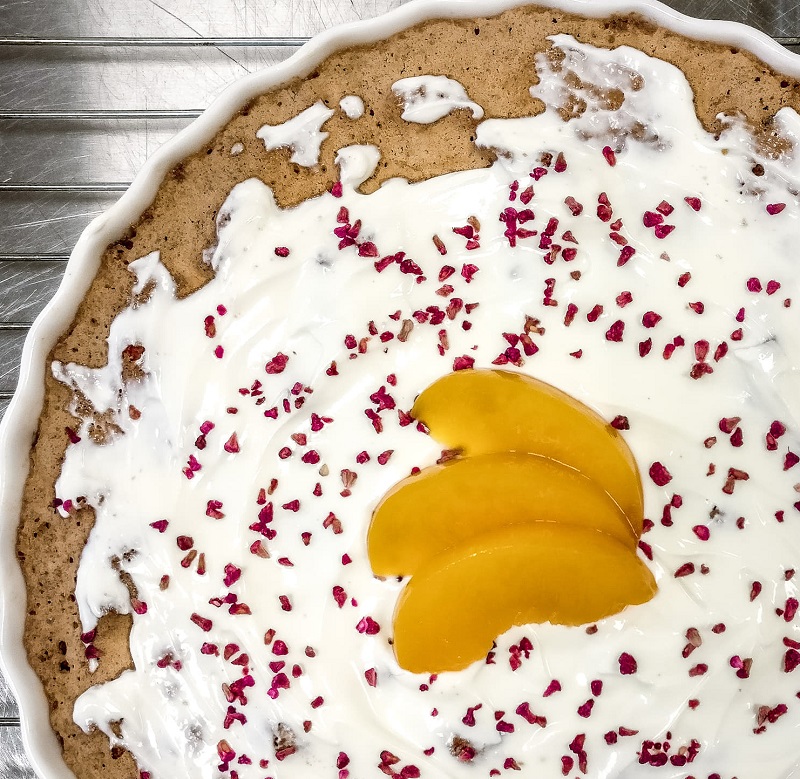
Toast Bread with Chickpea and Chestnut Flour
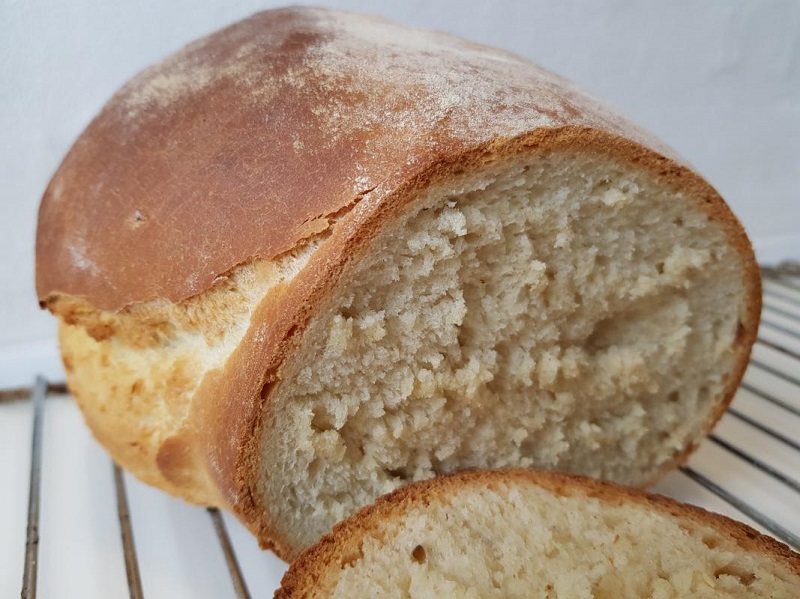
Vegetarian Pasta Carbonara

See the recipe here.
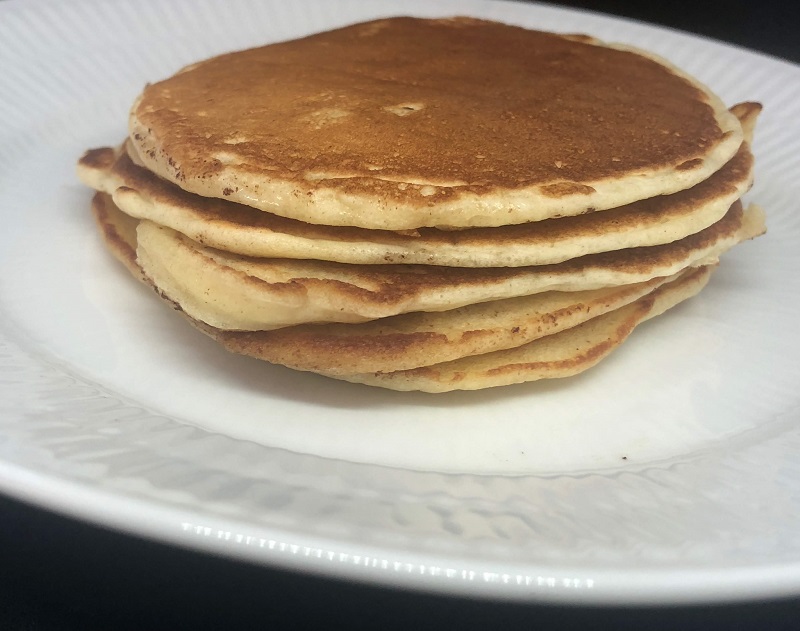
American Pancakes
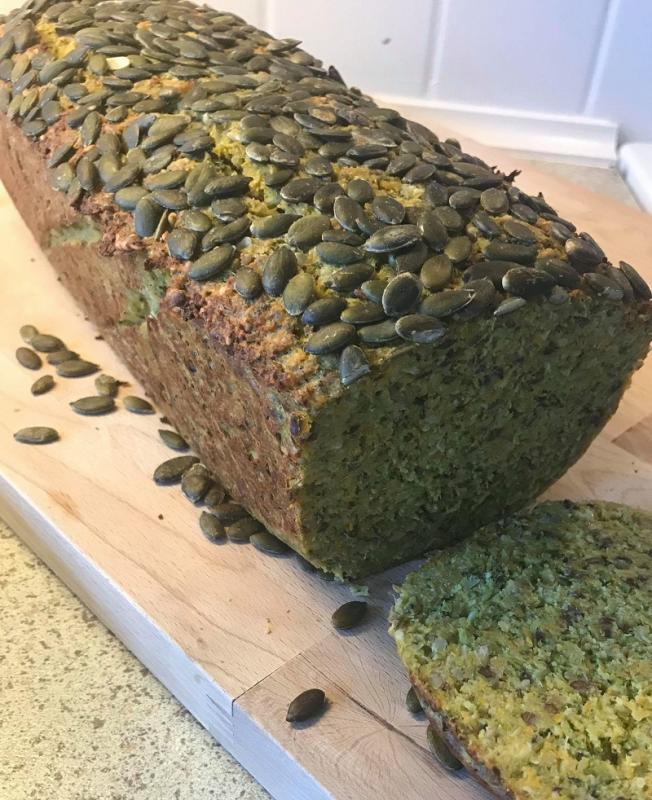
Gluten-Free Rye Bread with Vegetables
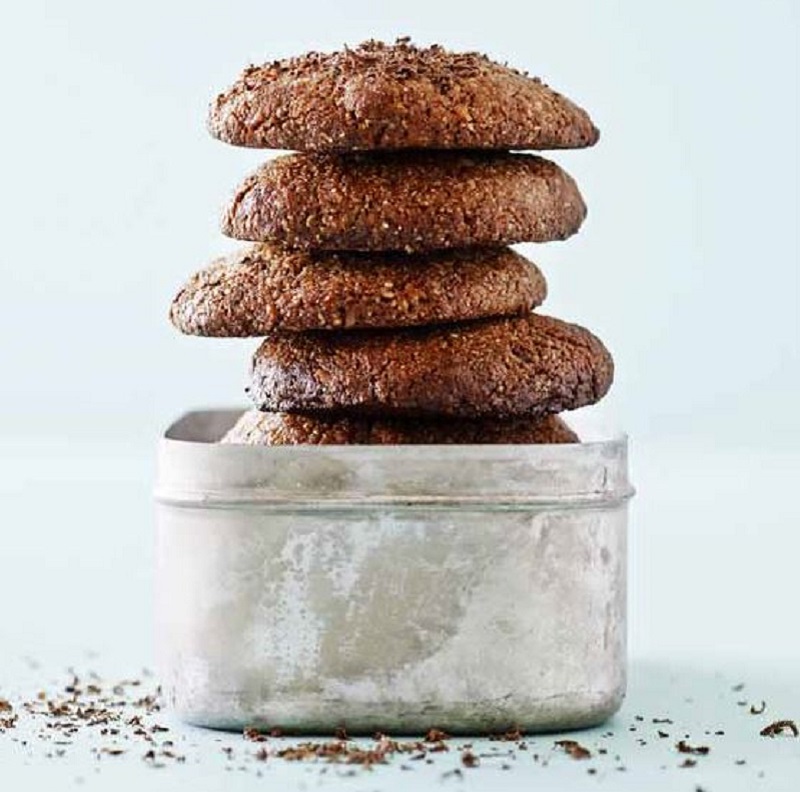
Cookies with Almond and Coconut Flour
Gluten-Free Pear Cake
Gluten-Free Spinach Tart with Salmon
Savory Waffles