

Eat the Danish Seasonal Ingredients

The month of September not only marks the official start of autumn – it is also a month that offers an abundance of beautiful and flavorful Danish seasonal ingredients.
When you buy ingredients that are in season, you not only do something good for your wallet and the environment; you also do your taste buds a great favor.
Fresh seasonal ingredients are often so delicate that they can become the central focus of a meal. A prime example of this is the potato which, in the summer, can be steamed and enjoyed with very few other components, such as fresh herbs, butter, and a genuine piece of meat, whereas in the winter months it is boiled for a longer time or mashed and served with hearty, robust stews.
Humans are creatures of habit, and while many of us tend to stick to certain regular ingredients, you will get a natural variation in your diet by eating according to the season.
A healthy and varied diet is essential for a healthy body, but if you want to eat as nutritiously as possible, it is only advantageous to eat seasonal ingredients, whose content of vitamins and minerals is at its peak.
This means you should choose the ingredients that are in season right now: Although, for example, apples are good for you year-round, you will benefit even more from eating them in the fall when they are fresh, newly harvested, and still packed with vitamins.
Which ingredients are in season in September?
The month of September offers, among other things, wonderful Danish root vegetables such as carrots, beets, and parsley root. Other vegetables include cauliflower, which was also in season in August, kohlrabi, pumpkins, corn, and green beans, while the fruit department will offer lovely Danish summer apples, pears, plums, and blackberries.
There are still delicious edible mushrooms to be found both in supermarkets and in the Danish forests, and in addition, you can indulge in eel, hare, and garfish – and much more!
In this article, you will get a complete overview of our September favorites and accompanying recipes, which you can draw inspiration from on your next trip to the supermarket.
Pumpkin Recipes

Pumpkin: (Un)spooky decoration or dinner?
The less familiar you are with the pumpkin, which is actually the world’s largest berry, the more likely you are to associate it with a certain American November holiday.
However, pumpkins are much more than an orange and decorative Jack-o’-lantern placed on American porches. The pumpkin family is a numerous – indeed, almost overwhelming – kind!
The pumpkin, which is related to melons and cucumbers, comes in all shapes, colors, and sizes, with either thick or thin skins: From the often large, round, and orange St. Martin, better known as the Halloween pumpkin, to the green Wintersweet and the more whimsically shaped, “band-aid colored” Butternut – just to name a few.
Did you know that zucchini also belongs to the pumpkin family? What might seem like a distant cousin is actually a so-called summer squash, which has not yet matured or developed its thick skin. Summer squashes cover the varieties whose skins are thin and shelf life short, while winter squashes are the thicker-skinned varieties often referred to as pumpkins.
As different as the many pumpkin varieties are in appearance, they can be just as different in taste; All are fundamentally edible, although not all are equally flavorful.
St. Martin, for example, is a rather bland experience to bite into. However, it can be advantageously used as a supplement in cakes and pastries, provided it is grated very finely and accompanied by various flavorings such as butter, sugar, and spices.
A very commonly used edible pumpkin here is the Japanese Hokkaido pumpkin, whose flesh is finer and more tender than some of the other varieties. Therefore, Hokkaido is one of the pumpkins that is particularly suitable as an accompaniment or for pumpkin soup.
Although the round, orange St. Martin is still the most cultivated pumpkin here, the cultivation of Danish Hokkaido is increasing exponentially. Although Hokkaido belongs to the winter squash family, it is also in season right now.
How do you prepare pumpkin?
While summer squash is often eaten raw and as is, the firmer and more fibrous flesh of winter squash should be cooked before serving.
Pumpkin is especially delicious when mashed, baked, or blended into soup, but there are many other uses.
If you want to serve a really creamy, flavorful pumpkin soup, it is beneficial to add a lot of good flavorings such as apple, lemon, and ginger, just as baking potatoes can help give an even fuller consistency to the soup. If you need even more inspiration for your pumpkin soup, check out this recipe.
Pumpkin salad is another possible use that can serve as a lovely lunch or appetizer or as an accompaniment to the main course. If you are also fond of meat-free alternatives, check out this delicious pumpkin salad with quinoa and delicious halloumi cheese.
You can also try making fantastic ravioli with pumpkin and ricotta and grate fresh parmesan on top, which immediately sends thoughts to Italian skies.
More recipes with pumpkin
Apple Recipes
“An apple a day keeps the doctor away,” as the saying goes.
Although there is no actual scientific basis for this popular proverb, apples are nevertheless a nutritious food that can help prevent several serious diseases and lifestyle diseases.
Originally, the apple was an exclusive food since the import of sweet, delicious fruits was not yet an option.
Apples, both Danish and foreign, are available in a multitude of varieties, each with its own characteristics and properties.
The old Danish apple varieties include Filippa, Red Ingrid Marie, Crown Prince Frederik’s Table Apple (also called Sweetheart Apple), Gråsten, Guldborg, and Signe Tillisch. These are just a few of the more than 300 different Danish apple varieties, although nurseries often house no more than 10-15 different ones.
Several of the original Danish varieties are on the sour side as they used to be used much more in cooking, but there are also many apple varieties that are delightfully sweet in taste. These classic Danish apple varieties have formed the basis for several fantastic crossbreeds over the years.
In Denmark, many foreign varieties are also cultivated, and here, for example, the English Discovery, which first came to Denmark around 1980, is a very popular apple variety grown here.
How do you prepare apples?
Apples, whether freshly harvested or not, can be enjoyed both raw and cooked and used in everything from sweet to savory dishes.
The majority of the vitamins are found in and around the peel, so if you are health-conscious, it’s best to enjoy them both raw and with the peel. The raw apples can provide a delicious, sweet and sour crunch to both salad
If you are gluten intolerant or want to avoid gluten for any reason, this delightful gluten-free breakfast porridge with apple and cinnamon might be for you.
However, if you find yourself with a surplus of apples, you are probably looking for new ways to use them.
One option is apple marmalade. On a cold and rainy autumn day, there is nothing like baked, warm apples with cinnamon and vanilla, while the apple, in the savory kitchen, can appear in a “Danish” Coq Au Vin.
Returning to the breakfast genre, apples are also fantastic to cook with in morning porridge with raisins and almonds. See a lovely recipe for one right here. You can also serve them as an apple compote on pancakes.
Want to know more about apples? You can learn more in this article.
More recipes with apples
Beetroot Recipes

They can be round, elongated, conical. Yellow, white, black, and even striped. No matter what, the gold is buried under the soil!
Most of us are best acquainted with the elongated, red-violet beet, as this is the most cultivated here.
The beetroot, as we know it today, is an improved version of its wild ancestor, the sea beet, which does not have a swollen root. Plant breeding is the human cultivation of new, improved plant varieties through continuous and artificial selection.
As a common pickled companion on liver pate, some Danes might be led to consider this as the beetroot’s primary purpose in life. This is far from the case.
Have you ever bought a bag of mixed baby leaves at the supermarket? The violet leaves with matching stems come from – you guessed it – the beetroot plant.
Here, the beet itself is often used as a side dish, but looking toward Russia, the beet plays a fundamental role in the Russian national dish, borscht.
The beetroot plant can indeed do much more than act as a sweet and sour side dish at the lunch or dinner table.
Packed with filling dietary fibers and nutrient-rich vitamins and minerals – especially iron in a very absorbable form – it is not surprising that the beetroot has previously been grown as a medicinal herb against, among other things, iron deficiency and infections.
Have you ever wondered why beets release so much color on your hands and cutting board?
The red-violet color of the beet comes from the abundance of pigment, betamin, and the beet’s cells are so unstable that they will release a lot of color when destroyed, which they are when you cut into the beet.
However, rubbing your beet-colored hands with a slice of lemon easily removes the color – or you can wear gloves.
One reason beets are pickled is that the unstable beet cells become significantly more stable in a liquid with a low pH value.

How do you prepare beetroot?
Beets can be enjoyed raw, pickled, and oven-baked as a delightful, sweet side dish to meat, for example.
With its beautiful, deep-violet color, the beet can brighten up almost any meal, and you might try grating it with carrots for a colorful raw salad.
Also, use the fresh beet leaves in a mixed salad, where they will contribute a round, nutty flavor.
You can serve the beet cooked with a delicious, strong mustard dressing and thin flakes of parmesan on top.
If you are up for making your fantastic soup, try this beet soup with horseradish and serrano ham.
Pickled beets should, of course, still have their place in the kitchen, but here we would always recommend making your delightful homemade pickled beets, as they taste much better than those you find on the supermarket shelf.
Use the homemade pickled beets as a side dish to Parisian steak, the grandma classics million beef and burning love, or the classic hash with fried egg.
Beetroot is also a popular food colorant in the food industry, and you can easily transfer this to your kitchen: For example, use beet juice to create a beautiful pink cake glaze or pink foam in homemade cream puffs.
You can also try boiling the beets with pasta for a fantastic visual expression in the pasta salad.
More recipes with beetroot
Pasta salad with beetroot

Beetroot tart with goat cheese

Beetroot and balsamic spheres

Beetroot pasta with fried coley and poached quail eggs

Salad with spinach and beets

Celeriac Recipes
Kitchen enemy number 1 or beloved classic?
Celeriac’s somewhat tarnished reputation is far from deserved: It is a bit of a stubborn myth that it is pale and bland in flavor.
The bad reputation probably comes from our greed: If you tend to go for the largest celeriac in the produce section, you have unwittingly shot yourself in the foot.
Several studies have shown that celeriac, regardless of its size, contains the same amount of dry matter. This means in practice that a small celeriac is more flavorful and intense in taste, while a larger celeriac, due to its higher water content, will have just a milder – or weaker – flavor.
Additionally, a large celeriac is more likely to be spongy or have holes in its flesh. There are several good reasons to go for the smaller ones if you want to fully express the celeriac’s “flavor potential.”
Where other root vegetables, such as beets and carrots, are relatively sweet in taste, celeriac has much more character: It contains both sweetness, bitterness, and umami, with the sharp, bitter taste being more pronounced in raw celeriac. The sweetness and umami flavor, on the other hand, come out more when cooked.
Celeriac – size notwithstanding – lowers cholesterol and is, among other beneficial nutrients, rich in muscle-relaxing magnesium as well as potassium and manganese, the latter of which is known to counteract osteoporosis.
The health benefits of eating celeriac are therefore several, but you are guaranteed to be just as interested in knowing how you can integrate this knobby and gnarled root vegetable into your cooking.
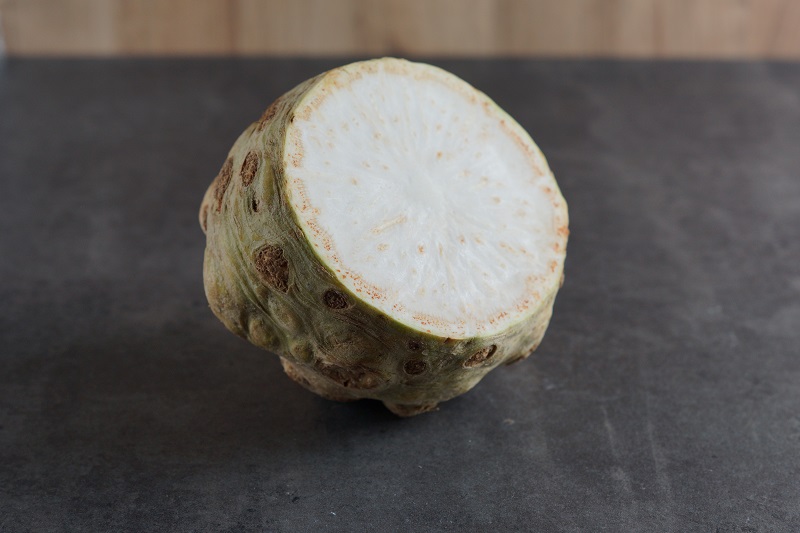
How do you prepare celeriac?
Typically, the root – or tuber – is used for cooking, but both the leaves and stalks are fantastic flavor enhancers in many dishes and contexts. The stalks – celery – are lovely in a raw salad with finely sliced cabbage and apples tossed with grandma dressing.
The tuber can withstand almost all cooking methods. If you do not want to eat it completely raw, you can choose to boil, bake, fry, pickled, marinate, or sous vide it.
It can be peeled using a knife or a peeler and can also become a delightful side dish, for example, if you cut it paper-thin on a mandolin and marinate it in lemon juice.
Also, try cutting the celeriac into slightly thicker slices and either coating them in egg and breadcrumbs, followed by a turn in the skillet, or putting the slices in the oven covered by a good layer of salt until they are baked tender as butter.
Celeriac is also ideal for purée and mash, and it is, of course, indispensable in various soups, including chicken soup.
If it’s “meat-free Monday,” you can make delicious breaded celeriac steaks for dinner and serve them with a wonderful kale pesto and Hasselback apples.
In conclusion, celeriac can be used as a delightful flavor enhancer in many dishes, for example, blended and added to the meat sauce in an otherwise classic spaghetti bolognese or added to risotto.
More recipes with celeriac
Meatballs in celeriac

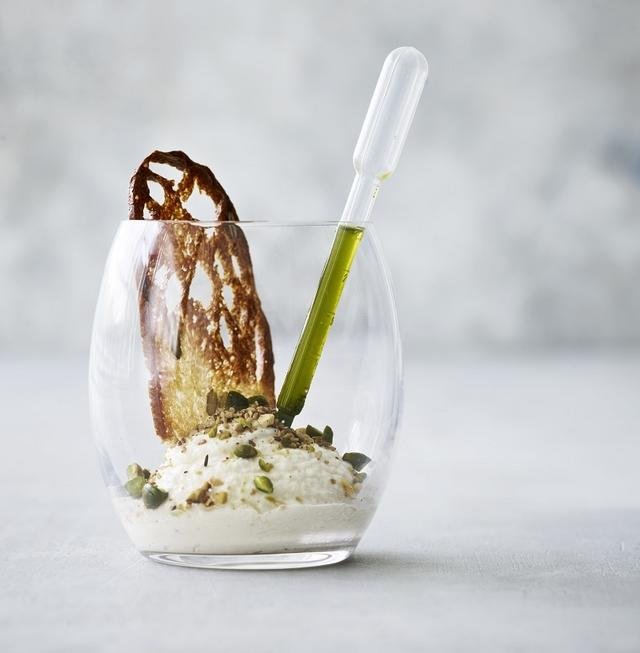
Cream of salt-baked celeriac with pistachio-dukkah
Potato-celeriac mash

Salt-baked celeriac

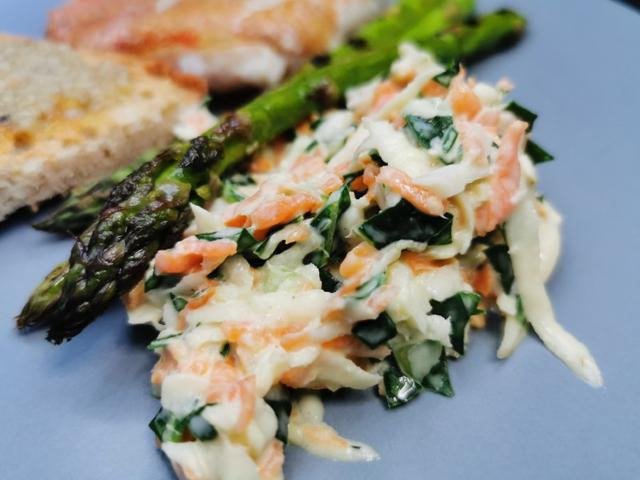
Coleslaw with pointed cabbage and celeriac
Pigeon with grapes and celeriac (Pigeonneaux aux raisins et séleri save)

Chanterelle Recipes

The highly decorative chanterelles are nothing less than the forest’s gold.
Chanterelles have proven difficult to cultivate commercially, which is why they continue to be collected in nature. This is somewhat reflected in supermarket prices.
Here, however, there is ample opportunity to find chanterelles yourself, and mushroom hunting can be an exciting and adventurous event, either on your own or with others.
Chanterelles are also almost impossible to confuse with other, toxic mushrooms. This means the chanterelle hunt can proceed relatively safely.
Mushroom hunting should generally proceed with caution. This means you should always go about it systematically and critically. It is crucial that you study different mushroom groups and their distinguishing characteristics. Also, remember that all of the mushroom’s characteristics must match before you can be completely sure.
How do you prepare chanterelles?
Chanterelles can be enjoyed raw, fried, and baked, and they are fantastic in salads, stews, tarts, risotto, on pizza, and much more.
Quickly sautéed chanterelles go exceptionally well on a slice of toasted rye bread or country bread.
If you wish to either supplement or reduce your meat consumption, chanterelles are a good substitute for meat. Their very delicate, slightly peppery flavor contributes plenty of umami to many dishes.
You can try using chanterelles in a lovely and fresh late summer salad. Here you will also find guidance on how to clean the chanterelles gently.
If you need ideas for a good appetizer, you can find inspiration in this delicious and very creamy Jerusalem artichoke soup, where the chanterelles are butter-fried.
If you would like to include the chanterelles in a delicious side dish for the main course, you can try your hand at this sous vide beef tenderloin, where the mushrooms appear in the form of a fantastic chanterelle stew. A lovely dish for the cooler September evenings.
Chanterelles can keep for a few days in the refrigerator. Place them in a paper bag or other breathable container. You can also freeze the chanterelles: Simply blanch the raw chanterelles for a few minutes beforehand.
Lobster Recipes

There is something quite beautiful about bringing home a whole animal for dinner.
The black lobster is the largest crustacean we have here, and together with the Norway lobster, it is the only species of lobster found in Danish waters.
Lobster meat is high in protein and low in fat and has an intense and rich sweetness and umami flavor. Compared to the Norway lobster, the lobster is firmer in its flesh.
Although it is possible to produce in land-based facilities, the black lobster is mainly caught in the wild. Lobsters grow very slowly, making farming a multi-year project, and, in addition, lobsters are cannibals, requiring quite a bit of space to avoid eating their kin.
What is considered a very exclusive food today was once regarded as a downright cheap discount product.
When Europeans arrived in America in the 17th century, lobster fishing was already widespread among the Native Americans.
Here, lobsters were in such abundance that they could be gathered on the shore at low tide, and because lobsters were so common, they became a food for the servants who had to go so far as to ask not to be served lobster more than twice a week.
It can be hard to imagine these conditions when we talk about such an attractive and costly ingredient today: Lobsters are now considered a status symbol and something served at fine gatherings and occasions, but since the market is driven by supply and demand, this is not entirely incomprehensible: Overfishing of lobsters made it a rare occurrence over time, which naturally resulted in rising prices.
How do you prepare lobster?
It is almost conventional that lobsters should be alive as close to preparation as possible. For some, it may seem brutal to kill a lobster, which is why some choose to throw the live lobster directly into the boiling water.
The risk of this method, however, is that the lobster may suffer an inhumane death if the water is not boiling vigorously.
You can always ask the fishmonger to kill the lobster for you in advance, but if you buy a live lobster, the quickest – and entirely painless – method is to stick a sharp knife into the lobster’s neck.
The lobster has a cross on its neck that you should aim for – be quick and precise and make sure the blade is directed toward the head so it can split in the same motion. How this is done can be seen in the video below.
Lobster can be gratinéed, fried, baked, or boiled, and when the last rays of the late summer sun are still warming, the lobster is also perfect for grilling.
If you have a weakness for pasta or the Italian kitchen in general, we can delight you that the lobster is also delightful here: Let yourself be inspired by these utterly exquisite saffron ravioli with lobster filling.
Since a large part of the flavor is in the lobster shells, you should save these to make your lobster stock and, for example, use the stock for a fantastic flavorful bisque.
If you want to know more about shellfish in general, you can learn much more in this article, where we have also gathered a wealth of delightful recipes.
More recipes with lobster
Danish black lobster

Blackberry Recipes
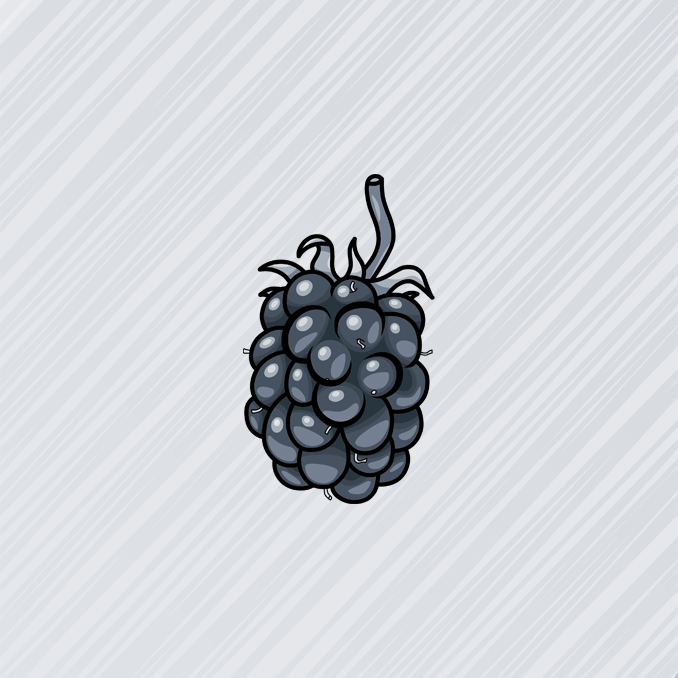
Although they are available from around July to October, August and September are the months when the Danish landscape is truly adorned with what is perhaps the most beautiful berry we have here: the blackberry.
The blackberry is considered by some as a last greeting from the bright times and warm sunbeams, and they are one of the beauties that help sweeten the Danish late summer and autumn.
The sweet-tart, highly aromatic blackberry is often found in and around Danish forests, where they grow wild. The blackberry also grows in cultivated form, and in addition, the bushes are found all over the country.
Botanically, the blackberry is a so-called aggregate fruit, and the blue-black berries have a high fiber content and are rich in both vitamins C, E, and K.
Blackberries taste best when they are freshly picked, which is why you have likely noticed that the taste experience from the freshly picked blackberry is entirely different from the one you get from the berry you find in the plastic tray from the supermarket.
Before you pick the berry, make sure that the berry 1) is completely black and 2) easily releases from the branch. Otherwise, you might risk a rather sour experience.
If you are one of the lucky ones with a blackberry bush growing in your backyard (that has yielded a good harvest this season), you may be looking for inspiration to incorporate the blue-black wonder in new exciting ways in the kitchen.
How do you prepare blackberries?
An obvious and apparent option is to use the blackberry in various forms of cakes, muffins, and tarts.
They can be included in the dough and baking – or they can be added as a delightful touch on top of the finished cake, as done in this layer cake with nut/meringue bases and velvety mocha cream. Here, the fresh berries provide a perfect tart contrast to the bold, rounded mocha flavor.
You can also make a stunning blackberry crumble with salted caramel, almonds, and white chocolate, as done in this recipe.
If you are in a festive mood, you can also use the fresh blackberries as a garnish on the modern cocktail classic “Bramble”.
Blackberries are also fantastic flavor enhancers in the savory kitchen. See, for example, this roasted pheasant served with both blackberries, Jerusalem artichokes, and a lovely morel sauce.
To spread on your freshly baked oatmeal rolls, you can also make a quick and delicious blackberry marmalade in just 20 minutes.
More recipes with blackberries

Onion Recipes
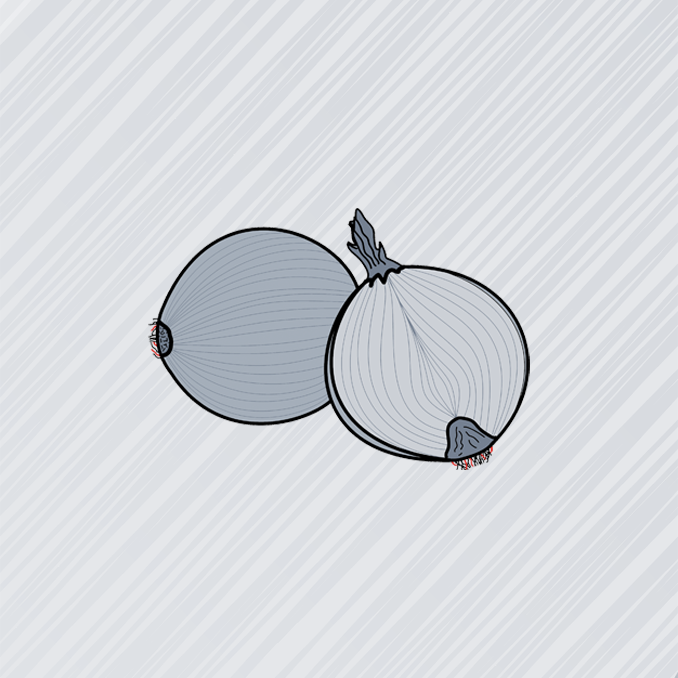
Red, white, brown, and green. Thick, thin, oval, and round. The time has come for onions, and they are also on our list of September favorites.
Onions have been a staple in cooking for many thousands of years. In ancient times, the Egyptians had a unique view of onions and their properties: They believed that the pungent smell of onions could bring the dead