


Cream, mousse, fromage or pudding?
We Danes are baking cakes and desserts more than ever. Sweet treats are more fashionable here than ever before, and the popular TV program, “The Great Bake Off,” will soon run its ninth season.
It’s no longer enough to put together a simple sheet cake with a bit of icing on top. No, now we dive into cakes and desserts with multiple components, beautiful details, and creative flavors. There’s simply a sport in the dessert genre.
Number cakes are a big hit, and layer cakes are decorated to perfection with intricate details – just look at this black magic layer cake with chocolate mousse and this beautiful chocolate layer cake with banana layers and caramel mousse.
Suddenly, there are many new words we need to consider when we talk “cake language,” and we can easily get confused.
Many of the words are not even Danish.
And what exactly is what? Pudding, cream, mousse, and fromage are four dessert types that are often confused with each other, so what’s really the difference between these wobbly, soft desserts? How are they used? How are they made, and what makes them different?
Below we try to give you the answer.
The light mousse
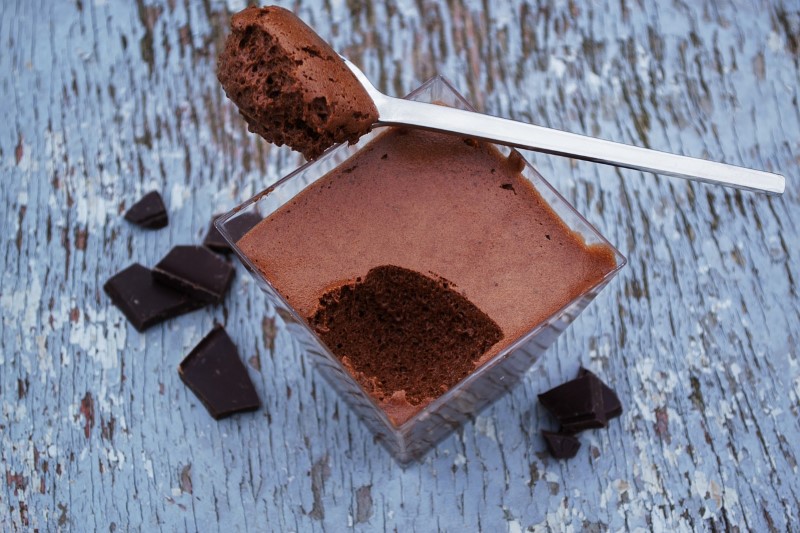
A mousse is probably the most airy of the four desserts, which is also reflected in its name: Mousse means “foam” in French.
The consistency of a good mousse is without any lumps, and it’s silky smooth and airy like a cloud thanks to the thousands of tiny air bubbles in a mousse.
A mousse can be made with or without the use of sugar, and it is used in both the sweet and savory kitchen.
In the sweet kitchen, the most well-known mousse is made with chocolate. Chocolate mousse can be made with white, milk, or dark chocolate—or a combination—which can look truly beautiful in a tall dessert glass.
The basic mousse recipe typically includes egg whites, whipped until very airy with sugar, and/or light whipped cream, and then the desired flavor, such as melted chocolate.
If you use chocolate, it must be very gently folded in with the other ingredients to retain the airiness.
Recipes with mousse
Mousse can certainly be enjoyed on its own, but it is also perfect for enhancing, for example, a heavy chocolate cake.
Below you will find our favorite mousse recipes.
Fig Dream with Nut Crunch and Caramel


Casper Sobczyk’s Version of Chocolate Mousse

Layer Cake with Chocolate Mousse

Mousse Dream with Almonds and Vanilla


The elegant fromage
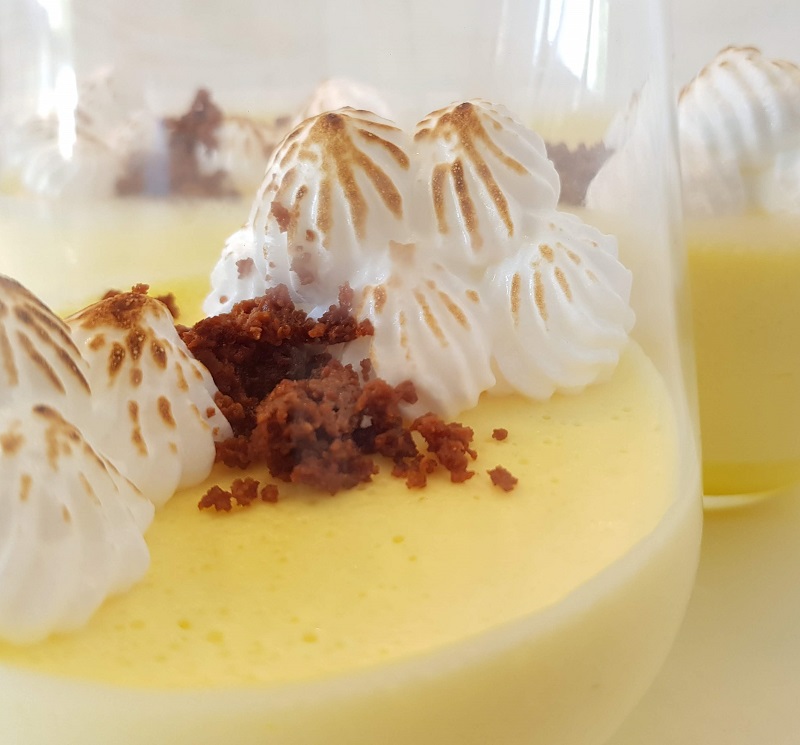
The basic recipe for fromage consists of whipped cream, eggs, sugar, gelatin, and then the desired flavor.
Mousse and fromage are very similar. The main difference is that gelatin is always used in fromage. This also makes fromage stiffer in consistency than mousse. However, there is both sugar and whipped cream in it, just like in a mousse.
Recipes with fromage
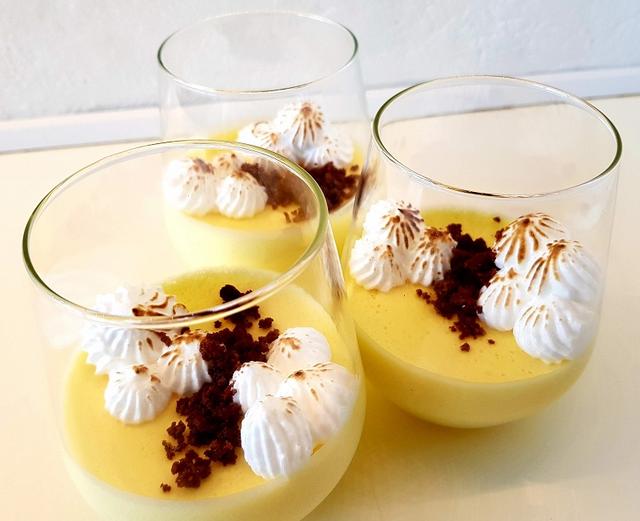
In a fromage, you can really play with flavors. A very well-known and used flavor in fromage is lemon, and in addition, both orange and rum are really delicious.
You can also be creative and make a fromage with the taste of Baileys, ginger, or coffee.
Below you will find our favorite fromage recipes.
Lemon Fromage with Torched Meringue

The soft, delicious cream

The word, cream, is French for “cream” and is typically used to describe a thick – either cream or custard-like – mass consisting of eggs, butter, sugar, flour, and/or cream.
Cream is often used in cakes and other desserts, but the possibilities also extend into the savory kitchen – for example, in the form of blended sauces and thicker soups.
In patisserie, a typical basic recipe consists of either cream or milk, and additionally butter and sugar and eggs. Then flavor can be added according to preference.
In the sweet kitchen, the classic flavors are vanilla, caramel, chocolate, or fruit purée. Try, for example, adding strawberries or rosehip, or perhaps basil or mint.
One of the most well-known cream desserts is crème brûlée: The classic French dessert, which is basically made from cream, egg yolks, and the characteristic crispy burnt sugar on top.
A cream, like a pudding, must set in the fridge until it is used, but it is not nearly as firm and wobbly as a pudding. Both remonce and raw cream also belong in the category of cream.
Recipes with cream
A cream can be a dessert in itself, but it is often used to spread between layers in a cake or as an accompaniment to fruit.
Below you will find our favorite cream recipes.


Chocolate Muffins with White Chocolate Ganache


The classic pudding
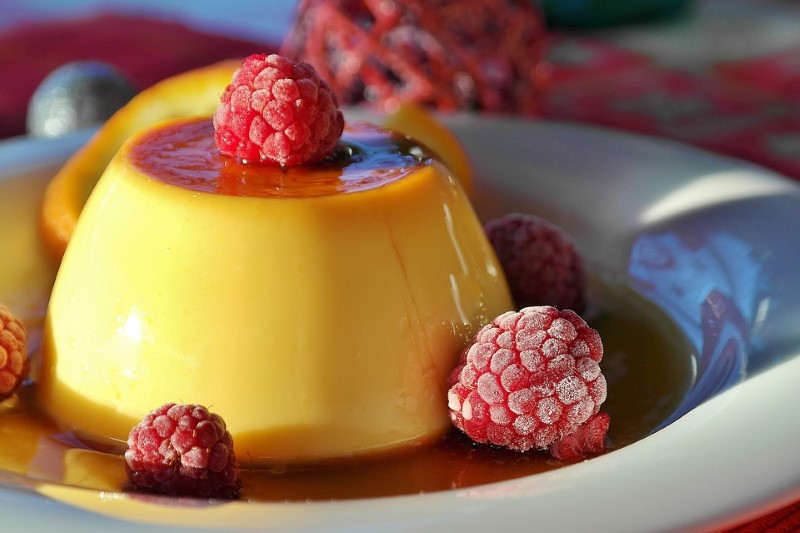
Pudding can actually be divided into both dessert puddings and puddings made of meat, vegetables, or fish.
The word, pudding, originally comes from the English word, pudding, which traditionally refers to a dough filled with, for example, fruit or a filling of meat, vegetables, or fish, and then baked in a closed mold.
Here, the word is typically used to describe a cold dessert of an egg and cream mixture flavored with, for example, chocolate, nuts, rum, or fruit mixed with a starch, typically gelatin.
Panna cotta falls into the category of puddings.
A pudding contains more starch than both cream, mousse, and fromage. It is also solid all the way through, and a real pudding should not have any airholes. Additionally, it should ideally wobble when gently shaken, which sets it apart from the three desserts mentioned below.
The basic recipe for pudding consists of either cream or milk, as well as sugar and a type of starch. The starch can be either animal-based, meaning gelatin, or plant-based, such as cornstarch.
Then flavor can be added, and here it’s really only your own taste buds that set the limits.
Pudding, as we know it today, doesn’t need to be baked, but simply set in the fridge in a mold or in a glass.
Recipes with pudding
One of the most well-known flavor variants for pudding is vanilla, but you can also choose to add licorice powder, cocoa powder, or even chili.
Pudding can be eaten on its own, and it can also be served with berry sauce, whipped cream, or berry compote.
Below you will find our favorite pudding recipes.
Vanilla Panna Cotta with Lemon Syrup and Caramelized Walnuts


Can it be sous vide?

Yes, that is indeed a question we often ask different ingredients, components, and recipes.
And can pudding, cream, mousse, and fromage actually be prepared in sous vide?
So far, we have successfully made a Crème Brûlée using the sous vide method, and we actually like to call it “The Perfect Crème Brûlée without Stress”! See the recipe here.
Source: Gastrolex.dk