
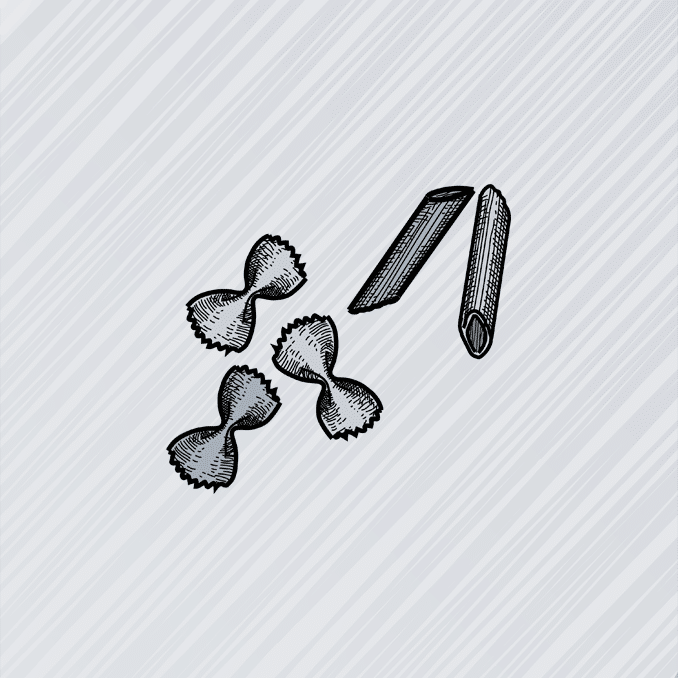

It’s not just the Italians who love pasta. It has also started to make its way into the homes of Danes.
Especially among the younger generations, spaghetti, penne, rigatoni, and tagliatelle have replaced potatoes as the primary source of starch for dinner.
Pasta is no potato
Many Danes tend to use pasta as if it were a potato and have started using pasta for dishes like carbonades.
Pasta is not a potato. Pasta deserves not to be eaten without seasoning or without a sauce.
Instead, eat pasta as a dish in itself. It doesn’t take much to elevate pasta into a fantastic meal. It only requires a bit of cheese and some pepper.
Avoid doing these things
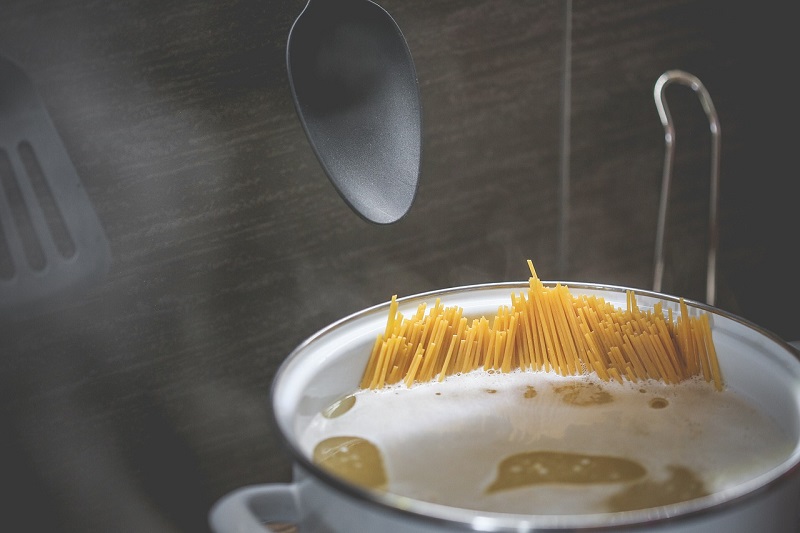
To get a good pasta, there are certain things you shouldn’t do when boiling pasta.
Many believe that pasta won’t stick together if oil is added to the water. However, this is not true.
On the contrary, the water may struggle to come to a full boil if oil is added. So save your delicious organic virgin olive oil for another purpose where you can actually taste it. You can, for example, marinate the pasta in the oil after it’s cooked.
When the pasta is done cooking, some choose to rinse the pasta in cold water to avoid it sticking together.
But a downside to this trick is that it washes out the flavor and starch from the pasta. Unless you’re quickly trying to whip up a pasta salad, you should preferably avoid rinsing the pasta afterwards.
How much water you should use
If you use enough water for boiling, the pasta will stick less. How much water is needed can be challenging for some to figure out.
A small rule of thumb is approximately one liter of water for every 100 grams of pasta.
It’s important that the water is boiling vigorously, as this prevents the pasta from sticking together and also ensures that the pasta doesn’t absorb too much water and become too mushy.
Save the cooking water
Before you strain the water from the pasta, you should save a little of the water.
The water contains a lot of flavor and starch, which can be used in the sauce to give it extra flavor.
That’s why it’s important to salt the water
It’s not irrelevant when you add salt to the water. As soon as the water boils, you should add salt to it. This makes the water take a bit longer to boil. Once the water boils again, you can add the pasta. Then stir for a couple of minutes. This prevents the pasta from sticking to the bottom of the pot.
By adding a lot of salt to the water, you avoid over-salting the sauce. Although it may seem excessive to add 10 grams of coarse salt per liter of water, you shouldn’t be afraid of adding too much salt to the water. It’s also easier to get the pasta just right when there’s enough salt in the water.
Avoid food waste
It varies from family to family how much pasta to cook. It depends, among other things, on how much you as a family can eat. But there’s a small rule of thumb that you can use. It’s 125 grams per person if you’re eating pasta as a main course.
How to know when your pasta is done
It’s important that the pasta has the right consistency when you take it off the stove. There’s nothing more boring than pasta that’s either undercooked or overcooked.
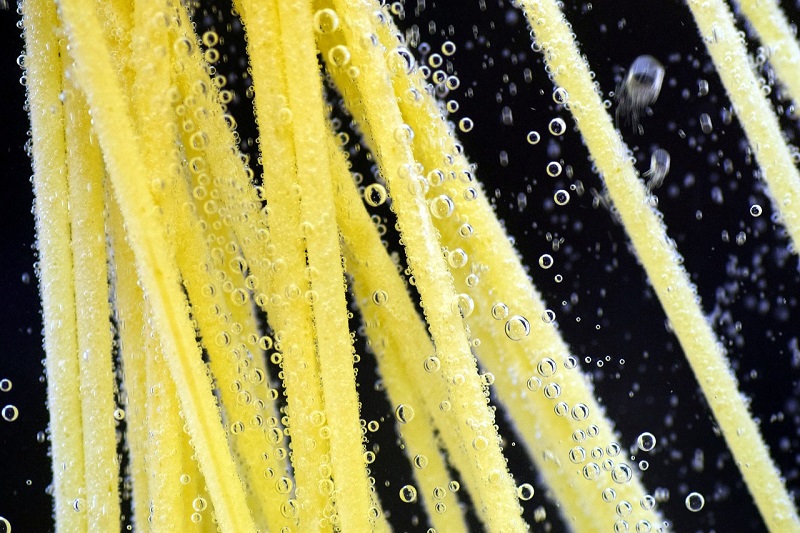
Often, the pasta packaging will have a small guide that you can follow. Otherwise, you just need to taste the pasta occasionally to monitor its consistency. Another little trick is that when the pasta changes color from golden to slightly white, it’s a sign that the pasta is about to be ready.
Some choose to take the pasta off a minute before it’s fully cooked, then add it to the sauce and let it finish cooking there.
Homemade pasta and pasta recipes
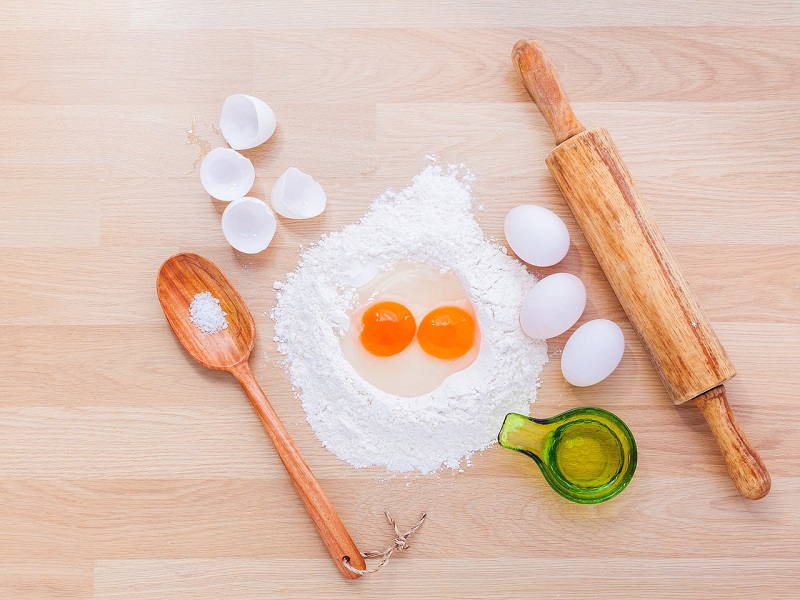
If you’re eager to start making your own homemade pasta, we have a few recipes below.
We have also gathered some of our best pasta recipes and articles:
- Homemade pasta with organic eggs
- Tortellini
- Homemade pasta
- Homemade lasagna sheets
- Homemade farfalle
- Homemade pasta with saffron
- Ravioli with pumpkin and ricotta
- Homemade spinach pasta
- Lasagna with homemade lasagna sheets
- Ragú alla Bolognese with homemade pasta
- Beetroot pasta
- General guide with lots of recipes from Italy
- Spaghetti Carbonara – article with lots of recipes
Source: Euroman