
French cuisine is renowned for its finesse and long culinary history, and for many, it is practically synonymous with gastronomy. Today, French cuisine is considered the finest in the world and has widespread international acclaim: Many of the recipes we know have French names, just as the international gastronomic lingua franca is French.
Read on for inspiration from the world’s most magnificent cuisine!
French Culture and Gastronomy
The French are known for being bon vivants. For them, a good life and good food are inextricably linked, and their unique gastronomy’s distinct class was confirmed in 2010 when French cuisine was inscribed on UNESCO’s World Heritage List.
French cuisine is closely tied to the French self-perception. A clear example of this is the culture surrounding food and cooking already in French elementary schools. Here, students are served quality food and also learn how to prepare it themselves.
It is mandated by the French Ministry of Education that children in primary school are educated in a qualified, inquisitive, and critical quality-conscious approach to food and meals. For the French, culinary experiences are intertwined with social life and community from a young age.
This insistence on quality and the preservation of traditional French recipes and gastronomic values is also seen in parts of the older French population. Some older French people reportedly refuse to eat foreign food.
Haute Cuisine: Where It All Began
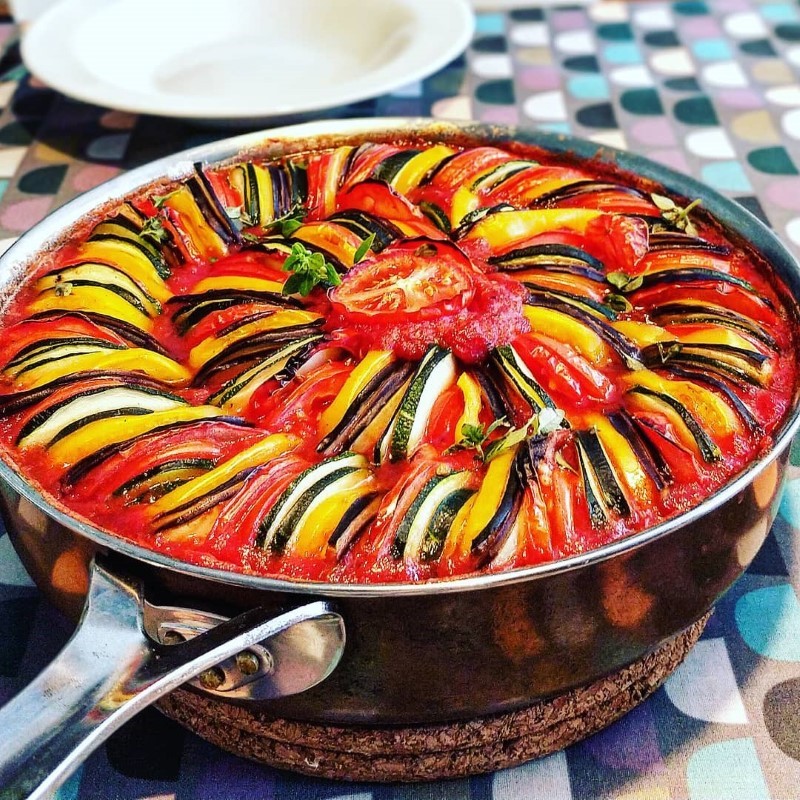
French cuisine is rich with culinary history, ranging from simple and rustic cooking in humble rural areas (take, for example, ratatouille) to grand multi-course haute cuisine in vibrant Paris.
Haute cuisine can be translated to “the noble kitchen,” and it refers to traditional fine French cooking with many different dishes in a single meal. The concept originated from a noble and royal tradition of enormous, hours-long banquet feasts with up to 50 courses. These festive meals were consumed by the royal family and nobility under full public scrutiny!
The dishes included very special ingredients such as caviar and tongue, as well as fruits and vegetables that were out of season and therefore not available to the common folk. This gastronomic feat was a demonstration of the abundance of wealth, knowledge, and power by the French royal house.
It was an enormous task for the royal French chefs, as the meal was structured based on a system with carefully planned structures. The order of the dishes was meticulously thought out, creating a need for organization. The recipes were therefore written down along with specific prescriptions for culinary etiquette, and in this way, haute cuisine was organized from the highest level, so that the art of gastronomy could be transmitted to future generations.
Great French chefs like Marie Antione Carême (1784-1833) and Auguste Escoffier (1846-1935) managed to some extent to preserve the traditions surrounding haute cuisine, albeit in a somewhat simplified version.
Nouvelle Cuisine: The New Kitchen
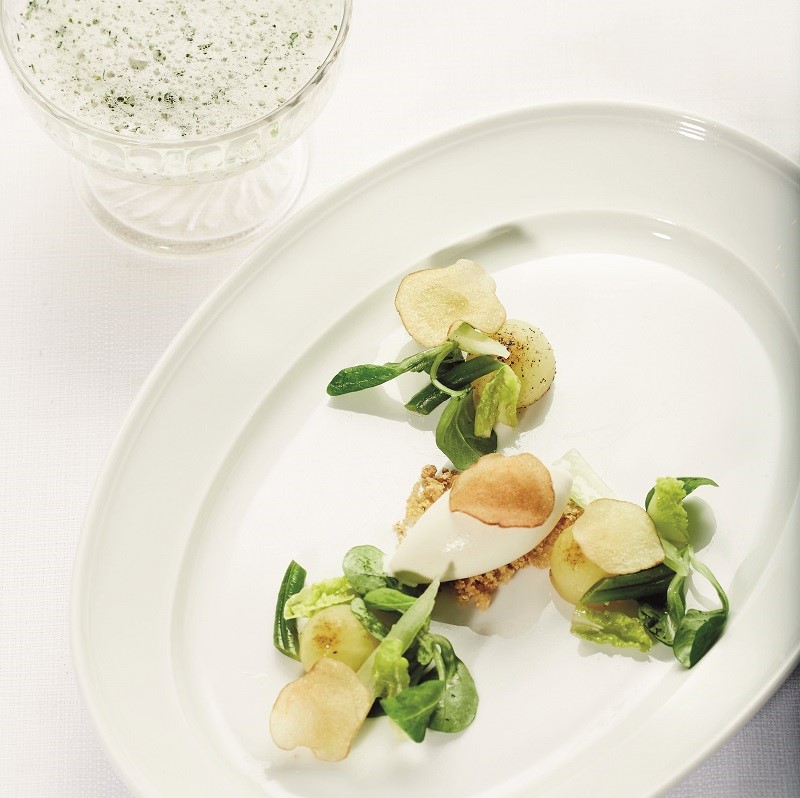
Nouvelle cuisine represents a more modern approach to cooking and presentation in French cuisine. Compared to the traditional haute cuisine, which consists of heavier dishes and various stews, the dishes in nouvelle cuisine are lighter, simpler, and “fine” – just as most of us associate with fine French cooking today.
This new approach to cooking took shape in Paris in the 1970s. The French have historically been frontrunners in several areas, and the movement behind nouvelle cuisine emerged from the times: With the modern business life, there was no longer time for hours-long lunch meetings, hence the demand for simple and light menus increased.
Le Nouveau Guide, compiled by three French food critics, described the new food movement as follows:
- More straightforward cooking.
- Shorter cooking times to best preserve the natural flavors of the ingredients.
- The freshest ingredients possible.
- Restaurants present short, simple menus rather than large, complicated ones.
- No strong marinades for meat.
- Heavy sauces like espagnole and béchamel are replaced in favor of fresh herbs, butter, lemon juice, and vinegar.
- Dishes are regional.
- The use of new techniques and modern kitchen equipment, including sometimes the microwave oven.
- Considering the guests’ specific wishes.
- Chefs are innovative and willing to experiment with new flavor combinations.
By the 1980s, this new wave had spread to both London and New York. Today, it is practically global.
From French Cuisine to Universal Popularity
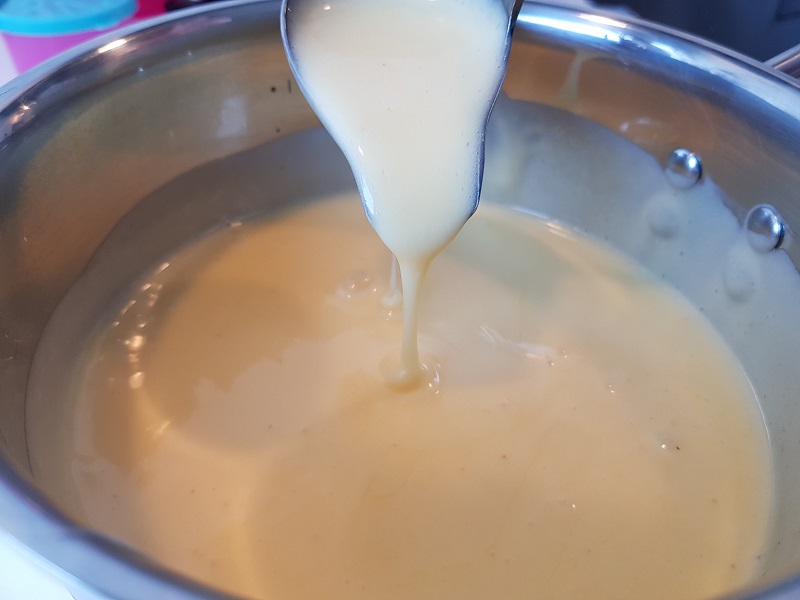
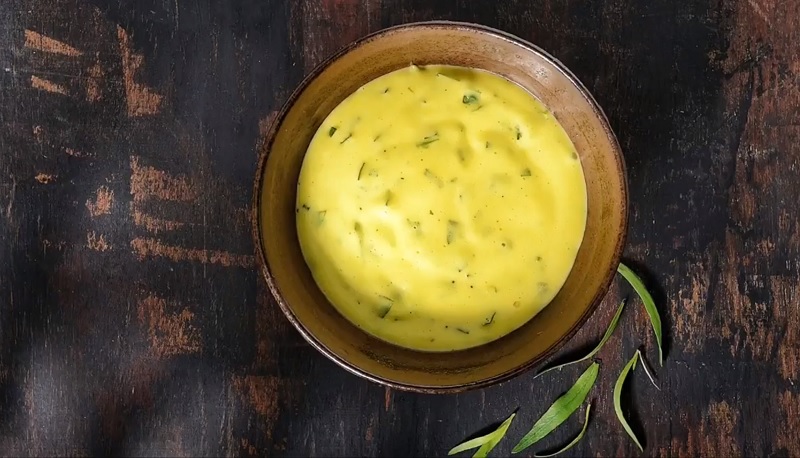
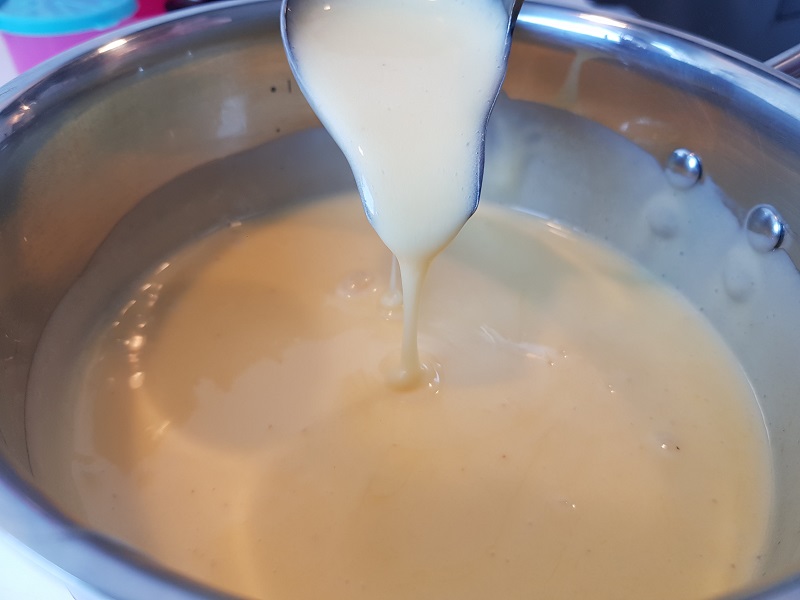
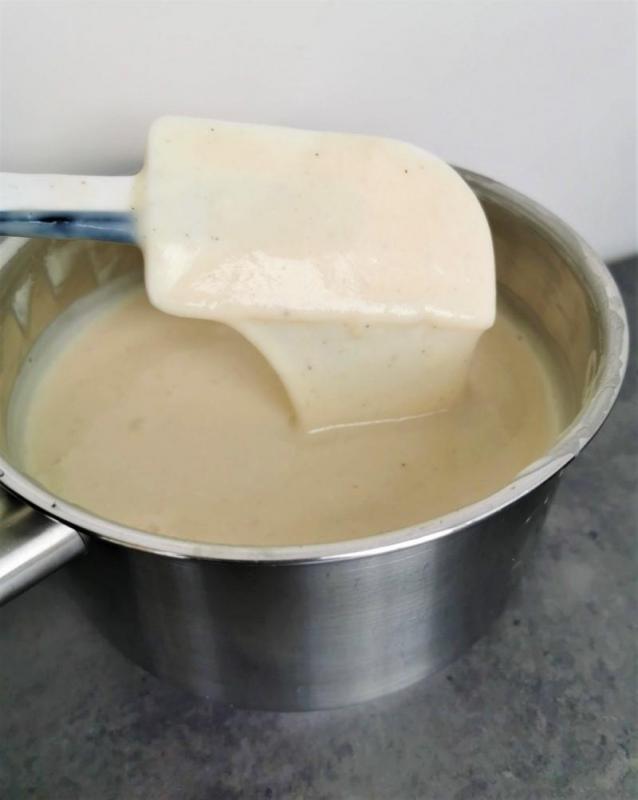
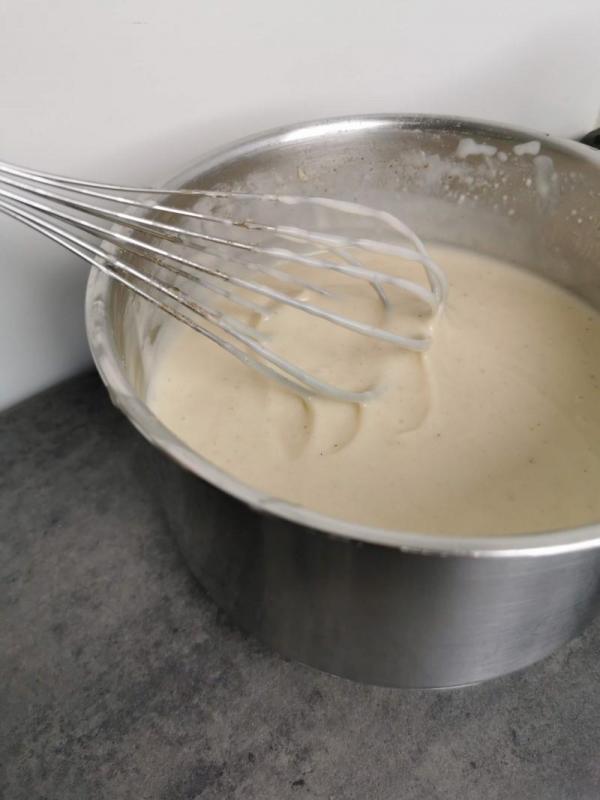
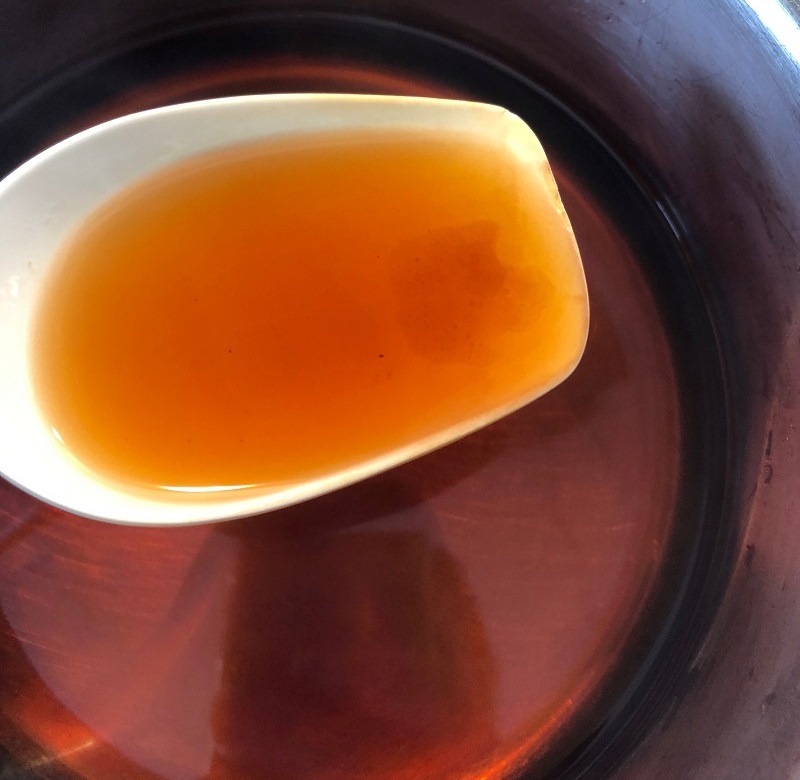
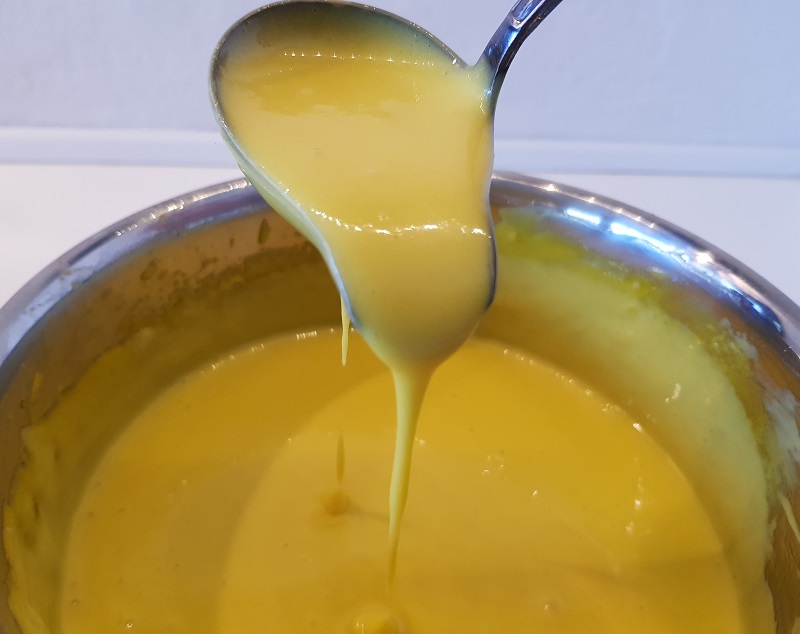
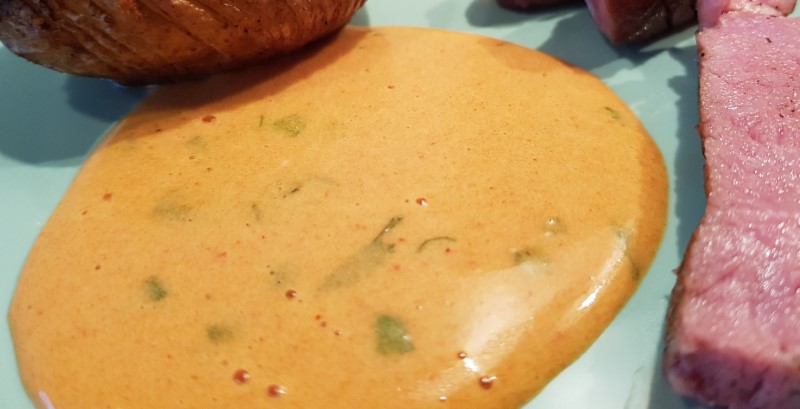
Much traditional French food has today become universally popular in a somewhat diluted form. It is now quite common to buy ready-made béchamel and sauce hollandaise. Indeed, it has become almost acceptable here, although many French would be quite upset about the mass production of these sauces, also known as two of the five true sauces.
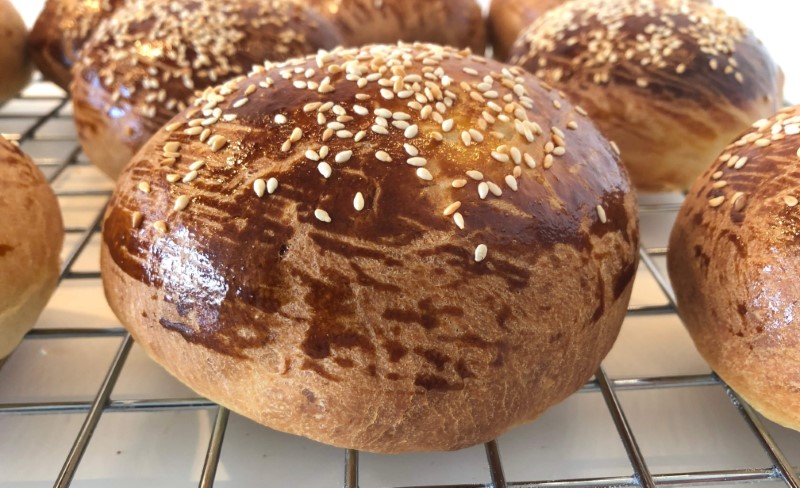
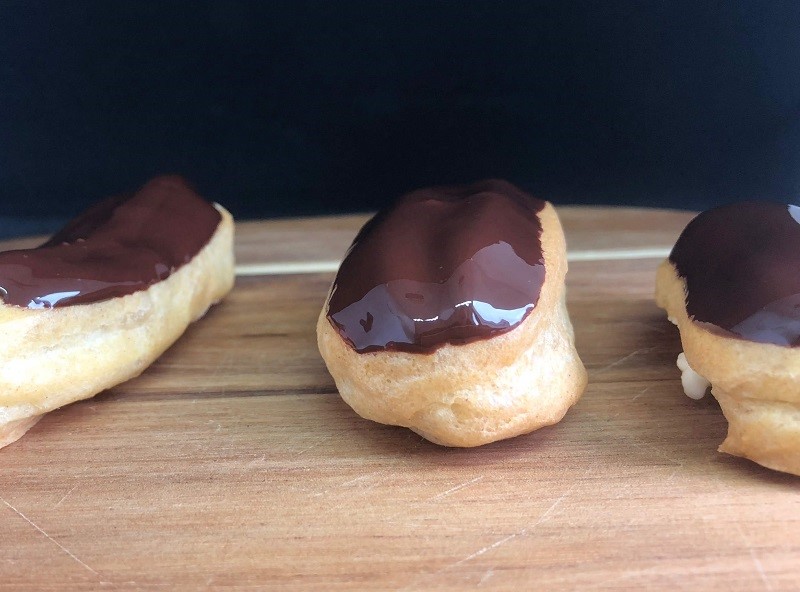
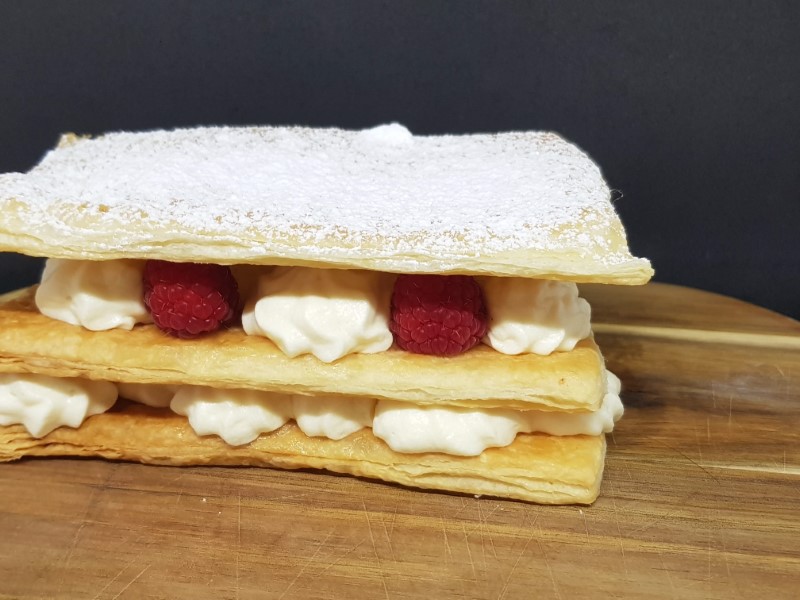
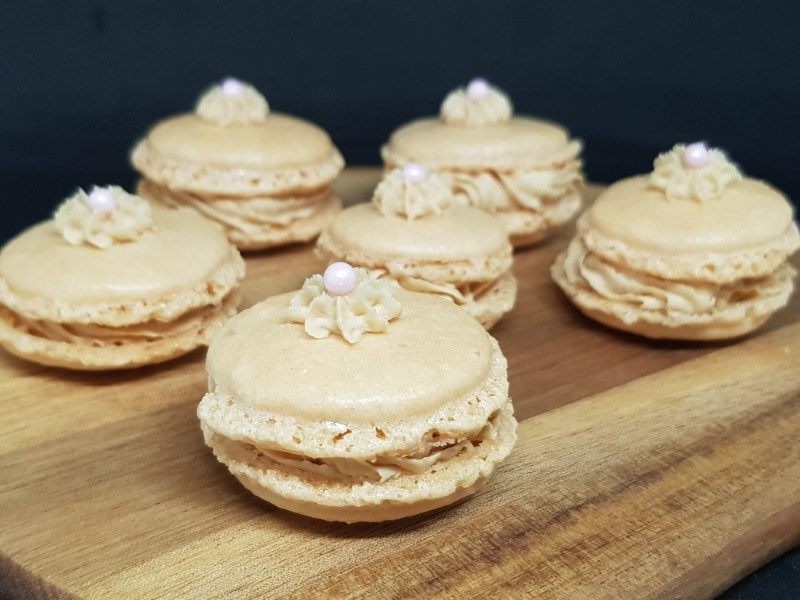
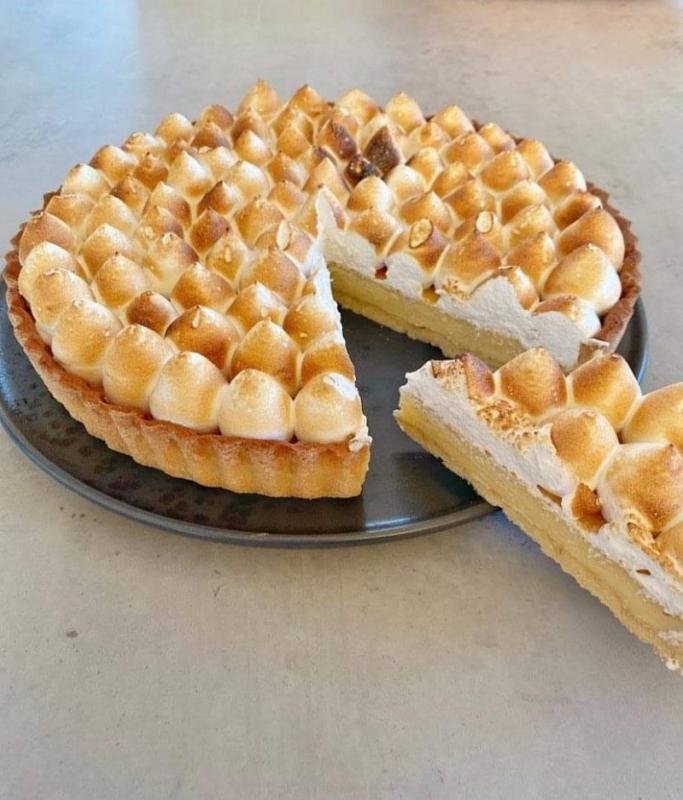
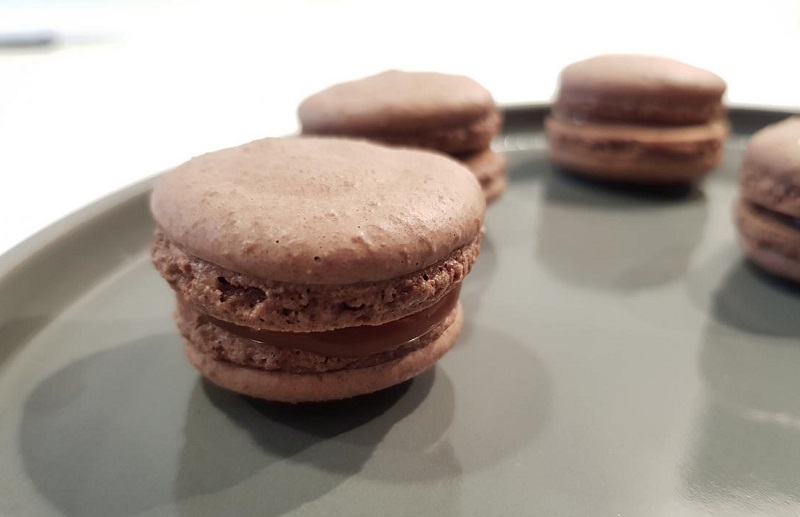
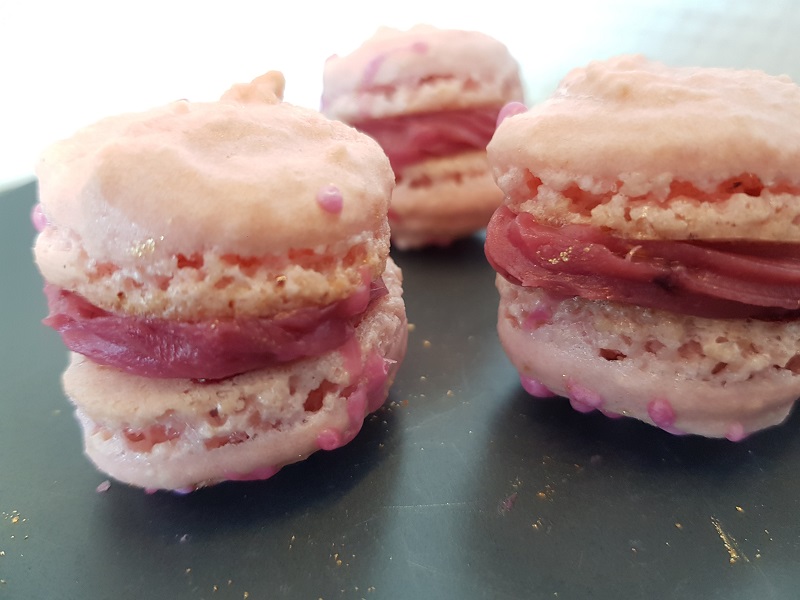
Likewise, baked goods like eclairs, macarons, brioche, and lemon tart are French classics that people often end up buying from a patisserie rather than making themselves.
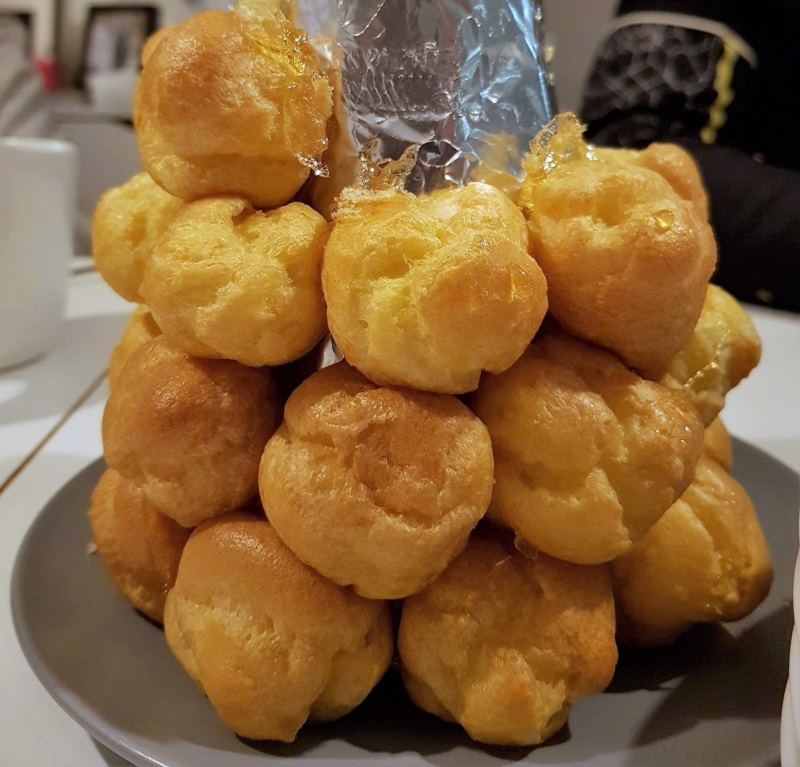
Fortunately, programs like DR’s Den Store Bagedyst and others have inspired ordinary Danes to try their hand at baking, including French baking. Hopefully, French baking expertise will gradually gain even greater foothold in Danish homes, and perhaps some of us will even be lucky enough to encounter a homemade croquembouche at a festive occasion.
Do as the French Do
Many French dishes are built around simplicity and quality. Fresh ingredients are essential, and many French buy fresh produce daily. There is not far from earth (or sea) to table in French cuisine, and many French dishes like bisque and onion soup are relatively simple to make – but they require good and fresh ingredients.
In France, it is not unusual for the evening meal to be served after 8 p.m. The meal often starts with a small light appetizer like, for example, tartare, frog legs, or snails. Frog legs and snails are not what most Danes grew up with, but in France, it is quite common that “everything” can be eaten, be it cow stomach, brain, pig’s feet, or calf’s head. Now snails may not sound so bad after all?
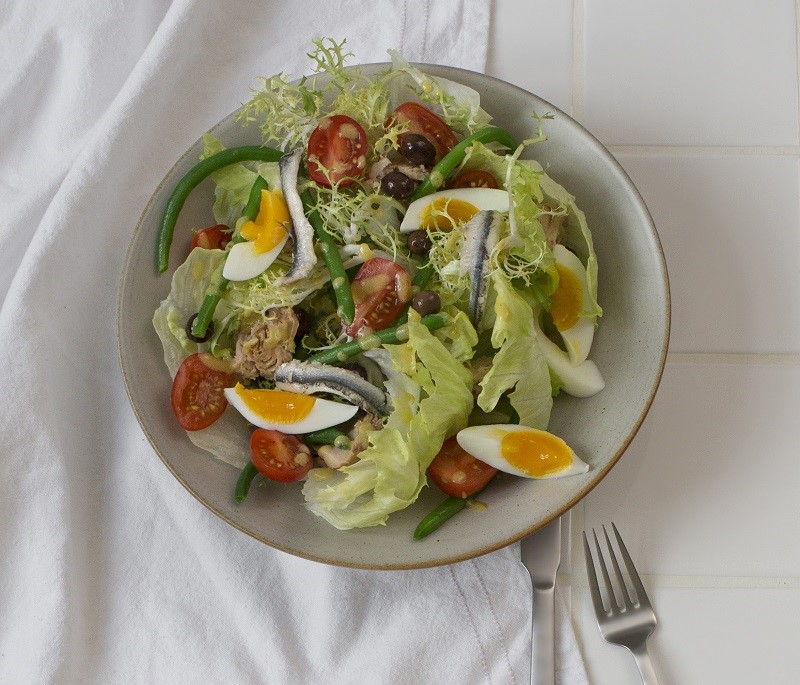
Back to the appetizer/starter: If you want to serve something even lighter, a salade nicoise is also a great way to prepare guests for the pièce de résistance – also called the main course.
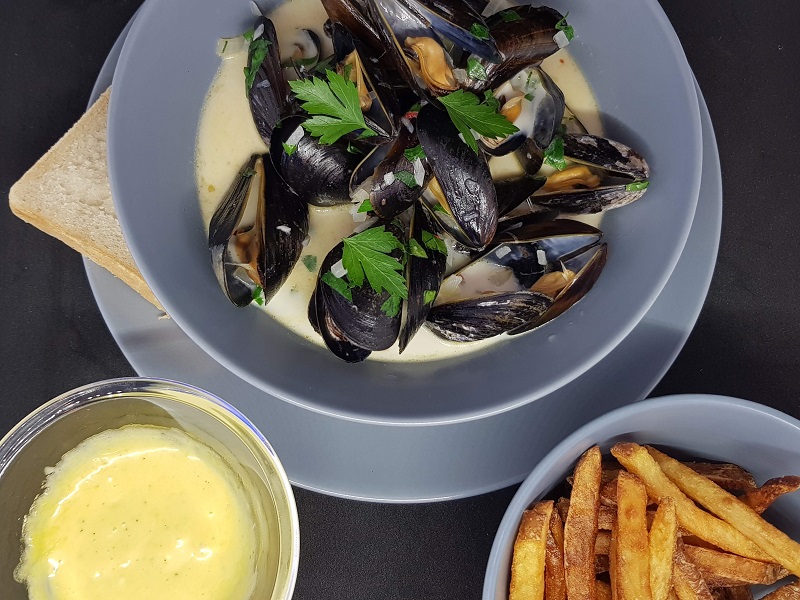
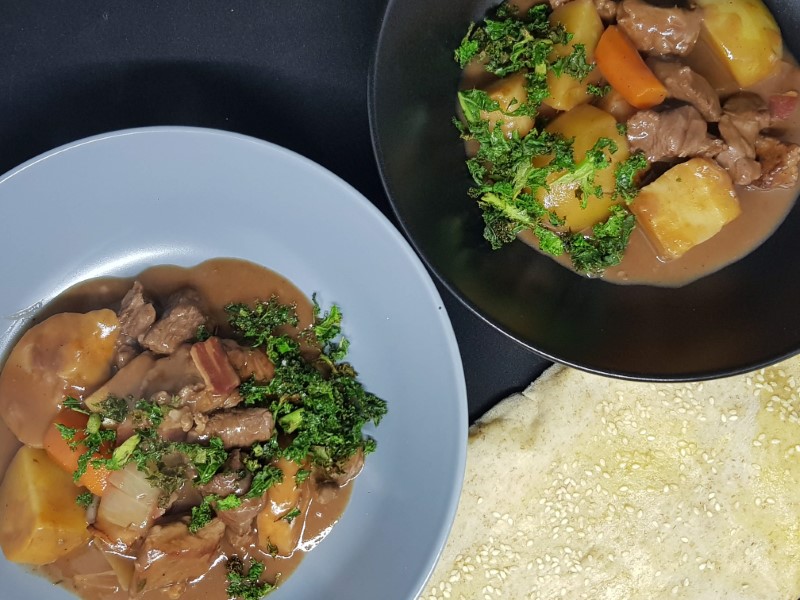
For cooler evenings, it’s perfect to serve a slightly heavier and hearty main course like coq au vin, boeuf bourguignon, or cassoulet, while warmer weather calls for something light such as moules frites, fricassee, bouillabaisse, or lobster.
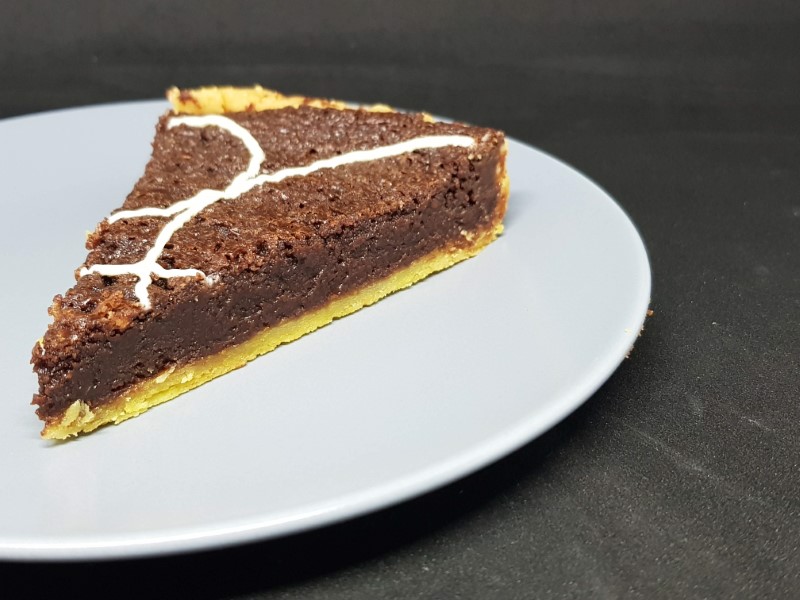
For dessert, it is not unusual to serve cheese, for example, baked camembert with honey or fruit. This can also be easily served as part of a delicious brunch. If cheese for dessert is not your cup of tea, you can’t go wrong with a rich French chocolate tart.
French Dishes
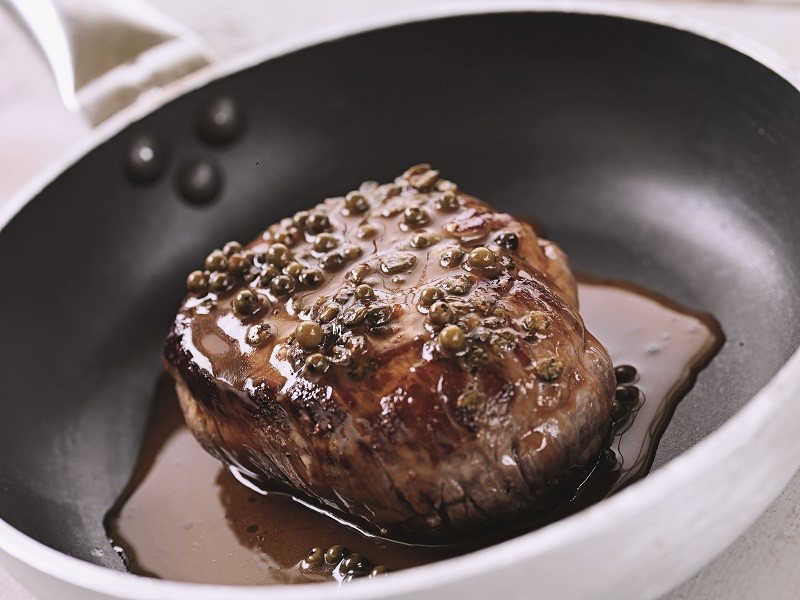
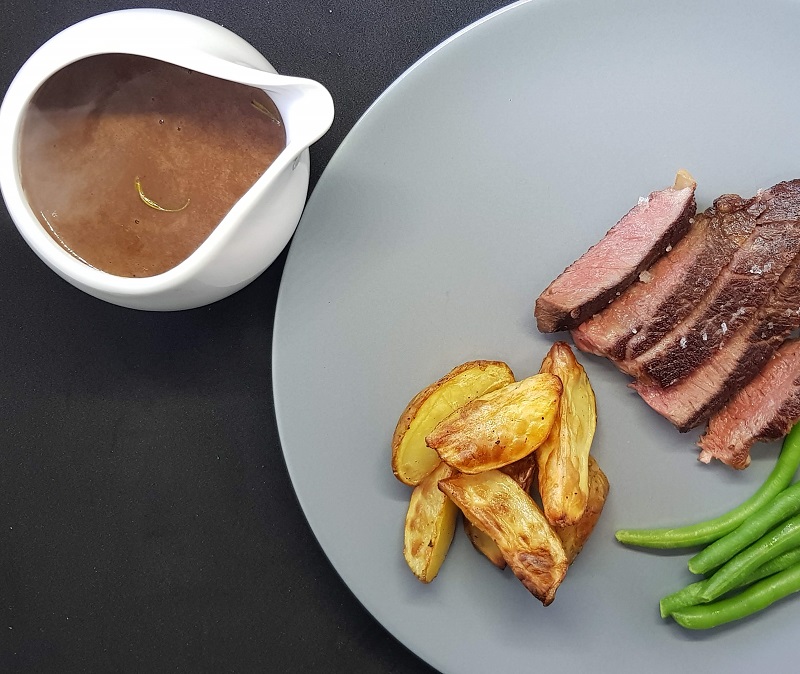
Pepper Steak (Steak au poivre vert)
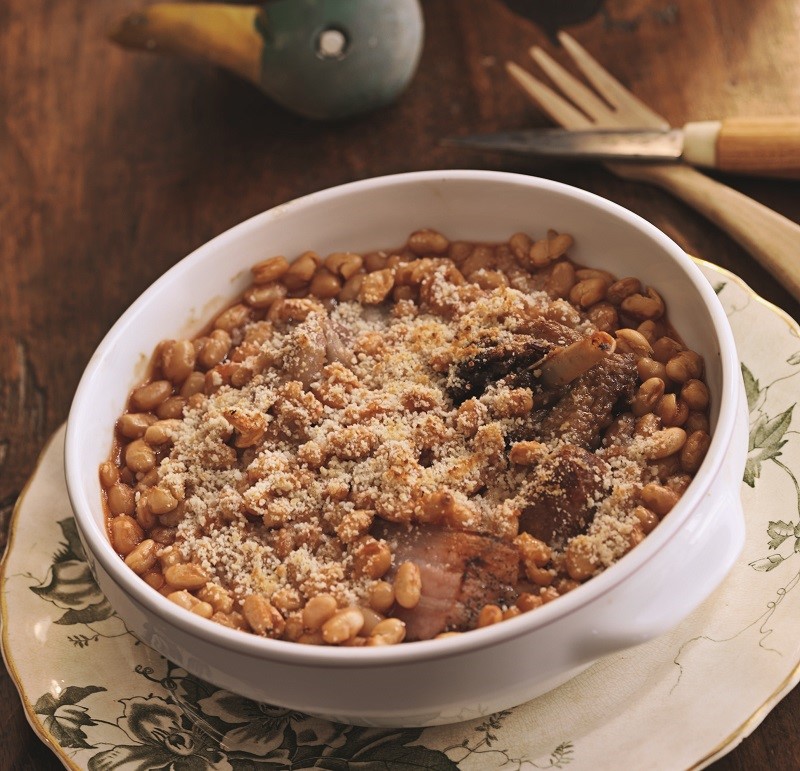
The Butcher’s Boeuf Bourguignon
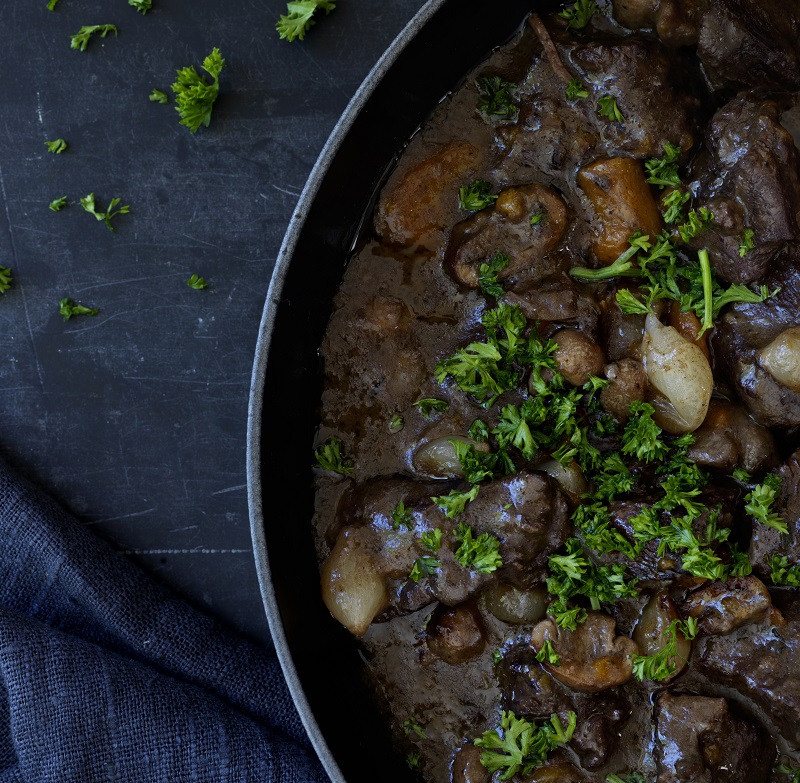
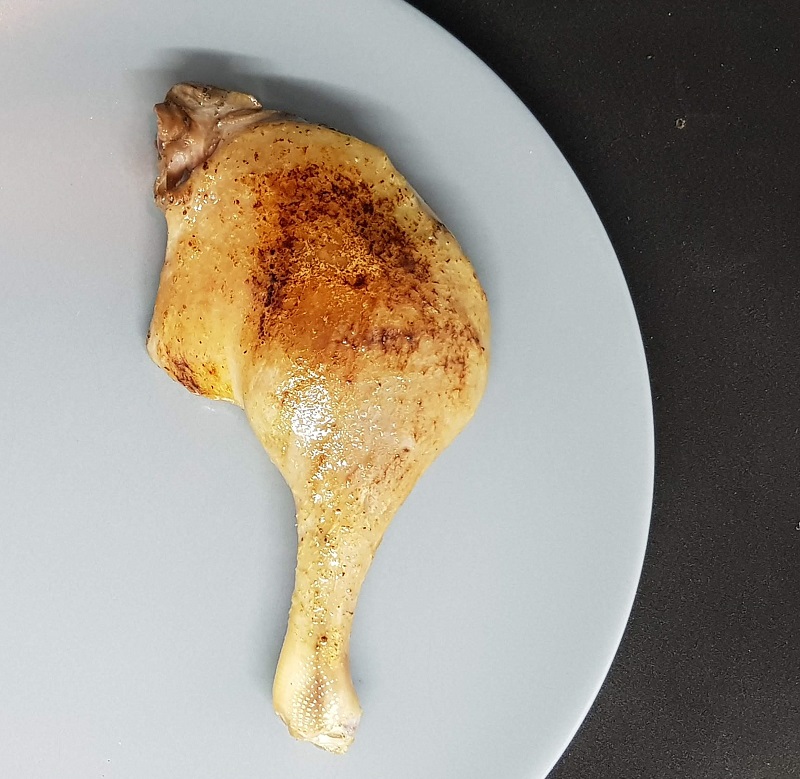
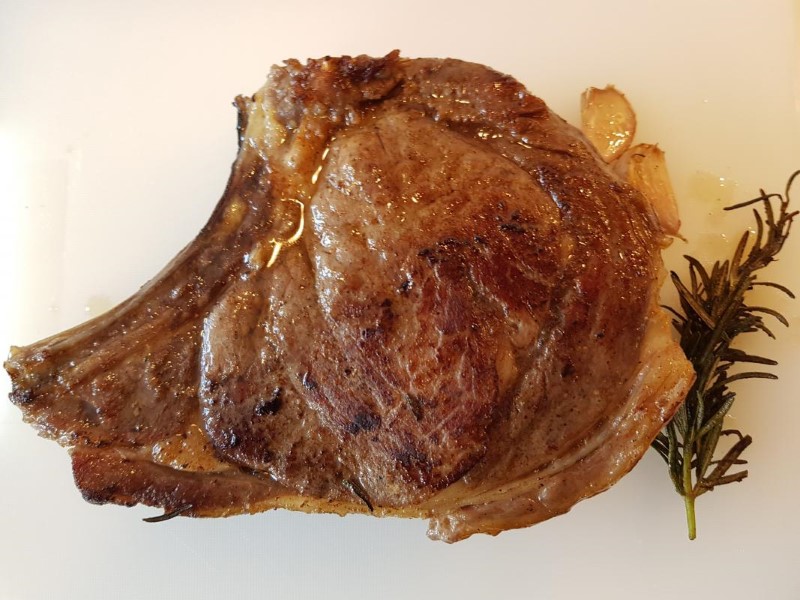
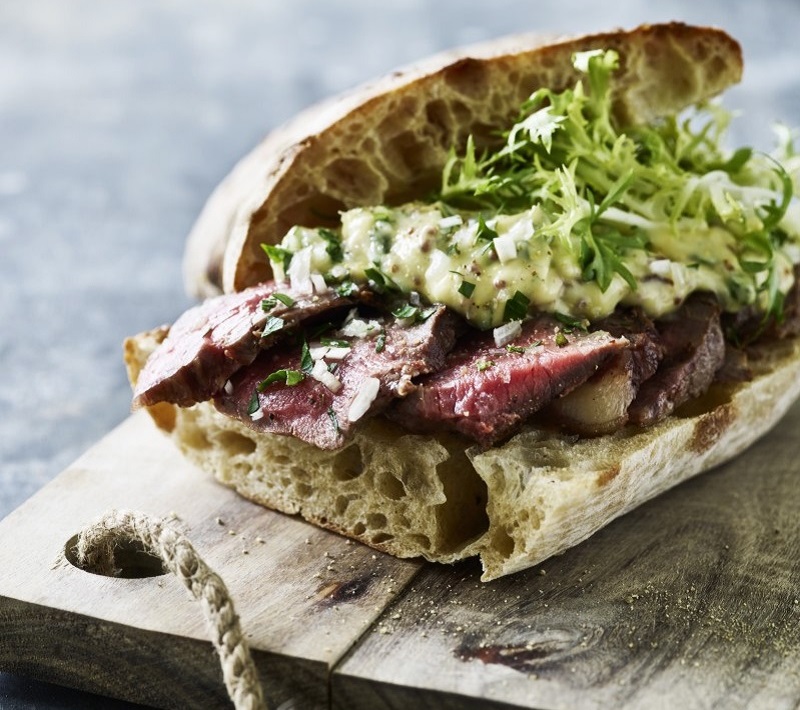
The World’s Best Steak Sandwich
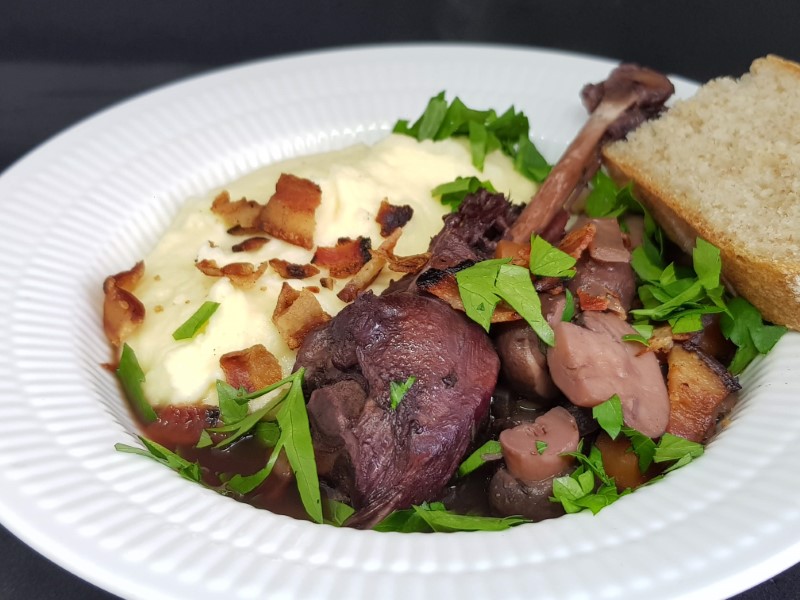
Coq au Vin with Mashed Potatoes
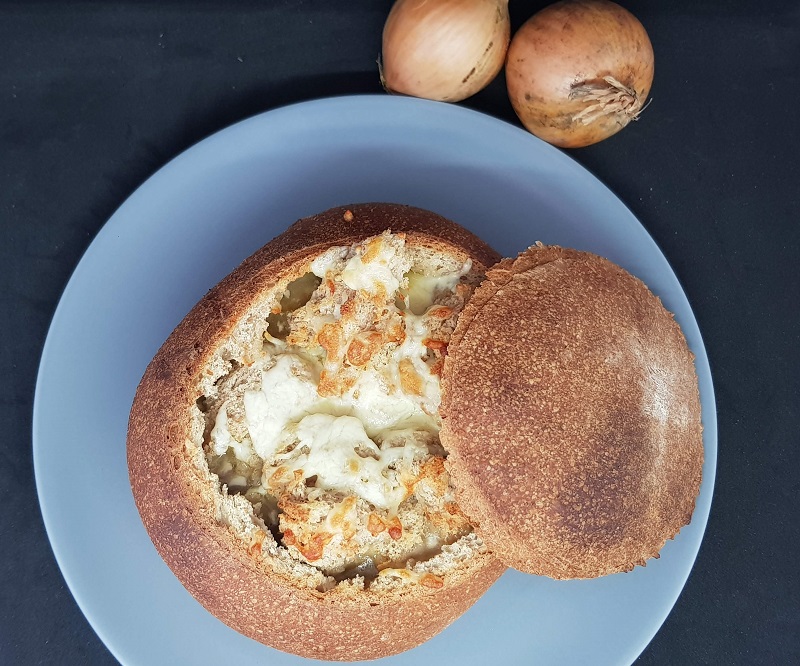
Onion Soup with Smoked Cheese Buns

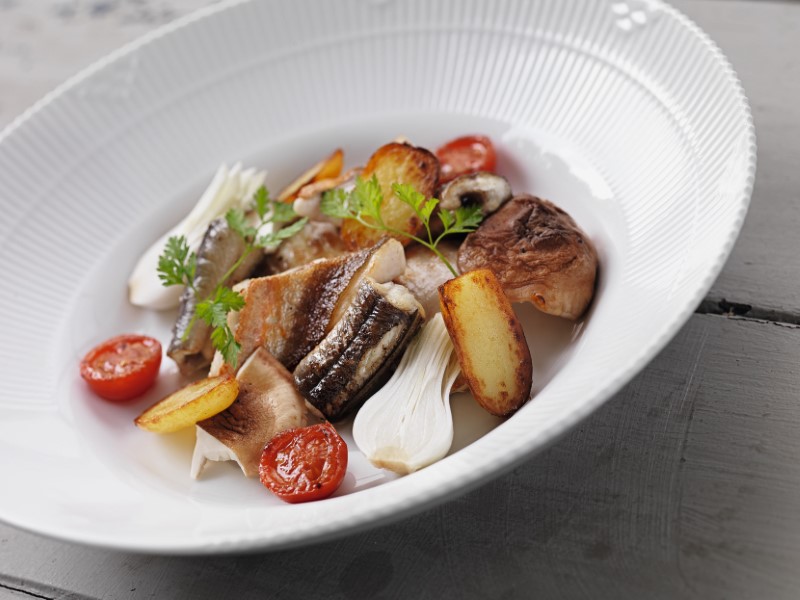
Fricassee of Pike-perch, Perch, and Eel in Sauvignon
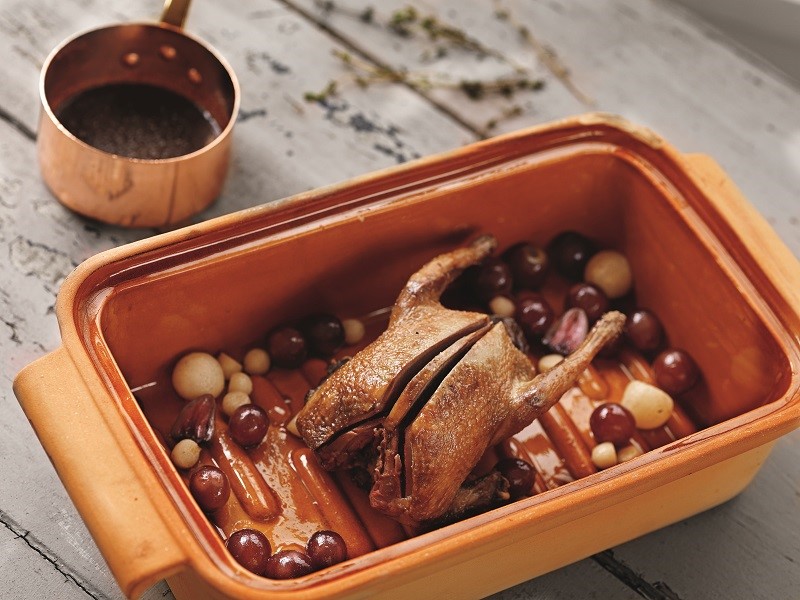
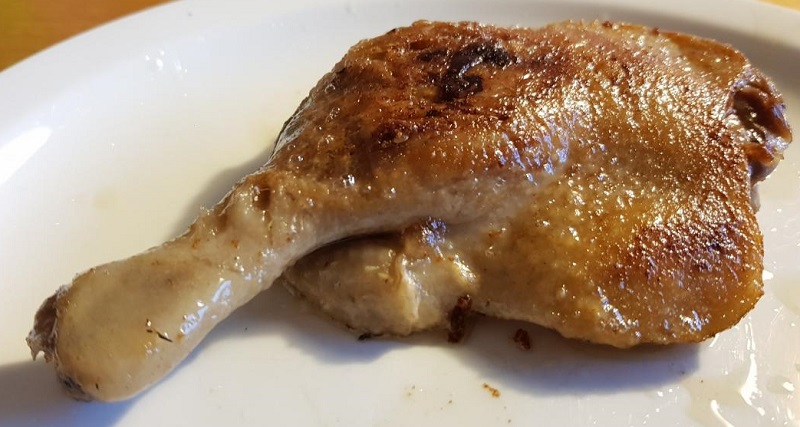
Pigeons with Grapes and Celeriac

French Sauces
French Desserts
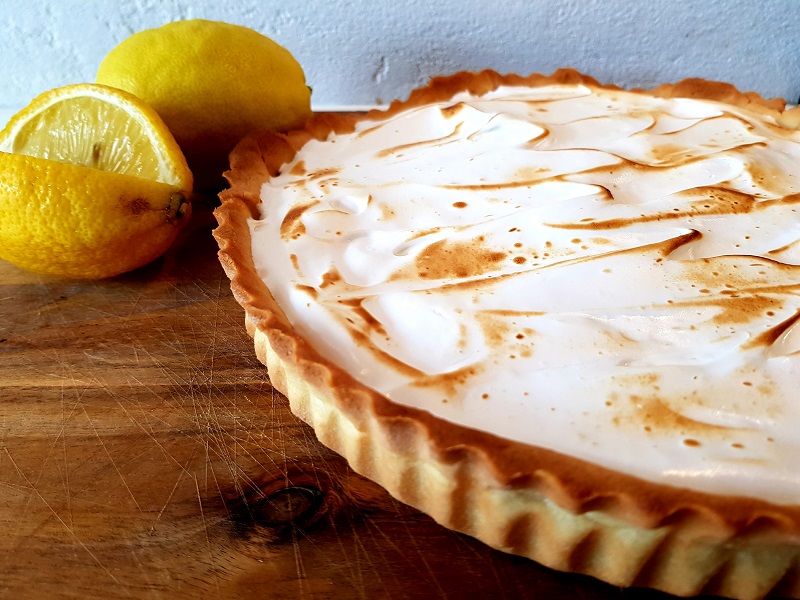
French Lemon Tart with Brûléed Meringue
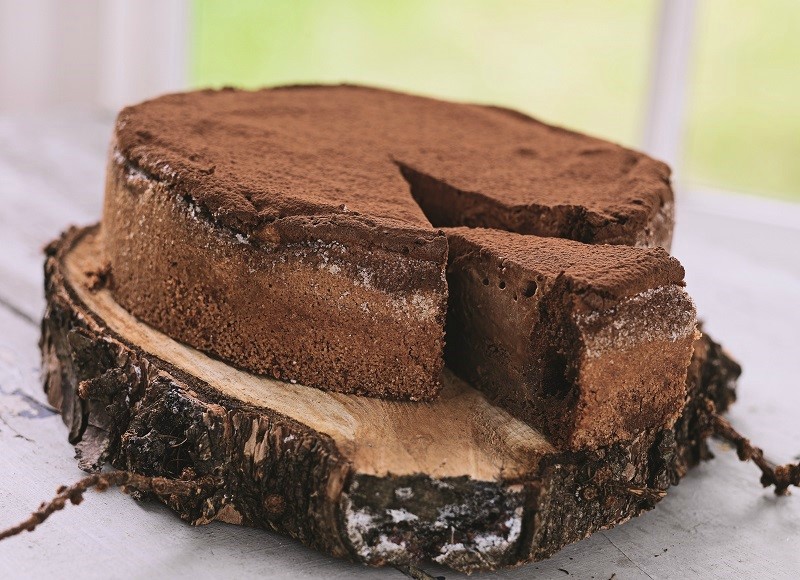
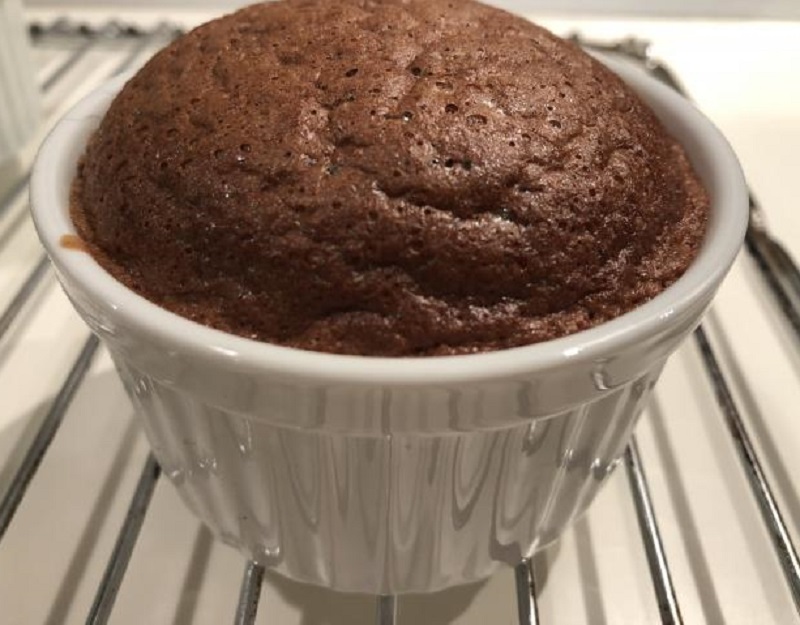
Gâteau Marcel – The Danish “French” Chocolate Cake





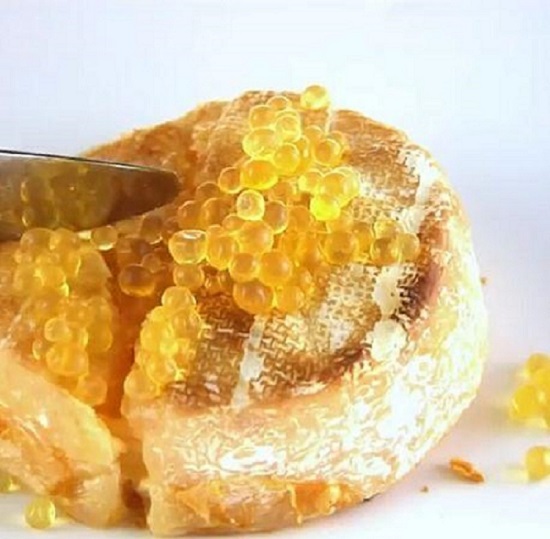
Baked Camembert with Honey Pearls

French Pastries