
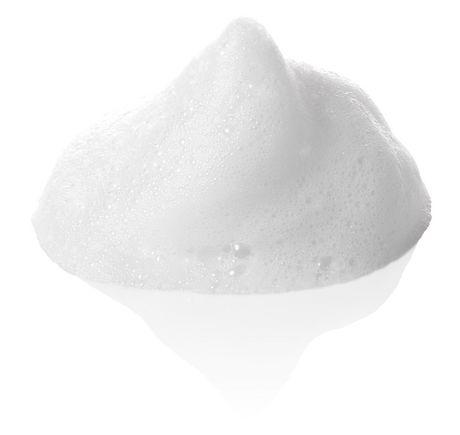

It’s difficult to find the right consistency that provides the perfect foam, and that’s why we’ve enlisted Theis Haubirk from Molekymi.dk to create this guide for us.
I often hear people having some trouble creating foam with their siphon bottle. So if you’re new to this world, you can use this short guide and use gelatin as a “foam stabilizer”.
Think about how the foam will be served, how it will be used, and how you want it…
Cocktail Foam (0.75 percent gelatin)
This is a very light foam that floats on top of a cocktail. It spreads easily and does not remain in the glass after the cocktail itself has been consumed.
Soft Foam, like Light Whipped Cream (1.5 percent gelatin)
This foam provides some good presentations, like when it’s drizzled from the siphon over a fruit salad. The foam dissolves in liquid within a few minutes, so serve the food immediately after dispensing the foam.
Thick Foam, like Shaving Foam (2.25 percent gelatin)
This dense foam is best served with other solid ingredients to create contrast. The foam retains its shape for a long time.
What is Gelatin?
Gelatin is a thickening agent primarily made of protein. It is typically made from bones/skin of pigs and cows.
The most well-known gelatin is sheet gelatin, which is gelatin in a hard, brittle sheet that needs to be dissolved before it can be used. There are also plant-based gelling agents that allow vegans to make desserts like panna cotta or jellies without compromising their lifestyle.
Read more about siphons in this article: CO2 or N2O – what should I use in my siphon?