


We all know about “fastelavnsboller” (Shrovetide buns) and have our own opinions on what dough they should be made of and how they should be eaten. But why do we even eat “fastelavnsboller” – and what is Shrovetide really?

The Evening Before Lent
Shrovetide is always placed 7 weeks before Easter Sunday, the day Jesus resurrected. Shrovetide is a very old Catholic tradition, dating back to before the Reformation. The word “Fastelavn” comes from the German Fastelovend or Fastnacht, which means “The Evening Before Lent”.
In Catholic times, Shrovetide marked the start of the forty-day Lent, which lasted right until Easter. And because Sundays were not counted in the forty days, Shrove Sunday falls exactly 49 days before Easter Sunday.
The Purpose of Lent
Lent was intended to mark the end of the holy time, which lasted from the 2nd day of Christmas until Easter. This is why it is said that “Christmas lasts until Easter”.
Shrovetide was a series of feast days that ran right up until Ash Wednesday, when Lent began. The evening before was called “White Tuesday”, today known as the international Pancake Day, where the pantry was cleared out of “white” ingredients such as eggs, flour, milk, and sugar, which were made into delicious warm pancakes and buns filled with sugar and rosewater: Shrovetide buns.
Shrovetide = Carnival
The days of Shrovetide were a carnival, where people dressed up and feasted. By eating their fill of meat, bacon, and baked goods, they were better prepared for Lent.
Shrovetide and carnival are essentially one and the same thing. “Carnival” comes from the Latin carne vale, meaning “farewell to meat”, again as a reference to Lent. During Lent, it was not allowed to eat meat.
Different Types of Dough
Today, the traditional “fastelavnsbolle” is made from a sliced Danish pastry with whipped cream. In certain regions of the country, however, there’s a preference for a choux pastry bun. Elsewhere, a yeast dough is preferred.
Common among them all is that they typically have a layer of icing on top and a filling of foam, cream, jam, fruit compote, and so on.
Below, we have gathered all our best recipes for “fastelavnsboller”, neatly divided into categories, so there’s something for every taste (and region!).
Shrovetide Buns with Danish Pastry
Classic Shrovetide Buns with Cream and Jam

Shrovetide Buns with Choux Pastry
Shrovetide Buns with Pastry Cream

Shrovetide Buns with Whipped Cream, Cocoa Icing, and Gold Dust

Shrovetide Buns with Whipped Cream and Custard

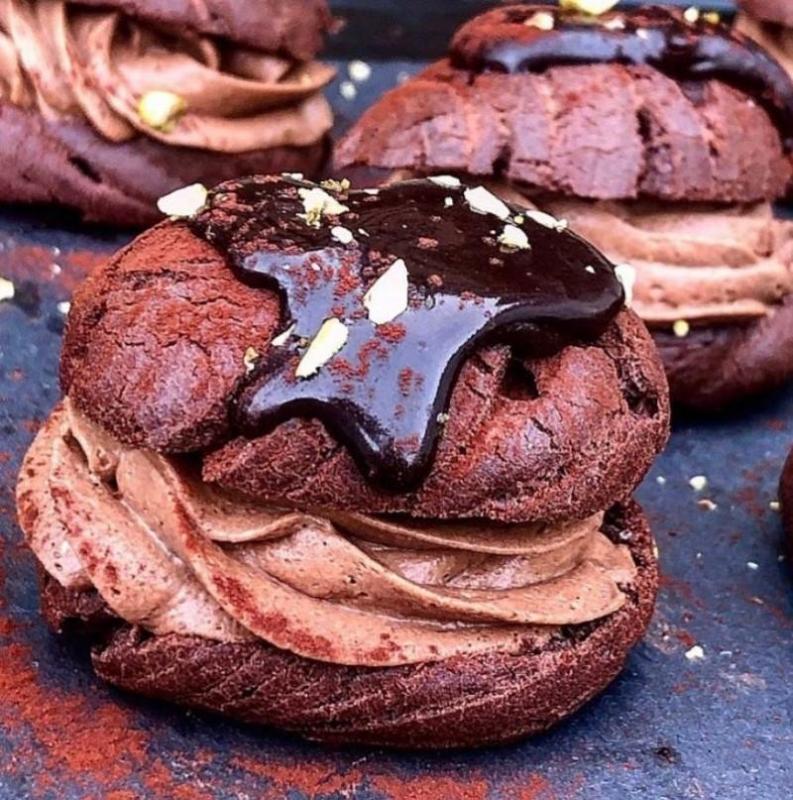
Chocolate Choux Buns with Sarah Bernhardt Cream and Chocolate Icing
Shrovetide Buns with Yeast Dough
Shrovetide Buns with Marzipan Whipped Cream


Shrovetide Buns with Custard and Chocolate

Shrovetide Buns with Jam and Cream
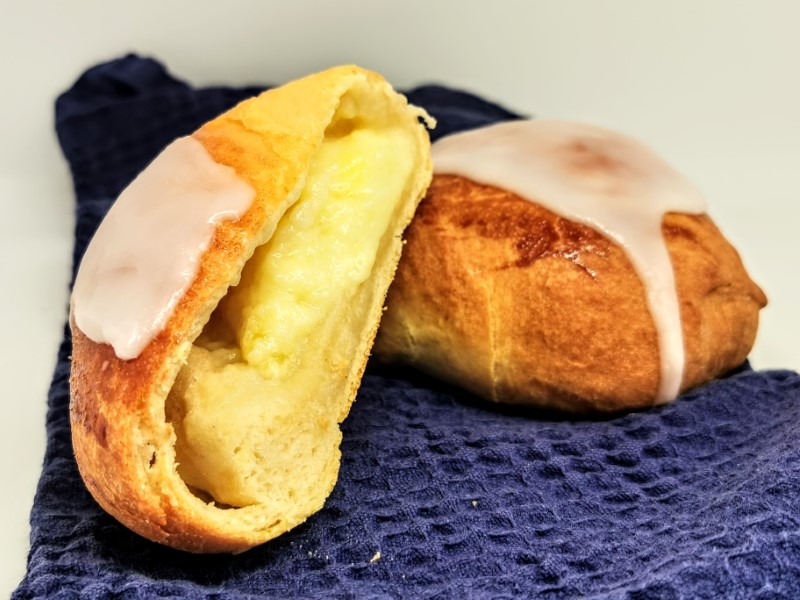

Traditional Shrovetide Buns with Cream

