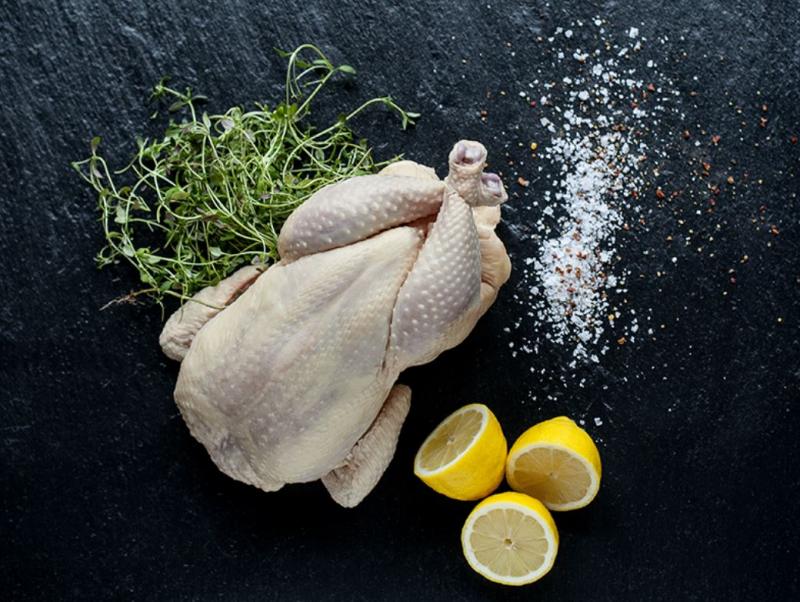
Is there anything more delicious than a perfectly cooked piece of meat? If you’re not a meat eater, you certainly don’t have to answer, and you’d probably much rather read this article.
If you’re neither vegetarian nor vegan, we are pretty sure you love a good steak. And why wouldn’t you? Biologically speaking, you have a really good reason to! We’ll get back to that.
A really good piece of beef, cut to the perfect thickness and size, pampered with freshly ground salt and pepper, followed by a quick “kiss” from a smoking hot grill – it is ultimately one of the most delicious things you can sink your teeth into. No matter where in the world you are.
But why is it that a good steak is so fantastic?
Why we love a good steak
We can think of several reasons why a really good steak instantly gives you skyward eyes of pure delight. One thing is the texture: It’s hard to describe, but the light resistance in the bite, along with the soft and juicy sensation in the mouth – it’s unlike any other food experience and is a huge part of the mouthfeel. Additionally, the flavor is full of umami, which our brains have been wired to love over thousands of years of evolution – so we do!
And oh yes, not to mention the crust. A good crust is loaded with a great, deep and rich flavor and aroma that completes the entire taste experience.
Why you should choose quality meat
For many of us, meat is the centerpiece of a good meal. Therefore, it only makes sense that the meat is of high quality. At least if the dining experience is to be as good and complete as possible.
And then there’s the climate. Even though we really love meat, we also know that we will generally eat much less meat in the future. Therefore, it is our mantra that we should eat less meat, but better meat!
But what is good meat then? Well. It’s almost a “no brainer” that, for example, beef cattle, which are bred solely for the purpose of consumption, are of a somewhat different quality than meat from old dairy cattle, which are really bred to produce milk – and not delicious, juicy, and tender meat. The meat you find gas-packed in the supermarket’s refrigerated counters often comes from spent dairy cattle.
Meat raised for the sole purpose of becoming really good meat is fundamentally different from the meat that comes from an animal that has completed its duty as a “milk station”. It should be said that there are certain exceptions, especially if the dairy cow is allowed to be well fattened afterward. Then it can actually become quite delicious – but we can take that another time!
When we talk about quality meat, the age, breed, gender, stress level, and feed of the animal are closely linked to the quality and tenderness of the meat. Additionally, it is not insignificant how or how long the meat has been allowed to age. Aging helps tenderize the meat fibers so that it becomes more delicious for you to sink your teeth into. Not all meat has the same aging needs, and for example, the older the animal, the longer the meat must age to become really tender. There are different aging methods. We’ll go over them quickly.
Dry Aging and Industrial Aging
It is not terribly many years ago that it was discovered that if the meat is placed in vacuum bags, the enzymes in the meat will cause the meat to age a little. This method allows the lactic acid to remain inside the meat, which gives the meat a slightly sour taste and smell. You probably recognize this taste and smell from a package of minced meat from the supermarket, and it is not really a taste that offends or “irritates” most Danes – it is actually a taste we have gotten used to, even if it is not the meat’s completely natural and pure taste.
Dry aging is the most natural way of aging meat. Here, the meat is allowed to age very slowly under controlled conditions (including temperature and humidity) for at least fourteen days. The meat is not wrapped, so the dry-aging process allows a large part of the meat’s natural water content to evaporate. This gives a firmer meat with a significantly more intense meat flavor. The meat also becomes darker, and generally, less meat is needed to satiate you when it is dry-aged.
Hook aging is also dry aging, but here the meat, as the name indicates, has simply hung on a hook.
Quality meat can be aged using the industrial method, but unlike supermarket minced meat, the aging has often taken several months.
Where to find quality meat
You can occasionally be lucky enough to come across quality meat in the supermarket, but it is certainly not something you should count on. The quality of the meat you find in the supermarket (even from the butcher’s section) has generally only gone one way over the years: And that’s down.
Fortunately, there are more and more retailers trying to break this downward trend. Often the meat is available at wholesale prices, as there are no costly intermediaries.
Go to the good, local butcher
We must certainly remember to advocate for the good quality butchers that still exist out there. A good, local butcher has for many years been the place you could count on finding quality meat and knowledgeable guidance. There are fewer really good ones of their kind, but if you are lucky enough to have access to a quality butcher, just have a chat with him about your wishes. He should be able to meet them.
Have quality meat delivered to your door
Online shopping has exploded in many different industries – including when it comes to selling quality meat.
And that’s something we think is great. It removes a lot of unnecessary stress, as we are no longer limited by store opening hours. Additionally, we can make an informed decision in peace and quiet before placing items in the cart.
The selection of quality meat is often broader with an “online butcher”, and free shipping is usually offered. Sometimes you also have the option to pick up the meat from the retailer’s warehouse if that suits you best.
Good advice for buying quality meat online
If you’re considering buying quality meat online, there are probably a few questions you’re holding onto. What about food safety? Isn’t it risky to buy meat online? Should you opt for fresh or frozen meat, and does it make any difference regarding food safety or quality whether it is one or the other? How do you know if the animal has lived a good life?
When selecting a good online retailer for quality meat, there are some things you can look out for to ensure you’re making a good purchase.
Who is the retailer?
To start, you can research the retailer’s values and attitudes towards animal welfare, delivery, environmental considerations, and general quality requirements. You can also read the company’s control report, look for any certifications, or read customer reviews on Trustpilot.
All of this can provide you with some peace of mind. In addition to reading the company’s opinions and values, you can look for words such as:
ISO: ISO stands for International Organization for Standardization and is the most well-known publisher of various business standards worldwide. ISO is a quality mark for the retailer. This certification shows that the retailer meets certain standards, for example, in food handling. ISO 14001 concerns the production, storage, and distribution of, among other things, food.
IFS: IFS stands for International Featured Standard and is a recognized certification body that publishes standards in food safety.
ASC: ASC stands for Aquaculture Stewardship Council, and with this certificate, you ensure that fish and shellfish are farmed in an environmentally friendly and responsible way.
MSC: MSC is another certification body with a focus on sustainable fishing.
Organic declaration: The organic declaration is the Ministry of Environment and Food’s online register of food companies that can document that production is organic. The control is carried out regularly and is therefore a great indicator of organic farming.
Demeter: Demeter is also known as “Organic Plus” because it takes the rules of organic farming a step further. Demeter concerns biodynamic products and thus views sustainable farming in a more holistic way.
Label Rouge: Label Rouge is one of the top quality marks for food in Europe. The scheme covers agriculture and fishing and is developed by the French agricultural agency.
Food safety
How is the meat delivered? Is the shipping company approved to handle food shipments, and how is the meat packaged? It is important that the shipment remains chilled from when it leaves the warehouse until it reaches you, so the cold chain is not broken.
The meat can be either frozen or fresh. There can be advantages and disadvantages to both. In principle, fresh meat is fresher, but there is, of course, an increased risk of the cold chain being broken if the shipment is not properly packaged and delivered. Again, we recommend that you investigate how the meat is delivered.
Often the meat is sold in larger portions, and this is something you need to be especially aware of if the meat is delivered frozen.
Let’s say you order a package of frozen Teres Major steaks. The steaks typically weigh 400 – 500 grams each, so if the package is 3 – 5 kilos, you will roughly receive 8 – 12 steaks. Here you should expect that the steaks are delivered as one large frozen lump and therefore cannot be separated easily.
It’s a bit of a challenge if you don’t want to cook them all at once. As with all other meat, the steaks should not be thawed and separated to then be frozen again – unless you cook them first.
The solution might be to thaw the steaks and cook them, for example in sous vide, and then freeze the steaks. Using sous vide, the meat can be frozen in vacuum bags directly from the water bath.
Grass-fed versus grain-fed
Whether cattle are fed grass or grain/corn has a significant impact on, among other things, the taste, price, and nutritional content of the meat. There are advantages and disadvantages associated with both types of feed.
One could argue that cattle are made to eat grass and not grain, which is why grass-feeding can be considered the most correct in terms of animal welfare. Grass-feeding provides meat with more omega-3 fatty acids, more vitamins and antioxidants, more protein, and a generally lower fat content. An Australian study has shown that even organic, free-range animals fed with grain contain significantly more omega-6 than grass-fed animals.
Grain-fed meat, however, has a stronger flavor and better fat marbling. The flavor, as we know, is in the fat. When we talk about quality meat and taste, “grain-fed” is therefore not a bad thing.
The quality of the meat
You may already know exactly which breed and cut of meat you are looking for – or you may just be inspired as you browse the retailer’s website. In any case, you should, of course, ensure exactly what kind of meat you are dealing with. You can, for example, investigate where in the world the meat is raised, what feed the animal has received, where
There are several fantastic breeds of meat on the market, and names like Wagyu and Iberico may not be entirely new to you. These are among some of the most popular and well-known meat breeds in the world.
The Rolls Royce of Meat
Here we give you a little overview of some of the most popular quality meat on the market:
Danish meat
By choosing meat from animals that are raised in Denmark, you are assured that the meat meets the Danish and European standards for animal welfare.
In Denmark, the requirements for, for example, lamb are stricter than they are abroad. Wadden Sea lambs, in particular, are known for tasting absolutely amazing.
Danish meat is generally considered to be of very high quality, and it is most climate-friendly to choose Danish, organic meat.
Wagyu
Wa means “Japanese” and gyu means “cattle”, and Wagyu is thus a collective term for Japanese beef cattle. Japanese beef cattle are known for having incredible fat marbling, and the meat is incredibly tender with a delicate, round, and rich flavor.
The famous Kobe beef comes from Wagyu, but to be called Kobe, the meat must come from the sub-breed, Tajima, which is born in Hyogo. To soften the fat tissue under the skin, these cattle are massaged daily, and they are fed with beer and specially appealing feed. The scale for fat marbling, Beef Marble Standard (BMS), goes up to 12, and the meat must have a score of at least 6 to be called Kobe.
SASHI
SASHI comes from the Scottish cattle breed, Ayrshire, which is traditionally dairy cattle. SASHI is the best European beef available. So, there it is. And even though SASHI meat is not Japanese, the name actually is: “Sashi” is Japanese for “fat marbling”.
SASHI is the affordable version of Wagyu, although some would argue that SASHI tastes even better than Kobe. SASHI can be divided into three subcategories:
SASHI: Meat with a fat marbling of between 3 and 6 according to the aforementioned BMS scale.
SASHI-AAA: Meat with a fat marbling of between 7 and 10 according to the aforementioned BMS scale.
SASHI-SAIKO: Meat with a fat marbling of between 11 and 12 according to the aforementioned BMS scale.
SASHI should not be cooked for too long, as the fat marbling that makes this meat so fantastic risks melting.
SASHI meat from Finland is the best type of SASHI you can find. For two years in a row, it has been a Finnish SASHI-AAA that has won the award for the world’s best steak.
Duc De Mayenne
Duc De Mayenne are exceptionally flavorful, French free-range chickens with the Label Rouge quality mark. Free-range chickens are a slow-growing, original breed, and they must always have access to the outdoors. Duc De Mayenne only receive feed that is natural and plant-based, and it always consists of at least 75% grain. The feed is also supplemented with vitamins and minerals, and because the chickens have free access to outdoor runs, both grass and insects are a natural part of their diet.
Mangalitza
Mangalitza is among the finest pork on the market. Mangalitza is also known as the “Hungarian Woolly Pig”. This pig breed is characterized by its ability to thrive outdoors at all times of the year and without the need for either a veterinarian or medicine.
Mangalitza is more tender and has better fat marbling than most other breeds. The meat is darker than what one usually expects from pork, and the flavor is more intense than “ordinary” pork – it can be described as a cross between regular pork and wild boar.
Iberico
Iberico – or Spanish Black-footed pig – is a pig breed with a very good appetite. Therefore, it easily becomes overweight, and the fat deposits, among other things, intramuscularly = excellent fat marbling.
It is this fat marbling, combined with the special diet consisting of acorns, that gives Iberico its delicious and characteristic, nutty flavor.
Duroc
The Duroc breed is older than the common pig breed. It originates from the USA and has formed the basis for many mixed breeds. Duroc is – among other things, thanks to the fantastic fat marbling – especially known for its incredibly tender, juicy, and mildly flavored meat.
It generally applies to all quality pork that the meat is significantly darker than the pork one normally finds in the supermarket.
Berkshire
Berkshire is an English pig breed that is raised in several parts of the world, including Japan, the USA, Australia, New Zealand – and naturally also England.
Berkshire is a breed with a slightly higher pH value than regular pigs, which makes the meat darker, firmer, and more flavorful. The meat is juicy and tender with a high fat marbling. A high pH value is reportedly of greater importance for flavor than high fat marbling.
Suppliers of quality meat:
The following is advertiser-paid content:
Steak-out
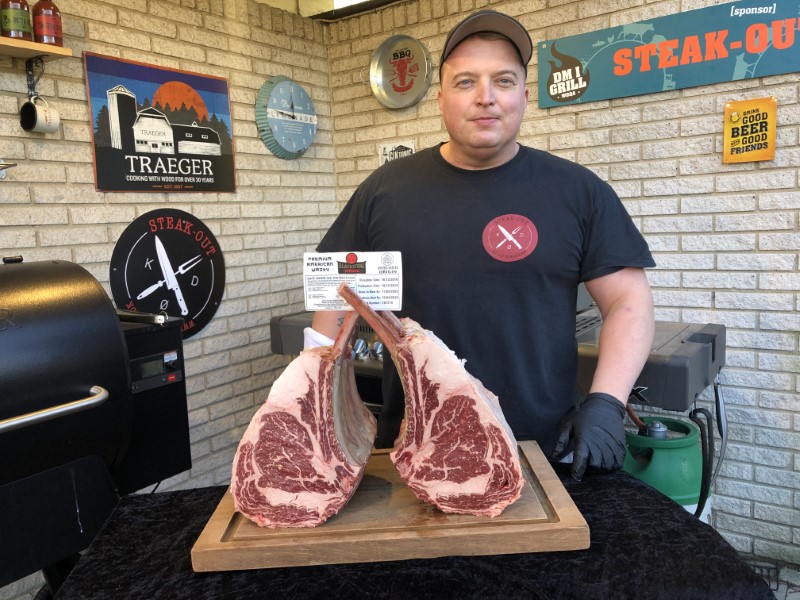
Steak-out.dk sells luxury meat from around the world and includes Sashi AAA in its range. The steak has been named the world’s best steak two years in a row.
The company was founded because the owner Martin was tired of private individuals not being able to purchase the luxury meat that restaurants sold.
Dyrbar
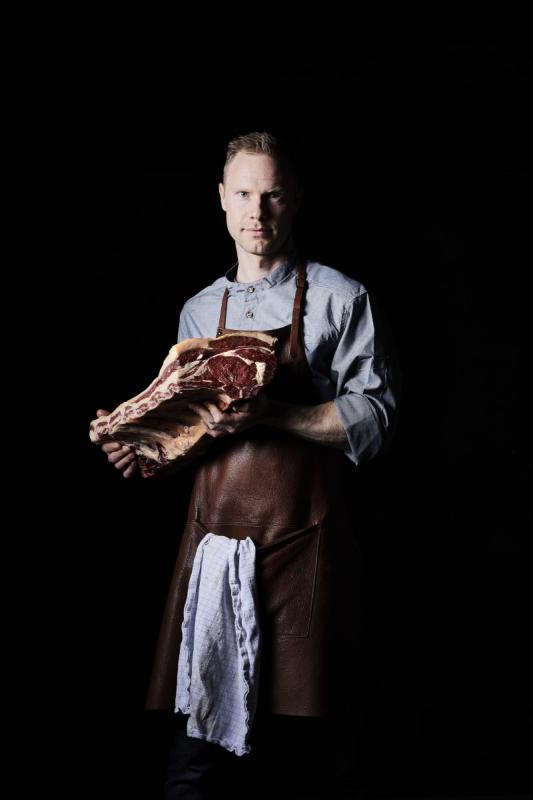
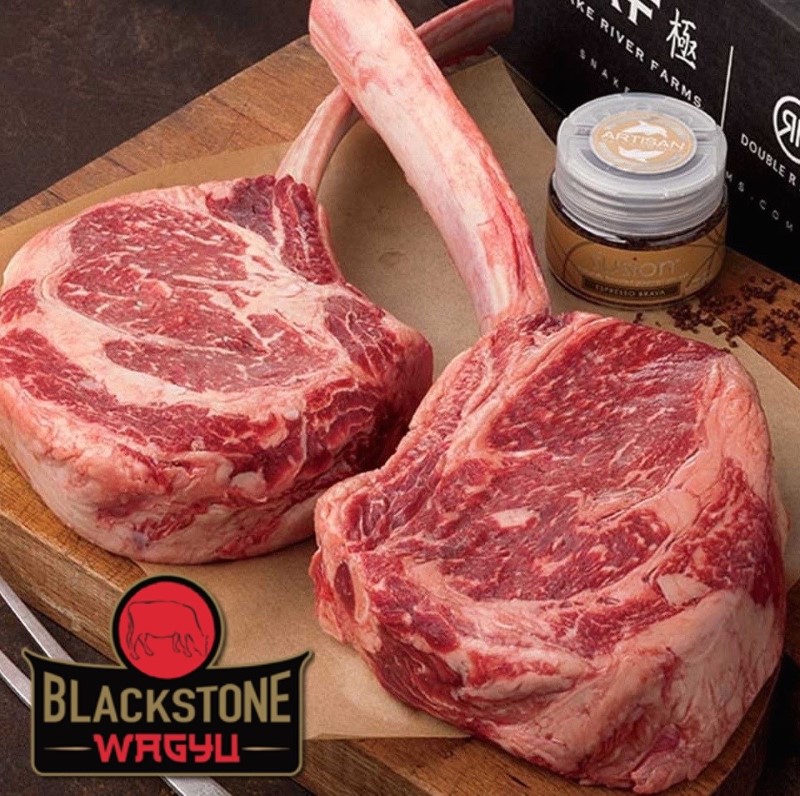
DYRBAR is Danish meat of a special character. A seductive assortment of good taste, composed for you who are quality-conscious. You who only have eyes for the best, for the taste, for the quality, and for the experience. It’s no joke when we say we take taste seriously. But that doesn’t mean we can’t have fun while being serious about it. Every day we strive for the best of the best until we stand back with the most precious we have.
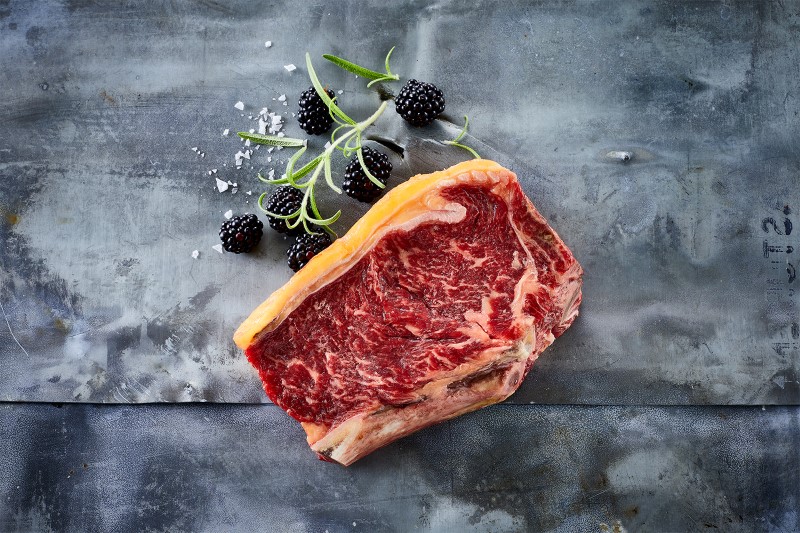
Hopballe Mølle
Hopballe Mølle sells Danish quality free-range chickens. There is a strong focus on animal welfare and the chickens have much more space than conventional chickens.
You get a much larger and more flavorful chicken than the cheaper and somewhat smaller versions found in your supermarket. Hopballe Chicken is on the menu at top restaurants in Denmark – a quality mark in itself.
Fresh whole chicken (2200-2400 grams):