
Eggs and bacon. Bacon on liver pate. Bacon in pasta or burgers. There’s hardly anything you can’t eat bacon with, and maybe that’s why bacon is called “the Danes’ favorite seasoning.”
In its pure form, bacon is lightly salted and often smoked meat from the side or back of young pigs. Therefore, it is primarily salt and smoke that you can adjust if you want to make different kinds of bacon.
Salt
When salting bacon, you can use different salt mixtures consisting of salt (or nitrite salt), sugar, spices, and/or E-numbers, and the salt can be applied to the bacon in various ways.
If you’re making homemade bacon, for example, it’s easiest with dry salting, where the pork is simply coated with salt or a salt mixture. Additionally, you can also do a brine salting, where the meat is submerged in a solution of water and added salt or a salt mixture.
Most types of industrial bacon, however, are made by inserting several needles into the meat and injecting the brine through the needles, as this process is less time-consuming than regular brining.
A popular ingredient in the salt mixture is nitrite. It is an additive that inhibits the growth of the bacterium Clostridium botulinum, which can cause botulism. However, some studies indicate that nitrite may be carcinogenic, so more bacon producers are avoiding it. Nitrite is found in E-numbers E249 and E250.
Besides adding flavor to the bacon, the salt also has a preserving effect, and the meat retains its attractive red color.
Smoke
There is both smoked and unsmoked bacon. Like salt, smoke helps preserve the meat, but it also enhances the flavor nuances that develop when smoke meets proteins and fat in the salted meat.
Smoking bacon usually involves cold smoking, where the water on the surface of the meat evaporates, and substances from the smoke adhere to the surface of the meat. This is how the bacon gets its smoky flavor and a browned surface.
English Bacon
The word “bacon” has been used in English since around 1500 BC, but it wasn’t until the 18th century that bacon as we know it today emerged.
English bacon is made from pork loin/pork roast, where the rind and fat are removed. It primarily consists of loin and a bit of meat, making it significantly leaner than our bacon. Nevertheless, it achieves the same crispiness and flavor as the bacon we know, but can be enjoyed with a bit more conscience.
Recipes for Homemade Bacon
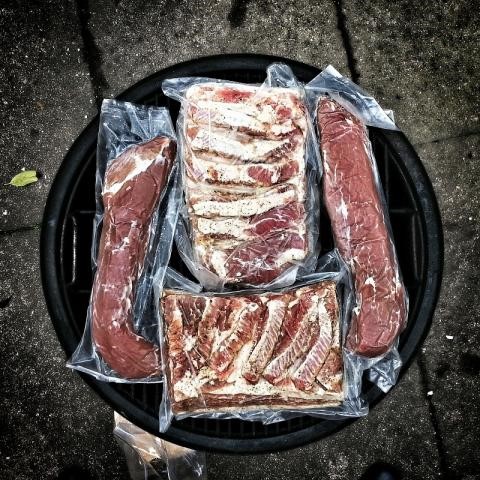
We have a few different recipes for homemade bacon. All our recipes are made by dry-salting them.
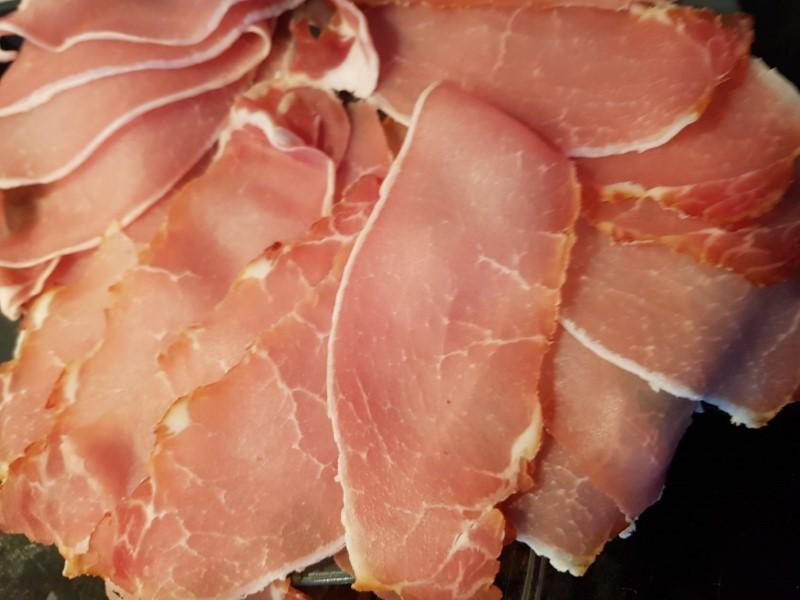
Homemade English Bacon
Homemade Smoked Bacon
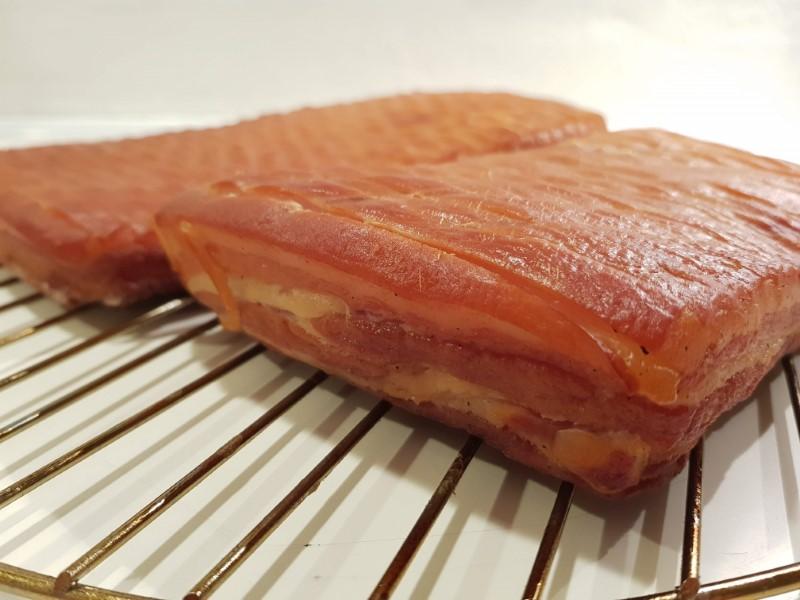
The Perfect Bacon?
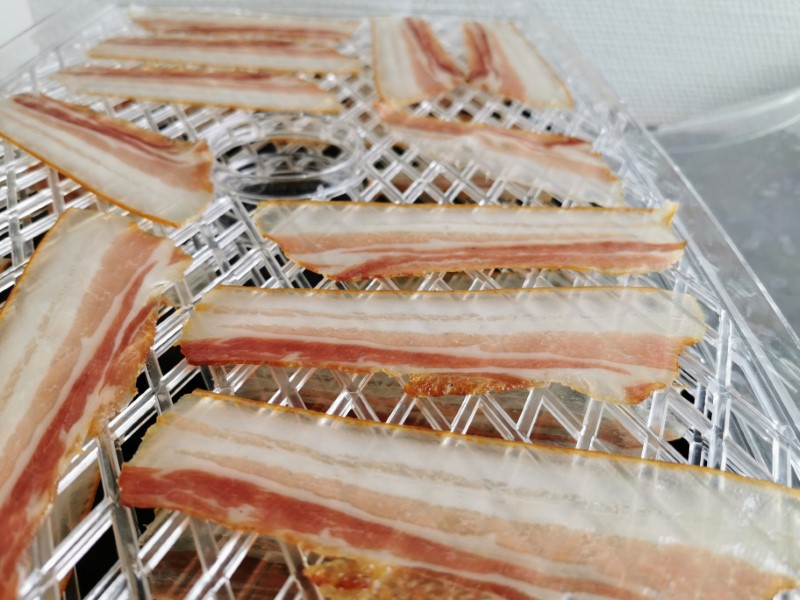
Homemade Bacon
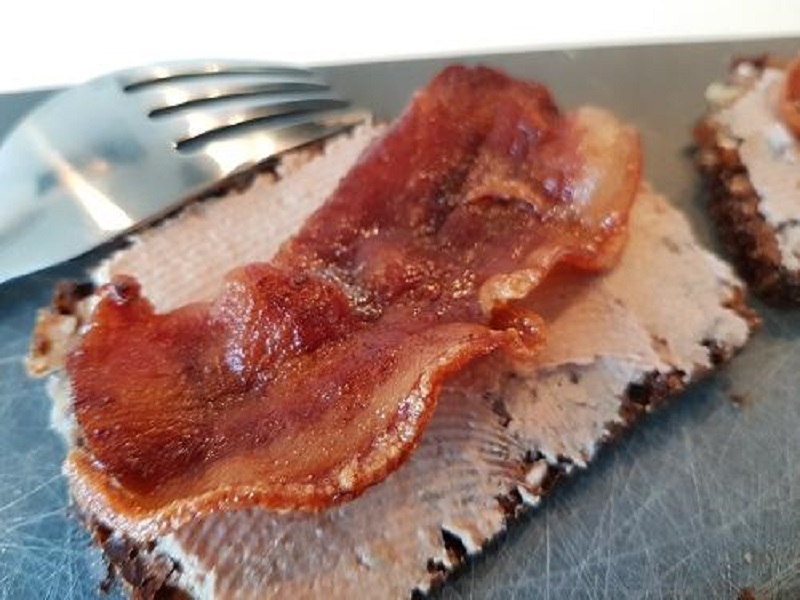
Unsalted Bacon from Iberico Pork Neck
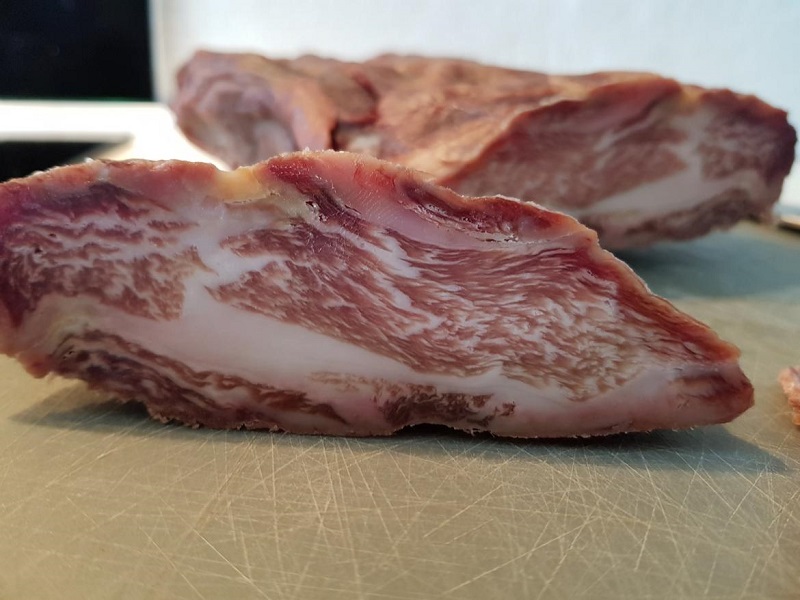
Dry Salted Bacon
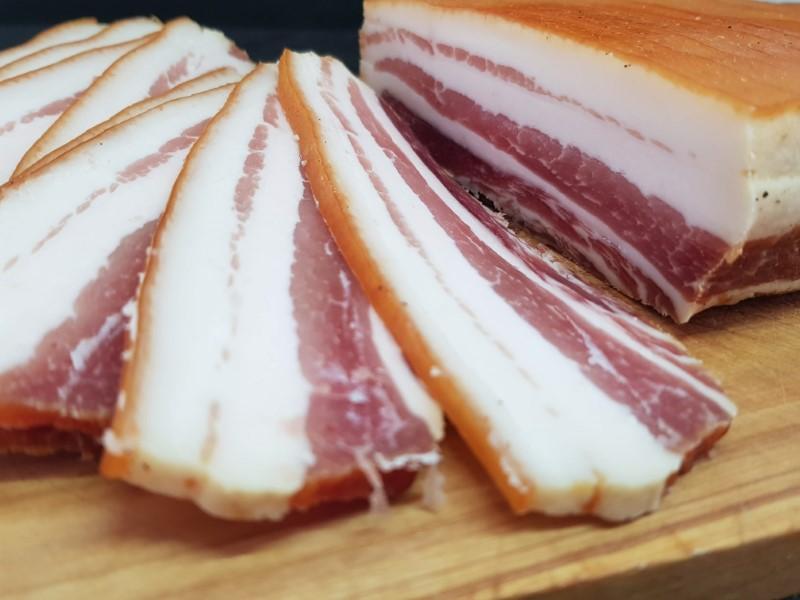
The Perfect Bacon?

Recipes with Bacon
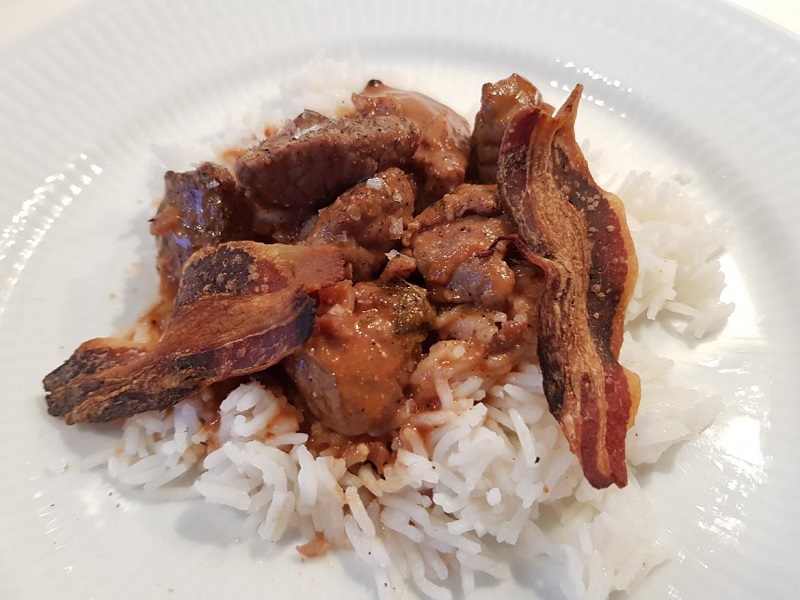
Tenderloin Stew with Bacon
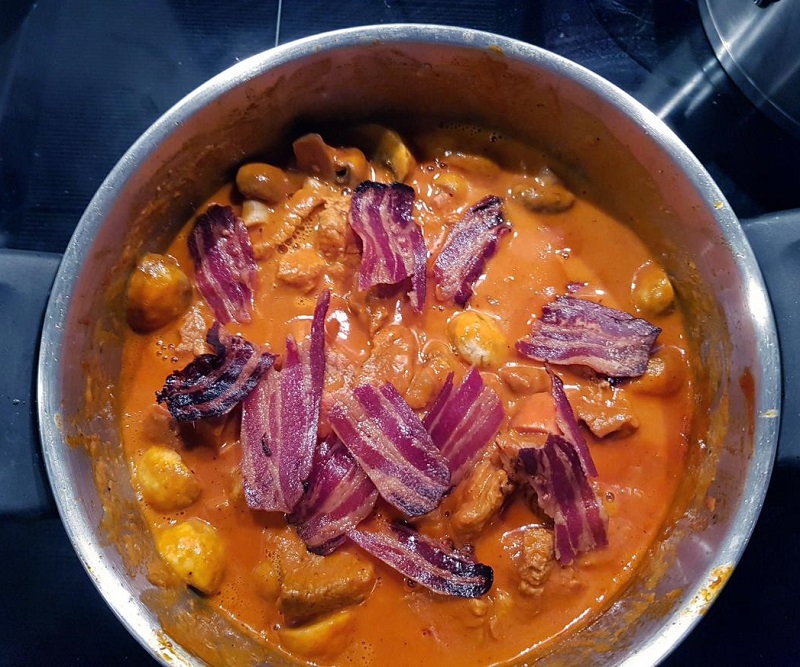
Viking Stew Deluxe
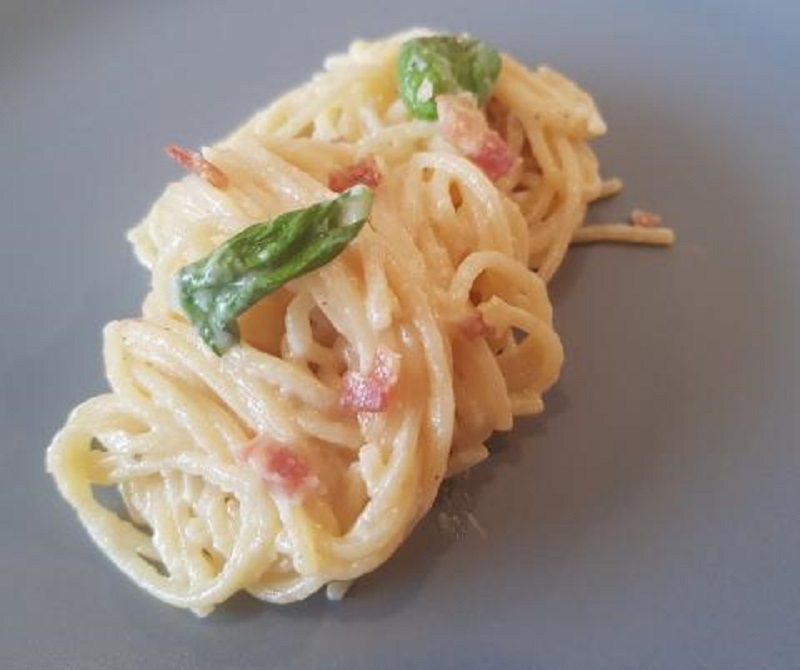
Spaghetti alla Carbonara
Read the full article with lots of recipes here.
Burning Love
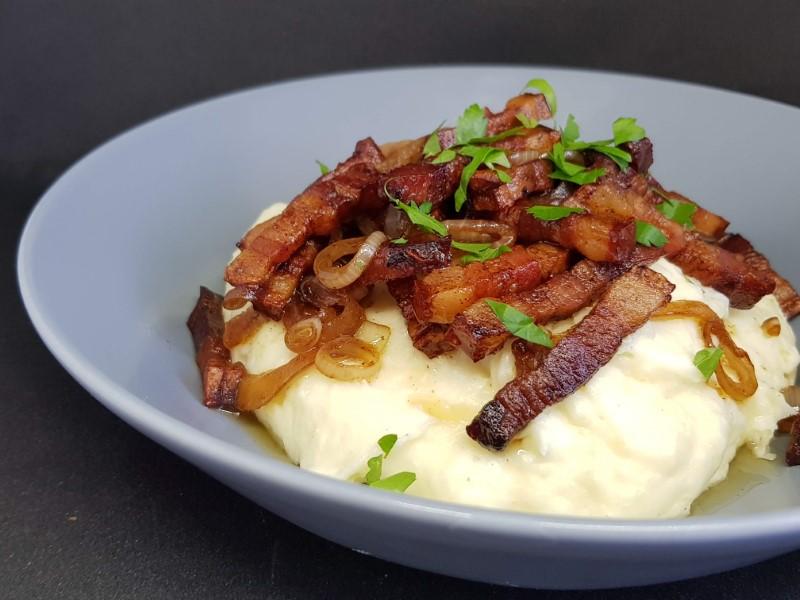
Potato-Leek Soup with Bacon
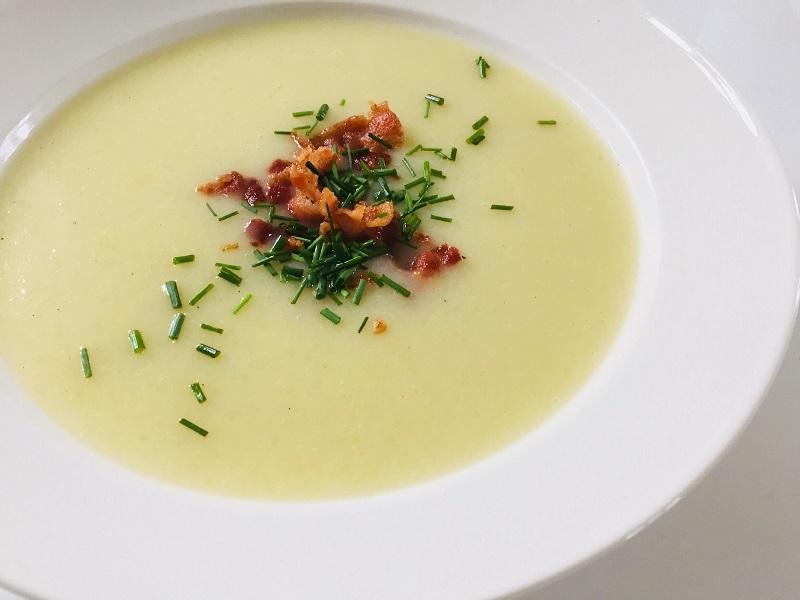
Jerusalem Artichoke Soup with Bacon
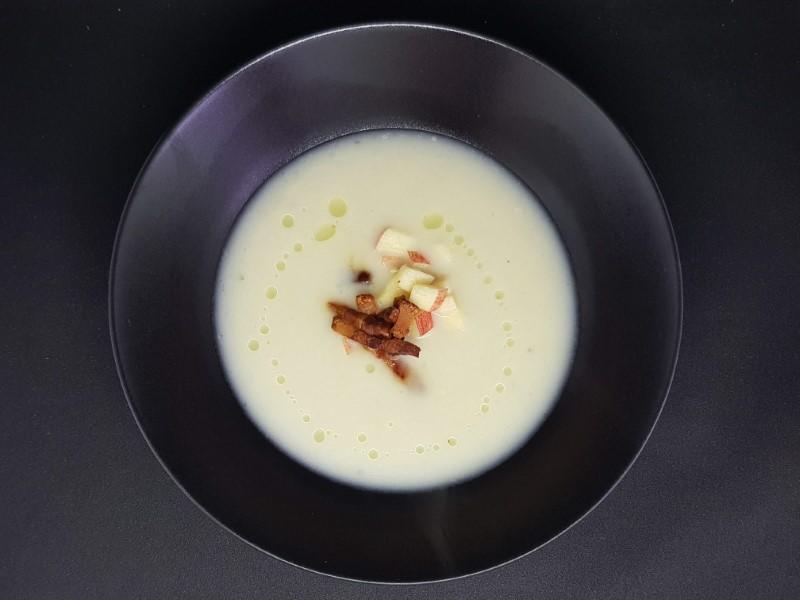
Potato Sandwich

Pea Soup with Scallops and Bacon

Crispy Bacon
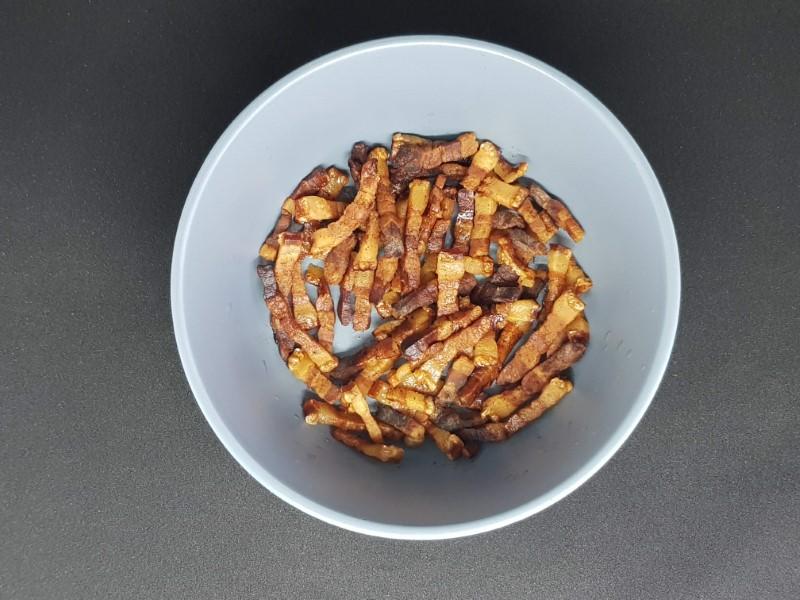
Egg Benedict

Egg Benedict with Asparagus and Red Onion

Zucchini Tart

Molecular Apple Pork

Apple Pork with Bacon
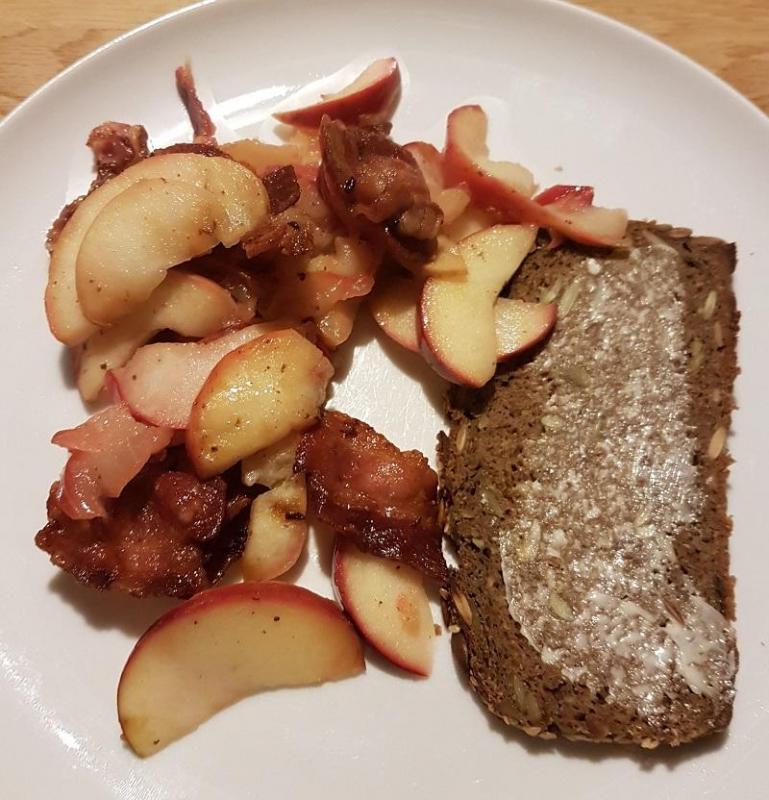
Hash with Eggs and Bacon

Burger

Gourmet Burger

Homemade Gastro Burger

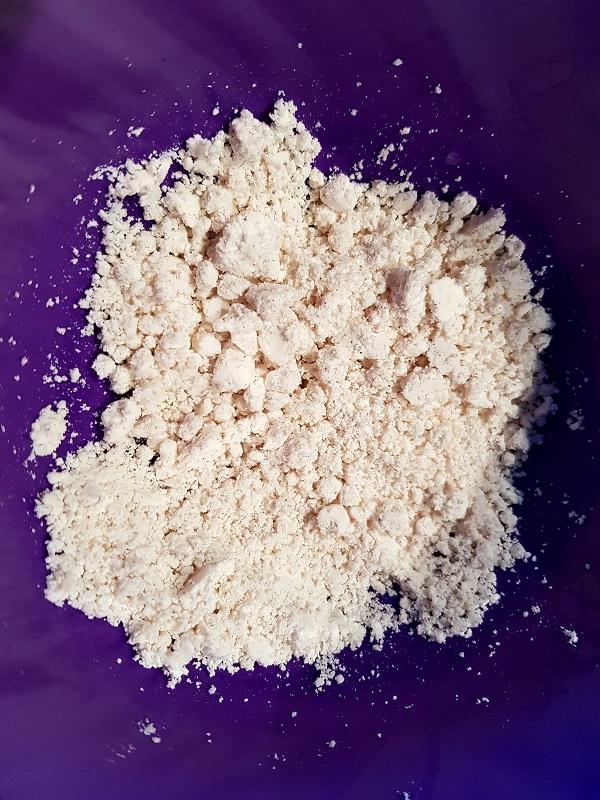
Bacon “Snow”
More About Bacon
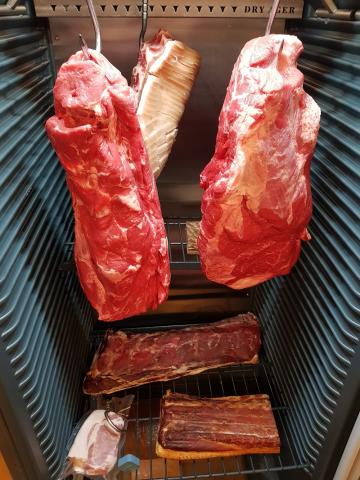
To get a good start with bacon, it’s a good idea to be able to mature/dry your meat after salting it yourself.
You can do this using dry-aging bags, smoke n’ dry bags, or a maturation cabinet.
Dry aging bags

Smoke n’ dry bags
Maturation Cabinet
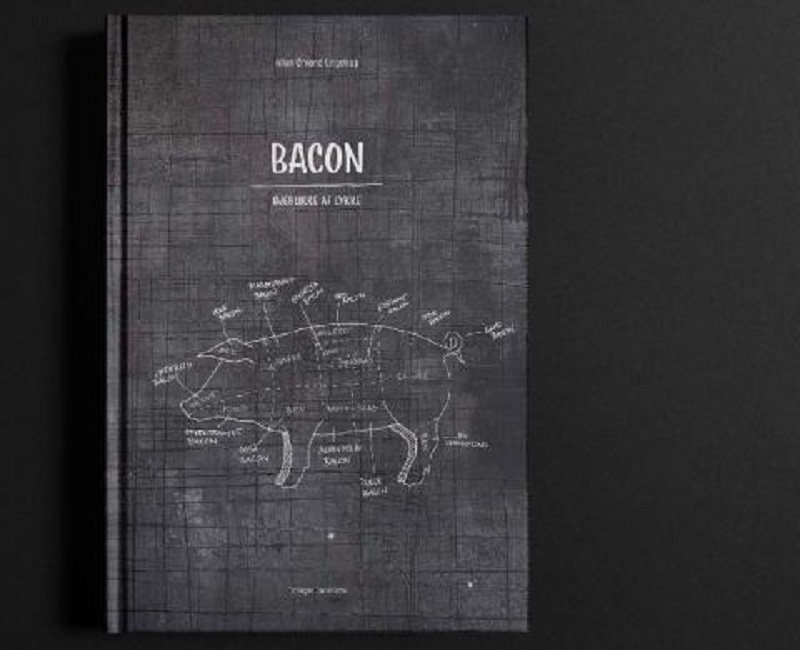
The Book: “Bacon – Moments of Happiness”