
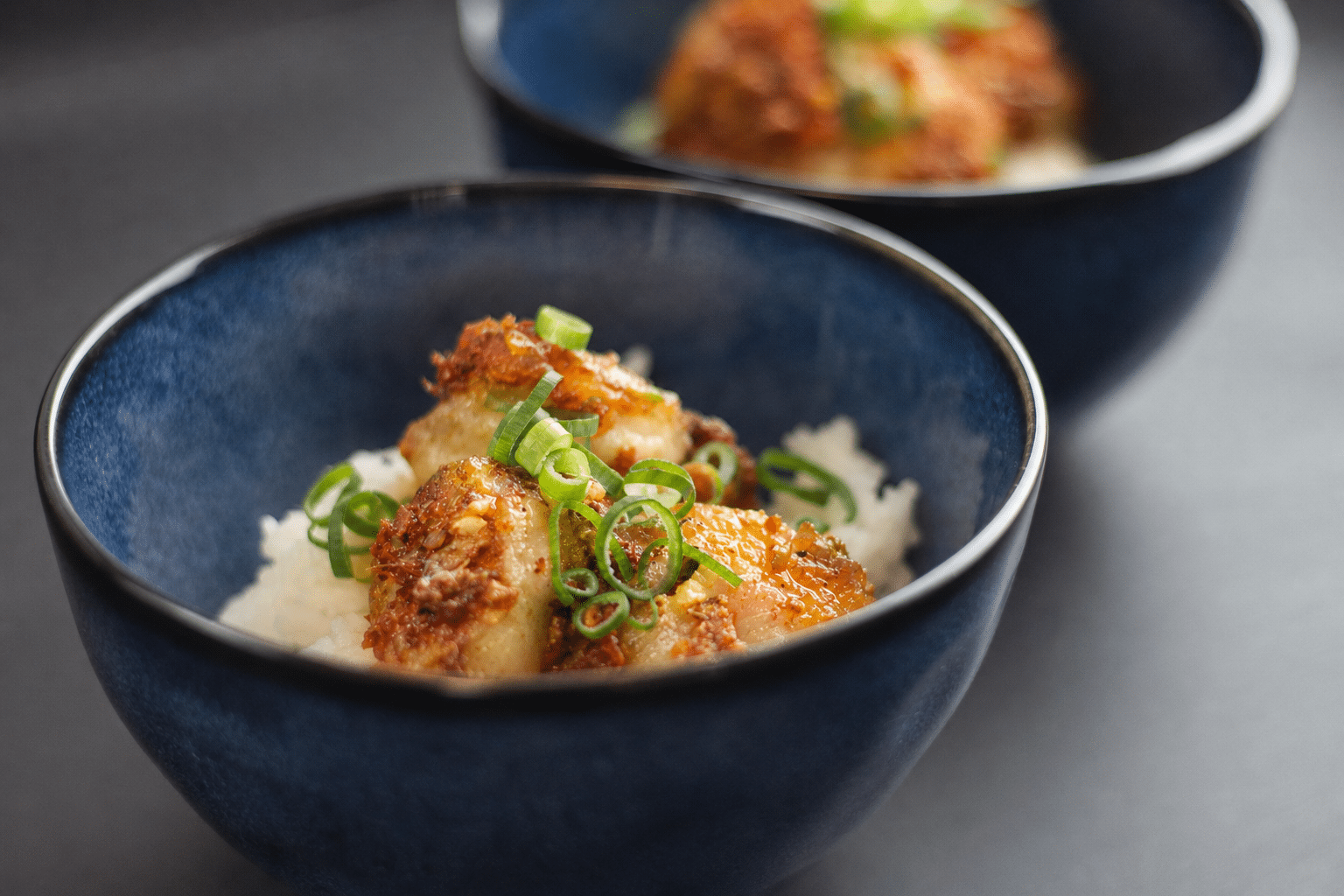

Mala (麻辣) is the defining flavor of Sichuan cuisine, and the two sensations are genuinely distinct. The “là” is the heat – straightforward fire from dried red chilies. The “má” is the curious part: a tingling numbness caused by hydroxy-alpha-sanshool, a compound found in the outer husk of Sichuan peppercorns. It is not quite a flavor and not quite pain. It short-circuits the mouth just enough to make the chili heat feel electric. Together, they create something deeply, unreasonably addictive.
This recipe is a quick wok dish: shrimp marinated to stay tender, seared hard and fast, then tossed in a layered sauce built on doubanjiang (fermented chili-bean paste), dried chilies, and Sichuan peppercorns, finished with ginger, garlic, and a splash of chicken stock. Strength, aroma, and umami in a concentrated sauce – and it is on the table in about 35 minutes.
Both doubanjiang and Sichuan peppercorns are easy to find at any Asian grocery store, and both are widely available on Amazon.
Why this recipe works
The shrimp get a short marinade in Shaoxing wine, salt, and cornstarch before they ever hit the wok. The cornstarch coats the surface and locks moisture in during the high-heat sear – this is the technique that keeps stir-fried shrimp silky rather than rubbery. After a quick sear, they come out of the wok while the sauce is built, then go back in at the very end. That two-stage approach is what keeps them from overcooking.
Read more: Yakisoba at home: Japanese stir-fried noodles with chicken in a tangy Worcestershire sauce
The sauce itself is built in layers. First the dried chilies and peppercorns toast briefly in hot oil, loading it with fragrance. Then the doubanjiang fries in that oil until it turns visibly red and smells deeply savory. Only then do the garlic and ginger go in. Each step adds to the last, and the result is a sauce that tastes like it cooked for an hour.
Ingredients
Serves 4
For the shrimp:
- 1 pound (500 g) raw shrimp, peeled and deveined
- ½ teaspoon fine salt
- 2 teaspoons Shaoxing wine
- 1 tablespoon cornstarch
For the sauce and stir-fry:
- 3 tablespoons canola or other neutral oil (40 g)
- ½ oz (15 g) small dried whole red chilies
- 1 teaspoon (5 g) whole Sichuan peppercorns
- 1 heaping tablespoon (20 g) doubanjiang
- 1 tablespoon (15 g) fresh ginger, finely minced
- 4 cloves (20 g) garlic, finely minced
- Scant ½ cup (100 g) chicken stock
- 2 teaspoons (10 g) light soy sauce
- 1 teaspoon (5 g) sugar
- 2 scallions (15 g), roughly chopped
To serve:
- Jasmine rice
Instructions
- Toss the shrimp with the salt, Shaoxing wine, and cornstarch until every piece is coated. Let them rest for 20 minutes.
- Heat a wok over the highest flame your stove can deliver. Add the oil and get it smoking hot.
- Add the shrimp in a single layer and sear hard until they just turn opaque and pink – about 1 minute. Do not cook them through. Pull them out immediately and set aside.
- Turn the heat down to medium. Add the dried chilies and Sichuan peppercorns. Toast them, stirring constantly, until you can smell them – about 30 seconds.
- Add the doubanjiang and stir-fry until the oil turns a deep, clear red and the paste smells rich and fragrant, about 1 to 2 minutes.
- Add the ginger and garlic. Stir-fry for 30 seconds.
- Pour in the chicken stock, soy sauce, and sugar. Bring to a boil and let it reduce slightly, about 1 minute.
- Return the shrimp to the wok and toss everything together until the shrimp are cooked through, pearly and opaque, with the sauce clinging to them – another 1 to 2 minutes.
- Add the scallions, toss once, and serve immediately over jasmine rice.
Tips and variations
On the dried chilies: They are there for fragrance and mala heat, not to be eaten whole. Bite into one and you will understand why. For a milder version, reduce the quantity, but do not skip them entirely – they are part of what creates the mala profile.
Read more: Albondigas: the Spanish meatballs in tomato sauce that are impossible to stop eating
Sichuan peppercorns: These are not actual peppercorns. They are the dried husks of a berry from the citrus family, and the numbing sensation comes from the oils in that outer husk. Toast them whole, then fish them out before serving if you prefer, or leave them in and let guests eat around them.
Finding doubanjiang: Look for Pixian doubanjiang, sometimes labeled “broad bean chili paste” or “toban djan” at an Asian grocery store. The Pixian variety, from Sichuan province, has the deepest flavor.
Read more: The sous vide trick that keeps pork tenderloin juicy and ever-so-slightly pink, every single time
Shrimp size: Any size peeled shrimp works here. Larger shrimp (21/25 count per pound) give each bite more heft; smaller shrimp (41/50 count) absorb the sauce faster and cook even quicker.
Serve immediately: Mala shrimp are at their best straight from the wok. The jasmine rice is not optional – you need something to soak up the sauce.