


We provide you with an article bursting with great cooking tips and tricks to elevate your gastronomic level at home.
For chef Anthony Bourdain’s best advice on becoming a master chef, read here.
Fat

Fat (primarily from pork, duck, and goose) and butter are among the most important ingredients, as they provide both flavor and depth to the food. Fat is also packed with great taste and can be used to give sauces the right consistency.
There are American studies showing that a standard restaurant meal (not junk food, etc.) contains more butter than the recommended daily dose. This is one of the main reasons why restaurant food tastes so delightful.
Salt
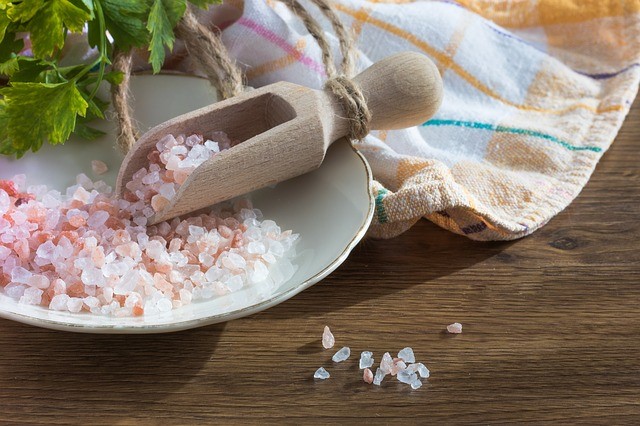
Salt is the ultimate flavor enhancer. It has been debated for many years whether meat should be salted before, after, or even during browning. We have spoken with Landbrug & Fødevarer, who claim to have clarified it after several studies:
“It is generally good to salt the meat as early in the cooking process as possible. The meat will taste more and is also more tender and juicy,” they say.
A general rule of thumb is that salt should be added before, during, and after cooking. But forget the classic fine salt with iodine, use different types of salt, such as flake salt (we are big fans of Maldon), both smoked and regular versions. Taste your way through the different types of salt, there is a big difference, and they all do different things.
Gourmet Salting
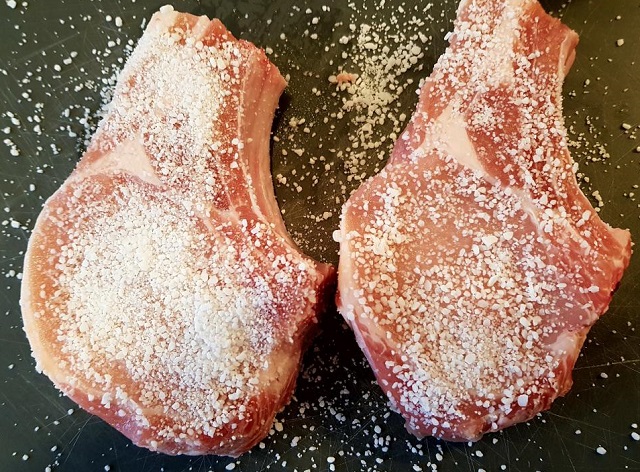
There are several methods to ensure that your meat, poultry, or fish becomes more juicy:
- The curing method involves salting and typically takes several days – usually from 3-6 days. The raw material can be consumed as soon as the curing is finished without needing further preparation.
- Gourmet salting is typically done either 5-10 minutes or 1-2 hours before cooking your raw material.
Gourmet salting is much milder in salt and sugar preservation and can therefore be done much quicker than curing. If used correctly, gourmet salting helps intensify flavor and retain juices.
Generally, the method can be used for beef, pork, poultry, and lamb – but the lighter the meat, the greater the effect of salting.
Read more here if you want the recommended salt/sugar percentages and more information on this topic.
Stock/Broth
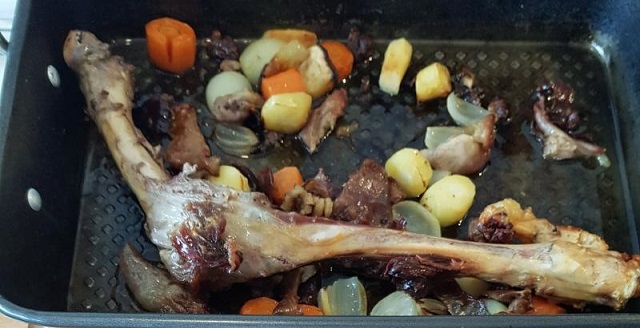
Stock or broth is typically made by roasting/burning the shells/bones/meat trimmings and then boiling them in water with vegetables and herbs.
It is boiled down and reduced until you have a concentrated stock that is fantastic for adding flavor to a stew, soup, sauce, or risotto.
So remember, every time you trim something from your meat (bones/trimmings/fat), your fish (head/scales/bones), or your vegetables (peel/ends/spots), put it in a zip-lock bag and freeze it. When you have gathered a suitable amount, you can make stock from it.
Vinegar

The acidity from your vinegar can give your dish what it typically lacks. In our kitchen, it is indispensable when seasoning a sauce, gravy, or stew.
Tomato Ketchup

Ketchup typically has the property of contributing both a sweet and sour taste at once. In other words, it can replace both sugar and vinegar when seasoning your dish.
Ketchup also complements a meat sauce with more depth and should also be used when making a barbecue sauce or whiskey sauce.
Sofrito
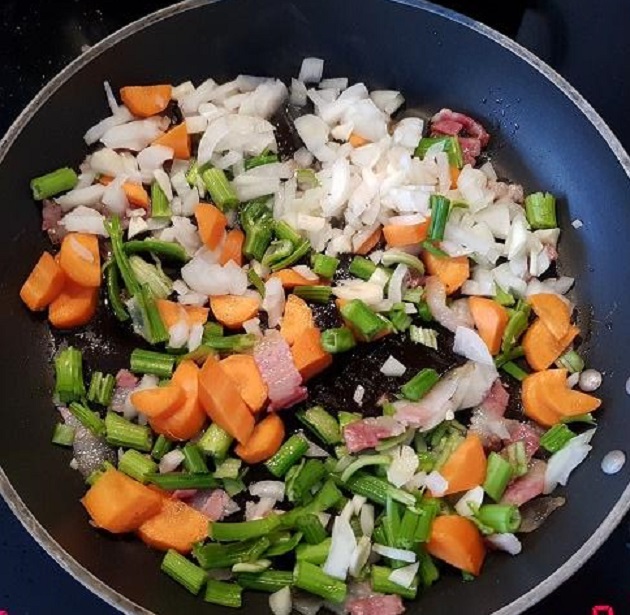
This classic vegetable mix of chopped onions, carrots, and celery in small cubes is called a sofrito in Italian. It forms a delightful base for most Italian sauces but can also be used in soup, stock, or other sauces.
Lemon Juice

Lemon juice is a phenomenal ingredient in your kitchen. It can elevate the entire flavor of your dish, make it fresh, and balance it. Often, a few drops are enough to improve heavy or rich dishes.
We always use lemon juice when seasoning sauces, stews, and even desserts.
Parmesan Rinds

The delicious Italian cheese Parmesan tastes delightful. Did you know that the rind can be used for various purposes, so be sure to save it before moving on to a new piece of cheese.
The rind can be used to add body and salt to sauces and soups. Additionally, you can make a broth from it, which can be used in a risotto.
Gastrique

One of the secrets of French cuisine. This caramelized vinegar syrup is genius for enhancing the flavor of a sauce, stew, or gravy. Gastrique is typically made from sugar (regular sugar, honey, etc.) and vinegar (wine vinegar, balsamic, apple cider vinegar, etc.), and typically a spoonful is enough to elevate your dish to new heights.
The gastrique adds bitterness, sweetness, acidity, and fruitiness to your dish, so it’s often the first thing we add to our sauce when we struggle to achieve a good flavor.
Pasta
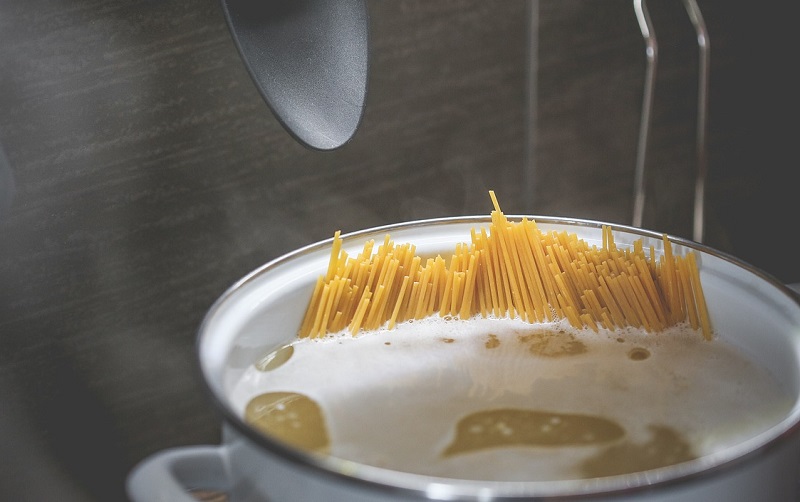
We Danes often misunderstand pasta in general. We often replace our carbohydrates (potatoes/rice) with pasta and consume it in large portions along with our side dishes.
Italians typically have it as a dish in itself, usually with just a little freshly ground pepper and cheese.
A good rule of thumb is 125 grams of pasta per person if it’s for a main meal.
Should there be oil in the water when boiling pasta? The quick answer is no. It doesn’t help prevent pasta from sticking together; it’s a myth. So skip the oil and don’t waste it in the water.
However, you should remember to have plenty of water in the pot, and it should boil vigorously throughout. This helps ensure that the pasta doesn’t stick together.
Use plenty of salt when boiling pasta. A good rule of thumb is 10 grams of coarse salt per 1 liter of water. Do not add the salt immediately. Make sure the water is boiling intensely in the pot before adding it, and then the pasta. Stir well. If you add the salt immediately, it will take longer to start boiling, as salt raises the boiling temperature of the water.
One of the most important things to enhance your pasta experience is the cooking water. It is full of flavor and starch. Always use 1/2-1 deciliter of the cooking water to mix into your sauce/pasta when you’re done.
…the article is updated continuously as we have new great tricks for our readers.