
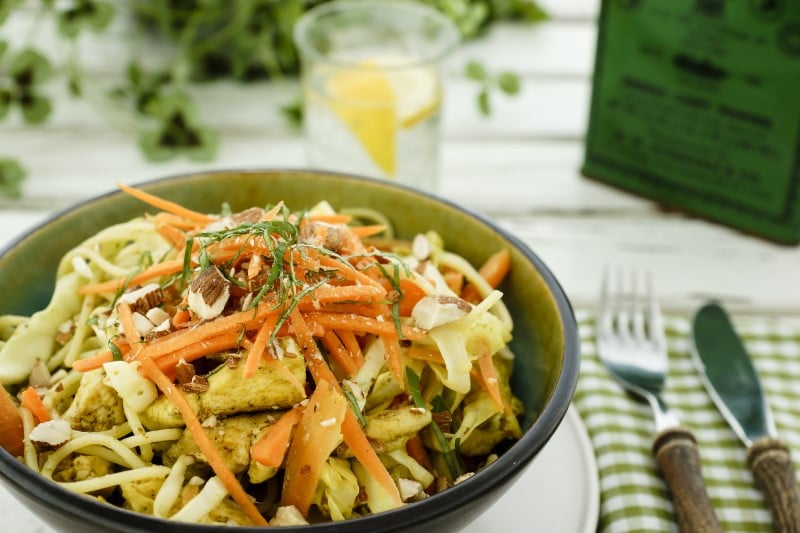

To help Danes take good care of food during the Corona crisis, the voluntary organization Stop Wasting Food has compiled a useful guide on how to extend the life of your food, how to store it, portion control, and make the most of all leftovers.
On March 12, Denmark woke up to a new reality due to the rapidly growing Coronavirus (COVID-19). According to the Prime Minister’s and Government’s recommendations, Danes should stay home as much as possible to contain the Coronavirus (COVID-19).
Soon after the Prime Minister’s press conference, many Danes rushed to local supermarkets to panic buy. However, the government’s statement was more than clear: Do not hoard. We do not have a food crisis; we have a health crisis. All retail chains remain open as usual, there are goods in stock, and trucks deliver new goods just as they always do. There is enough for all of us. There is nothing wrong with the food supply in Denmark.
This was also the message in a video with the Minister for Food, Fisheries, Equal Opportunities, and the Minister for Nordic Cooperation Mogens Jensen, which was just published on Stop Wasting Food’s channels, with a total of 105,748 followers on social media, and which Stop Wasting Food made available to the minister. The video can be viewed here.
The Danish Veterinary and Food Administration has also created a comprehensive guide on Coronavirus (COVID-19) for citizens, restaurants, shops, and other food businesses. The guide can be seen here.
Crisis Management: How to Best Take Care of Your Food
In times of crisis, it is important to have a good and strong immune system, eat healthily, and also take good care of your food. It is, for example, a good idea to make meal plans for peace of mind and an overview. Making the most of your food and extending its life will also create an easier everyday life.
Therefore, in these Coronavirus times, the voluntary organization Stop Wasting Food is launching a “public service” announcement and has compiled a large and useful guide on how to extend the life of your food, how to store it, how to control portions, and utilize all food, including leftovers.
The guide’s sources are Stop Wasting Food, the Danish Veterinary and Food Administration, Altomkost.dk, Samvirke, Landbrug & Fødevarer, Suhrs Højskole, Statens Husholdningsråd, Professionshøjskolen Metropol, the Department of Food Science (KU FOOD), and Elforbundet.
How to Manage Date Labels:
Understand date labeling: “use by” is used on fresh meat, fresh fish, fresh chicken, etc. – the food should ideally not be eaten after this date. Meanwhile, “best before”/“best by” is used on pasta, rice, crispbread, chocolate, muesli, etc. The Danish Veterinary and Food Administration states that you can safely eat the food after the “best before” date. If in doubt, see, smell, and taste the food. In other words, “best before” does not mean “worst after.”
How to Reuse Your Leftovers:
When you urgently need inspiration for reusing leftovers, the Danish Veterinary and Food Administration has made an easy guide, which is straightforward:
Bread Leftovers
Freeze rye bread and save it for rye porridge.
Rye bread can be grated for ymerdrys.
Rye bread can be baked in the oven with a little oil, as sticks or cubes, and used as a side dish.
Wheat bread in cubes can be toasted and used as a side dish, e.g., croutons.
Wheat bread can be dried for breadcrumbs.
Wheat bread can also be used for apple cake crumbs, reused in new bread dough, thinly sliced, toasted into chips, or for French toast.
A piece of rye bread can be grated and mixed with oatmeal, etc., and dry-roasted in a pan for 2-3 minutes to make homemade muesli.
Leftover Cooked Rice, Bulgur, Couscous, etc.
Can be added to minced dishes like meatballs, meatloaf, etc.
Quick salad with thawed peas, corn, and bell pepper in small cubes.
Can be used as a filling in vegetable soup.
Leftover Cooked Potatoes
Mashed in bread dough.
As a topping on rye bread.
Cut into cubes or slices and fried in the pan or oven.
For potato salad.
Cut into cubes as a topping for soup or blended as a filling.
Mashed potato for potato pancakes, can be supplemented with root vegetables.
For hash with lots of vegetables in the oven.
As filling in omelets/egg cakes.
Leftover Cooked Pasta
As a filling in soup.
Quick salad with thawed peas, corn, and bell pepper in small cubes.
As a filling in sandwich salads, e.g., curry salad.
Leftover Porridge
Can be added to bread dough.
Rice pudding can be used for rice pancakes.
Leftover oatmeal from breakfast can be saved and used in oatmeal pancakes or rice pancakes.
Leftover Cooked Meat
Leftover meat sauce can be put on rolls for pizza rolls, spirals, etc.
Meat sauce can be used in lasagna.
Roasts, minced dishes, etc., can be used as a topping.
Can be used as a filling in gratin, hash, or egg cakes, e.g., ham.
Toppings can be used as a topping for pizza or frozen.
Leftover Cooked Fish
Fish cakes and fillets can be used as toppings.
For salads or mousse.
For lasagna.
As a filling in pasta salad, e.g., tuna or salmon.
Leftover Dairy Products
Leftover slicing cheese can be grated and frozen.
Leftover slicing cheese can be put on rolls with tomato for pizza rolls.
Leftover cheese can also be used for cheese croutons, cheese chips, in soups, in pesto, for gratinating, in bread and pastries.
Cultured dairy products can be used in bread dough.
Cultured dairy products in homemade cold soup, smoothie – remember to use pasteurized eggs and heat-treated frozen berries.
Leftover dairy products and cream can also be used in dough, vegetable puree, protein drinks, dressings, soups, sauces, cheese croutons, pesto, gratinating, bread, and pastries.
Leftover Vegetables
Can be chopped and added to minced meat or sauce.
Broccoli or cauliflower stalks can be steamed, blended, and used mixed with a lean dairy product as a topping, sauce, or dressing.
Blended and added to minced meat dishes, e.g., meatballs, meatloaf, meatballs, etc.
Used as a supplement to toppings, lightly cooked vegetables can be gnawed alongside bread.
Raw vegetables can be grated and added to bread dough.
Vegetable puree can be added to bread dough.
In vegetable soup.
Pesto can be used in bread.
Make pesto from vegetable leftovers, e.g., herbs.
Can be used in a lasagna, tomato sauce, or meat sauce.
Can be used in gratin or egg cake.
Vegetable sauce, e.g., tomato sauce, can be put on pizza rolls, spirals, etc.
Leftover Fruit
Grated fresh fruit can be added to bread dough.
Fruit compote as a topping for porridge.
Fresh fruit cut into slices as a topping.
How to Manage Kitchen Hygiene and Reheating Leftovers:
According to the Danish Veterinary and Food Administration, you must remember to follow basic hygienic rules when using leftovers in the kitchen. Good kitchen hygiene is important to ensure that no one in the family gets sick from the food. You can do a lot yourself to avoid diseases by, for example, washing your hands before cooking, using different cutting boards for meat and vegetables, and cooling the food quickly if it needs to be stored. If you need to reheat the food, it’s important to heat it to a minimum of 75 degrees.
How to Manage the Shelf Life of Food in the Refrigerator:
How long can your food actually last in the refrigerator? The Danish Veterinary and Food Administration has made a good guide for the shelf life of food in the refrigerator:
Meat
Raw meat, whole pieces, e.g., beef: 3-4 days.
Other types of meat: 2-3 days.
Raw meat, cut: 1-2 days.
Raw minced meat, mince, sausage, etc.: To be cooked the same day.
Raw poultry: 2-4 days.
Cold cuts: 2-4 days depending on the type of product. Salami and similar have a longer shelf life.
Cooked meat and stews: 2-3 days.
Fish
Raw fish, fish mince, and cod roe: To be cooked the same day.
Cooked fish: 1-2 days.
Smoked herring, mackerel, eel, cod roe: 4-8 days, depending on how freshly smoked the item is.
Smoked salmon, halibut: 2-3 days.
Cured salmon: 1-2 days.
Fish Canned Goods
Marinated herring, spiced herring, and similar: 8-10 days.
Mackerel, tuna, salmon, kippers, cod roe: 2-3 days.
Mussels, caviar, shrimp, crabs: Maximum from day to day.
Dairy Products
Milk and cream: 2-3 days.
Cultured dairy products: 4-5 days.
Butter, margarine, fat: See date labeling.
Slicing cheese: 3-4 weeks.
Blue cheese: 4-5 days after the cheese is fully matured.
Various cheeses: 2-3 days.
Eggs
Whole eggs: 3-4 weeks. See date labeling.
Egg yolks: 1 day.
Egg whites: 2-3 days.
Dishes with raw eggs: Consumed the same day they are prepared.
Heat-treated egg dishes: 1-2 days.
Pasteurized eggs: 1-2 days.
Mayonnaise and mayonnaise salads: 2-3 days.
Various
Juice: 4-5 days.
Juice in cartons: 8-10 days.
Vinegar pickled products like pickles, beets, and cucumbers: ½ -1 year.
How to Manage the Shelf Life of Food in the Freezer:
Although for many, the freezer has ended up as a hangar for UFOs – Unidentified Frozen Objects – the freezer does not have to be the last stop before the trash. By making friends with your freezer and keeping it organized, you and your family can enjoy your food for a long time. The National Household Council has made a guide to the shelf life of food in the freezer:
Ready meals: 1-3 months in the freezer
Vegetables: 6-12 months depending on the packaging and vegetable type
Fruits and fruit products: 10-12 months
Sausages: 2-3 months
Fatty pork: about 3 months
Minced meat: about 4 months in the freezer, mince can only last 2 months
Smoked meat: 4-6 months
Lean pork: about 6 months
Chicken: 8-10 months
Beef: about 10 months.
Lamb: about 10 months
Smoked fish: about 3 weeks
Fish mince: 1-2 months
Fatty fish: 2-3 months
Lean fish: 3-6 months
How to Manage Thawing and Refreezing Food:
Thawing
When you need to thaw your excess food, thawing should always take place in the refrigerator due to bacteria growth. If you need the food tomorrow, it’s a good idea to take it out of the freezer tonight and put it in the refrigerator.
Refreezing
If you have not used the thawed food, it can be refrozen if it has not completely thawed and has been stored in the refrigerator. If the food has thawed on the kitchen counter, it should always be discarded as the cold chain has been broken. Be aware that the quality of the food may deteriorate if you refreeze food that has been thawed.
Where to Store Your Food:
In the Refrigerator
Foods like meat, fish, milk, eggs, juice, and juice should be stored in the refrigerator. The refrigerator is divided into zones where temperatures can vary. As heat rises, it’s warmest at the top of the refrigerator and coldest at the bottom. The vegetable drawer at the bottom of the refrigerator is suitable for vegetables and fruit. Additionally, some refrigerators have zones where it is extra cold. These are suitable for e.g., meat, fish, and cold cuts. If there isn’t a special cold zone, meat, fish, and cold cuts should be placed as low as possible in the refrigerator. Eggs, pickled products, and cheese can be placed a little higher in the refrigerator as they generally tolerate slightly higher temperatures. Milk and juice should be placed in the door. According to Elforbundet, the temperature in a refrigerator should always be +5 degrees C.
In the Freezer
If you have a freezer, you should pack the food in freezer bags and write on the bags/packages what they contain, as well as the date the bag was placed in the freezer. Make a list/freezer register where you keep track of what is placed in the freezer and what is taken out. This is especially useful if you have a chest freezer, where food can hide and become too old. Sort the food in the freezer, so there’s e.g., greens and fruit in one place, meat in another, leftovers from dinner in a third place, etc. This makes it easier to find the bag of strawberries or rye bread you need. In a freezer, according to Elforbundet, the temperature should always be -18 degrees C.
In the Kitchen Cabinet
Grocery items like rice, pasta, flour, sugar, canned goods, spices, and crispbread should be stored in kitchen cabinets, and they are best stored dry and possibly dark.
How to Properly Store Vegetables:
In the refrigerator, freezer, or in a bowl on the kitchen counter? Samvirke has made a guide on how to best store vegetables:
Cucumber
Lasts about a week in their plastic packaging in the refrigerator, but the refrigerator temperature should preferably not be at the cold end. If it gets too cold in the refrigerator, the cucumber becomes glassy and loses its taste. A cucumber can also last about a week on the kitchen counter at normal room temperature. Cucumbers cannot be frozen.
Asparagus
Asparagus lasts up to 2 weeks in a plastic bag in the refrigerator. If your asparagus has become a bit limp, cut off the ends and place them in cold water for a few hours to refresh them. If you want to freeze your asparagus, they should be blanched for 3 minutes first if they are green and 5-6 minutes if they are white. White asparagus is only suitable for freezing if they are completely fresh.
Eggplants
Eggplants stay fresh in the refrigerator for about 8 days. At room temperature, eggplants can last 5-6 days. Be careful not to store eggplants together with apples, pears, and tomatoes, which produce ethylene, promoting the ripening and decay process of eggplants. Eggplants are not suitable for freezing.
Cauliflower
Cauliflower easily lasts up to a month in a plastic bag in the refrigerator. If you freeze cauliflower, it loses its crispness and color upon thawing but can still be used in stews. The cauliflower should be blanched before freezing. Divide it into florets and blanch them for 3-4 minutes.
Broccoli
Broccoli should be wrapped in a plastic bag and stored in the refrigerator. Here, broccoli can last 1-2 weeks. At room temperature, it lasts 1-2 days. Broccoli goes bad faster if stored with apples, pears, and tomatoes, which release a lot of ethylene.
Herbs
Herbs should preferably be stored in the refrigerator. If herbs become limp, you can place them in ice water to freshen them up. They can also be frozen. Wash the herbs thoroughly, pat them dry, and freeze in smaller portions. Cress and watercress are best stored between 0 and 4 degrees.
Mushrooms
Mushrooms last longest in their packaging in the refrigerator, where they can last about 1 week. Mushrooms also keep well cleaned in a plastic bag in the refrigerator. Some browning doesn’t matter. It’s a wound healing process triggered by some enzymes in the mushroom. Mushrooms can be dried in the oven at 50 degrees until all water has evaporated. Mushrooms are placed in a cake tin or jar and stored dry. When you need them, they should be soaked for a few hours in water. Mushrooms freeze best if the cleaned mushrooms are first sautéed in the pan.
Spring Onions
Spring onions can last about 1 week in the refrigerator. Wash and clean the spring onions and put them in a plastic bag. If the spring onions have become soft, they can be freshened up by placing them in a bowl of ice water for a few minutes.
Green Beans
Last 5-6 days if you store them in a plastic bag in the refrigerator. Beans are very suitable for freezing. Cut them into smaller pieces and blanch them for 3 minutes. Fully mature beans can also be dried by hanging the plant with the root end upwards under the eaves or in a dry, ventilated room.
Carrots
Carrots with tops become limp within a few days, so nip off the tops and place them in a bag in the refrigerator. Without tops, carrots can last 2-3 weeks. Carrots can be frozen if blanched first. Scrape them, cut them into slices or cubes, and blanch them for 5 minutes.
Head Lettuce
Heads of lettuce should be washed, absorb a little moisture, dripped off, and placed in a bag in the refrigerator. You can also remove the leaves from the stem, wash the leaves thoroughly, drip them off, and store them in a plastic bag in the refrigerator. At a temperature of about 0 degrees, a head of lettuce can last up to 10 days.
Garlic
Garlic stays fresh the longest in the refrigerator, where it can last 6-7 months, while garlic can only last 3-4 weeks at room temperature.
Ginger
Ginger can last 1 month in a plastic bag in the refrigerator but can also be frozen. You can also keep ginger in a bowl on the kitchen counter, but then the shelf life is shorter. If ginger sits for a long time, sprouts may grow, so you can plant the ginger and maybe, with a little luck, grow a new ginger plant from it.
Potatoes
Potatoes should be stored in the dark and cool at 8-10 degrees but can become sweet in the refrigerator. If they get too much light, a toxin is produced, and the potatoes get green spots. The best place to store potatoes is covered in a cold basement.
White Cabbage
White cabbage is best stored wrapped in a plastic bag in the refrigerator. Both white cabbage, red cabbage, and pointed cabbage can last several weeks. Cabbage can be frozen once it is quartered, sliced, and blanched for 5 minutes.
Onions
Onions should be stored in a dry place and should not be in a plastic bag or refrigerator. Onions can last up to six months if stored dry and cool. Onions with tops can last a week if stored cool.
Peppers
Peppers should be stored in the refrigerator. Peppers last longest at 7-10 degrees. Green peppers can last up to 2 weeks and the red and yellow ones about a week in the refrigerator. Peppers can be frozen when split and the seeds removed. Cut them into strips before packing if needed. Frozen peppers can be used directly from the freezer, but they have lost their crispness.
Parsley
Parsley lasts 7 days in a plastic bag in the refrigerator. You can also wash the parsley and freeze it. Parsley can be gathered in bunches and dried in the sun. It is also possible to spread the parsley on a baking sheet and dry it in the oven at 40-45 degrees. Parsley can be frozen in bunches or finely chopped in ice cube trays. After freezing, remove the lumps and package them in freezer bags.
Leeks
Leeks last longest in the refrigerator at most 5 degrees and stored in a plastic bag. Here, leeks last 2 weeks. They should be stored separately in a vegetable drawer at the bottom of the refrigerator. Small, thin leeks can be blanched for 4 minutes and deep-frozen whole. Larger leeks can be cut into 5 cm long pieces and blanched for 4 minutes, or they can be cut into slices and blanched for 2 minutes.
Root Vegetables
Root vegetables like celery and beets are stored in the refrigerator, where they can last several weeks. At room temperature, they can last about a week. Beets and celery and other root vegetables can be frozen: Peel them and cut them into cubes, slices, or sticks. Blanch them in lightly salted water for a few minutes. Cool and freeze in freezer-suitable boxes or plastic bags.
Arugula
Arugula goes bad already after a day at room temperature but can last a week in a plastic bag in the refrigerator. At room temperature, it has a shelf life of less than 2 days. Arugula is not suitable for freezing.
Baby Salad
Baby leaves and other salad mixes can last about a week if stored in a plastic bag in the refrigerator. Place the salad leaves in cold water for a few minutes to freshen them up and wash away sand and dirt.
Spinach
Should be stored in a plastic bag in the refrigerator, where the leaves can last a week. At room temperature, spinach lasts 1 day. If the leaves are a bit limp, put them in cold water to make them crispy again. Spinach leaves can be frozen if washed and steamed for a few minutes in the water that clings to them. They are then cooled in cold water and frozen whole or chopped.
Zucchini
Zucchini is stored in the refrigerator, where they can last about a week. At room temperature, zucchini can last about 3 days. When frozen, zucchini becomes soft. If you want to freeze them, they should be sliced, blanched, or sautéed in a little butter first.
Tomatoes
Tomatoes should be stored in a bowl on the kitchen counter. If tomatoes are put in the refrigerator, ripening stops, and the tomatoes lose flavor and aroma. Tomatoes last about 1 week on the kitchen counter. If you have a cool cellar or storage room where the temperature is between 11 and 14 degrees, they can last 10 to 14 days, depending on the variety or how ripe they are. If you want to freeze tomatoes, they can be peeled, quartered, and frozen without blanching. You can also make puree from the tomatoes and freeze it in trays as ice cubes.
How to Take Care of Your Vegetables:
Vegetables often top the list of foods that are most often thrown away in Danish homes. Often because the vegetables are stored – but forgotten at the bottom of the vegetable drawer in the refrigerator. Vegetables can become a great healthy snack and snack.
It’s a good idea to have a good refrigerator flow. Keep an eye on vegetables that start to soften or droop. A dry carrot can be revived by putting it in a glass of ice-cold water.
Once a week, e.g., on weekends, it’s a good idea to go through the family’s vegetable drawer in the refrigerator and perform “food rescue” actions. Gather all the vegetables you haven’t eaten, chop them, and store them in the freezer. This will both help the family save many vegetables from a quick death and contribute to “food prepping,” saving time and money when you quickly need to shop in your freezer for dinner. Make the family’s “food rescue” actions a weekly event where the children also participate in saving the food.
How to Regrow Your Vegetables:
For those who are very concerned about reducing food waste, the regrow trend is also recommended, and it can be done even if you live in an apartment. The regrow trend means growing your cut vegetables at home, e.g., in the kitchen windowsill. You can regrow e.g., herbs, celery, garlic, spring onions, cabbage, lettuce, fennel, coriander, carrots, leeks, and much more. However, you probably shouldn’t expect a large production, as it is limited by what the kitchen’s settings allow.
How to Properly Store Fruit:
How do you store your fruit correctly so they, for example, don’t affect each other? The Danish Veterinary and Food Administration, among others, has made a guide on how to best store fruit:
Oranges
Oranges can either be stored in the refrigerator or at room temperature. At room temperature, they last 1-2 weeks, and in the refrigerator, the shelf life is 2-3 weeks. You can juice the oranges and freeze the juice.
Bananas
Bananas should be stored at room temperature and preferably in a bag, where they can last 4-7 days. Bananas should not be in the refrigerator. A ripe banana has beginning brown spots. Overripe bananas can be placed in the freezer and later used in, for example, smoothies.
Lemons and Other Citrus Fruits
Lemons and other citrus fruits such as limes can be stored on the kitchen counter or in the refrigerator. They can last 2-3 weeks on the kitchen counter and 3-5 weeks in the refrigerator. Organic lemons and citrus fruits not surface-treated are more vulnerable than treated citrus fruits and can benefit from being stored in the refrigerator. Lemons release ethylene, so separate them from fruits like bananas that can be affected by ethylene.
Strawberries
Strawberries should not be in the refrigerator if they are to be eaten the same day. If you keep them for the next day, it’s a good idea to refrigerate them, where they can last 2-3 days.
Kiwi
Kiwi is best stored in a bowl on the kitchen counter, where they can last 3-5 days. When they are well-ripe, you can extend the shelf life by 4-6 days by putting them in the refrigerator.
Mangoes
Mangoes are stored at room temperature on the kitchen counter, where they can last 2-5 days. When ripe, they can be placed in the refrigerator to extend the shelf life.
Melons
Melons should be stored at room temperature when whole. They can last 1-2 weeks. When you have cut the melon, it should be placed in the refrigerator.
Pears
Pears can be stored on the kitchen counter or in the refrigerator when ripe. They should ideally be kept separate from other fruits and vegetables as they emit ethylene, promoting ripening and decay.
Apples
Apples are best stored in the refrigerator or on the balcony, where it is dark and cool. Apples keep best if you store them in a bag or otherwise separated from other fruits and vegetables. Apples release ethylene, which promotes ripening and decay. If you want to freeze the apples, it’s a good idea to make them into applesauce first. Applesauce then lasts 6-12 months in the freezer.
How to Take Care of Fruit in the Fruit Bowl:
Many experience that fruit in the fruit bowl always goes bad, and especially the bottom fruit in the fruit bowl becomes soft and limp, and you end up throwing it out. How many of us have not tried buying delicious bananas and apples, only to find that after a few days, the bananas have become brown and spotted when they have been in the fruit bowl with the apples.
Fruit should ideally be stored separately, and “fruit families” should not be mixed together. In other words, bananas should be stored only with bananas, apples only with apples, oranges only with oranges, etc. Apples, bananas, citrus fruits, etc., release a lot of ethylene, which is a gas that promotes the ripening process. If you have unripe fruit or vegetables, it’s a good idea to put them together in the bowl with the ripe ones so they ripen faster. But regular ripe fruit should be stored separately.
How to Find Out When Eggs Are Too Old:
Many eggs can last much longer than you think, writes Samvirke. A good idea is to use the egg trick – and remember to have the kids join in, as they will also find it fun and educational to watch:
Take your eggs and carefully place them in a bowl of water or several glasses of water. The very fresh eggs will always lay at the bottom. The slightly older eggs don’t fall all the way to the bottom and rise slightly in the glass, as an egg contains an air pocket that gets larger the older the egg is. A really old egg floats at the top of the glass or bowl, and you will not be able to get the egg to lay at the bottom. An egg that behaves this way is a very old egg, and it should preferably not be eaten.
How to Manage Portion Control:
According to previous surveys, it is especially dinner that is the family’s biggest challenge with food waste. Many families with children consistently make up to 30% too much food for fear that there is not enough. Moreover, families are not good at saving leftovers, and they often get thrown out. Portion control is one of the most important skills, especially as a family with children. According to Suhrs Højskole, an adult eats about 500-700 grams of food per meal, including bread.
Children generally eat less than adults. How much children eat depends on the child’s age, activity, appetite, and desire, and it can therefore vary greatly from day to day. But generally, children aged 4-10 years eat about half of what an adult eats, i.e., 250-350 grams. A child under three years eats a little less, about 200-300 grams. When children are over 10 years, they eat almost the same as an adult.