
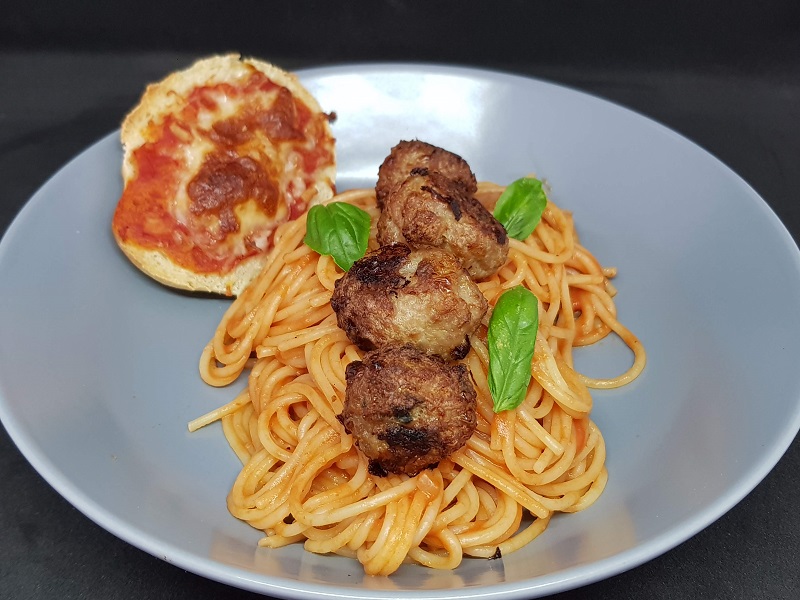
The key to Italian cooking is simplicity and good, fresh ingredients. Italian cuisine has such international popularity that it is one of the most “copied” worldwide: Here at home, we are so fond of classics such as pizza, pasta bolognese, and lasagna that we have adopted them in various Danish versions. Few Danes would think of serving spaghetti without lots of meat sauce, but in Italy, they would cringe that we do not let the spaghetti/pasta shine more.
Read on and become much wiser about the Italians’ great pride: Their food!
Italian cuisine through the ages
Italian recipes and cooking techniques can be traced back to 400 BC, but it wasn’t until after the fall of the Roman Empire that the Italian kitchen truly took shape and began to resemble what we know today.
The major changes in Italian cooking occurred when they colonized America and were introduced to ingredients like potatoes, tomatoes, corn, bell peppers, and sugar beets.
What characterizes Italian cuisine?
In Italy, the taste experience primarily depends on the quality of the ingredients. Genuine Italian food is typically very simple and flavorful and made with very few, fresh ingredients: Often not more than 2-4 main ingredients are used.
A good example is the classic, fresh tomato salad, caprese, which primarily consists of fresh tomatoes and buffalo mozzarella, seasoned with balsamic vinegar and a good olive oil.
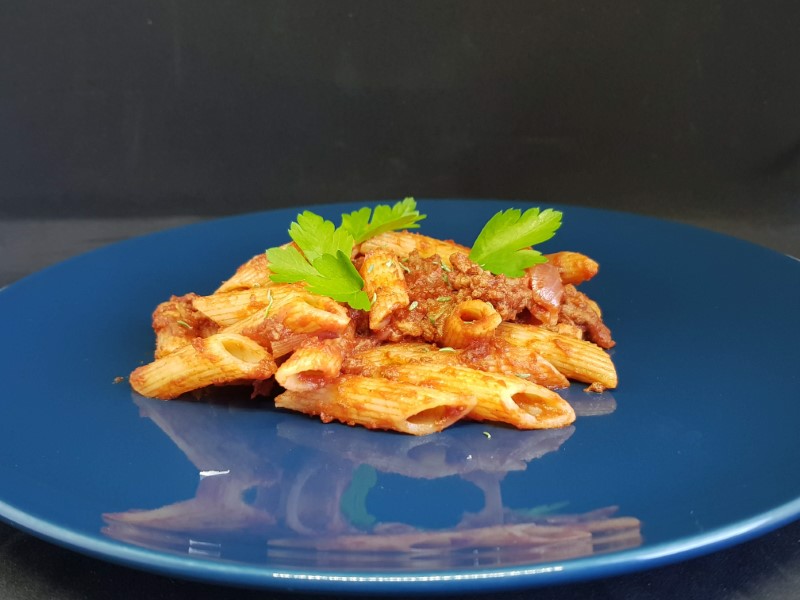
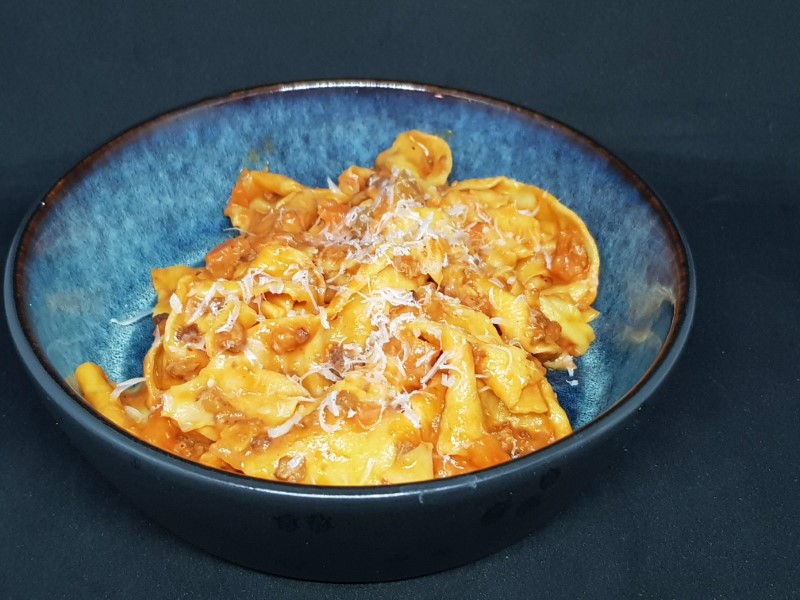
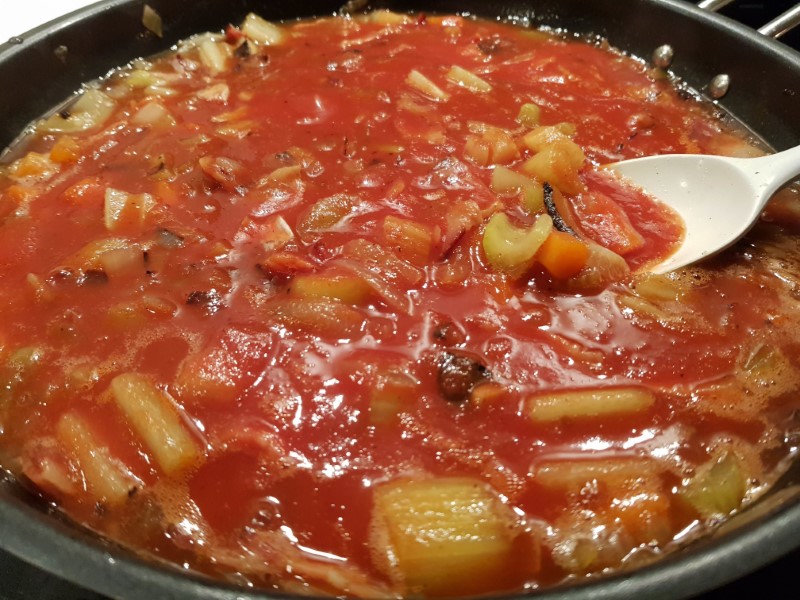
Pasta dishes are also quite simple. While we Danes like to make a “bowl” of meat sauce with pasta, for Italians, the pasta, not the sauce, is the star of the meal. Moreover, many Italian pasta sauces are based on a so-called sofrito – a vegetable mixture of chopped onions, carrots, and celery diced small, which forms the foundation for many Italian dishes and creates a good, flavorful sauce.
Northern Italy vs Southern Italy
The Italian kitchen is particularly known for its different regions, especially the difference between the northern and southern regions. The culinary differences are almost extreme, given the country’s size.
Northern Italians love meat, polenta, and thick, creamy sauces, while southern Italians prefer tangy tomato sauces, olive oil, and seafood. Although both regions have their distinctive flavors, they have both contributed to what we call Italian cuisine.
Southern Italy: The southern Italian kitchen is probably what most consider genuine Italian food. The dishes are light and fresh and filled with the region’s bell peppers, tomatoes, and eggplant, as well as olive oil. Classics like marinara sauce and minestrone originate from southern Italy. It was reportedly the region’s abundance of tomatoes that led to the invention of perhaps the most popular Italian dish worldwide: Pizza.
Northern Italy: The regions of Piemonte and Lombardia are true agricultural regions, which is very much reflected in their cooking: While southern Italians are fond of olive oil and tomato sauce, northern Italians use butter instead. That’s not to say they never use olive oil. For instance, they are the ones behind pesto.
Typical northern Italian dishes often include plenty of creamy, butter-based sauces. Stews and soups with beef are popular in the winter months, while spring calls for delicate, thinly sliced veal. Veal shank with gremolata is typically northern Italian.
Also, risotto and cannelloni originate from northern Italy, and they are also to be thanked for popular cheeses like gorgonzola and parmesan. The Italian name for parmesan, Parmigiano Reggiano, actually means “from the cities of Parma and Reggio Emilia Romagna.” Northern Italian cheeses complement southern Italians’ pizza in the best way!
Italy and pizza
There is actually some doubt about where in the world pizza originated, as several countries in the Mediterranean region have their version of “pizza.” The Turks have their pide, while the Greeks have pitta.
However, there is no doubt that pizza is something associated with Italy. That being said, Italians themselves are somewhat divided on what should be considered genuine Italian pizza. There are indeed different “pizza schools,” and the best known are the Neapolitan and Roman.
Naples: Many people, Italians and foreigners alike, will say that genuine Italian pizza comes from Naples. Neapolitan pizza is probably also the pizza you know best: The crust is soft and elastic and about 3 mm thick with a “high” and airy edge. A genuine Neapolitan pizza is made with very few toppings. Just think of Pizza Margherita.
Rome: There are several pizzas that characterize Rome, but this is probably the most famous: The crust is ultra-crisp and even thinner than the Neapolitan pizza. Here, they are not quite as afraid of toppings as in Naples, and a good Roman classic has both ham, mushrooms, black olives, and artichokes on top.
Be inspired by the Italians
“Pasta with meat sauce” is something many Danish families resort to when time is short and energy is low, and most of us can whip it up in 20 minutes. In Italy, pasta bolognese – or Ragú alla bolognese – is, however, a slow process that takes several hours. By letting the sauce simmer for a long time, it gains a thick and almost creamy consistency, and the flavors are allowed to develop.
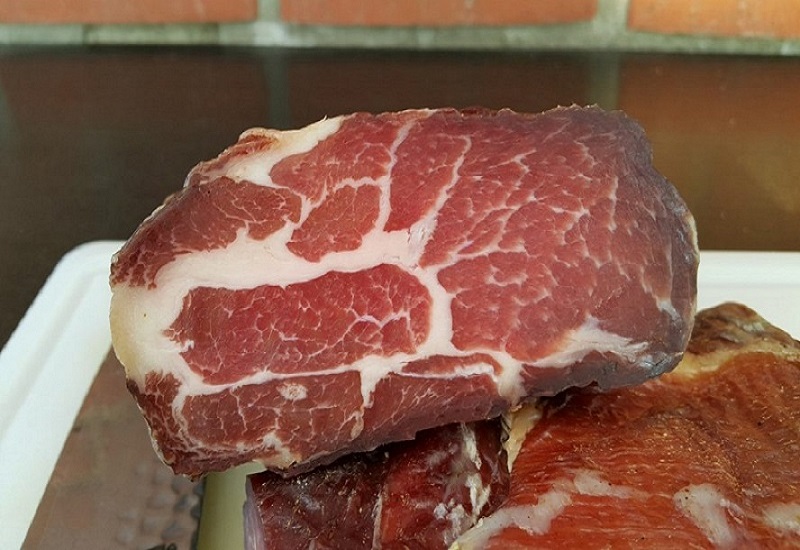
If you want it to be truly Italian, you can also start the evening by serving some antipasti, either with drinks or before the meal is served. Antipasti is Italian for “appetizer,” so it’s just another word for a starter. Antipasti can, for example, consist of cheese, olives, ham, salami, and marinated vegetables.
Italian sweets
It’s certainly not just in the savory kitchen that Italians excel. Also, in terms of desserts, they offer several treats. Take Panna Cotta, the sweet cream dessert made of thickened cream and sugar with a flavoring agent like vanilla.
Tiramisu is another classic Italian dessert, though not quite as sweet as panna cotta. A tiramisu has a pronounced coffee flavor and contains, among other things, espresso, amaretto, and mascarpone. It is a very popular dessert choice for coffee lovers, and it tastes especially good with a good cup of Italian espresso.
Pizza recipes
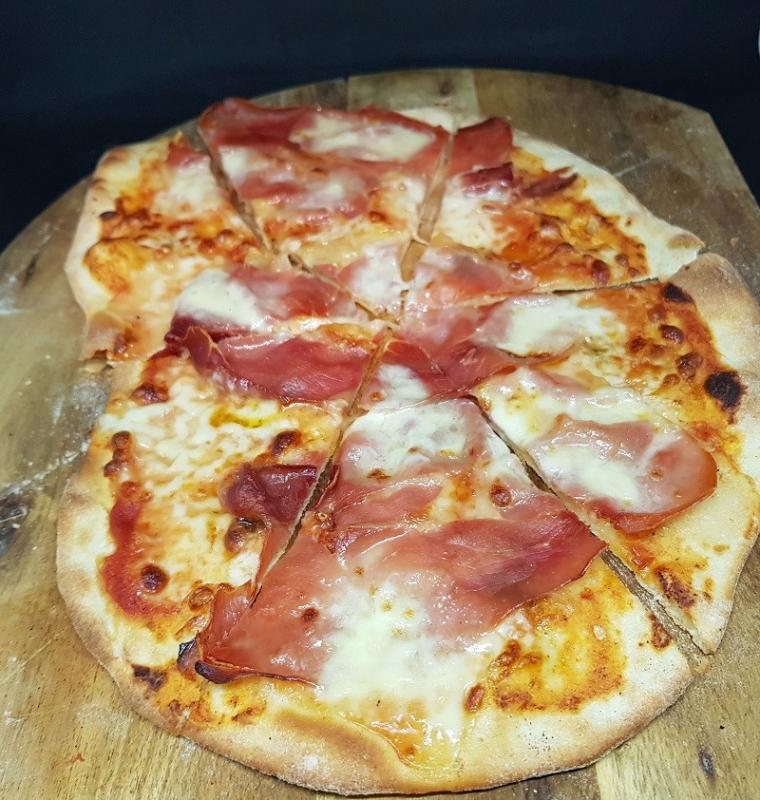
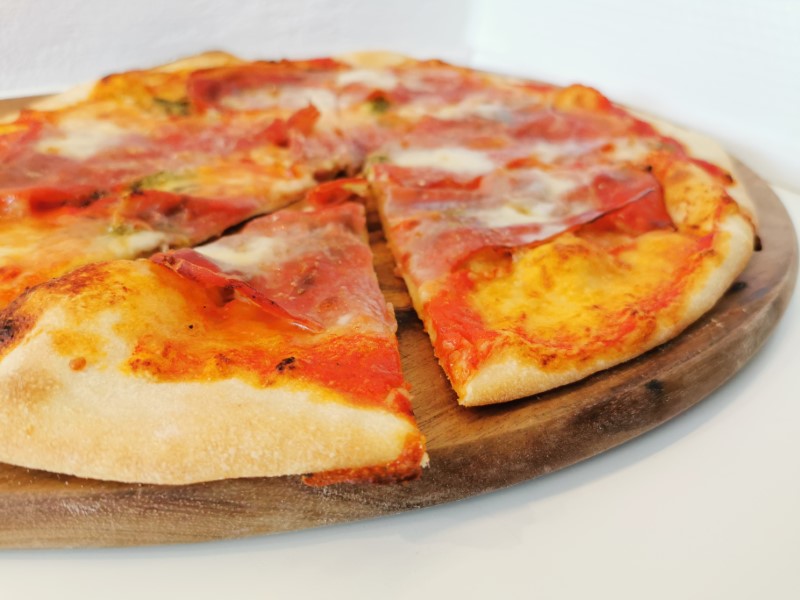
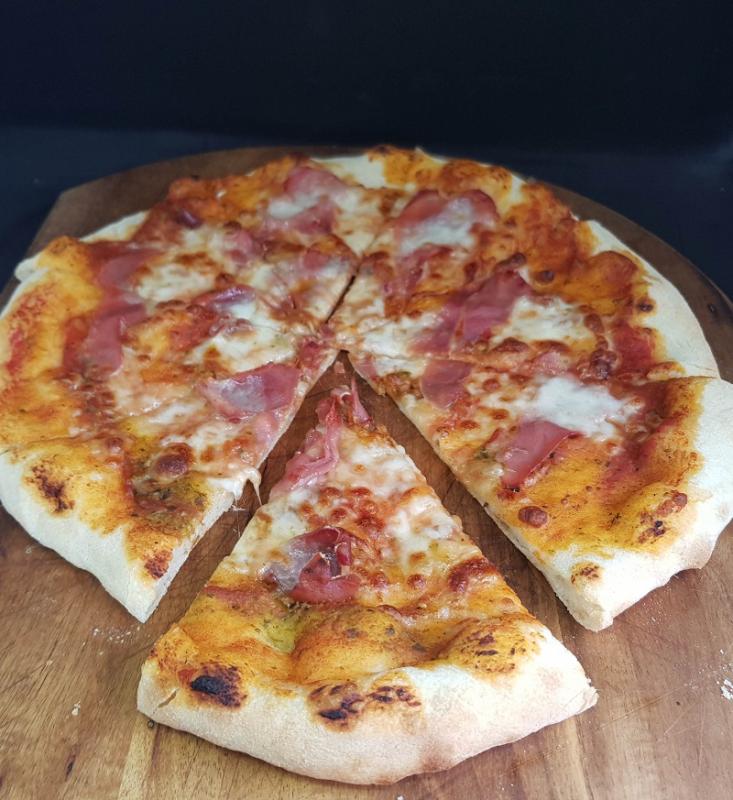
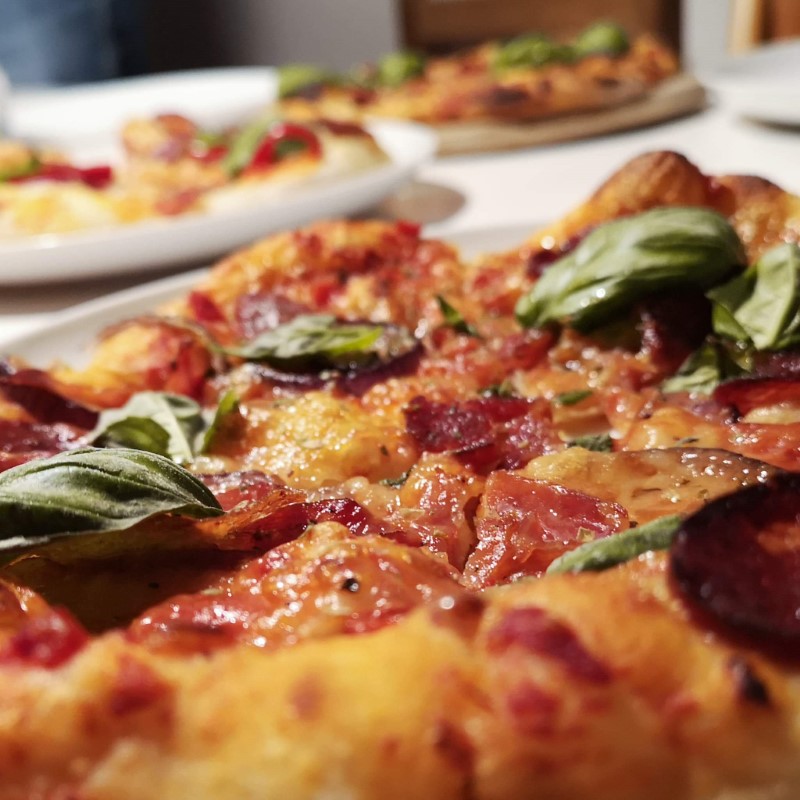
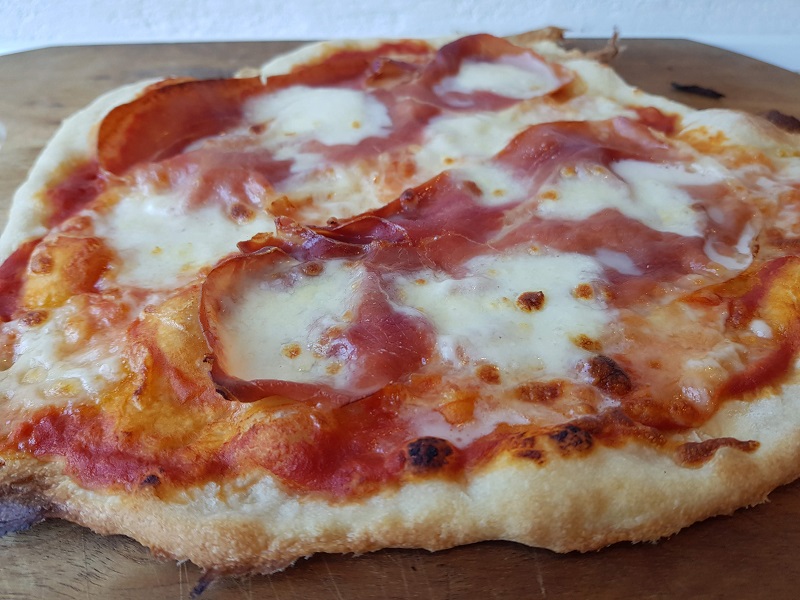
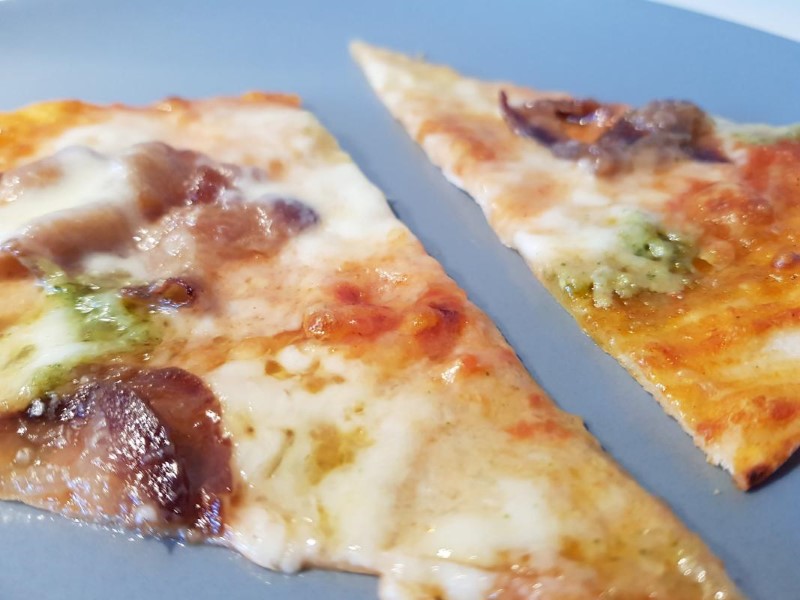
Pizza with ham and truffle pesto
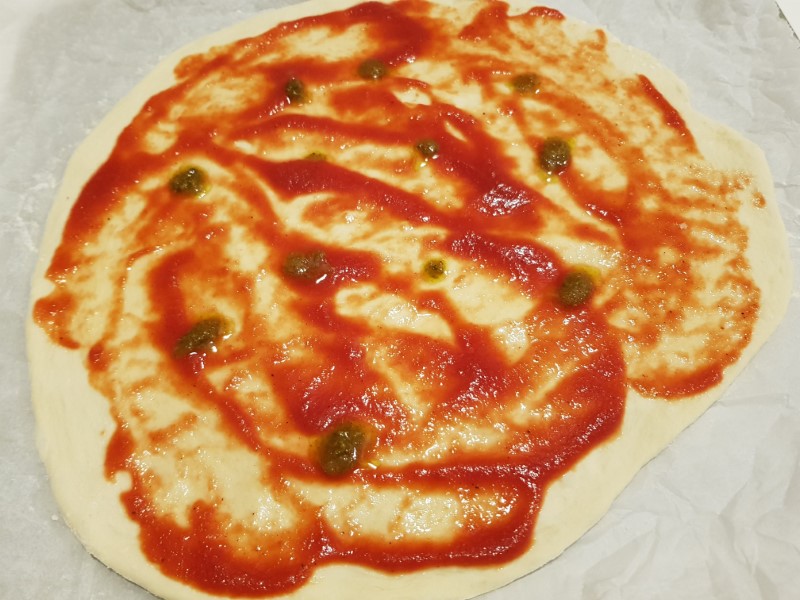
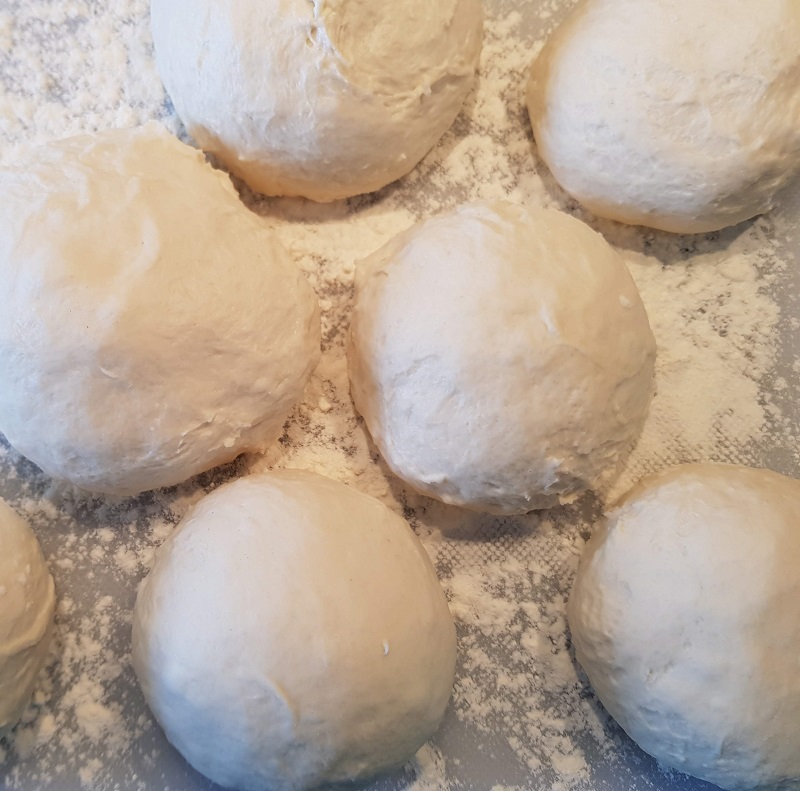
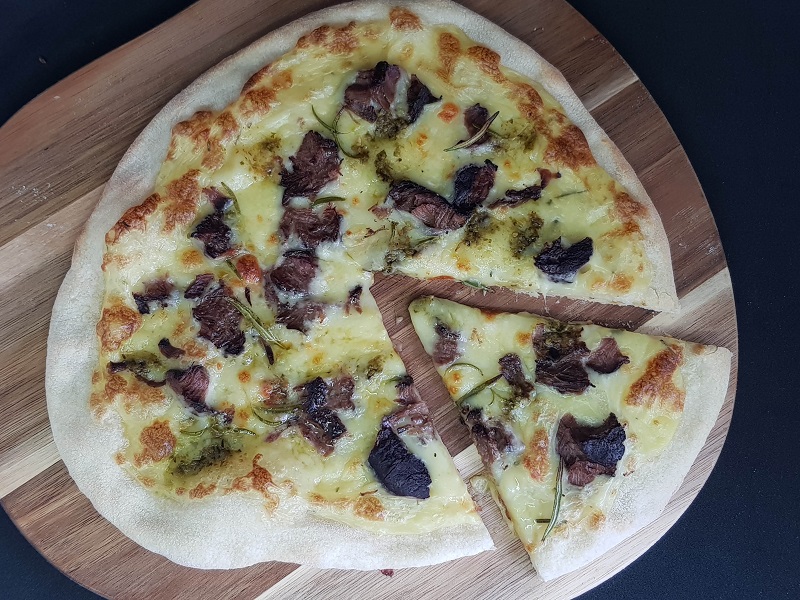
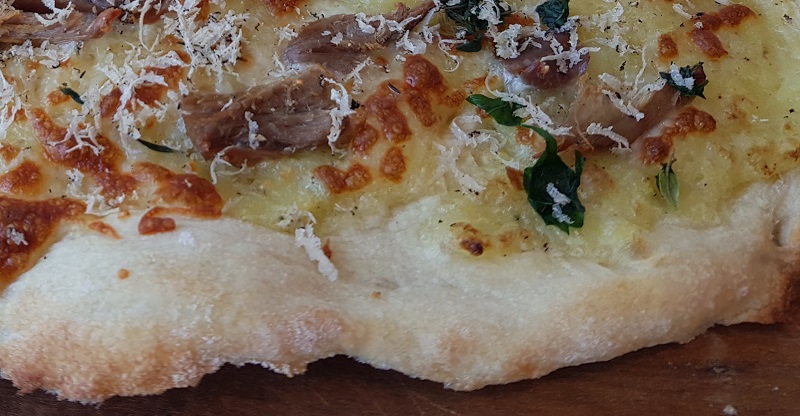
Pork cheek pizza with potato and pesto
Pizza with serrano ham and truffle
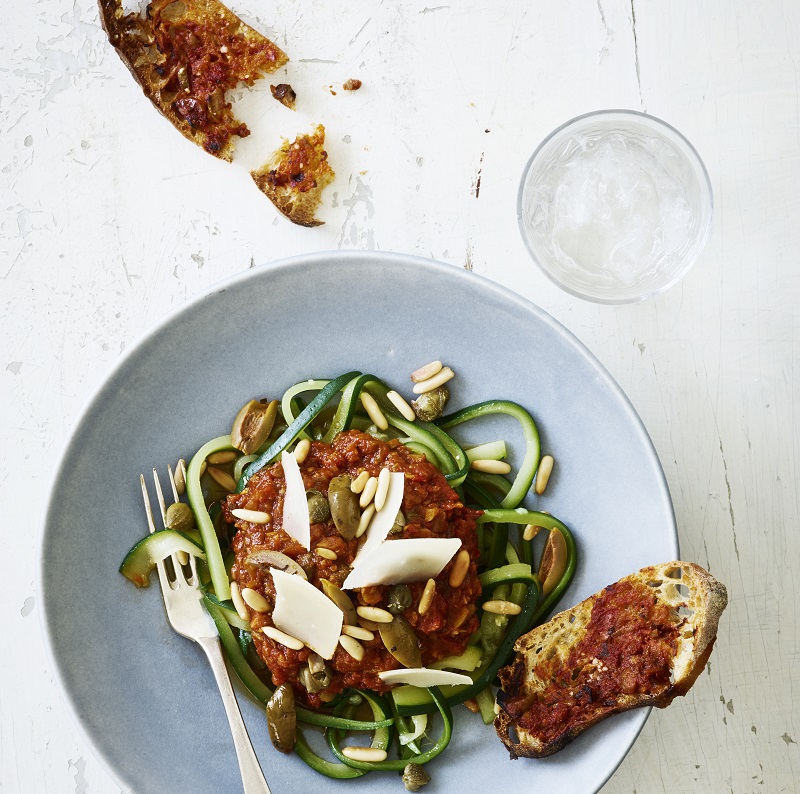
Recipes for “spaghetti meat sauce”
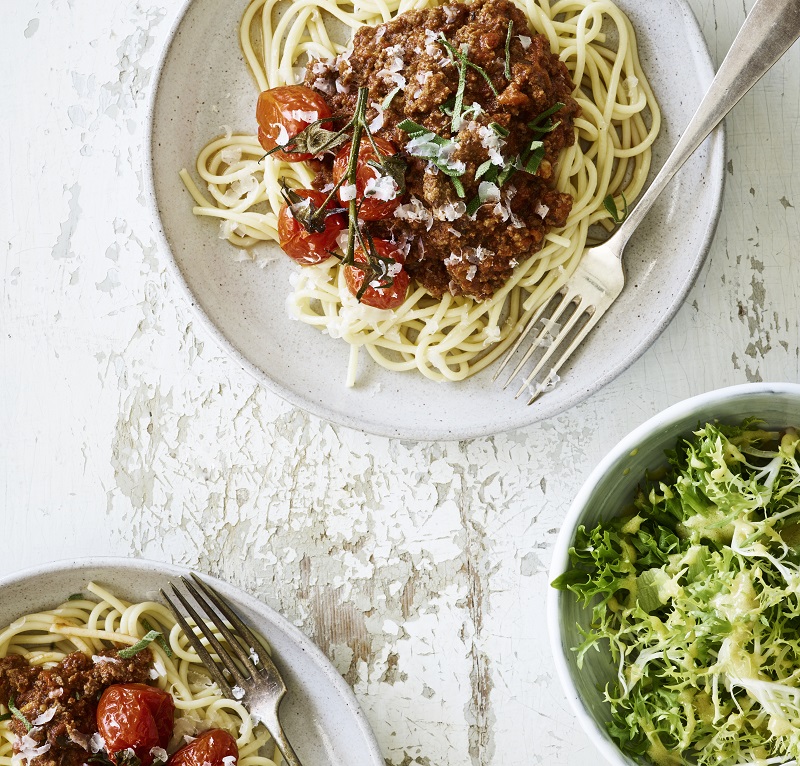
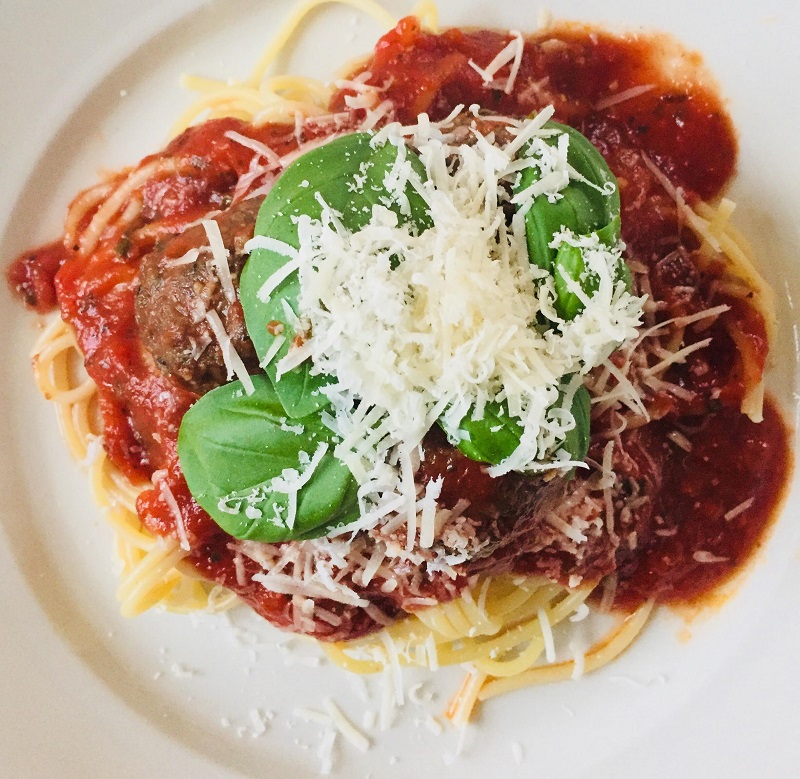
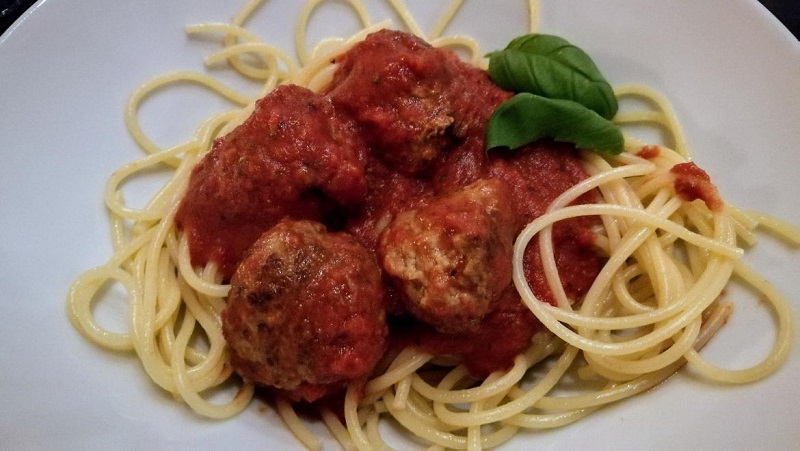
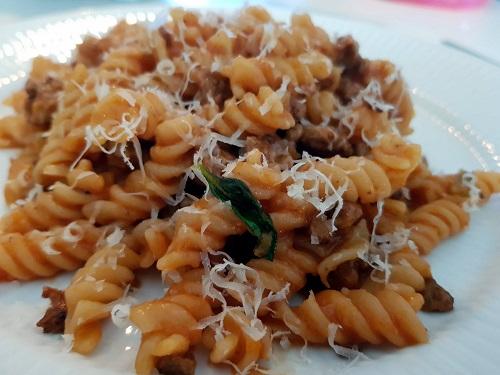
Pasta with tomato sauce and gremolata
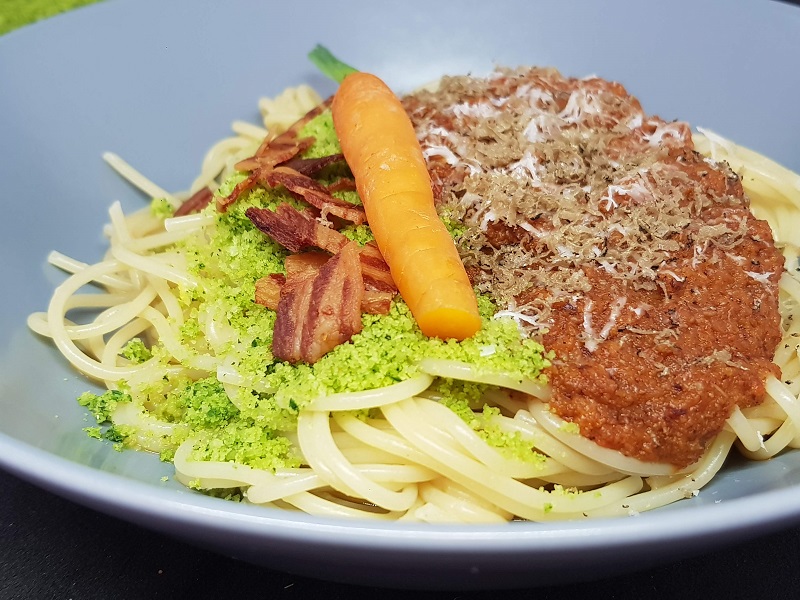
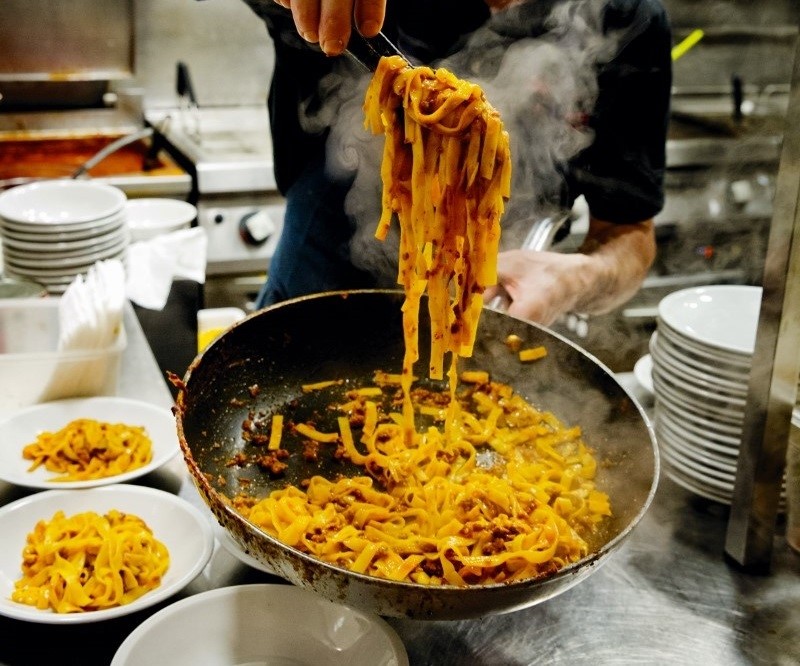
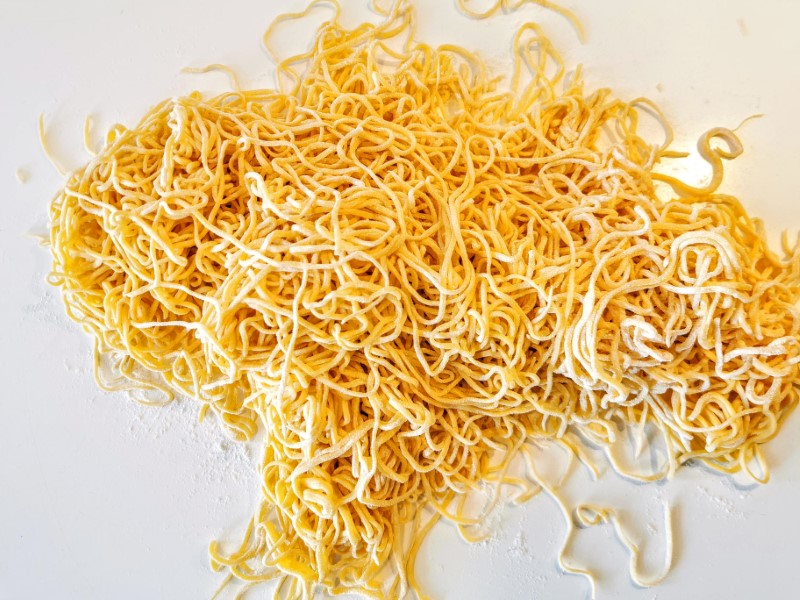
See a teaser for our video where we make pasta here:
In GastroFun PREMIUM you can of course see the whole video. If you don’t have access yet, you can sign up here
Pasta dish recipes
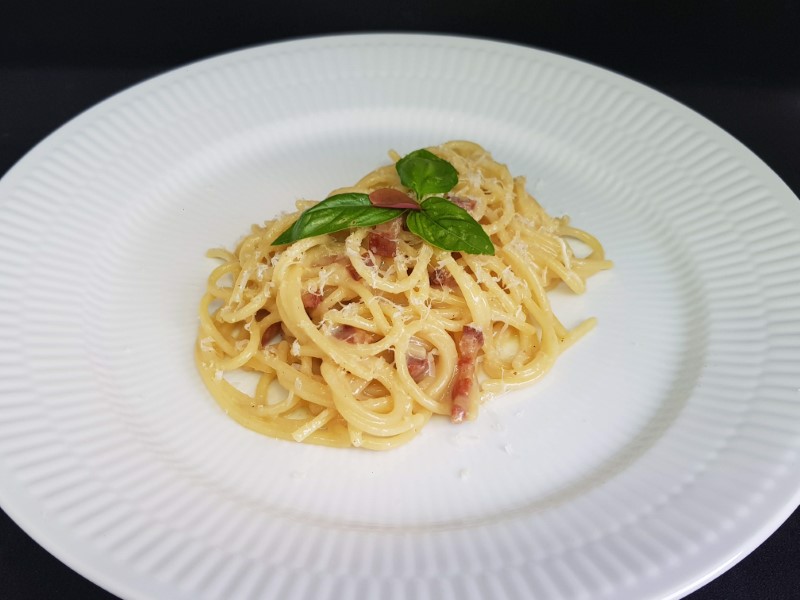
See all our Pasta Carbonara recipes here
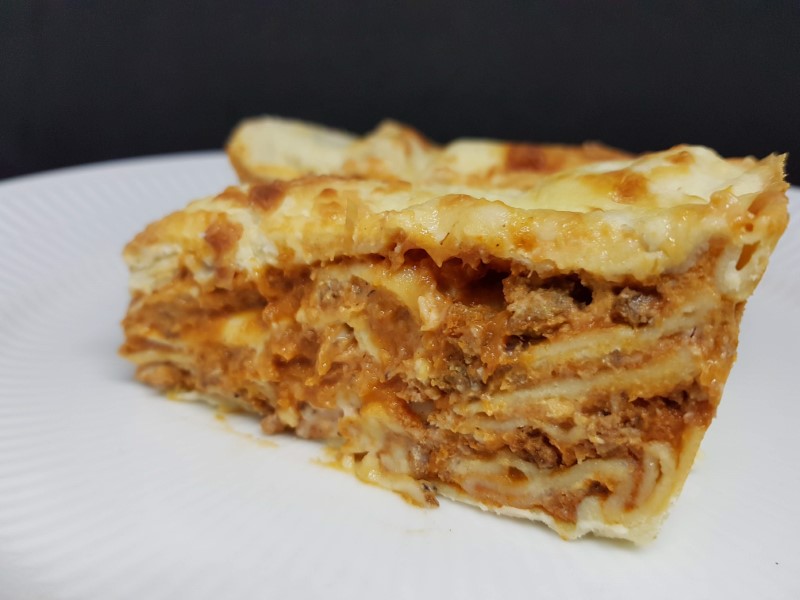
See all our lasagna recipes here
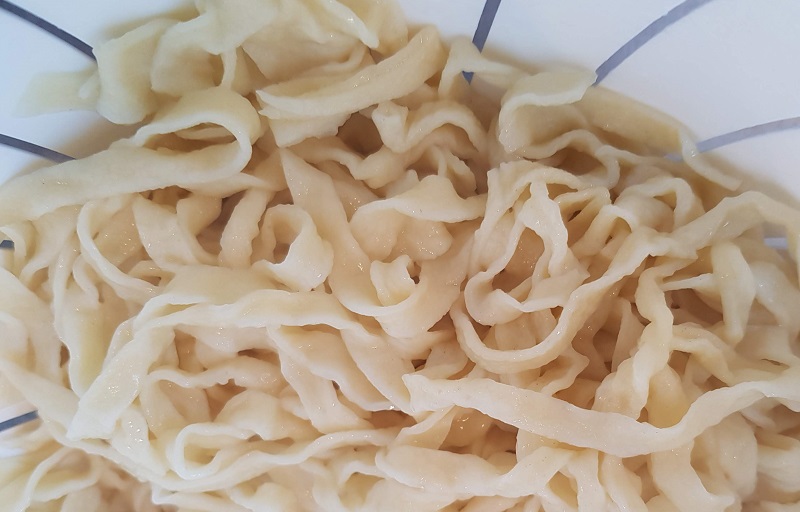
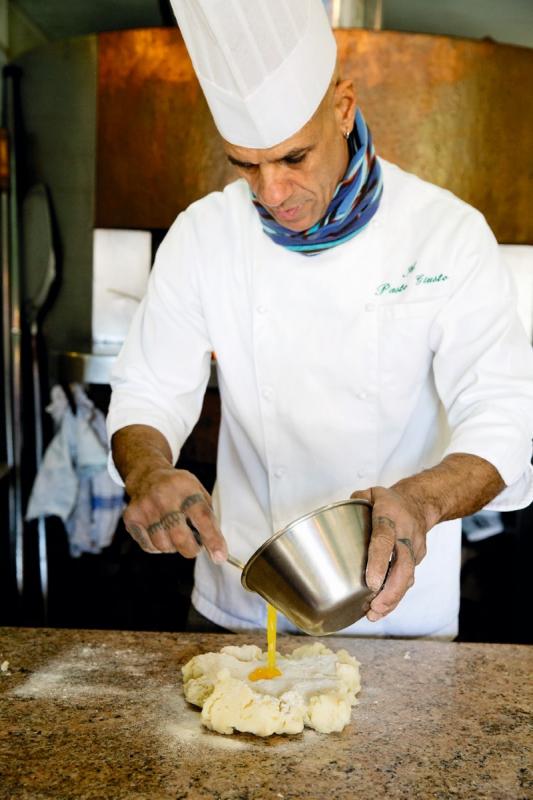
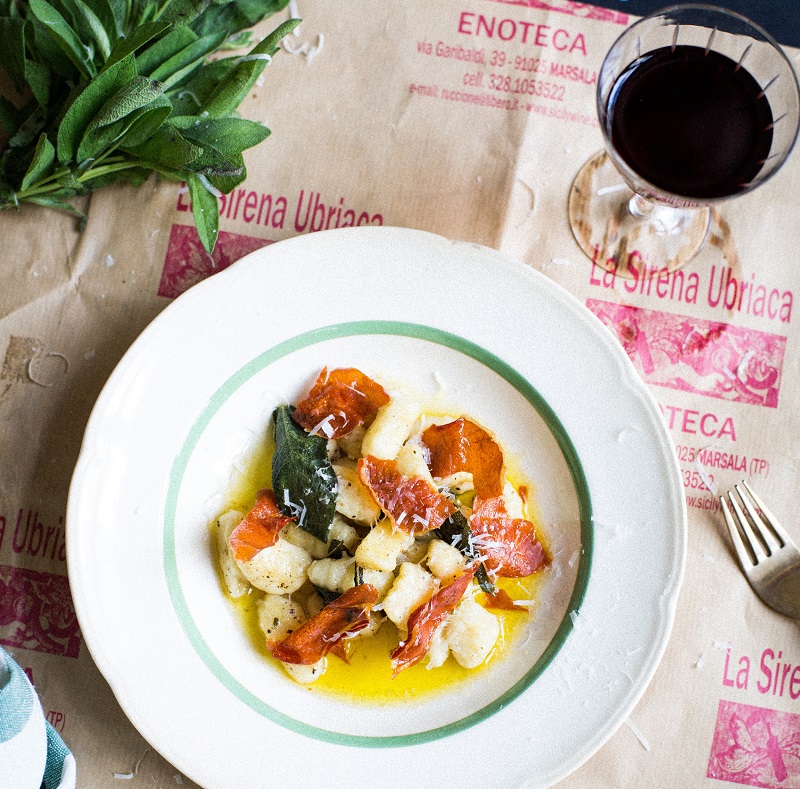
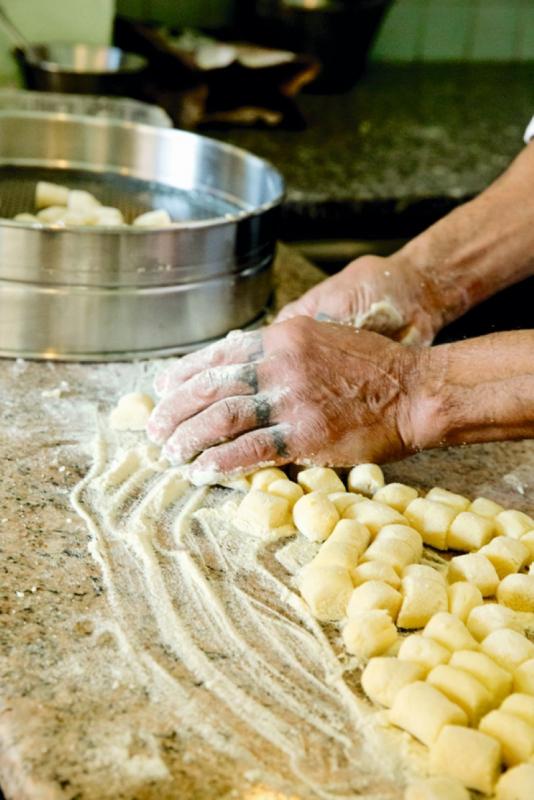
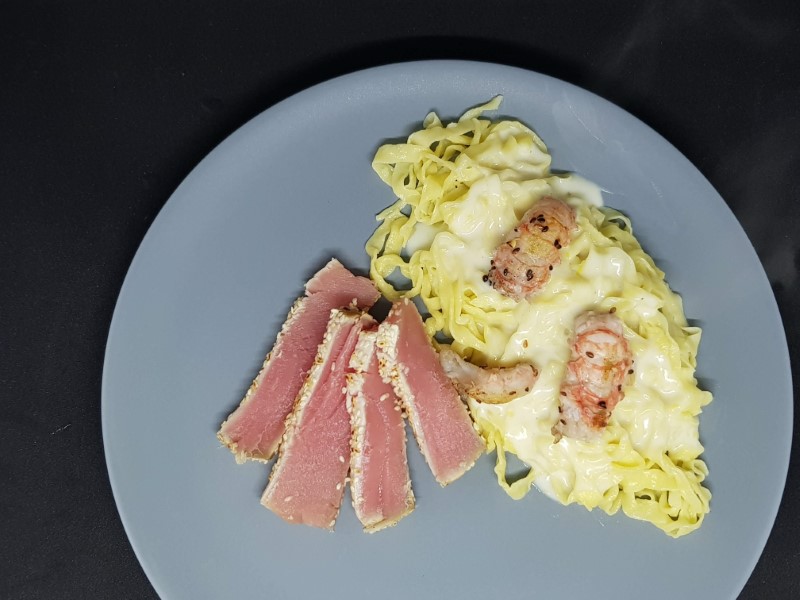
Pasta with tuna, scampi, and lemon béchamel sauce
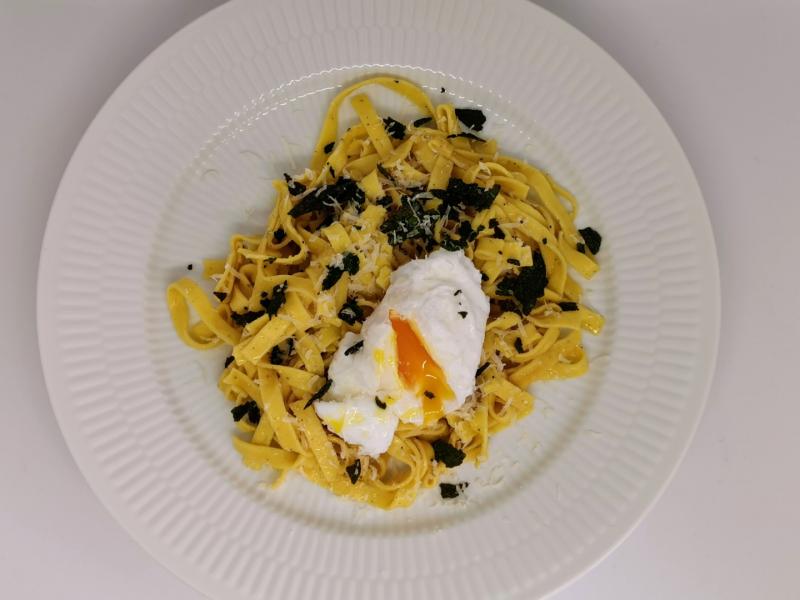
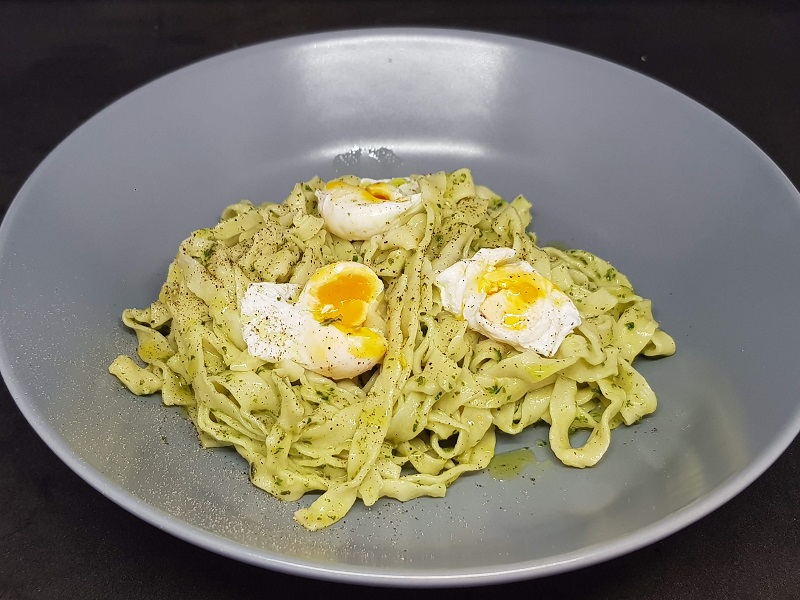
Truffle pasta with poached egg
Tuna fettuccine (Pasta with tuna)
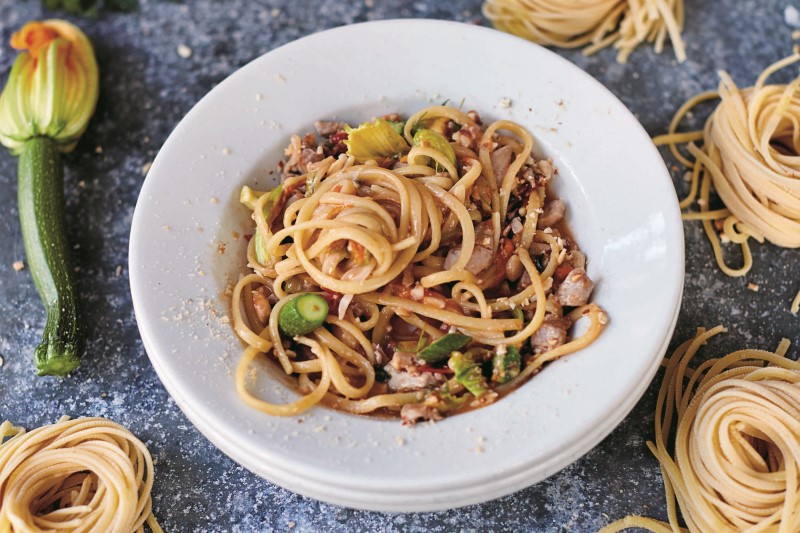
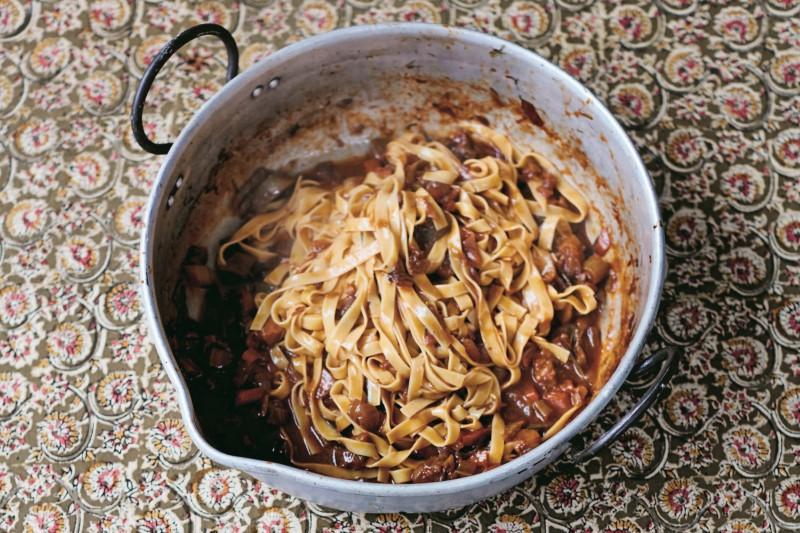
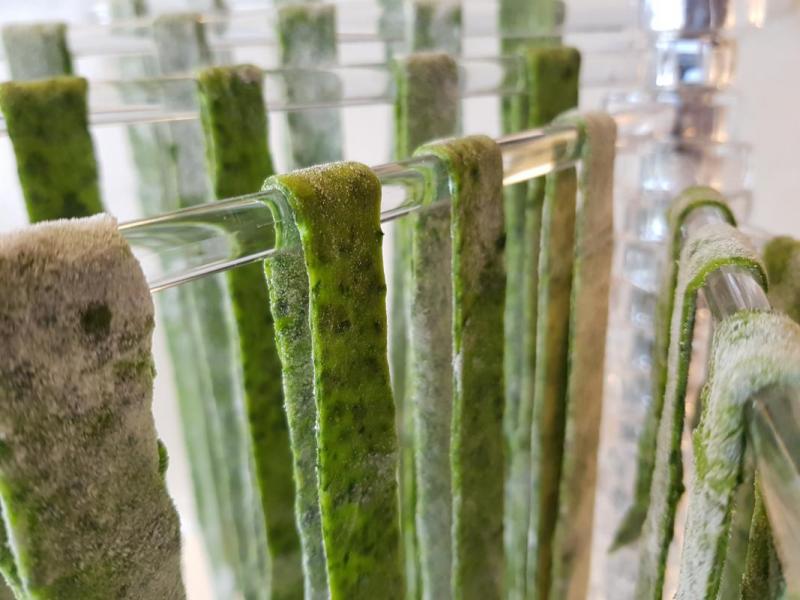
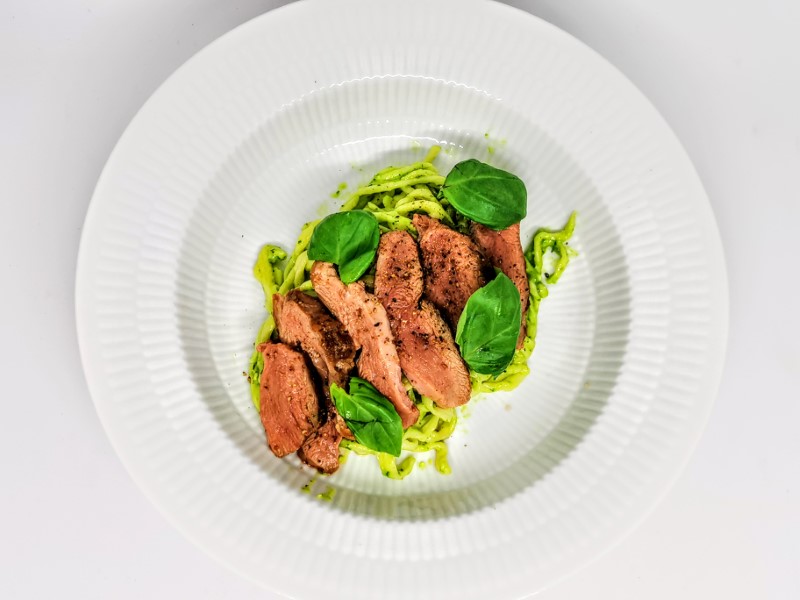
Homemade pasta with green truffle pesto
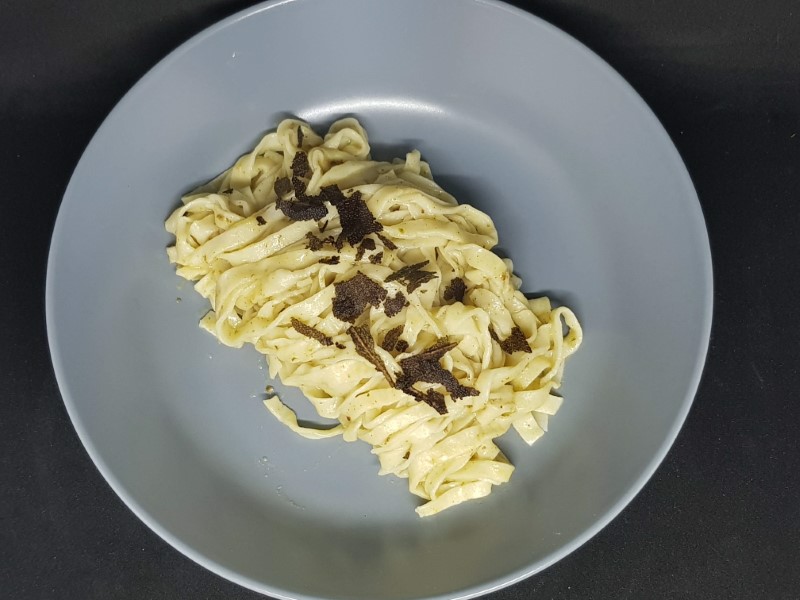
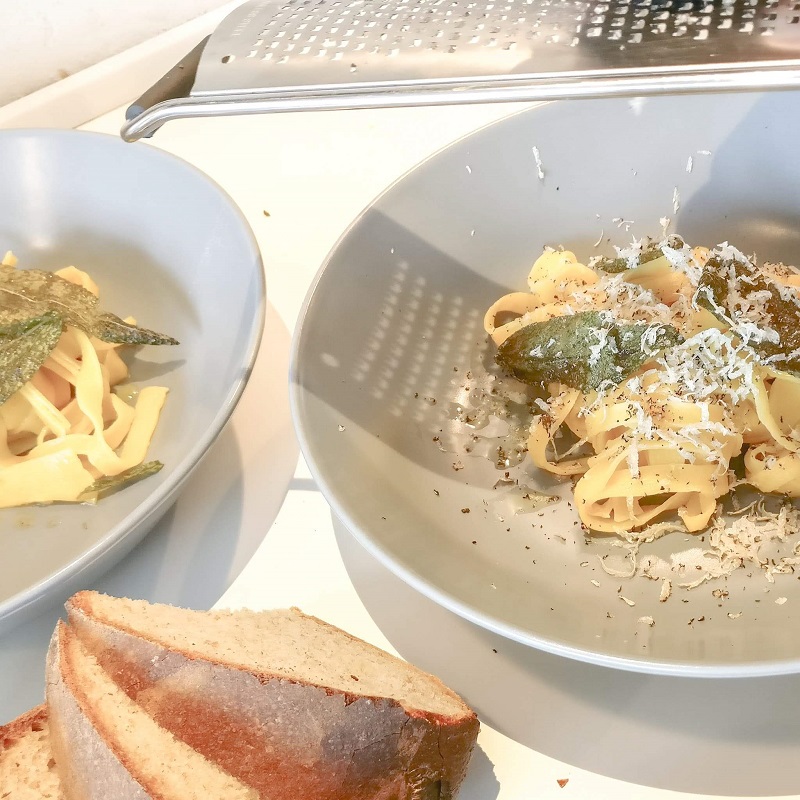
Pasta with truffle, browned butter, and crispy sage
Recipes for stuffed pasta
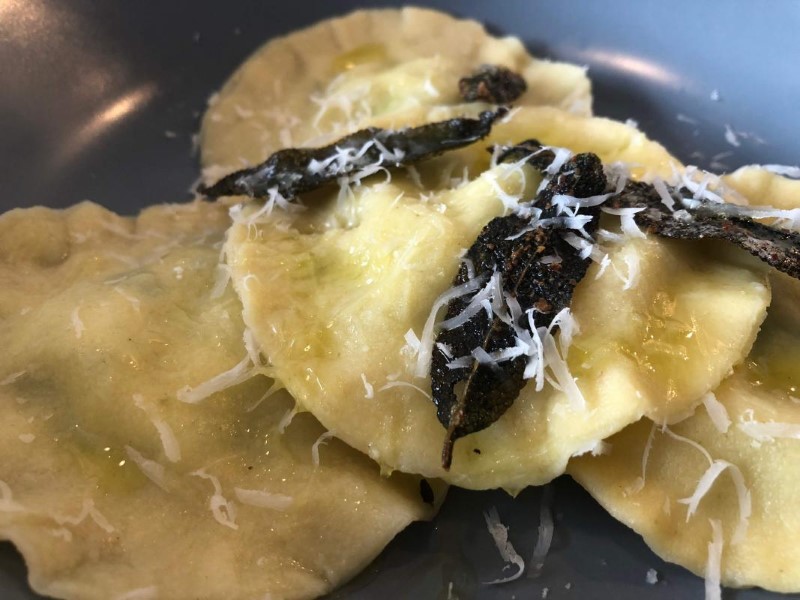
Ravioli with pumpkin and ricotta
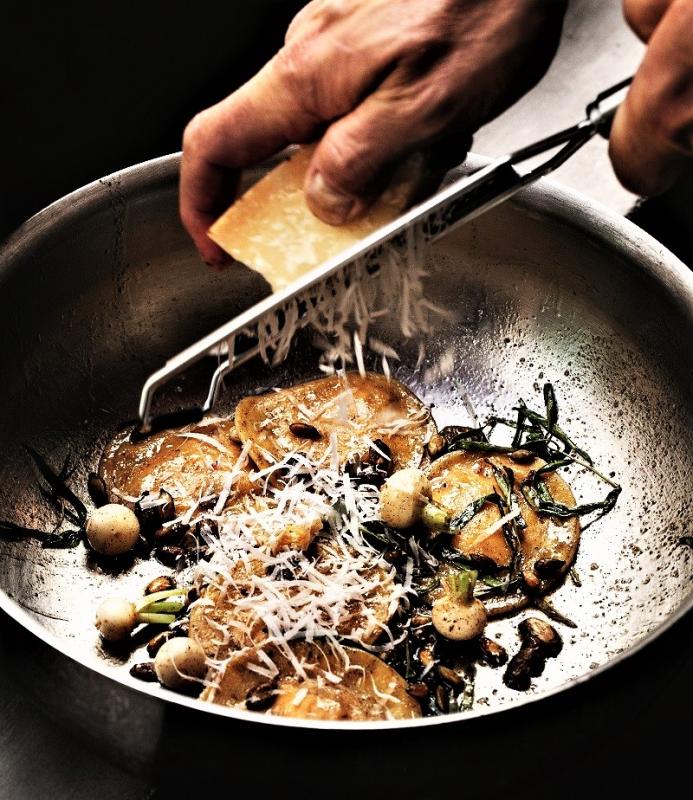
Ravioli with duck, ricotta, and spinach
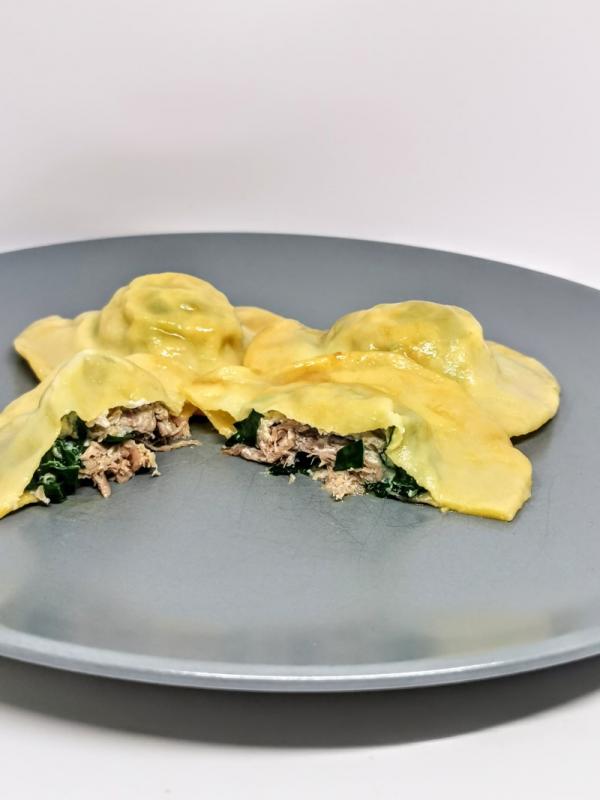
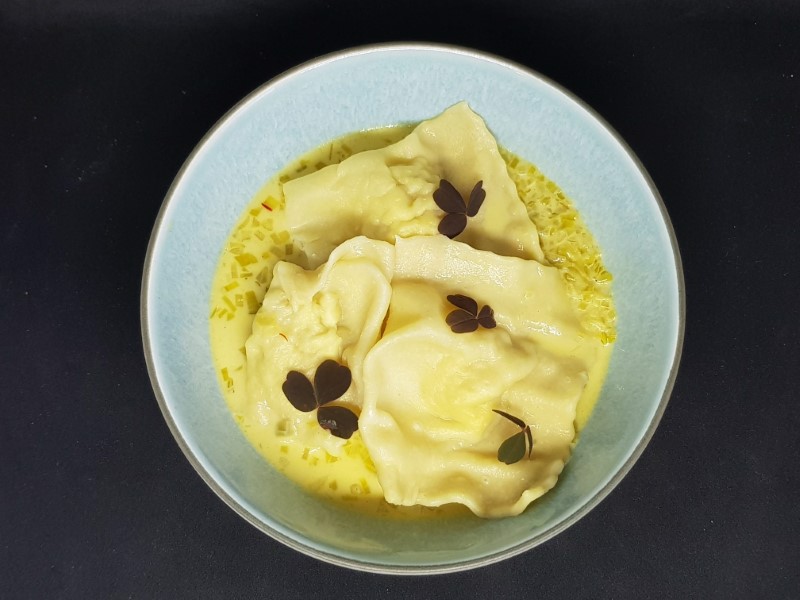
Ravioli with spinach and ricotta
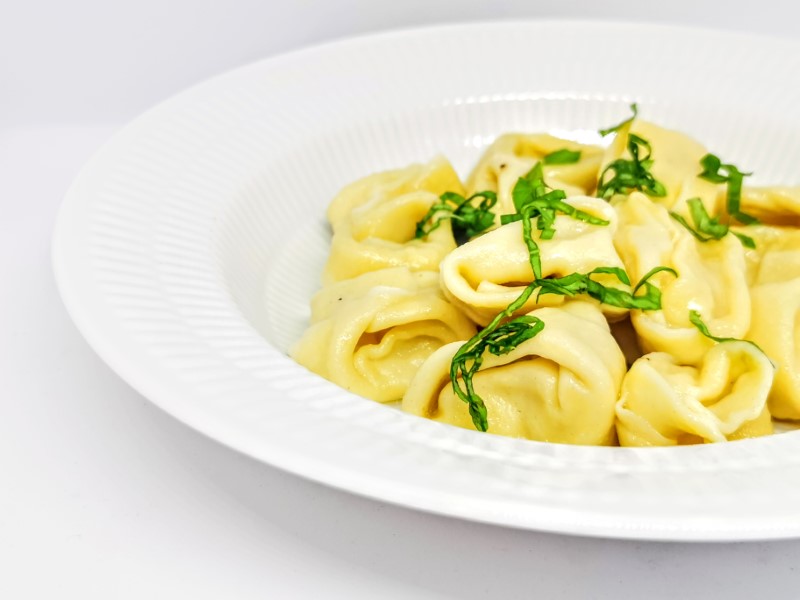
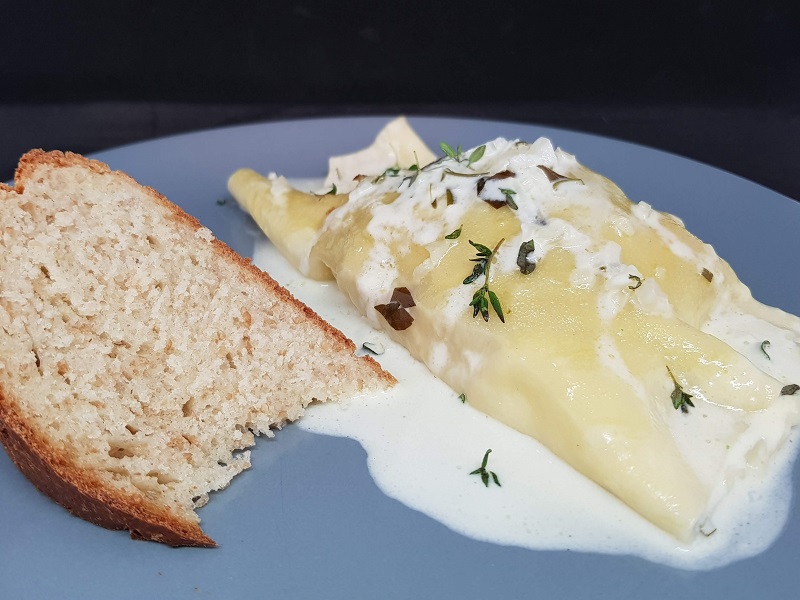
Cannelloni with spinach and halibut
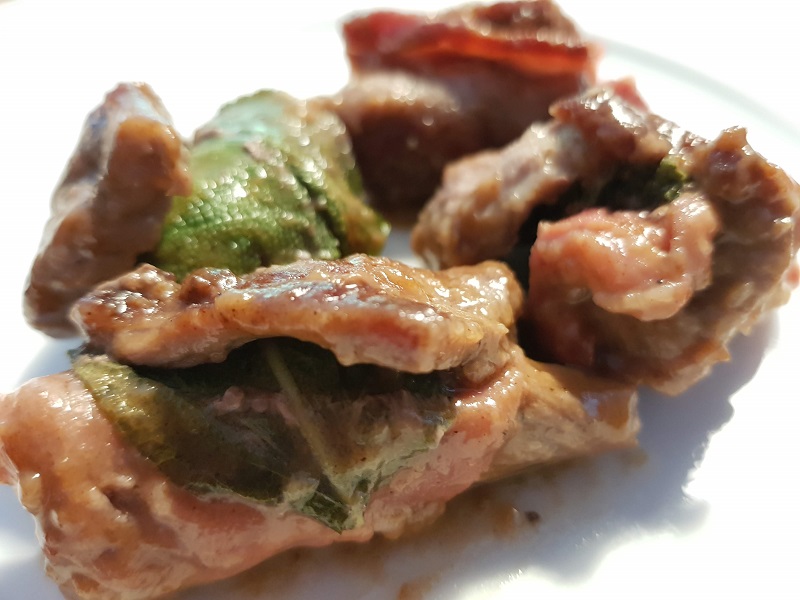
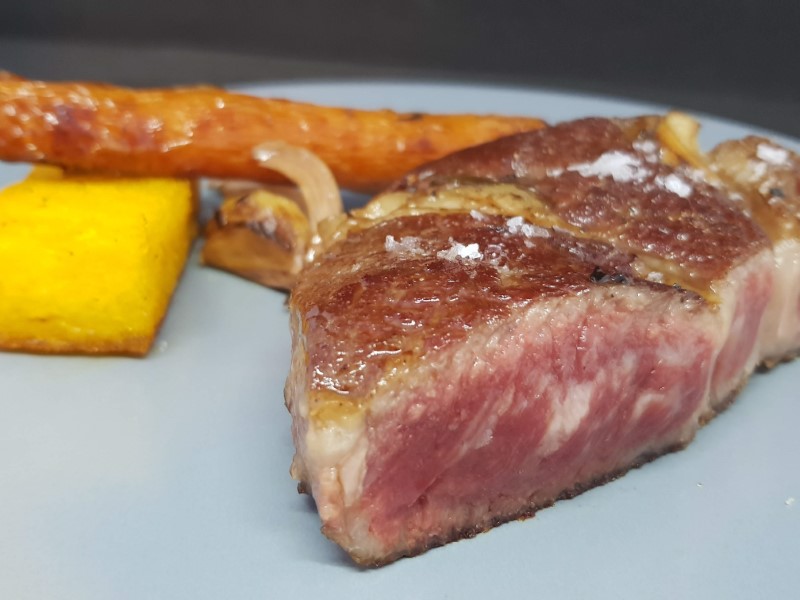
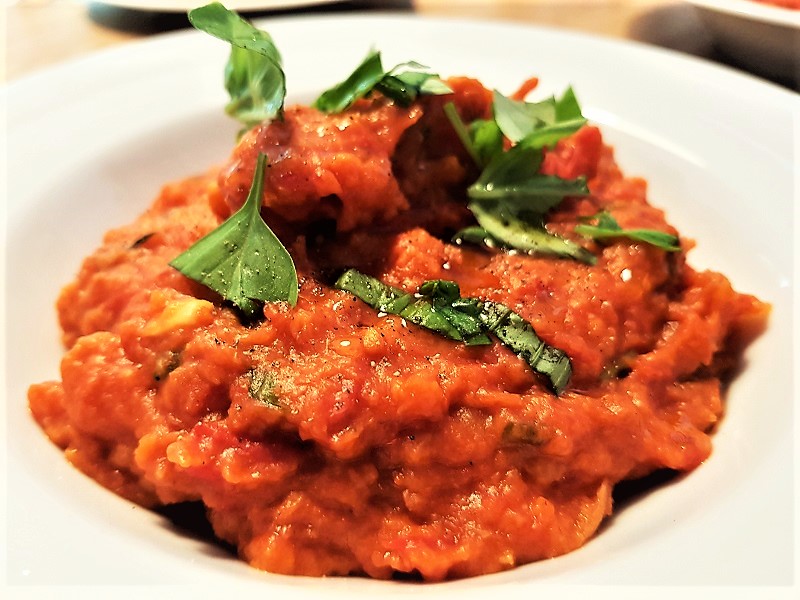
Recipes for other Italian dishes
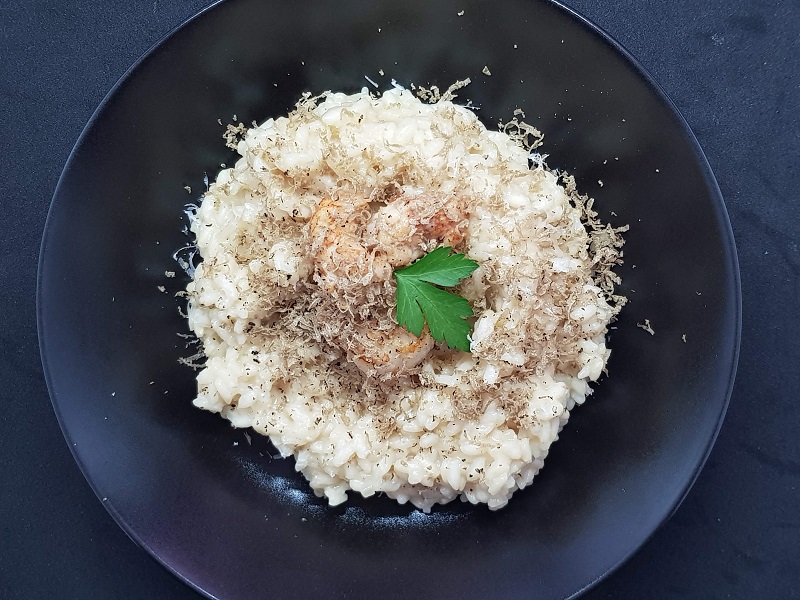
See all our risotto recipes here
Recipes for Italian side dishes
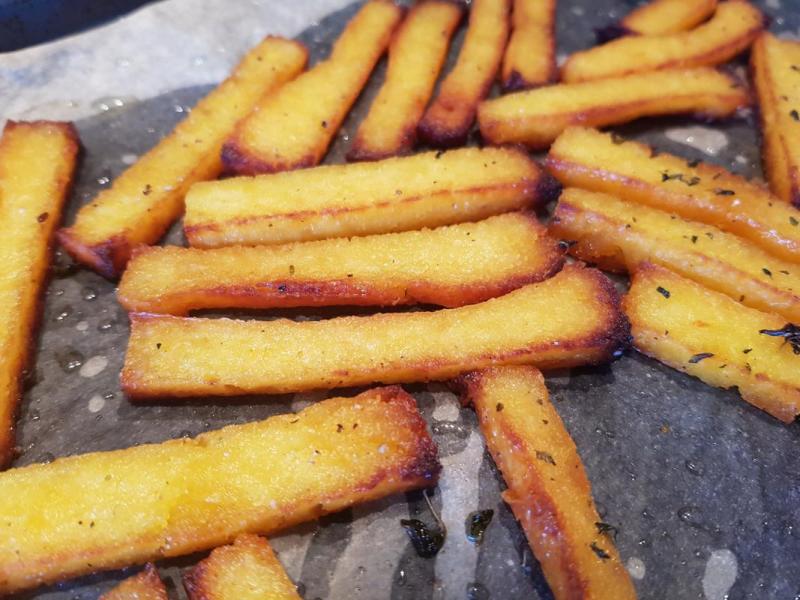
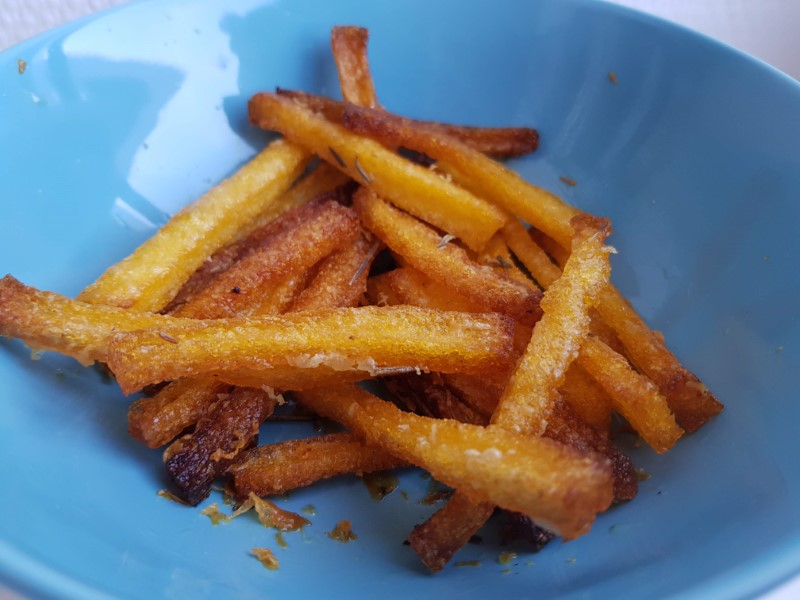
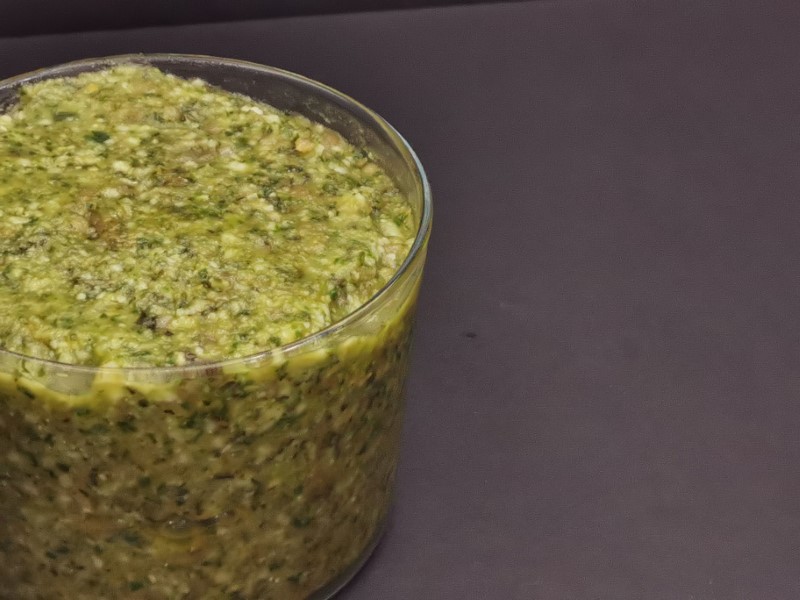
Green pesto with sunflower seeds
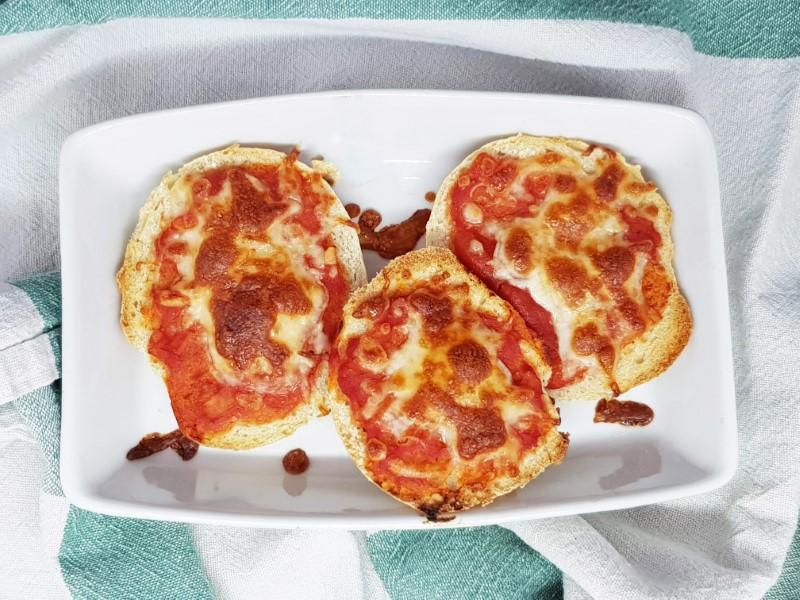
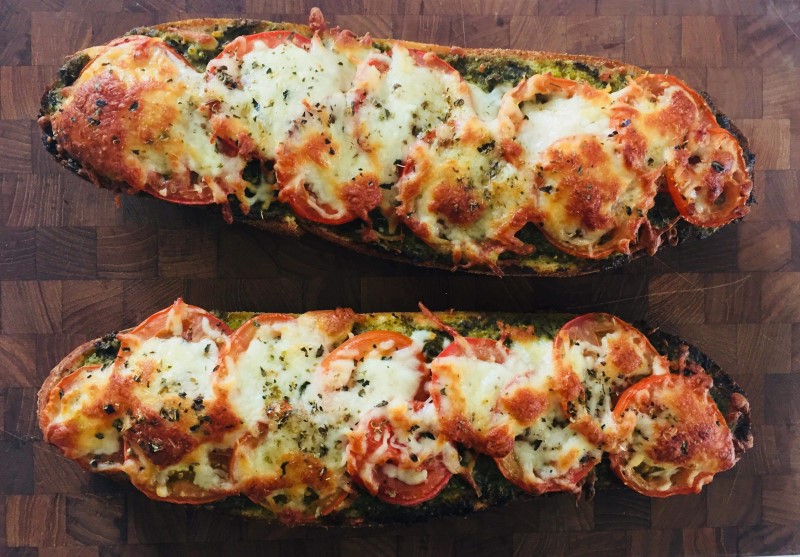
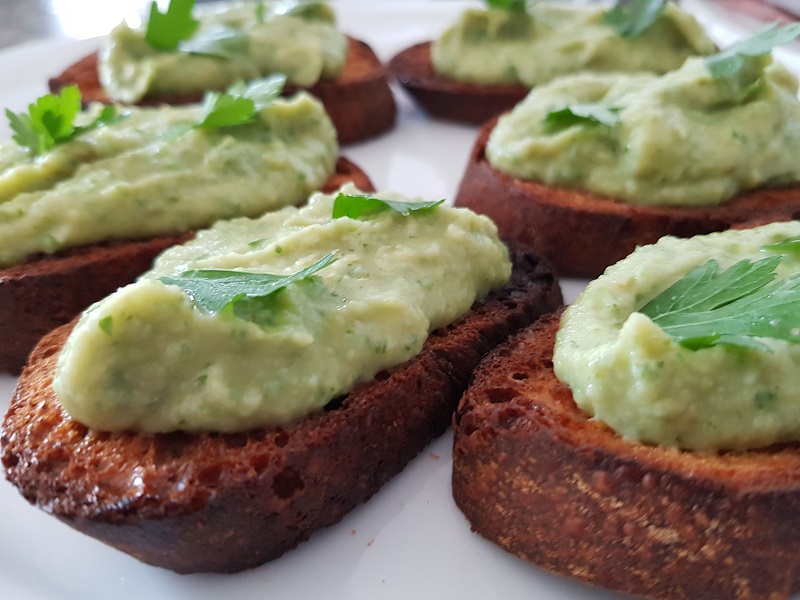
Recipes for Italian bread