

The Interest Begins
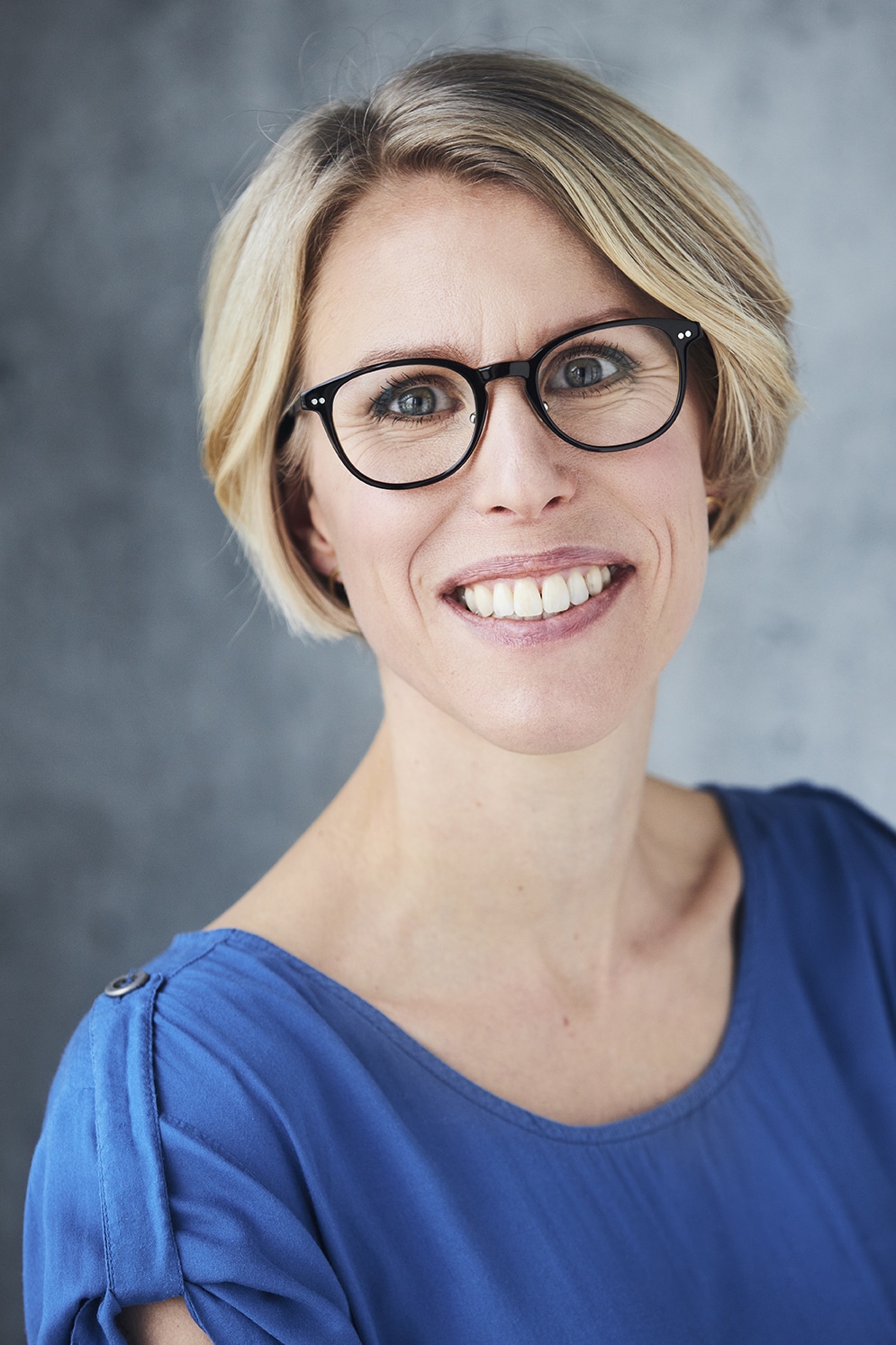
Karina Baagø is one of Denmark’s best when it comes to gluten-free baking. Since 2016, she has worked professionally with gluten-free baking, recipe development, as well as baking courses and dissemination for both private individuals and professionals.
Her interest in the gluten-free world began when she became a mother in 2012 to a child with gluten intolerance.
“It was a huge challenge. At first, it was completely overwhelming to have to immerse myself in this new world where things had to be gluten-free. Moreover, the products we could find were of quite dubious quality,” says Karina Baagø.
She has an education in nutrition and health, and therefore, her professional self also stepped in.
“The professional part of me realized that there was something entirely wrong with the products you could buy. It wasn’t wholesome food that made you happy, but bread made of indefinable flour types that tasted strange,” says Karina.
She decided she could do better.
“I needed to raise the quality, especially in gluten-free baked goods, which is one of the things you really miss when you can’t have bread,” explains Karina Baagø.
This sowed the seed for what is today her professional career.
“You can find gluten-free recipes online, but many of them are of varied quality. What I publish is not random but something I know, thanks to my education and having worked with it for so long,” says Karina. Part of her knowledge is also conveyed in the two books Crack the Code to Gluten-Free Bread and Gluten-Free Seasons, both of which focus on gluten-free baking and techniques.
Karina Baagø is also the creator of the Strukturmetoden® that ensures you delicious, gluten-free bread with a light crumb.
We Ask – Karina Answers
 We asked her a number of questions so you can learn more about who she is and why gluten-free baking is interesting.
What is your background?
I have a degree in nutrition and health. I have always been interested in good food and genuine ingredients, as well as the social aspects of food – both eating and cooking together.
There was suddenly a huge challenge when I had a child who couldn’t tolerate gluten, as gluten is in many things. All the things I knew about a good meal and nutrition began to crumble because she couldn’t tolerate it. So I had to experiment and find out what the meal could be built upon when we couldn’t have gluten.
Today, I use my education and experience both in my own family and to help others professionally with gluten-free baking.
Why did you start working with gluten-free baking?
When I had my daughter and we discovered that she couldn’t tolerate gluten. The products available on the market back in 2012 were of dubious quality, and the same went for the recipes and inspiration you could find online. There was a need for the quality to be improved.
When did you start working professionally with gluten-free baking?
In 2016, I started professionally with Karina Baagø/Gluten-Free Family after experimenting and working with it for four years.
Can you draw on your education concerning what you do now? How?
I have particularly drawn on it concerning the quality of our foods – I mean both taste and texture, but also nutrients and ingredients. I know quite a bit about this thanks to my education.
I could see that the gluten-free products you could buy were of poor quality. Both nutritionally, but also in terms of taste and texture. The bread was soggy and tasted strange, and it practically grew in your mouth. Much bread was made from starch, which corresponds to cornstarch. There, I could, with my expertise, point out that it wasn’t good enough as a healthy diet. And I could use my education to compose recipes where the quality was right.
What is your best memory from the kitchen?
When you are a food enthusiast like me, there are many memories.
It’s not a specific memory, but if I look back on my childhood, I liked being in the kitchen and experimenting. Coming up with combinations and figuring out how things tasted.
Later on, it has also been important for me to pass that feeling and joy on to my children. To be in the kitchen and experience a different relationship with food, which happens when you are allowed to join in the kitchen and play and experiment. It gives some “food courage” that you can compose things yourself, come up with recipes, and play. You become brave and want to taste different things.
What dish do you like to make the most?
I don’t have a single dish that I like to make the most. What I like the most is when I feel inspired and then make something that develops along the way. Often, I start with something specific, then feel inspired along the way to change a spice or use something we have in the fridge, and then the dish changes.
What is your favorite baked good?
I have become very fond of gluten-free baked goods when they are baked using the Strukturmetoden®. The best is when we make gluten-free breakfast bread on weekends – it’s almost always rolls. I mix the dough in the evening, and they rise on the kitchen counter overnight, so we can have them freshly baked the next day. That’s probably the very best.
What is your best tip for gluten-free baking?
An overall tip is to have the awareness that a gluten-free dough is different from a regular dough. What binds a normal dough together is gluten. It plays the main role, and in a gluten-free dough, gluten is omitted from the recipe. A gluten-free dough behaves completely differently, and it’s, in a way, a new craft that you have to learn. So you can’t always use the baking rules you know from making regular bread. If you think so, it can hinder your baking.
What is your show-off dish?
It’s some of my bread baked with the Strukturmetoden®. It resembles real bread in taste and texture, and that’s also something I hear from people – that it almost lives up to regular bread. So people can be surprised by the quality and the good taste.
What dish do you make most often in your own kitchen?
It’s clearly bread and baked goods. I’m not good at following a specific recipe; I follow the basic method in Strukturmetoden® and then just mix flour. It’s typically rolls, and I bake them often.
What is your favorite dish?
I’m a foodie, and I really like food, so I find it hard to name one dish. I’m not picky at all and enjoy almost everything with pleasure.
Do you have a favorite restaurant?
We really like to cook – all of us in my family, even the children. So we cook a lot at home and don’t eat out much, even though we like it.
As I said earlier, I’m a foodie, and I like to eat in many places. Therefore, I don’t really have a favorite restaurant. I enjoy eating at new places and getting inspired.
What is your favorite kitchen appliance?
It’s my mixer. It is essential for making gluten-free bread that lives up to the quality we know from regular bread.
If you could only have three pieces of equipment to bake with, what would they be?
I can only name two – my mixer and then my rolling pin, so I can make cinnamon rolls. They give a lot of quality of life in our everyday life at home.
Fact Box
Name: Karina Baagø
Age: 37 years
Residence: Silkeborg
Karina Baagø specializes in gluten-free baking and works professionally with precisely that today.
Author of the books Crack the Code to Gluten-Free Bread and Gluten-Free Seasons. Furthermore, she is the creator and developer of the “Strukturmetoden®”.
Regarding the method for baking good, gluten-free bread, Karina says: “The Strukturmetoden® compensates for the effect that gluten has in traditional bread. When we lack gluten in the dough, the bread easily collapses and becomes soggy and heavy. By building a structure with fiberHUSK, we create a skeleton in the dough that ensures a good crumb and a light and airy structure, making the bread resemble conventional gluten-containing bread.”
The Strukturmetoden involves, among other things, how you handle the dough and how you give it structure. You can read more about the method on Karina’s website.
Find her on Instagram under @karina_baagoe or on the website karinabaagoe.dk.