
Sauce or gravy is an indispensable part of most classic and some modern dishes.
They come in countless flavor variations and can be made in several different ways, ranging from store-bought powder mixes to various roux-based gravies.
We take a closer look at all of this here, where we also look at what the actual difference is between gravy and sauce.
When there is enough of it, it’s gravy
Gravy/sauce is usually something we associate with meat and potatoes, a good whiskey or pepper sauce, or a fine red wine glaze – but it can also be much more than that. There are also sauces like sauce tartare, bearnaise dressing, aïoli, mayonnaise, and the Asian satay and teriyaki, and these do not necessarily have anything to do with either meat or potatoes.
But the question still remains, when is something a gravy, and when is it a sauce?
Some believe that the name depends on whether the gravy is thick or more fluid. One could say that if it sticks to the potatoes, then it’s gravy, whereas a sauce would instead glide over the potatoes. This argument loses some ground when we consider sauce bearnaise, which is thick and “clings to” the potatoes, yet it’s called a sauce.
Then there are those who would argue that a sauce is really just a “fancy” gravy, and this might be more correct. However, the bottom line is that there is no definitive definition of either gravy or sauce. Therefore, both are used interchangeably, and one should not be blamed for this.
A classic “gravy” could be brown gravy, while a good example of “sauce” is red wine sauce. Bearnaise, which is thick and “clings to” the potatoes, is still called a sauce.
The 5 French mother sauces
In French cuisine, there are 5 mother sauces; hollandaise, béchamel, espagnole, tomato, and velouté. Most other well-known sauces are in one way or another based on these five, so if you are familiar with them, you’re already well on your way.
In particular, there are several secondary sauces based on hollandaise sauce, the so-called Sauce Hollandaise family, which in addition to the well-known bearnaise sauce also includes Sauce Choron and Sauce Mousseline.
The popular lasagna sauce mornay sauce, also has its roots in one of the French mother sauces, as it is more or less just a béchamel sauce with cheese, while barbecue sauce (we also have this recipe without sugar) has its roots in tomato sauce.
Thickening methods
The basic ingredients for a sauce are flour and water, but there are several different ways to thicken them so that the gravy has the right consistency:
- Flour thickening: flour and water are shaken together in advance and stirred into the boiling gravy.
- Butter ball: flour and butter are rolled together into a ball, placed in the boiling stock, and then dissolved in the stock.
- Roux-based gravy: the flour is poured into the fat, and then stock/milk/water is added until the desired consistency is reached.
- Liaison: egg yolks, cream, or sour cream are added to the gravy, which gives it a thicker consistency.
The classic and modern
Sauce is often something we associate with meat and potatoes, a good whiskey or pepper sauce or a fine red wine glaze, but gravy can also be much more than that. For example, sauces like satay and teriyaki are popular in Asian cuisine – often without either potatoes or meat.
Additionally, we also have cold sauces and dressings like sauce tartare (we have a recipe here and here), bearnaise dressing, aïoli, and mayonnaise.
Recipes
Additionally, we have a lot of recipes for various sauces and gravies here:
Recipes with hot sauces


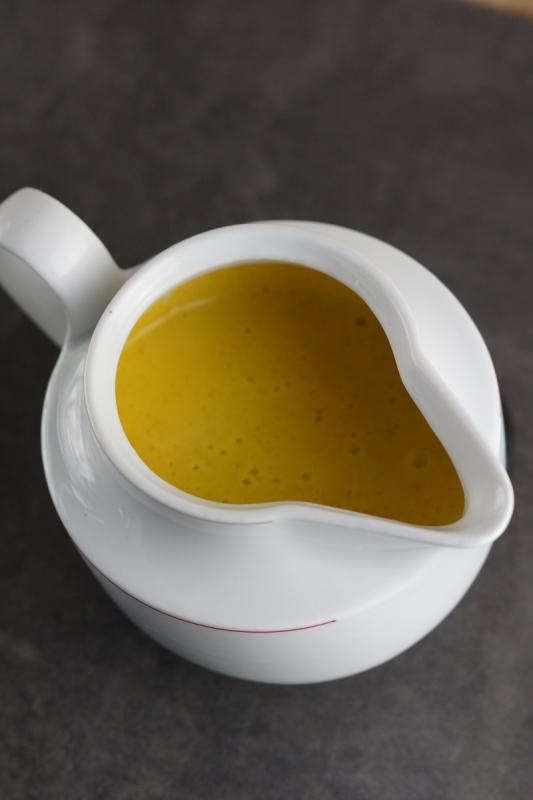


Bearnaise Sauce made with an immersion blender


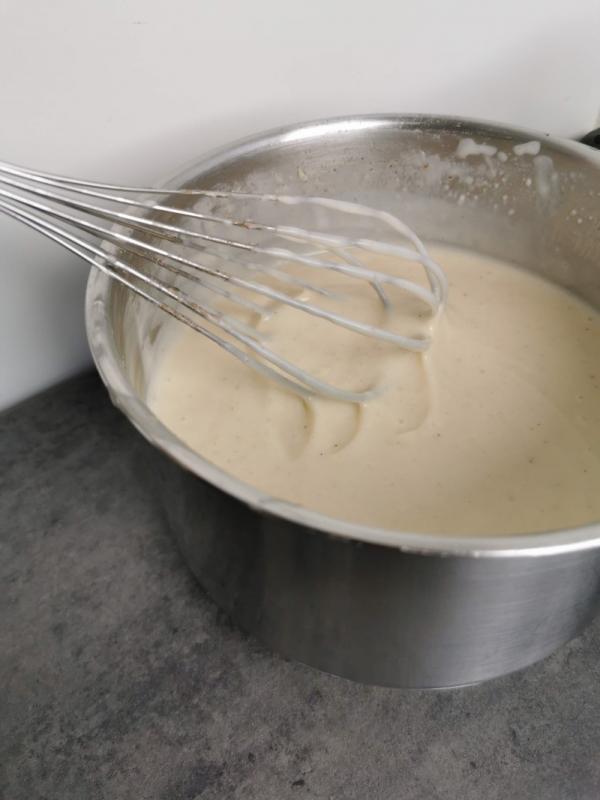

Sauce Bearnaise with Brown Butter



Recipes for cold sauces/dressings


Homemade Thousand Island Dressing