What is smoking?
Smoking is, along with salting, one of the oldest preservation methods we know of. In the past, most meat was more or less smoked, as smoking preserves the meat and makes it last longer. This was significant at a time without access to refrigerators and freezers.
Exactly when this preservation method saw the light of day is unknown, but smokehouses have been found dating back to ancient times.
Today, the method is not used for its preserving properties, but rather for the sake of flavor. The smoky taste enhances the natural flavor and texture of the ingredient, and fortunately, it’s not difficult to try it at home.
Smoking can take place in ovens developed specifically for the purpose, but you can also do it over a fire or with a regular kettle grill.
How does smoking work?
When you smoke an ingredient, it has a drying effect on the surface of the ingredient. Additionally, there are substances in the smoke, such as wood alcohol, carbolic acid, and formaldehyde.
This combination is bactericidal and inhibits the development of new bacteria, which is why shelf life is extended. Many ingredients, such as eel and salmon, are only lightly smoked, so the shelf life is not significantly extended.
Should the meat be salted first?
As a rule, all meat is salted before it’s smoked. Fish can be smoked fresh, but the most common practice is to dry salt it first.
For larger pieces of meat, such as a whole ham, it is typically hung to dry for several months before being smoked.
Hot smoking and cold smoking
Depending on the type of meat and the purpose for smoking, there are three different smoking methods:
- Cold smoking (15-25 degrees Celsius): Cold smoking is the most effective smoking form if the goal is preservation, as the smoke penetrates deeply into the item. The method is often used for salami, cured hams, liver sausage, lard, and the like, where you do not want the product to be exposed to excessively high temperatures, as it can melt the fat in the meat. Cold smoking is also often used for various types of fish and game.
- Half-warm smoke (25-45 degrees Celsius): As the name indicates, half-warm smoke is a middle ground between cold and hot smoking. It therefore has some of the preserving properties from cold smoking and some of the smoky flavor from hot smoking. This method is used for bacon, ham, smoked fillet, various types of sausages, and poultry.
- Hot smoking (45-80 degrees Celsius): Hot smoking has no preserving properties but is used solely for flavor and appearance. Hot smoking is a popular method for fish like salmon, mackerel, and eel, as well as various luncheon and grill sausages.
As you can see, the temperature greatly affects the result, so it is important which one you choose. However, there are other factors that affect the result, namely humidity, smoke density, and air speed. All of this can be regulated in various ways—some more challenging than others—and this is where you need to determine if the equipment you have access to is sufficient for you and your expectations for the result.
Regular grill, stone oven, and smokehouse
Both the temperature, humidity, smoke density, and air speed are crucial for the final result. These parameters are much easier to regulate in a modern smokehouse than in an old-fashioned stone oven.
If you have an old-fashioned stone oven, you are best off with cold smoking. In a stone oven, the smoke is generated in a completely traditional way with ignited pieces of wood and possibly wood chips, and since it is therefore difficult to control and regulate the heat, it requires that you have the time to keep track of the heat and the smoke.
Conversely, a modern smokehouse can do almost all the work for you. In a modern smokehouse, the smoke is produced by a smoke generator that blows the smoke through a filter and into the oven.
If you want to try smoking without spending too much money, you can also use a regular kettle grill. Here, it might be a good idea to fill a mixture of lit and unlit charcoal briquettes in the grill, and with a thermometer and a water sprayer, it is possible to keep a reasonable control over the temperature. You may find inspiration in this recipe for salmon in a kettle grill.
It is also possible to hot smoke over a fire with wood. You can find more tips in this recipe for hot-smoked salmon over a fire.
Recipes with smoke
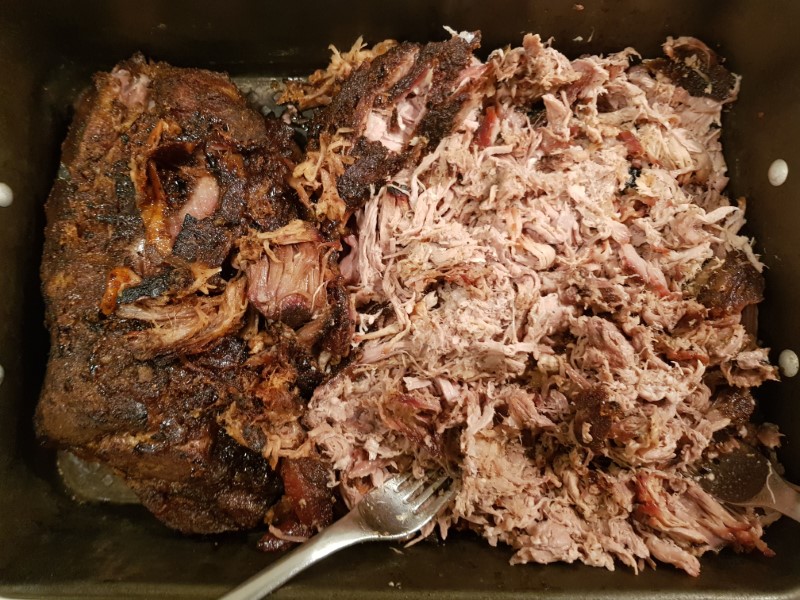
Pulled Pork Burger

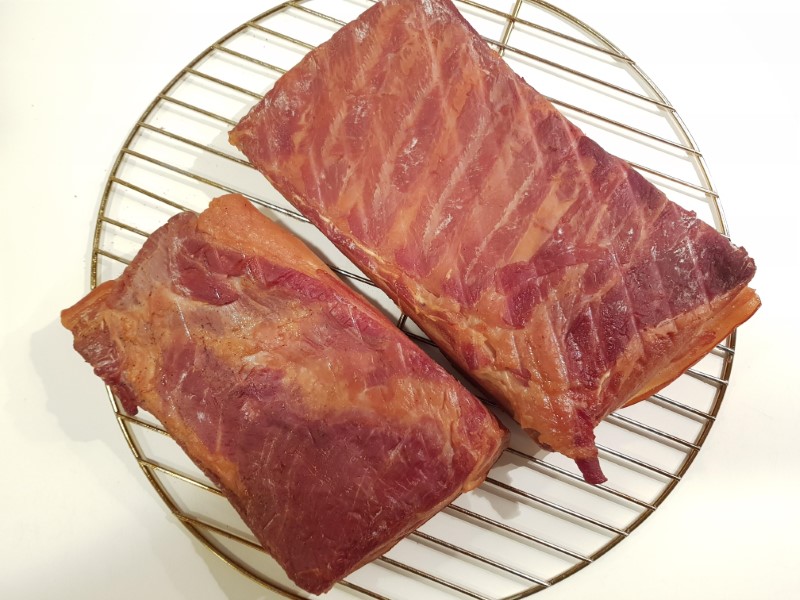
Homemade bacon

Cold-smoked pork tenderloin
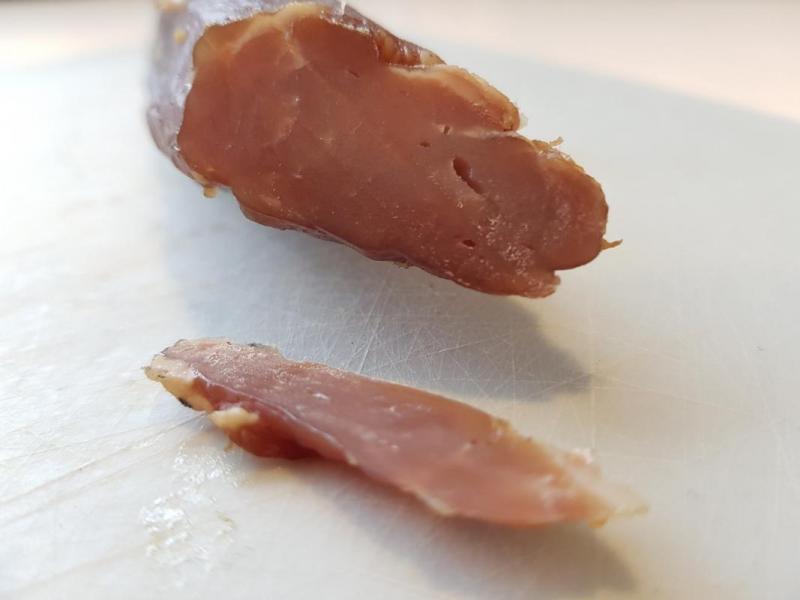
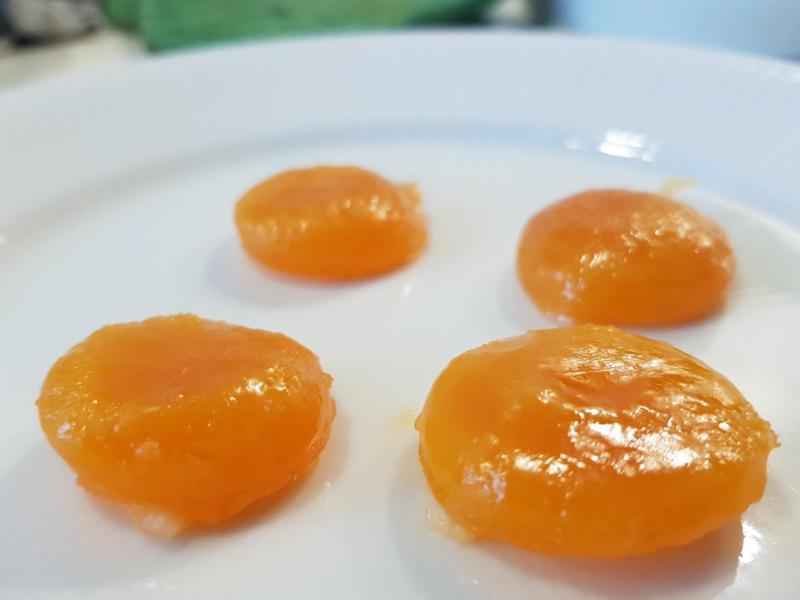
Smoked, cured egg yolks
Hot-smoked salmon with pepper
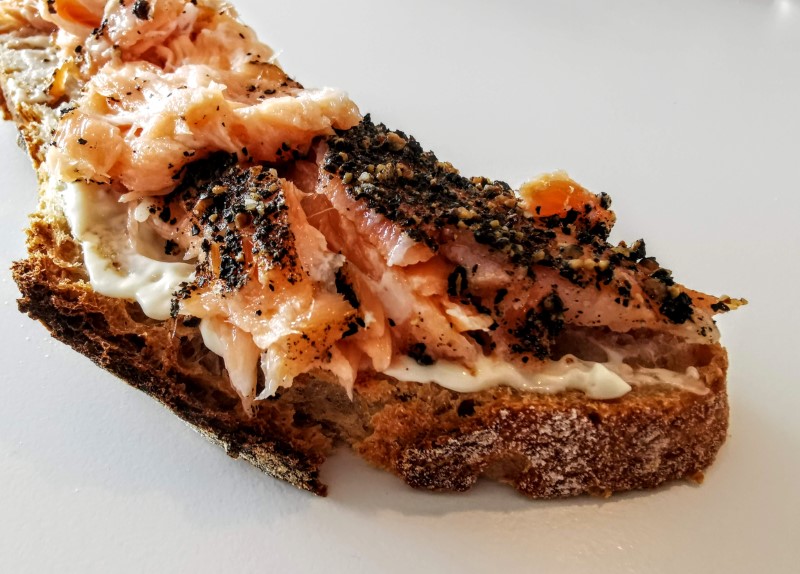
See the full recipe here.
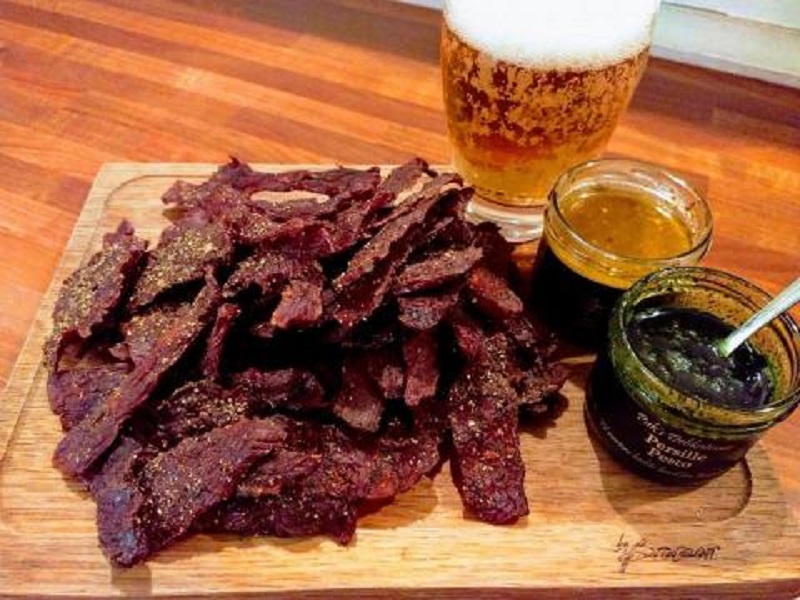
Beef Jerkey
Hot smoking of salmon in kettle grill

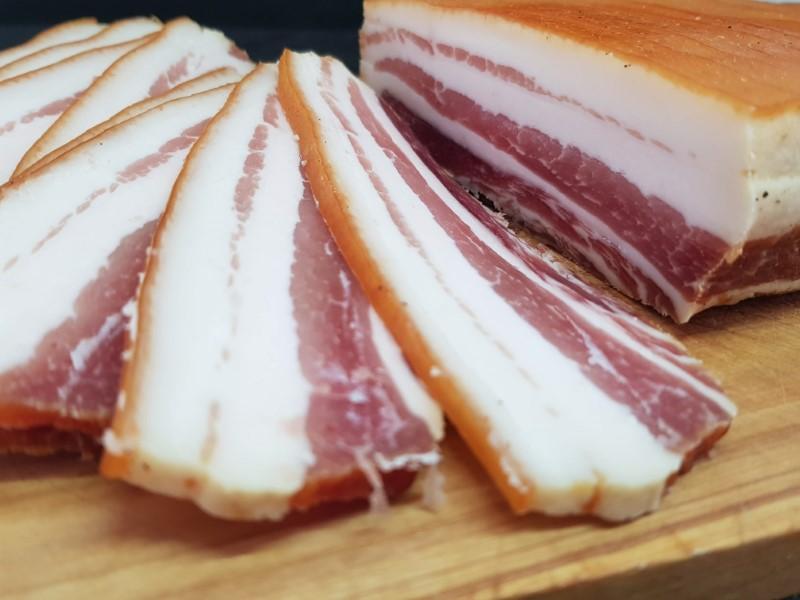
Dry salted bacon
Smoked duck breast

Smoked pork tenderloin

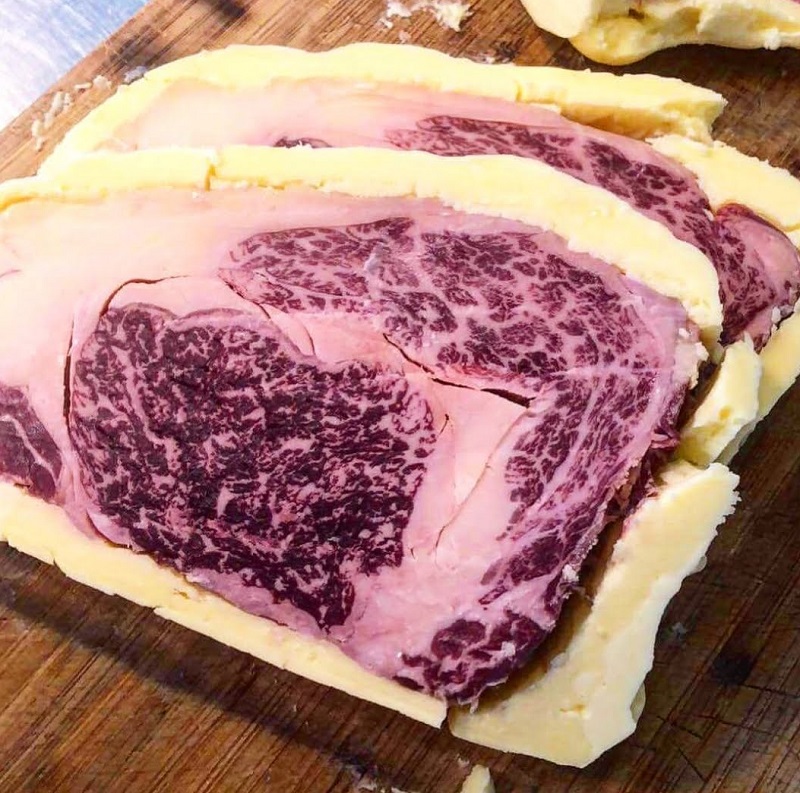
Butter Steak
See the full article/recipe here.
Bacon guide

See the full article/recipe here.
Homemade English bacon

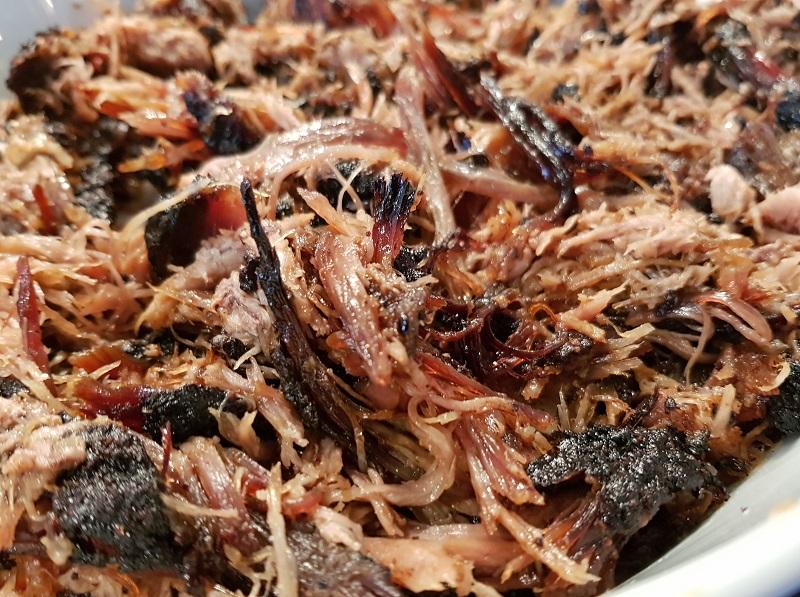
Pulled pork in the oven
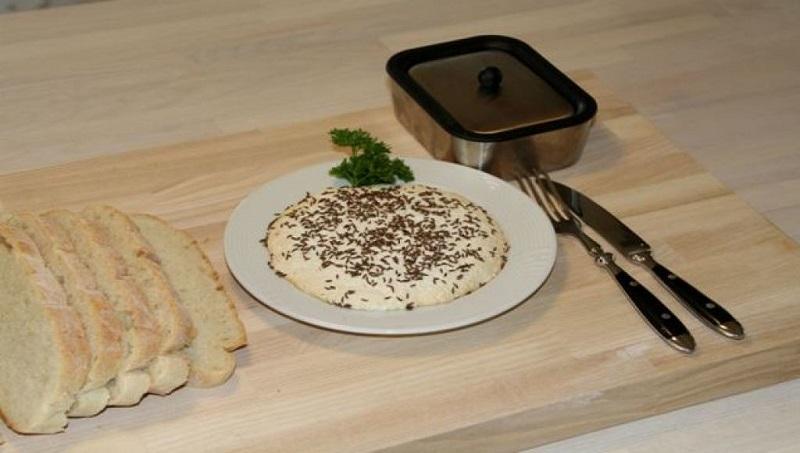
Smoked cheese
Homemade smoked bacon
Sous vide spareribs

Oven-roasted pulled pork
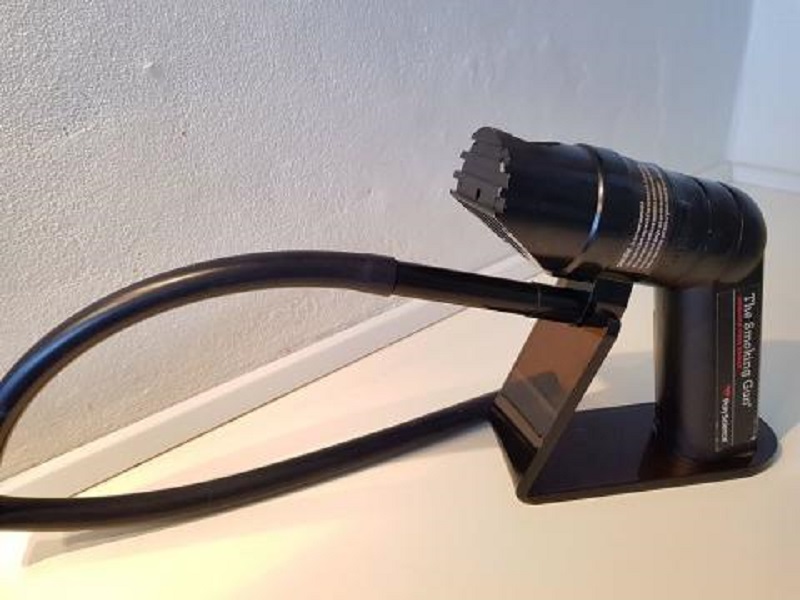
Smoking gun