


A Taste of Greece’s Healthiest Tradition
Fava is one of Greece’s most beloved dishes—a creamy, sun-colored dip made from yellow split peas, olive oil, lemon, and simple vegetables. Though often compared to hummus, it’s smoother, lighter, and has a delicate sweetness from slow-cooked peas and carrots. This dish hails from the Greek islands, especially Santorini and Crete, where legumes have been a key part of the Mediterranean diet for centuries. In Greece, fava isn’t just food—it’s a social experience. It’s served as part of a mezze spread alongside tzatziki, dolmades, grilled octopus, and fresh bread, meant for sharing among friends and family. For Americans who love Mediterranean flavors, fava is a wholesome, protein-rich alternative to store-bought dips—bright, nourishing, and deeply satisfying.
The Secret to Perfectly Silky Fava
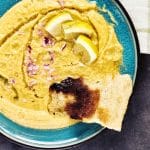
What makes authentic Greek fava so special is its simplicity. The base starts with yellow split peas simmered gently with onion, carrot, and a bay leaf until tender and creamy. Once blended, olive oil and lemon juice are whisked in to create an ultra-smooth texture with a tangy finish. A drizzle of olive oil and a handful of finely chopped red onion on top bring freshness and contrast. It can be served warm, chilled, or at room temperature, making it one of the most versatile Mediterranean dishes around. Unlike chickpea hummus, fava has a naturally velvety consistency and an earthy sweetness that pairs beautifully with crusty bread or raw vegetables.
Why You’ll Want to Make It Again and Again
Beyond its incredible flavor, fava is also a nutritional powerhouse. It’s packed with plant-based protein and fiber, naturally low in fat, and completely gluten-free—making it perfect for vegetarians, vegans, and anyone following a heart-healthy diet. It can even double as a base for grain bowls or as a spread inside wraps and sandwiches. Once you’ve made it at home, you’ll see why it’s a staple on Greek tables year-round. With just a handful of pantry ingredients and a drizzle of good olive oil, you get a dish that’s rustic, elegant, and endlessly comforting.
What exactly is Greek fava made from? How is it different from hummus? How should fava be served for the best flavor?
What exactly is Greek fava made from?
It’s made from yellow split peas simmered with onion, carrot, olive oil, and lemon juice, then blended until creamy.
How is it different from hummus?
Fava uses yellow split peas instead of chickpeas, giving it a lighter, silkier texture and a slightly sweeter, more delicate flavor.
How should fava be served for the best flavor?
Serve it warm or at room temperature, drizzled with olive oil and topped with chopped red onion. It’s perfect with fresh bread or as part of a mezze platter.