
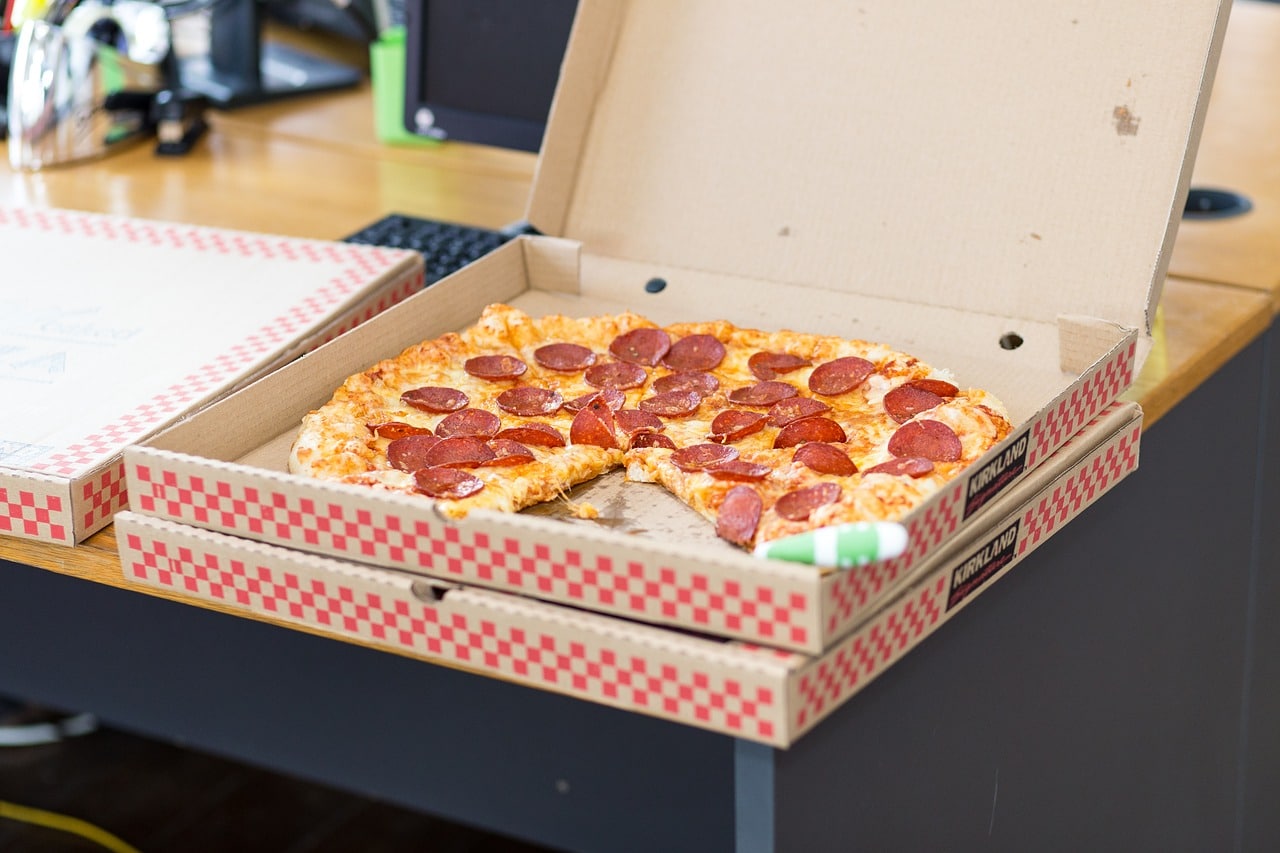

Homemade food holds great value for the Danes, but fewer and fewer are making it. At the same time, we are spending less time in the kitchen, while our consumption of ready-made meals and take-away for dinner is increasing, according to a new survey.
The proportion of Danes who cook entirely homemade meals has fallen from 55% in 2015 to 48% in 2018. Meanwhile, the number of Danes who spend less than 15 minutes in the kitchen preparing dinner has increased from 26% to 32% over three years. Even the weekend dinner, which Danes typically spend the most time on, has seen a significant decrease in time spent.
This is shown by new figures from Madkultur18, an annual survey published by Madkulturen, which maps the eating habits of Danes. The survey also indicates that more and more Danes are cooking using ready-made food products. At the same time, our consumption of ready meals and take-away is rising.
Losing the ability to cook
“The survey points out that Danes increasingly want cooking to be easy and quick. But as we spend less time on it, we risk gradually losing both the desire and the ability to cook from scratch. The nightmare scenario is that in a few generations, we won’t need kitchens at all because all food will be made for us,” says Judith Kyst, director of Madkulturen, an independent institution under the Environment and Food Ministry, established to support Danish food culture.
She emphasizes that the survey shows Danes highly value homemade food: “We are more satisfied with the meal when it’s homemade, we think it tastes better, and we also believe it’s healthier when it’s entirely homemade. So as food becomes more ready-made, we lose both some of the joy of food and some of the control over how healthy the meal is. It’s concerning,” says Judith Kyst.
More children in the kitchen
Despite the discouraging statistics about Danes’ cooking habits, there are also some positive trends to note. The Minister for Environment and Food, Jakob Ellemann-Jensen (V), highlights the survey’s result showing an increase from 8% in 2015 to 12% in 2018 in the number of children who have contributed to homemade dinners:
“It’s good to see that more children are getting involved in cooking. It’s important that we instill future generations with the courage and desire to cook. The government has focused on providing children with basic cooking skills in our food, meals, and health strategy, so it’s positive that there is a trend in that direction,” says Jakob Ellemann-Jensen.
Madkultur18 also shows that despite the climate debate and a lot of focus on meat-free alternatives, Danes still eat meat for dinner just as often in 2018 as they did in 2015. The most commonly eaten dinner dish among Danes is open sandwiches, and it was the same in 2015. On the other hand, our consumption of potatoes is in free fall.
FACTS ABOUT THE SURVEY
Madkultur18 is the new name for Madkulturen’s annual survey of Danish food and meal habits, previously called Madindeks.
The theme of this year’s survey is cooking, focusing on the desire and skills in the kitchen. We asked Danes what they eat for dinner, who cooks the food, and how much time they spend on it.
Madkultur18 is a repeat of Madkulturen’s 2015 survey, allowing us to see how Danish food culture is developing. The survey was conducted in collaboration with the analysis institute Epinion.
Madkultur18 is available online at www.madkulturen.dk.