

When we Europeans first encountered the tomato, we thought it was a poisonous berry. Fortunately, we became wiser.
Today, tomatoes are part of a myriad of dishes. Bolognese, lasagne, pizza, tomato soup – just to name a few. All these dishes are surely a staple in your recipe repertoire, so it might be interesting for you to learn a bit more about this highly versatile and flavorful ingredient.
What is a tomato?
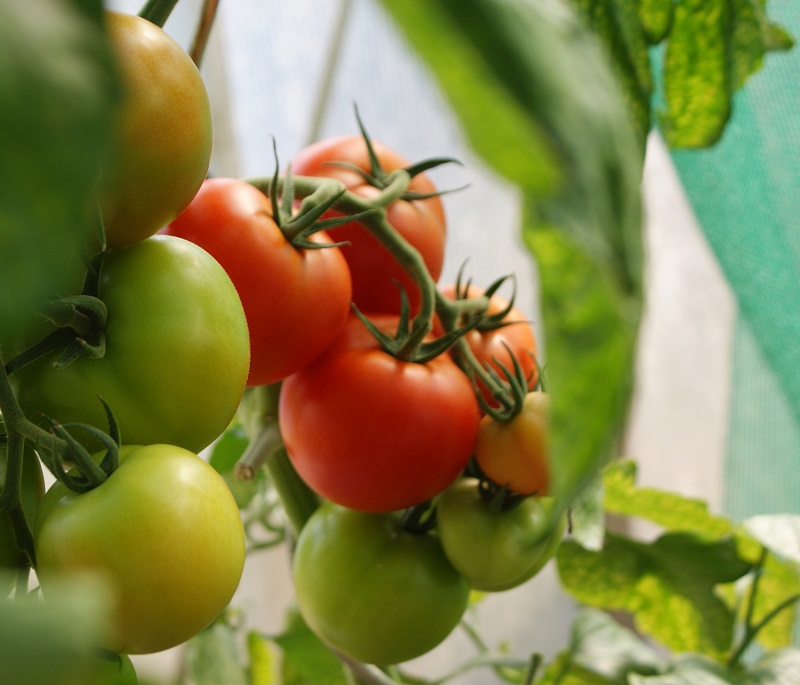
Although the tomato is commonly referred to as a vegetable, it is botanically a berry. A berry is defined by growing from the plant’s flowers and must contain at least one seed. Tomatoes develop in such a way that they start as small green berries, maturing to become red, orange-red, yellow, or purple, depending on the variety. Some are even striped.
Tomatoes consist of 90 percent water, which is why they don’t have significant nutritional content. Since there’s not much satiety value to gain from tomatoes, they are primarily used as a flavor enhancer or as an accompaniment, for example, on rye bread or in a sandwich. However, they can also be served in numerous other ways.
What types of tomatoes are there?
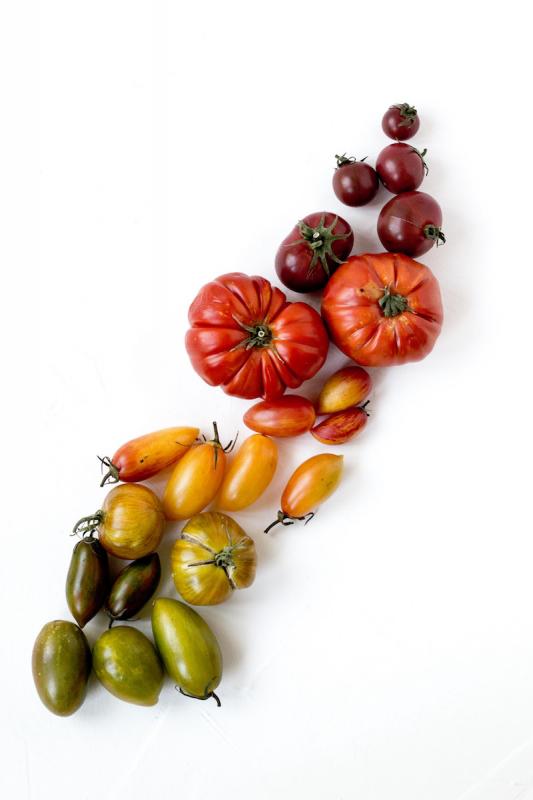
There are approximately 15,000 different types of tomatoes worldwide. We categorize them as cherry tomatoes, plum tomatoes, beef tomatoes, “regular” tomatoes – and more. All these come in a multitude of varieties, each with its own characteristics.
Below, we’ll briefly go through some of the most common types, making it a bit easier for you to decide which ones to use in which context.
Cherry Tomatoes
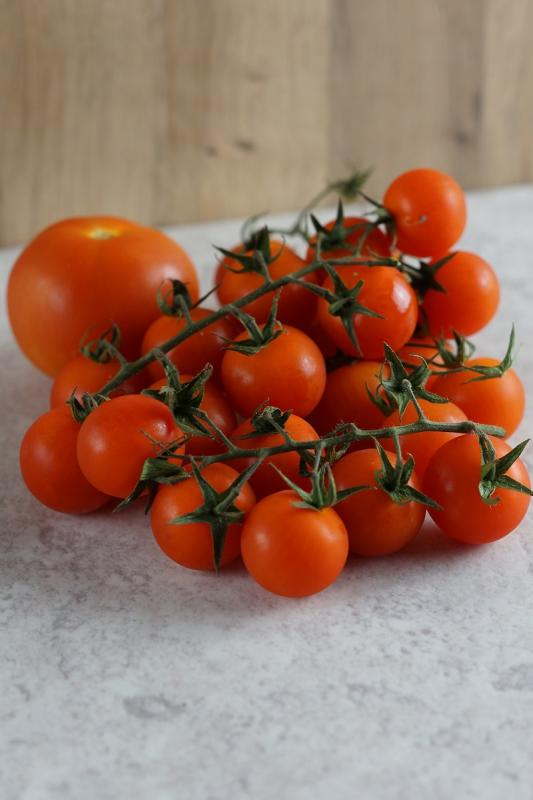
A clear favorite among most tomato lovers. Cherry tomatoes are one of the most versatile tomatoes, available in red, orange, yellow, and purple variations. They are crisp and delicate with a strong, slightly tangy flavor.
They are particularly good in salads and other “raw” contexts and can easily be eaten as a snack.
Plum Tomatoes
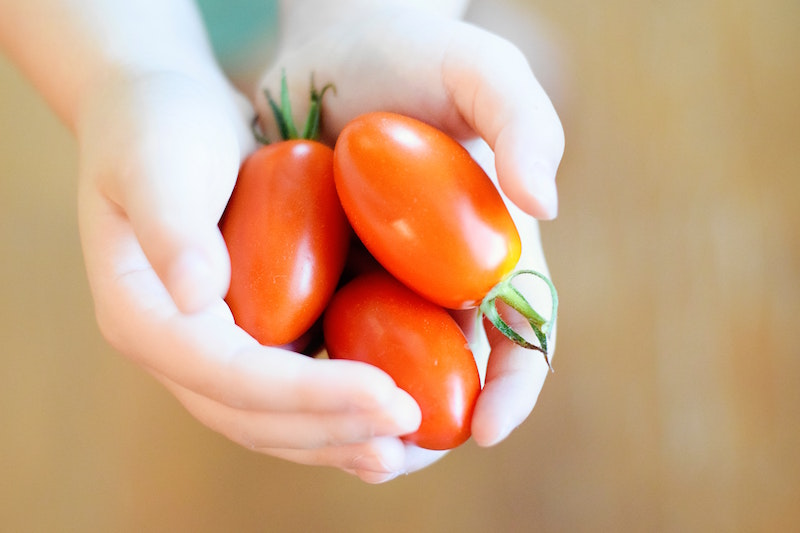
Plum tomatoes are also known as “Roma tomatoes” as they originally come from Rome. They come in different sizes, some as small as cherry tomatoes, while others are the size of regular tomatoes. The shape is always the same: Slightly plump and elongated, “plum-like”.
Plum tomatoes are meaty and contain few seeds. They also contain less liquid than other tomatoes, making them particularly suitable for placing on pizza, where you don’t want a tomato that releases too much liquid. They are also excellent for tossing into pasta.
Beef Tomatoes
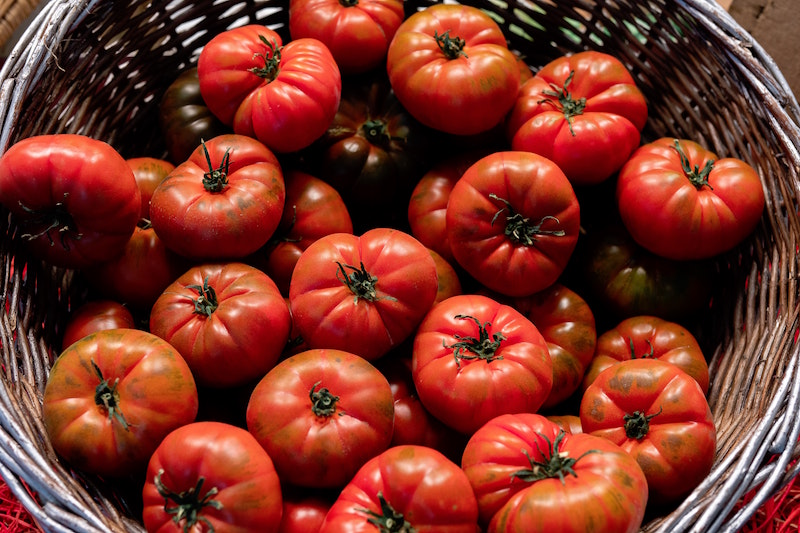
Beef tomatoes can become incredibly large, often weighing more than 300 grams. There is no clear definition of beef tomatoes, but the name generally covers very large tomato varieties.
Beef tomatoes are relatively delicate and therefore not suitable for transport – you won’t often find them in supermarkets here, but you might have encountered them in Italy, where they are used for things like tomato salad with mozzarella. Beef tomatoes are juicy and delicious, with a mild flavor, making them a perfect accompaniment that isn’t overpowering. They are particularly good for tomato sauce and salsa.
Regular Tomatoes
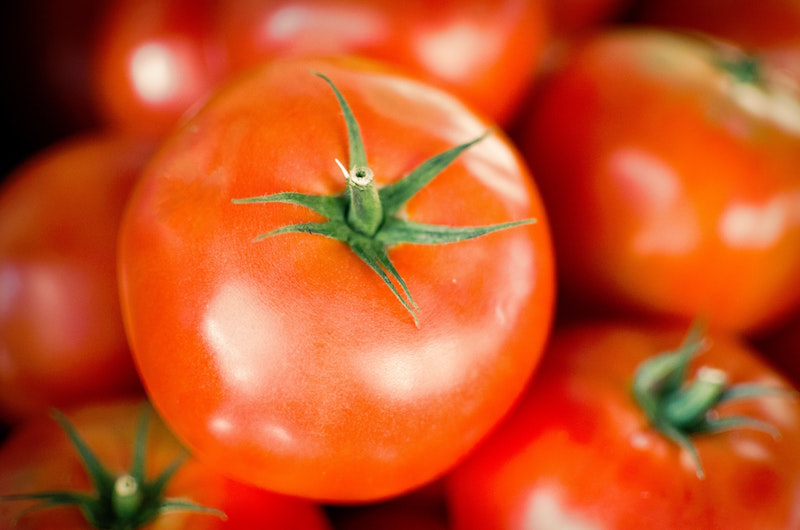
The so-called regular tomatoes, like beef tomatoes, have a relatively mild flavor. They are a good all-round tomato when you want a bit of extra juiciness, sweetness, and acidity, for instance, in a sandwich.
Although some other tomatoes may be better suited for salads, there’s certainly nothing wrong with using regular tomatoes. In this tomato salad, for example, regular tomatoes are used, but the addition of balsamic vinegar, fresh basil, and lemon balm results in a wonderful and rich flavor.
What is the difference between red, yellow, and orange tomatoes?
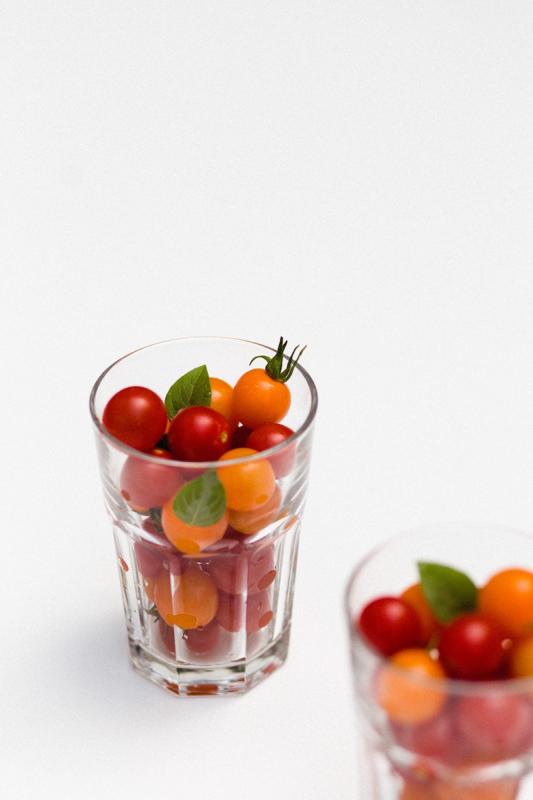
Yellow and orange tomatoes generally tend to be less acidic than red ones. Thus, they have a sweeter taste. The lower acidity gives yellow and orange tomatoes a fruity and almost tropical flavor.
Since green tomatoes have not yet developed their sugar content, they have a significantly more acidic taste.
There are also purple and deep-violet tomato varieties, and these have a much deeper and almost “complex” flavor – somewhat like red wine.
When are tomatoes in season?
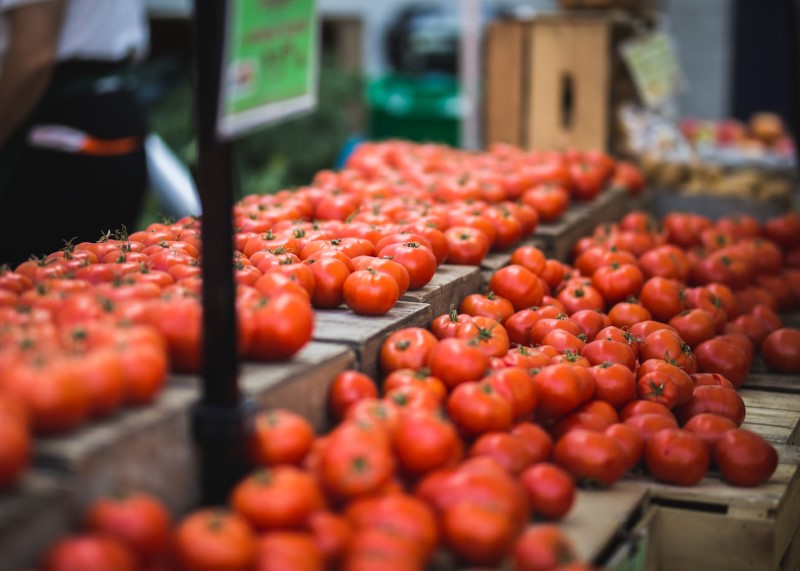
Danish tomatoes are in season from April to November, and during this period, you can find them in your supermarket.
Actually, we Danes have access to fresh tomatoes year-round, as they are imported from countries like Spain and others with a warmer climate. Although Danish ones are the best, we don’t necessarily have to limit ourselves to the Danish tomato season when we want to use fresh tomatoes in cooking.
The tomato plant is a versatile plant that can be cultivated in several places with a warm climate, such as Spain, South Africa, and Italy. The tomato plant originates from the western part of South Africa and Central America.
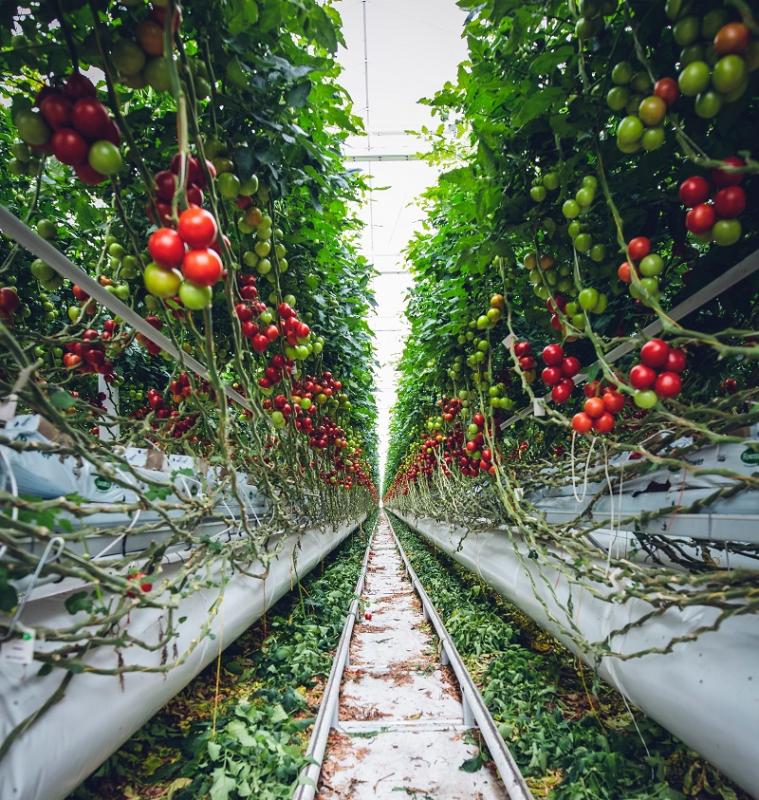
You can also easily grow tomatoes at home in the garden. It’s a good idea to plant them in a sunny spot since tomatoes need ample amounts of direct sunlight. It might be an advantage to plant them in a greenhouse, as they are protected from the sometimes unstable Danish weather.
Why are tomatoes so good in cooking?
Tomatoes are a good source of umami. Umami is Japanese for “deliciousness” and one of the five basic tastes. Umami is also known as the “meaty taste”, and it’s a flavor our brains have been geared over thousands of years to find very satisfying. Therefore, it’s a particularly important taste to incorporate into your dishes.
Tomatoes are considered one of the best plant-based sources of umami, and the more ripe they are, the more umami they contain. When tomatoes are dried, the umami flavor becomes even more intense.
The umami flavor comes from the tomato’s natural content of glutamic acid, and while regular ripe tomatoes contain between 150 and 250 mg of glutamic acid per 100 grams, sun-dried tomatoes can contain up to 1,100 mg of glutamic acid per 100 grams.
Besides glutamic acid, tomatoes are also a good source of various vitamins and minerals, including vitamin C, vitamin K, potassium, folate, and antioxidants.
Why do tomatoes become mealy?
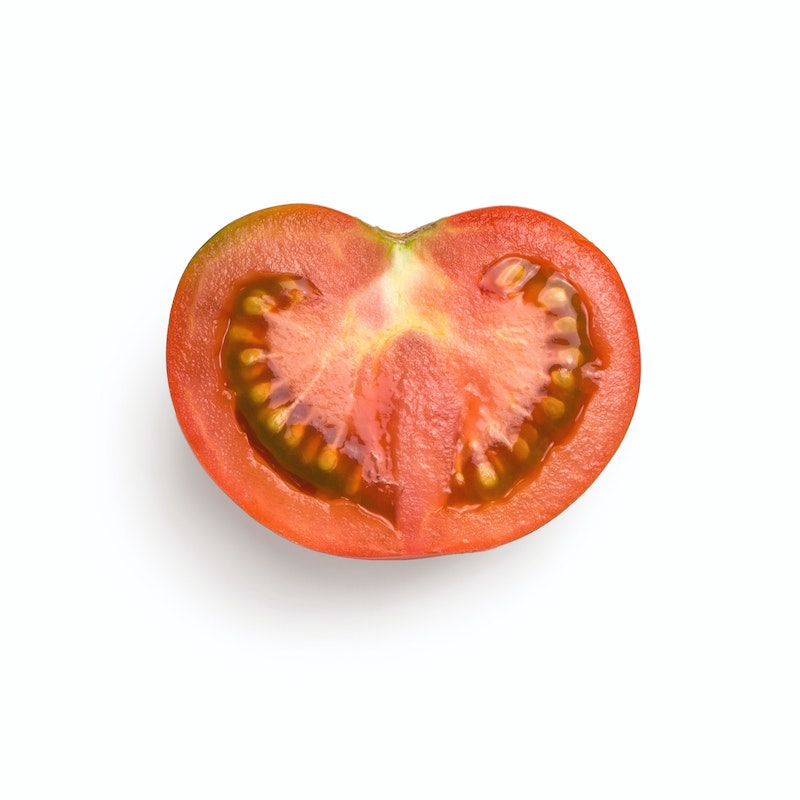
Oh, it’s really disappointing when tomatoes turn out to be mealy. But why do they become mealy, and most importantly: How do we avoid it?
Tomatoes are highly sensitive to temperature conditions, both before and after harvest. Low temperatures can alter the carbohydrate composition of the tomato, converting sugar into starch. This results in a tasteless and mealy tomato instead of a sweet and juicy one.
This is also why tomatoes should never be stored in the refrigerator – not even in the vegetable drawer. The cool environment will cause the tomato’s water content to expand, ruining the texture.
If a tomato feels soft, there is a risk it is mealy, but unfortunately, we cannot be sure until we cut into it.
Storing tomatoes
Tomatoes should ideally be stored unwashed at room temperature and not in direct sunlight. Once tomatoes have been chilled, it usually has a permanent effect on their flavor.
It is said that storing tomatoes with the stem side down can extend their shelf life. Tomatoes that are not yet fully ripe can be stored in a paper bag until they ripen.
Getting the best out of tomatoes
Many choose to use concentrated tomato paste from a can in cooking. This can provide a more intense and flavorful experience. Canned tomatoes are generally an easy and convenient solution, but there’s something extra delicate about using fresh tomatoes, especially when they are in season here. You can always elevate a pasta dish considerably by adding fresh tomatoes.
Even the best of them can benefit from a little sprinkle of salt. Salt balances and enhances the tomato’s natural sweetness and acidity. Start by cutting the tomatoes in half, sprinkle the cut side with salt, and let them sit for a bit.
If you’ve come home with particularly tasteless tomatoes, in addition to salt, you can add a few drops of balsamic vinegar or honey or a small sprinkle of sugar. This highlights both the sweetness and acidity.
A trip on the grill or in the oven can usually help even the blandest tomatoes along nicely, as the tomato’s water content is reduced, concentrating the flavor.
You could also try making your own homemade ketchup or tomato paste. It takes about half an hour and yields a product with a much more natural and authentic flavor than what you find on the supermarket shelf.
Recipes with tomato


Focaccia with Semi-dried Tomatoes


Pasta with Tomato Sauce and Gremolata

Pasta with Homemade Whisky/Tomato Sauce


