


Bread has been a vital source of nutrition worldwide for thousands of years. Each culture has its own unique go-to bread: In the Middle East, for instance, it’s pita bread, while the French pride themselves on their baguette.
If there is one bread considered quintessentially Danish by many Danes, it is rye bread. Indeed, rye bread has been a part of Danish culture for at least 1,000 years.
Rye bread holds a special place in the hearts of Danes. It speaks volumes that many Danes say it’s rye bread (and licorice) they look forward to the most when returning home after shorter or longer stays abroad.
Even the Vikings reportedly cherished rye bread so much that they brought it with them on their ships when they sailed over to invade England.
Why do we eat rye bread?
Although rye bread is something we consider distinctly Danish, rye actually originates from the Middle East – more precisely, from what is today Palestine, Syria, Iran, and Turkey. Here, however, rye was not regarded as a particularly tasty grain, and bread containing rye was certainly not popular.
The Romans had a direct disdain for rye, and one can even talk about a “rye bread border” across Europe. South of this border, wheat “rules,” while north of the border, rye is more prevalent.
Rye initially came to the Nordic region thanks to traders but has been cultivated in our latitudes at least since the birth of Christ.
Rye is a hardy crop, so when other crops, such as wheat, succumbed to fluctuations in weather and climate, rye endured. Rye could, therefore, be crucial for people’s survival in the colder countries, including Denmark.
Even in the Nordic region, rye was not considered very tasty, but it was nonetheless a necessity if one did not want to go to bed hungry. Wheat was significantly more expensive than rye.
During the Viking Age, rye began to be cultivated on an even larger scale, and it was used to make porridge and bake flatbread.
What characterizes a rye bread?
What was called rye bread in “old” times was nothing like what we know today as rye bread. Both the taste, ingredients, and production are entirely different.
Today, there are several ways to make rye bread.
The rye bread that we Danes know today is characterized by a loaf that is usually elongated and primarily consists of rye flour. A rye bread must contain more rye flour than wheat flour – otherwise, it is merely a wheat bread in disguise.
The base for a rye bread dough is rye flour, a form of acid (either sourdough or buttermilk), water, and a leavening agent (either sourdough or yeast). Additionally, grains, seeds, root vegetables, and more can be added.
It’s certainly a matter of taste and habit, what type of rye bread one prefers, for example, for their open-faced sandwich.
Rye bread without sourdough
It is a fundamental part of rye bread production that acid is used – which a sourdough provides. This is especially important if the bread contains more than twenty percent rye flour.
The acid makes the rye bread dough more elastic as it increases the dough’s ability to bind moisture. Besides providing the correct consistency, the acid also contributes to the characteristic taste and color.
Sourdough gives rye bread a unique character and depth of flavor, but if for some reason, you do not have access to sourdough, you can bake rye bread without it. In this case, yeast and buttermilk are used to mimic some of the properties of sourdough.
Kernel rye bread
Kernel rye bread, as the name suggests, is filled with grains and usually lots of seeds. Kernel rye bread often contains a large amount of rye grains and sunflower seeds, and when you cut a slice of kernel rye bread, the grains stand out clearly in the cut surface.
Sønderjysk rye bread
Sønderjysk rye bread is characterized by being deliciously soft, moist, relatively light, and compact. Typical Sønderjysk rye bread is made with rye flour and sifted flour – and no grains. If there are grains, they are finely ground.
Potato rye bread
Potato rye bread is a wonderfully moist rye bread, thanks in part to the inclusion of grated potatoes. A potato rye bread usually contains no grains but is often made with flaxseeds, providing a delightful crunchy sensation.
Carrot rye bread
Carrot rye bread also has a good, moist crumb and typically contains rye grains.
Rye bread recipes


Homemade rye bread (sourdough)


Rye bread in 3-liter baking pan

Kernel rye bread without sourdough

Kernel rye bread without sourdough


Rye bread with grains without sourdough

Small rye breads for the lunchbox
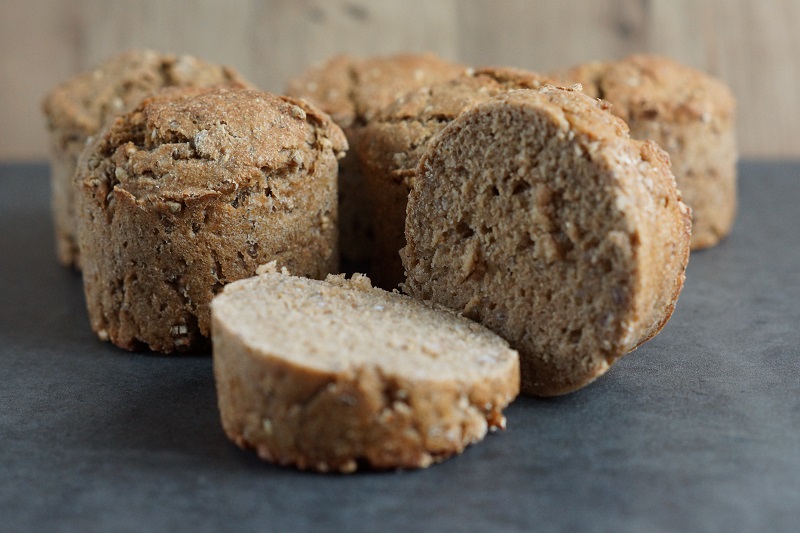
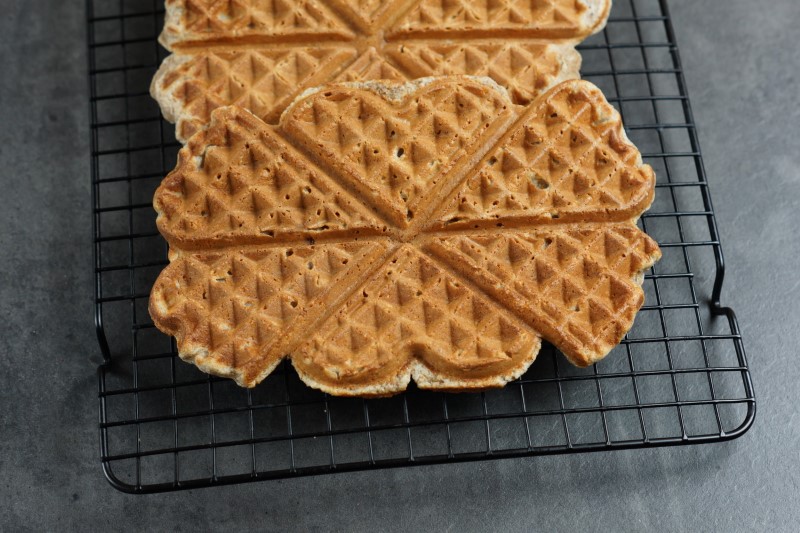
Homemade gluten-free rye bread

Gluten-free rye bread with vegetables

Gluten-free rye bread with grains


Toasted rye bread with lumpfish roe

Toasted rye bread with avocado and egg


Sønderjysk rye bread layer cake

All about open-faced sandwiches
