


Carrots, beets, parsnips, parsley roots, and potatoes. We Danes are crazy about our root vegetables, and they are a common accompaniment on the dinner table. But what other root vegetables are there? How can you use them in cooking, and do they actually count as vegetables? Read on to find answers to this and much more.
When is it a root vegetable?
Root vegetables are generally edible, underground-growing parts of plants. Although botanically, there’s a distinction between actual roots (like carrots, potatoes, and radishes) and “non-roots” (like ginger), they are all referred to as root vegetables in agricultural and culinary contexts.
A root vegetable is the organ that supplies the plant with energy in the form of carbohydrates. Root vegetables are therefore packed with carbohydrates, and you can see the root vegetable as the plant’s energy reserve.
Do root vegetables count as vegetables?
Eating plenty of greens is one of the official dietary guidelines, but do root vegetables count here?
All root vegetables are indeed vegetables, but not all count as vegetables according to the Danish Food Administration’s dietary guidelines. It’s primarily about how much starch they contain. Not all root vegetables have the same concentration of starch.
Botanically, carrots and potatoes fall under the category of “real” roots, but while carrots count towards your vegetable intake, potatoes do not. Potatoes allegedly contain too much starch and too few bioactive substances to count as vegetables, but this doesn’t mean that potatoes aren’t nutritious or can’t be considered healthy food.
Many different kinds of root vegetables
When we Danes talk about root vegetables, it’s usually about either carrots, beets, parsnips, parsley roots, or potatoes. However, there are many more on the list, each with its unique characteristics and uses.
Carrots

We start gently with a good old acquaintance. The carrot.
Carrots are cheap, versatile, flavorful, and easy to prepare. What more could you want? They are also rich in dietary fiber and your best source of beta-carotene, which the body converts to vitamin A.
Carrots are one of the sweetest root vegetables, and the sweetness becomes even more pronounced when cooked. It’s therefore fitting to add a bit of acidity from, for example, lemon, wine, vinegar, or fermented dairy products.
Recipes with carrots
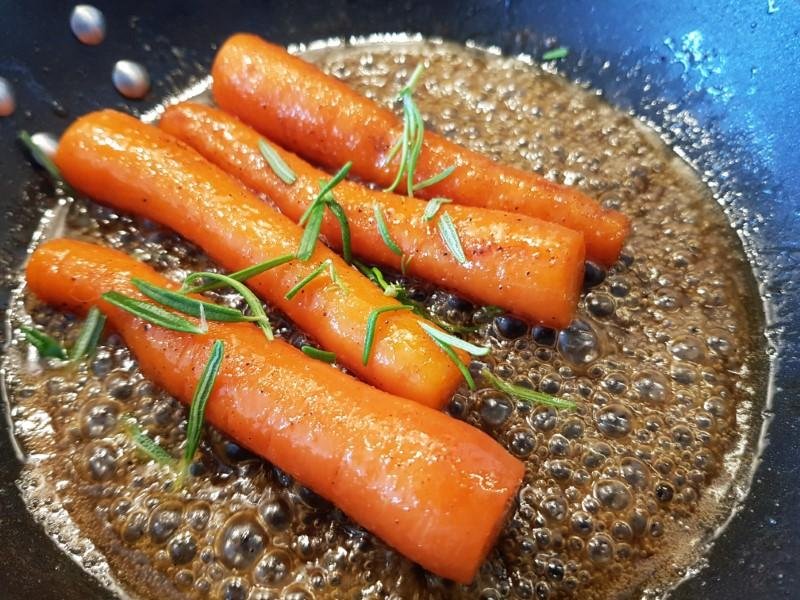
Pork patties with carrot and almonds



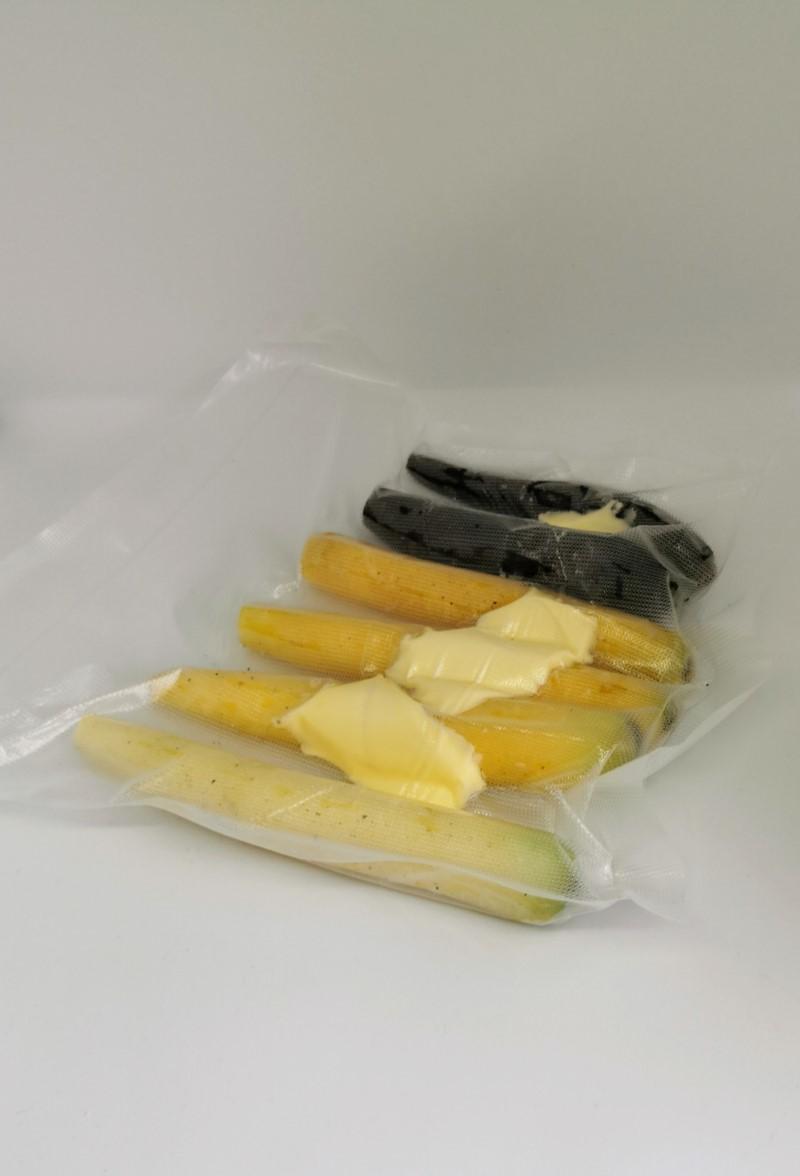
Red cabbage and carrots sous vide

Jerusalem Artichokes

Jerusalem artichokes have a round and nutty flavor best described as a mix between potatoes and water chestnuts. They can largely replace and supplement potatoes. Jerusalem artichokes are rich in vitamins C and K, and because they contain inulin, which stabilizes blood sugar, they are also diabetes-friendly. Inulin is also good for digestion.
While raw Jerusalem artichokes are crunchy and nutty in flavor, they become sweeter with a hint of bitterness when cooked.
Recipes with Jerusalem artichokes
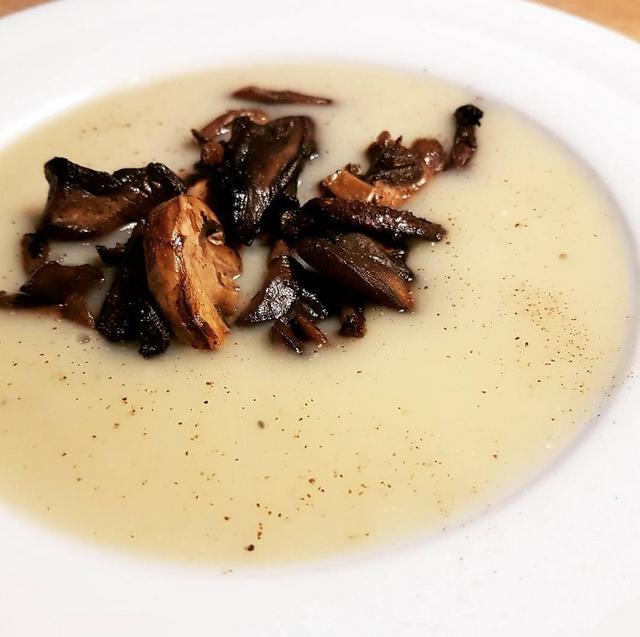
Jerusalem artichoke soup with roasted mushrooms
Jerusalem artichoke soup with chorizo

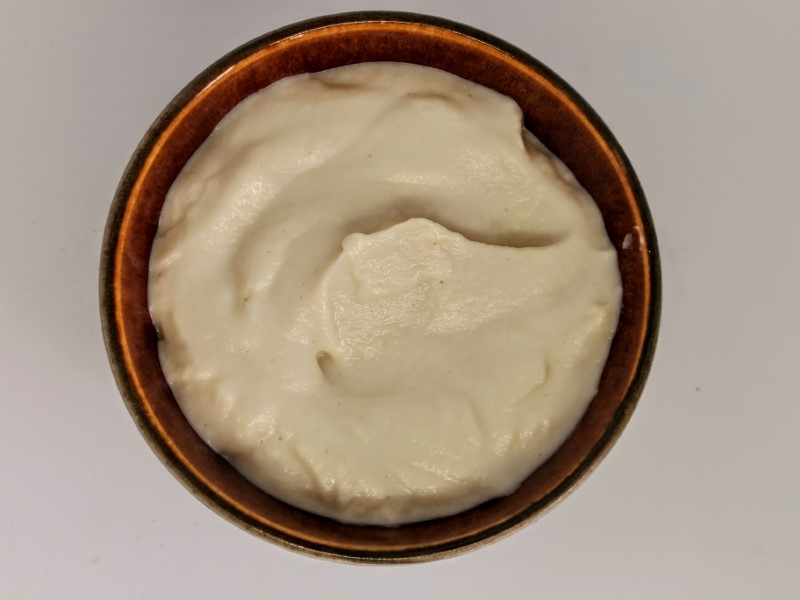
Smooth Jerusalem artichoke puree

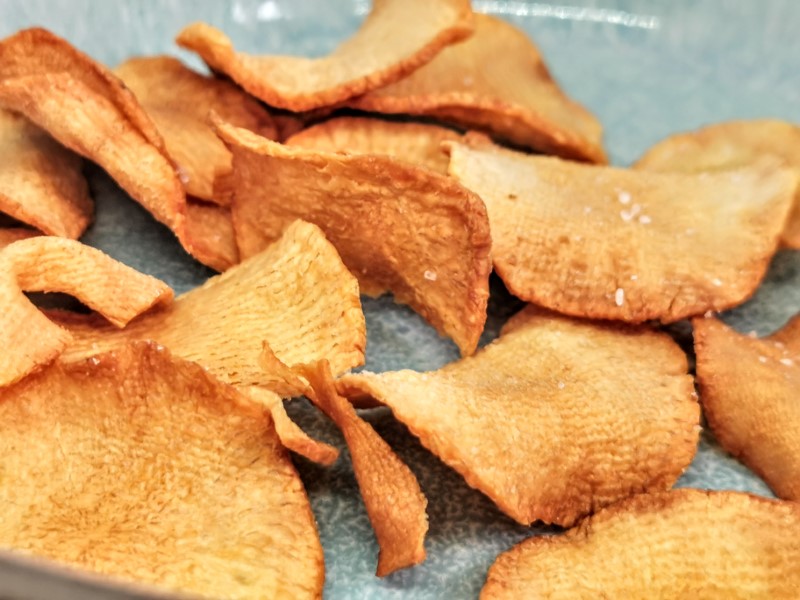
Deep-fried Jerusalem artichoke chips
Potatoes

The potato is one of our dinner table favorites and has been for years. It’s no wonder we Danes have earned the nickname “Potato-Danes.”
Potatoes are filled with vitamins and are the carbohydrate source that satiates the best. There’s plenty of dietary fiber and vitamins B and C to gain from eating potatoes, and just 250 grams can cover your entire daily requirement of vitamin C.
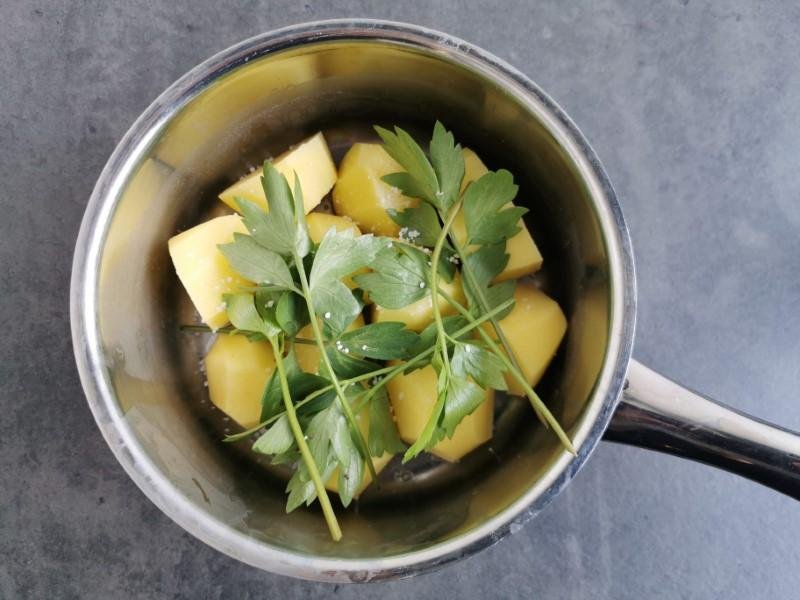
New potatoes require very little preparation and should simply be rubbed or scrubbed lightly before being boiled in water with salt and possibly herbs.
“Old” potatoes can also be boiled with the peel. In that case, they should be washed thoroughly and given a few extra minutes of boiling time.
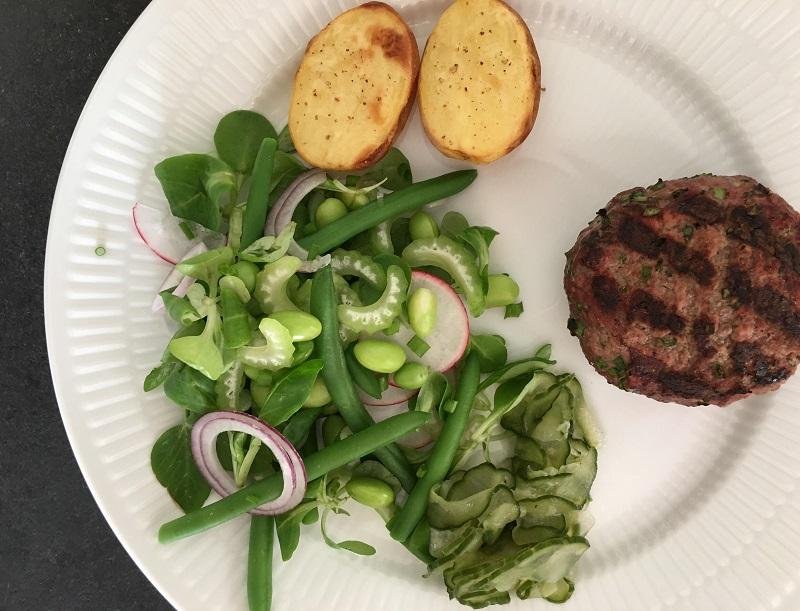
Recipes with potatoes


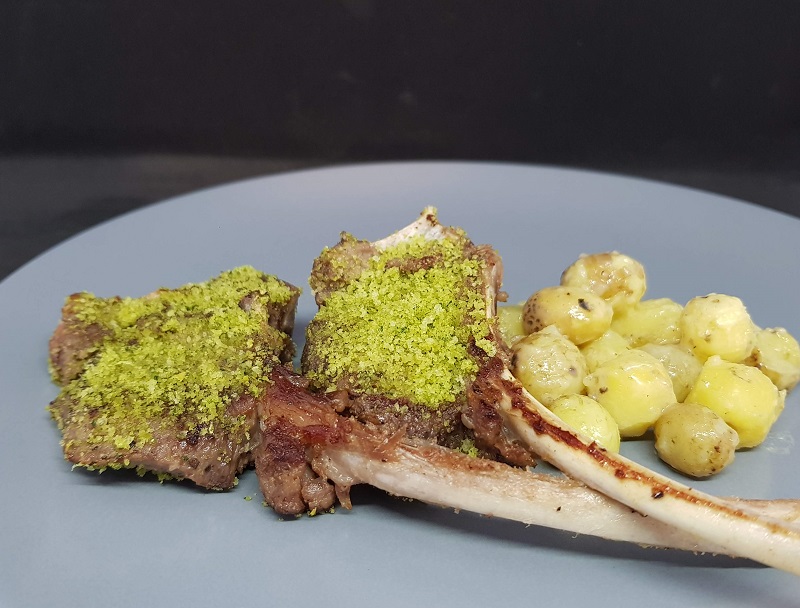
Lamb crown sous vide with gremolata

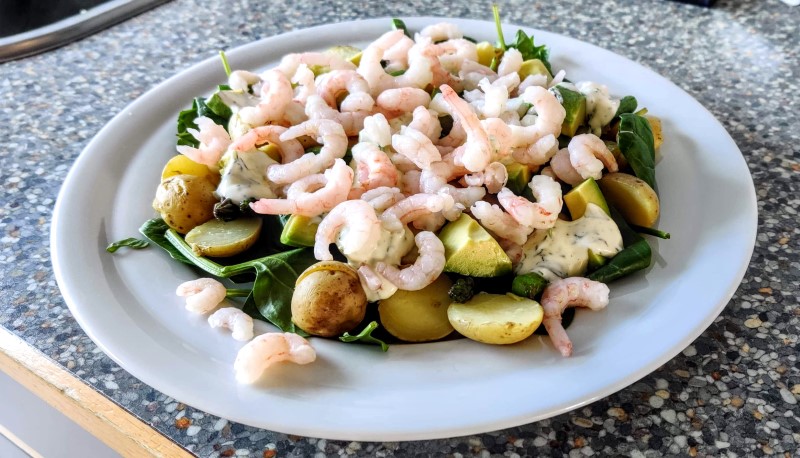
Sweet Potatoes

Sweet potatoes are becoming increasingly popular here. They can replace white potatoes in almost all contexts, and because they are very sweet and rich in flavor, many would call them extra delicate and perhaps even slightly more filling than white potatoes.
Sweet potatoes and regular white potatoes have essentially the same nutritional profile, although sweet potatoes have slightly more fiber and a slightly lower glycemic index than white potatoes. Glycemic index is an indicator of a food’s impact on blood sugar, but the difference between the two potatoes is marginal. Eat the type you prefer and find most suitable for the given context.
Recipes with sweet potatoes

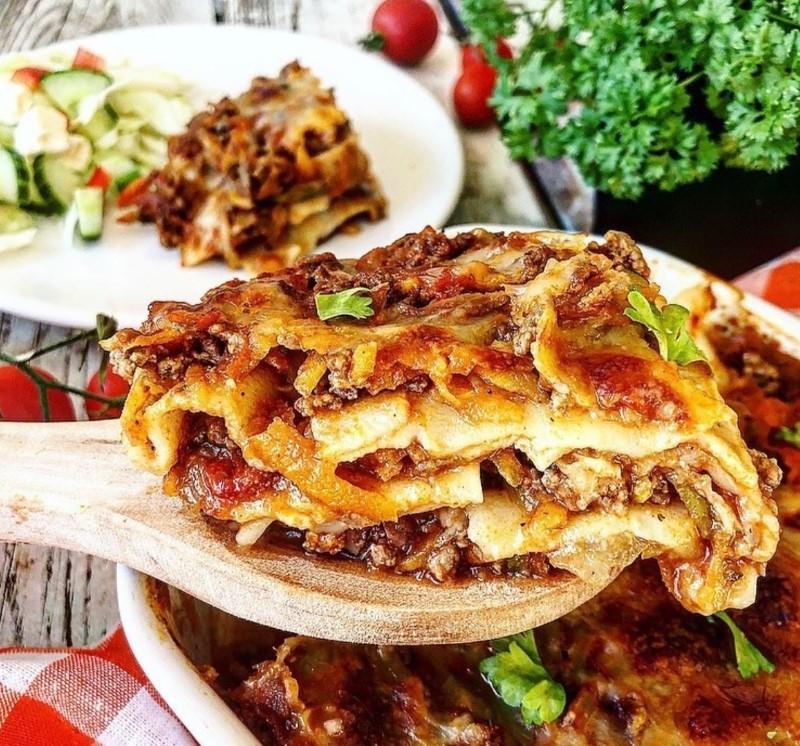

Sweet potato chips (dehydrator)


Yams
Chances are you’ve seen an American film or TV series where Thanksgiving is celebrated. You might have even heard them mention “yams”: the traditional and usually mashed side dish that is essential on a true Thanksgiving table.
However, what Americans call yams are actually sweet potatoes. Yams are something else. Yams and sweet potatoes may look similar in shape, but that’s where the comparison ends. While sweet potatoes are reddish on the outside and orange on the inside, yams are dark brown on the outside and white on the inside. Yams have a quite neutral flavor, but like sweet potatoes and white potatoes, they belong to the category of very energy-dense and starchy vegetables.
Celeriac

Celeriac is one of the good old classics in Danish cooking. The taste is somewhat more characteristic than the other root vegetables, as celeriac in its raw state is somewhat more bitter. However, when cooked, the sweetness and umami shine through.
You can use both the bulb, stalks, and leaves in cooking. The bulb can be eaten raw, for example, finely sliced on a mandoline and drizzled with fresh lemon juice. You can also make breaded celeriac steaks as a substitute for regular minced patties.
Stalks and/or leaves are typically used for bouquet garni or in the classic Waldorf salad.
Recipes with celeriac

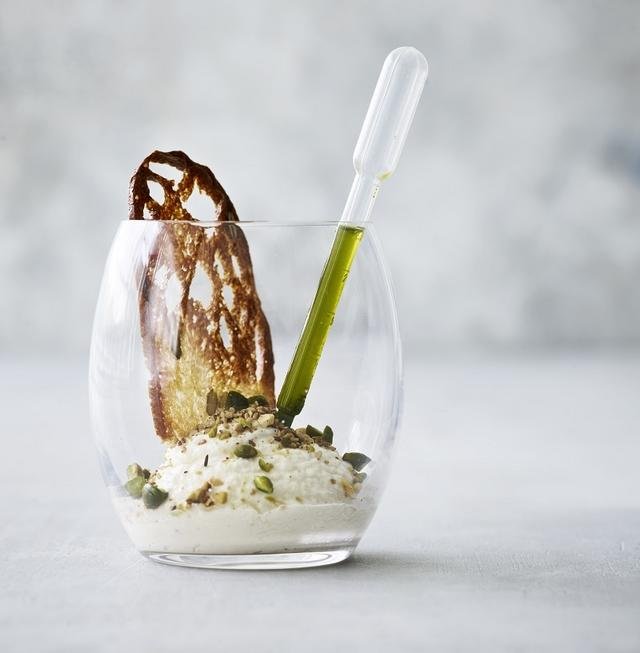
Cream of salt-baked celeriac with pistachio-dukka


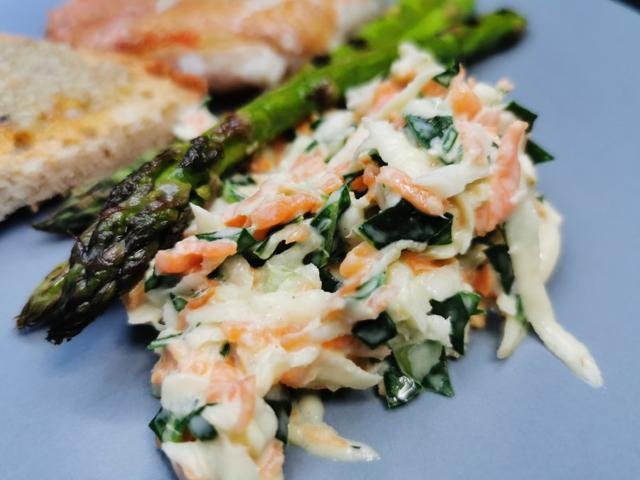
Coleslaw with pointed cabbage and celeriac
Pigeon with grapes and celeriac (Pigeonneaux aux raisins et céleri save)


Rutabaga

The rutabaga – or swede, if you prefer – is a highly underrated vegetable in Danish cooking. In the old days, it was as common as the potato is for us today.
Rutabaga has a sweet and slightly sharp taste, and it can be eaten raw or cooked. You can, for example, make it into fries or bake it with other root vegetables, and you can also try boiling and pureeing it and mixing it into mashed potatoes.
Recipes with rutabaga

Braised beef cheeks with rutabaga puree

Parsnip

Parsnip and parsley root are often confused with each other, and for a good reason. To the untrained eye, they look alike. However, there’s a mnemonic that says, “The parsnip needs to go down with the neck!” Parsnip curves inward at the top, while parsley root curves outward.
The parsnip is slightly sweet, spicy, and nutty in flavor. Parsnip is very common in the Danish kitchen today, but before the potato “conquered” Danish cooking, parsnip was even more frequently used.
Recipes with parsnip
Burning love with root vegetable mash

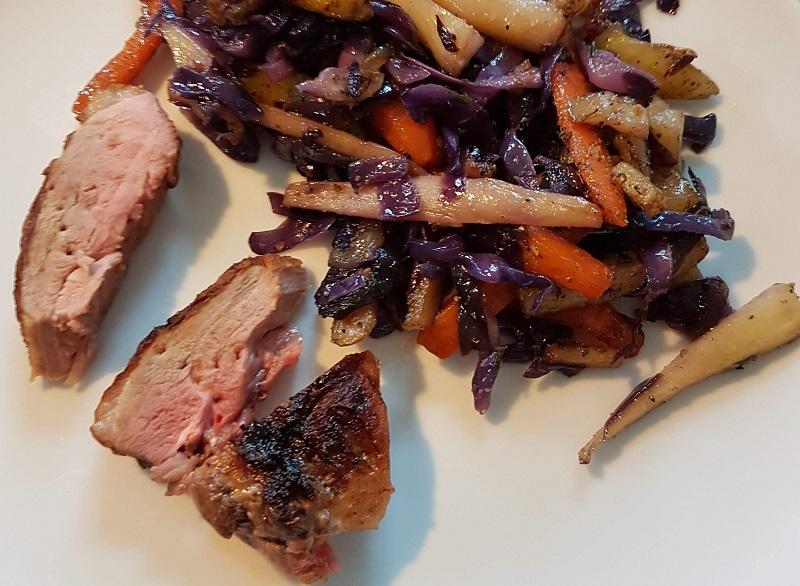
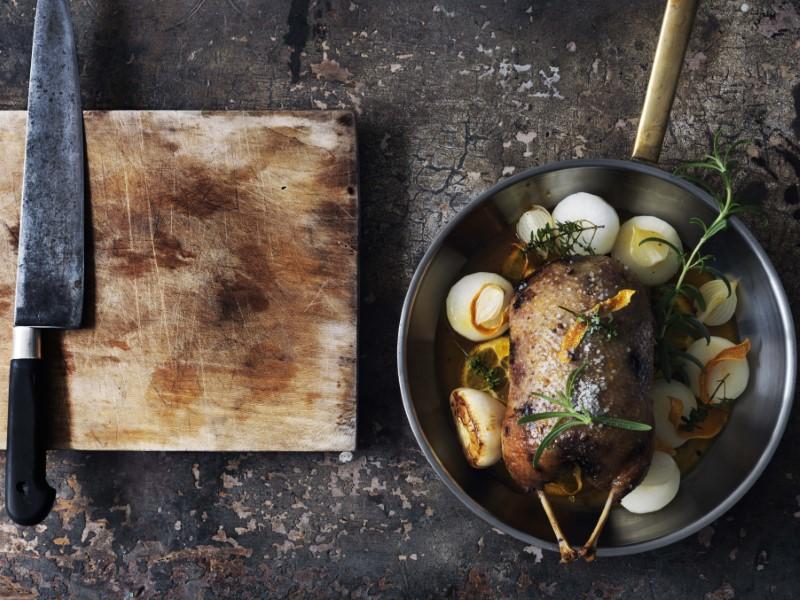
Duck breast with root vegetables fried in duck fat

Parsley Root
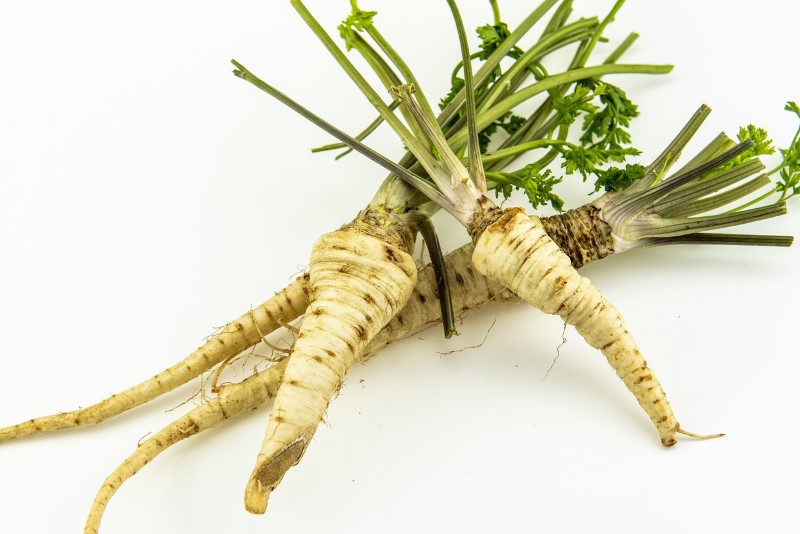
Although the parsley root resembles the parsnip at first glance, the two are very different. Parsley root is more crisp and firm in texture than parsnip, both before and after cooking. Parsley root is also less sweet, but it has a distinct parsley flavor.
It is often used as a soup herb but can also be fried, steamed, deep-fried, and baked. You can blend and mix it into mashed potatoes to give the mash more character, and you can also try making it into a light, creamy puree as a side dish for steak.
Recipes with parsley root
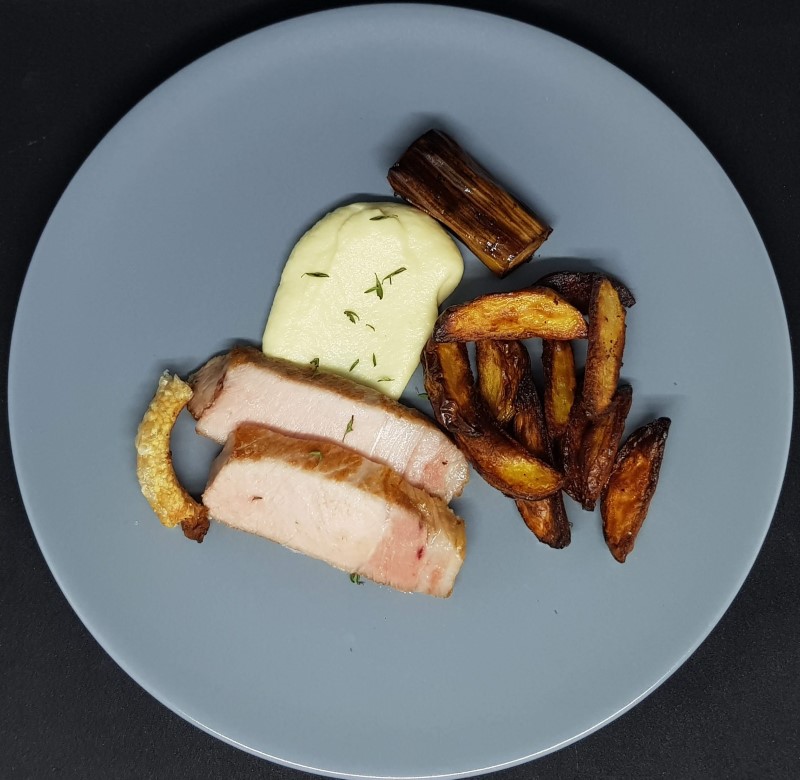
Sous vide pork chops with root vegetable puree and potatoes
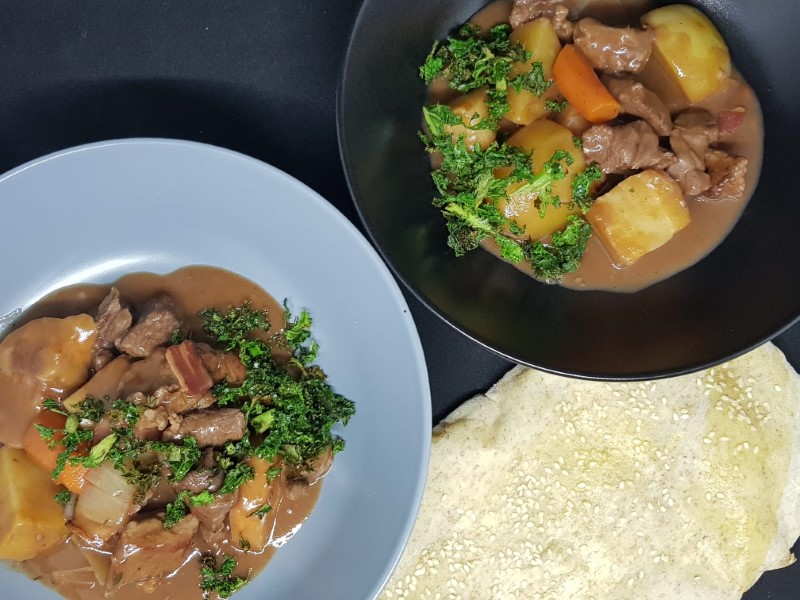
Burning love with chorizo and root vegetables
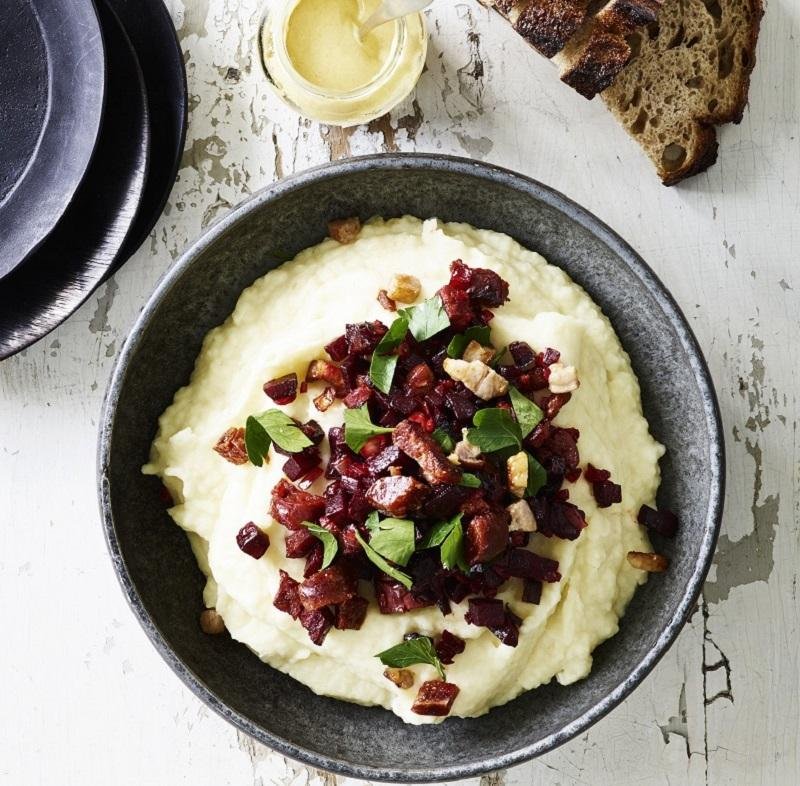
Hearts in cream sauce with root vegetables

Beetroot

In Denmark, we typically use beets as a side dish, either in pickled form on the lunch table or oven-baked with other root vegetables. In Russia, on the other hand, beets form the entire base for the country’s national dish, borscht, which is a beetroot soup.
Beets taste delicious and sweet, but you can also exploit their strong color in a variety of creative ways. Use beetroot juice as a natural dye for meringues in cream puffs, or add beets to pasta cooking water – it gives the pasta a truly incredible color.
Recipes with beetroot

Beetroot tart with goat cheese


Beetroot pasta with fried hake and poached quail eggs

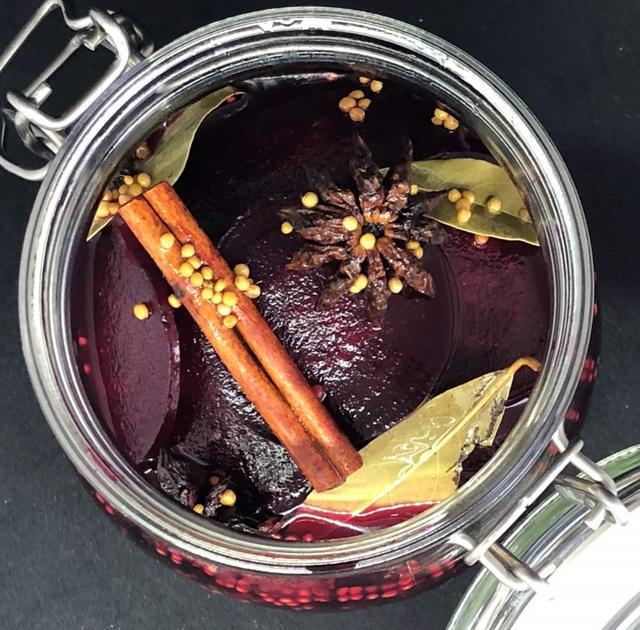


Beetroot soup with horseradish and serrano ham

Sugar Beet

Botanically, the sugar beet is a variety of the beetroot. “Variety” is a level further out than “subspecies.”
Together with sugarcane, the sugar beet is the plant that contains the most sugar from nature, and it is also grown solely for the extraction of sugar. Just one beet can provide about 100 grams of white sugar. Up to 90% of the extracted sugar is used for white sugar, while the rest goes to the production of, among other things, alcohol and animal feed.
Turnip

The turnip descends from wild cabbage varieties and was considered a weed for many years. Weed, however, is simply a term for wild-growing plants and has nothing to do with whether the plant is edible, ornamental, or serves another purpose.
Along with broccoli and cauliflower, turnips belong to the cruciferous family, and the bulb itself is used in cooking. On the outside, it is white with a reddish “face,” and the pink color develops when the sun’s rays react with the turnip.
Turnips are often used in stew, fricassee, and other classic casseroles and stews with, for example, lamb, veal, etc.
Recipes with turnip

Veal roast cooked sous vide with spring greens



Ginger

Ginger is extremely popular in both sweet and savory contexts. The flavor is peppery, lemony, slightly sweet, and “soapy” with a sharp and spicy aroma. Ginger is frequently used in both Middle Eastern and Asian cuisine, but it is also good for adding character in other contexts such as desserts and smoothies.
Ginger has been a well-known remedy for nausea, headaches, etc., for years, although there is no scientific evidence that it has these properties. However, we can all agree that ginger has a wonderfully exotic flavor that can elevate many dishes.
You can peel ginger using a teaspoon and remove the more stubborn spots with a sharp knife.
Recipes with ginger
Chops with sesame-fried vegetables


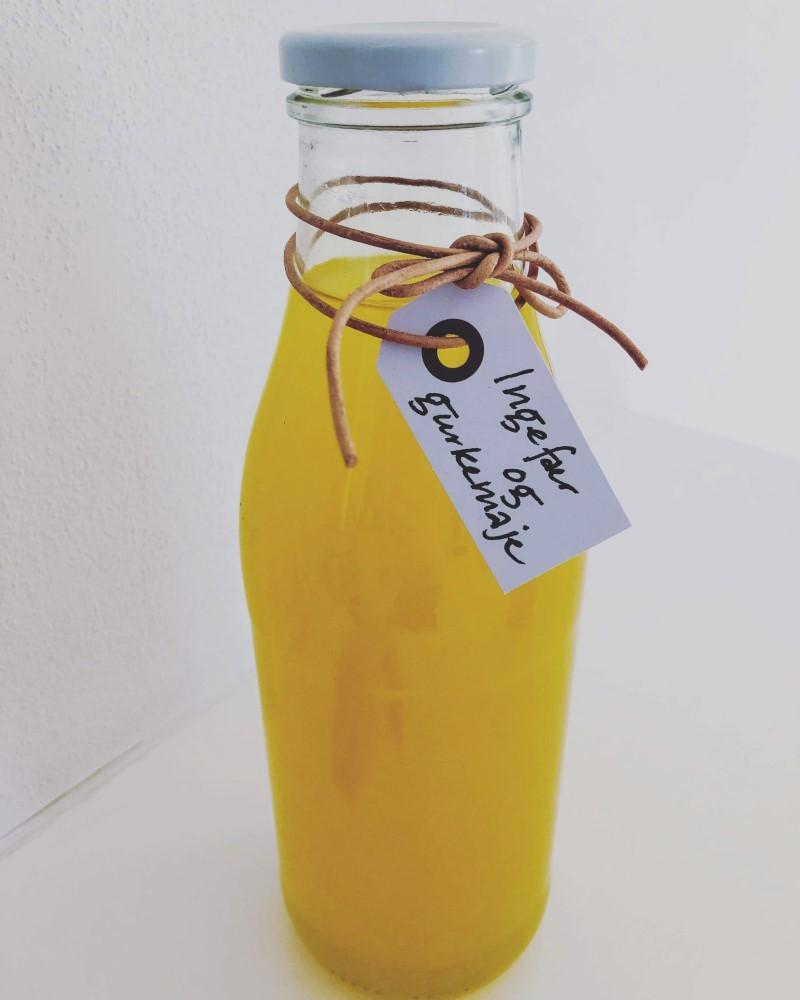

Greenie with spinach and pineapple


Pickled green tomatoes with chili and ginger

Wine gummies with lemon and ginger
