
Lentils are a fundamental ingredient in Indian cuisine. However, over the years, we have discovered that lentils can be used for much more than just dahl and palak. Read on to learn more about these small, round wonders.
Cultivation of Lentils
There are several varieties of lentils in different sizes, shapes, and colors. What they all have in common is that they are seeds from herbs/legumes in the pea family. They originate from the so-called “true lentil,” which comes from Central Asia and the Middle East, and they are all cultivated varieties. They have actually been cultivated for no less than 11,000 years.
It is not easy to grow lentils in our latitudes. Lentils tend to be outcompeted by weeds, as they grow slowly in the Danish climate. However, there are plans to grow many more plant-based protein sources domestically in the future, including lentils, to protect the climate and environment. Meat production is notoriously burdensome on the climate. Increasing diversity in crops also benefits soil fertility, but today rice, corn, and wheat still make up 60% of the world’s crops.
Lentils and Christianity
The Bible is brimming with meals, which tells us a lot about the times and culture back then. And lentils are mentioned several times.
There is, for example, the story of Jacob, who tricks his own twin brother, Esau, out of his birthright. Because Esau is born first, he is considered the eldest, and with that comes a host of privileges.
One evening, Esau comes home from work with a rumbling stomach, and Jacob sees his opportunity to make a good deal while his brother cannot think clearly from sheer hunger.
Jacob offers his ravenous brother a bowl of lentils – but not for free. In return, he demands to take over Esau’s rights as the firstborn. And Esau gives in.
We promise we won’t ask for anything in return for our many lentil recipes at the bottom of this article, so feel free to scroll on.
Meat-Free and Gluten-Free with Lentils
Lentils are naturally gluten-free, and they are particularly popular in vegan and vegetarian circles. Lentils are an excellent source of protein. In fact, the protein content is unusually high compared to other foods. Lentils consist of 27% protein, while kidney beans, for comparison, consist of only 8%, and fresh chicken breast of 23% protein. Even though the body more easily “recognizes” animal protein, one can safely supplement or completely replace meat with lentils and still meet the daily protein needs.
If you wish to increase your protein intake daily, the recommendations from the Danish Veterinary and Food Administration are to increase the intake of plant proteins rather than animal protein. Most of us already eat plenty of meat.
Besides protein, lentils are also packed with antioxidants and minerals. They are also a good source of iron.
Because lentils are rich in dietary fiber, both soluble and insoluble, they ensure a great feeling of fullness. Dietary fibers help support a well-functioning digestion because they stimulate the intestines’ movements, thereby keeping things “moving” and preventing constipation.
Surely, by now, you are convinced that it can be wise to make lentils a natural part of a healthy daily diet!
Preparation of Lentils
Lentils are sold as pantry items, typically dried, and there can sometimes be uncertainty about whether lentils should be soaked or not before cooking. We can tell you that it is not necessary.
Dried beans, on the other hand, including black, white, and brown beans as well as lima, horse, and kidney beans, must all be soaked for 10-12 hours before cooking. The reason for this is that they contain many lectins, which are toxic in large doses. Soaking breaks down most of the lectins.
Lentils differ from beans by containing significantly less lectin. Therefore, it is not necessary to soak lentils first. You can choose to soak the larger green lentils for a few hours, as it reduces the cooking time slightly, but not by more than 10 minutes.
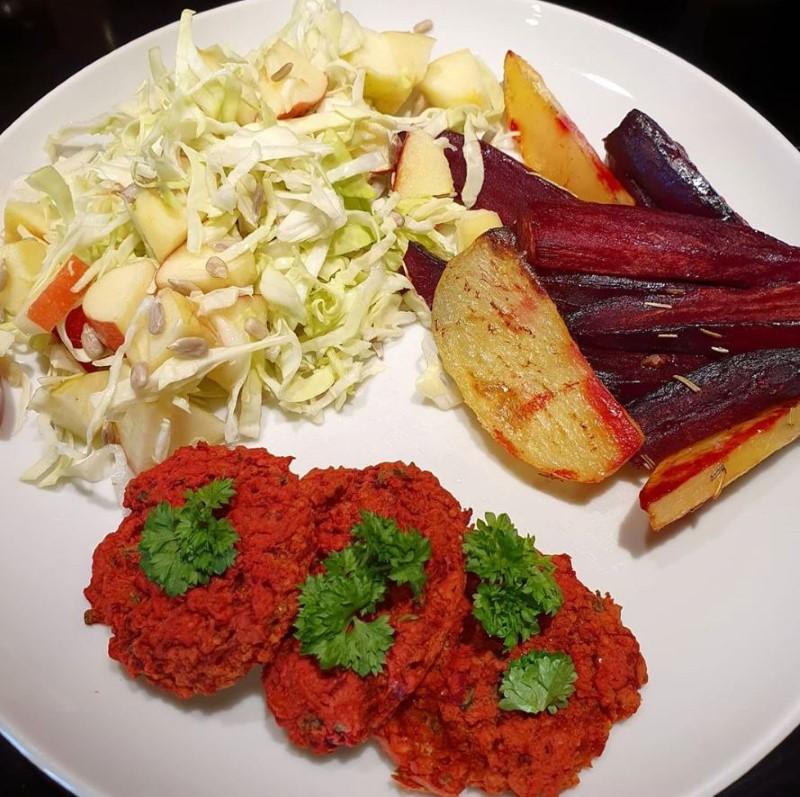
In many cases, you can replace both rice and potatoes with lentils to create a little more variety in the diet. Many meat alternatives are based on lentils, and both fritters, bolognese, and meatballs can easily be made with lentils. They taste great, even to a meat eater.
Lentils are also frequently used in baking when you want to give the food an extra protein boost.

Recipes with Lentils


Spicy Khichri with Brown Rice and Lentils


Indian Beluga Lentils with Eggplant

Hot Dog Buns with Lentil Flour