The Lemon: A Good Friend in the Kitchen
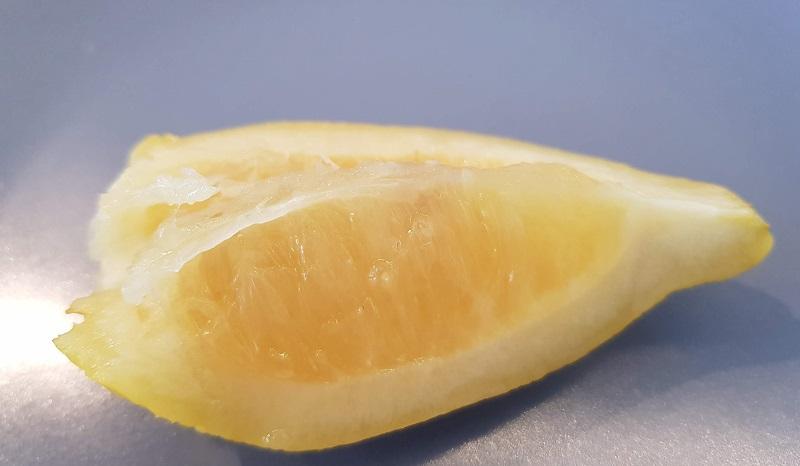
Most people know the lemon: The yellow fruit with very sour flesh. Lemons are probably one of the most well-known and used ingredients in various dishes and desserts. And more and more people are beginning to realize why it’s so important in cooking: It balances dishes by adding acidity to sauces or stews, and additionally, there are countless delicious dessert recipes where lemon is just perfect: It could be the lemon tart, marmalade / lemon curd, lemon mousse, lemon moon cake, lemonade, or ice tea. You can probably see how important a tool the lemon is in our kitchens – and in the household in general, but we’ll get back to that.
The Origin of the Lemon
The lemon originally comes from Asian countries such as China and India. The lemon was discovered back in the 1500s, and in the 1520s, lemons were sent to the Danish court. It wasn’t until the 1700s that lemons became a part of the Danish citizens’ kitchens.
Today, lemons are also cultivated in California and around the Mediterranean. Here, the right climate can be found, which lemons require to become properly ripe.
Cultivating Lemons in Denmark
If you lower your expectations of the final result, you can safely try growing your own lemon trees in our latitudes. There is no fruit guarantee, but it is possible if they are grown correctly.
Since the Danish climate is not as “lemon-friendly” as, for example, California, lemons grown abroad are generally more flavorful than those we can grow here.
How to Grow a Lemon Tree from a Lemon Seed
You can try to start your lemon adventure by taking some lemon seeds from a “ready-bought” lemon from the supermarket and planting the seeds in a pot. The best time to do this would be in the spring: Here, there are many light hours and better chances for good temperatures.
- You should start by buying an organic lemon, as pesticides will not do any good for the lemon seeds’ ability to sprout. The seeds should be thoroughly cleaned of pulp, and it’s a good idea to remove the outer shell of the seed. The seeds should be kept moist until you are ready to put them in the soil.
- A pot should be filled with moist soil, and holes should be pricked in the soil for the seeds, for example, with a pencil.
- Each lemon seed is placed in its own hole, and a small layer of soil is sprinkled on top.
- The pot should be covered with a clear plastic bag to maintain humidity around the pot and the seeds.
- The pot should now be placed in a bright and warm place where it is not exposed to direct sunlight. 15 – 21 degrees Celsius would be the most optimal room temperature.
- Keep the humidity inside the bag high by continuously using a water spray on the soil and then cover the pot again with the plastic bag. However, the soil should not be directly wet.
- Remove the plastic bag when the sprouts appear above the soil! After that, your lemon plant should get plenty of light, preferably sunlight, or alternatively light from a growth light if you have one.
- Preferably plant the lemon trees in citrus soil when they are ready to be potted.
A citrus plant should neither dry out nor be overwatered: It requires a little water quite regularly to be able to bear fruit – as they say.
Again, note that it is not certain that your tree will ever bear fruit, but it is fun and cozy to have made the attempt. If nothing else, you have at least grown a tree.
You can also buy a lemon tree at a nursery if you don’t have the courage to start completely from scratch and grow your tree entirely on your own. At the nursery, you can also receive advice and guidance for the most optimal care of your lemon tree.
Other Uses
The lemon is one of the most wonderful substances that exist. It is not only good in cooking or kitchen purposes. Also, in the household and everyday life, the lemon is a tool that many household tips are based on.
For example, it can be beneficial to start each morning with a cup of water – preferably warm – with the juice of half a lemon. The lemon is known to have a cleansing effect, as it contains substances that can help remove the toxins that accumulate in the body.
A cup of water with lemon in the morning can, for some, reduce the risk of heartburn and kidney stones, as well as have a positive effect on high or low blood pressure.
Another old household tip for a better night’s sleep is to place the flesh of two lemons on a plate and place it next to the bed. The flesh should be replaced every second to third day.
And lemon can also be used externally: If you have teenagers in the house who struggle with very oily skin, they can try mixing two tablespoons of lemon with two tablespoons of hazelnut oil and one deciliter of oatmeal. The oatmeal will absorb excess oil, while the lemon has a healing and cleansing effect on the skin. The lemon also acts as a disinfectant, helping to remove impurities.
Recipes with Lemon
With all the good – and more or less controversial – uses of the lemon, its delightful taste and what it can do in cooking should not be forgotten!
Below we have gathered all our best recipes where the lemon is included: From the sweet to the savory kitchen and over to deliciously refreshing beverages.
Sweet Treats / Desserts with Lemon
French Lemon Tart with Burnt Meringue




Vanilla Muffins with Lemon Curd




Lemon Layer Cake with White Chocolate




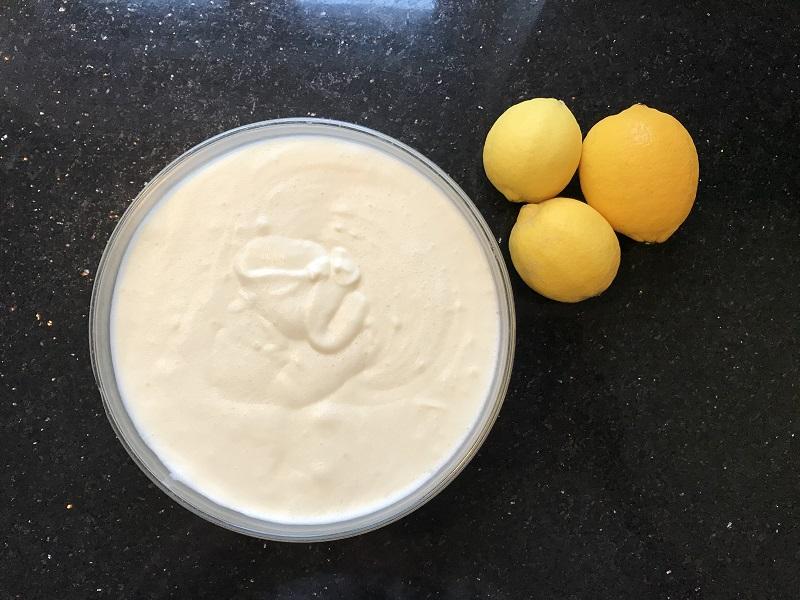
Lemon Mousse with Burnt Meringue












Main Dishes with Lemon
Artichoke with Whipped Lemon Butter






Drinks with Lemon



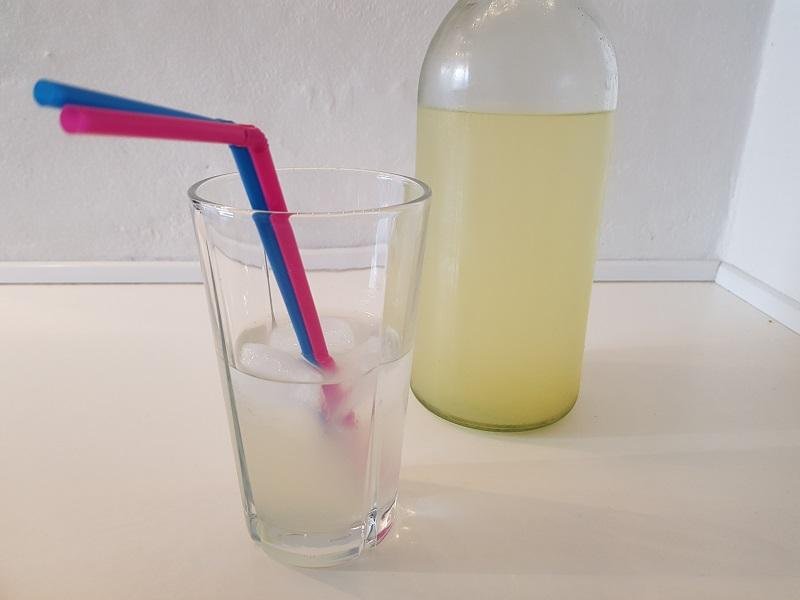


Elderflower Cordial without Citric Acid