

The Extraordinary Gastronomy Found in Danish Nature
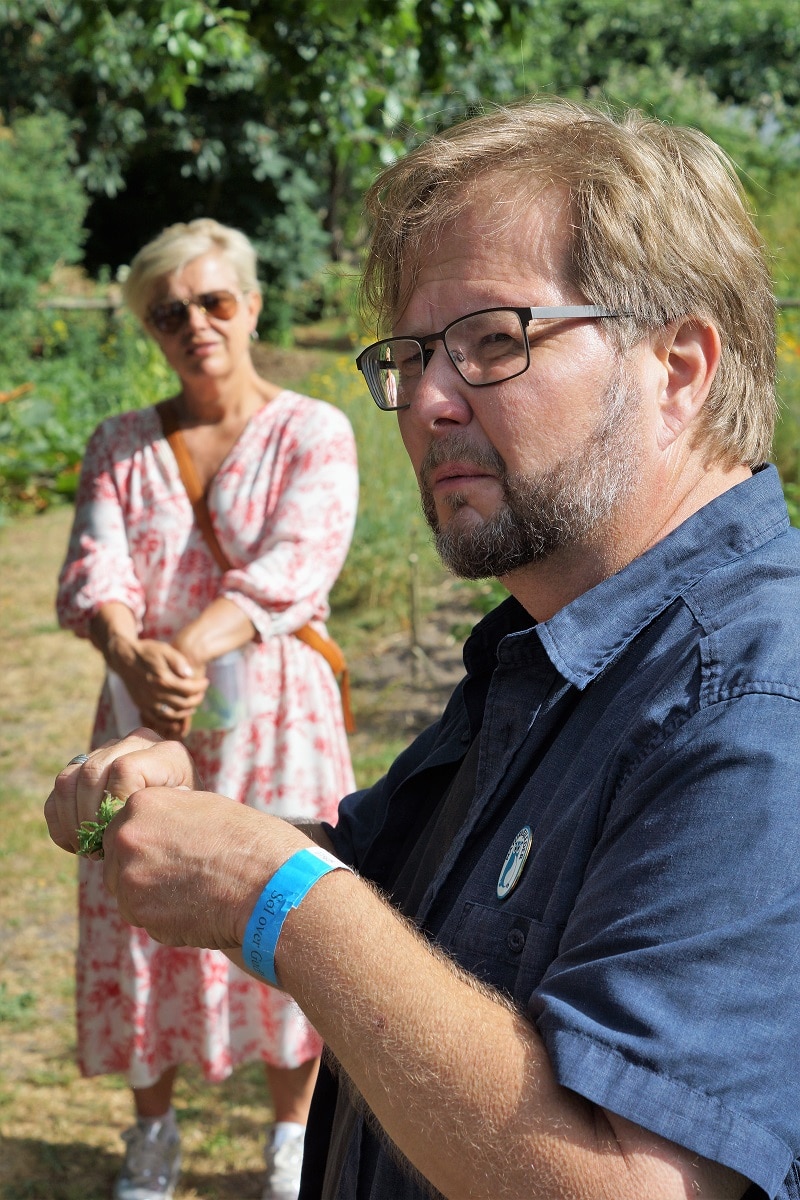
In connection with our press coverage of the Sol over Gudhjem competition, we at Gastrofun.dk had the exclusive opportunity to go on a foraging trip with Thomas Guldbæk, who is the daily communication manager and nature guide at Bornholm’s ‘Food Culture House,’ and also forages for Noma in Copenhagen. He was therefore also responsible for foraging the herbs and flowers used by the participants in their competition dishes.
We started by meeting Thomas in an area in the middle of Bornholm’s nature, where we couldn’t see much besides nettles and ground elder. Nevertheless, he informed us that in this very area, there were over 300 different herbs and flowers that could be used for cooking. This was met with great skepticism from the press corps, but we were all quickly convinced.
Not far from there – in the middle of a small brook – stood a large green plant, and upon closer inspection, we found that it both smelled and tasted strongly of mint. Not something we had expected to find in a Danish brook, in the heart of Bornholm’s nature. The plant we found will be mentioned later in the article.
Before we really started foraging, Thomas explained the properties of the various herbs and flowers, how to best extract their flavors, and which medium is best used for the different things we found.
Basically, one can say that flavor can be extracted from herbs by using water, hot water, fatty liquids (oil or cream), or alcohol. The key here is that the different types of liquids extract flavor more effectively than the previous one, and the extraction property is arranged that way. Therefore, alcohol is the absolute most effective for extracting flavor, but caution is advised, as not everything put in alcohol turns out well.
This is because the first flavor extracted is floral, then sour, and finally bitter flavors. Therefore, a particular herb may have a good floral scent, but if left too long in alcohol, the flavor can end up being bitter. For this reason, it’s important to assess how strong the flavor of the herb or flower being used is. The stronger the flavor, the more one should consider the liquid used.
A final good advice we received from Thomas – if you’re inclined to forage in Danish nature – is to consider where in the country you forage. For example, there’s only 0.3% salt in the Baltic Sea, whereas there’s 3% in the North Sea. This means beach herbs picked around the Baltic Sea taste less salty and more herbal, which can have a significant effect on the flavor, depending on how the herbs are used.
7 Things We Foraged in Nature That You Can Enjoy
After the very educational foraging trip with Thomas, we present 7 things we foraged, along with a description of their taste and possibilities. Although we found many other flowers and herbs, we thought these 7 experiences were the most exciting. You will surely be as surprised as we were, and there follows a small recipe for a delightful summer drink at the end of the article.
Wild Mint (Water Mint)
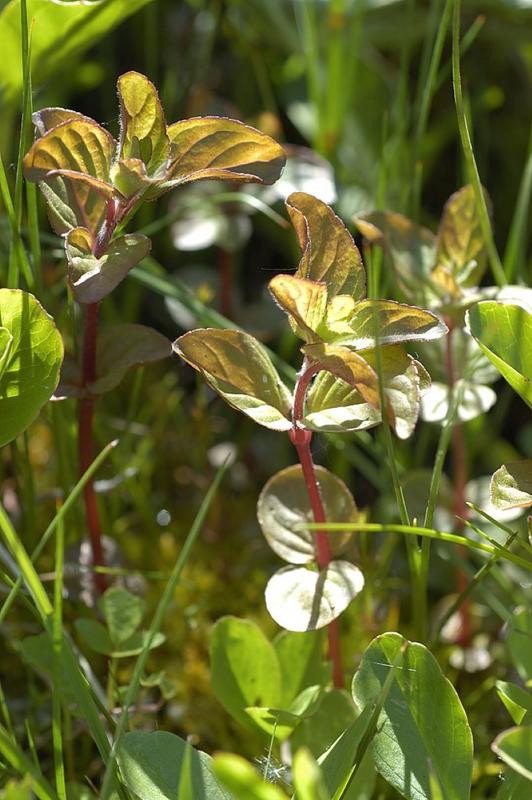
As mentioned, the first thing we found was water mint, and both the taste and aroma from the leaves surprised us. Both are much more potent than the mint you can buy in supermarkets. Water mint can be found throughout the country, where it thrives best in very moist soil. Therefore, it is best found around streams and lakes. However, it can also be found in people’s garden ponds, mixed with water lilies and other aquatic plants. It is very popular because it is very hardy… And yes, they can also be eaten.
Notable Properties
- You can forage and eat both leaves, flowers, and stems.
- The green leaves taste more floral and less like strong mint. The redder the leaves, the more minty they taste. In fact, they are so much stronger that the flavor becomes more peppermint-like.
- The leaves can be used in various Asian or Middle Eastern dishes, such as couscous salad or a delicious mojito.
Sweet Cicely/Spanish Chervil (The Fragrant Plant)
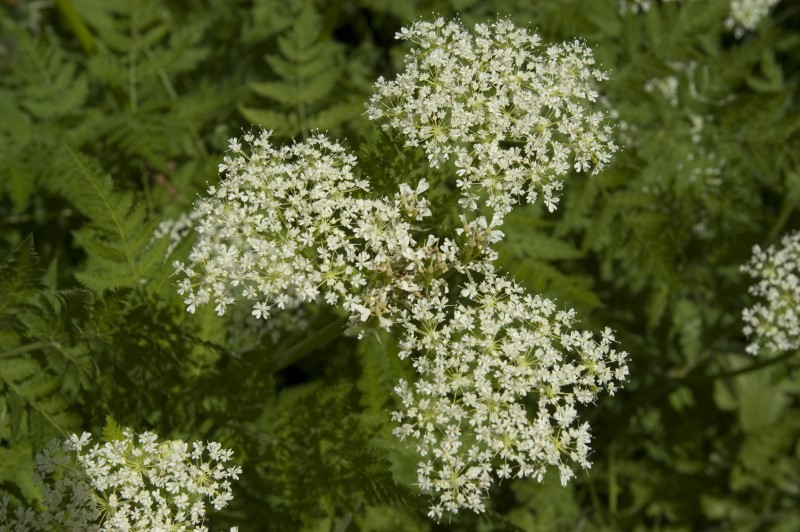
This plant is often mistaken for ground elder and thus considered a weed, but if you find Spanish chervil in your garden, don’t dig it up. In fact, it helps combat ground elder, but its best quality is its flavor. It has an intense and well-rounded taste of licorice/anise.
The leaves themselves do not have much flavor but can be used in soups, schnapps, or as beautiful garnish on a dish. The best part of the plant is the small green and unripe seeds that protrude along the flowers. They can be eaten raw, as a form of natural licorice candy, but from there, only imagination sets the limits. They can be used in schnapps, salads, and both in savory and sweet kitchens.
Notable Properties
- The plant is found throughout the country, although people in Northern and Western Jutland might have to search a bit longer for them. Despite this, they thrive well in moist soil and can be found in everything from forests to cities and roadside ditches.
- The plant can be foraged from early spring to late fall, but the seeds are best in summer.
- One can advantageously use the seeds or leaves to cure salmon instead of using dill. It provides a different – but delicious twist – to an otherwise well-defined dish. Alternatively, you can throw the seeds in a mortar, mix them with strawberries, and make your own ‘King of Denmark’ candies.
Ground Elder
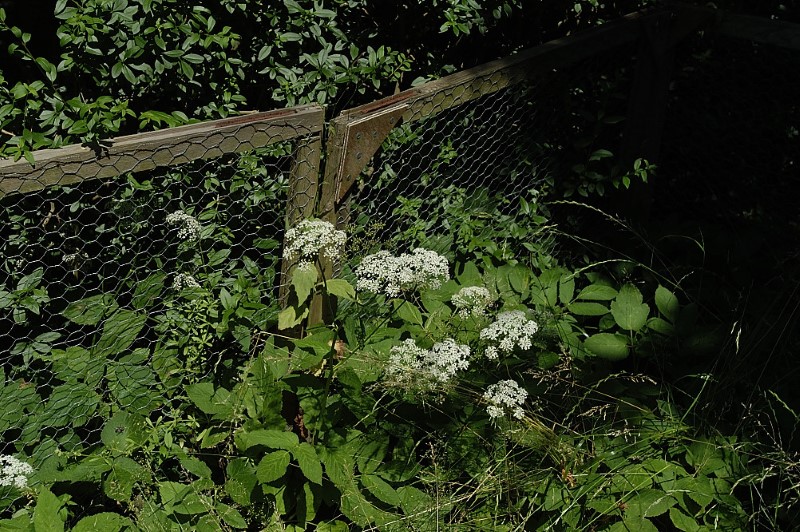
It is often mentioned as the gardener’s enemy number one, on par with slugs and moles in the lawn. But in fact, one should use the plant in their savory kitchen, instead of just cutting it down and digging it up. It is perfect for pesto and has a characteristic taste of parsley and celery. So instead of using well-known plants like basil, you can make your very own new Nordic variant of pesto.
Notable Properties
- The plant is found almost everywhere – to the great frustration of many garden owners.
- If you want to use ground elder in your cooking, it is best to pick the plant before all the leaves unfold completely.
- Be aware that mature and dark green leaves can have a bitter aftertaste.
Mugwort
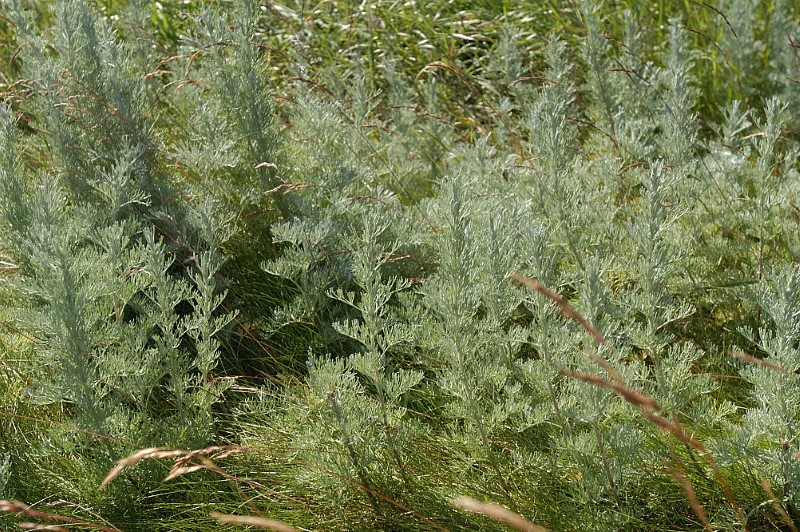
Most people probably know the expression: “A fly in the ointment,” as a description of something that can ruin the good mood. And with good reason, as the herb itself is very bitter in taste and has been described as poisonous in other contexts. However, this has not been firmly documented, and Thomas provided a good explanation for it. Mugwort is one of the main ingredients in the production of absinthe, which has proven to be toxic without expert guidance and proper methods. The herb is a central ingredient in the production of ‘bjesk’, and is also known as “schnapps herb.” However, one must be very careful if choosing to make schnapps with the herb, as it is very bitter, which greatly affects the extraction time.
Notable Properties
- The plant is found in Denmark as garden mugwort and coastal mugwort, but has the same taste characteristics reminiscent of classic spirits.
- You can use the young yellow flowers in the spring to make a schnapps with a more rounded flavor.
- As the plant is very bitter, one should not let it steep in schnapps for more than a week, otherwise it becomes undrinkable.
Woodruff
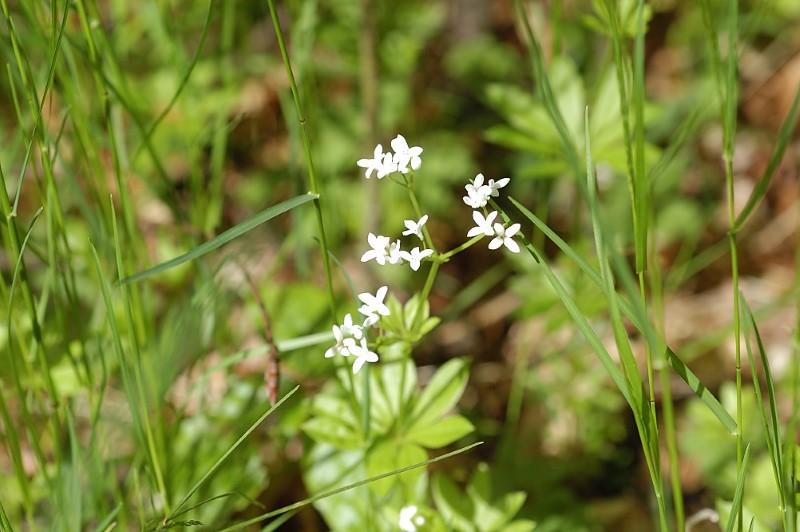
This plant is particularly interesting, as it is also called “the Nordic amaretto,” because it has a characteristic taste of almonds and vanilla. In fact, it is so powerful and exciting in its flavor, that others believe it tastes more like vanilla, cardamom, and cinnamon. Nevertheless, the beautiful green plant, with its small white flowers, has much to offer. And with very few ingredients, you can make the perfect welcome drink. All it takes is a sweet white wine and a handful of woodruff flowers, mixed together and placed in the fridge for an hour. If more interested in the amaretto part, you need a schnapps and a bouquet of woodruff, chopped into smaller pieces and put into the schnapps. After 10-11 days, you have a delicious Nordic amaretto, best enjoyed ice-cold.
Notable Properties
- The plant is found in all beech forests and blooms from April until the end of May.
- Be aware that the plant contains coumarin – the same substance found in cinnamon – which means you should not consume too much in a short time.
- Another important note about the plant is that it should be enjoyed either fresh/moist or dried. If it transitions between being moist and dried, the plant will eventually develop strychnine, the same substance found in rat poison, which is deadly for humans.
Pineapple Weed
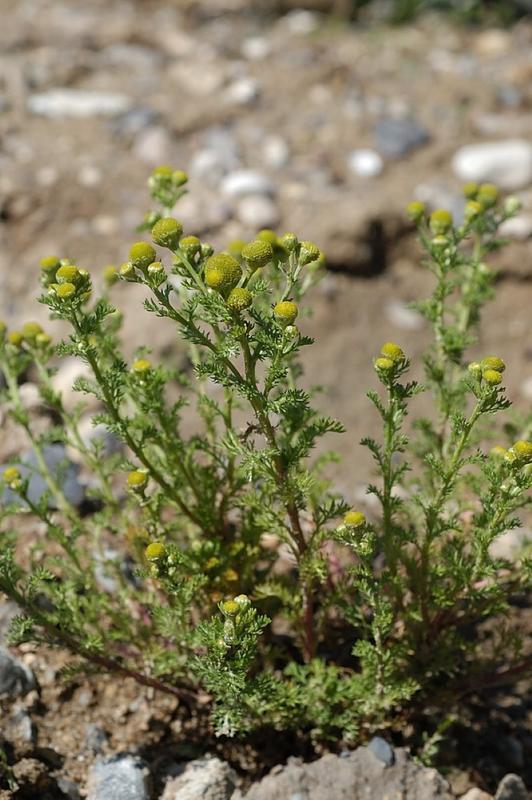
Many are often familiar with this hardy plant along roadsides. With its hard stems, small green leaves, large yellow flowers, and strong chamomile scent, it is a familiar sight in Danish nature. Few, however, have thought of picking and using it in cooking, which is unfortunate. Its flavor is much more potent than classic chamomile, and it is also called “the pineapple weed,” due to its characteristic pineapple aftertaste.
Notable Properties
- It is a good example of an herb best extracted in cream, as the mass after appropriate extraction time tastes like the ice cream ‘Københavnerstang’.
- Only the flower is edible, which can be used in everything from tea to sweet dishes.
Wild Garlic
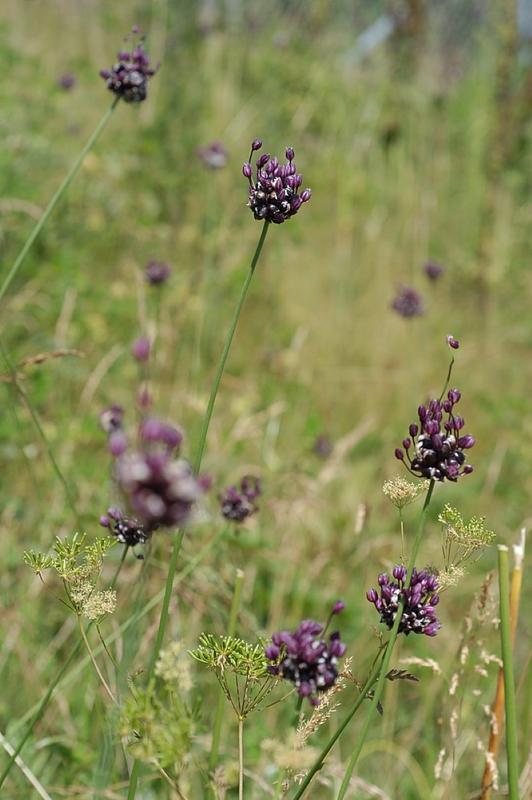
Here we find the editorial’s absolute favorite herb among all those we foraged. Wild garlic is a fantastic plant, where the different parts of the plant have a more or less intense onion flavor. It is found throughout the country and is often an overlooked plant, but if you see a tall plant with small black pearls and small purple flowers, it’s worth taking a closer look. You can forage it from April to September and the different parts of the plant provide widely different flavor impressions. The purple flowers have a light and rounded onion flavor, while the small green pearls provide an onion explosion.
Notable Properties
- You can pick and use the green leaves in the spring, while the pearls and flowers are best in summer.
- The plant can be cut down and foraged during the season, as the plant will then shoot again. You can advantageously spread some of the small seeds on the ground. Then you’re ready for next season.
- The flavor of the onion pearls is very strong, where the taste continuously increases in intensity in the mouth. Therefore, they should be dosed sparingly, but they are perfect in a delicious summer dressing made with crème fraîche.
Recipe for “The Taste of Our Local Area”
The whole foraging trip was rounded off by us having to make our own dessert seasoning, including some of the things we had collected. For this little fun event, we could enjoy one of Thomas Guldbæk’s own recipes for a delicious summer drink, with things foraged from Danish nature. And it is with great pleasure that we can share the recipe with our fantastic readers.
• Lady’s Bedstraw: 3 green sprigs with flower clusters
• Tansy: 3 tops
• Mugwort: 3-4 tops
• Common Sorrel (Wood Sorrel): 5-6 leaves
• Blackcurrant Tops: 2-3 pieces
• Lemon Thyme: 4-5 sprigs
• Rose Petals: 6-8 pieces
All herbs are squeezed/massaged to release as much flavor as possible.
Steeping time: 1.5 hours in Aalborg base (A commercial schnapps).
Rhubarb syrup: Boil and drain the juice from a portion of rhubarb. The drained juice is boiled for 10 minutes with the same amount of sugar as juice, and then cooled.
Garnish: Rose petals or flowers of Viper’s Bugloss + ice.
You can follow Thomas Guldbæk and his work on the website www.gaarden.nu
/Photos:/ www.danmarksflora.dk