

The Danish high summer is upon us. The calendar says so, if nothing else. And summer means long, bright, and warm evenings with grilling, good food, and wine under the open sky.
An old Danish name for light is ‘skær’, which is why the Danish name for June used to be ‘Skærsommermåned’, but June is also named after Juno: the goddess associated with love and marriage in Roman mythology.
If there’s something we personally have a lot of love for in June, it’s the many new ingredients that the Danish nature offers this month.
Why eat seasonal ingredients?
Perhaps you already have the habit of choosing seasonal ingredients, or maybe it’s still a relatively new concept for you.
Whatever your motivation, you probably know that there are several advantages to going specifically for ingredients that are in season right now.
Besides being cheaper, they just taste better. Additionally, it is environmentally friendly to eat as locally as possible, and you are also supporting Danish producers.
What’s in season in June?
Most of June’s ingredients have a rather short season. That is also why most of the ingredients on the list are strongly associated with real Danish summer – such as Danish peas, strawberries, and elderflower.
Additionally, we should eat large amounts of grilled mackerel, new Danish potatoes with parsley, and delicious crunchy carrots, pointed cabbage, and radishes.
Below, we’ve gathered ten of our June favorites, supplemented with plenty of inspiration and usage ideas – and a little fun anecdote or two along the way.
Elderflower

“Where the elder will not grow, no man can dwell”
This is our tribute to the elder: The large shrubs or small trees that adorn many roadside ditches, gardens, and forest edges, and that are in full bloom this month with their beautiful, pale white umbel flowers!
Did you know that elder is actually poisonous? Only the flowers and berries can be eaten, and the berries must never be eaten raw but must always be boiled first.
In the old days, elder was used medicinally, as decoctions from the elderflowers were said to have a diaphoretic and fever-reducing effect. Additionally, elderberries were supposed to help against colds and flu. Maybe you were served elderberry soup as a child to combat a cold?
According to Nordic mythology, the goddess Freya lived in the elder tree, and therefore one should not cut down the elder without first asking Freya, also called Elder Mother, for permission.
We always recommend that you avoid picking elderflowers from trees/bushes growing near busy roads. Additionally, it is a good idea to only pick the flowers in sunshine when they are fully “open” and dry.
How can you use elderflower?
You can’t miss elderflower cordial, but you can also use elderflower for tea and pancakes, among other things.
- Elderflower Tea: Place a small cluster of fresh flowers in a cup with the stem upwards and pour boiling water over. After five minutes, the tea is ready, and you can choose to season it with sugar and fresh-pressed lemon. If you dry the flowers, you can make lovely elderflower tea for the rest of the year!
- Elderflower Pancakes: We don’t quite know whether to call them pancakes, or maybe they should be called “fried elderflowers” or “elderflower fritters.” Dip the flower clusters in pancake batter, then fry them. Drain on absorbent paper and serve the warm elderflower fritters sprinkled with powdered sugar and blackcurrant jam for dipping.
- Elderflower Cocktail: Mix one part elderflower cordial with one part gin and one part vermouth. Season with lime juice and serve in cocktail glasses.
- Grill Spice: The sweetness of elderflowers pairs very well with pork in particular. Dry the elderflowers and possibly pulverize them, so they are easy to sprinkle over the meat.
More recipes with elderflower
Gooseberries
Gooseberries are really underrepresented in Danish kitchens, but hopefully, we can change that a bit.
The gooseberry bush is up to one and a half meters tall and is related to blackcurrants and redcurrants. The bush has thorns and is cultivated solely for its berries. Additionally, it grows wild in several forests, so it’s just about getting started with picking.
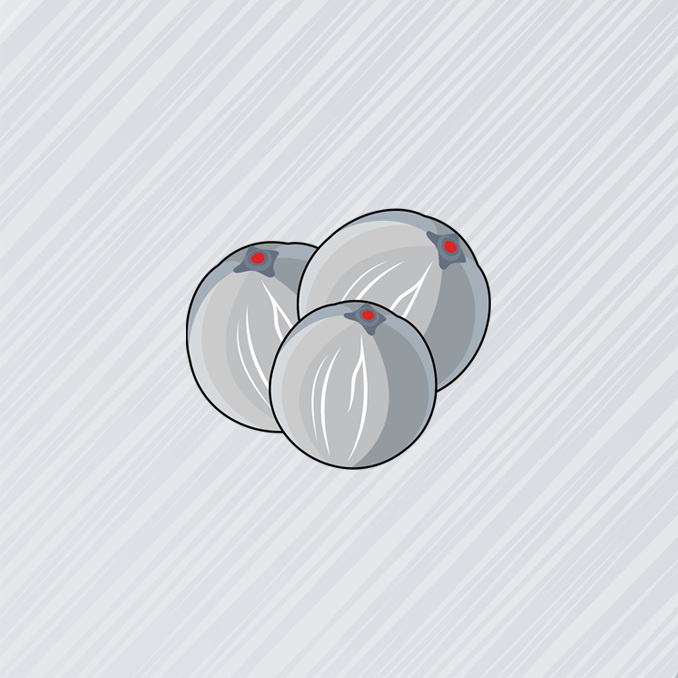
Gooseberries can range from completely round to more elongated, and the surface can be either smooth or slightly hairy. The color can also vary from green to yellow to red. The green, unripe gooseberries are very sour, whereas they become sweeter as they ripen. However, the seeds are also larger in the ripe berries.
If you need a little break from the season’s many rhubarb, gooseberries are a great alternative.
How can you use gooseberries?
You can certainly eat the berries directly from the bush, but in addition, gooseberries are primarily used for jam and compote and in various desserts.
If you’re making jam or compote, it can be tempting to use the sweeter and ripe berries. However, you should always use unripe gooseberries, as these contain more pectin. Pectin is a type of fiber used as a natural and vegan gelling agent. Pectin also ensures that the fruit – and thus the jam – does not become dark. The pectin content in fruit is therefore crucial for the finished result. Both lemons and apples have a high content of pectin, for example.
You can use gooseberry compote to make a lovely summery trifle. Feel free to be inspired by this classic rhubarb trifle with crumble and whipped cream or this prune trifle with crispy rye bread crumble.
You can also serve the compote with ice cream, on top of pavlova, in layer cakes, or served with cheese, chicken, and fish.
Gooseberries can keep for 3 – 4 days in the refrigerator. They are also suitable for freezing.
Recipes with gooseberries

Mackerel
Dear mackerel, it’s time to have delicious, fatty fish on the plate!
You know it from the can, either more or less maltreated beyond recognition or in relatively decent fillets wrapped in tomato sauce. You have probably, in any case, consumed several rye bread sandwiches with mackerel in tomato over time.
Often, when fish is to be served, we either resort to the canned version or the one found in the supermarket’s frozen or refrigerated fish. However, there is much to gain in terms of taste experience by visiting the local fishmonger.
At the end of June, large schools of mackerel migrate across the border into Danish waters, where they stay until the fall.
The west coast is the first to catch the mackerels, but as the schools move further east and around the Kattegat, both East Jutland, Zealand, and the islands also enjoy the freshly caught mackerels later in the summer.
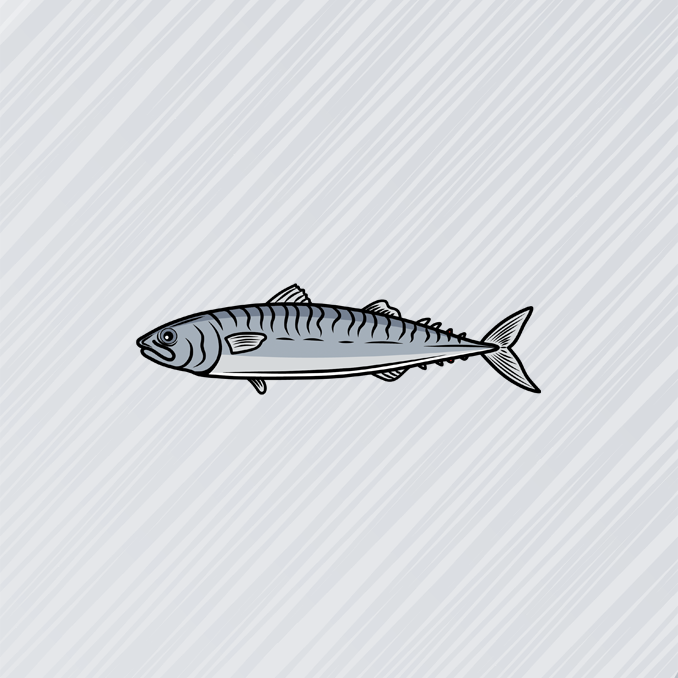
Mackerel is dark and fatty in its flesh, and the flavor, which can be described as rich and slightly spicy, is unique. Mackerel is also the fish that contains the most of the good, healthy fish oil.
How do you prepare mackerel?
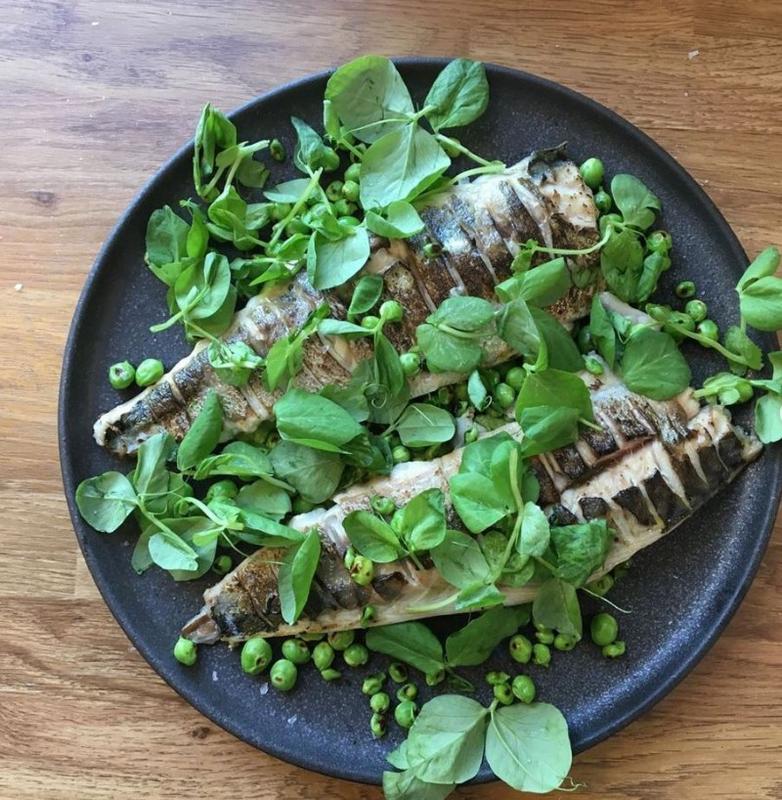
Whole, fresh mackerel becomes particularly heavenly when smoked or skin-fried, -baked, or -grilled, but it can be prepared in many ways.
If the mackerel is going on the grill, you can, for example, fill the belly with fresh lemon slices. The fatty fish can easily be served without much garnish, but just balanced with a bit of acid and fresh herbs, some bread, and a green salad.
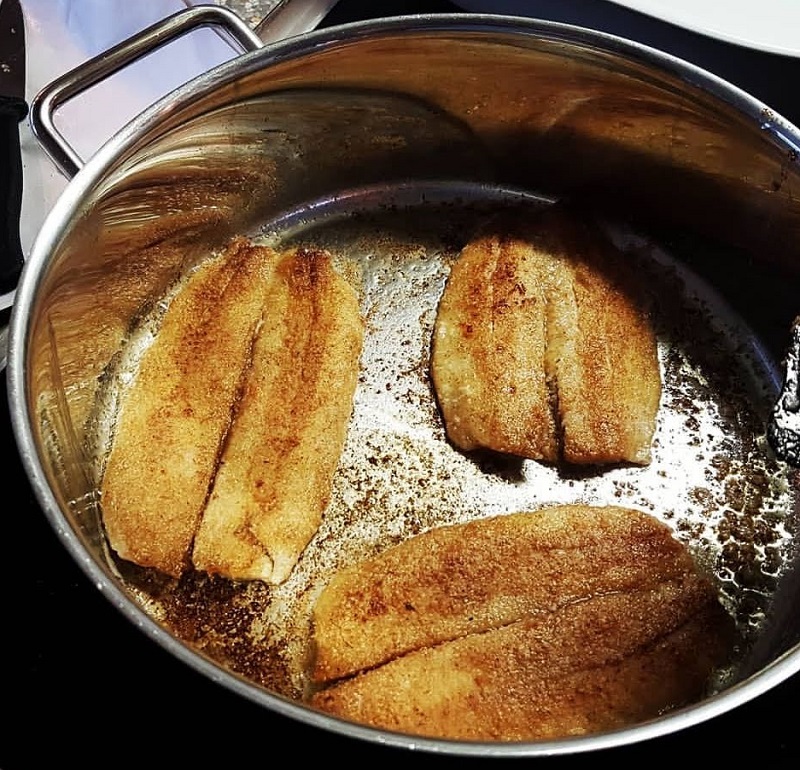
If the weather is not suitable for grilling, you can throw the whole mackerel on a sizzling hot grill pan for 4 minutes on each side or serve it as pan-fried fillets with crushed potatoes, quick-pickled beets, and capers.
Yes, of course, you can also give it a go in your sous vide water bath. We have a recipe for that here.
More recipes with mackerel

Herring
“We have traveled, but now we are back.
There was something we missed that can drive a Dane wild.
It is not beer, roast pork, or cake.
It’s simply the Danish herring.”
Thus sings Shu-bi-dua, and although it may not refer to the type of herring most of us would serve to our guests, fish is not so bad at all – especially if you ask the popular Minna and Gunnar, who made a splash on Danish TV screens back in 1997.
However, Minna and Gunnar didn’t just teach us that fish isn’t so bad. They also claimed there’s “nothing to it,” but there is!
And that might be one of the reasons why we Danes are hesitant to incorporate more fish into our daily lives.
It’s a shame.
Fish is an excellent delicacy. Moreover, Denmark is one of Europe’s largest fish nations. Eating from our own underwater pantry therefore supports Danish fishermen, producers, and suppliers.
Herring is found in the Baltic Sea, North Sea, and the northern part of the Atlantic Ocean, and since the herring stock in the waters is high, we should certainly not hold back.
Herring is packed with vitamin D, which our bodies crave during the dark months. Additionally, herring is among the fatty fish with a high content of the good omega-3 fatty acids.
If you want to know more about fish in general and see even more delicious fish recipes, you can find more here.
How can you use herring?
When you hear the word herring, it’s hard not to think of either the smoked, Bornholm specialty, Sun Over Gudhjem, or the marinated or fried version on the Christmas table.
This lovely fish can do much more than just be enjoyed on the Sunshine Island or in December.
Herring is also lovely grilled, steamed, or oven-baked. Try, for example, baking it in the oven, wrapped in baking paper with dill and lemon.
Serve the herring with potatoes, some baked tomatoes, and a fresh green salad. Egg yolks, for example, dried or both smoked and salt-dried give a fantastic counterpoint to the mild, fatty herring.
You can also prepare the herring in sous vide and serve it on a slice of homemade rye bread with a fried egg yolk and some curry dressing. Check out this recipe.
The high fat content of fresh herring means that fresh herring spoils quickly. Depending on the freshness of the herring, fresh herring has a relatively short shelf life.
Ensure the herring’s scales are fresh and shiny, the gills are dark red, and the fish smells fresh of the sea. If you find the herring cut into fillets, ensure they are not discolored, are uniform in color, and have a good smell.
We generally recommend that herring be prepared the same day as it is purchased.
You can also choose to freeze it, provided it is done immediately after purchase. In the freezer, herring can last for 2 – 3 months.
More recipes with herring

Potatoes

Most of us can relate to the great pleasure of biting into new Danish potatoes. Did you know that new potatoes are unripe, and the “old” potatoes we eat in winter are ripe?
New potatoes are firmer in texture because they contain less starch and more water than old ones, and they also contain significantly more vitamin C.
How can you use potatoes?
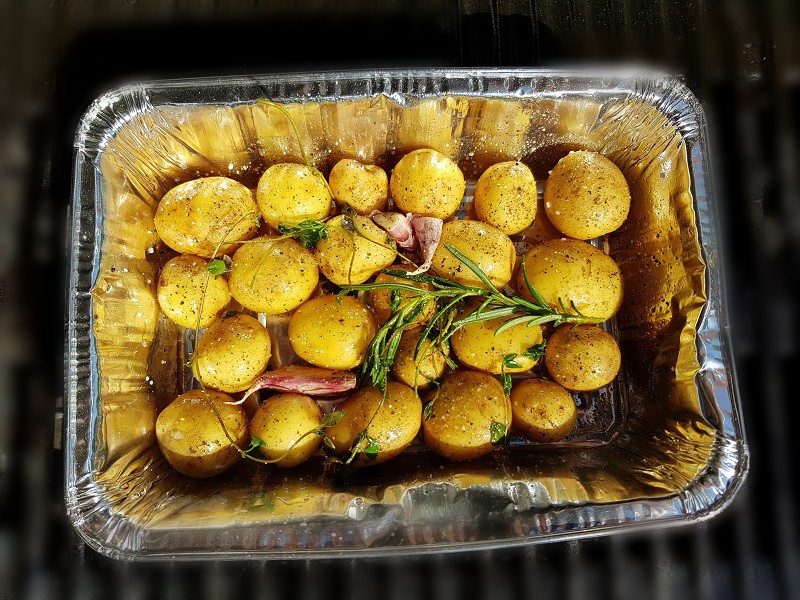
New potatoes require minimal preparation and only need to be lightly scrubbed before cooking – it’s almost blasphemous to peel a new potato. They are ideal for either steaming or lightly boiling in water with lots of fresh herbs like lovage, thyme, or parsley, and they are perfect in a delightful, light potato salad. We actually think that new potatoes are so tasty that they can easily be eaten on their own.
Want to know more about potatoes? In this article, you will find everything you need to know about the popular vegetable, and if you need tips on cooking the perfect potato, you can read more here.
More recipes with potatoes
Small grilled potatoes
Potatoes sous vide
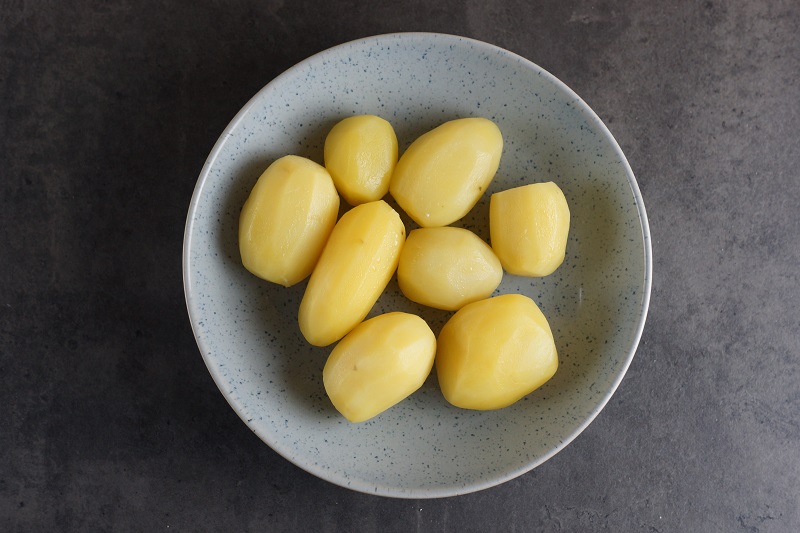
Cold potato salad
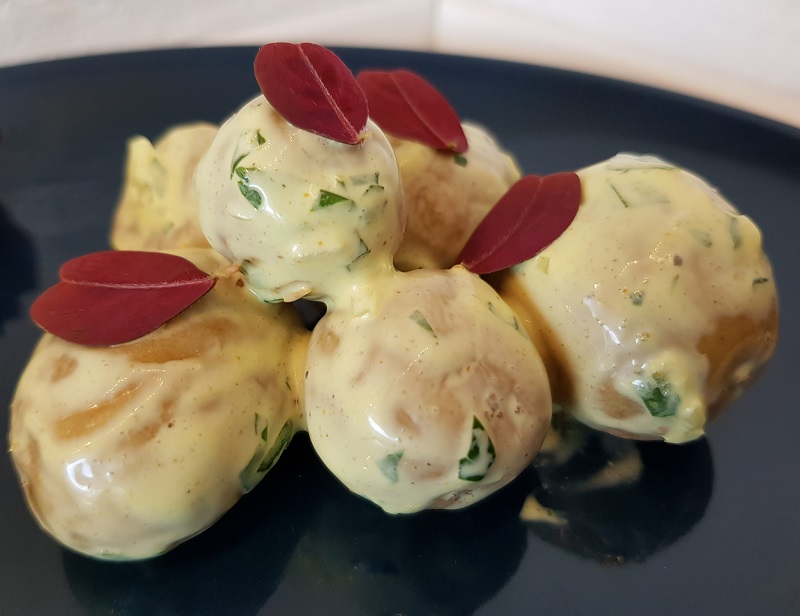
Bearnaise potato salad

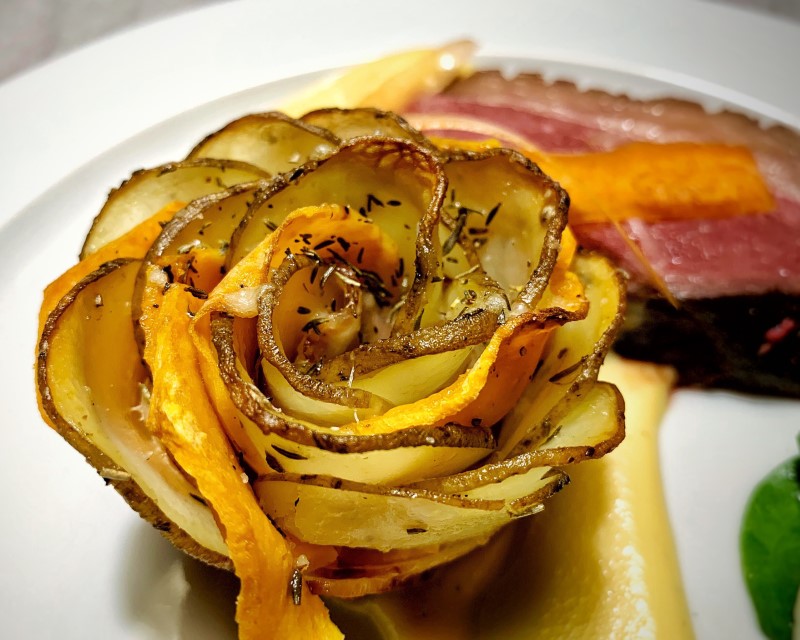
Potato roses with bacon
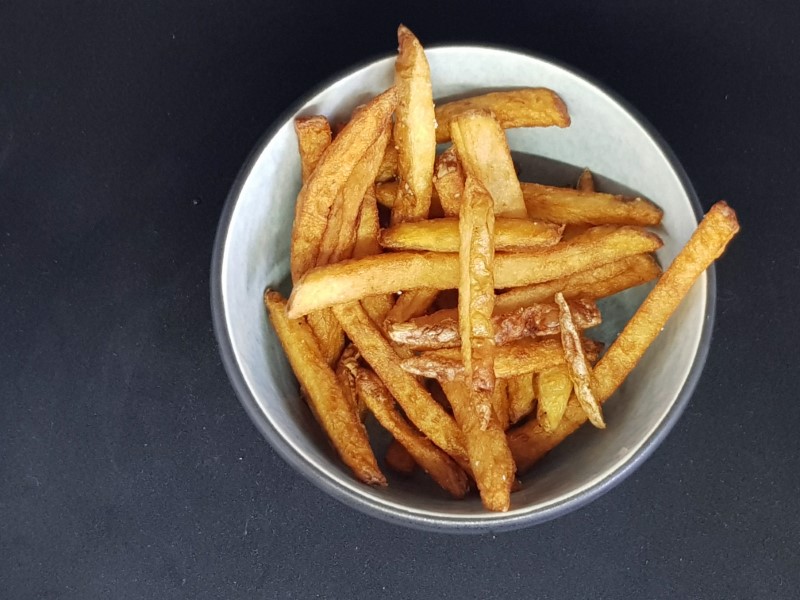
Homemade fries
Strawberries
Is there anything like freshly picked Danish strawberries? Hardly.
There’s a reason Danish strawberries are what we Danes often associate with the taste of summer, and whether they are served as they are, with sugar, cream, and milk, on top of a strawberry tart/cake, or in the form of a red berry pudding, the taste experience is quite different from what you get from foreign strawberries.
The reason fresh Danish strawberries are significantly sweeter and fuller in flavor is quite simple: The foreign ones, which have a longer transport time ahead of them, are harvested before they are fully ripe and ripen during transport. The Danish strawberries, on the other hand, are often harvested the same day they arrive at the store, which means they have been allowed to ripen on the strawberry plant and absorb lots of sugar from the plant’s leaves.
How can you use strawberries?
Strawberries are typically served as a dessert or sweet snack, but they also serve as a delightful sweet element in a fresh summer salad. If you need inspiration for such a salad, read here.
If you want to truly impress your guests and are looking for a recipe for an easy and delicious homemade strawberry tart, you should see this recipe.
More recipes with strawberries
Strawberry sorbet:
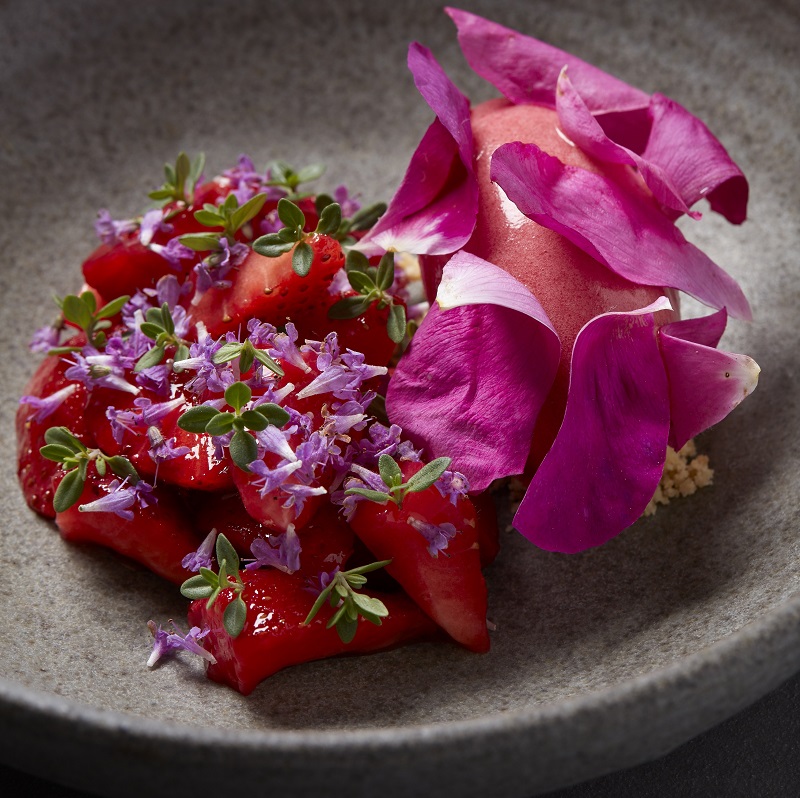
Pavlova with strawberries:

Strawberry tart:

Danish black lobster:
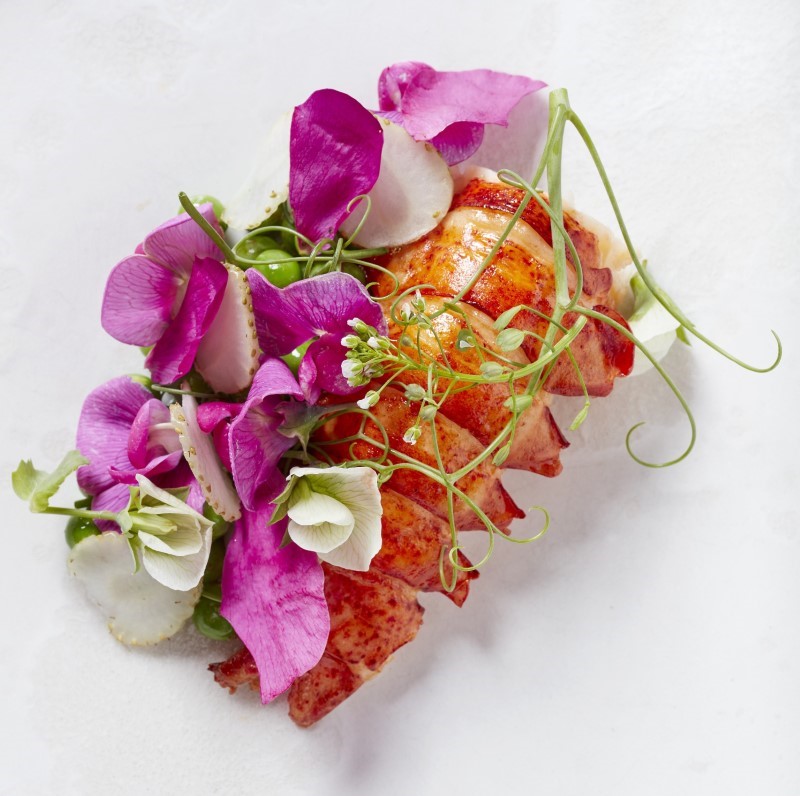
Koldskål:
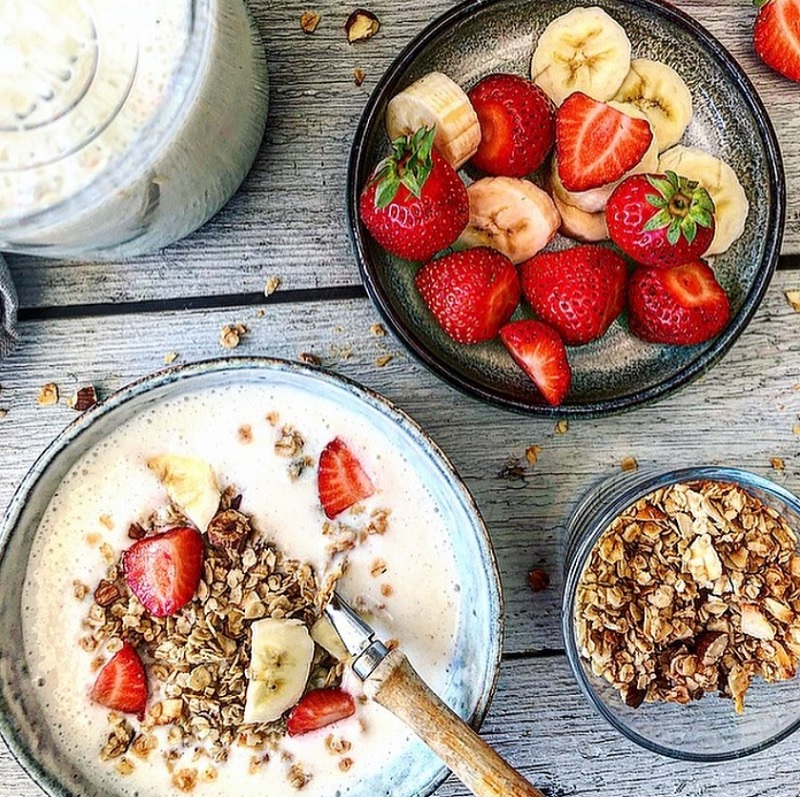

Cauliflower

Perhaps you associate cauliflower with an overcooked, soft, and mushy affair that inexplicably found its way to your plate. If so, the cauliflower has been given a poor treatment through overcooking, and its full potential hasn’t been realized.
Therefore, cauliflower might be the curly head you don’t throw into your shopping cart first. And that’s a shame.
Cauliflower is a vegetable rich in vitamin C, and just 100 grams of it covers 75 percent of the recommended daily intake.
How can you use cauliflower?
Cauliflower can be prepared in numerous ways. The completely fresh cauliflowers can be used raw in delightful salads. It takes only 10 minutes to mix a healthy, creamy, and crunchy cauliflower salad.
Since the cauliflower florets can hide small insects, it’s a good idea to soak the cauliflower in cold water with salt for 10 minutes – this draws out any small creatures.
Try also cutting the cauliflower into very thin slices and pouring olive oil over it. Sprinkle with a little basil and serve with delicious salted almonds on top, and you have a wonderful, crunchy element on the dinner table.
If you don’t want to eat it raw, cauliflower can also be baked, fried, or boiled. You can, for example, serve a whole baked cauliflower as a very beautiful appetizer or vegan main course.
If you choose to boil the cauliflower, it shouldn’t be overcooked but just lightly boiled so that it still has a bite and doesn’t bring back memories of overcooked florets.
Cauliflower is excellent for adding bulk to various dishes, such as in this lovely rice dish with chicken and cauliflower in a spicy coconut sauce.
Cauliflower rice is also a nutritious substitute for regular rice, and you can either mix the rice with cauliflower rice – or you can let cauliflower rice completely take the place of regular rice.
Cauliflower can naturally also be used for the classic gratin. If you’re up for a slightly healthier and more modern version of this, you can try this cauliflower gratin, which is gratinated with almond flour instead of the usual breadcrumbs, cheese, and breadcrumbs.
If you enjoy soups, cauliflower can easily form the base for a creamy soup. Try accompanying the cauliflower with potatoes in a quick and healthy everyday soup that can easily be made during a busy daily routine.
Want tips on getting more greens into your diet? Then read this article. If you’re interested in reading more about healthy everyday meals in general, you can also read this article.
More recipes with cauliflower
Butter-fried cauliflower

Baked cauliflower

Cauliflower purée

Cauliflower as kebab

Creamy cauliflower soup

Miso-marinated cauliflower

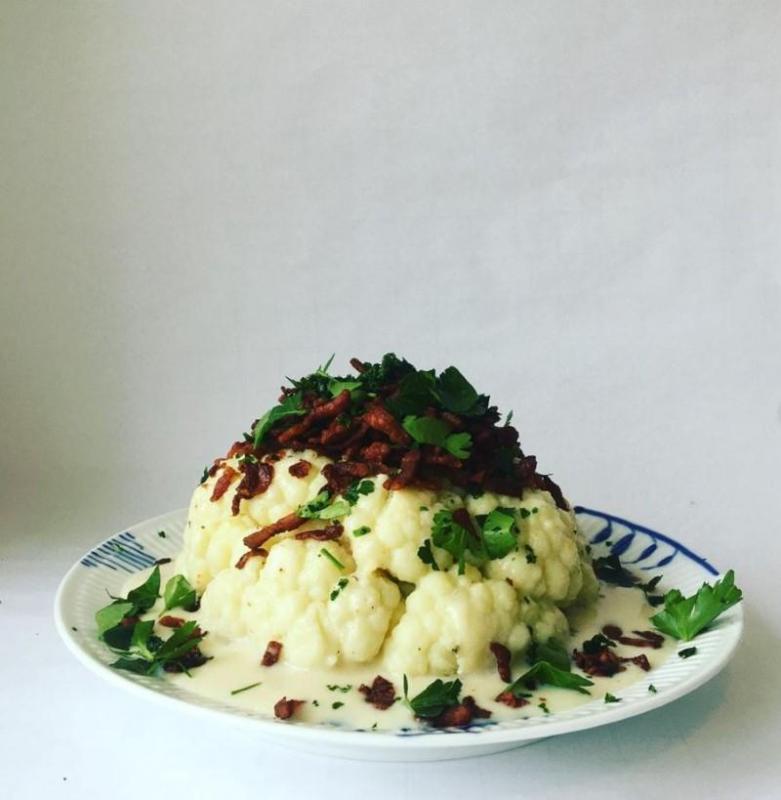
Sourdough pizza with cauliflower

Peas
What are peas? They’re those little green ones that roll, and there are none like the Danish ones! That’s been said. Denmark is also a major producer when it comes to these little green delicacies, thanks to the optimal growth conditions that pea plants have in our latitude.
As the only country in the world, we even have a regulation to ensure the quality of Danish peas, and that must be said to be love for our green gold.
There are many childhood associations linked to shelling peas in the summer. There’s no doubt that you have to work for your snack, but we can probably agree that it’s a pilling task that pays off.
How can you use peas?
Fresh peas are both a delightful snack, a sweet and mild addition to mixed salads, and a lightly steamed side dish for lunch or dinner.
If you need some ideas on how to bring these little beauties into play, you could try a lovely speltotto with peas, lemon, and hazelnuts or this delicious summer salad.
More recipes with peas


