
If you’re trying to incorporate more greens into your diet, then zucchini is a truly versatile vegetable to get to know. Its taste is pleasantly mild and not overwhelming, making it easy to sneak into both sweet and savory dishes without any wrinkled noses. Not only is zucchini easy to work with, but it’s also good for your health, so there’s no doubt that making the fiber-rich zucchini a part of your cooking is a good idea.
Here are some things you should know about zucchini, including when it’s in season and how you can use it in the kitchen.
What is a zucchini?
You probably perceive zucchini as a vegetable, and although it is primarily used as a vegetable, it is botanically an immature berry of the species, summer squash. Summer squash originates from South America and is cultivated today in large parts of the world and in several different varieties.
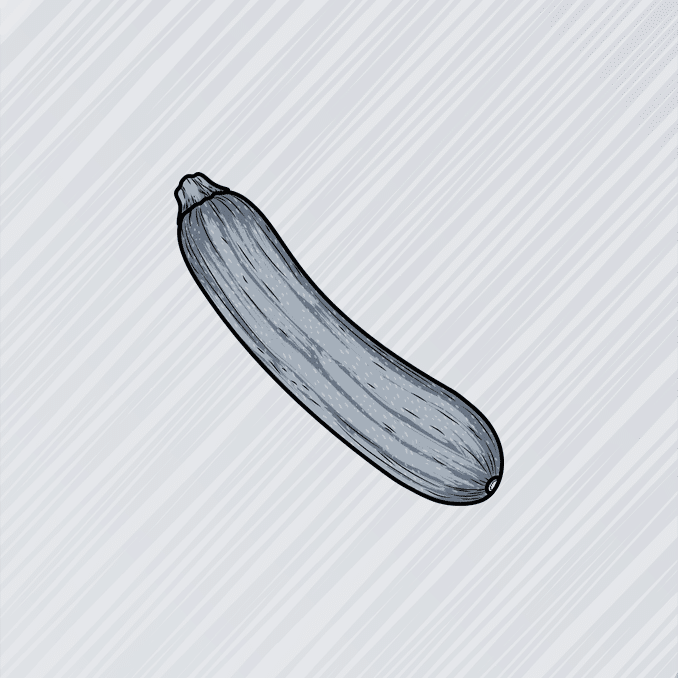
The zucchini resembles a plump and slightly shorter cucumber, but the flesh is lighter and much firmer, making it suitable for eating both raw and cooked.
Zucchini is related to pumpkins. It is a so-called summer squash that has not yet matured or developed its thick skin. The term “summer squash” covers those squashes whose skin is thin and shelf life is short. Winter squashes, on the other hand, are the thicker-skinned varieties that are usually called pumpkins.
Summer Zucchini and Winter Zucchini
When we talk about zucchini here, it usually always refers to one type, namely the so-called summer zucchini. It is the dark green variant with a soft, thin skin that you know from the supermarket. This is harvested in the summer months.
However, zucchini can also be harvested later in the year, and then it is called winter zucchini. The winter zucchini has developed a harder and more robust skin and therefore also has a longer shelf life.
It is mostly summer zucchini that you find in supermarkets here, as it is the most popular among Danes.
The Difference Between Zucchini, Courgette, and Squash
You might easily think that these are three different vegetables, but zucchini, courgette, and squash are just different words for the same vegetable.
Zucchini is the Italian word, while courgette comes from the French language and squash from English. In Denmark, we mostly use the English “squash.” The word squash comes from the Native American word for zucchini, namely askutasquash, which roughly translated means “vegetable eaten raw.”
The Season for Danish Zucchini
Danish zucchini (summer zucchini) is in season from July to October, so it is during this period that you find cheap, Danish zucchini in the supermarket.
Outside of this period, zucchini is imported from other countries, especially France and Spain, so you have access to zucchini year-round.
Tips for Cooking with Zucchini
Everything on the zucchini is edible, and it can be eaten just as it is – for example, in a green salad. It can also be grilled, steamed, baked, and fried. You can even add zucchini to bread and cakes, which makes the baked goods more moist.
In France, zucchini is used in the world-famous dish, Ratatouille, which also includes tomatoes, eggplant, and bell peppers.
Zucchini is also great for making zucchini noodles or spaghetti if you want a greener alternative to regular spaghetti. This is possibly one of the most popular ways to use zucchini. It’s easy to make, and you can use a regular potato or vegetable peeler for it. Just sauté the zucchini spaghetti in a little olive oil with salt and pepper, and it’s ready to serve.
You can also make gluten-free pasta sheets for lasagna by using a veggie slicer.
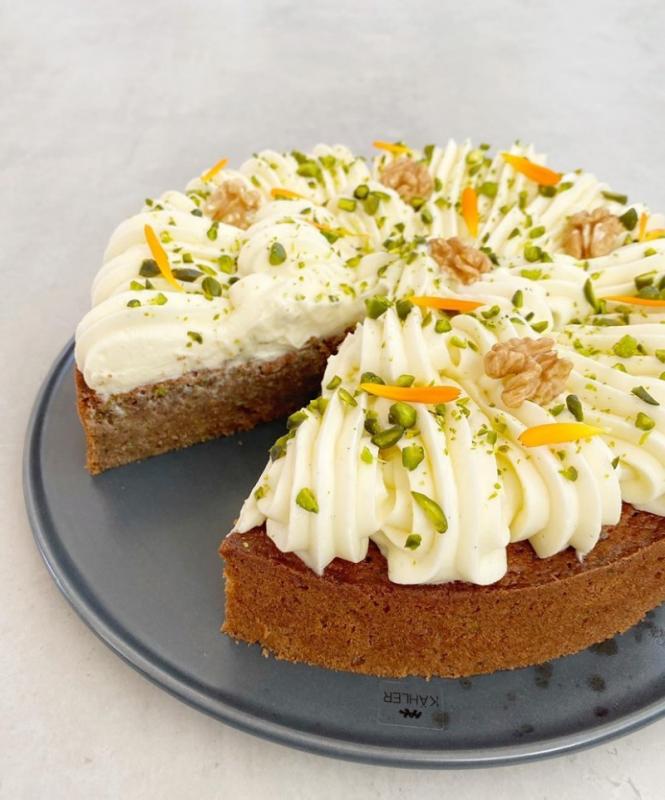
Zucchini can be pureed or grated and mixed into the dough for bread, cakes, and muffins. The mild flavor doesn’t overpower the other flavors in baked goods but can instead add extra moisture and deliciousness.
You can easily freeze zucchini.
Recipes with Zucchini


Grilled Garlic Bread with Zucchini

T-bone Steak with Baked Zucchini Salad


Zucchini Cake with Cream Cheese Frosting