What Characterizes Middle Eastern Food?
Simple, rustic, aromatic, colorful, fresh – and spicy. This is how many would describe Middle Eastern cuisine. Food from the Middle East is incredibly exciting and diverse, and it’s no wonder that these exotic dishes have gained increasing popularity worldwide, particularly over the past decade.
Middle Eastern cuisine stands in stark contrast to Danes’ minced beef patties with soft onions, white potatoes, and brown sauce, and this might also be one of the reasons for the great interest at home – just as Danes’ wanderlust and adventurous spirit can surely also take part of the credit.
Especially characteristic of Middle Eastern food are sesame seeds, chickpeas, olives (and olive oil), honey, and mint. The often-used spices include cumin, ground cumin, cardamom, turmeric, sumac, baharat, anise, and cinnamon.
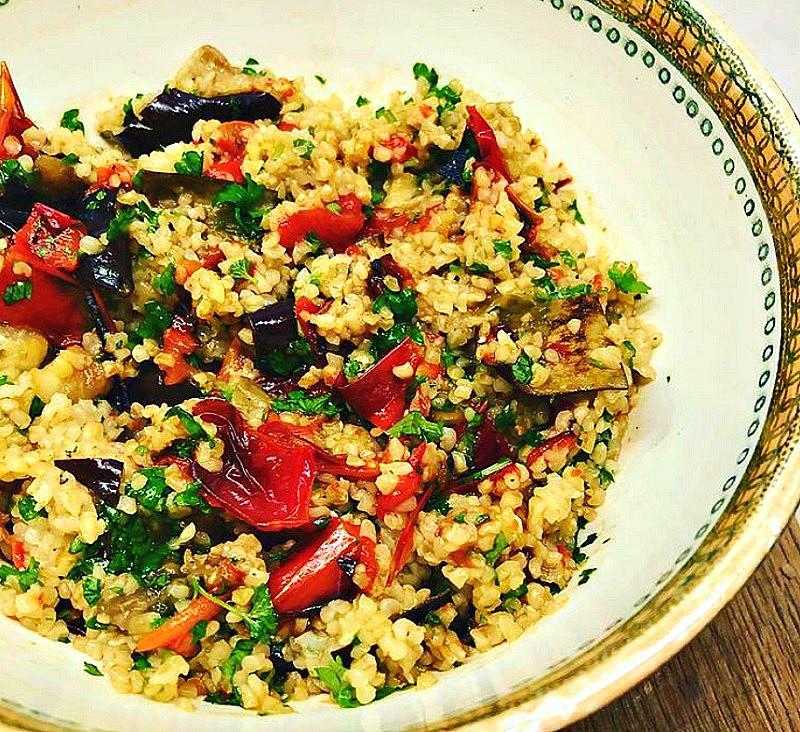
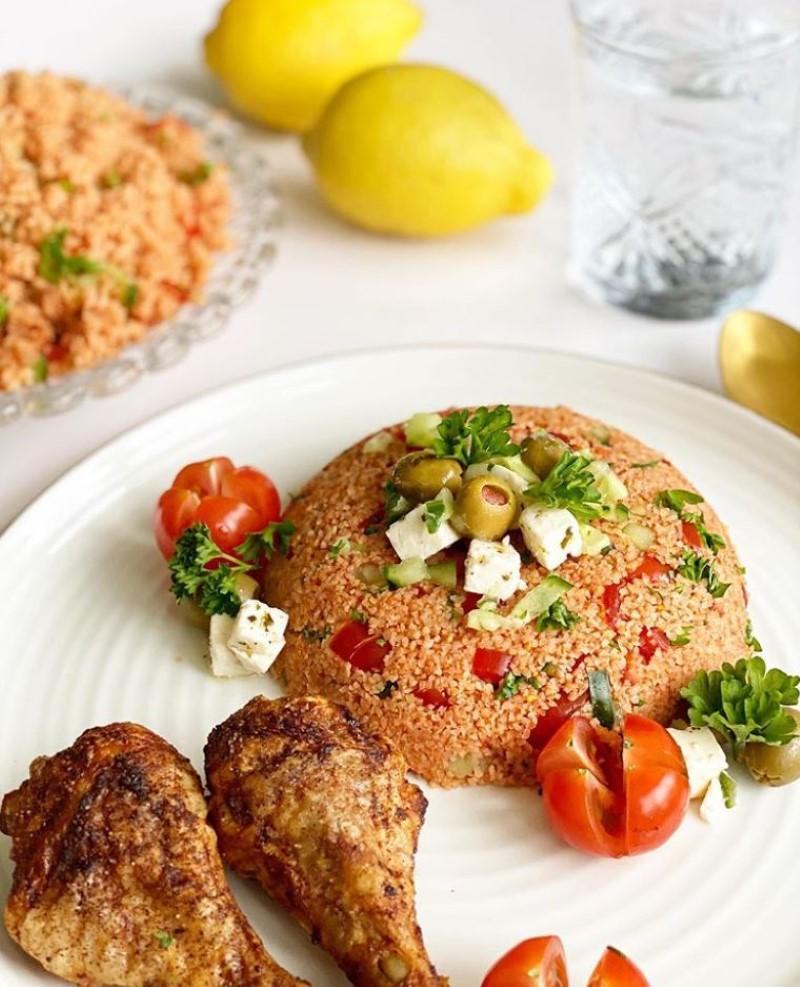
Just as potatoes are a large part of the Danish cuisine, rice is in Asian cuisine, and pasta is fundamental to many Italian dishes, it is more often bulgur, couscous, or bread that is served as a side dish in the Middle East.
What Do People Eat in the Middle East?
If we say Middle Eastern food, what is the first thing that comes to mind? Some might say shawarma or “wrap kebab,” and while shawarma is absolutely a fantastic and ingenious invention, Middle Eastern food is, of course, much more than that döner kebab or “wrap” that makes the journey home from a night out a bit more bearable.
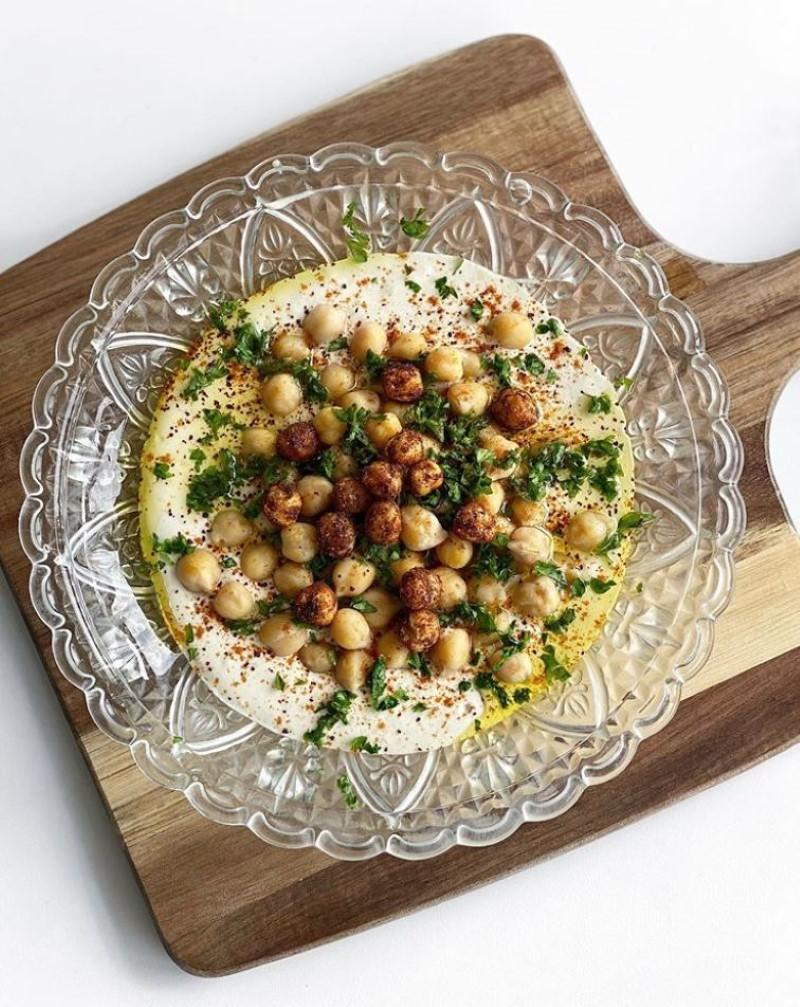
Closely followed by falafel, hummus is one of the most well-known dishes in Middle Eastern cuisine. Hummus is a chickpea puree with olive oil, tahini, lemon juice, salt, and lots of garlic, and in the Middle East, hummus is typically served as an appetizer or snack, while here at home, it is usually used as a “dressing” in pita bread or a dip for vegetable sticks and more.
Pita bread also has its origins in the Middle East. For us Danes, pita bread is often considered a flatbread with a “pocket” or hollow space inside, but in the Middle East, pita simply refers to flatbread. In Middle Eastern cuisine, pita plays as important a role as rye bread does for Danes. Pita is served at almost all meals and is used to scoop up sauces and dips – for example, hummus.
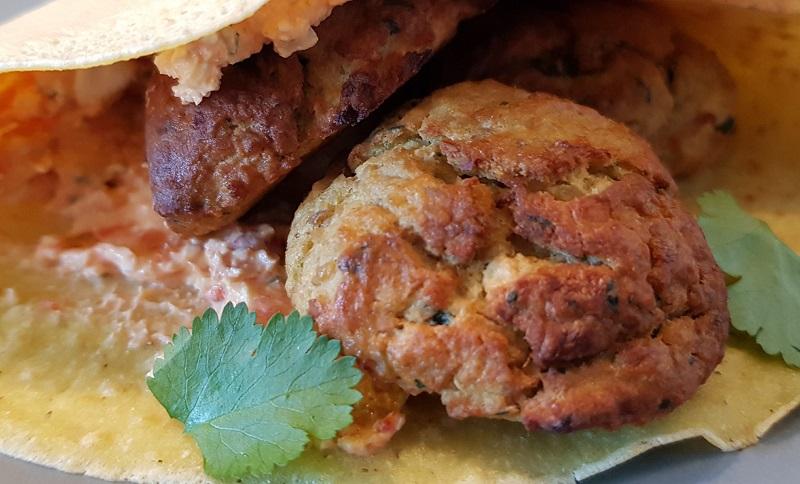
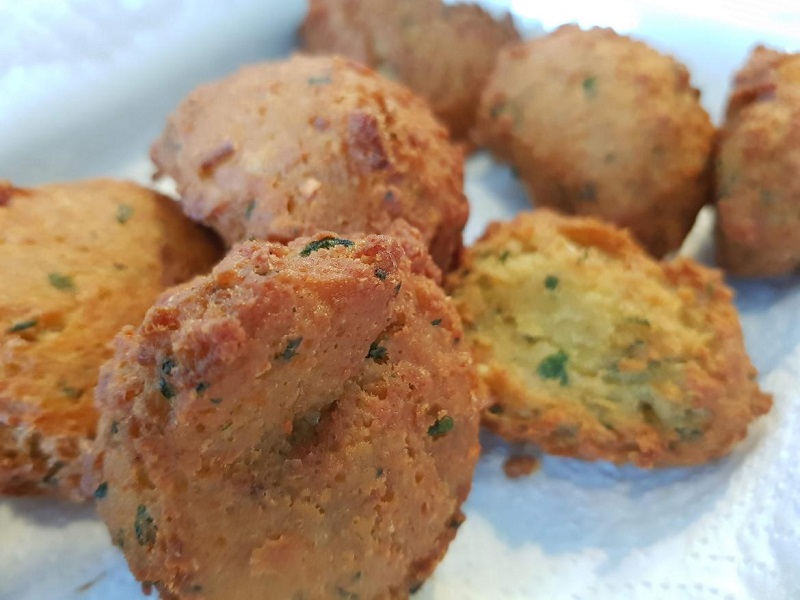
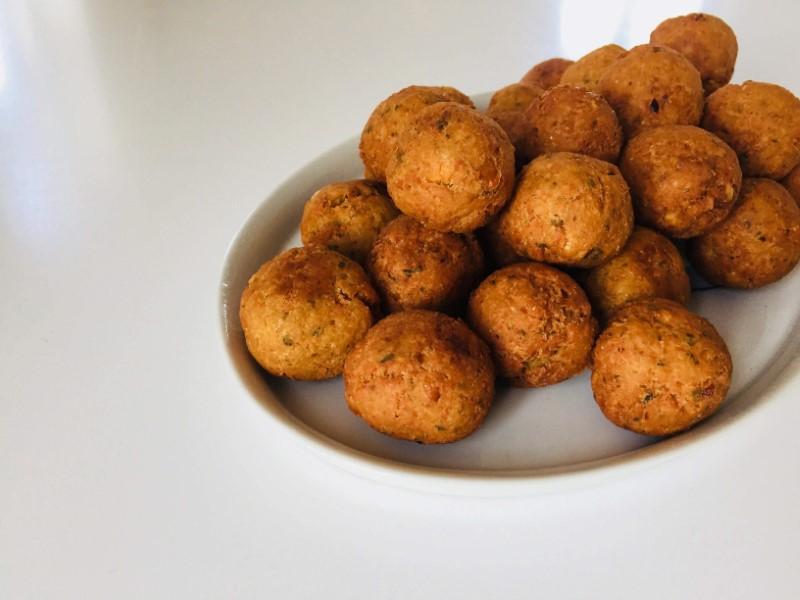
One can almost not talk about Middle Eastern food without also mentioning falafel. Although falafel can possibly be traced back to ancient Egypt, it is nonetheless something we strongly associate with Middle Eastern food.
In addition to hummus, other popular sauces and dips include haydari, shatta, tahini, and zhoug.
Which Middle Eastern Dishes Originate from Which Countries?
We have already touched on which dishes and flavors generally characterize Middle Eastern cuisine.
Moreover, there are, of course, dishes that originate from specific countries, and we will take a closer look at these below.
Turkish Food
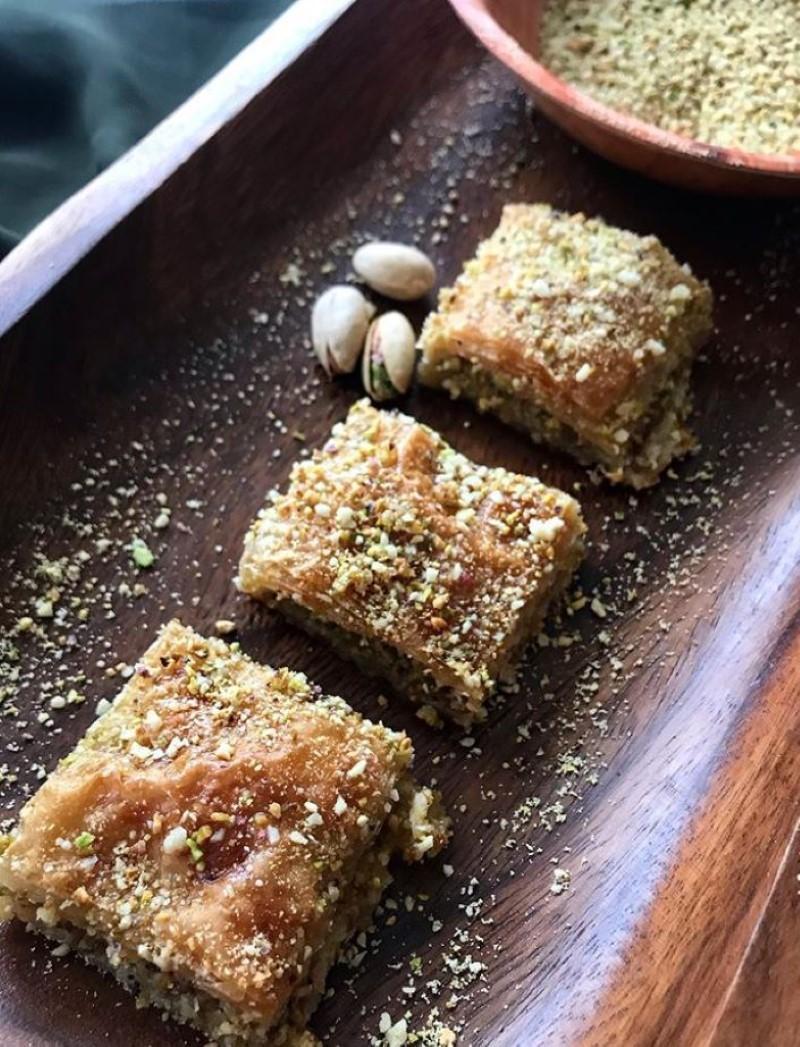
Among popular Turkish dishes, one can mention biber dolmasi, which are small stuffed peppers, pide, which is a thin and oval-shaped bread topped with, for example, meat and vegetables, baklava, which is a pastry/dessert made of phyllo dough with pistachios, içli köfte, which is a type of dumpling made of bulgur with spiced meat inside, and simit, which is a ring-shaped bread topped with sesame seeds typically served for breakfast.
Lebanese Food
In Lebanon, there are also some dishes that are particularly characteristic of the country, including kebbeh (or kibbeh/ kubbeh), which is the Lebanese version of the Turkish içli köfte, baba ganoush, which is a creamy eggplant dip, and tabouleh, which is a fresh bulgur salad with greens.
Israeli Food
We have already mentioned hummus, and hummus is probably the most predominant of Israeli dishes. Hummus has become so popular in many parts of the world that many exciting versions of it have been created – such as beetroot hummus.
And although baba ganoush might have its home in Lebanon, it is also a very popular dish among Israelis.
Persian Food
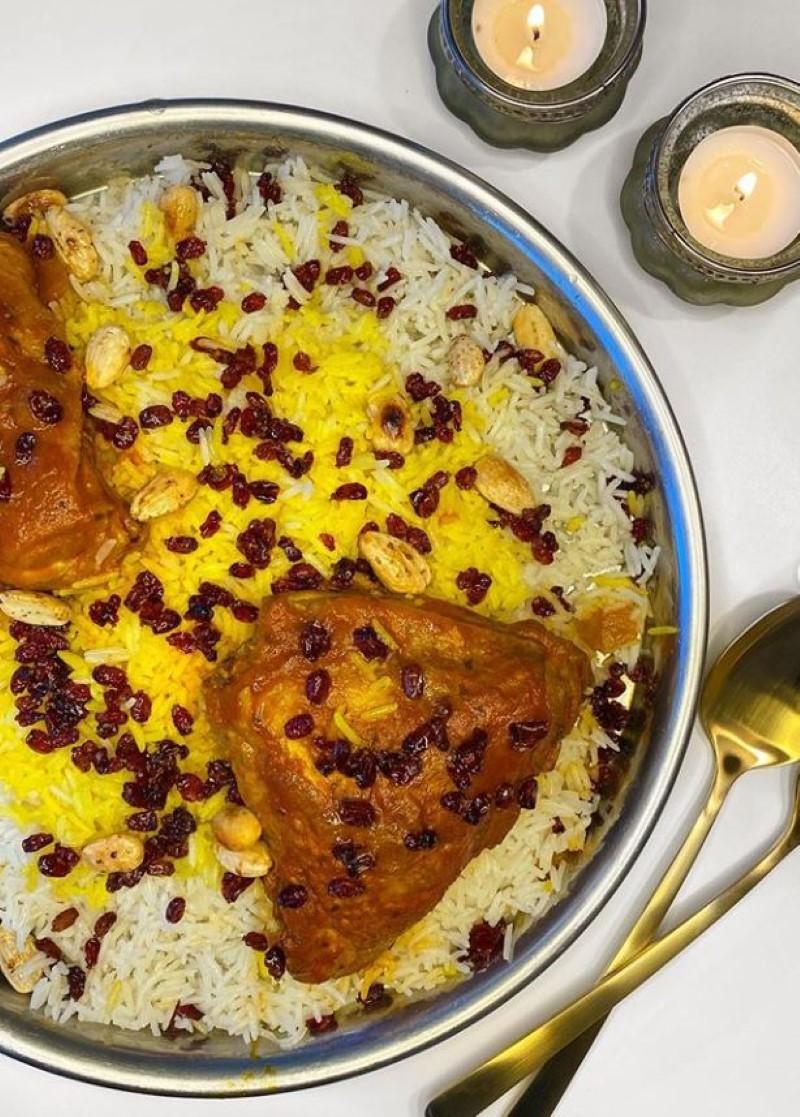
The Persian cuisine is not yet as well-known here at home as, for example, the Turkish, but there are also many delightful dishes to discover here: Among others, the tongue-twisting khoresht-e fesenjan, which is an iconic stew with either duck, lamb or chicken, ghormeh sabzi, which is a well-known, spiced dish with lamb and kidney beans, and abgoosht, which is a stew/soup with vegetables and lamb.
Middle Eastern Recipes




Homemade Pita Bread with Tipo 00

Homemade Pita Bread with Wheat Flour



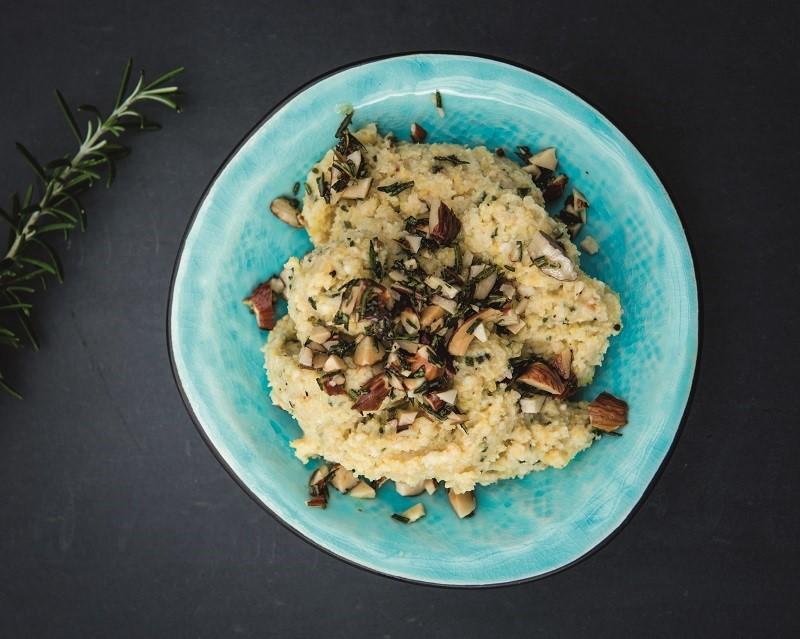
Couscous with Roasted Eggplant and Carrot

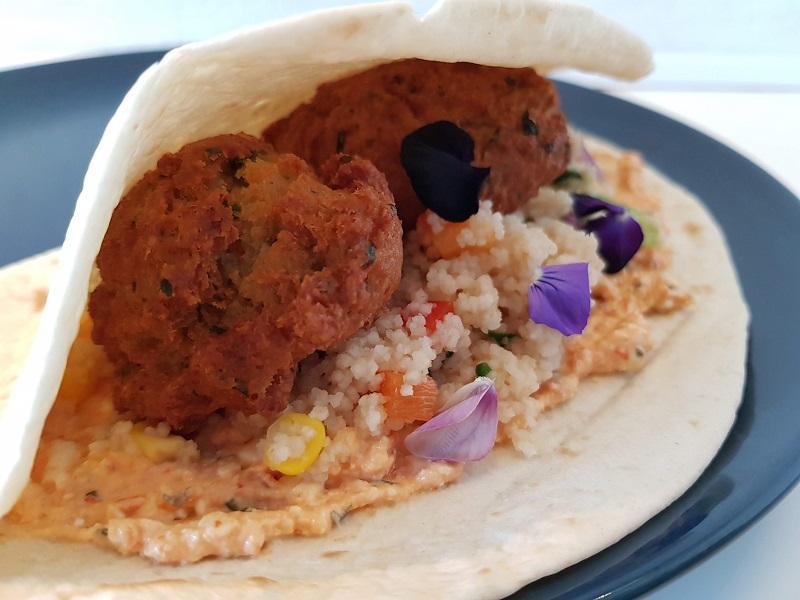

Pita Bread with Falafel, Haydari, and Yogurt Dressing