
What is British food?
When England does something, the rest of the world watches, and it has been this way for a long time. The United Kingdom was and still is one of the strongest nations in the world.
They are often seen as a country that values the classic and traditional. This can be seen in their monarchy, but also in their food culture.
Food for both the Queen and the working class
One of the most interesting aspects of English food is that you can often tell which social class a dish is made for.
English food contains a lot of diversity, which is one of the things that makes their cuisine exciting.
Many don’t know much about English eating habits, but there is especially one whose eating habits have become known. The Queen of England is followed in all she does, which also involves her diet. Many of us can only dream of becoming royal one day, so knowing what one of the greatest monarchs eats daily is intriguing reading – but actually also a bit disappointing. One would have expected pomp and circumstance, but in fact, the Queen prefers fixed routines when it comes to food.
Her everyday life is not filled with caviar and champagne; instead, she often prefers a porridge or pudding, as it’s called in English, and an occasional beef Wellington here and there.
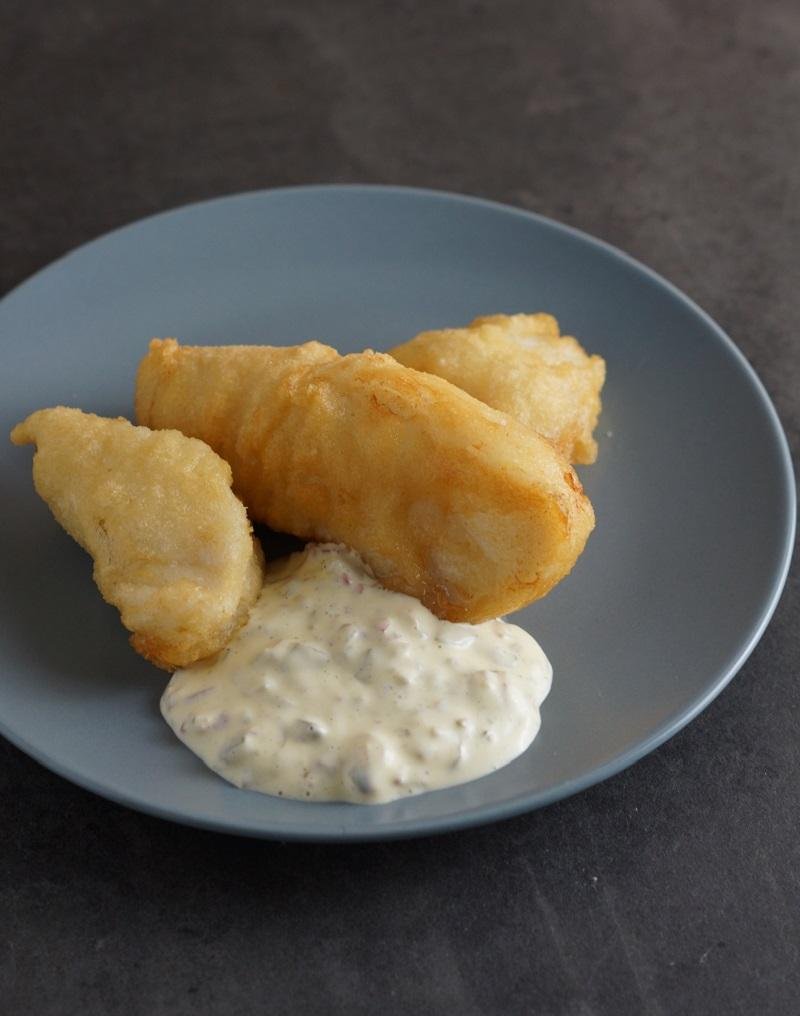
Another significant contribution to the food scene comes from the working class. This is where we encounter the dishes that we probably think of first. Full English breakfast and Fish and Chips were foods that existed solely because they were convenient, tasted good, and filled people up. The working class has always been strongly represented in England, which also explains why they have shaped the food scene so much.
Historically, the sandwich is said to originate from the Earl of Sandwich, John Montagu. It’s not certain that he invented it, but he definitely gave his name to this meal. Allegedly, he was an avid card player and asked the servants to place the filling between two pieces of bread so he could eat with one hand while keeping his cards in the other.
Afternoon tea or black pudding?
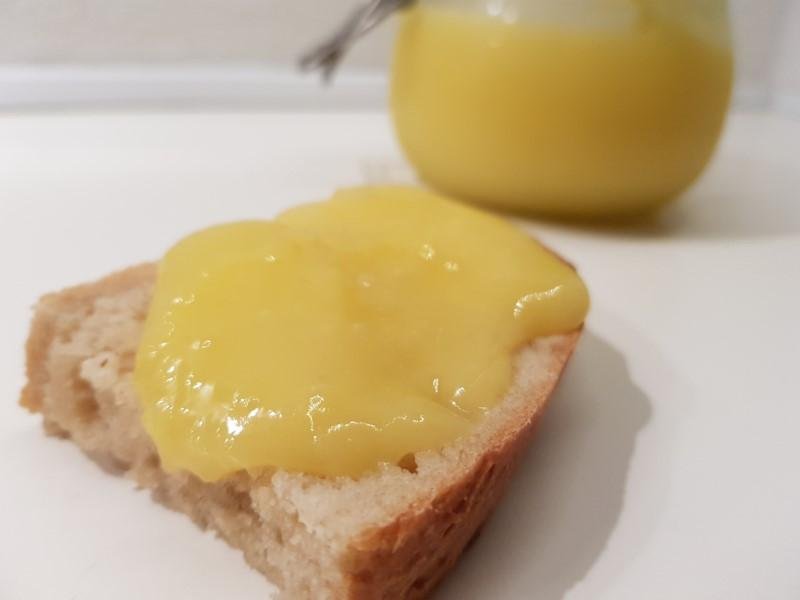
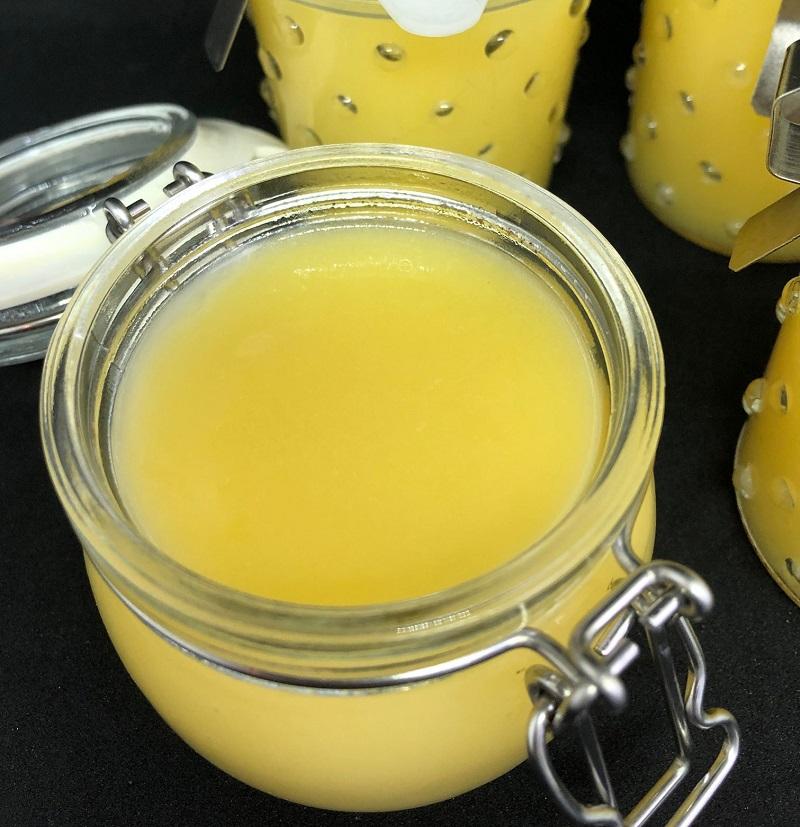
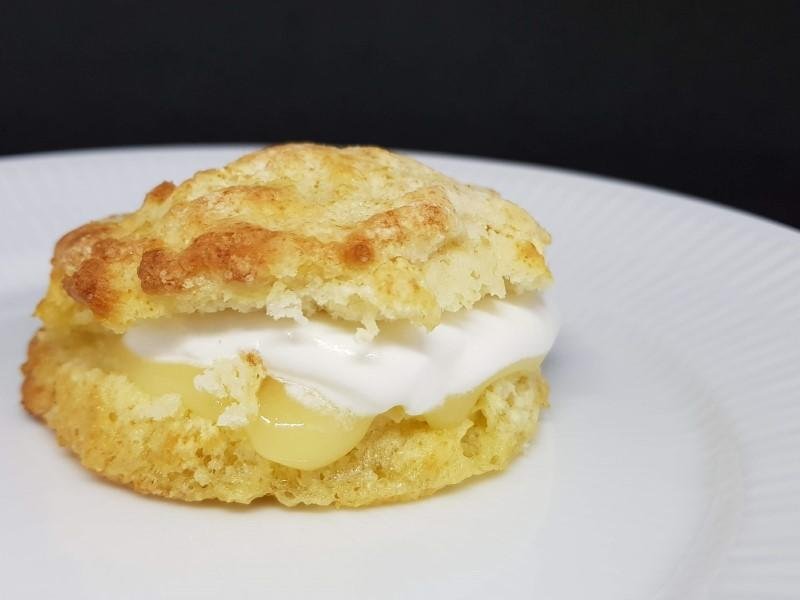
There are many contrasts in English food. Some of it is very heavy, and some of it is very light. On one end, we have afternoon tea, which was often a light and cozy meal. Here, you don’t eat to get full, but to have something to talk over. An English tea table is often covered with small cakes and sandwiches. This is also where scones are often found. It’s a bun that you top with jam, lemon curd, and/or whipped cream.
Because not everyone prefers sweet cuisine, there are also sandwiches for the tea table. They tend to be tiny and without much filling. The most well-known are probably the cucumber sandwich, whose main element is thin slices of cucumber, or the tomato sandwich, whose main element is thin slices of tomato.
At the completely opposite end of the spectrum from afternoon tea, you find the really heavy dishes. Here, it is usually black pudding or haggis that come to mind.
Recipes and English-inspired dishes




English breakfast waffles (hash brown)