

There are a number of spices that you’re almost guaranteed to find on the Danes’ spice shelf: Pepper, oregano, basil, paprika, yellow curry… and ground cinnamon. Just to name a few.
Alongside licorice, which in recent years has also found its way into Danish kitchens, cinnamon is a spice that differs quite a bit from the others. This is because cinnamon has a predominantly sweet aroma.
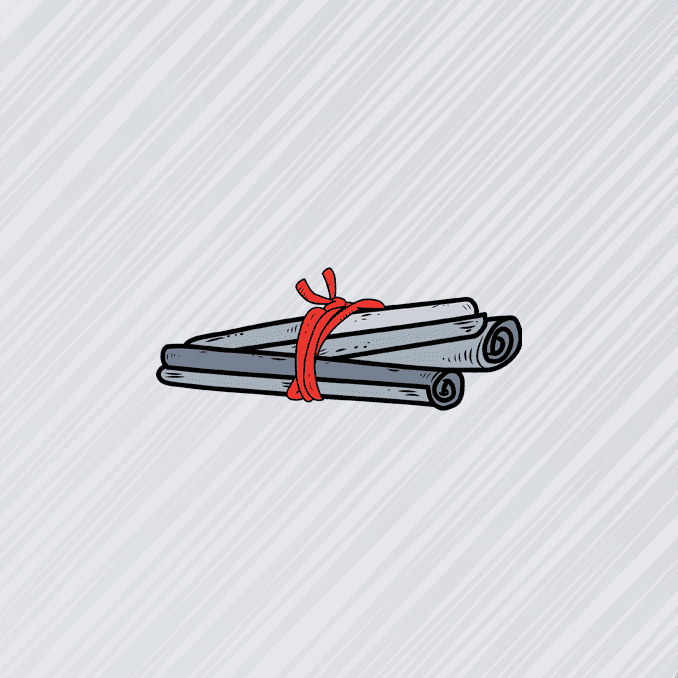
Right after pepper, cinnamon is considered the most important spice in the world, and most of us have seen a cinnamon stick – but have you ever thought about what these bark-like sticks actually are and where they come from?

Cinnamon in nature
It’s not surprising that cinnamon looks like rolls of bark. That’s exactly what it is: Cinnamon comes from the inner bark of cinnamon trees, and there are several different cinnamon trees: Including Ceylon, Cassia, Saigon, and Korintje.
Ceylon Cinnamon
Ceylon cinnamon, also known as “true cinnamon,” comes from an evergreen tree named Cinnamomum verum. This tree, with its somewhat unpronounceable name, originally comes from Sri Lanka but is also commercially grown in Brazil and Egypt, as well as in Sumatra and Java. Sri Lanka is known for having the best Ceylon cinnamon.
Cassia Cinnamon
Cinnamon from the cassia tree, Cinnamomum cassia, originally from China, is both stronger in flavor and significantly cheaper than Ceylon cinnamon. However, it is also cassia cinnamon that has been the cause of the cinnamon uproar within the EU. Cassia cinnamon contains the substance coumarin, which is toxic in large quantities. In true cinnamon, the content of coumarin is negligible.
While cinnamon sticks from cassia are incredibly hard, cinnamon sticks from Ceylon are so soft that you can actually chew them.
The product declaration always indicates whether it is Ceylon or cassia cinnamon, but here at home, it is typically cassia cinnamon.
The Use of Cinnamon
In the Sweet Kitchen
Most Danes today use cinnamon as a flavor enhancer in the sweet kitchen. Adding cinnamon sugar or ground cinnamon on top of rice pudding is quite natural for many of us. Cinnamon sugar is just a blend of ground cinnamon and sugar, often bought pre-mixed but also easily mixed yourself. The mixing ratio is a matter of taste, but one teaspoon of cinnamon to two tablespoons of sugar is usually suitable.
In the Savory Kitchen
In North African and Middle Eastern cuisines, cinnamon is frequently used in several meat dishes. In, for example, African cuisine, where stews and curry dishes are very popular, cinnamon is often combined with dried fruit, ginger, coriander, cumin, and chili, among others, which is quite unlike the way we Danes usually use the sweet spice.
Outside the Kitchen
Cassia cinnamon can be traced back to ancient Chinese writings dated to 2,800 years before Christ. Here, cinnamon was used both in cooking and for medicinal purposes.
The Egyptians, who imported cinnamon 2,000 years before Christ, used it as part of the embalming process, and in antiquity, for example in Rome, both Ceylon and Cassia cinnamon were so costly that they were used as gifts among royalty.
Recipes with Cinnamon
Sweet Dishes with Cinnamon:


Savory Dishes with Cinnamon:

Chili con Carne with Chocolate


Baked Goods with Cinnamon:


Other Dishes with Cinnamon:


