
What are strawberries? All about strawberries
Strawberries actually have nothing to do with berries. Botanically, a strawberry is an aggregate of nuts, where the dots on the berry itself are the nuts. However, there’s no reason to change the name, as it’s too ingrained in people’s minds. It’s only fun to know if you’re a botany nerd or playing trivia.
The name is likely given because it’s a fruit that sits closer to the ground than other fruits and vegetables.
The strawberry is of the rose family.
Where do strawberries historically come from?
Our wild strawberries originate from wild berries that grew naturally around Europe.
The strawberries we cultivate today come from crossbreeds originally sourced from North and South America in the 1600s and 1700s. The good taste comes from the North American varieties, while the size is derived from the South American berries.
The actual development of strawberries, as we know them, was cultivated seriously for their good taste and size from around the 1900s.
How have Danes used strawberries throughout history?
Since the Stone Age, strawberries have been gathered from wild berries in nature, but it’s only in the last couple of hundred years that strawberries have been commercially cultivated. It was only with the berries from North and South America that Danish strawberries truly took off.
Strawberries have been known for their medicinal use for several centuries, helping with respiratory and digestive issues, but they were primarily consumed by the nobility and the upper middle class.
What varieties exist?
In Denmark, there are over 200 varieties, from ornamental strawberries to those we know and love in the summer, to wild woodland strawberries, and in recent years, white strawberries have also been introduced.
Among Danish varieties, there is a distinction between new and old varieties. The old varieties are particularly known for their good taste and short shelf life. These are the varieties you would typically plant in your garden. Among the old varieties, Polka, Korona, and Dybdahl are particularly known. Typically, you will find new varieties in supermarkets, where unfortunately, durability is valued over taste.
The varieties are typically El-santa, also sometimes called Al-santa, and Honeyeye.
What can strawberries be used for?
There are countless uses for strawberries beyond eating them as they are or with cream.
They can be dried and consumed as tea, made into jam or preserves. They are fantastic in desserts like tarts, ice cream, or fresh on the side, as syrup or puree. They can be dipped in chocolate or made into strawberry mousse.
They add sweetness to rhubarb porridge and are indispensable as strawberry juice.
Strawberries are suitable for freezing for later use. They can also be frozen individually and used as ice cubes. They decorate and taste great in a salad, and in a strawberry vinaigrette, they are superb. It is recommended to make it yourself.
In gardening, they are brilliant as ground cover if you dislike weeds, and they thrive if you plant garlic between the bushes.
Recipes with strawberries
Main courses with strawberries
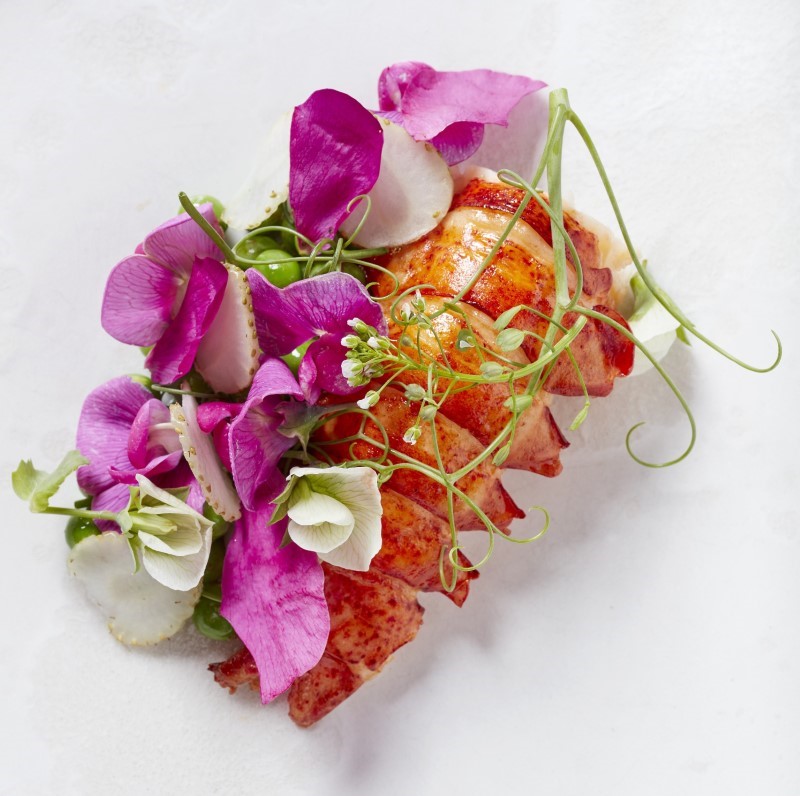
Danish black lobster:
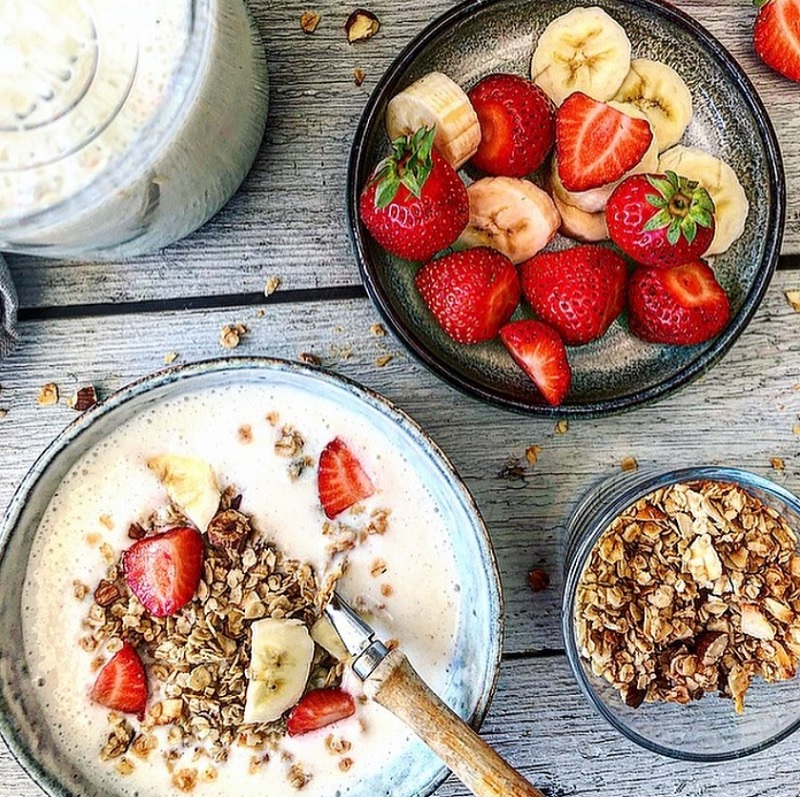
Buttermilk dessert (Koldskål):
Salads with strawberries
Strawberry salad:
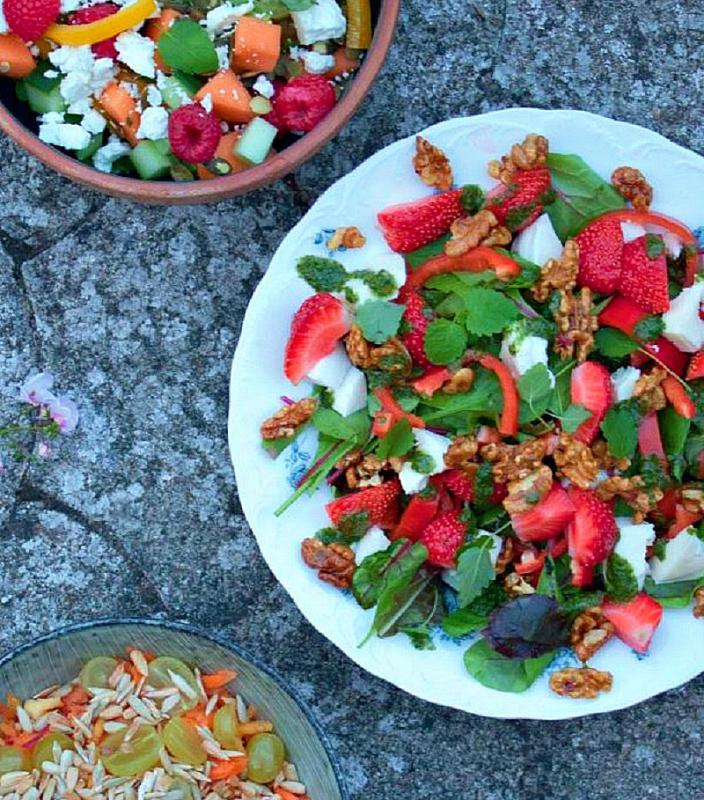
Salad with nectarines and strawberries:
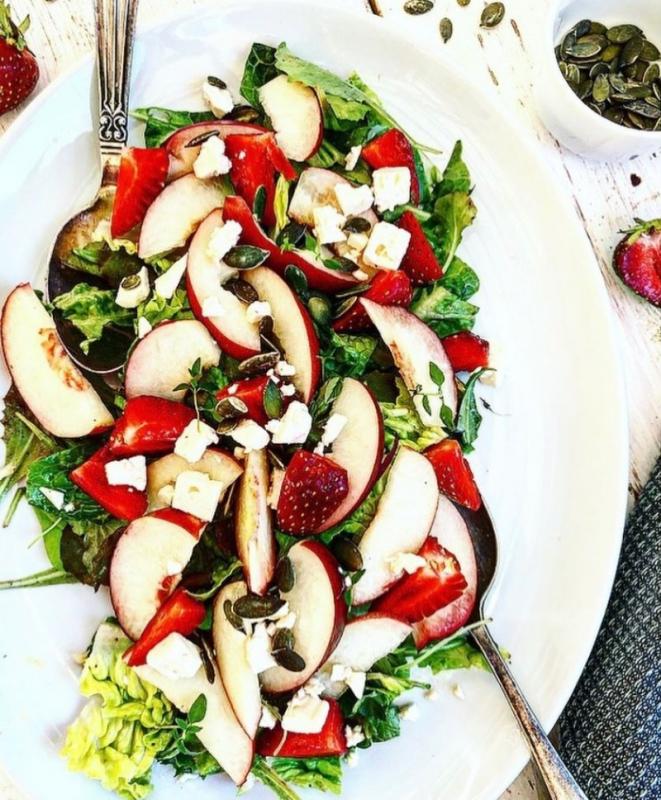
Desserts with strawberries

Strawberry sorbet:
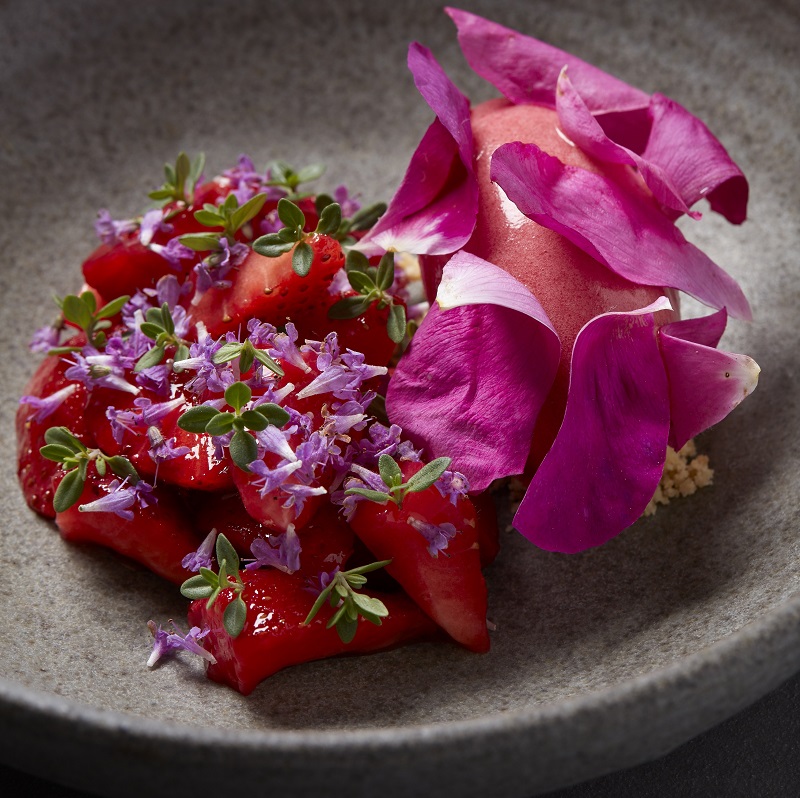
Micki’s strawberry cheesecake:

Dessert mini burgers:
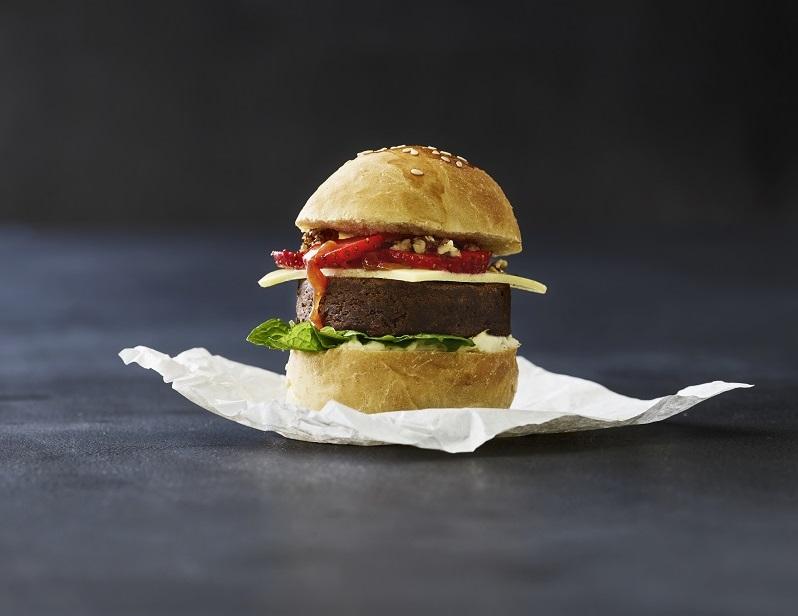
Meringue with strawberries:
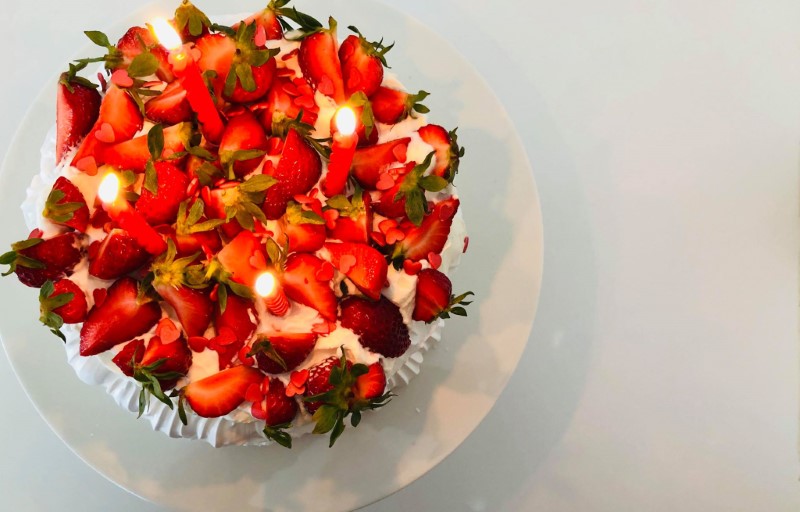
Pavlova with strawberries:
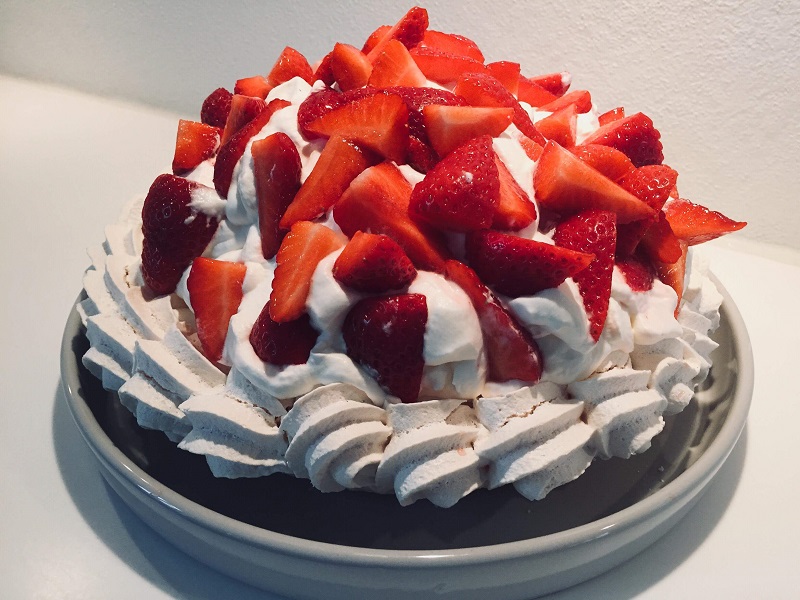
Strawberries with burnt Sauce Sabayonne:

Strawberry tiramisu:
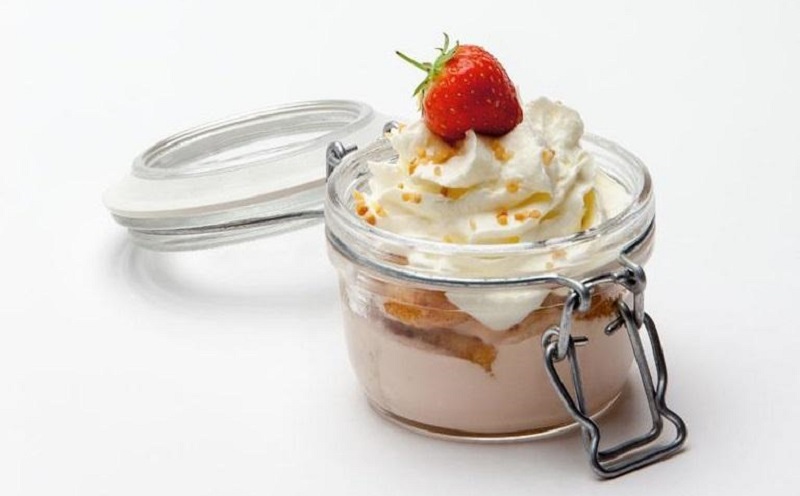
Breakfast/brunch dishes with strawberries
French toast:
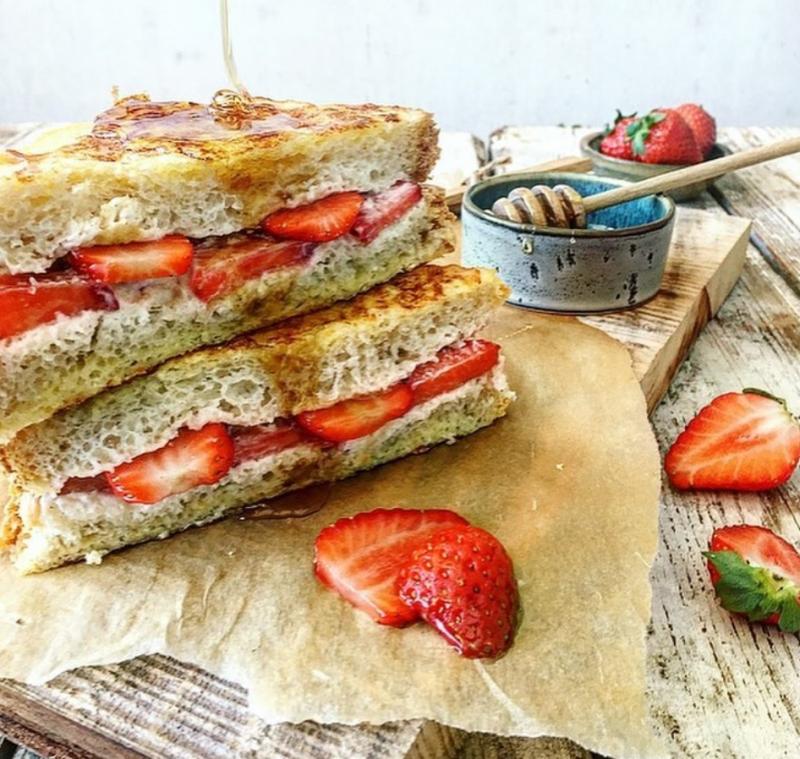
Jam with rhubarb and strawberries:
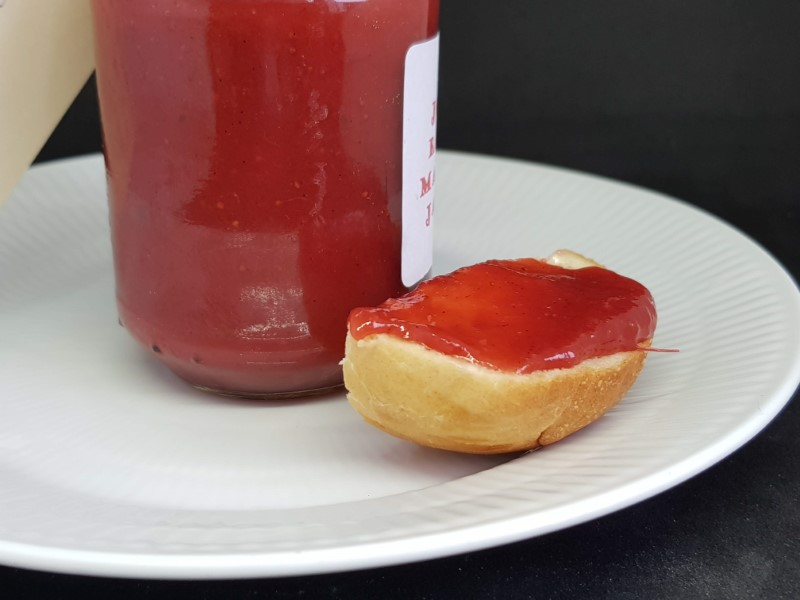
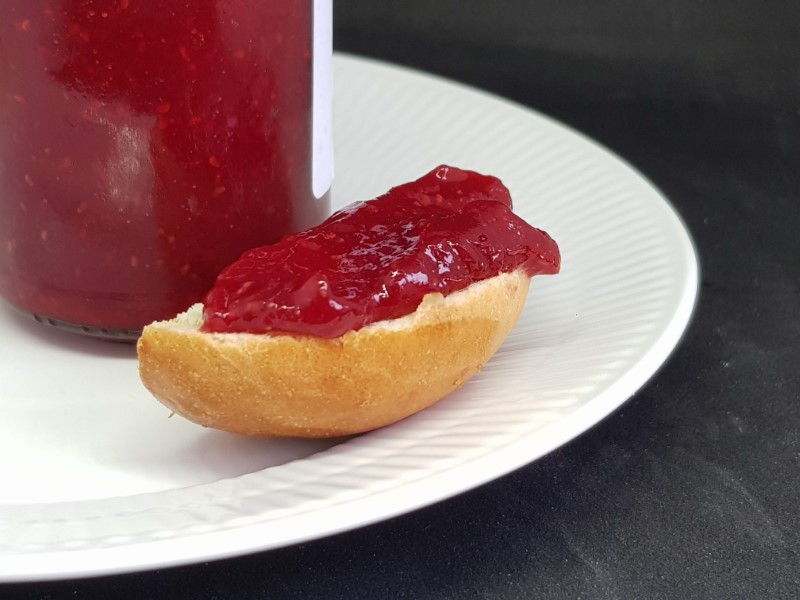
Jam with raspberries and strawberries:
Tarts with strawberries
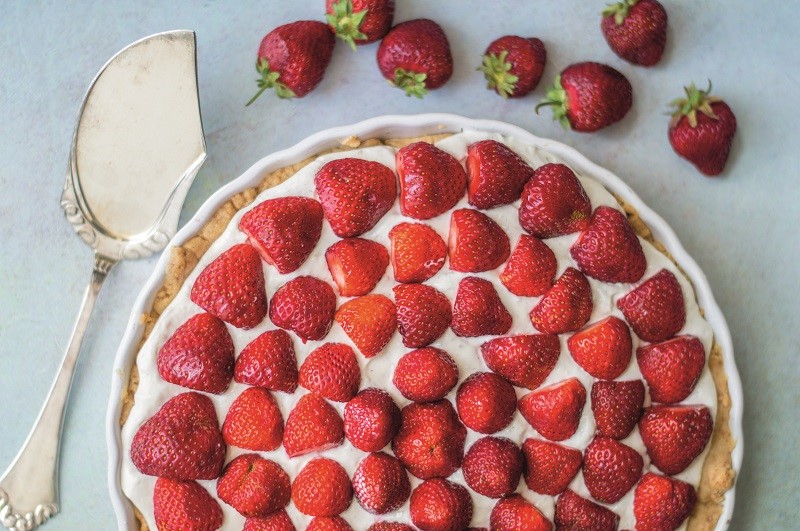
Strawberry tart:

Strawberry tart:
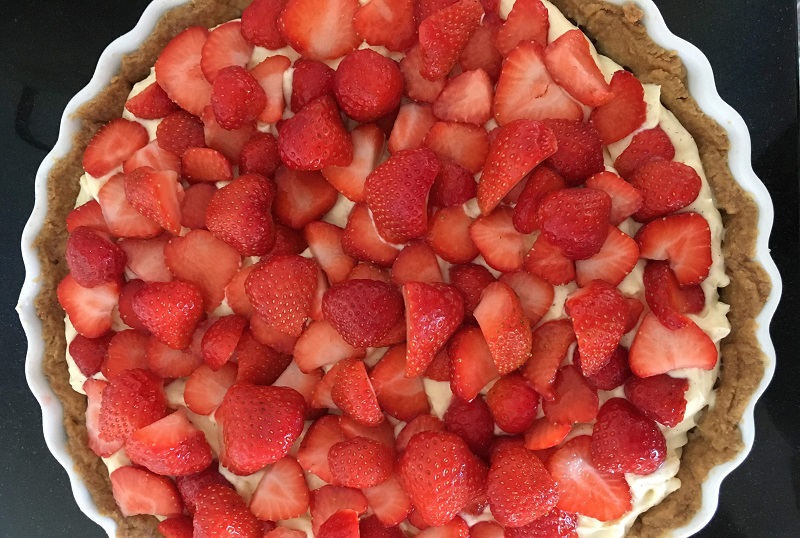
Mini strawberry tart:
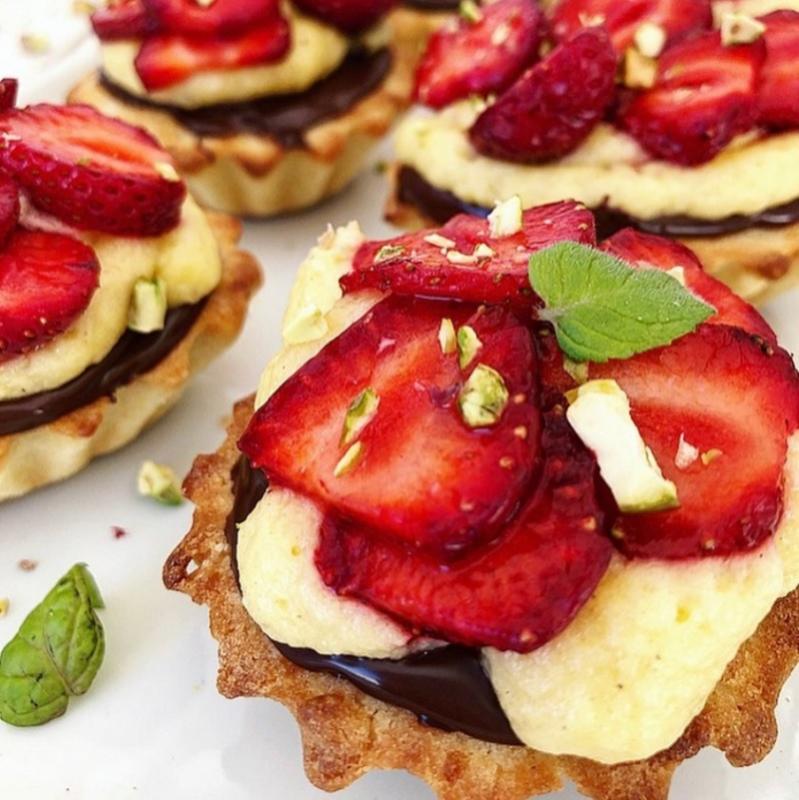
Vegan strawberry tart:
Cakes with strawberries
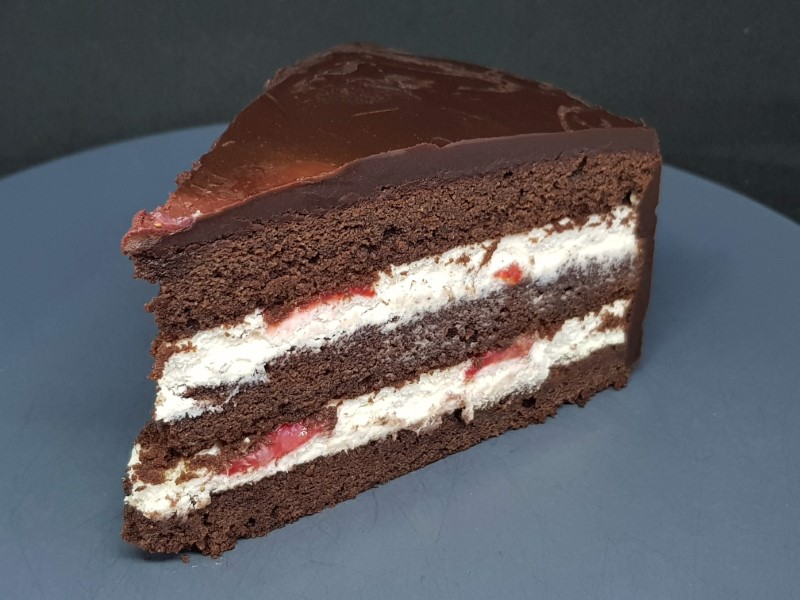
Chocolate layer cake:
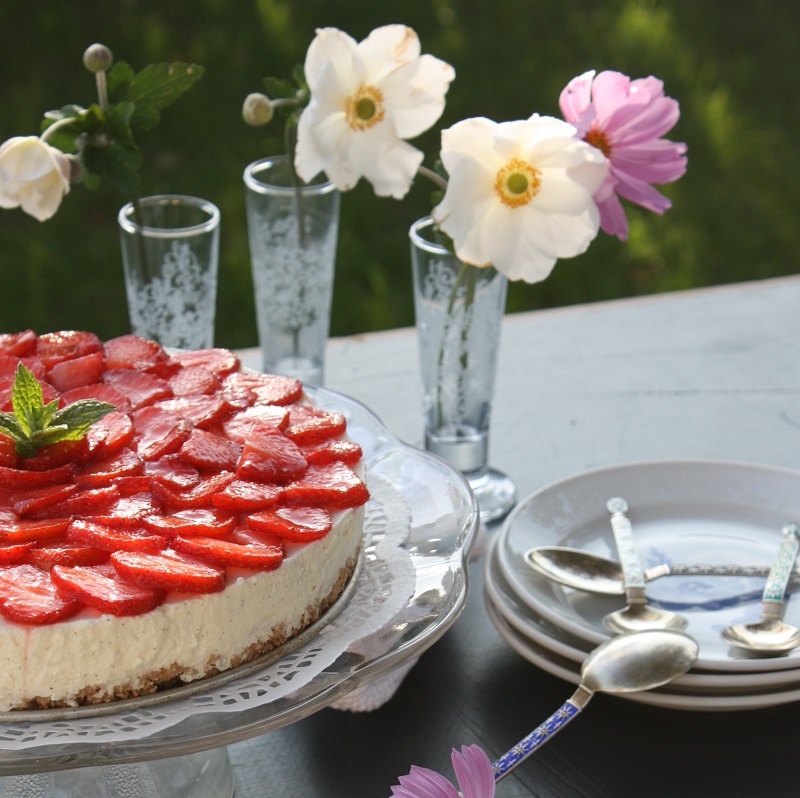
Cheesecake:
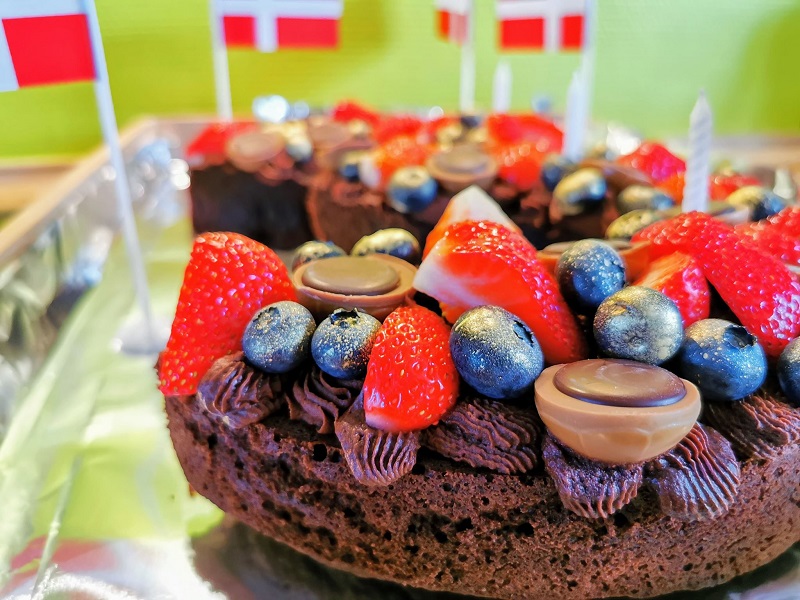
Black Magic cake:
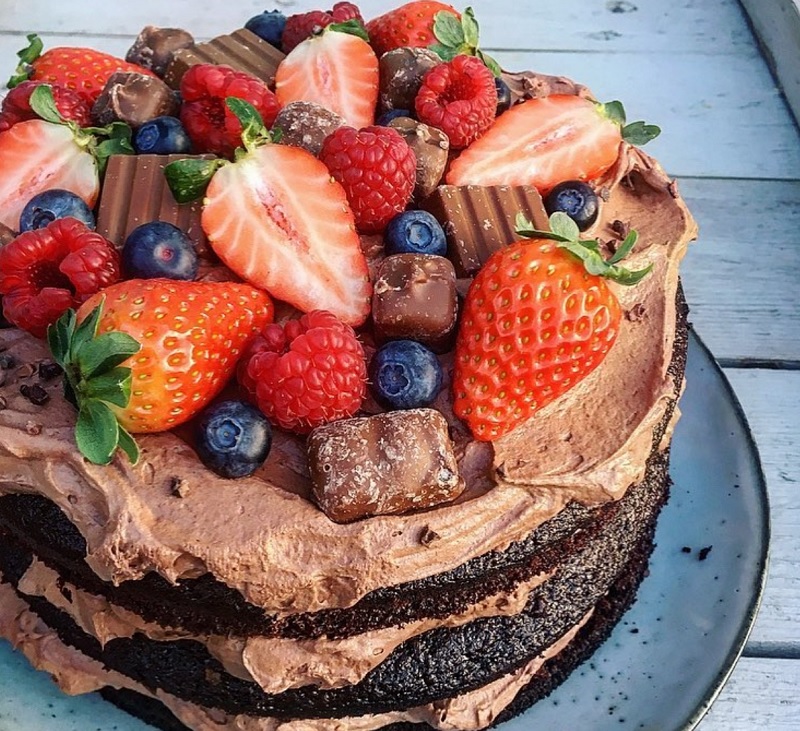

Black Magic number cake:
Beverages with strawberries
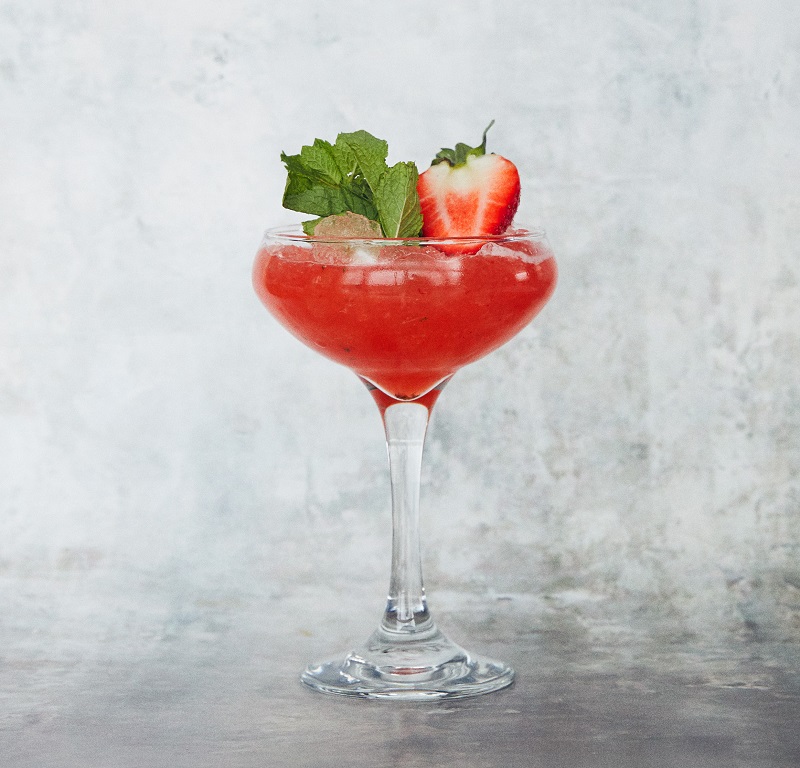
Strawberry Daiquiri:
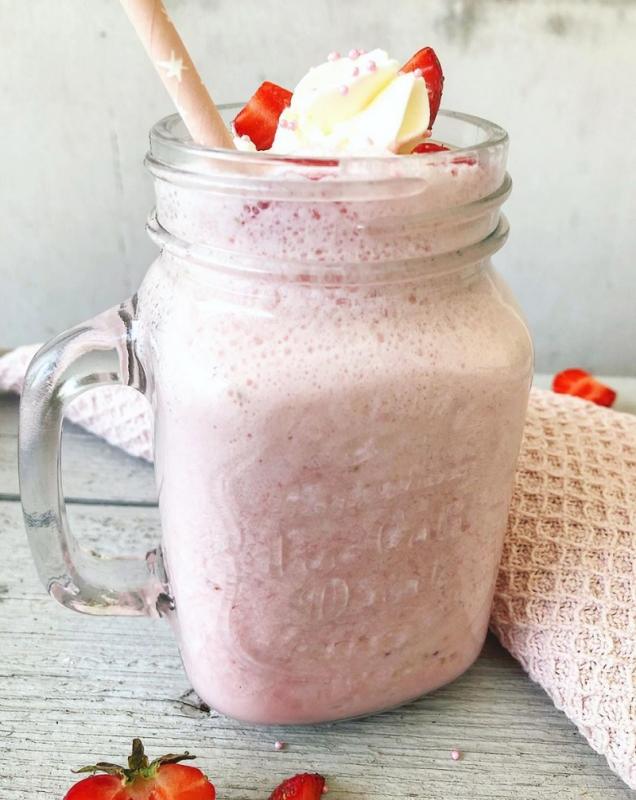
Milkshake: