

It can be difficult to choose which type of flour to use when you’re in the kitchen working with baked goods. Everyone knows a basic buns recipe, but if you want to develop them a bit, there’s a sea of possibilities.
We’ve created a little guide that describes the most important types here:
- Wheat flour. Typically available as fine and milled wheat, where the bran is sifted out. It provides good gluten quality, which helps make bread airy and delicious.
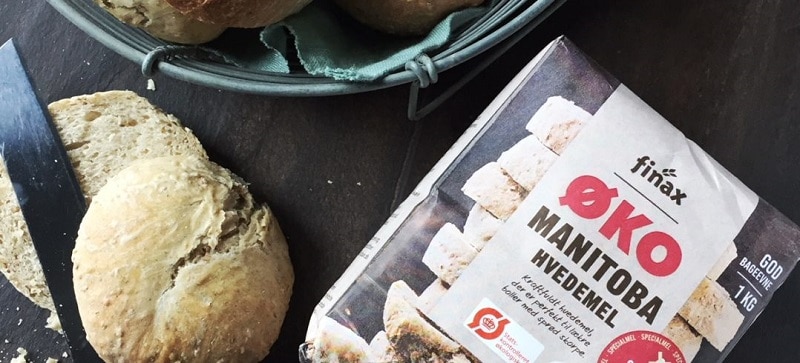
- Manitoba wheat flour. Like regular wheat flour, it is fine and milled without bran. The Manitoba variety has a very high gluten content and is easier to achieve a crispy crust and airiness.
- Stone ground wheat flour. It is an ancient method of grinding grain. When milled and finely sifted, a bit of bran and germ is retained, giving the flour a bit more structure than regular wheat flour.
- Danish White Wheat Wholegrain Flour. Although this flour type is whole grain, it is as light as regular wheat flour. It is rich in dietary fiber like whole grain flour, and due to a specially developed milling technique, all bran is retained.
- Graham flour. It contains ground wheat kernels, so there are plenty of dietary fibers in the flour. When the flour is made, everything from the grain is milled.
- Rye flour. Rye flour is milled from rye and gives plenty of rye flavor to your baked goods. It is especially good for mixing in whole grain bread.
- Spelt flour. Spelt is an ancient variety of wheat that is full of flavor and dietary fibers. It gives your bread a very golden color.
- Wheat bran. Bran is the fiber-rich part found in the husks. It adds plenty of extra flavor but also absorbs a lot of liquid.
We have a wealth of recipes here at gastrofun.dk with baked goods, especially buns, French bread, and baguettes.
Sponsored: If you want to go directly to the country’s largest producer of flour, you can find plenty of inspiration here at recipe buns.