

Crispy, fresh, delicious, healthy, and many other words can be used to describe a good salad. But what makes a good salad good? What exactly is a salad, and how many different things can it be?
We take a much closer look at that here.
Furthermore, we will give you plenty of inspiration on when you can serve salad. We can already reveal that a salad can easily be used both as a side dish and as a whole, satisfying meal on its own. If this sounds like something you want to know more about, be sure to read on.
The History of Salad
The salad has had its ups and downs. A salad is a dish that generally consists primarily of a mixture of smaller pieces of various raw vegetables. At least, one definition has been that way for many years. This may also be the reason why salads have long had a reputation for being either boring or not filling.
As with most things in the world, fortunately, there are ongoing developments in food and definitions of dishes – including salads.
Let’s take a look at where the salad actually comes from.
Salad = Salted Vegetables
The word “salad” comes from the Latin word, herba salata, which directly translates to “salted vegetables” – or “salted greens.” In the Roman Empire, raw vegetables were seasoned with either salt dissolved in water or oil-vinegar dressing with salt. Salt and vegetables, therefore, were inseparably connected.
Both the Romans and the Greeks have enjoyed eating raw vegetables with dressing for centuries, and during the Renaissance, salads in various versions were a staple on the dining tables in the finer circles. Italy has been a frontrunner in many areas over the years, and this was also true in the culinary world during the Renaissance.
All to Stay in Vogue
Further north, Europeans believed that it was certainly not healthy to eat either fruit or vegetables in their raw state. Quite the opposite, in fact. So, if one wanted to be in vogue, it was necessary to break that boundary and start eating raw salad. And so they did. What one does to feel part of the elite!
The French Changed the Course
The Renaissance’s highly contrasting cuisine with crispy, raw vegetables received a sudden overhaul from the French kitchen in the 18th century. And raw salads were not part of it.
Therefore, salads were not found in the Danish kitchen in either the 18th century or most of the 19th century.
American Salad Habits Gain Ground
Looking at American eating habits (just think of the burger and food traditions at the Super Bowl), it might be hard to imagine, but Americans actually have a long tradition of eating various salads. Several of the salads that are very typical of the 20th century, for example, Waldorf salad, coleslaw, and Caesar salad, are actually American. The incredibly famous Iceberg lettuce comes from 1920s California.
When American salad habits came to Denmark in the late 1970s, raw vegetables, Iceberg, and various coarse types of lettuce suddenly appeared on Danish dining tables. Bread croutons and Thousand Island dressing also made their entry. The Danes’ increasing focus on lifestyle diseases slowly but surely made salad a more prominent player in Danish kitchens.
The Construction of a Good Salad
When putting together a salad, you often decide on a base. This can be a particular leafy green, such as iceberg, baby spinach, baby leaves, or arugula, but it can also be a mix of different leafy greens. This helps make the salad more interesting and nuanced in both taste and appearance.
The Base
A good base for a salad doesn’t necessarily have to be vegetables. It typically depends on whether the salad is to be served as a side dish or as a complete dish in itself. If the salad is to be eaten as a main course, it’s a good idea to give the salad plenty of substance so that you don’t risk getting hungry half an hour later.
Salads for dinner will often have some form of protein in them. This will, in most cases, be meat, such as chicken, but it’s also possible to make a vegetarian salad filled with protein. Here, you will often use lentils, beans, tofu, or other protein-rich foods. Quinoa or couscous can also form a good base in a salad for dinner, as they both provide substance, satiety, and texture.
Additional Elements and Flavorings
Afterwards, you usually add additional elements such as other vegetables and flavorings, as well as dressing, either mixed into the salad or served on the side. Nuts can add a touch of fat, which also provides satiety, and fresh or dried fruit can contribute sweetness.
Consider also preparing one raw ingredient in several ways – for example, red onions can be both raw and pickled. The more different elements you generally incorporate into the salad, the more satisfying it can be said to become.
The possibilities are truly limitless. The only thing that matters is context, as well as taste and preference.
Ideas for Good “Bases”
- Iceberg
- Arugula
- Baby spinach
- Curly lettuce
- Baby leaves
- Romaine
- Butterhead lettuce
- All types of cabbage (preferably finely chopped)
- Cauliflower rice
- Grain products (rice, pasta/noodles, couscous, bulgur, quinoa)
Ideas for Other Vegetables
- Eggplant
- Cucumber
- Carrot (chopped or sliced)
- Potato
- Cauliflower
- Broccoli
- Tomato
- Corn
- Bell pepper
- Avocado
Ideas for Various Flavorings
- Nuts, seeds, and kernels (salted peanuts, roasted hazelnuts, walnuts, pine nuts, almonds, sunflower seeds, flaxseeds)
- Dried fruit (cranberries, raisins)
- Fresh fruit (melon, apple, pear)
- Cheese (parmesan, fresh mozzarella, goat cheese)
Ideas for Dressing
Different Types of Salads
Below, we’ve compiled some of the more specific categorizations that exist within salads.
- Cold Salads
– The classic salad as we know it, primarily with raw vegetables and possibly fruit and nuts. - Warm or Hot Salads
– If the vegetables are warm, it’s a warm (or hot) salad. This can, for example, be a salad consisting of sautéed asparagus and roasted vegetables. - Meat Salads
– A green salad with fresh, raw vegetables can be mixed with, for example, marinated and grilled chicken, beef, pork, and so on. - Holiday Salads
– Several salads are associated with the holidays, for example, warm red cabbage with the roast pork on Christmas Eve.
Find Your New Favorite
One of the best things about salad is that it’s super easy to try something new. And there’s plenty of inspiration across the internet, so you can experiment with lots of new delicious and filling salads.
We hope that you’ve gotten some ideas that you can use to incorporate even more greens into your everyday life, both for yourself and your family.
Salad Recipes
Cauliflower Salad
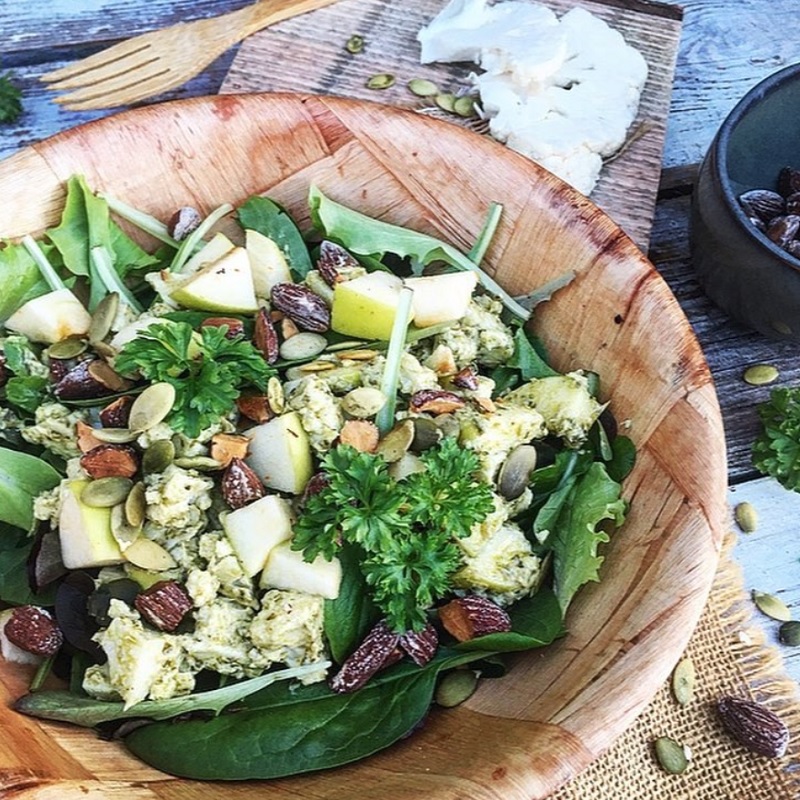
Quinoa Salad with Roasted Vegetables

Cauliflower Salad with Almonds, Parmesan, and Wood Sorrel

Everyday-Friendly Grill Dish

Red Waldorf Salad
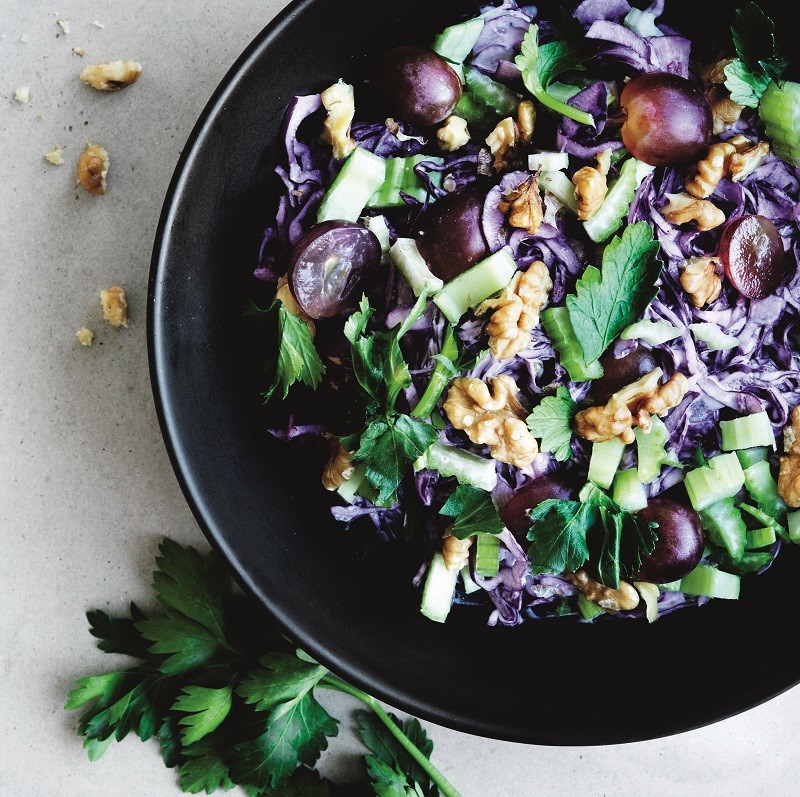
Noodle Salad
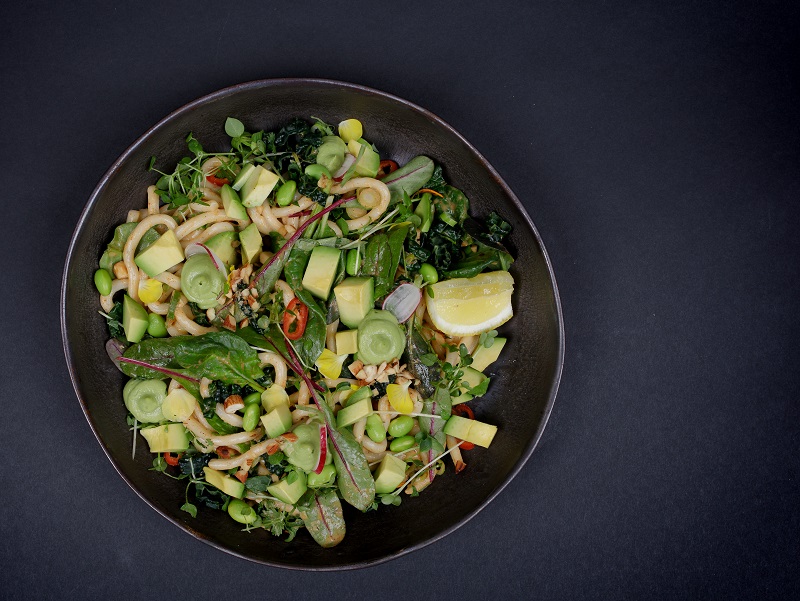
Classic Waldorf Salad

Caesar Salad
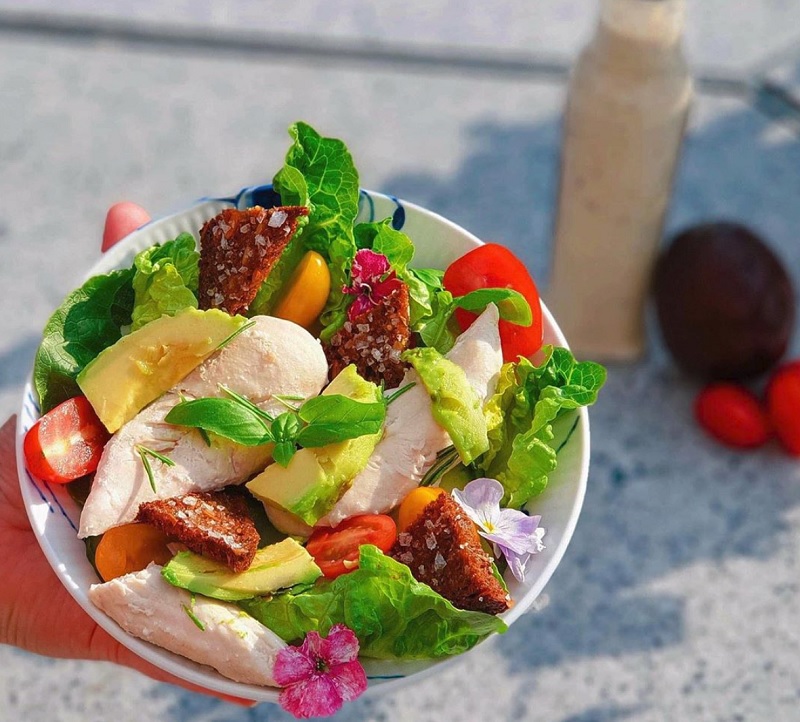
Panzanella

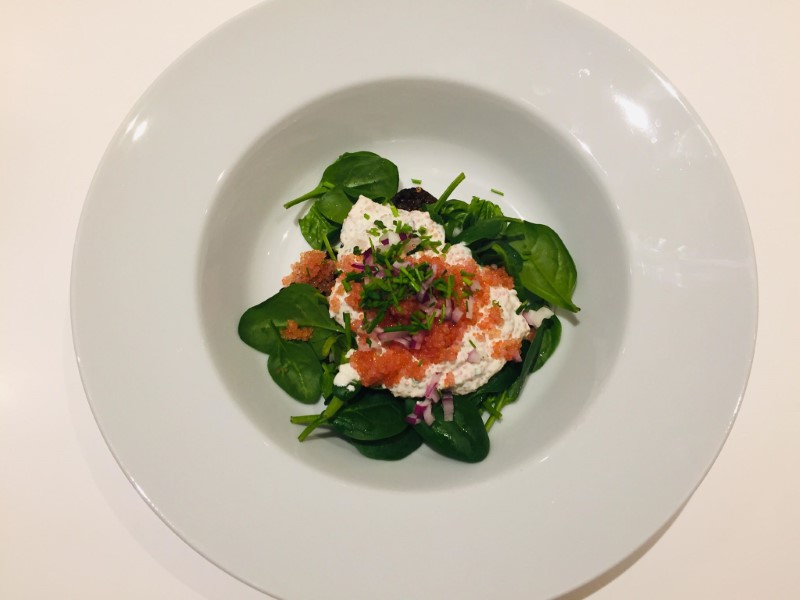
Salad with Lumpfish Roe
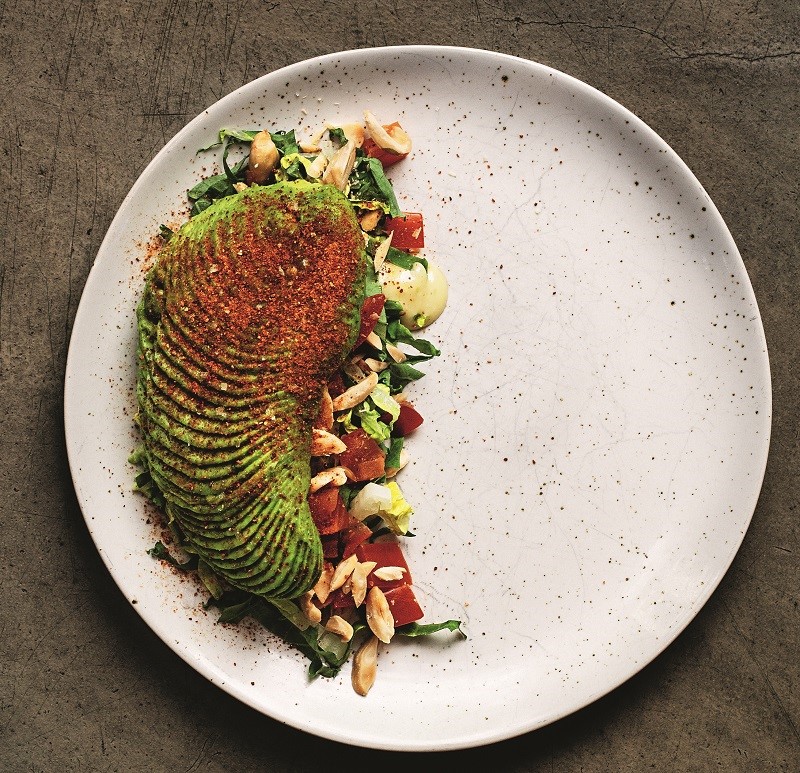
Avocado Salad with Smoked Tomatoes

Pea Salad

Quinoa
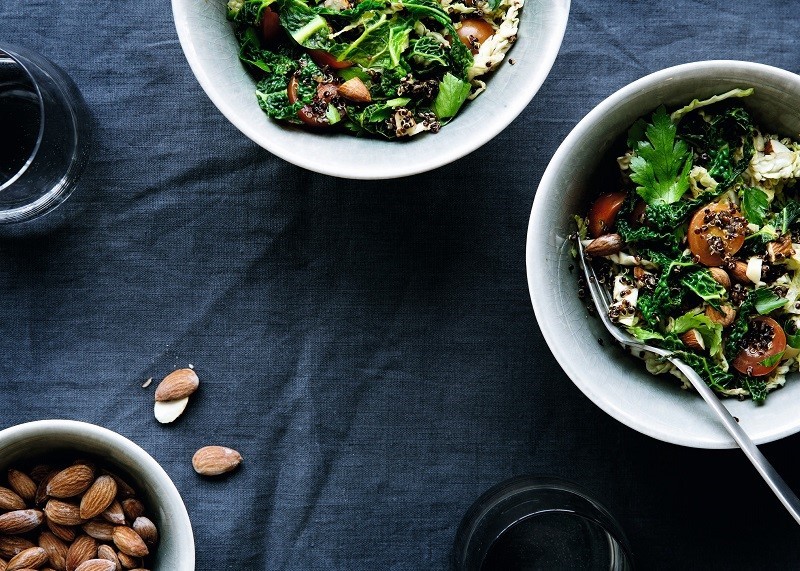
Radicchio Salad with Baked Pear and Goat Cheese Bruschetta
Spinach Salad

Bulgur Salad
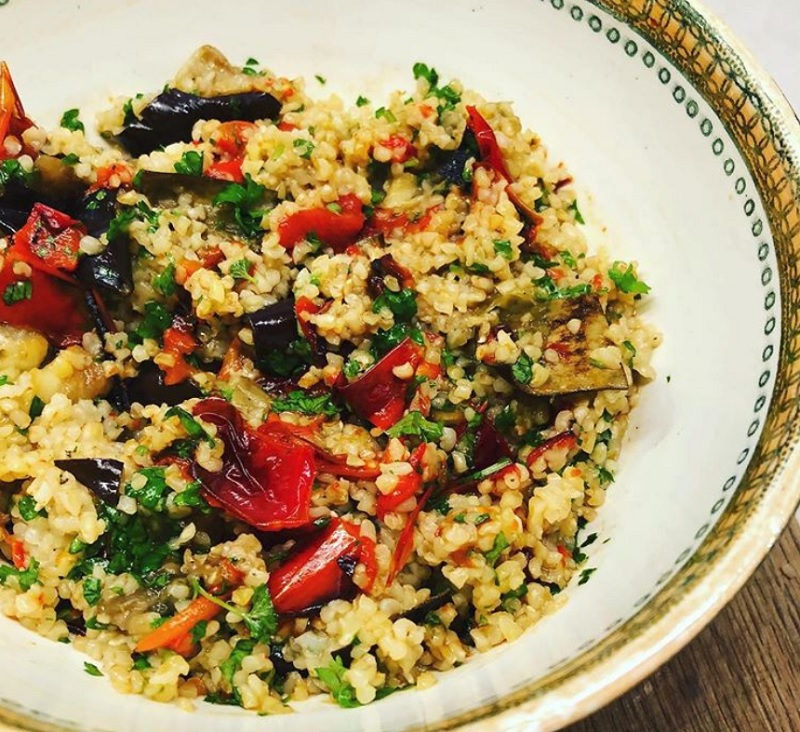
Fennel Salad
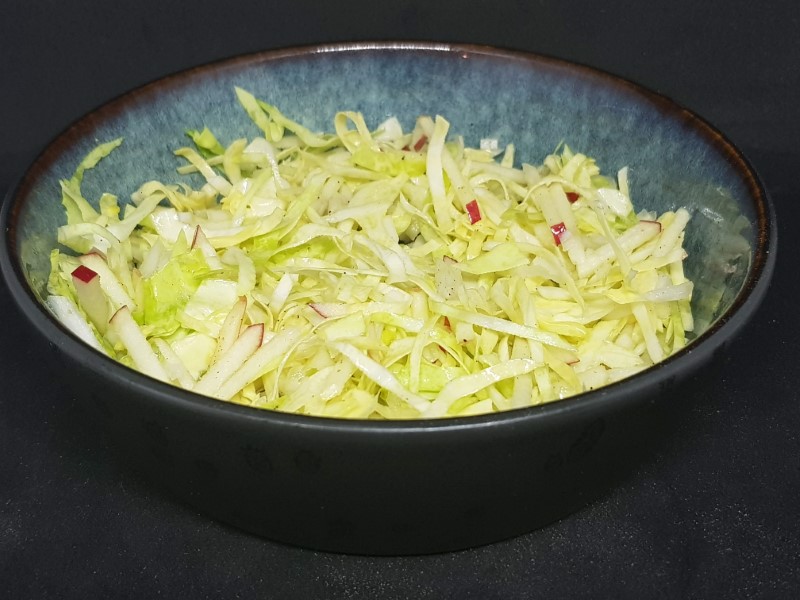
Salad with Chicken and Bacon
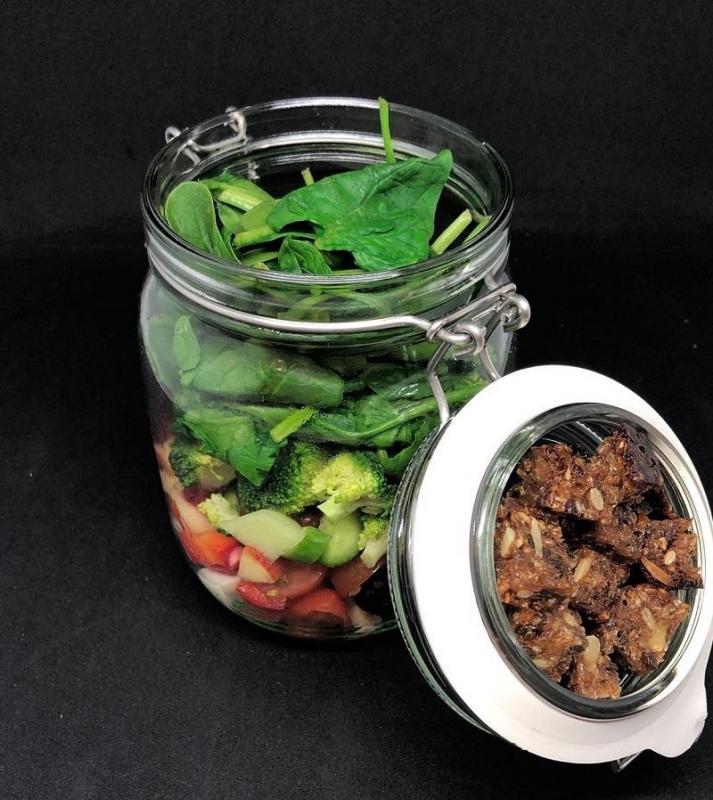
Bean Salad

Late Summer Salad with Popcorn
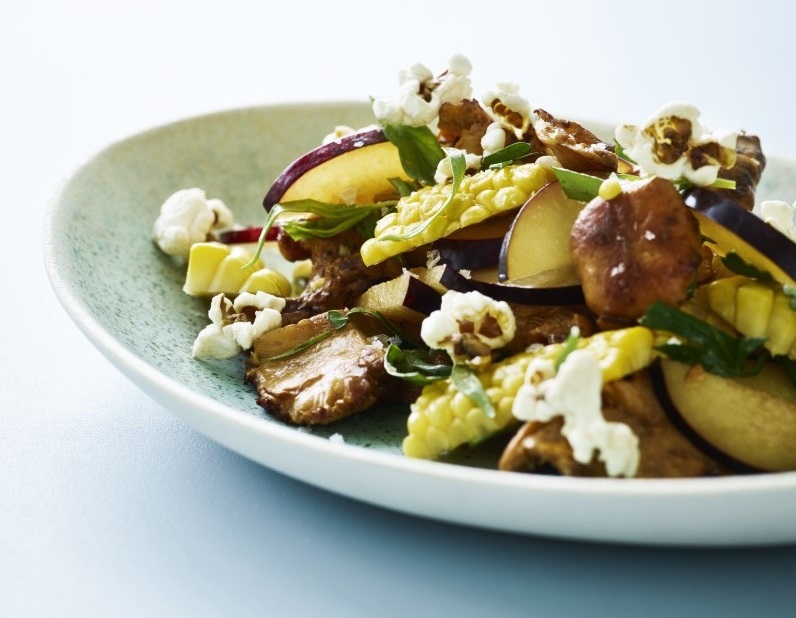
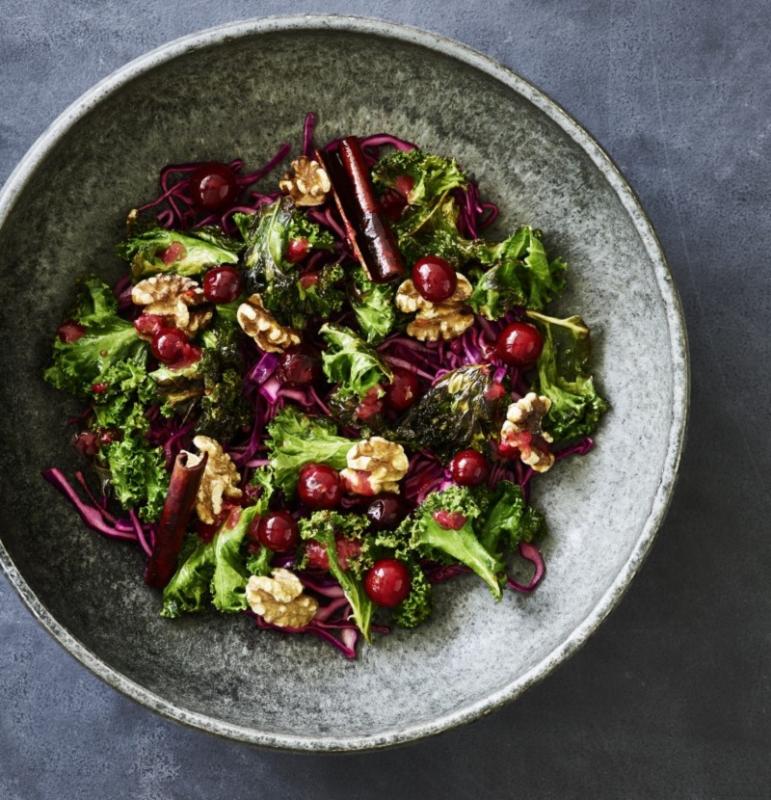
Salad with Red Cabbage
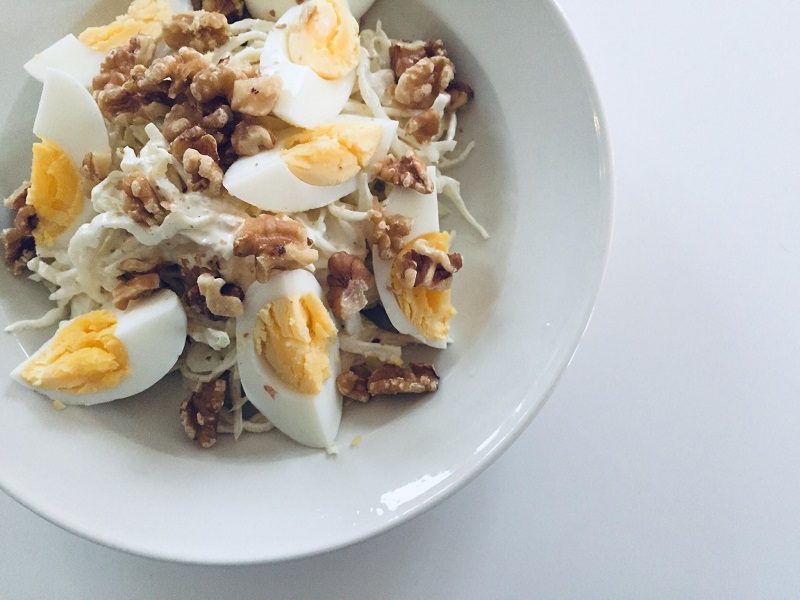
Salad with Eggs
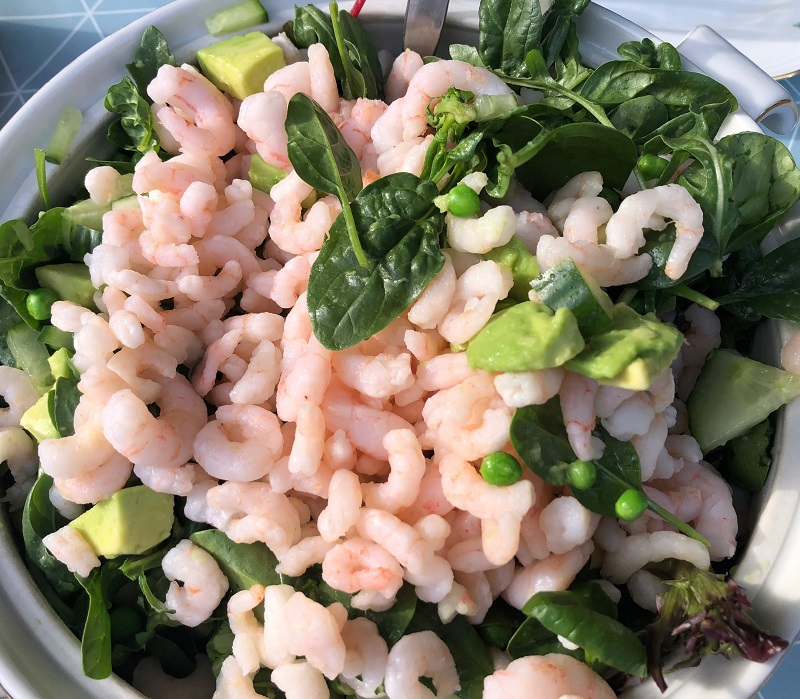
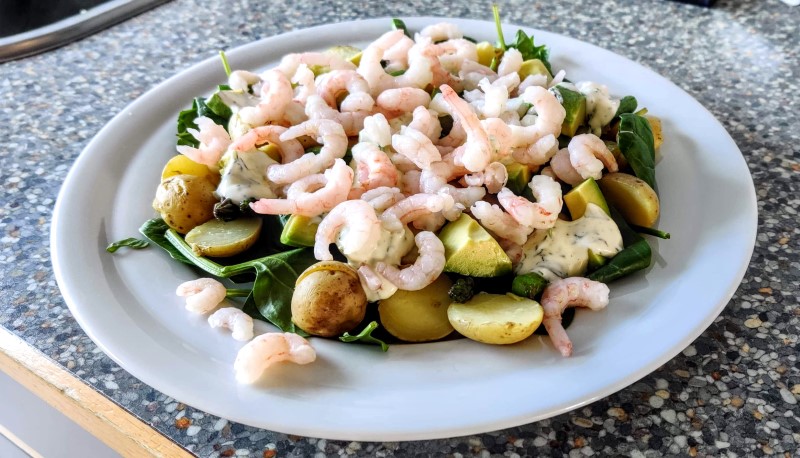
Summer Salad with Shrimp
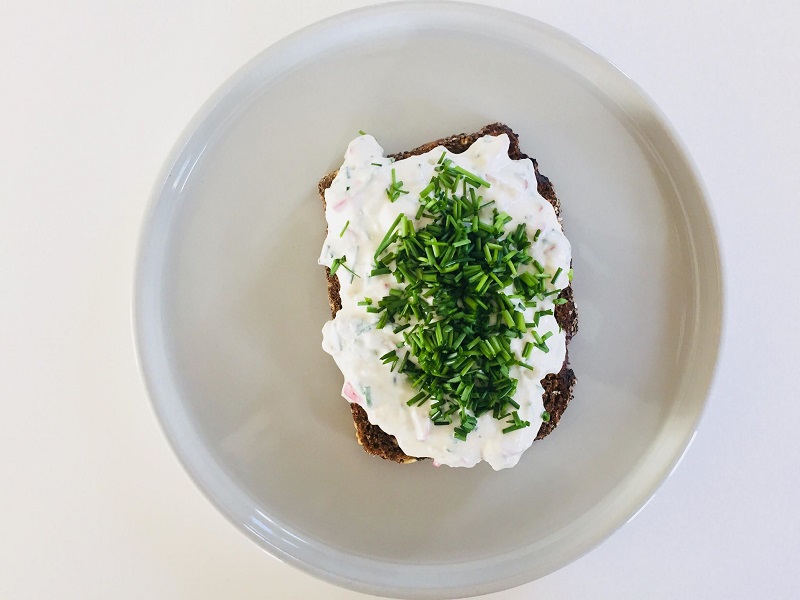
Smoke Cheese Salad
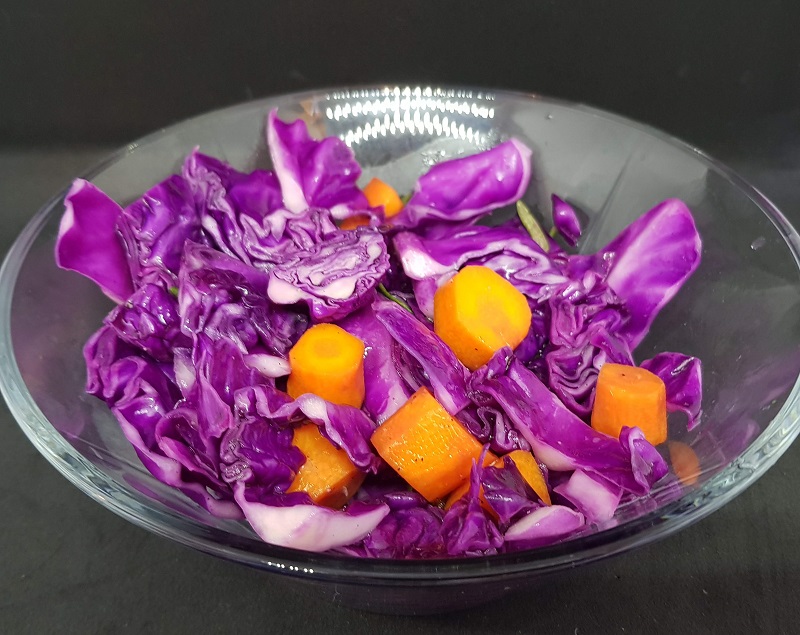
Salad with Red Cabbage and Carrots
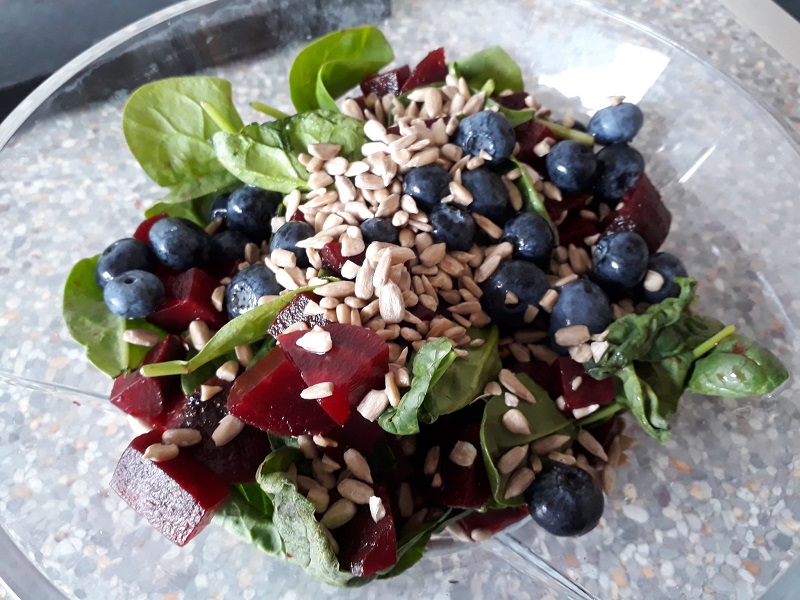
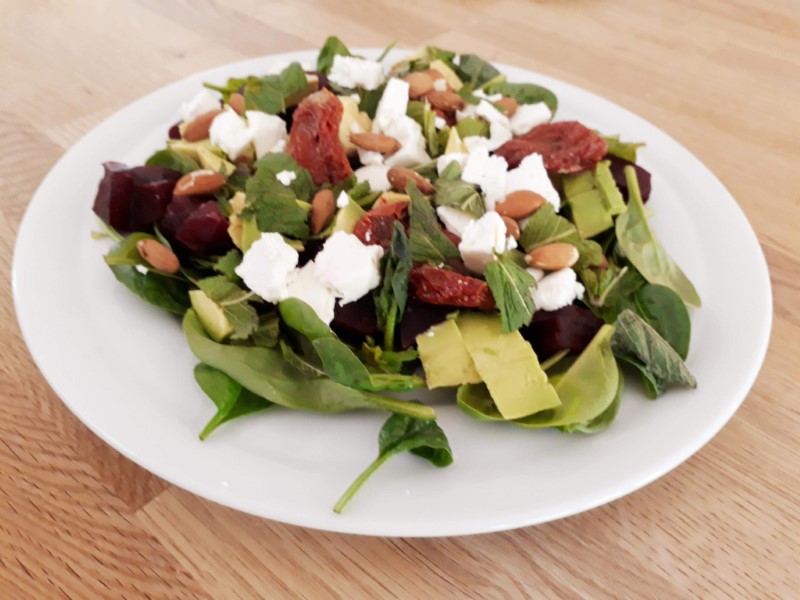
Salad with Spinach and Beets
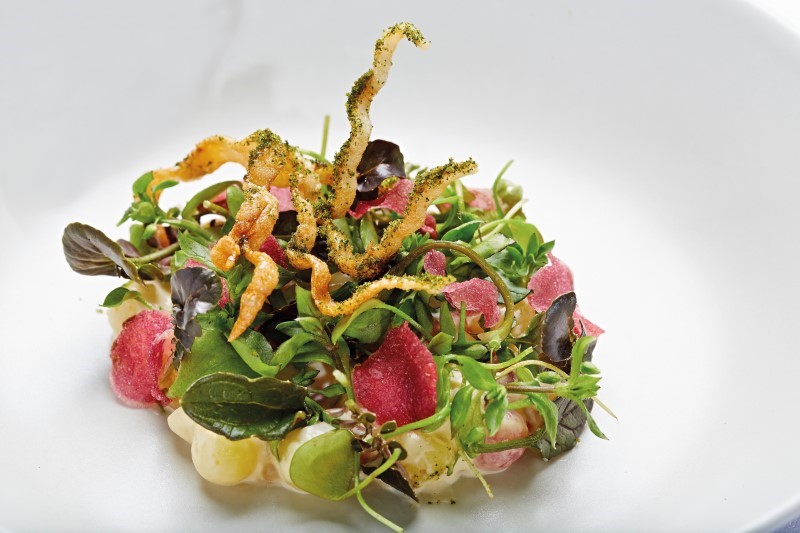
Potato Salad with Chips
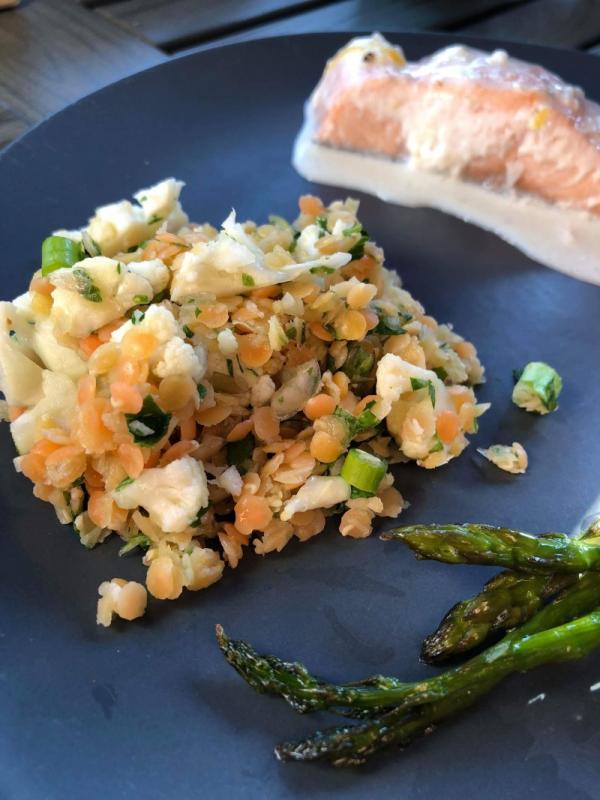
Cauliflower Salad
Bean Salad
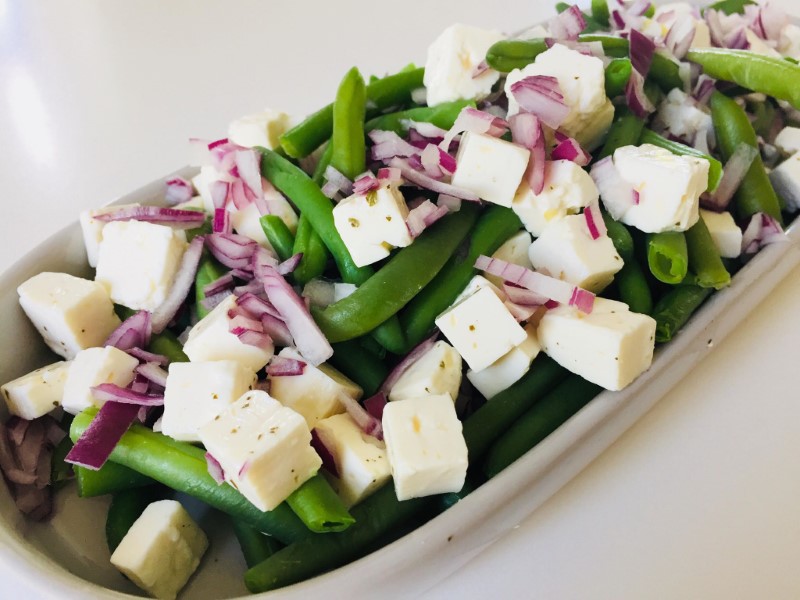
Salad with Crayfish Tails
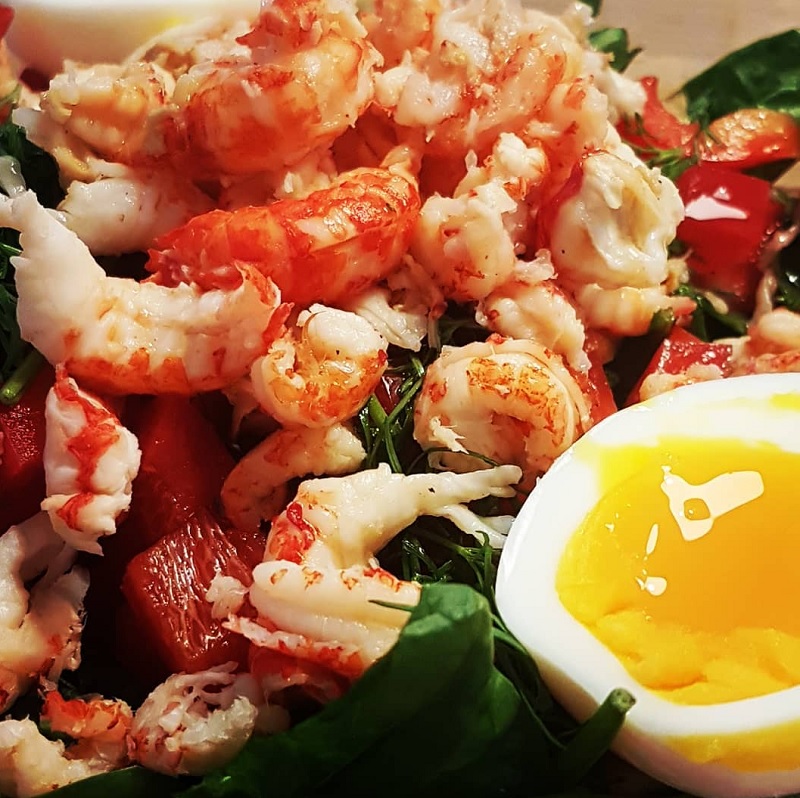
Salad with Chicken and Eggs
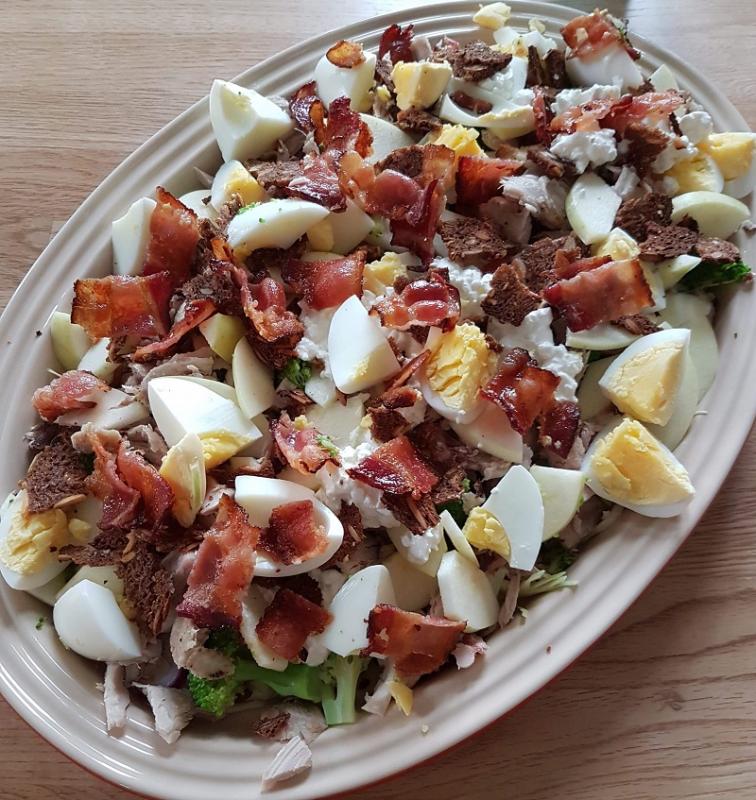
Nordic Shrimp Cocktail
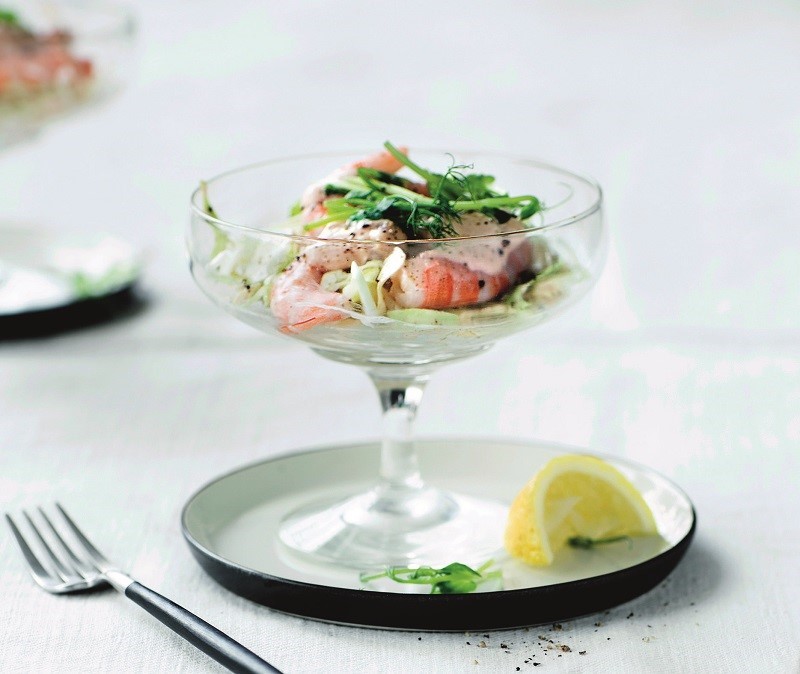
Salad with Cabbage and Pickled Red Onions
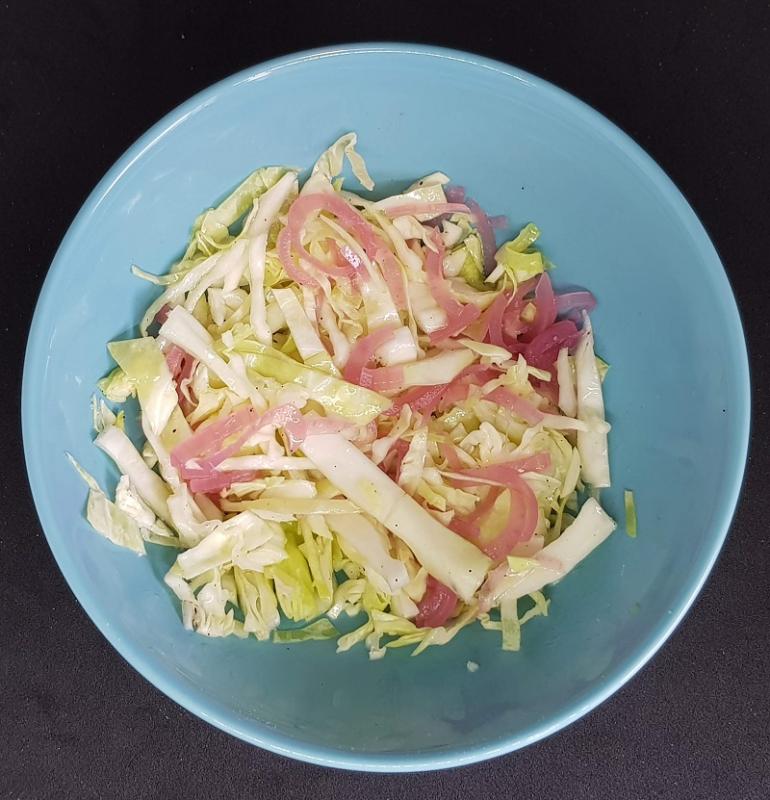
Salad with Feta
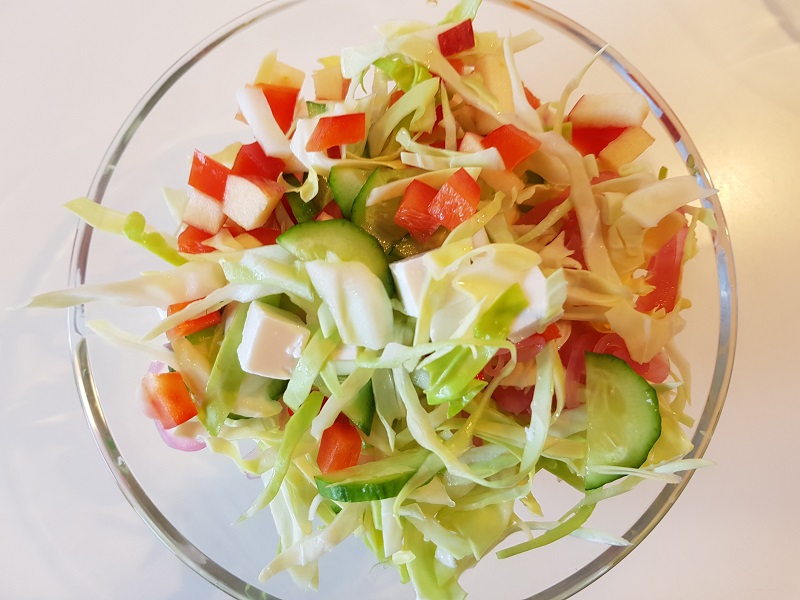
Salad with Nectarines and Strawberries
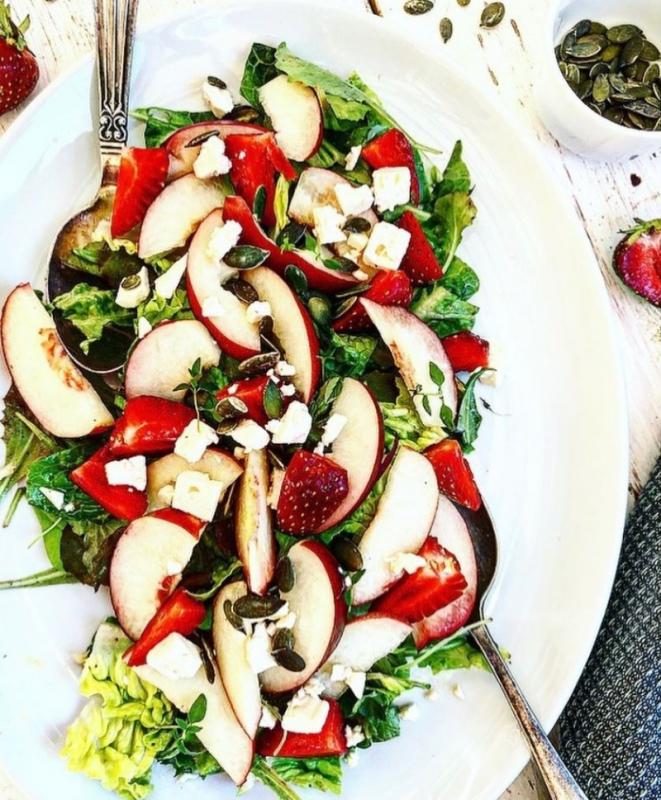
Salad with Pickled Red Onions and Cabbage
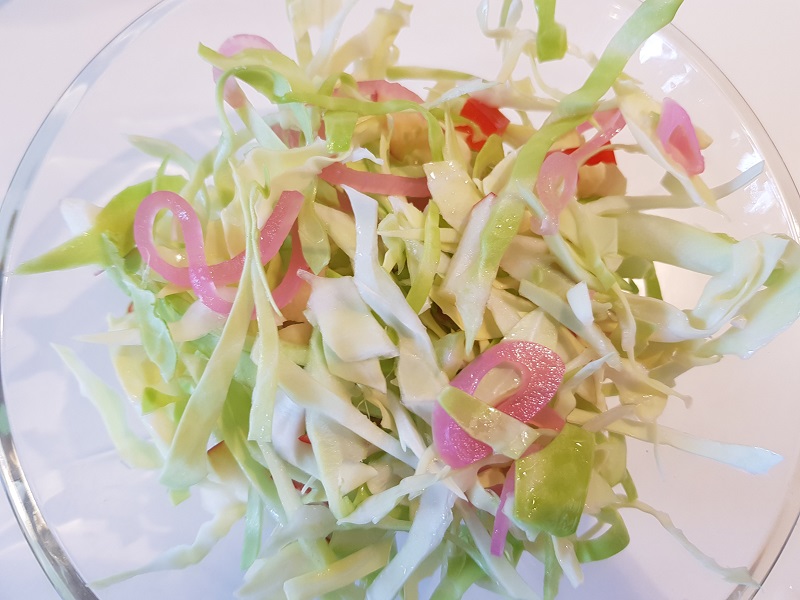
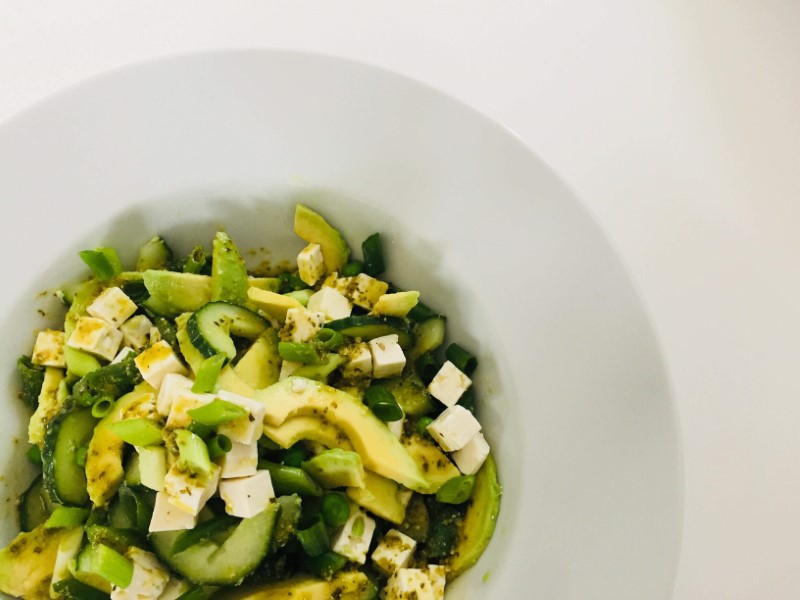
Avocado Salad
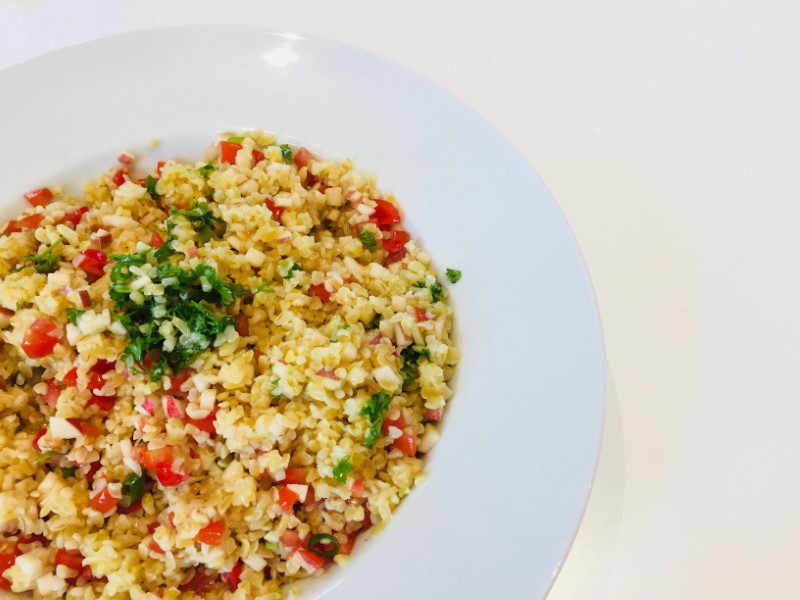
Tabouleh with Coarse Bulgur
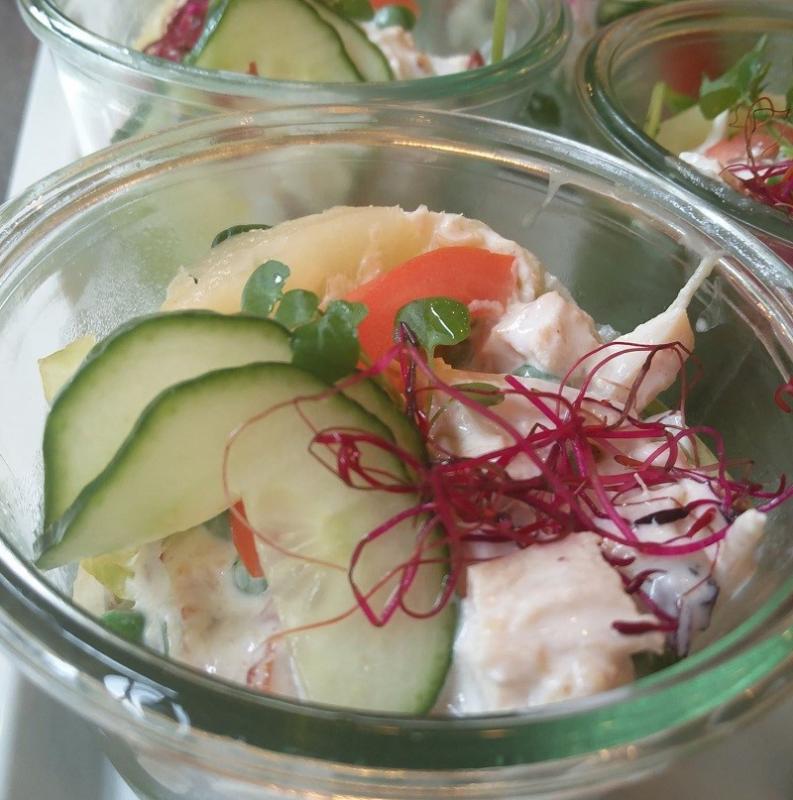
Shrimp Salad
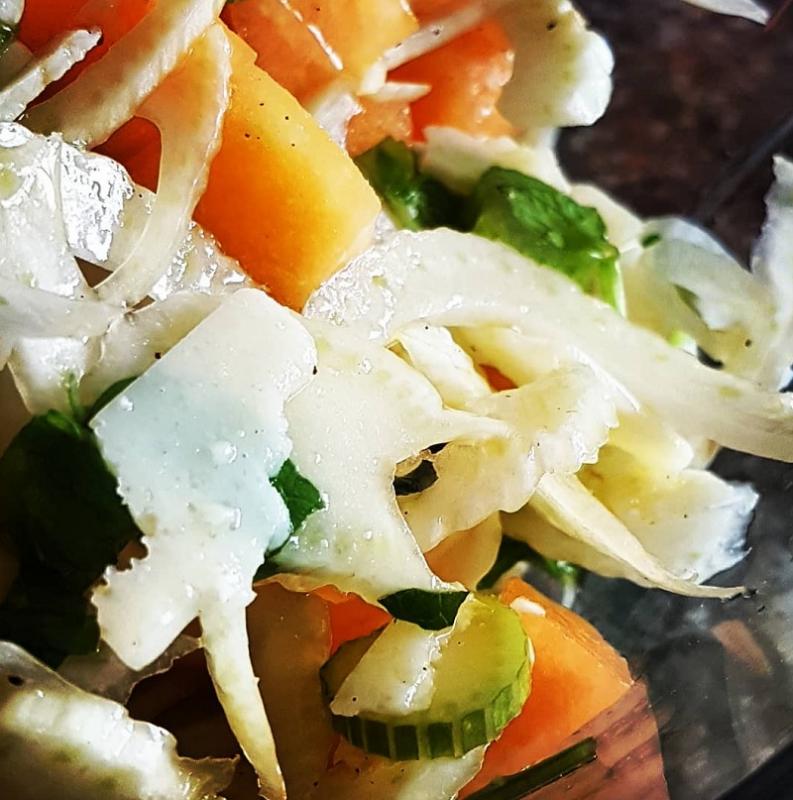
Salad with Fennel and Mint
Summer Salad

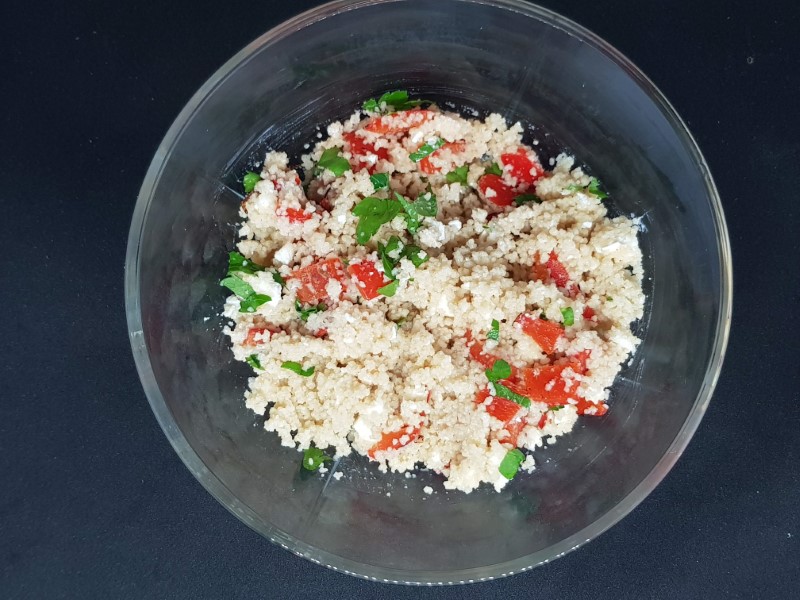
Couscous Salad
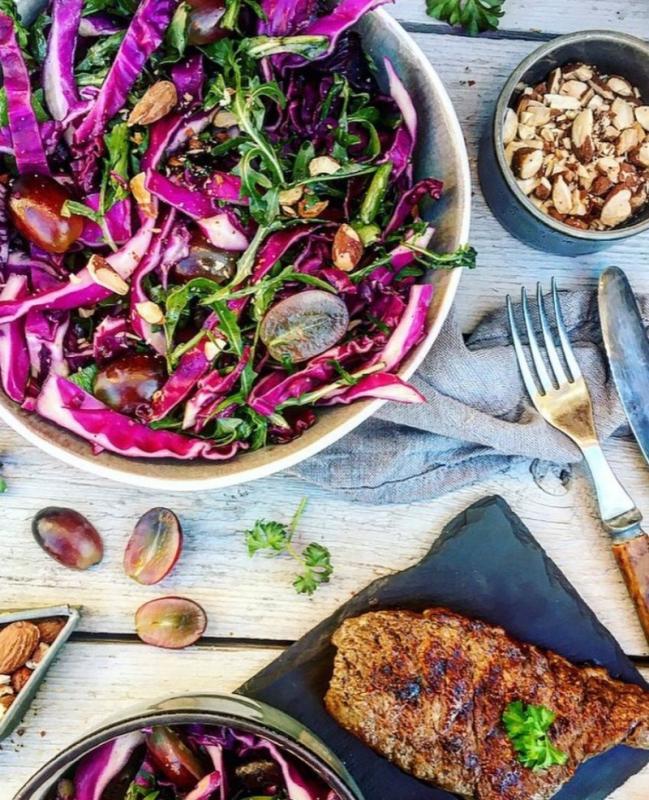
Cabbage Salad with Arugula and Grapes
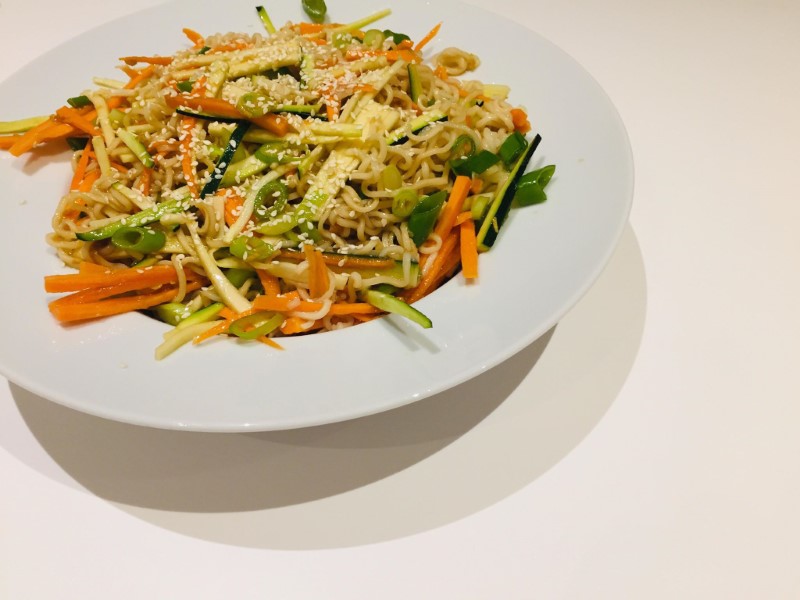
Asian Noodle Salad
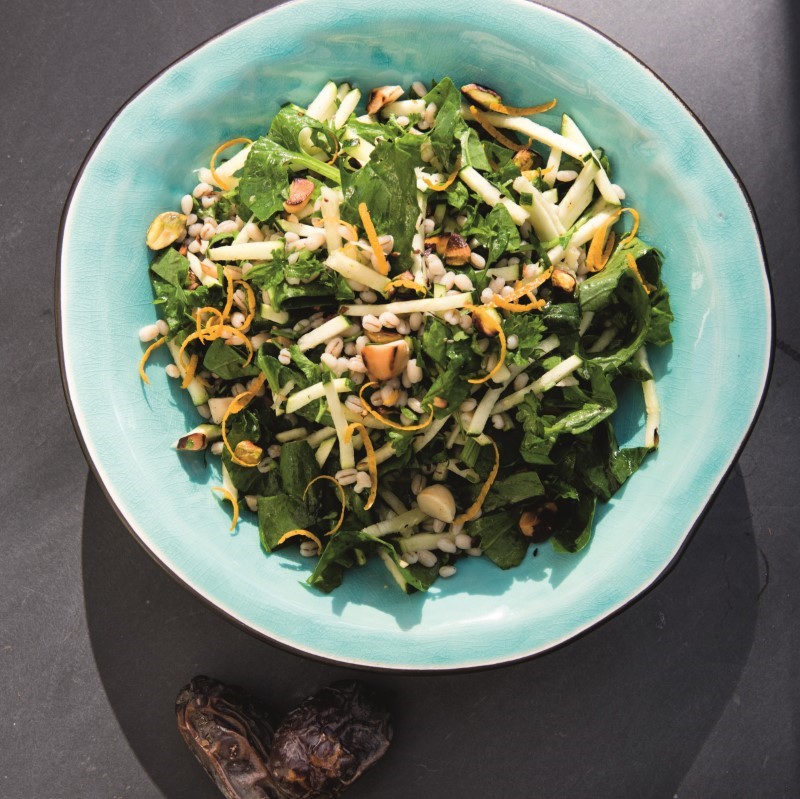
Barley Salad
Coleslaw
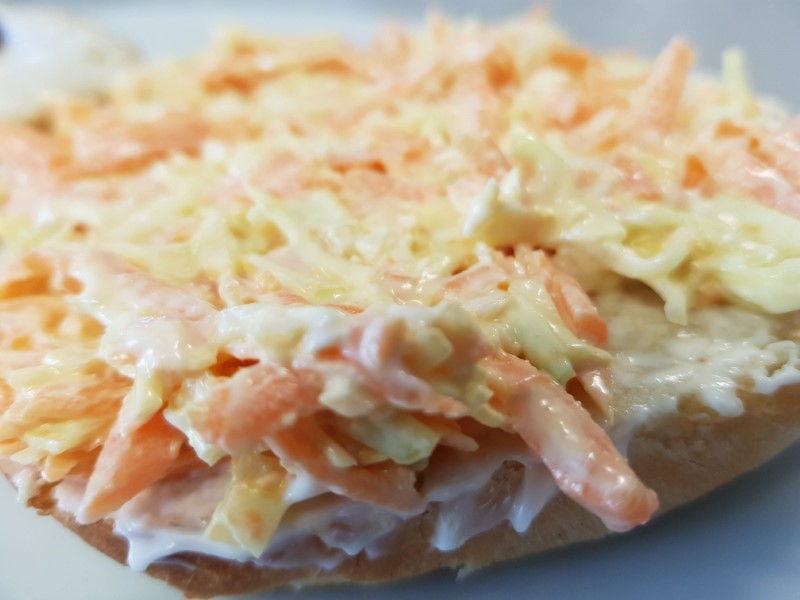
Salad with Cabbage and Grandma’s Dressing
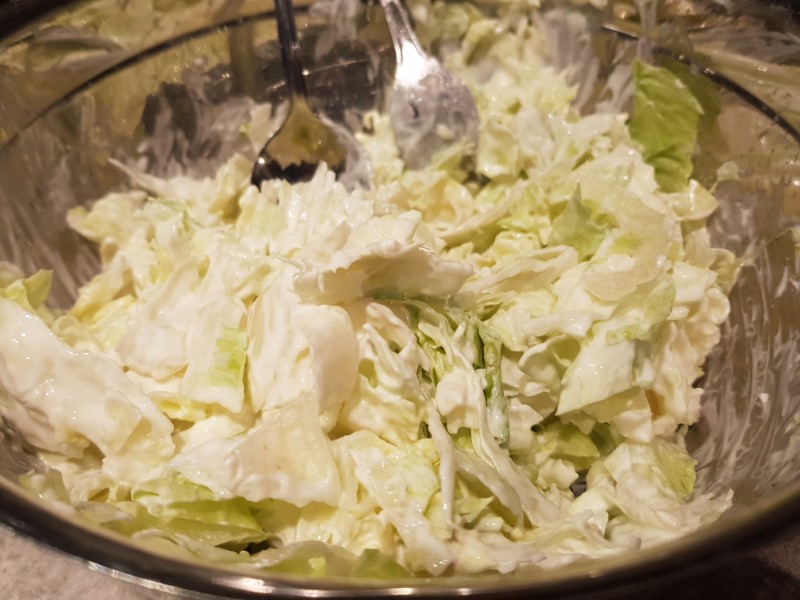
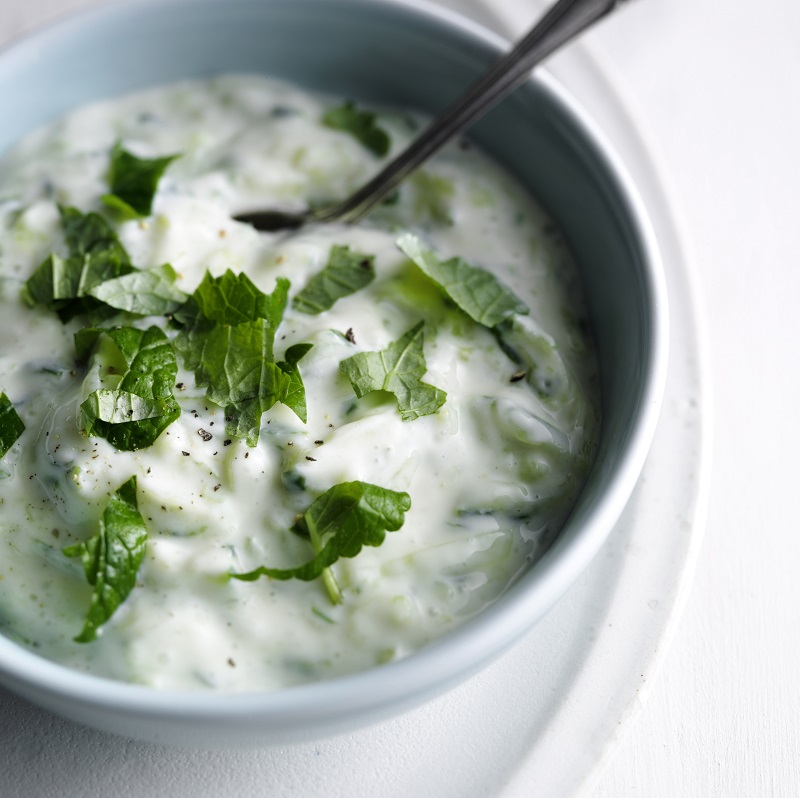
Tzatziki
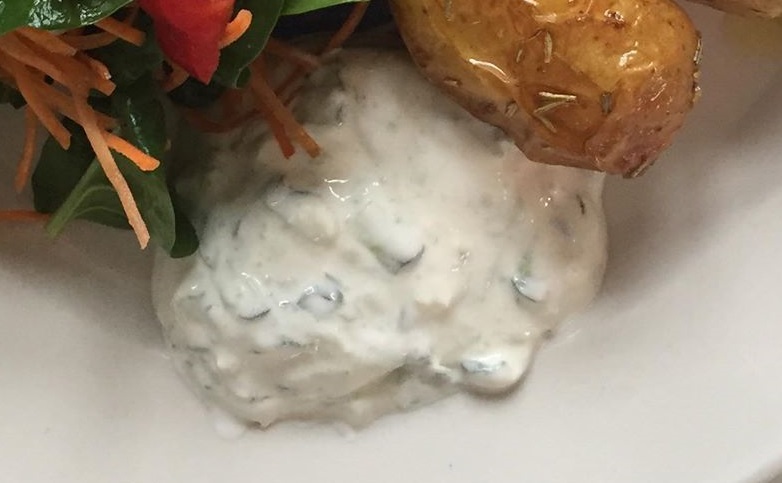
Salad with Lumpfish Roe
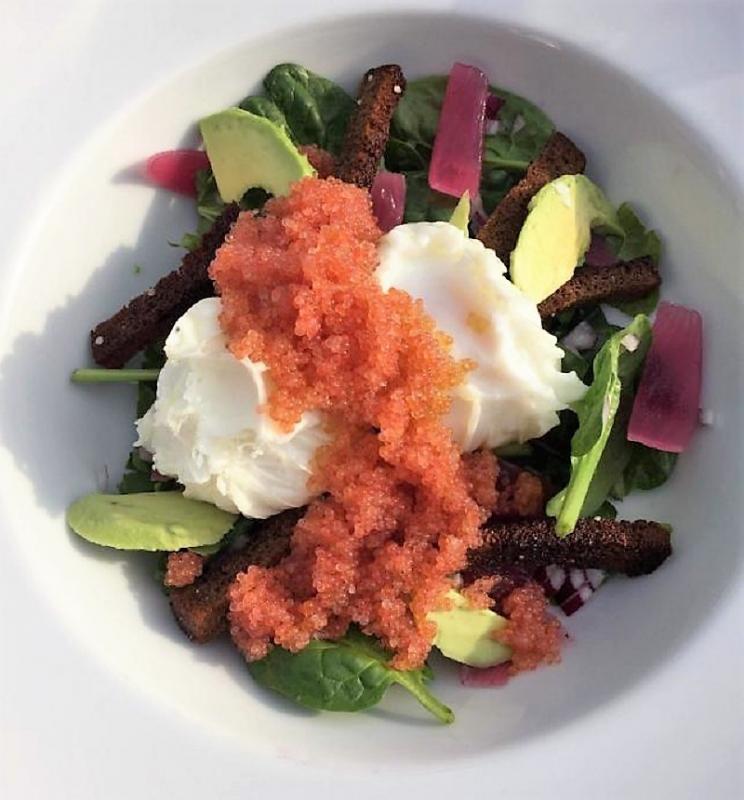
Vegan Tzatziki
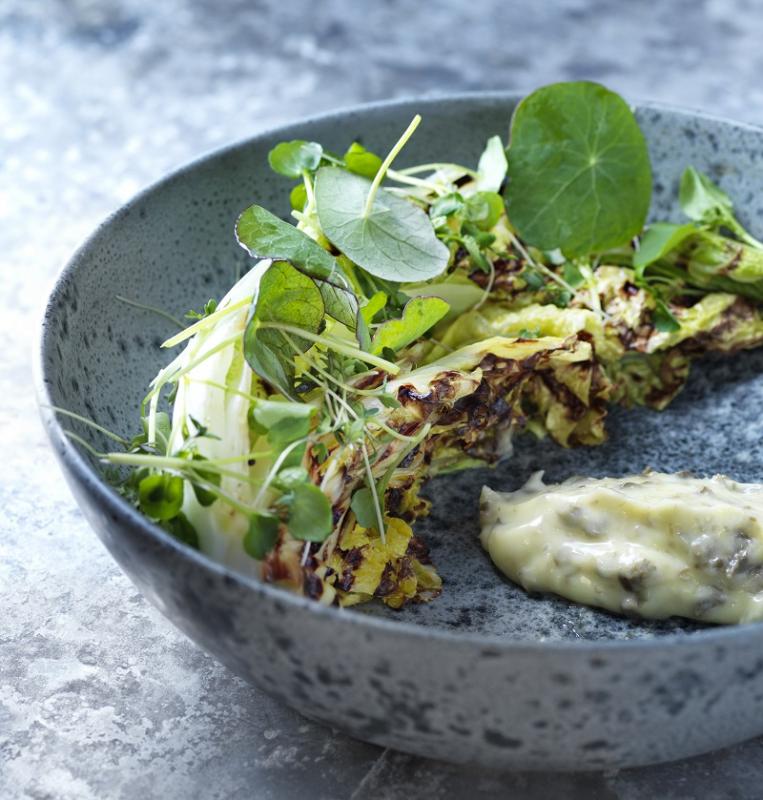
Grilled Chinese Cabbage
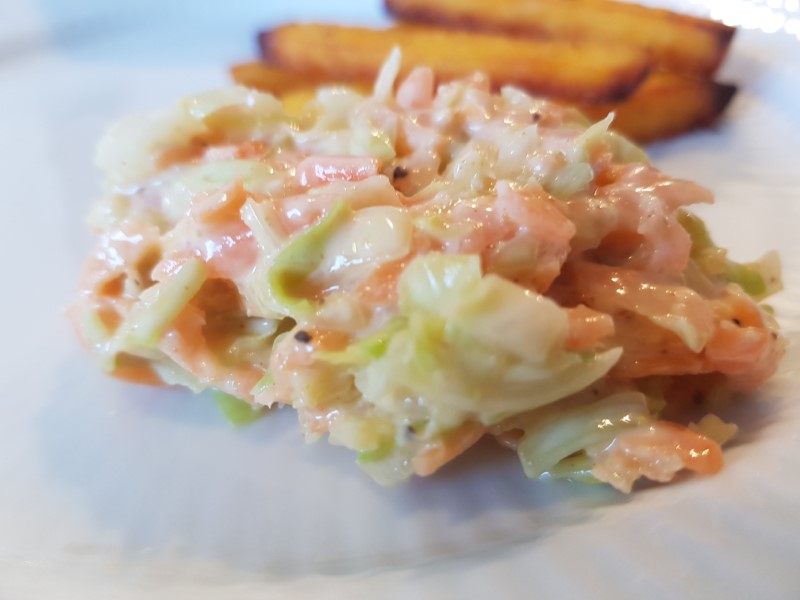
Coleslaw
Citrus Salad

Crispy Salad with Asparagus and Blueberries
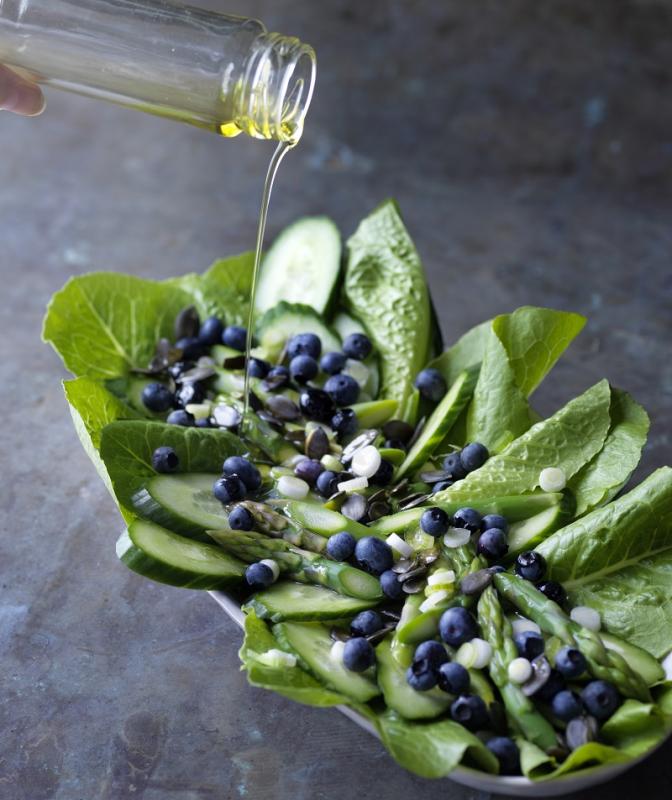
Grilled Romaine Lettuce
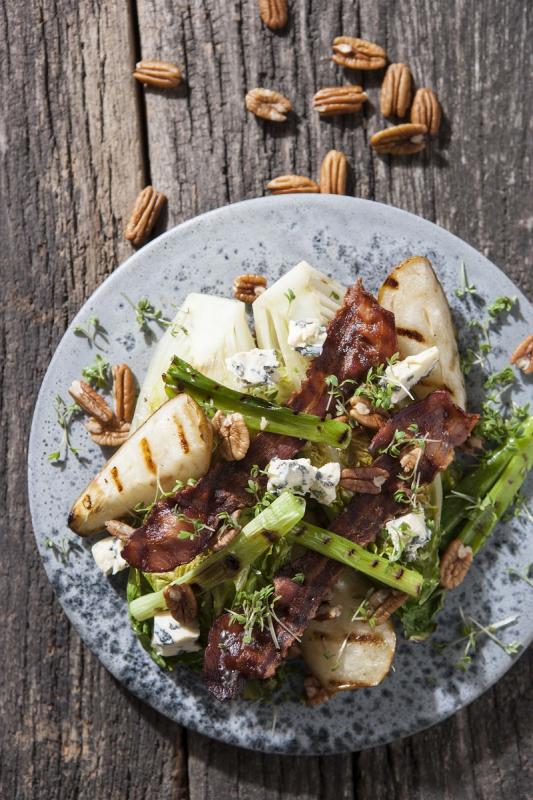
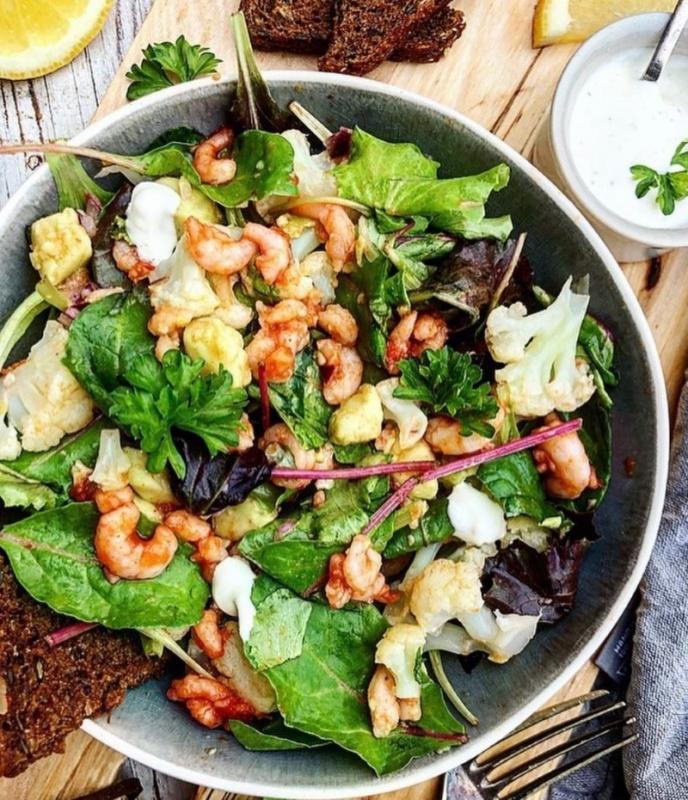
Spicy Shrimp Salad
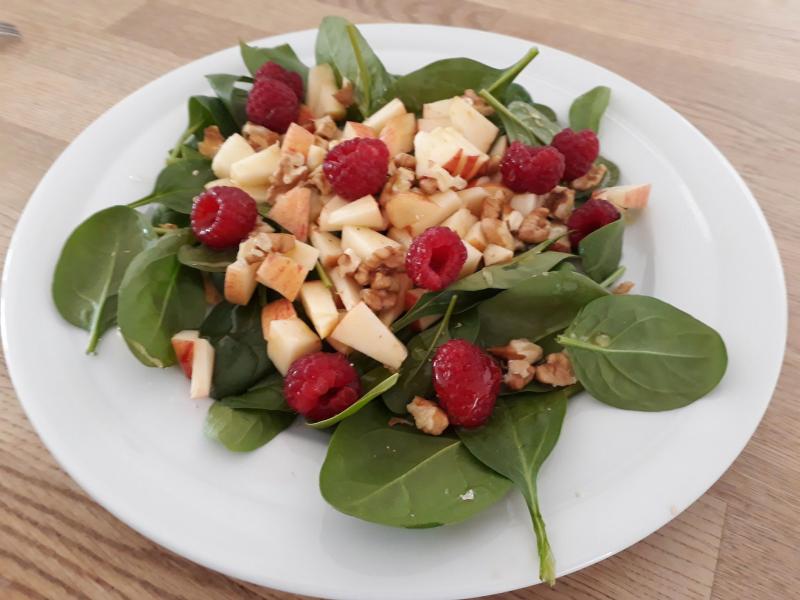
Salad with Raspberries, Apple, and Walnuts
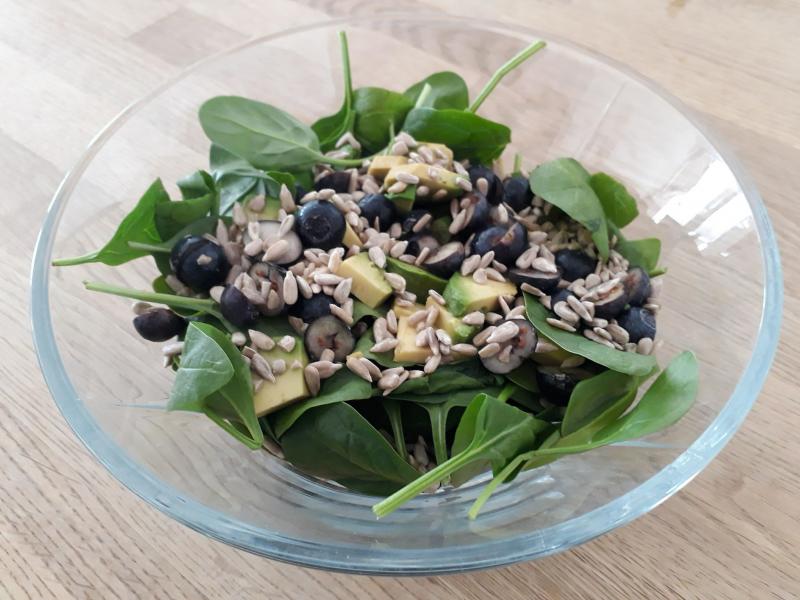
Salad with Avocado and Blueberries
Spelt Salad
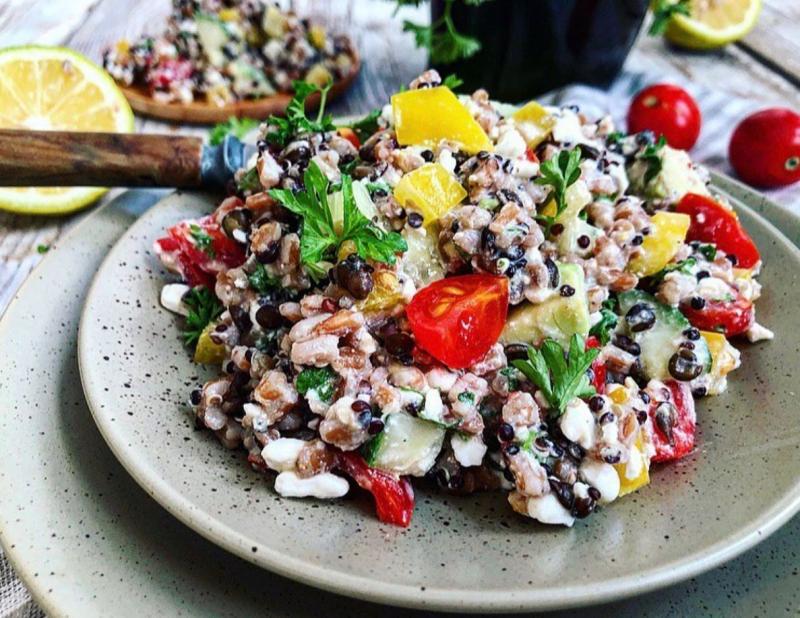
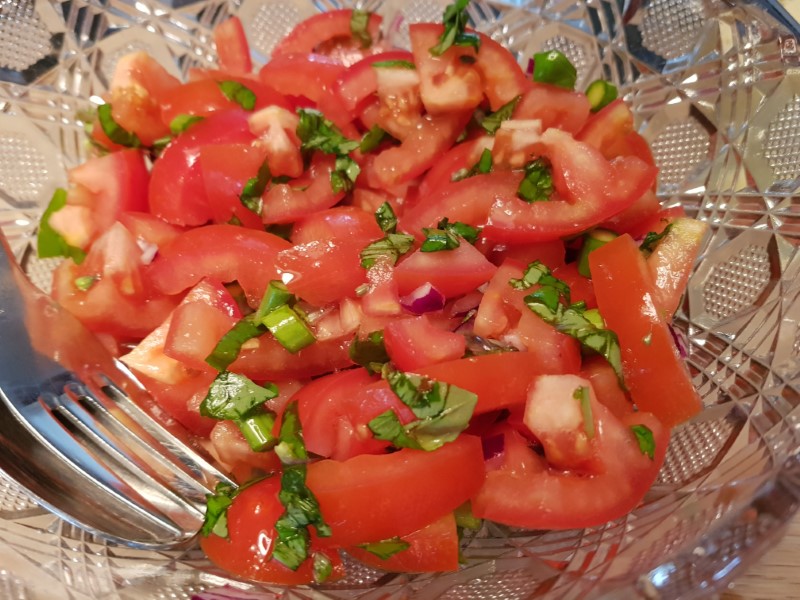
Tomato Salad
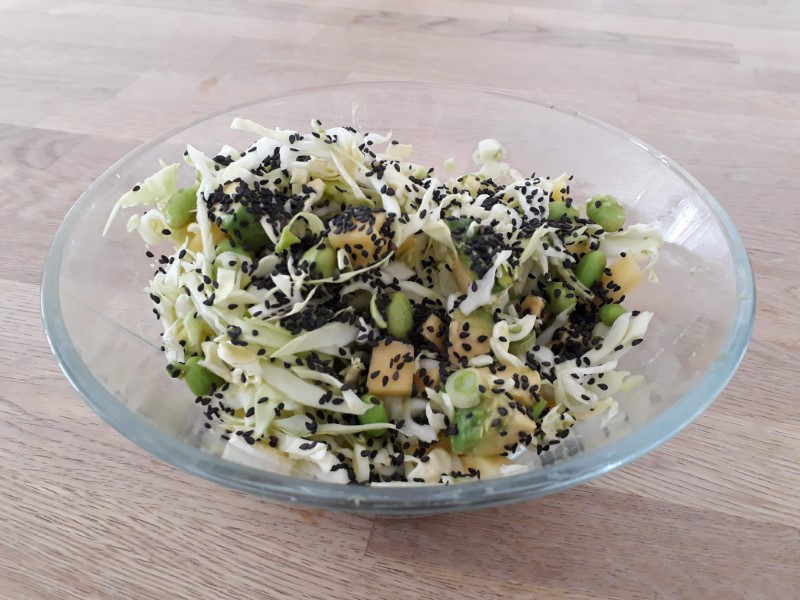
Salad with Edamame Beans, Cabbage, and Mango
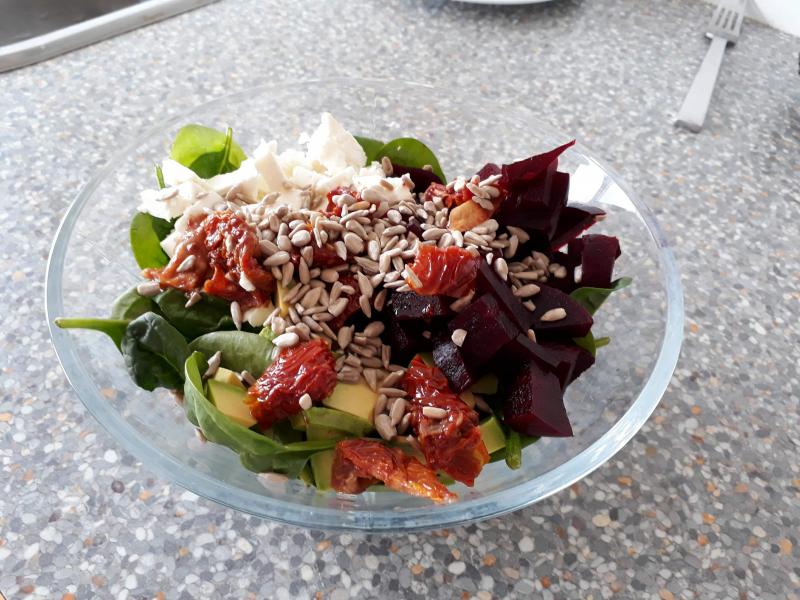
Salad with Feta and Pickled Beets
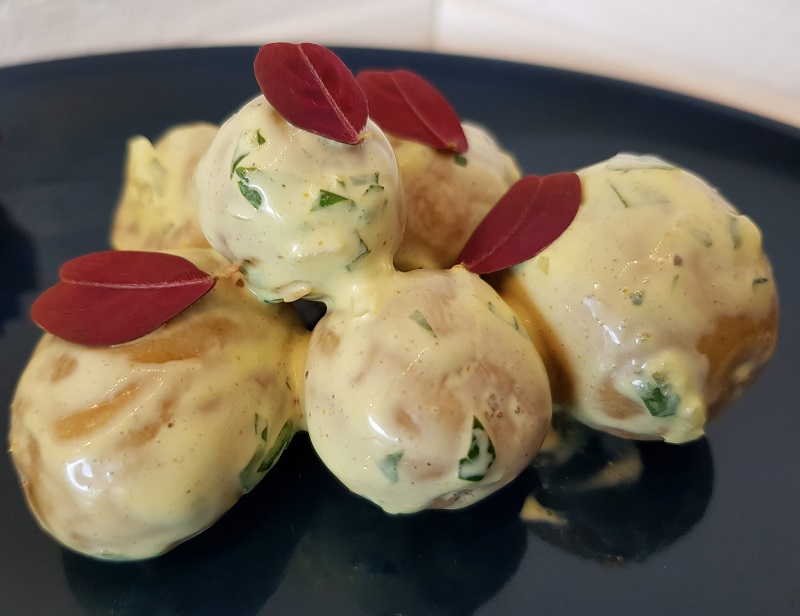
Cold Potato Salad with Herbs
Purple Cabbage Salad with Beets and Avocado

Salad with Mint and Almonds
Croissant with Duck Breast Salad

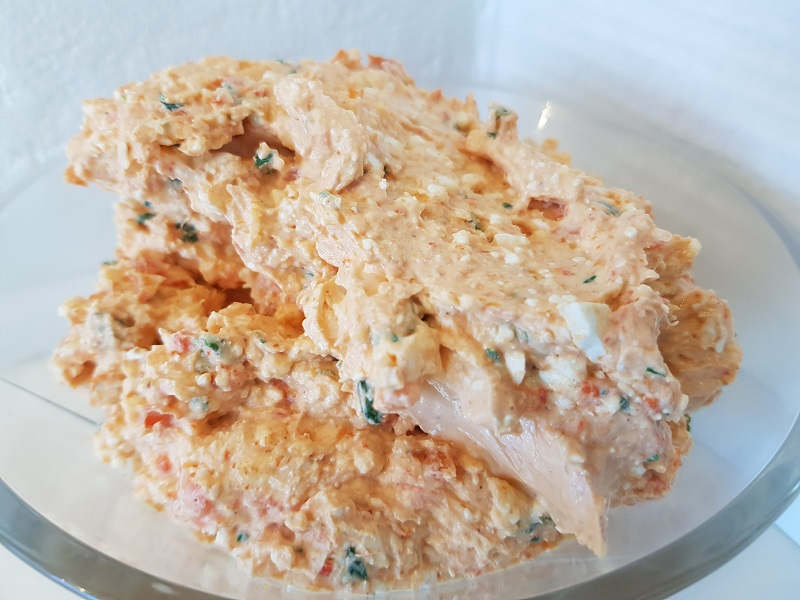
Haydari
Broccoli Salad with Peanut Butter Dressing