

We are often told that a healthy diet and exercise are the key to a strong, slim body and a good, long life.
But what exactly is healthy food? Is it just celery and cucumber sticks with no taste and satisfaction? Certainly not! It’s about creating a good balance between highly nutritious ingredients and those that are less nutritious. Fortunately, there is a wide range of ingredients that are full of good nutrition and flavor.
Healthy Foods
Healthy foods are generally those that stabilize blood sugar levels and contribute with vitamins and minerals. Additionally, you should get plenty of dietary fiber, as well as a balance of carbohydrates, fat, and protein.
, and we need protein to build and maintain muscles and other vital functions in the body.
You can build a healthy diet by keeping the following in mind:
- Carbohydrates: Carbohydrates are the body’s preferred source of energy. In the body, carbohydrates are converted to glucose, which is released into the bloodstream and absorbed by the cells that need them. The carbohydrates should preferably be complex so that they are absorbed slowly and do not cause sudden, inappropriate fluctuations in blood sugar levels.
- Protein: Protein is the body’s building block. The body is a big machinery that is constantly being broken down and rebuilt. The proteins in the diet are converted to amino acids, which are used, for example, to repair the muscles you have broken down during your workout. Protein maintains muscles and cells and is used for other vital functions in the body.
- Fat: The body needs omega-3, -6, and -9 to absorb a range of vitamins. Fat is also crucial for a body in hormonal balance. The fat should primarily be unsaturated and a suitable mix of omega-3 and omega-6. The body can produce omega-9 on its own, so it does not actually need to be added through the diet.
- Vitamins and minerals: Fruits and vegetables are good sources of vitamins, while animal products are good sources of minerals like calcium.
- Dietary fiber: Dietary fiber is important for a well-functioning digestion and also provides good satiety.
Superfoods
There are certain foods that are considered particularly nutritious and health-promoting. These are called superfoods. It is somewhat controversial whether the term “superfood” should actually be used for any foods. The reason is that it can leave some people with the impression that eating large amounts of superfoods makes it okay to consume lots of “unhealthy” and less nutritious foods, such as white table sugar. This is, of course, not the case.
Superfoods include selected foods that are particularly rich in vitamins and certain pigments known as phytochemicals. These phytochemicals are allegedly antioxidant in the body, although there is yet no scientific basis for this. Antioxidants are supposed to help rid the body of free radicals, which can cause cancer.
A total of 16 foods are on the list of superfoods. The list was compiled by the Institute of Food Technologists in the USA.
- Almonds: Almonds are high in protein and full of monounsaturated fatty acids that are good for heart function.
- Broccoli: Broccoli is bursting with fiber and vitamin C. The latter enhances the absorption of iron.
- Rye: Rye is not only a good source of magnesium, potassium, and phosphorus – it also has a high fiber content.
- Hazelnuts: Hazelnuts are rich in magnesium, calcium, and vitamins B and E. They are good for the heart, muscles, skin, bones, joints, and digestion.
- Walnuts: Walnuts are beneficial for digestion, help lower blood pressure, and support good brain function.
- Cauliflower: Cauliflower is good for the bones and contains both vitamins C and K. It also strengthens the immune system and can prevent high blood pressure.
- Pistachios: Pistachios are a good source of healthy fats, fiber, protein, and a range of vitamins and minerals, including vitamins B1 and B6.
- Quinoa: Quinoa is gluten-free, rich in protein, and one of the few plant foods that contain a suitable amount of all essential amino acids. In addition, quinoa is full of fiber, magnesium, B vitamins, vitamin E, iron, potassium, calcium, and phosphorus.
- Barley: Barley is said to lower bad cholesterol and the risk of gallstones and cardiovascular diseases. Barley is also rich in fiber.
- Blueberries: Blueberries were one of the first foods Danes became familiar with as a superfood. Blueberries are considered the king of superfoods and are very low in calories. Nevertheless, they are packed with fiber, vitamins C and K, cholesterol-lowering properties, and much, much more.
- Tomato: Tomatoes are the primary source of the antioxidant lycopene, which is thought to have several health-promoting properties, including a lower risk of cardiovascular diseases and various types of cancer. Tomatoes are also a good source of vitamin C, potassium, folate, and vitamin K.
- Blackberries: Blackberries are filled with vitamin C: A large handful contains a whopping 30 milligrams! They are also a good source of fiber and vitamin K.
- Brown rice: Brown rice is on the list primarily because of its high fiber content. The fibers help lower cholesterol, aid digestion, and reduce the risk of blood clots. Additionally, brown rice has a low glycemic index.
- Pecans: Pecans are good for the heart, help the gastrointestinal tract, boost the immune system, lower cancer risk, and more.
- Pomegranate: Research shows that pomegranate juice can reduce the effect of bone proteins that can spread cancer cells. Pomegranates are rich in vitamin C and protect against Alzheimer’s.
- Buckwheat: Buckwheat is rich in the amino acid lysine and also contains large amounts of organically bound calcium, magnesium, potassium, iron, and fluorine. Buckwheat is easily digested in the body and contains no gluten.
“Unhealthy” Foods
At the other end of the spectrum, we have all the less nutritious foods, meaning those that should be enjoyed in more limited amounts. In this category, you will find foods with many “empty” calories, meaning lots of white sugar, saturated fat, and/or alcohol – and little to no benefit for the body’s functions. This category includes many processed foods such as factory-made cakes, candy, ice cream, soft drinks, and so on.
Additionally, many of these products contain a large number of E-numbers, which also have no beneficial effect on our health – quite the opposite.
Why a Healthy Diet?
All people and all bodies are different, but fundamentally we thrive best when we feed the body with good, healthy foods. “You are what you eat,” as the saying goes, an expression that is in many ways strikingly true. For example, if we fill ourselves with saturated fatty acids from sources like chips, butter, and fatty dairy products, we risk developing blood clots, diabetes, and heart problems. A poor diet can also often result in acne, low energy levels, and obesity – factors that are not conducive to our outer or inner selves. For this reason, it is also important to eat a varied diet to cover our needs for vitamins and minerals.
Tips and Tricks for Healthier Everyday Food
One thing is knowing that we should eat healthy food every day. How we incorporate it into a busy schedule, well, that’s another thing entirely. However, there are several initiatives you can relatively easily set in motion right now. For instance, you can:
- Introduce a weekly meat-free day: Meat is expensive, both for the wallet and the environment, and it contains no dietary fiber. By skipping meat just one day a week, you will automatically get more of the good fibers on that particular day. This way, you’re also doing something good for your digestion.
- Eat fish at least once a week: This way, you meet your needs for Omega-3 fatty acids, which many of us have difficulty getting enough of daily.
- Sneak vegetables into breakfast: The recommended daily intake of fruits and vegetables is a total of 600 grams, at least half of which should come from vegetables – preferably the coarse kind. If you’re struggling to get enough vegetables into your daily routine, put them in the blender for your smoothie. Blend an avocado with banana, frozen or fresh spinach, a little yogurt, and a spoonful of peanut butter, and you have a filling, nutritious, and vitamin-rich start to the day! You can also turn the smoothie into a so-called smoothie bowl by pouring it into a bowl and topping it with, for example, oatmeal, fresh berries, and coconut flakes. Delicious, easy, and healthy! If you have a juicer, this is a smart shortcut to drinking your vegetables. Try making a green juice from apple, carrot, and beetroot. It tastes surprisingly good!
Recipes for Healthy Everyday Food
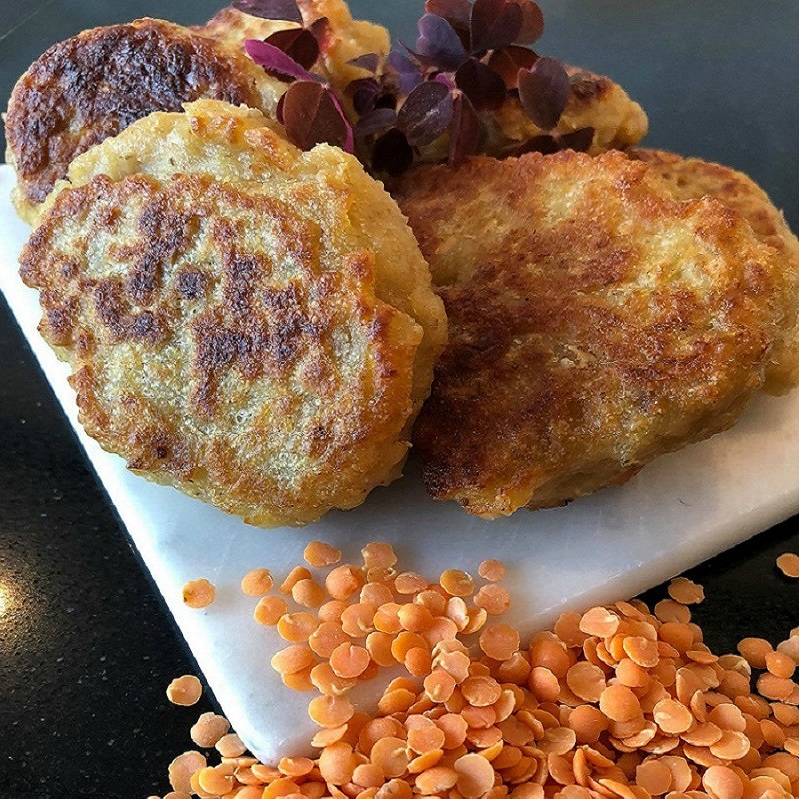
Lentil Patties
Quinoa Salad with Roasted Vegetables

Big Mac Roulade

Ratatouille

Vegetarian Bolognese with Spaghetti

Superfood Salad with Red Rice and Edamame Beans

Egg Rolls with Spinach and Smoked Salmon

Fried Liver

Spanakopita

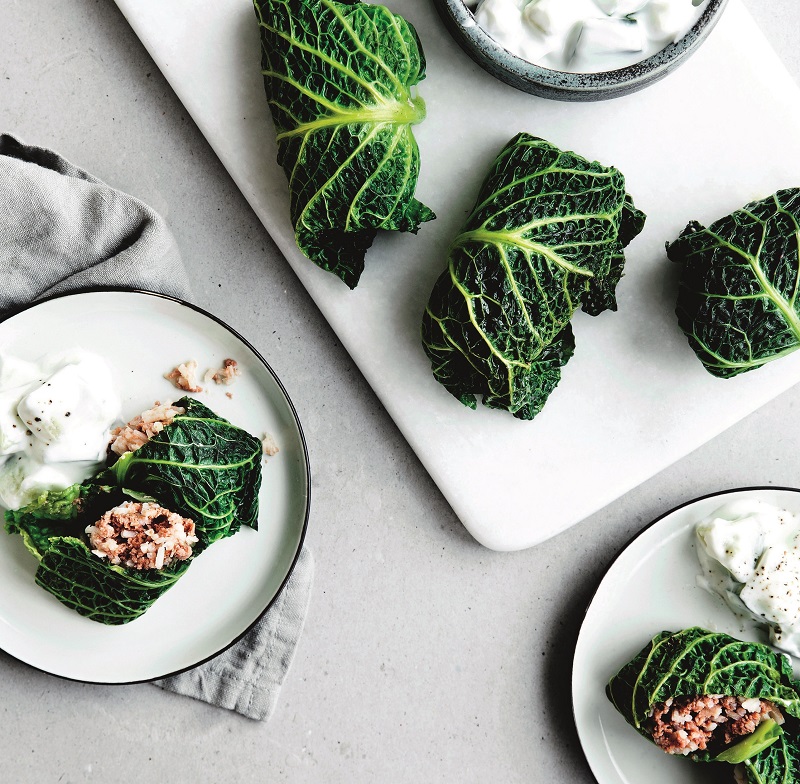
Cabbage Wraps

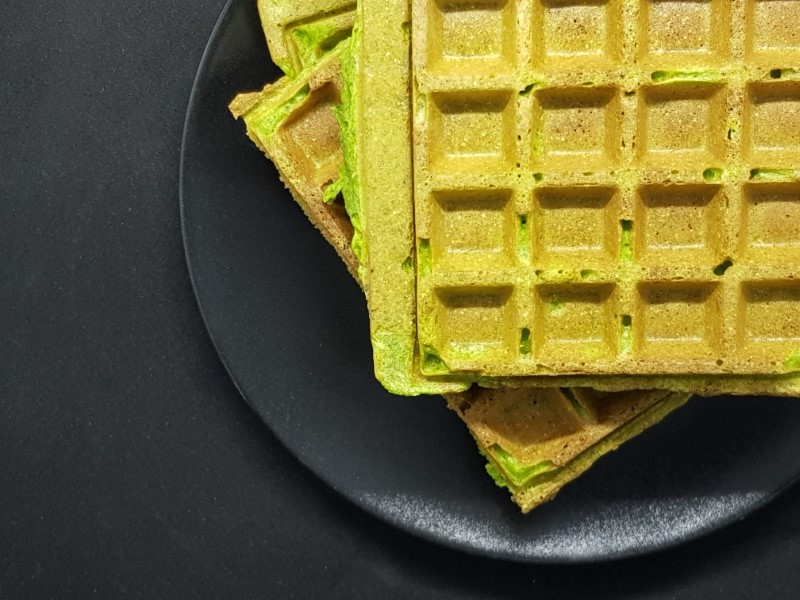
Spinach Waffles
Cabbage Rolls
Vegetable Lasagna

Creamy Carrot Soup

Vegetable Gratin

Butternut Squash Soup
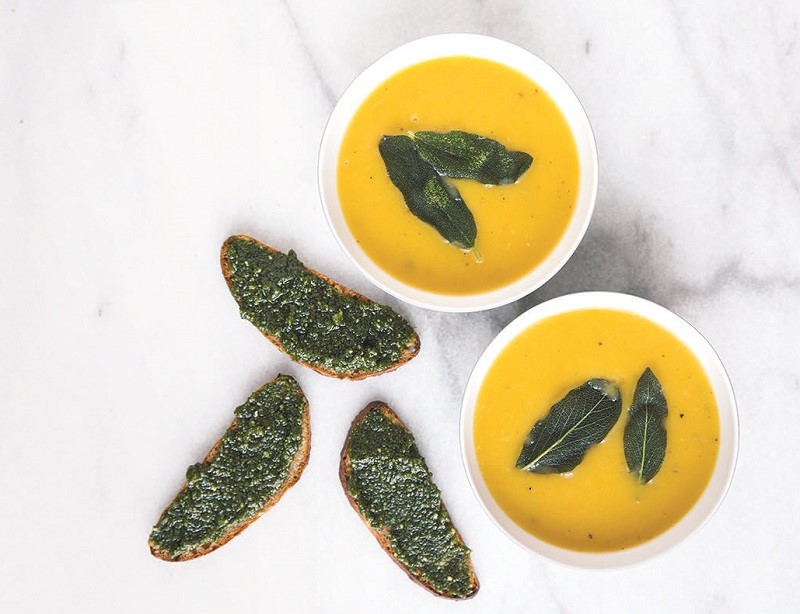
Vegetable Patties

Savory Waffles

Healthy Crackers

Mushroom Risotto

Moussaka with Eggplant

Green Bean Fries

Indian Dahl

Cauliflower Gratin

Vegan Meatballs
Chicken Patties

Quick-Fried Cabbage

Egg Pancake with Salmon
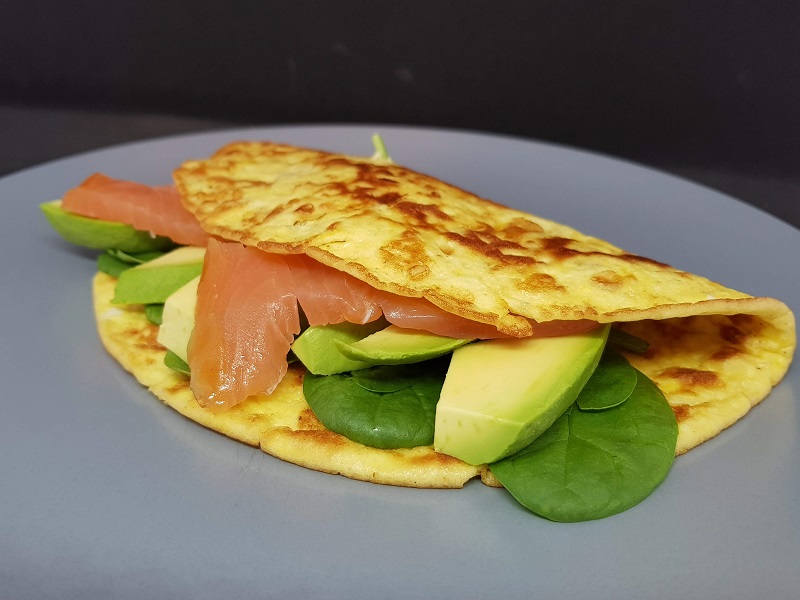
Beetroot Pie with Goat Cheese

Gluten-Free Lamb Burger

Beetroot Soup with Horseradish and Serrano Ham
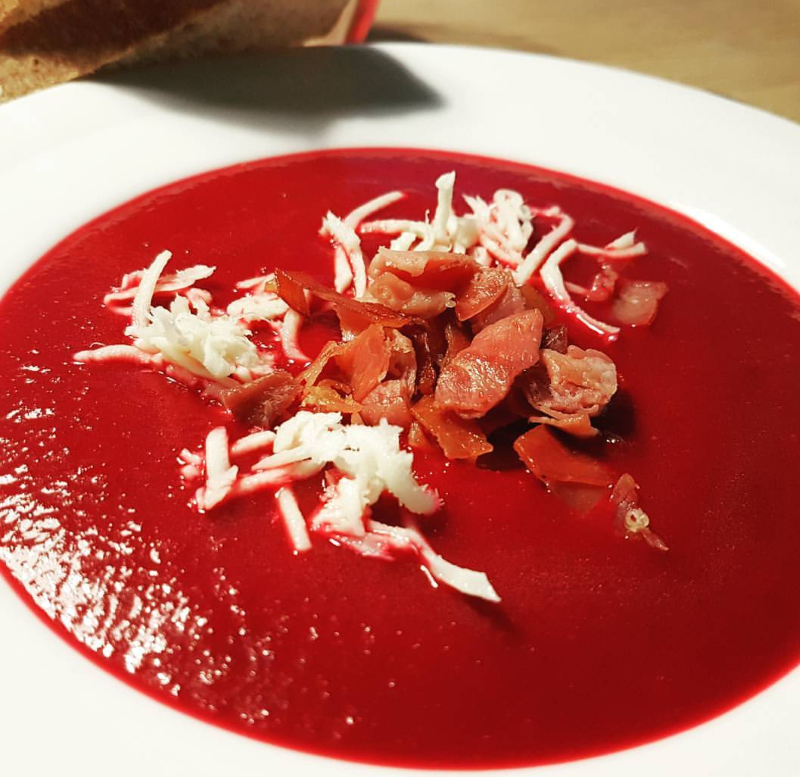
Spelt Risotto with Peas
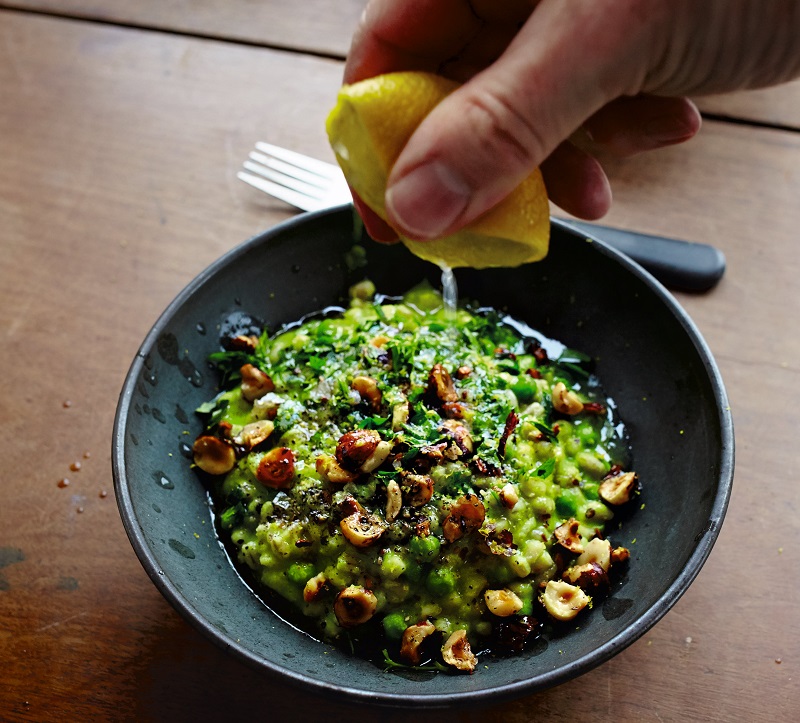
Healthy Meatballs in Curry

Homemade Cup Noodles with Mushrooms and Greens

Salmon in Tahini Sauce

Quinoa Lasagna

Celery Steaks

Pea Mash
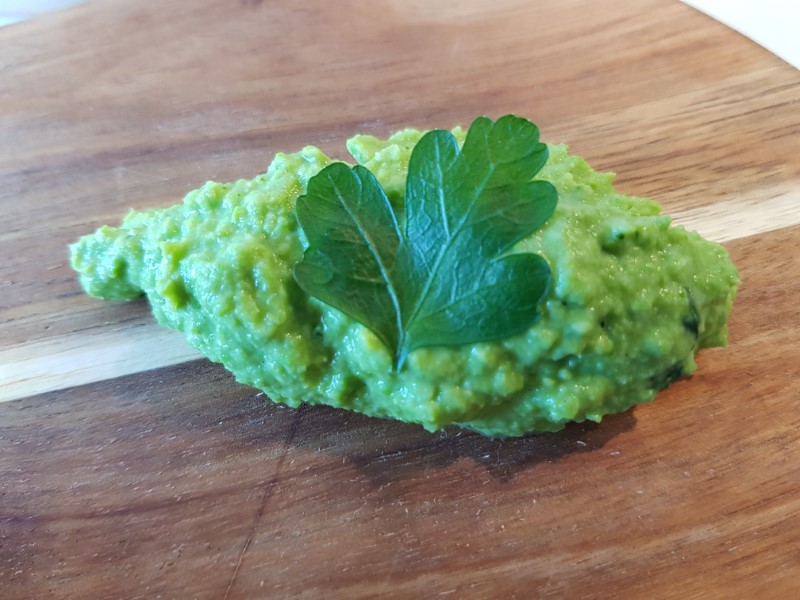
Khichri with Brown Rice

Crumbed Patties
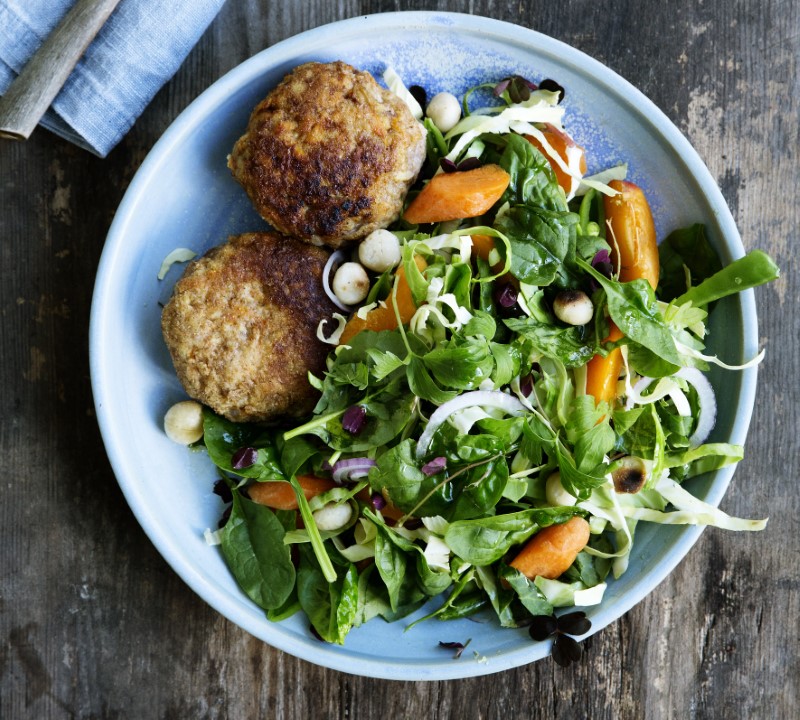
Crumbed Celery Steak with Parsnip Fries and Remoulade

One Pot Pasta
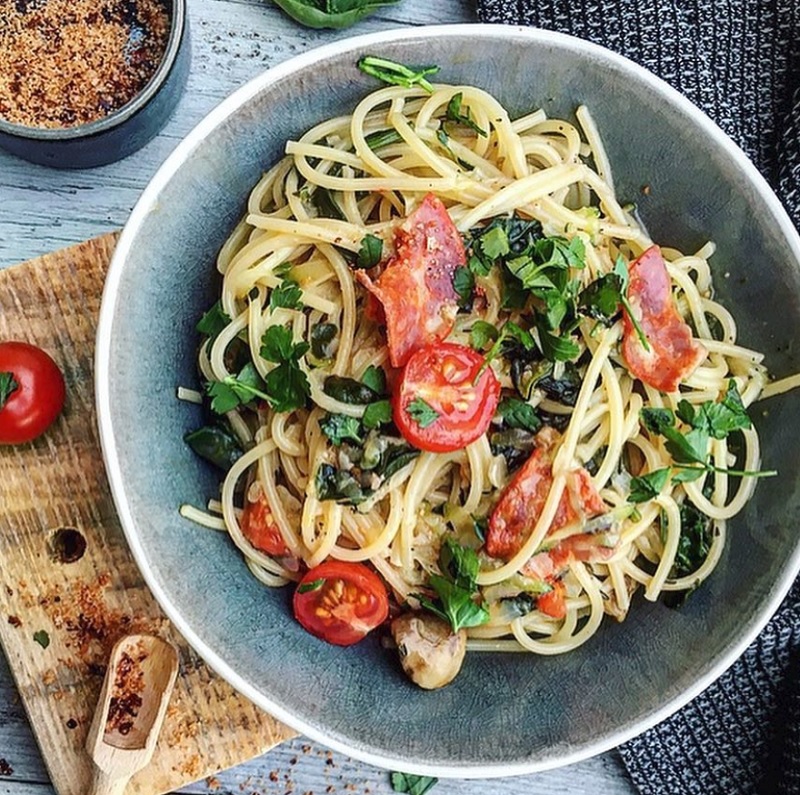
Miso Soup with Mushrooms
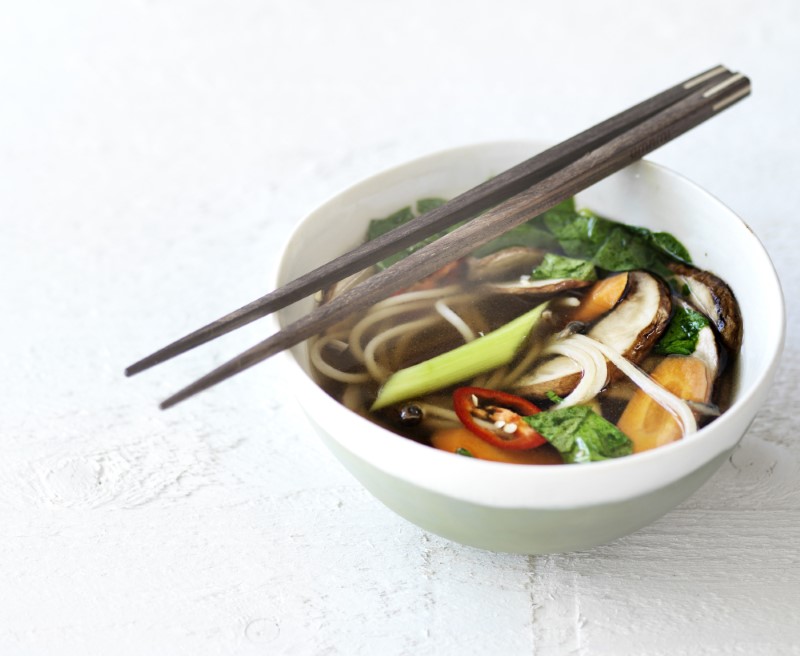
Baked Squash with Beef

Portobello Burger

Healthy Fish Cakes with Crispy Fries and Homemade Remoulade

Stuffed Peppers

Oatmeal with Raspberries


Bread with Graham Flour

Gluten-Free Fish Fillet

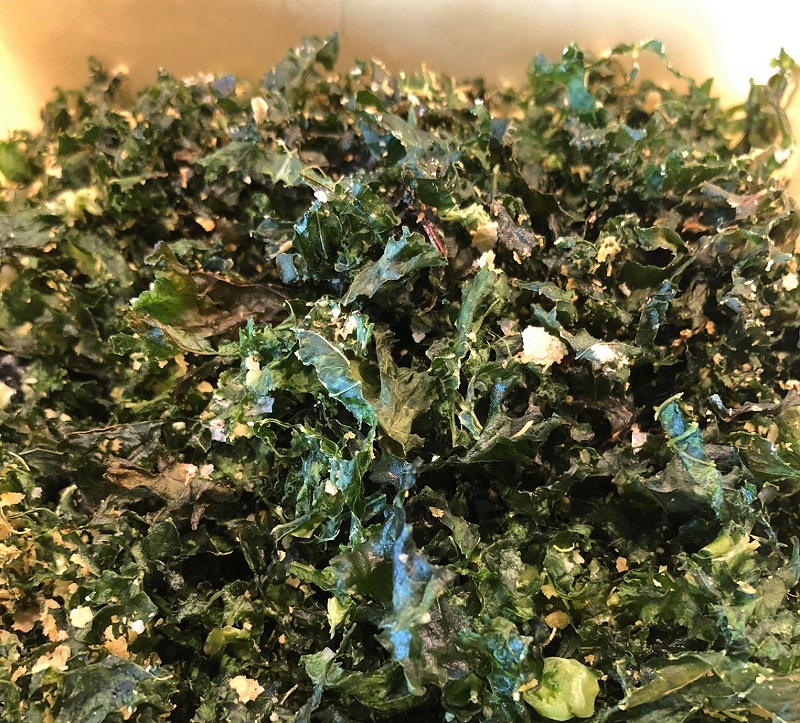
Fried Kale
Vegetarian Pasta Carbonara

See the recipe here.
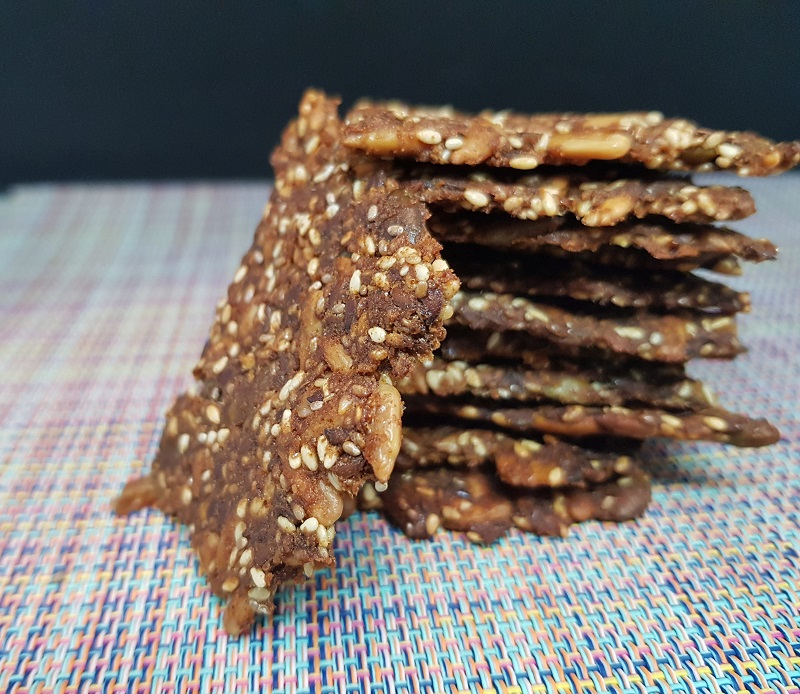
Knäckebröd with Insect Flour
Zucchini Tart

Salmon Patties

Healthy Packed Lunch
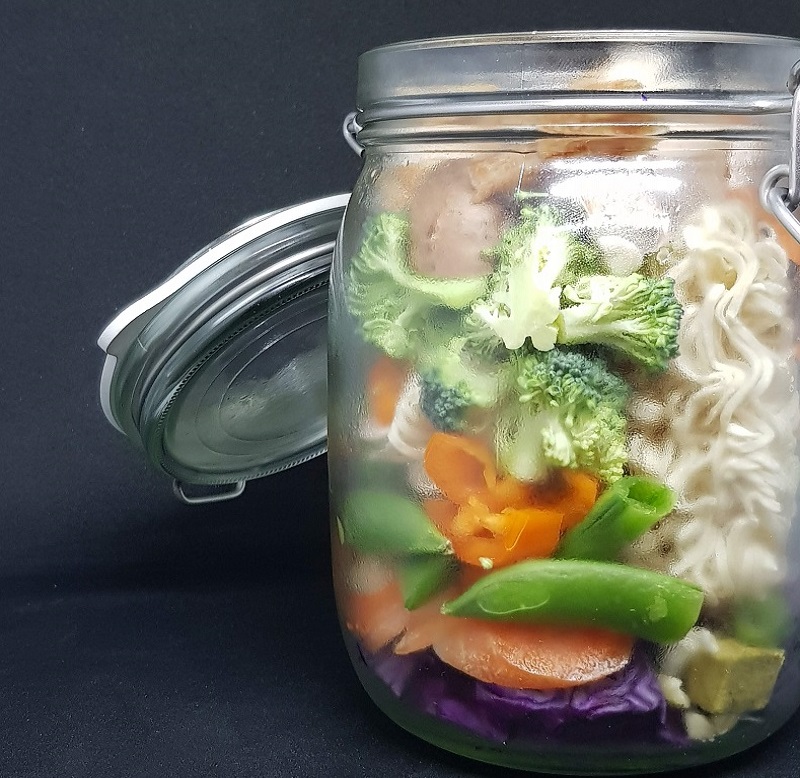
Homemade Lunch Cup Noodles
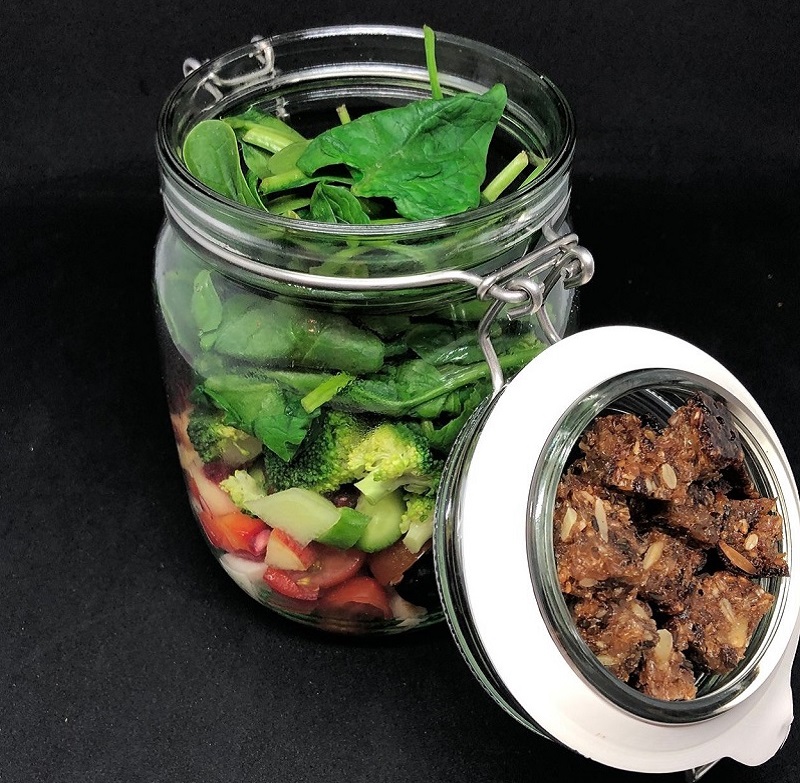
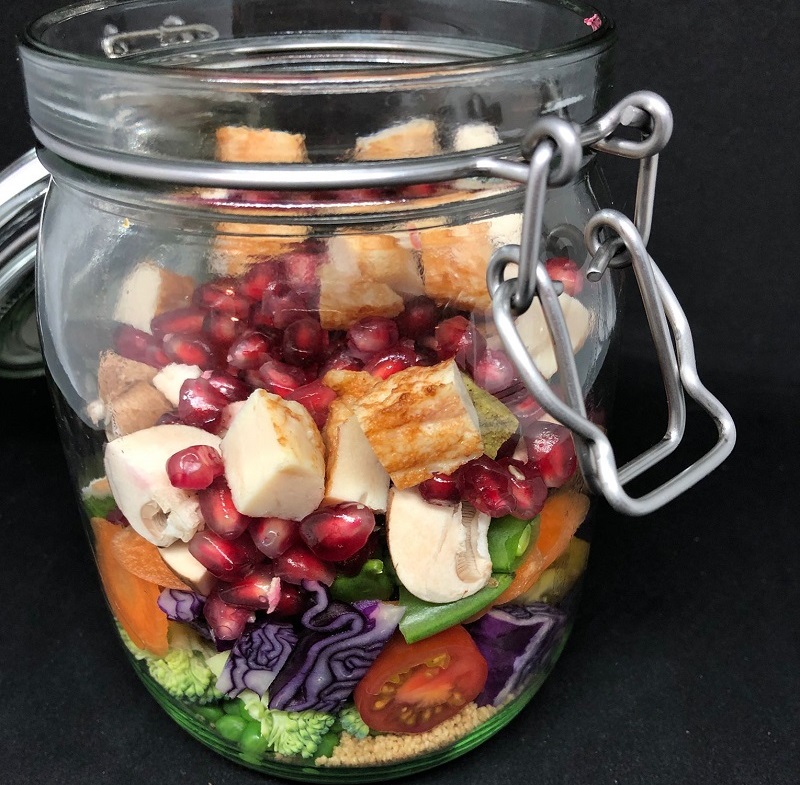
Couscous Lunch Salad
Samosa

Sushi with Smoked Salmon

See the recipe here.