
Soup is typically associated with winter and autumn coziness , but it has much more to offer – all year round. They come in a multitude of variations that can contribute to many different, exciting culinary experiences, and there is a soup for every taste and occasion: They can be warm in winter, cold in summer, easy for everyday meals, and fantastic for celebrations, and there is a soup for almost every meal – yes, even for dessert.
Read along here and get inspired to explore many more soups for both everyday and festive occasions.
Healthy Everyday Meals and Less Food Waste
Soups have a wide range of qualities that make them particularly suitable for everyday meals. Besides being budget-friendly and easy to make, they are also easy to make both healthy and delicious, as vegetables can easily be the main ingredient. A soup can, for instance, easily be based on cauliflower or Jerusalem artichokes and potatoes and become so creamy that you would think they were filled with heavy cream.
By using plenty of vegetables, your soups become very filling, and it’s a simple way to get the whole family to eat more greens. The many vitamins and minerals in vegetables often get lost with the cooking water, but with vegetable soup, you still get all the good stuff. You can also be pleased that the antioxidants in vegetables become much easier for the body to absorb when the vegetables are cooked.
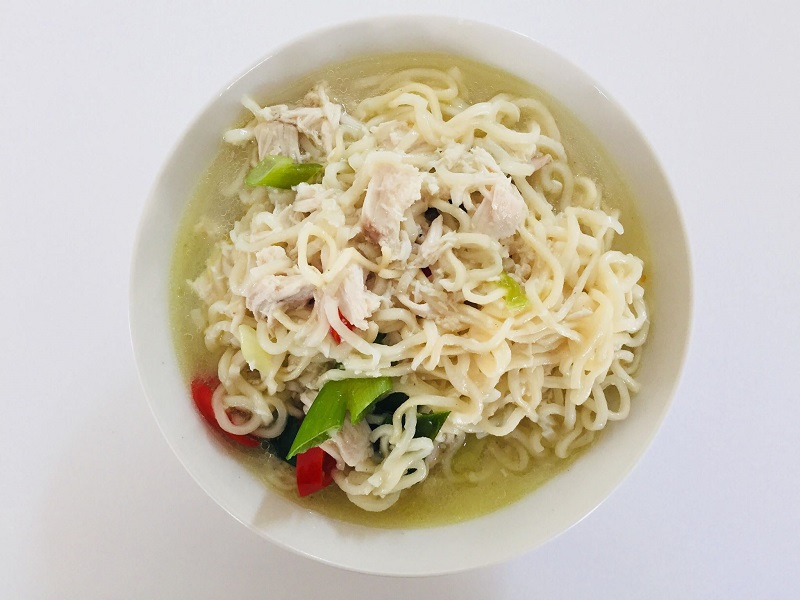
Another plus is that it often can be challenging to consume all the vegetables before they become stale. Here, soup is a brilliant solution if you are committed to combating food waste. Cook all the vegetables in a broth, give them a spin in the blender, and optionally add a touch of cream at the end. Also, think twice before discarding the chicken carcass: It can become an excellent chicken soup and stock.
An Evening in the Spirit of Soup
Most people think that soup is a wonderful thing, and if you are planning a guest meal, it can be a good idea to serve soup for one of the courses. It is a very easy way to create diversity and contrast in the meal, and you decide whether it should be the starter, main course, dessert, or late-night meal.
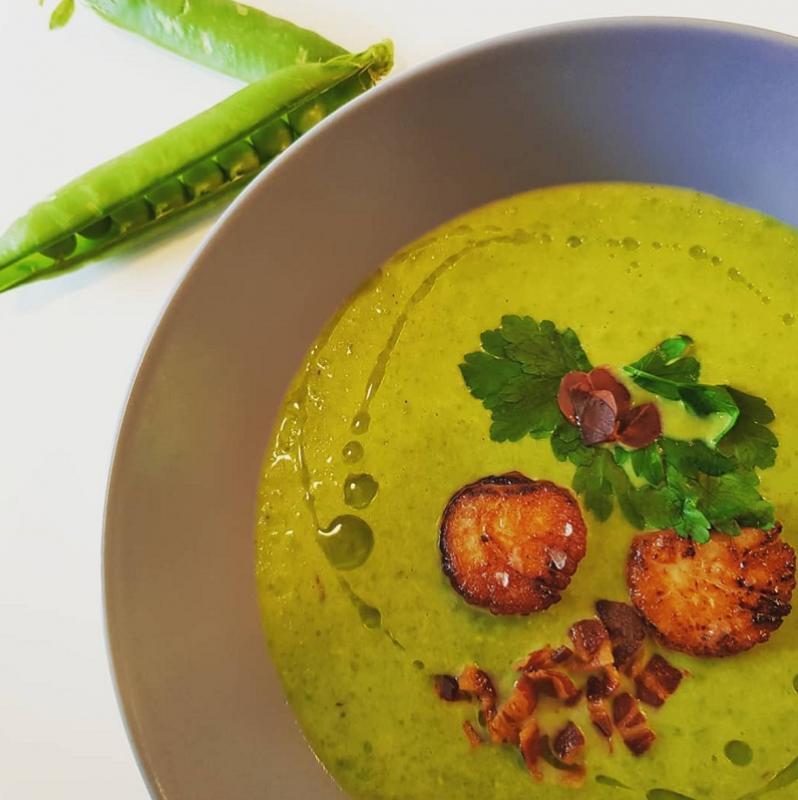
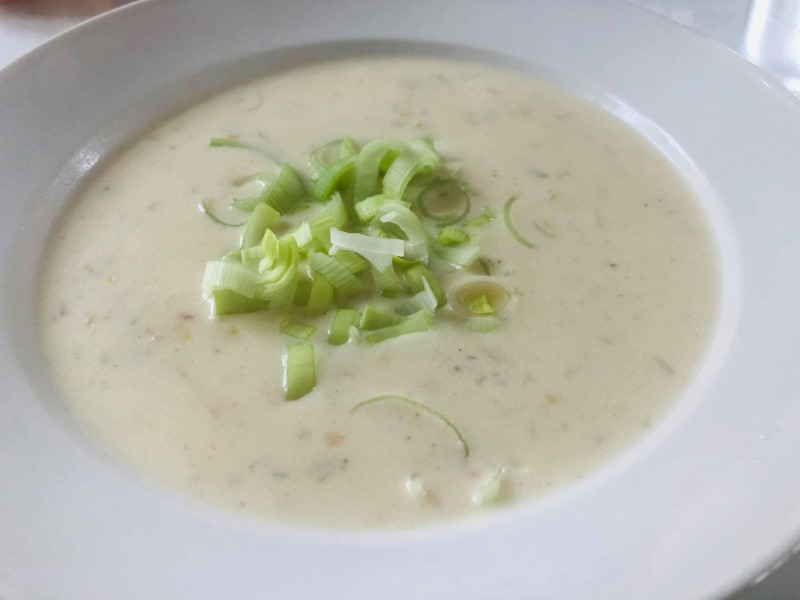
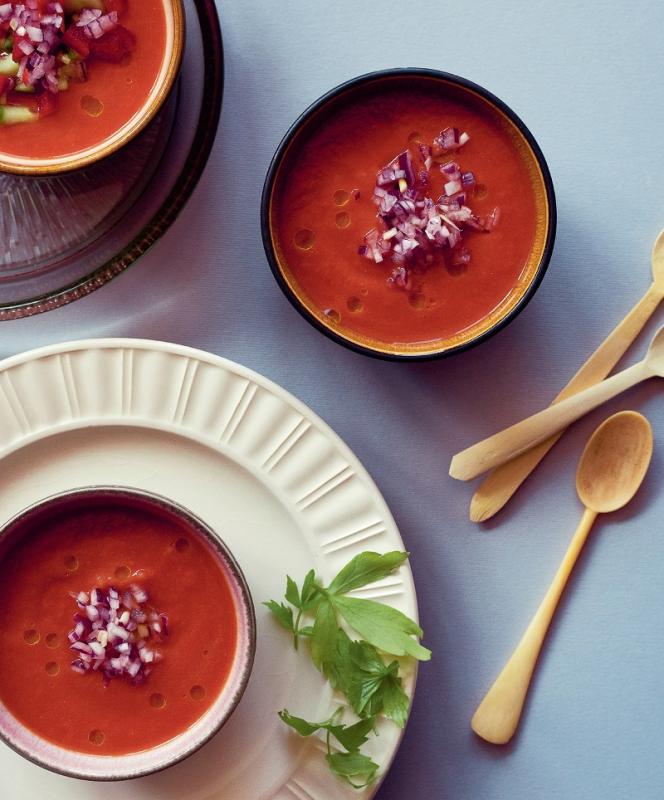
The Starter: For a starter, the soup is often of the creamy kind. Here, you might consider cauliflower soup, potato/leek soup, pea soup or a lobster bisque. The latter is perfect for a New Year’s menu. You can also try a cold cucumber soup or the classic cold tomato soup, gazpacho. No matter which soup you choose, the key is that it shouldn’t be too filling and take space away from the main course.
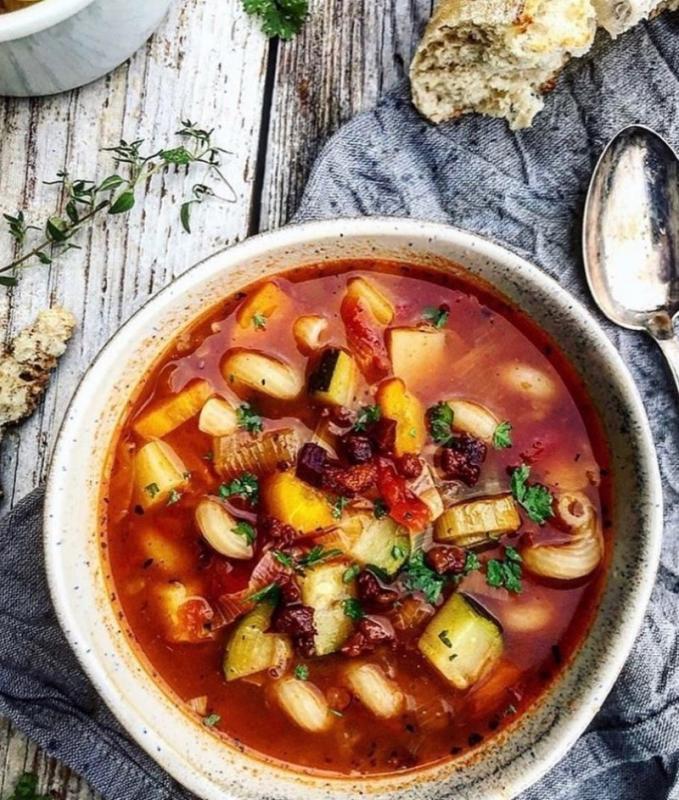
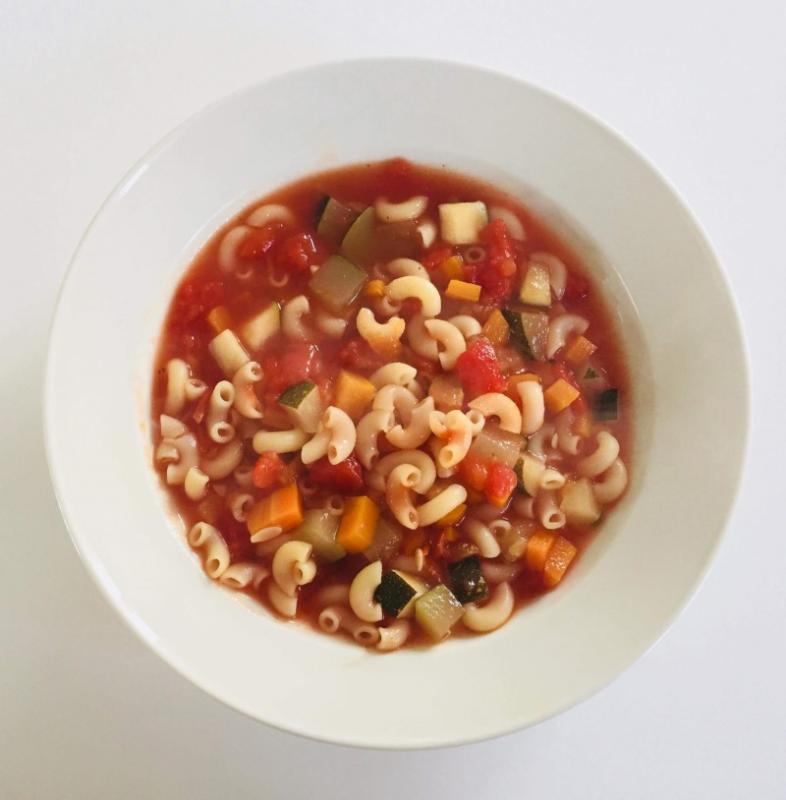
The Main Course: If you want to serve soup as the main course, the most important thing (besides tasting good, of course) is that there’s enough of it. Soup often goes down easily, which is why some people may have room for an extra portion. Additionally, there’s virtually free choice from all the options. You can certainly choose one of those we mentioned under starters, but besides that, homemade chicken soup or a hearty tomato soup with macaroni and lots of greens can also be a great choice for a satisfyingly filling main course.
The Dessert: Soup for dessert might sound strange to some, but a so-called fruit consommé can be a really delicious way to round off a savory meal. Fruit consommé is a strong, cold soup, typically made from berries or rhubarb, and it can be served either on its own or with ice cream or fruit on top.
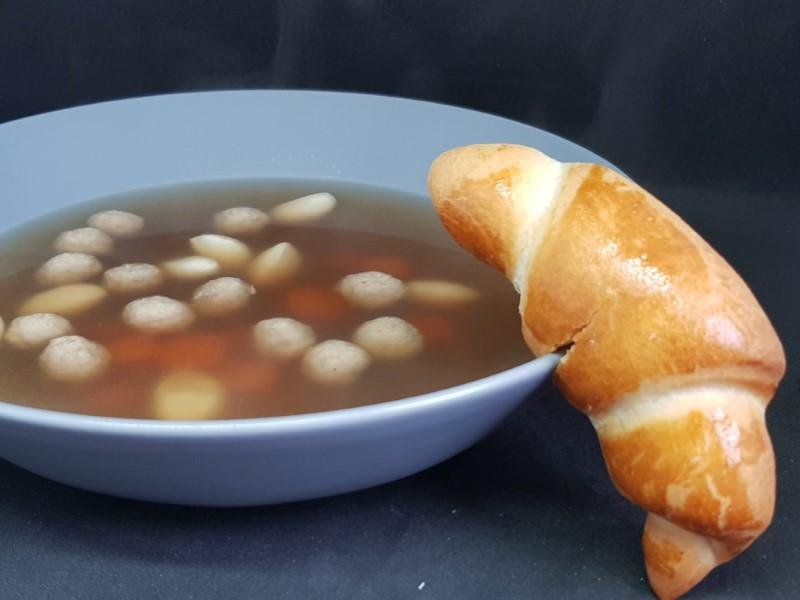
The Late-Night Snack: Some parties last so long that it’s necessary to plan late-night food. Here, asparagus soup is a classic that most people enjoy. Serve it with a good piece of bread, such as delicious Italian flûtes or individual rolls. Chicken soup with meat and dumplings is also an option.
Types of Soups
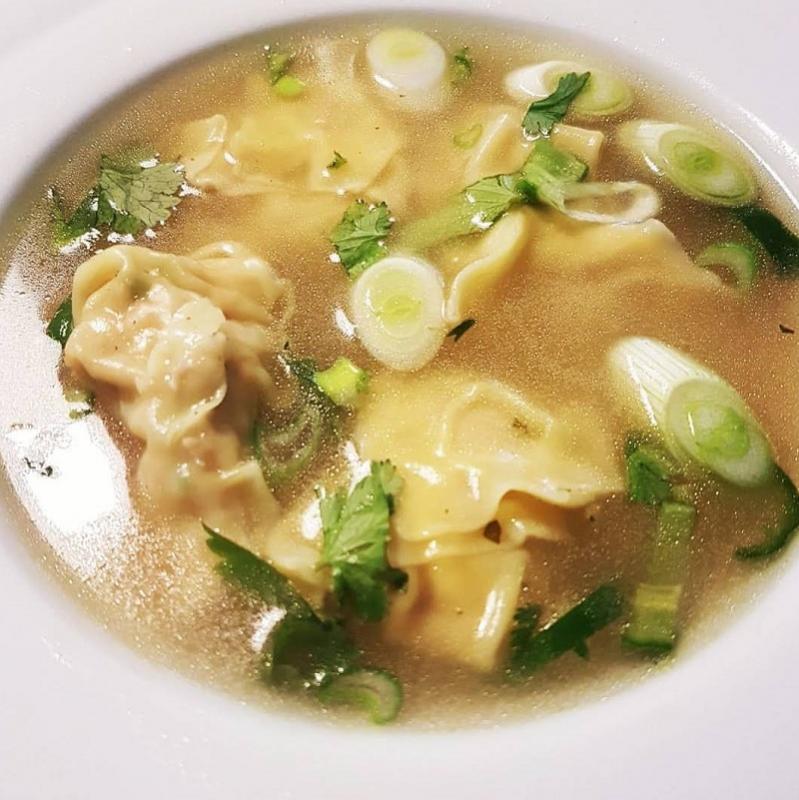
There are many different kinds of soups, but broadly speaking, they can be divided into two categories: Clear and blended/thickened soups.
To make a truly powerful and flavorful soup, it needs to contain some form of flavor enhancer: Either broth or stock. Both can be bought ready-made in the supermarket, which seems easiest for most in a busy everyday life, but they are not difficult to make yourself.
The Difference Between Stock and Broth
Both stock and broth can be used as flavor enhancers in soups, sauces, etc., and the method of preparation is almost the same. However, there are some significant differences.
Broth: Broth consists of, for example, meat, fish, vegetables, herbs and spices, etc. The ingredients are browned and water is added, then allowed to simmer for a long time. A broth can be served just as it is, as it is already salted and seasoned.
Stock: You make stock by boiling bones (e.g., beef bones), chicken carcasses or shells from seafood for an extended period. Stock thus becomes thicker than broth, as the gelatin from the bones and marrow cooks out into the water. The cooking time is also much longer than for broth, which gives a strong and intense flavor. Another difference is that stock is not seasoned with salt or spices but rather functions as an addition to other dishes.
Vegetable Soup
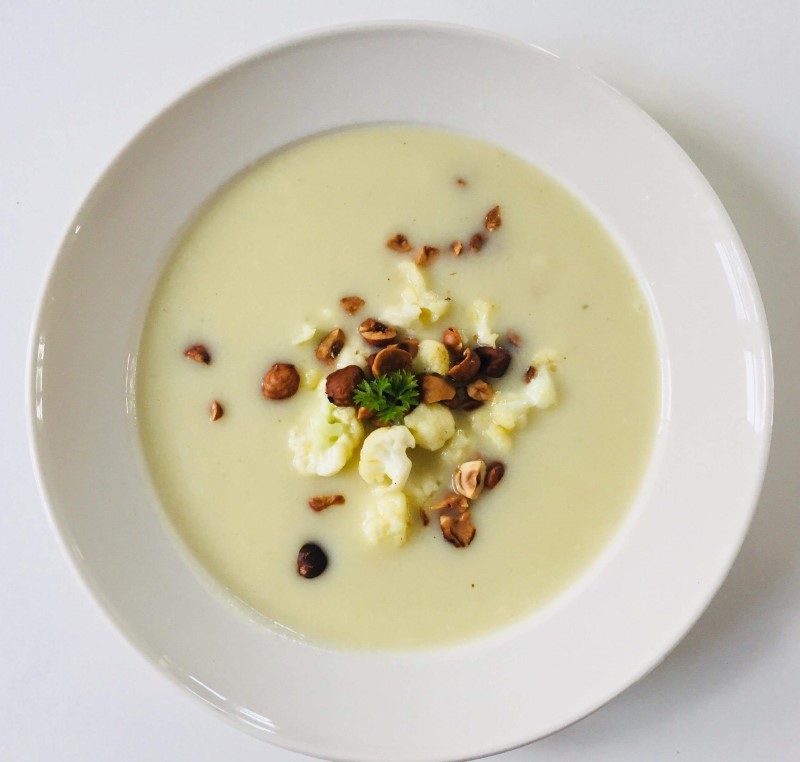
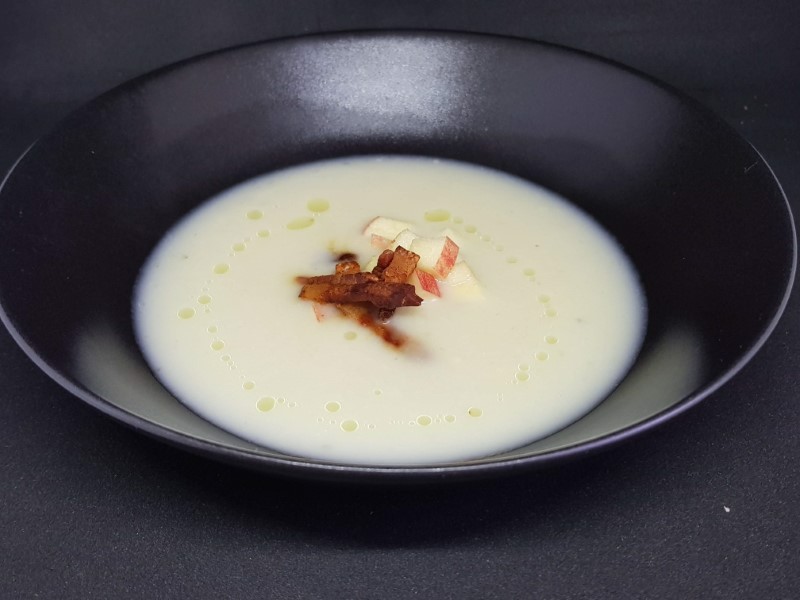
Creamy Cauliflower Soup with Bacon
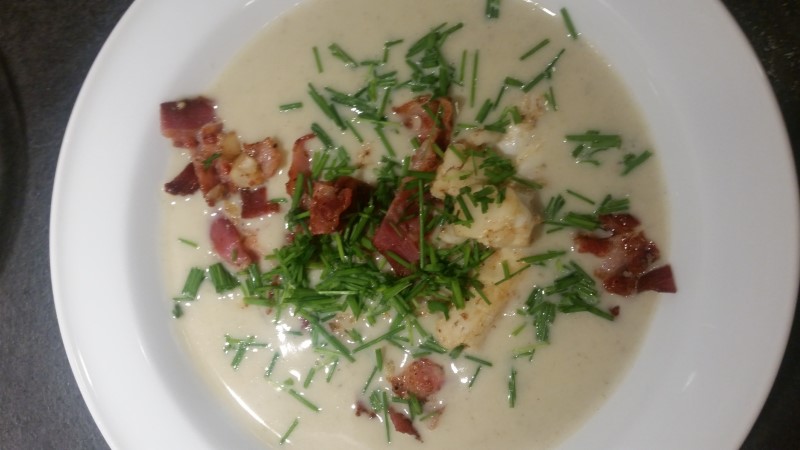
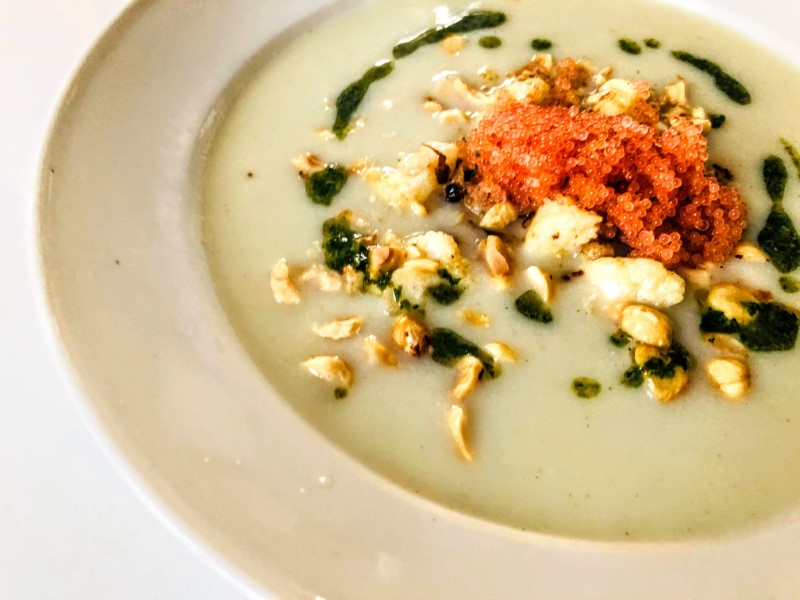
Cauliflower Soup with Lumpfish Roe
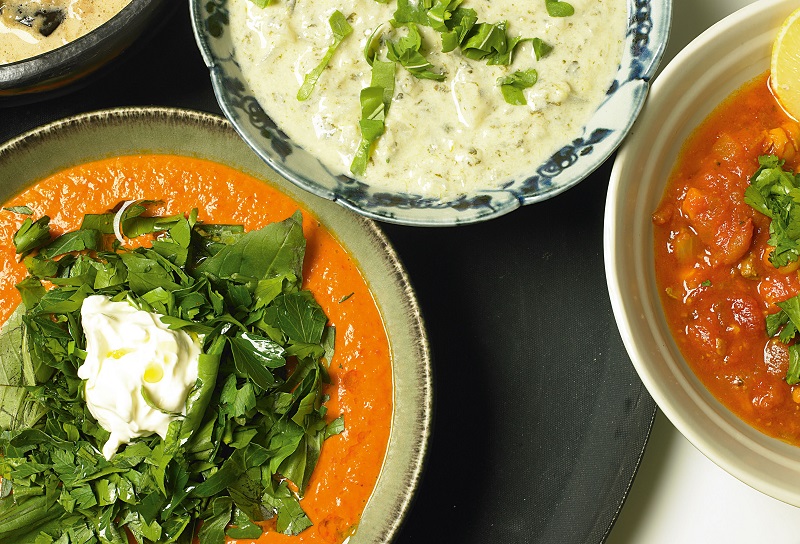
Cold Red Pepper Soup with Crème Fraîche
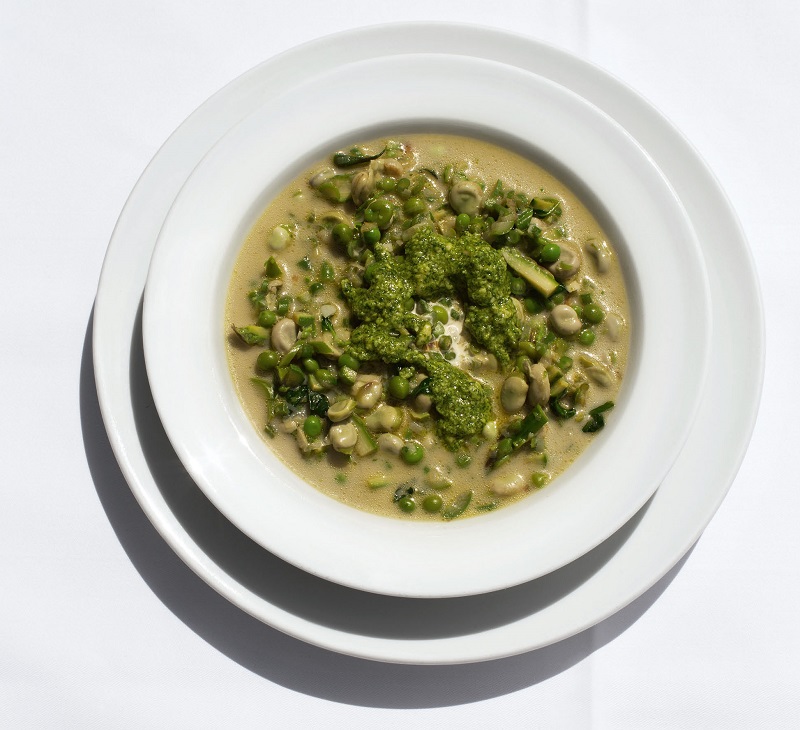

Curry Soup with Haddock and Nectarine
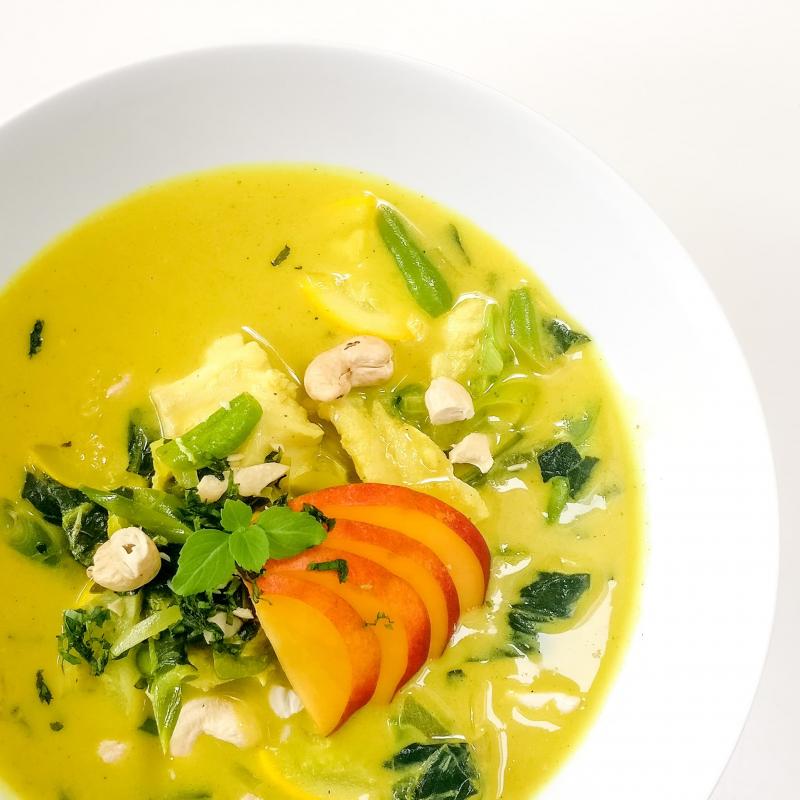
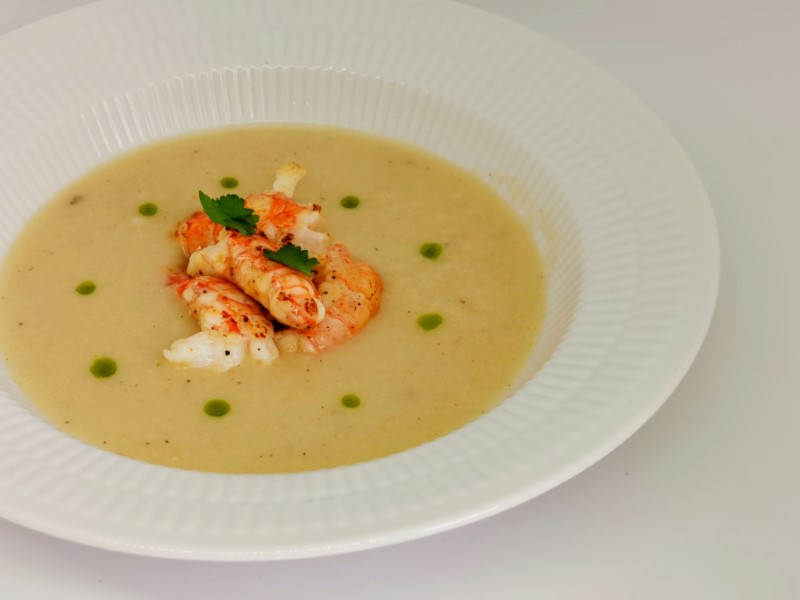

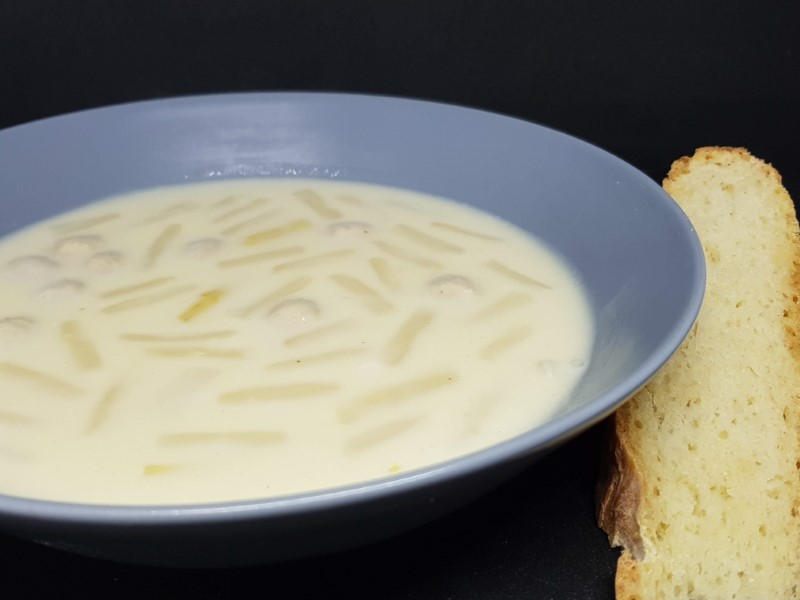
Root Vegetable Soup
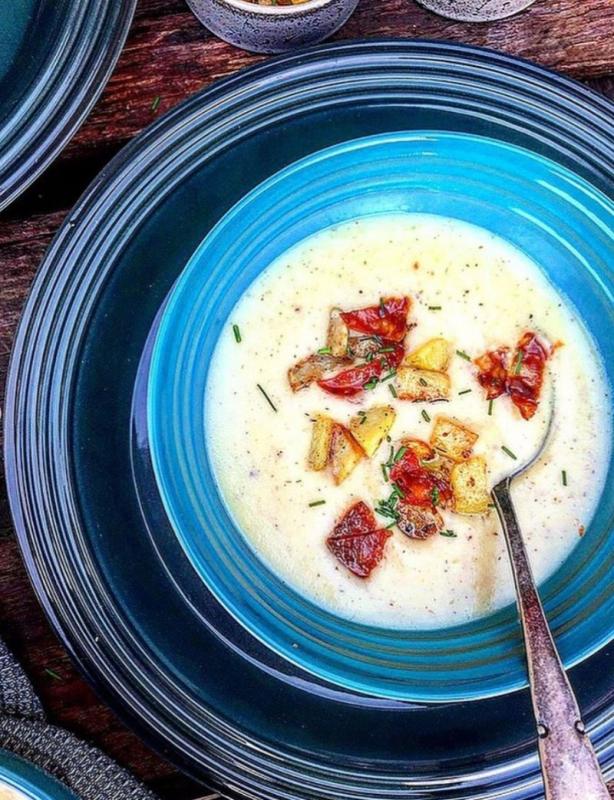
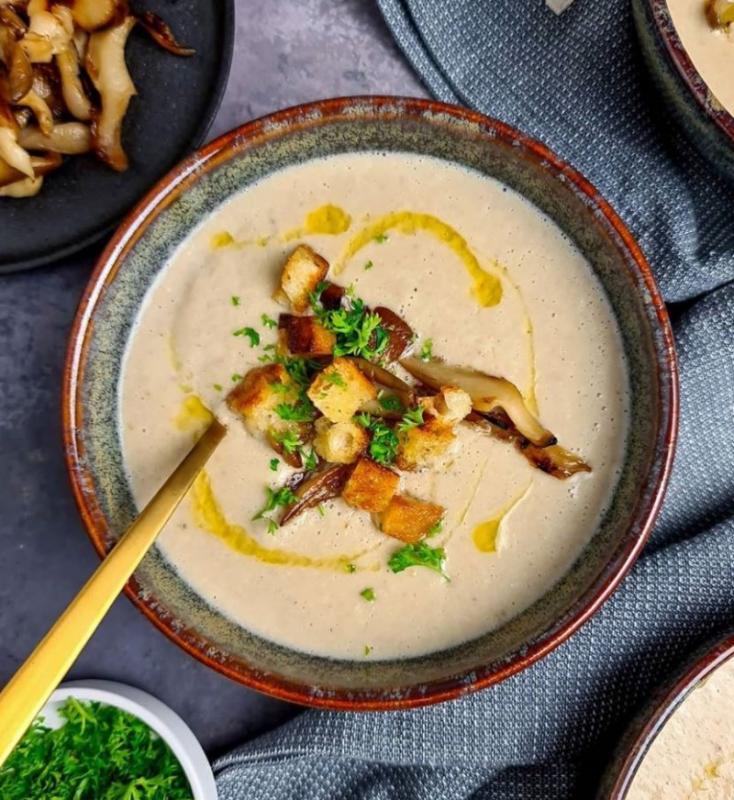
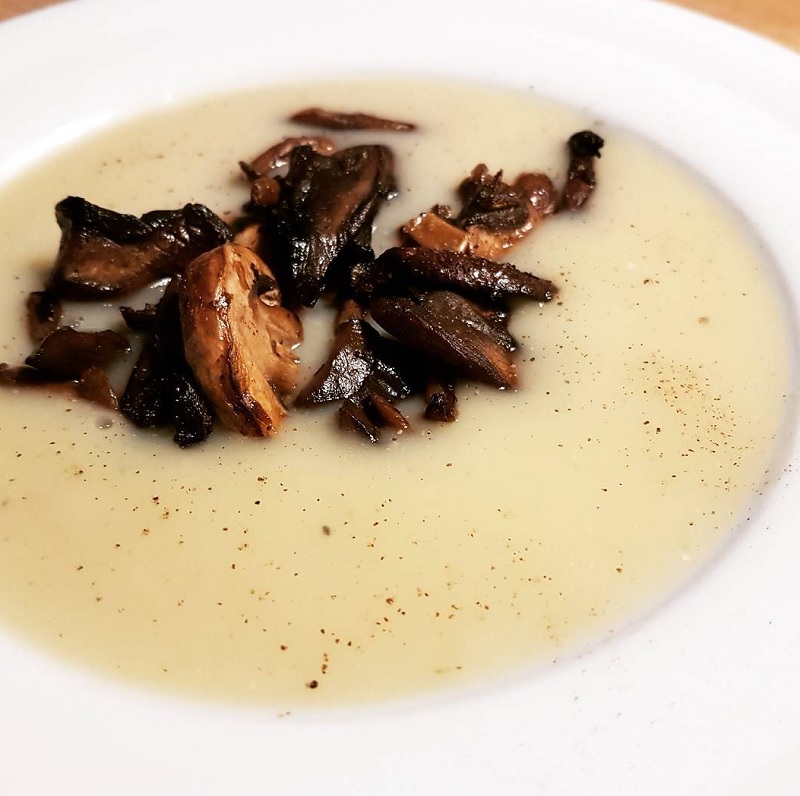
Jerusalem Artichoke Soup with Roasted Mushrooms
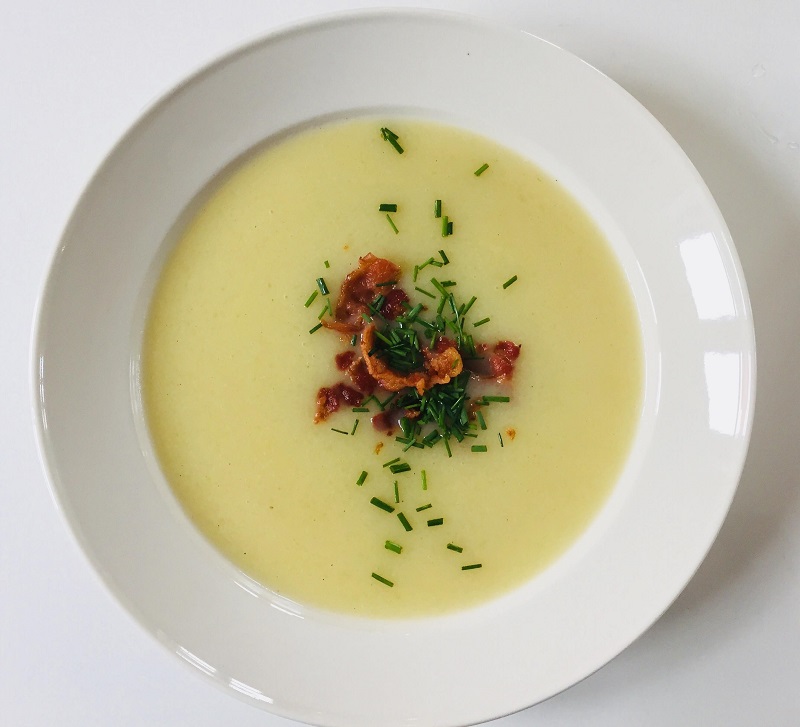
Vegetable Soup with Horseradish Cream

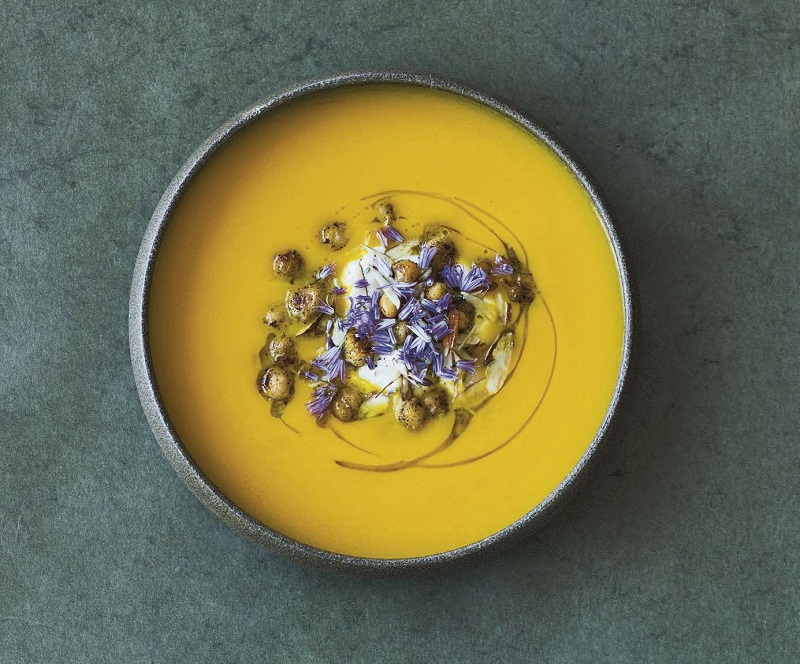
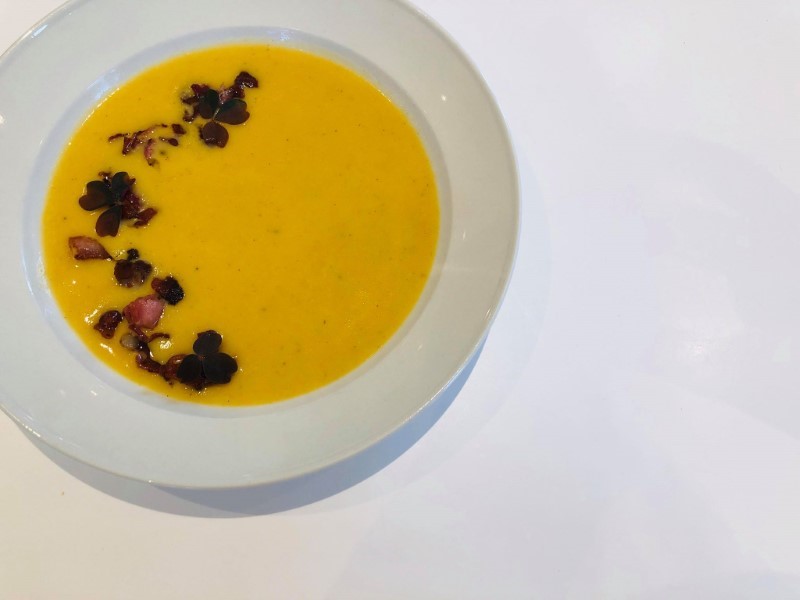
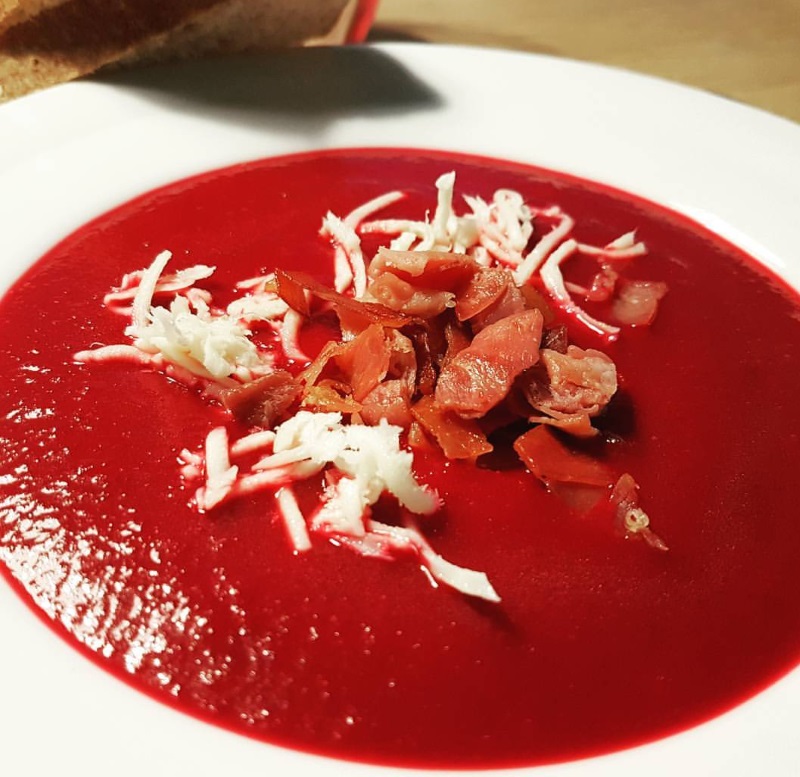
Beetroot Soup with Horseradish and Serrano Ham
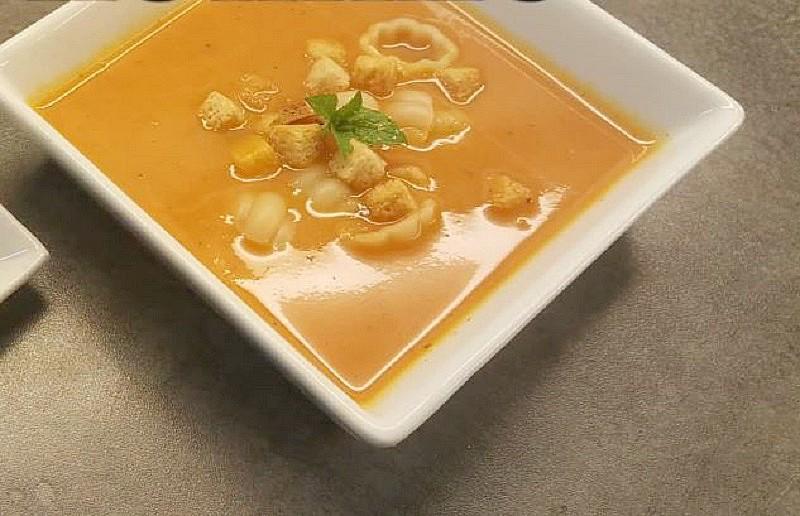
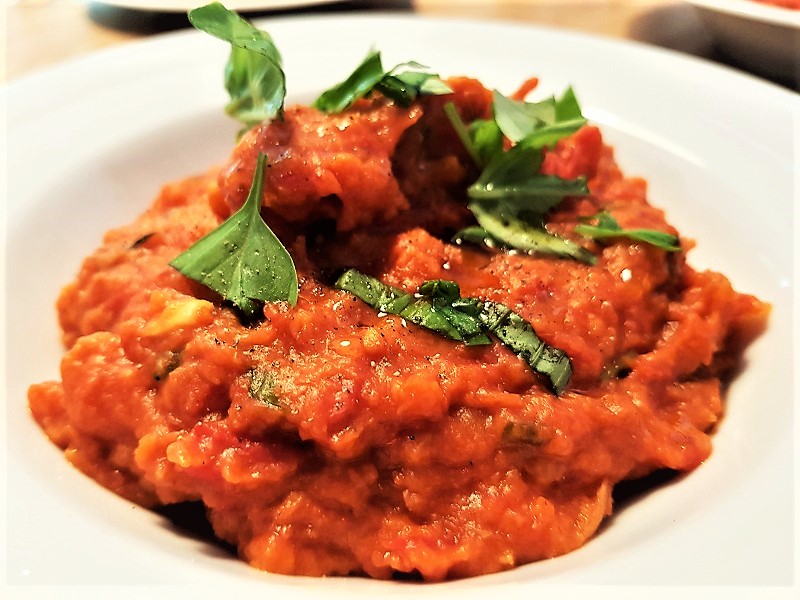
Tomato Soup
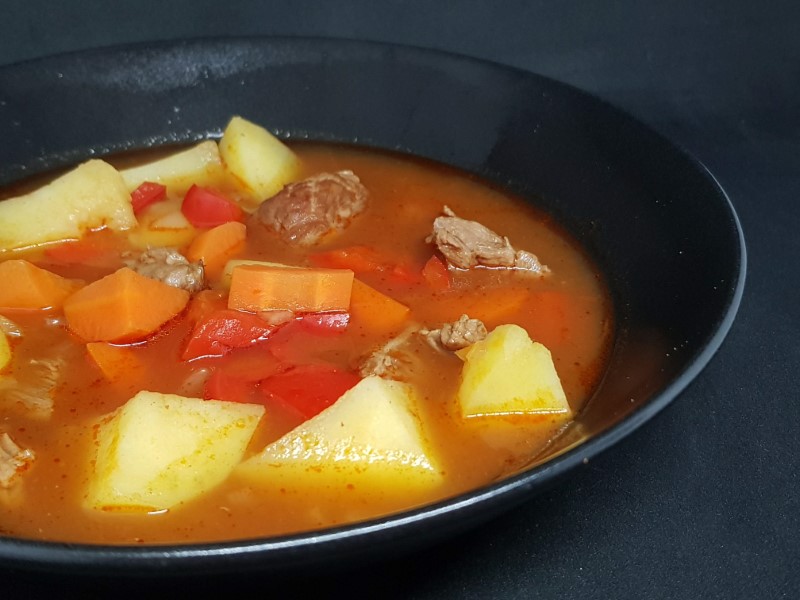
Meat Soup

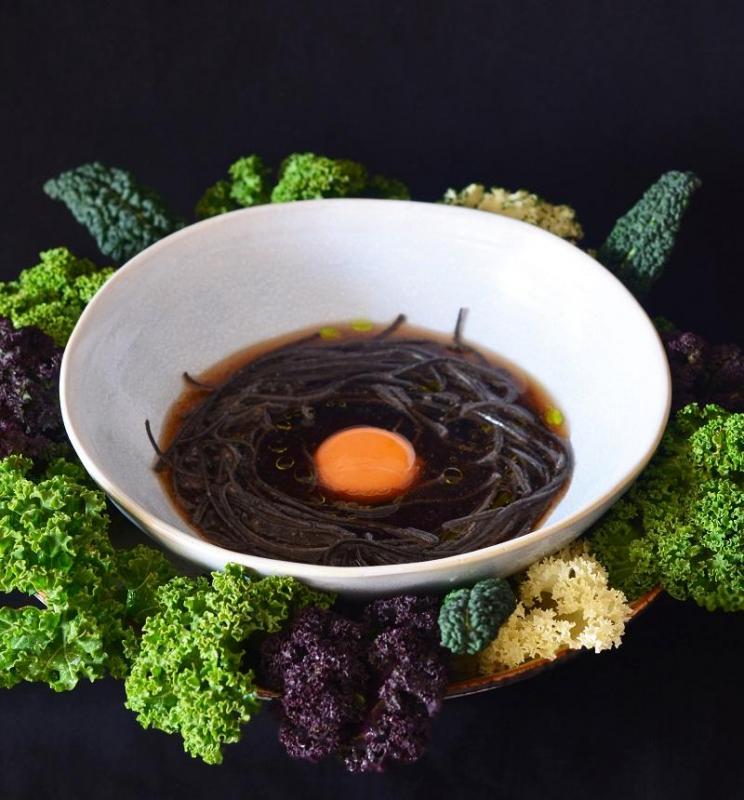
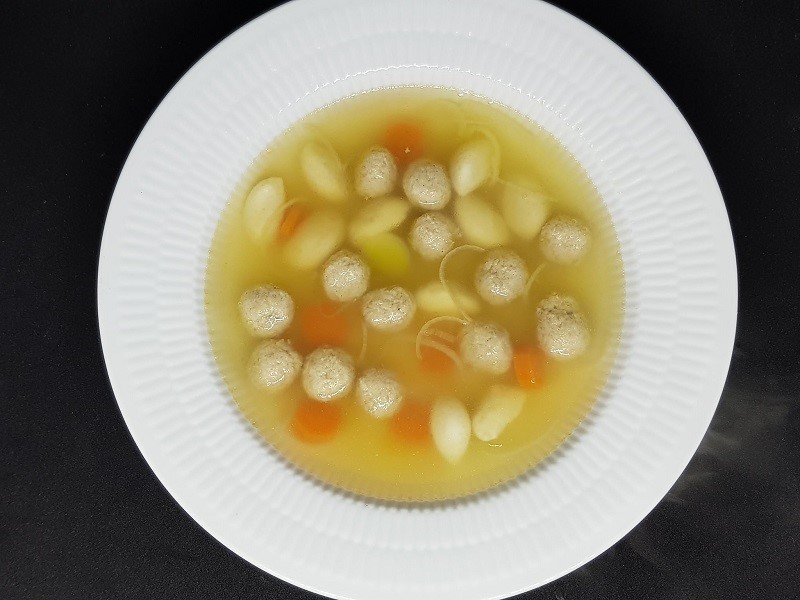

Onion Soup with Baked Smoked Cheese Rolls
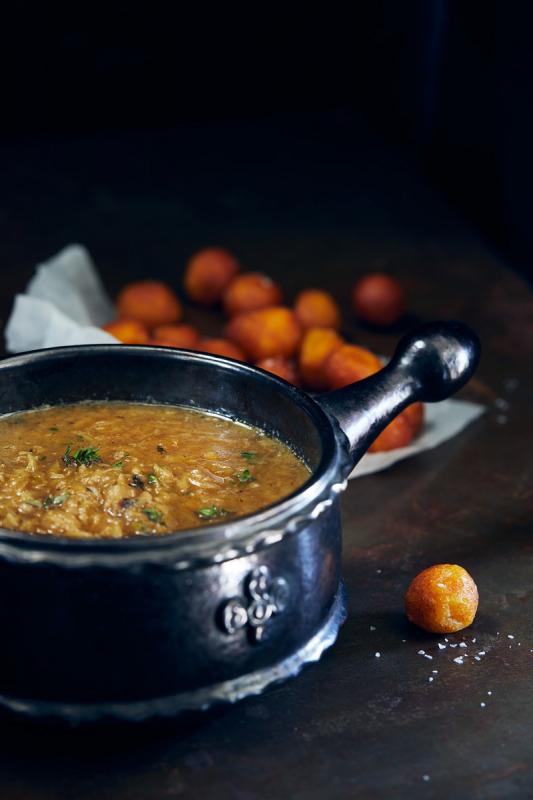
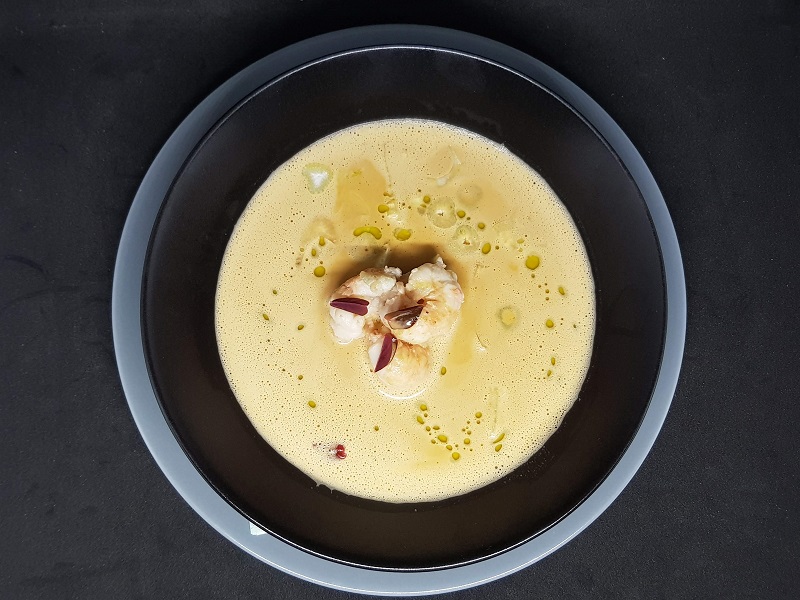
Bisque with Lobster and Langoustine

Pumpkin Soup
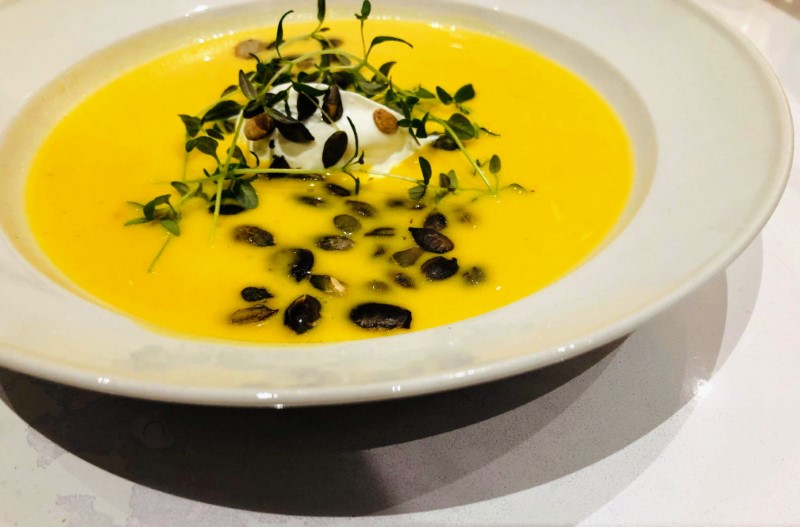
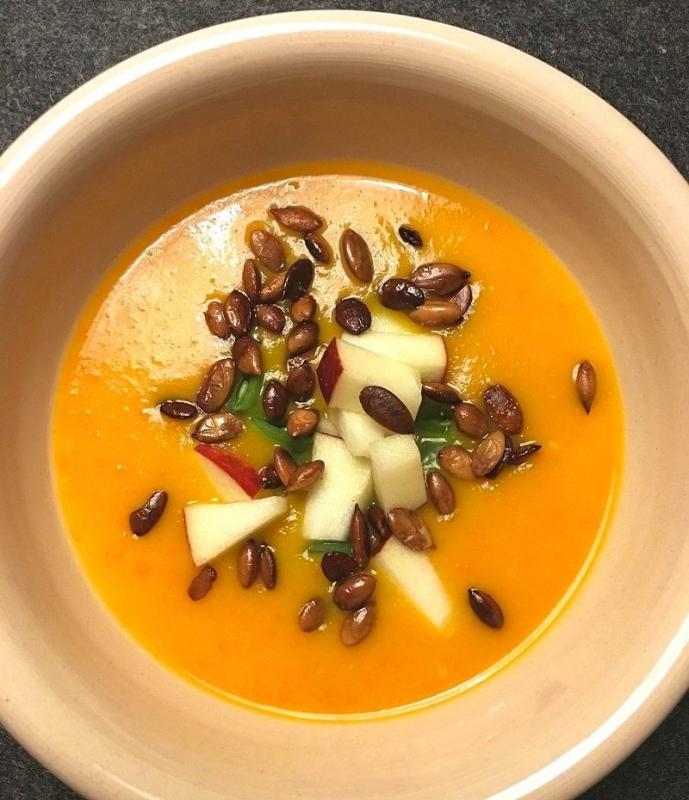
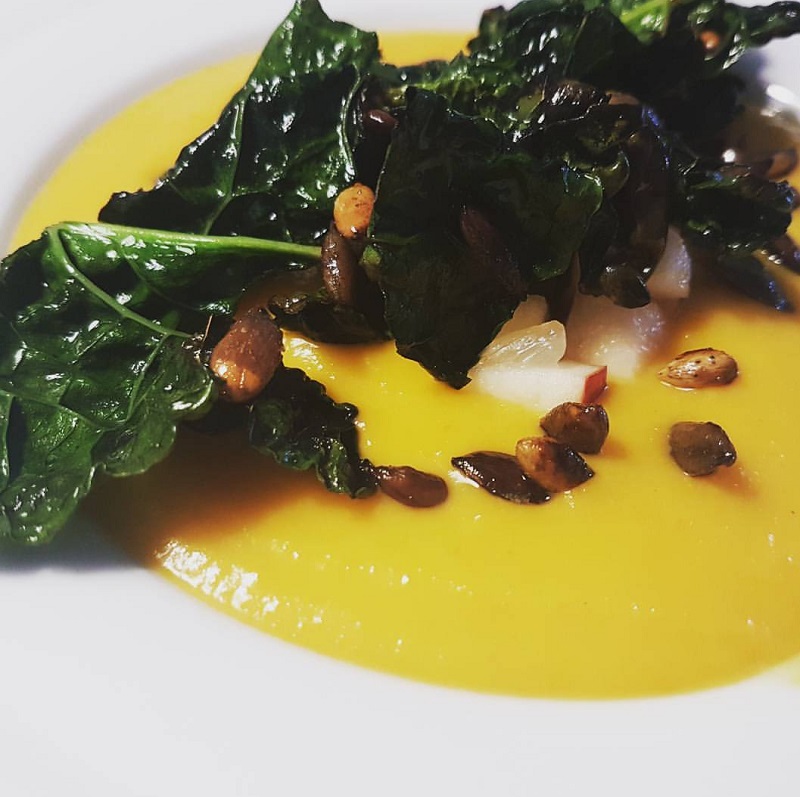
Pumpkin Soup with Roasted Kale, Pumpkin Seeds, and Sweet Apples
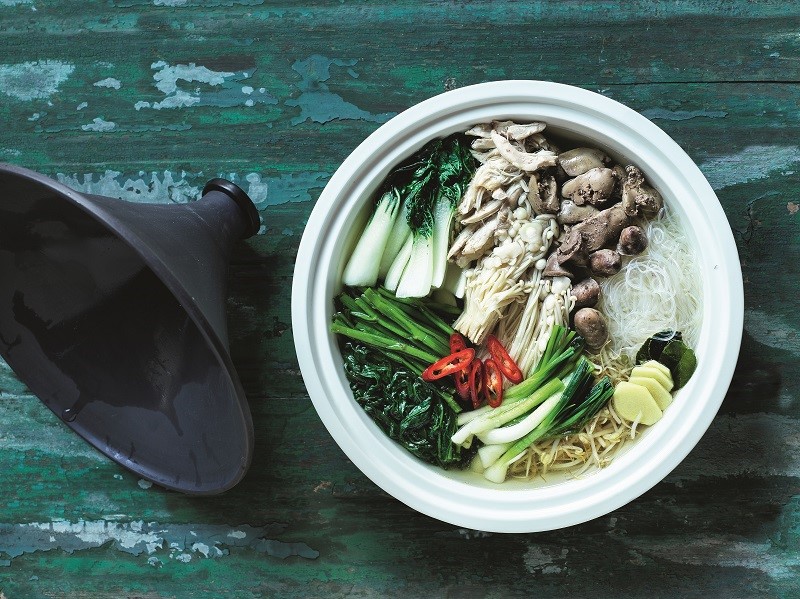
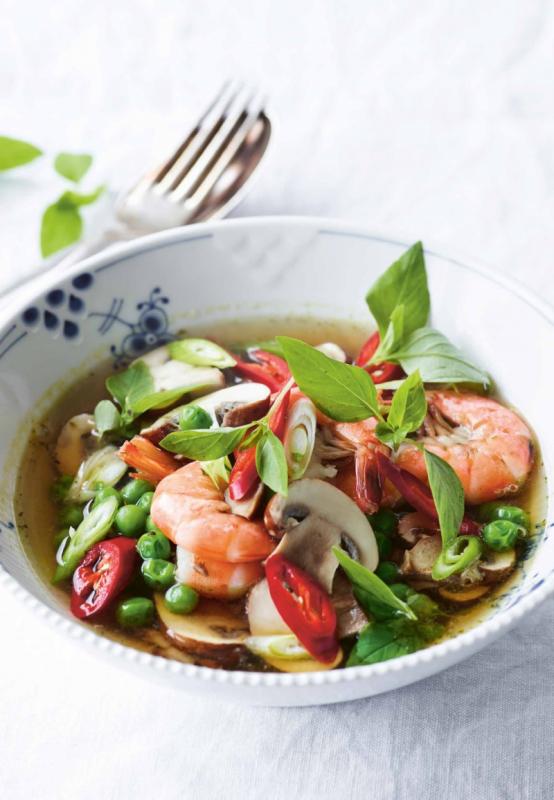
Asian Soups
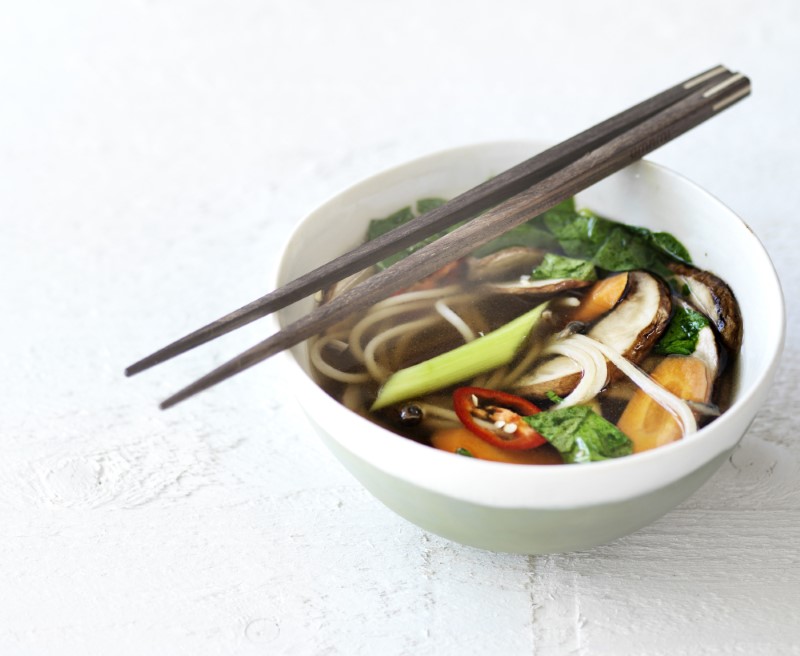
Spicy Udon Soup with Vegetables and Tofu
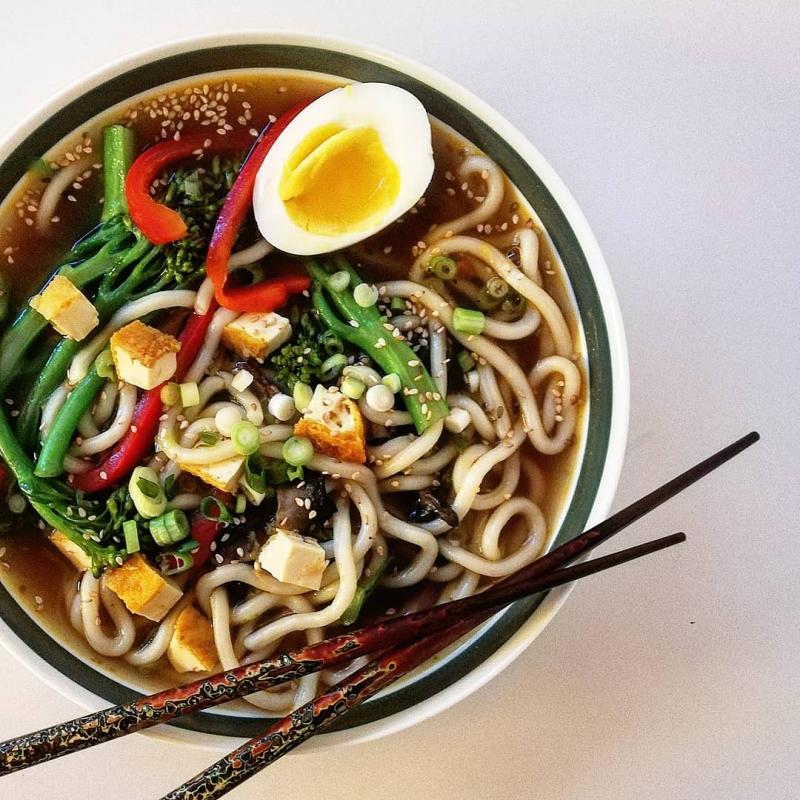
Miso Soup with Mushrooms and Noodles