


The History of Lamb Meat
Danes like meat, and compared to several other countries, our consumption is high. Pork, beef, and various types of poultry: we love it all, and even though a vegetarian wave is currently washing over the country, our Viking genes are still evident. Meat is a large part of most Danes’ diet, and for many of us, it would be difficult to do without.
However, the enthusiasm for meat is somewhat harder to discern when looking at our consumption of lamb. Figures from Statistics Denmark show that in 2013 we consumed 33 kg of pork, 27 kg of beef, and 24 kg of poultry per person per year. In comparison, the consumption of lamb was only 1.2 kg per person according to Agriculture & Food.
While most Danes love the taste of roast pork, meatballs, and a good beef roast, we find it somewhat harder to appreciate the taste of lamb. “It tastes like wool,” is a common complaint, and there is indeed a reason why many Danes have developed this aversion to eating lamb.
Previously, much of the lamb available in stores came from animals aged 12-24 months. As lambs age, they produce an increased amount of a compound known as skatole, and it is this compound, in combination with specific fatty acids in older animals, that contributes to the unpleasant “wool” taste. Many foreign lambs are still slaughtered at this age.
Because of this, Denmark has now taken the opposite approach. Here, we slaughter our lambs at the age of 6-12 months, and you can taste the difference. Danish lamb is tender, juicy, and delicious, and completely free of the criticized wool taste. This is because meat from young animals contains little fat, tendons, or connective tissue, resulting in tender, delicious meat that tastes surprisingly mild.
For this reason, Danish lamb is considered some of the finest in the world, and demand is increasing. However, it also means that breeders are struggling to keep up with the increased demand, and prices have risen, says bt.dk.
But the taste of Danish lamb is worth paying for, so if you haven’t already, you should treat yourself to this delicacy.
Lamb Cuts:
Lamb is more than just leg and chops. Still, many consumers have limited knowledge of other lamb cuts. We want to change that. We have therefore created this guide to where on the animal the different cuts come from and how they can be used.
Neck, Neck Fillet, and Shoulder:
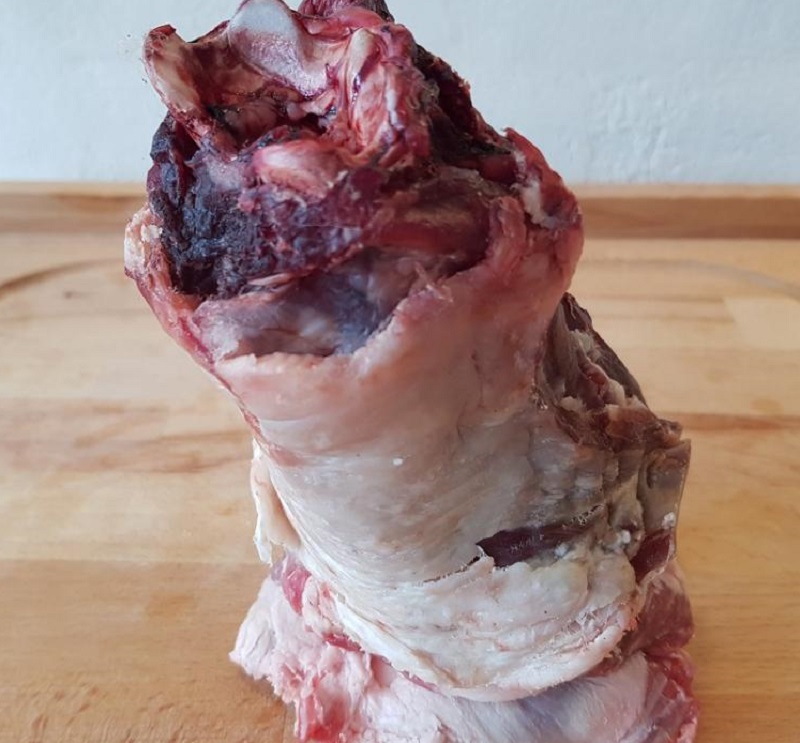
Lamb Neck.
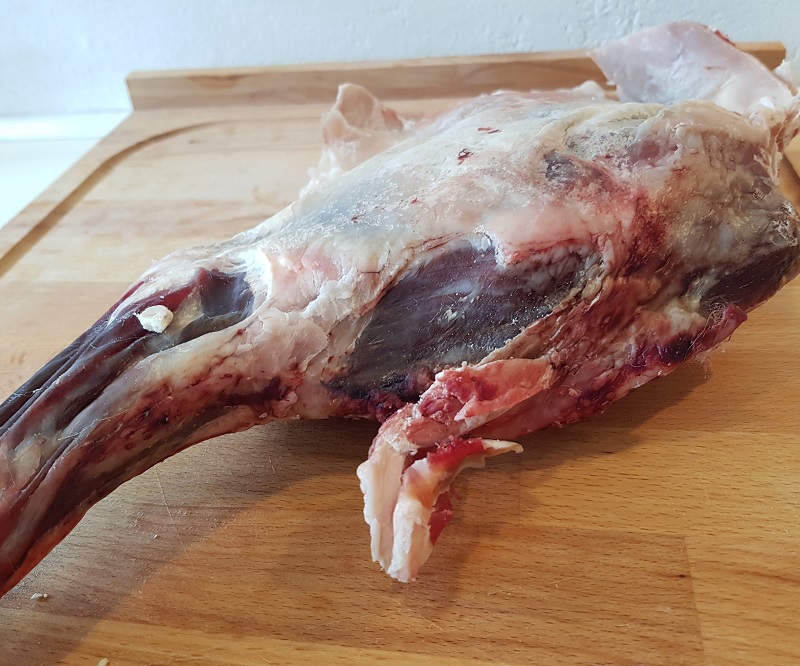
Lamb Shoulder.
These cuts are located at the front of the animal. They contain many muscles and connective tissue and require long cooking times to become tender. However, this is also where you will find most of the flavor. The meat is excellent for boiling and braising, either as a whole piece or cut into cubes. The meat can also be minced and then used in a variety of minced meat dishes.
- Lamb Shoulder. Slow-cooked in the oven. See the recipe here.
- Lamb Shoulder leftovers in an Indian lamb stew. See the recipe here.
- Minced lamb. See a recipe for minced lamb patties here or lamb burger here.
Lamb Loin:
The lamb loin is a delicious cut with many uses. It can be roasted as a whole roast in the oven or pot, or it can be cut into lamb chops (a type of chop) and pan-fried or grilled. Finally, it is also from the loin that the decorative lamb crown is cut. It is typically roasted in the oven, sliced, and served.
Lamb Breast:
Lamb breast contains a lot of fat and connective tissue, which makes it full of flavor, juice, and strength. However, it also means that the cooking time is long, and the meat is particularly good for braising. The breast can, for example, be boned, rolled around a filling, and tied into a roast that is then braised in a pot. Or the meat can be cut into cubes and used in various stews.
Loin, Back, and Saddle:
This meat comes from the rear part of the animal and is among the tenderest cuts. This is where we find the chop, the fillet, and the tenderloin. All three cuts are suitable for both grilling and pan-frying.
- Lamb crown. This recipe is prepared sous vide.
- Oven-roasted lamb crown. See the recipe here.
- Lamb crown Sous Vide with gremolata. See the recipe here
Lamb Shank:
The shank is cut from the upper part of the animal’s leg. The content of connective tissue and tendons is high, which is why the meat requires a considerable amount of time to cook. The meat is suitable for braising in the oven or pot.
- Lamb shank with polenta. See the recipe here.
Lamb Leg:
The lamb leg is a popular cut and is probably the part of the lamb that most of us have eaten most often. The leg comes from the animal’s hind legs, and it is ideal for roasting whole and then slicing. The meat can also be cut from the leg and used in various stews, as well as cut into steaks and grilled or pan-fried.
- Grilled lamb leg. See the recipe here.
- Slow-roasted lamb leg on the grill. See the recipe here.
- Lamb schnitzels are typically cut from the leg. We have a recipe for grilled lamb schnitzels here.
- Lamb rump can also be cut from the leg. We have a recipe for sous vide lamb rump here.
Lamb Rump:
The rump is cut from the upper thigh of the animal. It is a piece of meat with a relatively high fat content, making it suitable for grilling or oven roasting, as it does not dry out easily. From the rump, the inside round and rump can also be cut, and schnitzels can be cut from the piece of meat.
- Sous vide lamb rump. See the recipe here.