


Know Your Chicken
Chicken is a popular meat, and we consume a lot of it. In Denmark, we generally enjoy meat, and we are one of the countries in the world where meat consumption per capita is the highest. Poultry is also popular, and most of what is sold is chicken. In fact, our consumption of chicken has increased so much that we eat three times as much today as we did in 1990 (according to Landbrug & Fødevarer). There may be several reasons for this, but part of the explanation is probably that chicken is both lean and inexpensive meat.
The health wave really took hold in Denmark in the 1990s, and the keyword for a healthy lifestyle was to cut down on fat. A multitude of light products were developed, some better than others, and we learned that there is a difference in fat, and not all types of fat are equally good for us. Here, chicken came as a godsend because with its low fat content and high protein content, it was the answer to our prayers for healthy and low-fat meat.
Slaughterhouses were quick to respond to the demand, and a multitude of new products were developed, and we were introduced to new and different cuts of the animal.
Much has changed since then, and things are no longer as black and white as they once were. Today, health is much more than just a reduced fat intake, and dietary philosophies such as raw food, LCHF, and vegan diets have truly gained a foothold. However, we still love chicken, and there is no indication that the enthusiasm for the little feathered creature is waning.
There are many different types of chickens, and the difference between them is not so much the breed as the conditions under which the chicken has lived. In fact, almost all chickens sold in supermarkets belong to the same breed or a similar one. However, there are significant differences in how the chickens live before they end up in the refrigerator section, and here we provide you with a guide on how to tell the difference between the different chickens:
Conventional Chickens
These chickens live indoors in barns where they walk around in litter in large “halls.” Conventional chickens are not allowed outside because the breed cannot tolerate it, and they are fed conventional feed to exploit their growth rate. Conventional chickens are slaughtered after 36 days.
Free-Range Chickens
Free-range chickens have access to both indoor and outdoor areas, which they can use as needed. These chickens grow more slowly than conventional ones, and combined with the increased amount of exercise, you get a chicken that is larger and has more flavor. Free-range chickens are slaughtered no earlier than 81 days.
Organic Chickens
Organic chickens have many of the same conditions as free-range chickens. The primary difference between the two types of chickens is that organic chickens must be fed feed based on organic raw materials, while free-range chickens that are not organic can be fed conventional feed. Organic chickens are slaughtered after about 63 days, unless they are slow-growing breeds, which require a slaughter age of at least 81 days.
Use Your Chicken Correctly
Even though you can buy many different types of chicken cuts in supermarkets – some even already marinated or pre-prepared – there is very good economy and not least taste in buying your chickens whole and butchering them yourself. It’s actually not that difficult, and all you need is a cutting board and a good, sharp chef’s knife.
Once you have butchered your chicken, you are left with the different parts that can be used together or separately. Here we provide you with an overview of the different chicken cuts and suggestions on how they can be used.
Chicken Breast
Chicken breasts – especially those without skin – are an extremely popular item in the supermarket. The meat is low in fat and easy to handle, and it can be used as-is or cut into cubes or strips and used in a multitude of dishes. Chicken breast with skin is especially good if you want to oven or pan-fry the meat, as the skin becomes deliciously crispy and also prevents the meat from becoming dry.
Chicken Breast Sous Vide Time/Temperature:
Sous vide chicken breast: 61 degrees Celsius for 1 hour.
Sous vide chicken breast with bone: 61 degrees Celsius for 2 hours.
Chicken Tenderloin
The tenderloin is the long, narrow piece of meat that runs along the breast piece of the chicken. Like the breast meat, it is an easy and practical piece of meat because it cooks quickly and can be included in many dishes. The breast fillet can easily become dry, so be careful not to fry it too hard or too long.
Chicken Tenderloin Sous Vide Time/Temperature:
Sous vide chicken tenderloin: 61 degrees Celsius for 1.25 hours.
Chicken Wings
Chicken wings are considered by some as a necessary evil, something they are left with and aren’t quite sure what to do with. There isn’t much meat on the wings, but what there is, is actually quite juicy and delicious. A popular product made from chicken wings is hot wings, which are marinated chicken wings that are fried or grilled. If you don’t have the patience to fuss with the wings, they can be boiled with the carcass for a stock.
Chicken Thigh
The thigh of a chicken consists of a drumstick and a thigh. The drumstick is also known as a “drumstick” and is among the juiciest meat on the animal. The drumstick can be fried and eaten as is, and many people love to gnaw the tender, juicy meat off the bone. The thigh is, as the name suggests, the upper part of the chicken’s leg. Here sits most of the animal’s muscles, which is why it is the cut that requires the most cooking time to become tender. In return, there is a lot of flavor in the thigh, and it can be prepared in many ways, preferably in an oven or pot.
Chicken Thigh Sous Vide Time/Temperature:
Sous vide chicken thigh: 65 degrees Celsius for 7 hours.
Sous vide chicken upper thigh: 65 degrees Celsius for 3 hours.
Sous vide chicken drumstick: 68 degrees Celsius for 3 hours.
Chicken Carcass
The carcass is the chicken’s skeleton and what you are left with once you have butchered the animal. There will always be remnants of meat, cartilage, etc., on the carcass, and since it is full of juice and flavor, you should never throw away your chicken carcass. Freeze them, and when you have a few, they can be used for chicken stock or soup. For example, put your carcasses in a large resealable freezer bag, so it’s easy to add to the bag when you have a new carcass.
Chicken Skin
Everyone loves the crispy skin of chicken, and like pork cracklings, it’s something that is always good. A whole, roasted chicken with crispy skin all around is naturally a delicacy, but the skin can also be “skinned” from the chicken and fried separately, so you get delicious, crispy “cracklings” that can be used as a snack in themselves or broken into smaller pieces and used as a topping on soups or salads.
Whole Chicken
Last but not least, you can, of course, also roast or boil your chicken whole, and in this way, get a meal that can feed up to 6 people. Try, for example, placing a whole chicken in a roasting pan on a bed of potatoes and root vegetables, season with salt and pepper, and add a little water. Place the pan in the oven for 1 ¼-1 ½ hours, depending on the size of your chicken. The fat from the chicken melts onto the vegetables and makes them really delicious. Cut the chicken and serve with just a fresh salad. Or place your chicken in a large pot and pour water over to cover it. Bring to a boil, skim the surface, and add onions, carrots, and celeriac cut into large cubes. Let everything simmer for 1 ½ hours. You now have a boiled chicken, the meat of which you can use in a multitude of contexts, and a wonderful soup that you can use as it is or boil down to a stock.
In this article, you can get inspiration on how to make 4 meals out of a whole chicken.
Chicken Recipes
Below we have gathered a wealth of our recipes on how to prepare chicken.
Grilled Chicken

- Chicken on the Grill
- Mexican Pancakes with Chicken
- Whole Grilled Chicken
- Grilled Chicken on a Rotisserie
- Everyday Friendly Grill Dish
Deep-Fried Chicken

- Chicken Burger
- Chicken Roulade with Herbs
- Chicken Roulade
- Breaded Chicken
- Fried Chicken Burger
- Deep-Fried Chicken
- Drumsticks
Oven-Roasted Chicken
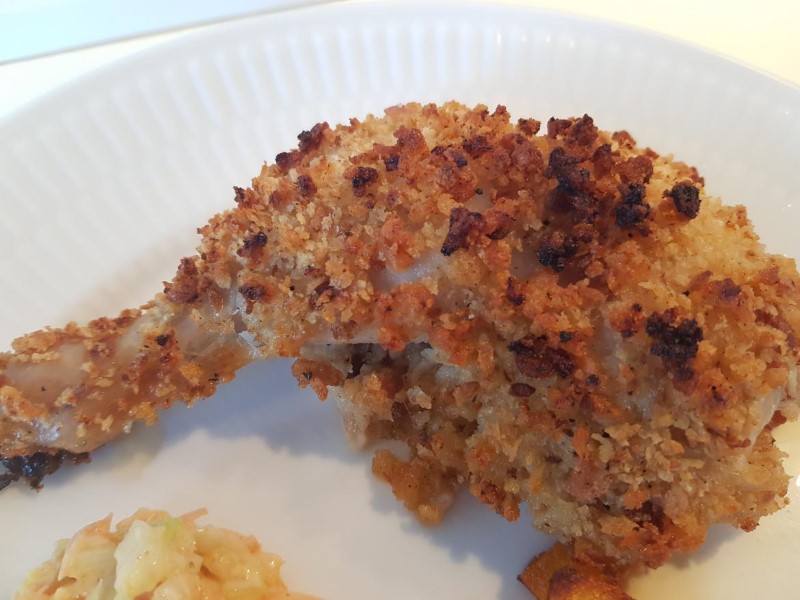
- Fried Chicken
- Chicken in Phyllo Dough
- Chicken in the Oven
- Pulled Chicken Burger
- Pulled Chicken Burger
- Pulled Chicken
- Pulled Chicken in the Oven
- Whole Roasted Chicken
- Whole Roasted Chicken in the Oven
- Chicken Thighs in the Oven
- Chicken Wrapped in Puff Pastry
- Chicken Breast in the Oven
- Chicken Tart
- Fried Chicken with Polenta Fries
- Crispy Chicken Skin
- Chicken Skin
- Chicken in Puff Pastry
- Fried Chicken with Saffron and Honey
Pan-Fried Chicken

- Breaded Chicken
- Fried Chicken Breast
- Risotto with Chicken
- Chicken Meatballs
- Savory Pancakes with Chicken
- Pan-Fried Chicken Meatballs
- Mexican Chicken
- Lemon Pasta with Chicken and Sage
- Stuffed Chicken Breast
Pot-Roasted Chicken
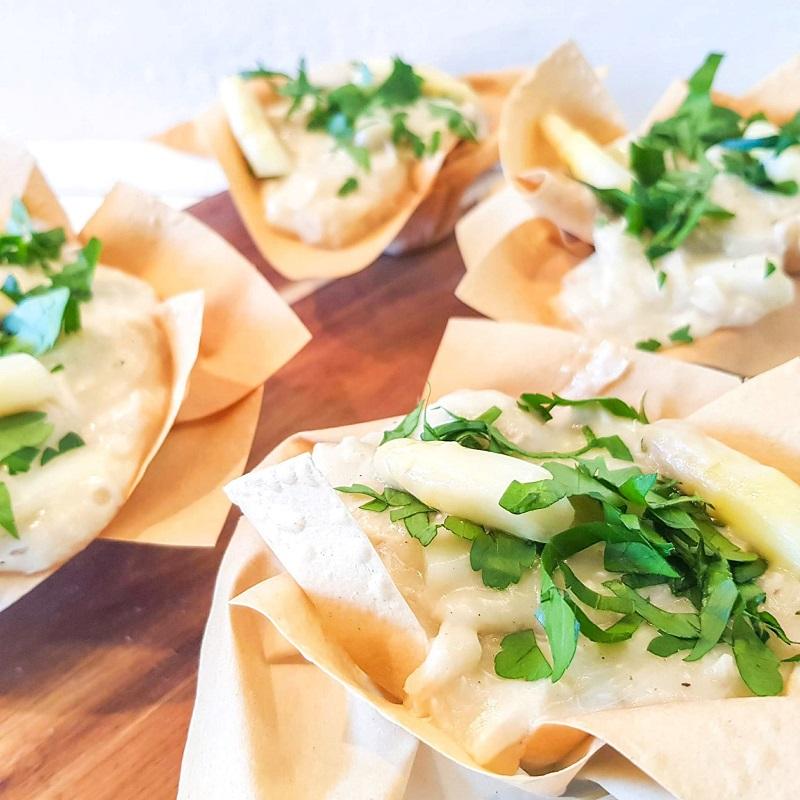
- Luxury Tartlets
- Butter Chicken
- Tartlets
- Coq au Vin
- Coq au Vin with Mashed Potatoes
- Croissant with Chicken Salad
- Chicken Salad
- Chicken Soup
- Chicken Curry
- Pasta with Chicken, Cream, and Spinach
- Asian Savory Pancakes with Chicken
- Chicken Salad with Croissant
- Chicken Salad
- Butter Chicken
- Clear Soup
Salad with Chicken
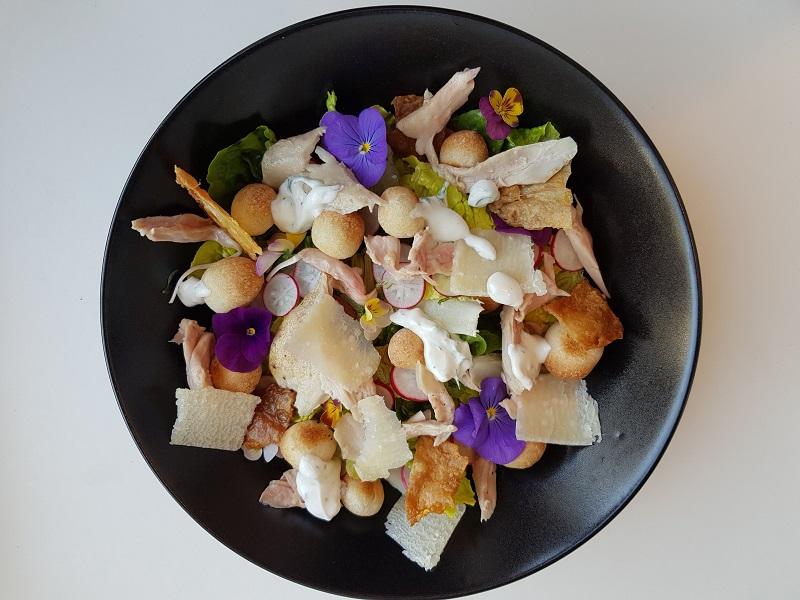
Chicken Sous Vide
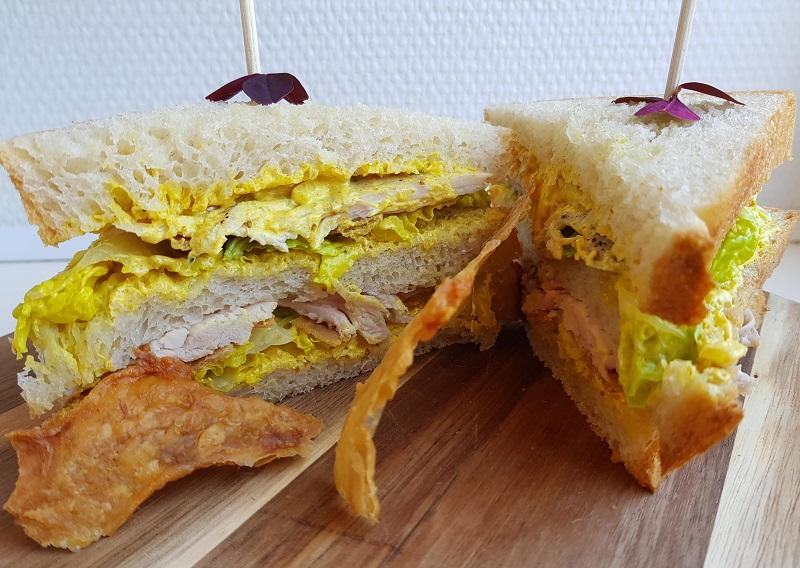
- Club Sandwich
- Chicken Breast
- Chicken Thigh
- Chicken Breast – Directly from Frozen
- Chicken Roulade
- Sous Vide Chicken Breast
…the article is continuously updated with new recipes.