
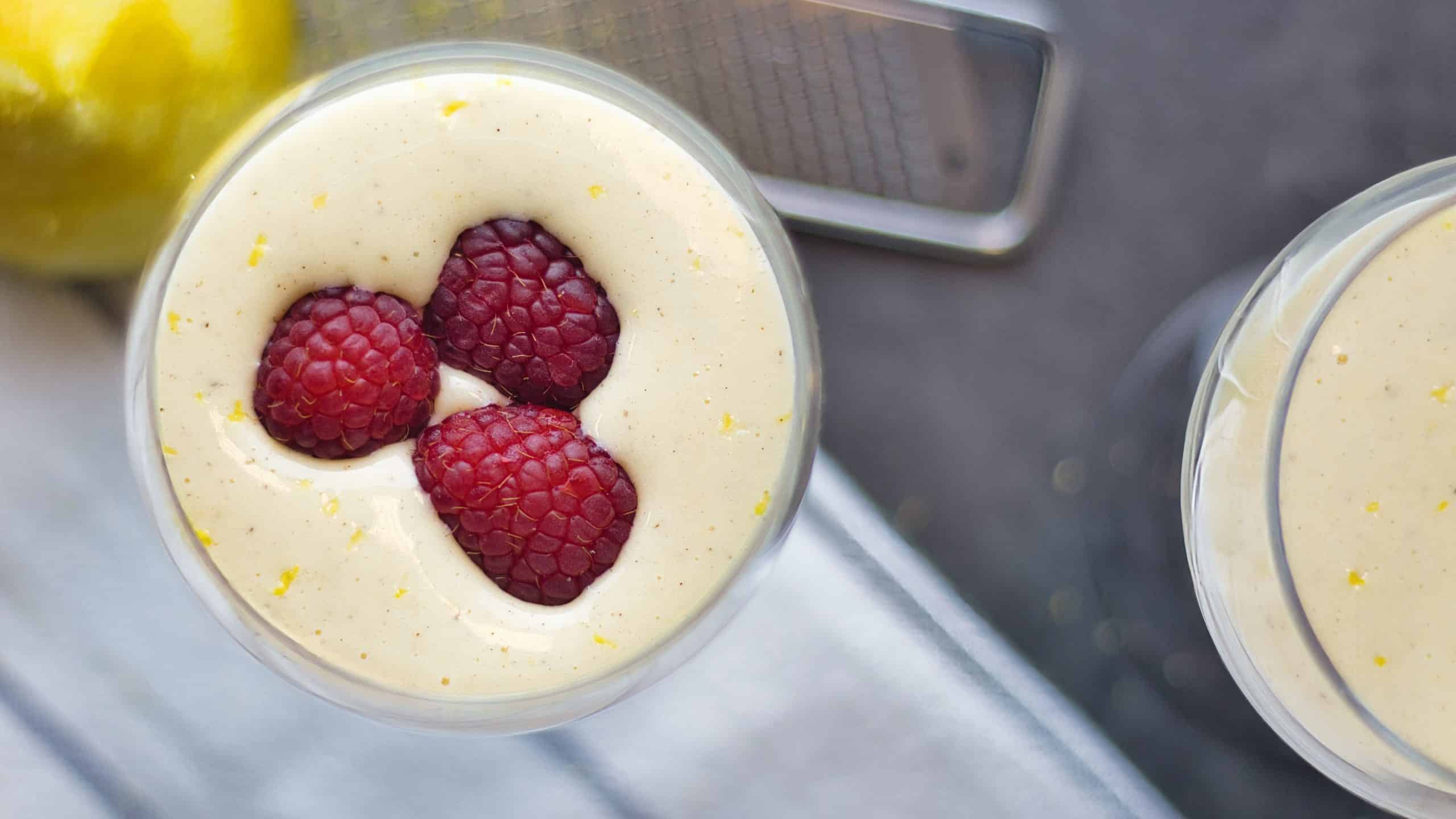


Recipe for zabaglione with limoncello and raspberries
If you’re looking for a dessert that offers a vibrant citrus punch, Zabaglione with Limoncello is the perfect choice. This version trades the deep, earthy notes of traditional wine for the sharp, aromatic intensity of Italian lemon liqueur.
A Zesty Twist on a Classic
While the classic version is known for its warmth, this interpretation is bright and zesty. By incorporating limoncello and fresh lemon zest into the custard, you create a dessert that is incredibly rich yet bursting with citrus flavor. The balance is anchored by velvety egg yolks and a pinch of sea salt, which amplifies the lemon notes without overpowering the sweetness.
Serving with Fresh Raspberries
Zabaglione with Limoncello is best served in elegant dessert glasses, topped with fresh raspberries. The natural tartness of the berries cuts through the decadence of the sweet, thick lemon cream, creating a sophisticated balance of flavors and a beautiful visual contrast.
Achieving the Perfect Velvet Texture
The secret to this decadent treat is whisking the ingredients over a double boiler until the mixture is thick, pale, and airy. You’ll know it’s ready when the custard is beautifully stabilized and the whisk leaves clear trails in the cream.
You can enjoy it immediately while it’s warm and velvety, or whisk it over an ice bath if you prefer to serve this rich lemon custard chilled.
FAQ about Zabaglione
1. What is Zabaglione?
Zabaglione (also known as Zabaione) is a classic Italian dessert custard made by whisking together egg yolks, sugar, and wine or liqueur over a water bath. The result is a rich, airy, and velvety cream that can be served either warm or cold.
2. What is the ideal temperature for Zabaglione?
To achieve perfect stability and a safe, creamy texture, the custard should reach a temperature between 80–82°C (176–180°F). At this point, the egg yolks have thickened enough to leave clear trails from the whisk without scrambling.
3. Which types of alcohol can I use?
While Marsala and Limoncello are classic choices, you can experiment with other Italian favorites to vary the flavor profile:
- Moscato d’Asti: For a lighter, floral, and slightly effervescent finish.
- Vin Santo: For a deeper, honey-like sweetness that is traditional in Tuscany.
- Espresso: Often added to provide a caffeine kick and a deeper color, especially in tiramisu-inspired versions.
4. How can I serve Zabaglione?
This versatile cream is more than just a sauce; it can be the star of the show:
- In a Glass: Serve it simply on its own in a coupe glass to enjoy the pure, velvety texture.
- Over Fresh Fruit: Drizzle the warm custard over a plate of sliced peaches, strawberries, or seasonal forest fruits for a decadent contrast.
- With Berries: Pairing it with fresh raspberries adds a tartness that cuts through the richness of the yolks.
- Tiramisu Style: Layer it over crushed ladyfingers (savoiardi) soaked in espresso and finish with cocoa powder.
5. Why did my Zabaglione separate or go flat?
This usually happens if the temperature drops or if it isn’t whisked enough during the cooling process. If you want to serve it cold, you must place the bowl over ice and continue whisking until it is completely chilled to maintain its airy structure.
6. What is the secret to the perfect texture?
The key is constant whisking over a bain-marie (double boiler). Ensure the water is just below the boiling point and that the bottom of the metal bowl never touches the water. This gentle heat allows the yolks and sugar to transform into a stable, voluminous foam.

Limoncello Zabaglione with Fresh Raspberries
Equipment
- 1 metal bowl for mixing and cooking over a bain-marie
- 1 Saucepan for the bain-marie
- 1 Whisk for beating the mixture
Ingredients
- 80 grams Egg yolks
- 90 grams Sugar
- 10 grams Vanilla sugar
- 0.5 grams Fine sea salt
- 80 grams Limoncello
- 1/2 Lemon zest from 1/2 lemon
- 12 Fresh raspberries
Instructions
- Combine egg yolks, sugar, vanilla sugar, and sea salt in a metal bowl and whisk until smooth.
- Add limoncello and lemon zest, and whisk lightly.
- Place the bowl over a water bath with water heated just below boiling, ensuring the bowl does not touch the water.
- Whisk constantly until the cream thickens and becomes light and fluffy.
- Remove the bowl from the heat when the zabaglione is airy and creamy, and you can see clear traces from the whisk. If measuring temperature, it should reach 80-82°C.
- Divide the zabaglione into glasses.
- Place three raspberries on top of each dessert and serve immediately.
- If you wish to serve the cream cold, place it over ice and whisk until cooled.