


In a reflective blog post, Michelin-starred chef Samuel Moreno shares a deeply personal take on the silent disappearance of wild foods from our tables.
With a blend of culinary insight and environmental concern, he explores how biodiversity loss is erasing the bold, untamed flavors once central to our food culture.
It’s a call to recognize and protect the rare ingredients that define our gastronomic heritage.
Wild foods: a luxury on the brink of extinction
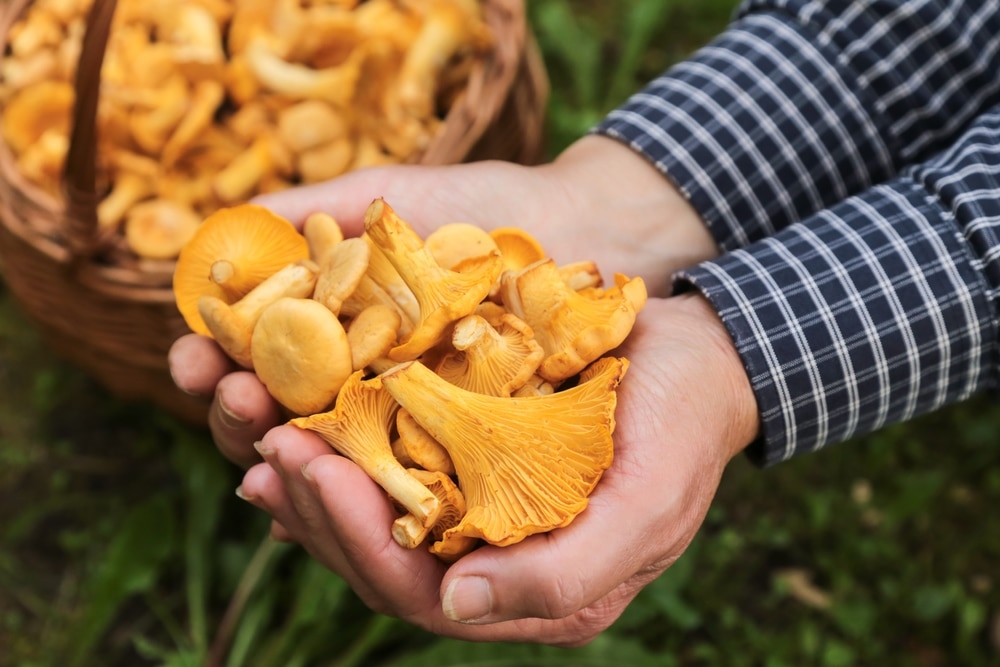
As we move faster, we often overlook the natural treasures that once defined our diets.
Wild foods, who are untamed, seasonal, and full of character, are disappearing quietly, victims of biodiversity loss and industrial farming.
From abundance to uniformity
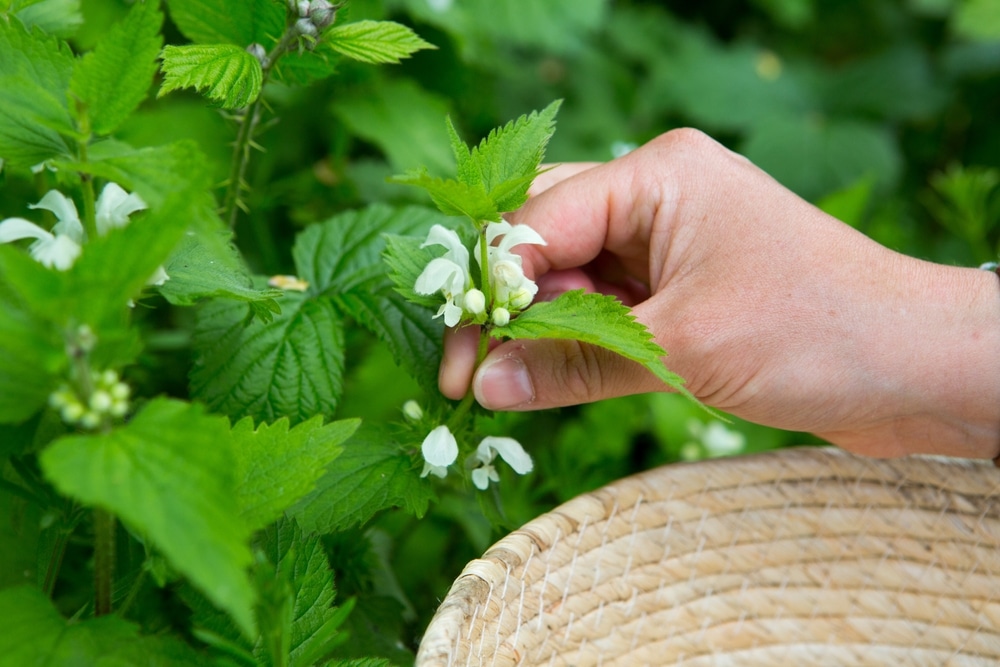
Humanity once relied on over 7,000 plant and animal species for food. Today, our diet is centered on just a few dozen crops and less than ten animal species.
While food quantity has grown, variety has drastically shrunk.
When biodiversity fades, flavor follows
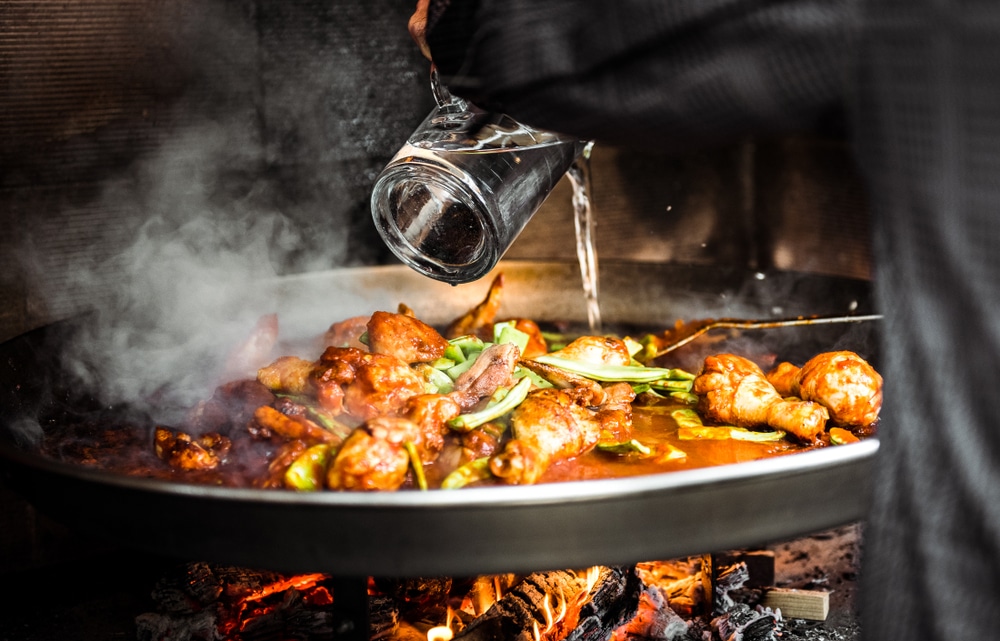
The loss of wild foods is more than an ecological concern, it’s a culinary one. The rich, untamed flavors of these products can’t be replicated by cultivated varieties.
Their disappearance marks the erosion of centuries of gastronomic heritage.
What are wild foods, exactly?
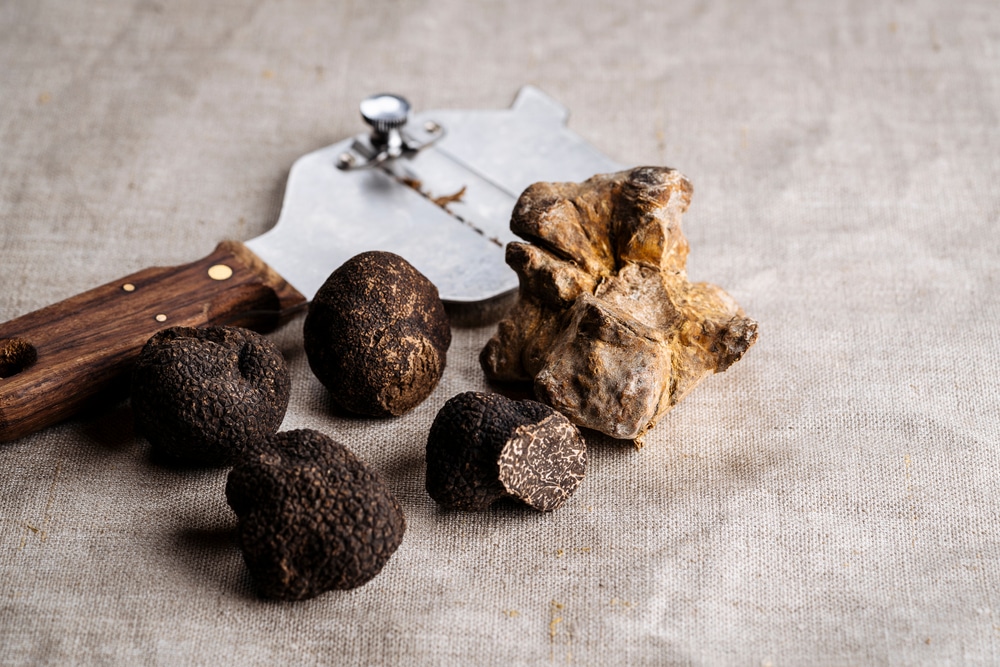
These are ingredients that grow or live in nature without human interference. Think mushrooms, wild berries, truffles, hunted game, or river fish.
Their availability depends on nature’s rhythm, not industrial production.
Why wild means unique
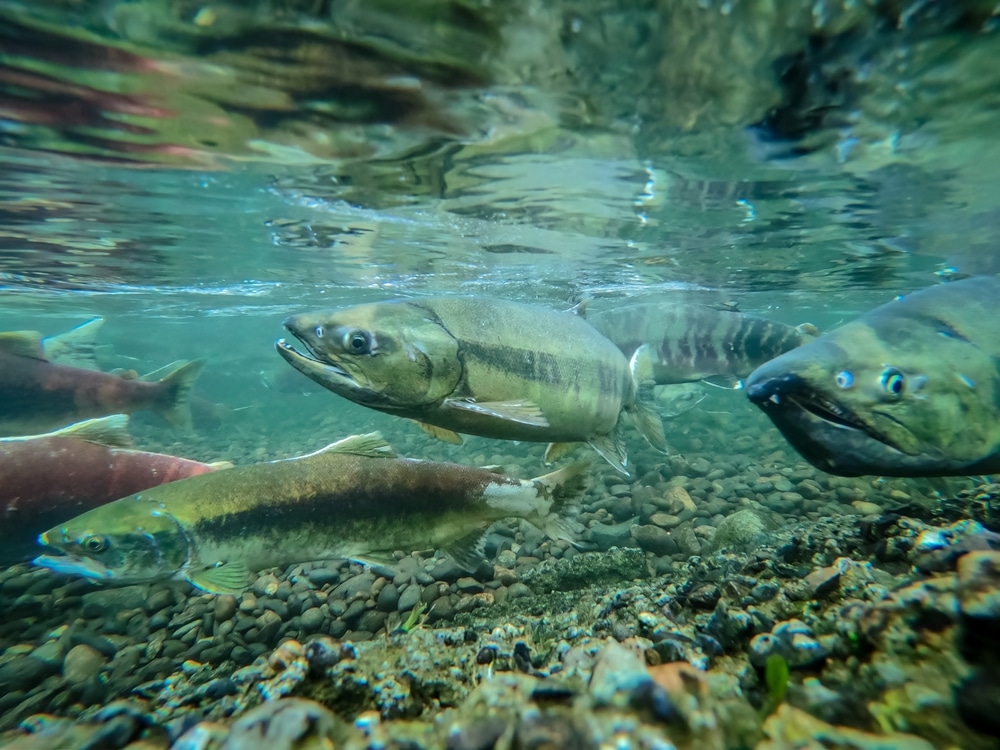
Unlike farmed foods, wild ingredients are shaped by their habitat. Their flavors vary depending on what they feed on, their environment, and the season.
That unpredictability makes them valuable and irreplaceable.
Nature’s ingredients with character
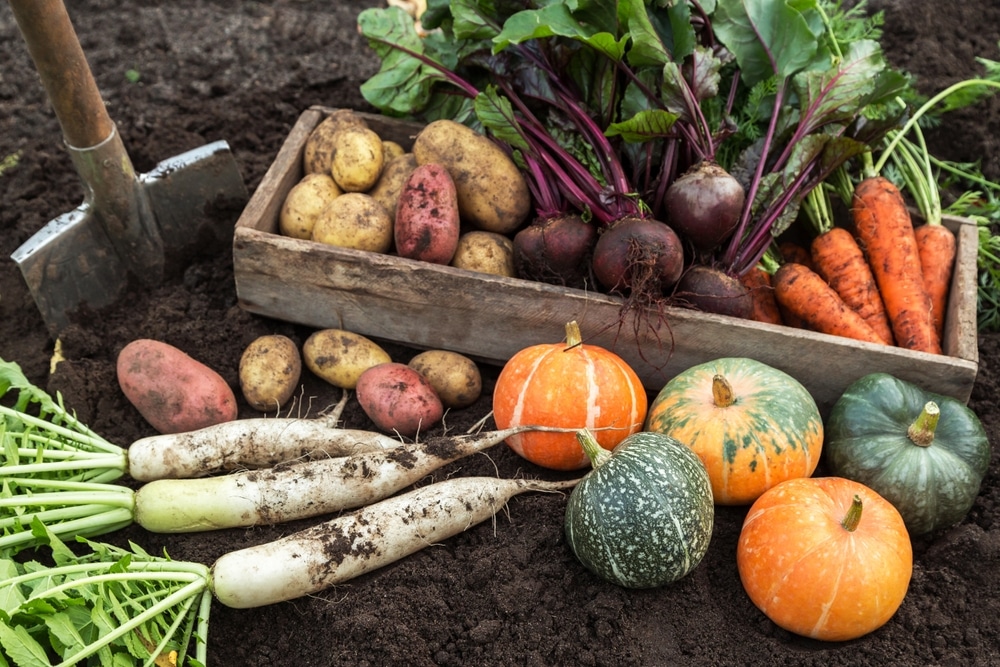
Wild foods are intense, flavorful, and resistant to standardization. They offer a depth of taste that cultivated products often lack.
Their unrefined quality is precisely what makes them so sought-after in high-end kitchens.
A kitchen revolution – without nature
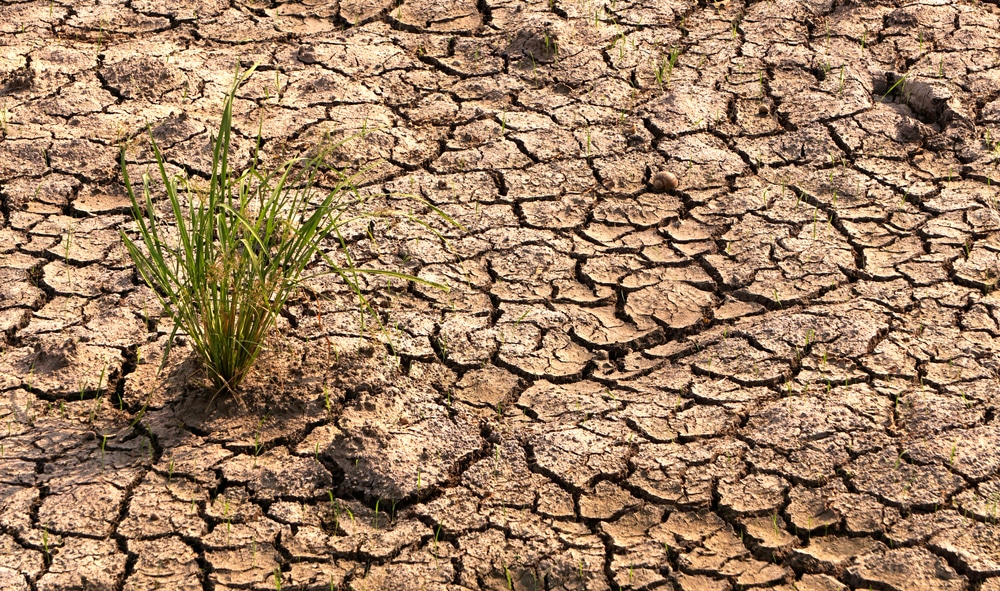
Despite the culinary creativity of recent decades, not all progress has been inclusive.
While chefs have gained tools, techniques, and new ingredients, wild products have quietly faded from menus due to scarcity and loss of habitat.
The silent cultural loss
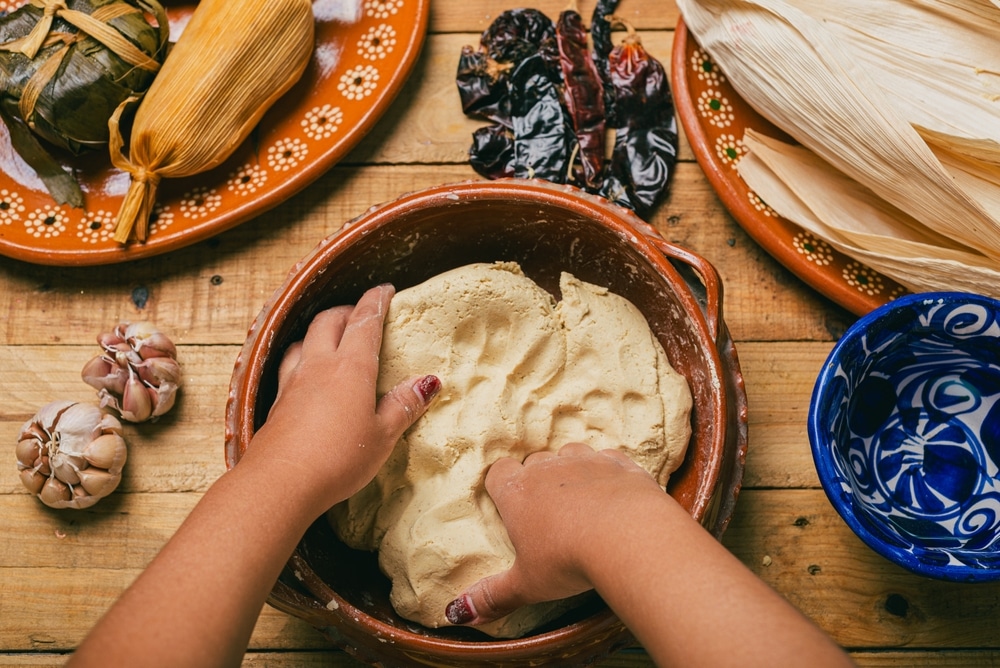
When we lose wild foods, we lose more than nutrition: we lose traditions. These ingredients were once staples of local diets and recipes passed down for generations.
Their absence erodes culinary identity and regional memory.
Scarcity makes them a delicacy
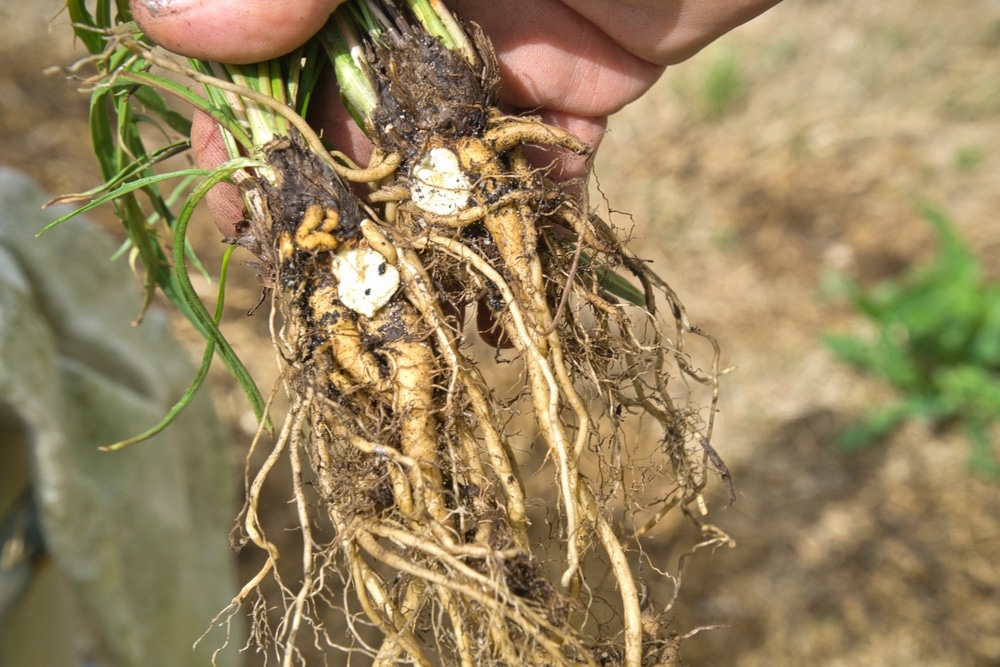
As wild ingredients become harder to find, they’re gaining recognition as culinary jewels.
Foraging, once seen as outdated, is now a sought-after skill in gourmet circles.
But without demand, these foods risk fading entirely.
A call for culinary preservation

Chefs and food lovers can help preserve wild foods by cooking with them, talking about them, and encouraging ethical sourcing.
Bringing attention to these forgotten ingredients may be the only way to save them.
From forgotten to celebrated
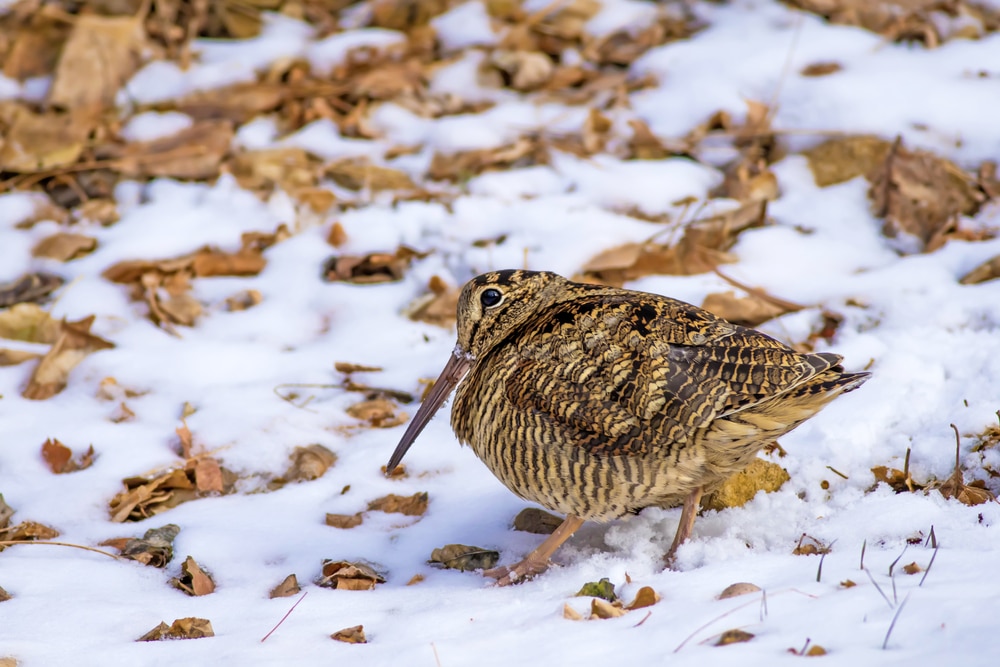
Some examples of prized wild ingredients include woodcock, wild trout, thistle mushrooms, and blackberries.
Each carries intense flavor and deep cultural roots; ingredients that should be celebrated, not lost.
Wild foods are a legacy worth saving
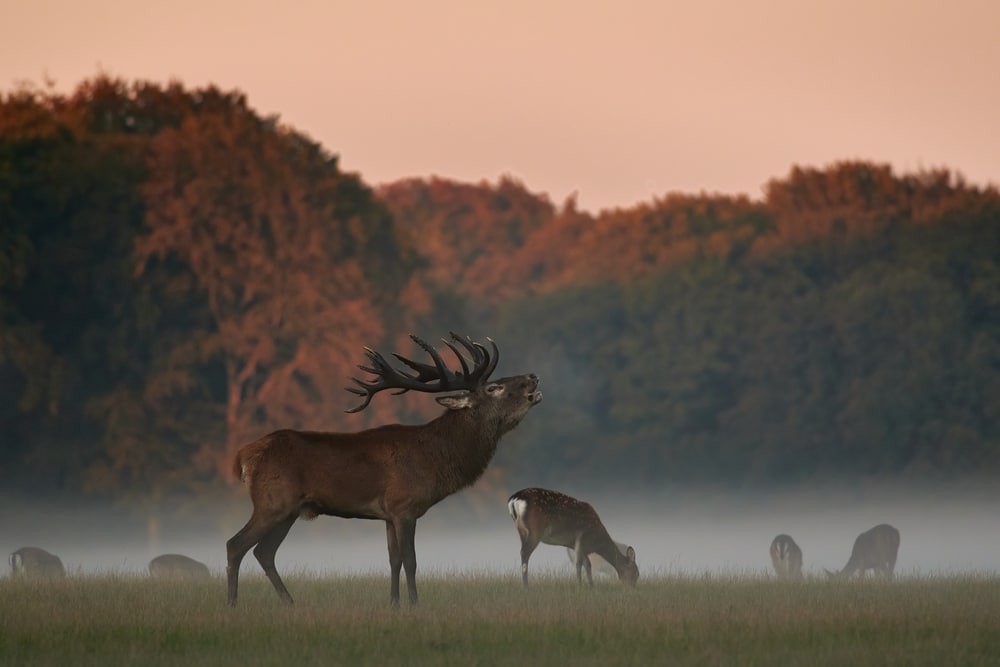
Protecting wild foods isn’t just about taste. It’s about biodiversity, cultural preservation, and rethinking our relationship with nature.
In the kitchen and beyond, their survival depends on awareness, appreciation, and action.
Source: Alimente