


Ultra-processed foods (UPFs) may look harmless, but different experts warn they’re quietly sabotaging weight loss.
Found in everything from breakfast breads to dinner sauces, these additive-packed products make shedding pounds far more difficult.
Here’s how UPFs sneak into everyday meals and why cutting back is critical.
Ultra-Processed Foods and Your Diet
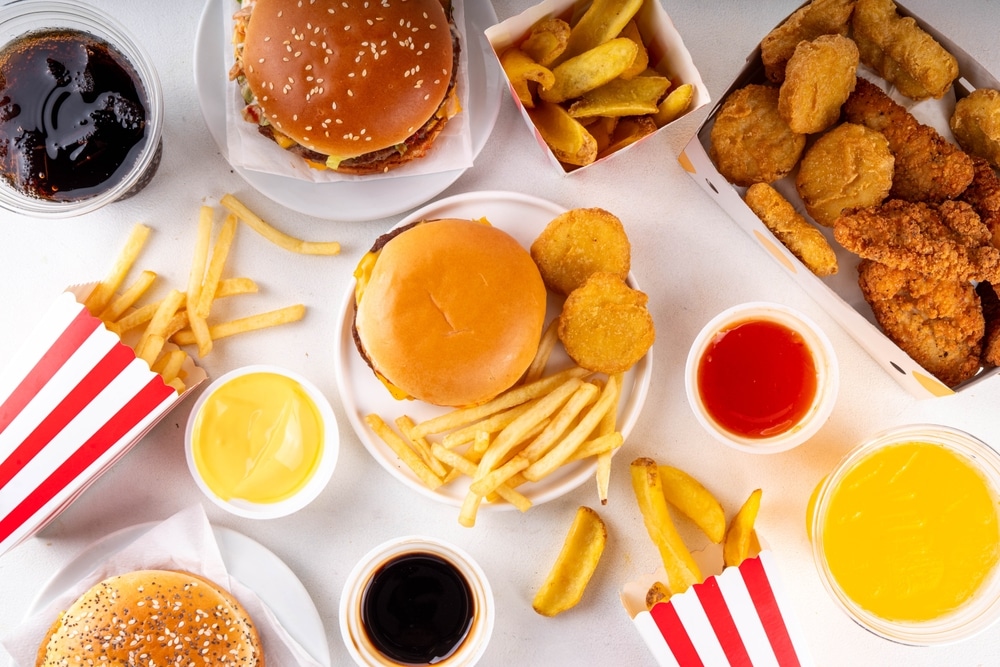
Research shows cutting out ultra-processed foods (UPFs) can nearly double weight loss results.
In a study by NIH (Hall et al.), people who consumed ultra-processed diets ate more calories and gained weight compared to when they ate minimally processed diets.
UPF’s often contain preservatives, additives, and flavor enhancers, making them harder for the body to handle.
Breakfast Pitfalls
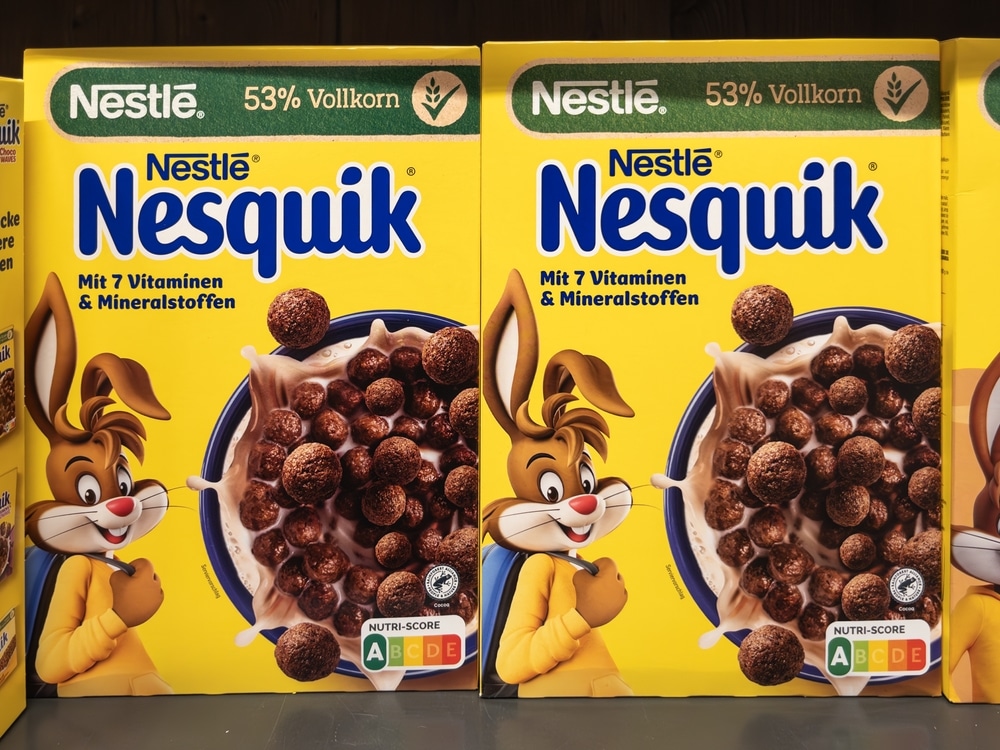
Sugary cereals, toaster pastries, and frozen breakfast sandwiches are obvious UPFs. Even flavored oatmeal and many store-bought breads fall into this category.
A smarter swap? Overnight oats or fresh bread with minimal ingredients.
Sneaky Oatmeal and Bread
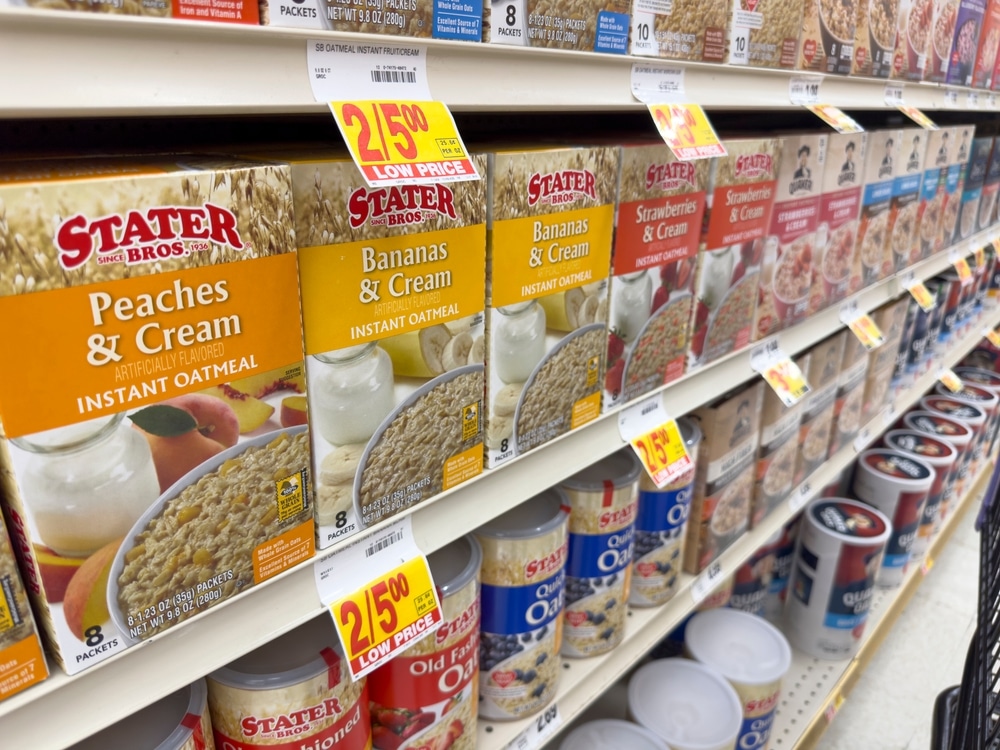
Instant oatmeal and mass-produced cinnamon raisin bread often contain corn syrup, sweeteners, or preservatives.
Reading the label is key. The shorter the ingredient list, the better.
Lunch Traps
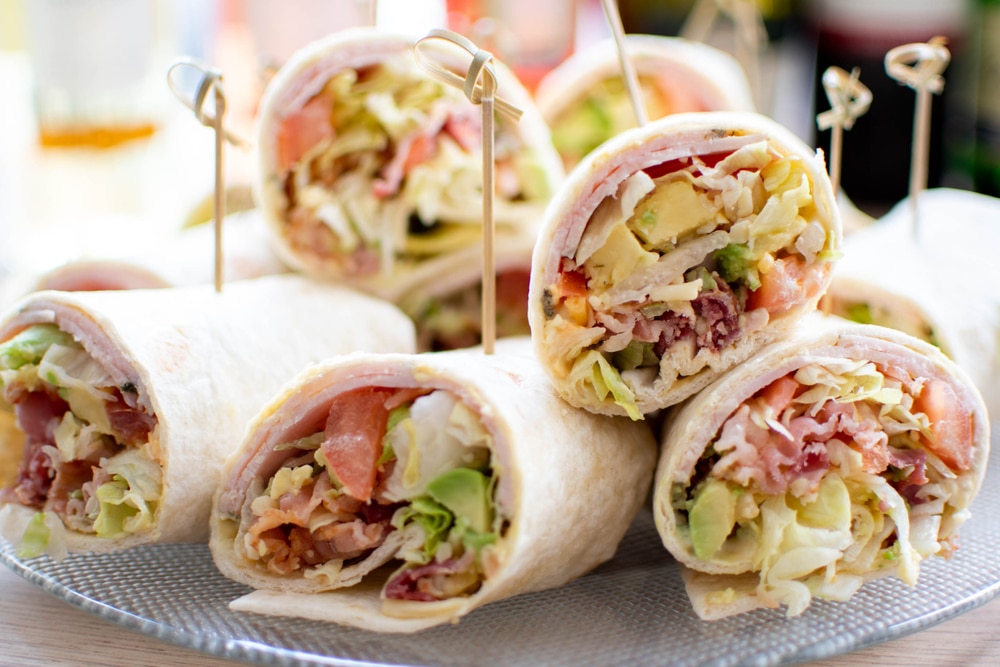
Frozen meals and prepackaged sandwiches, even those marketed as “healthy,” usually contain ultra-processed ingredients.
Dr. Dariusz Mozaffarian of Tufts University advises according to Fox News to avoid anything with ingredients you wouldn’t normally use in a home kitchen.
Cold Cuts and Cheese
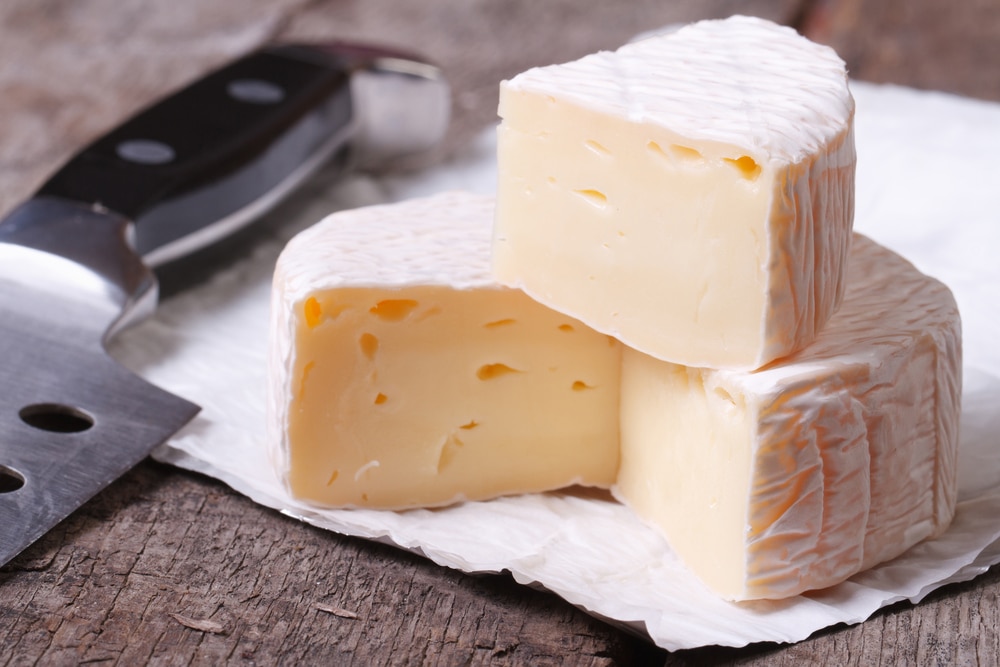
Most deli meats, including lean turkey, are classified as UPFs. Cheese on its own is generally safe but flavored shredded cheese, American cheese, and processed cheese sauces land in the ultra-processed zone.
Dinner Dangers
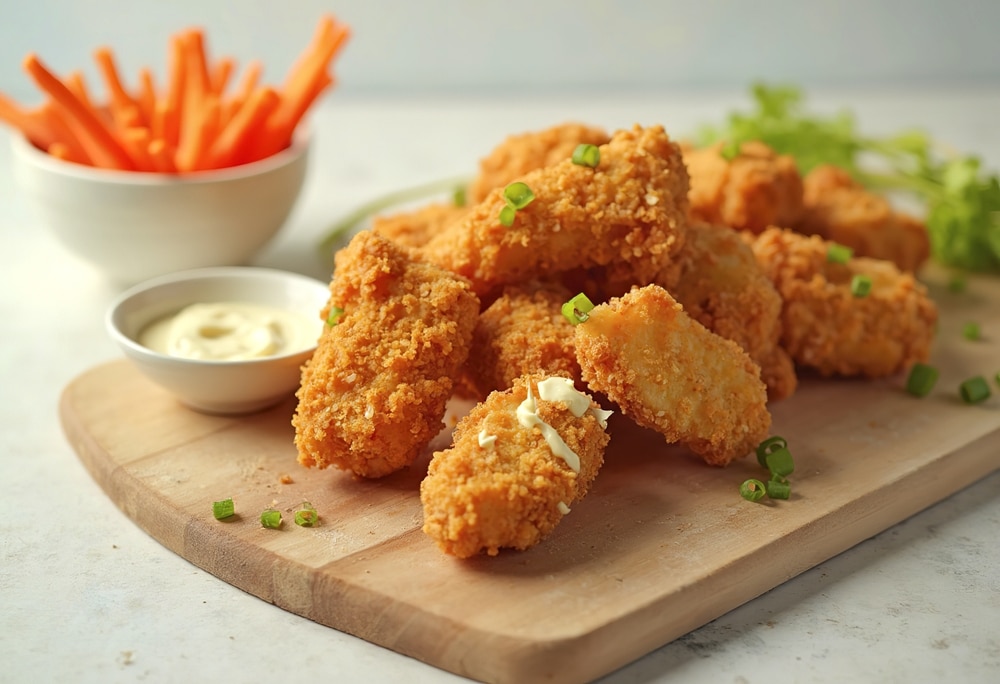
Jarred pasta sauces with high-fructose corn syrup or boxed dinner kits are common culprits. Even taco seasoning packets can add unnecessary UPF ingredients.
Frozen meatballs, chicken nuggets, hot dogs, and most sausages are also highly processed.
Snack Hazards
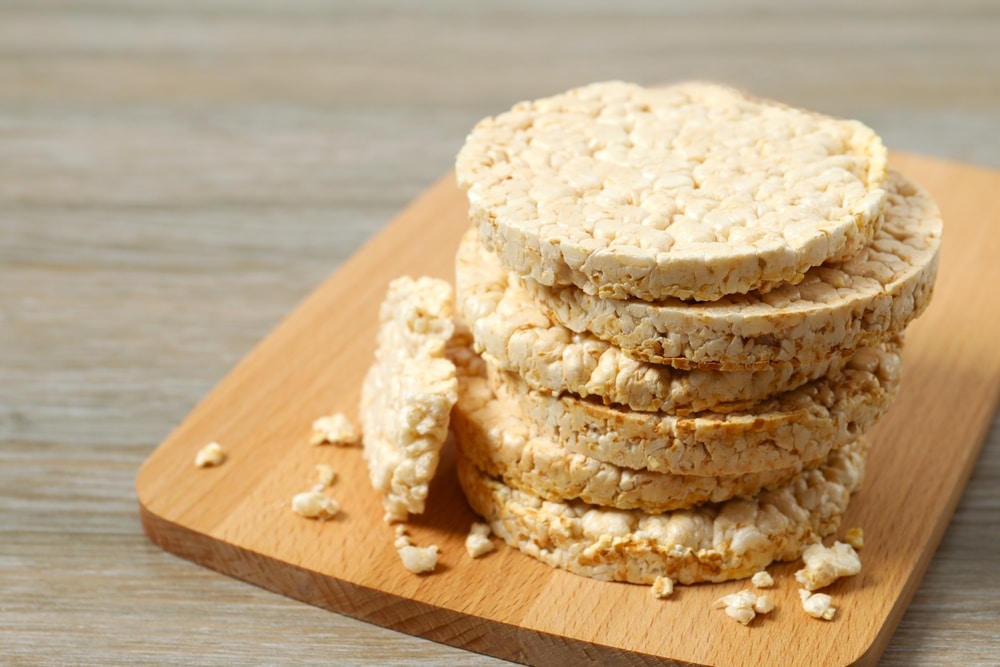
Granola bars, protein bars, veggie chips, flavored yogurt cups, rice cakes, pretzels, and microwave popcorn often seem healthy but are all considered ultra-processed.
Not All UPFs Are Equal
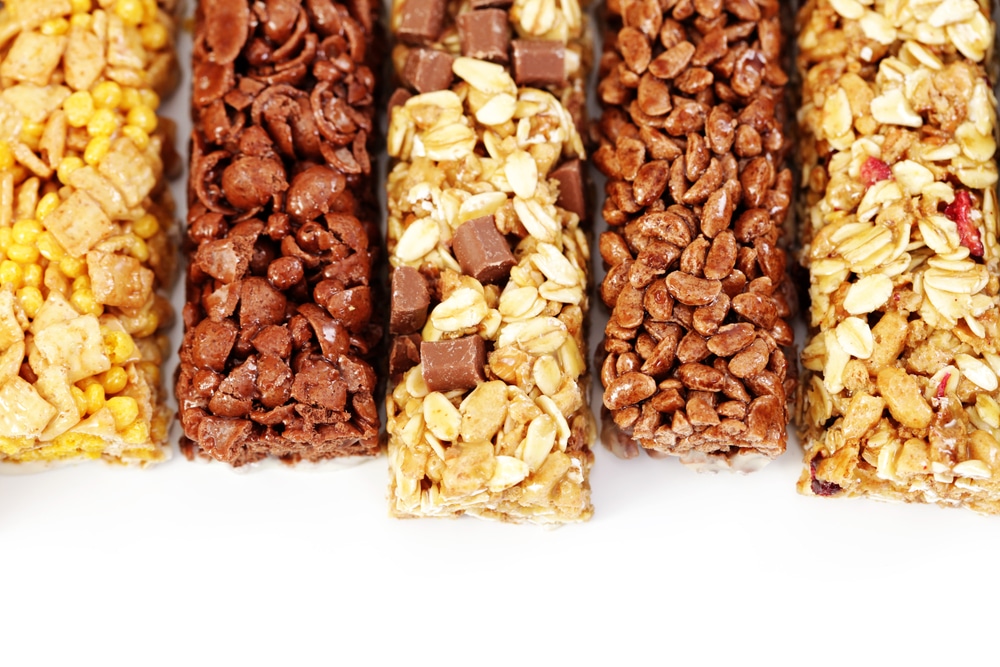
Some UPFs, like protein bars or instant oatmeal, can still support weight loss by providing protein and fiber.
However, a randomized controlled trial led by University College London showed that participants eating minimally processed foods lost twice as much weight as those eating UPFs, even though both diets were nutritionally matched.
The Bigger Picture
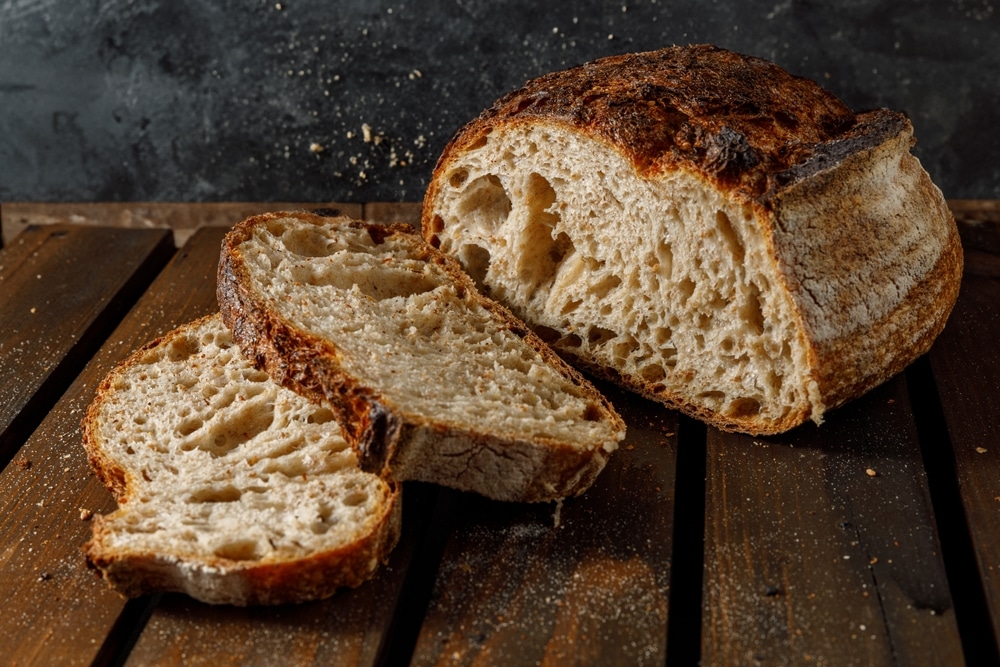
Most UPFs are high in sugar, saturated fat, and salt, which can make weight management harder.
Cutting back wherever possible and focusing on whole, minimally processed foods will always give better results.
Balanced Eating Is Key
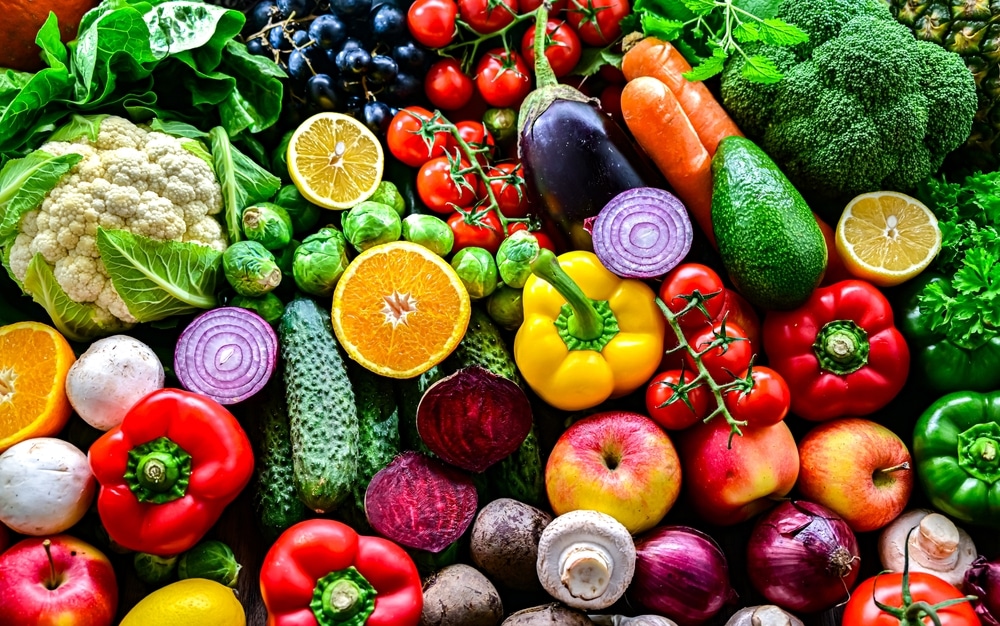
Experts agree the goal isn’t perfection, but balance. A diet rich in fruits, vegetables, lean proteins, and whole grains, with the occasional convenience food when needed, sets the foundation for sustainable weight loss and long-term health.