
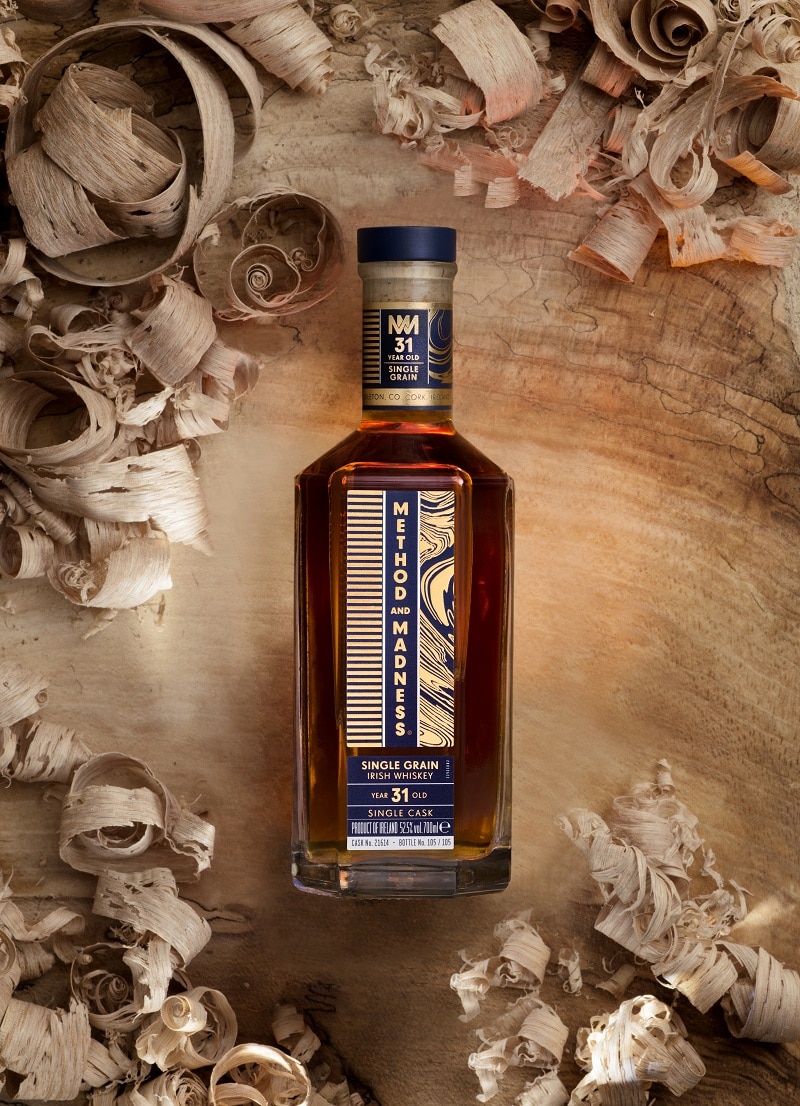

What is Irish Whiskey?
For a whiskey to be called Irish, it must be distilled and matured in Ireland (including both the Republic of Ireland and Northern Ireland).
The newly distilled spirit must have an alcohol content below 94.8 percent, ensuring that the distillate retains the aroma and flavor of the ingredients used. When bottled, the whiskey must have at least 40 percent ABV.
Whiskey must be aged in barrels for a minimum of 3 years. This is outlined in The Irish Whiskey Act, which was enacted on December 10, 1980. However, you will encounter many whiskey producers who interpret the maturation rules as 3 years and 1 day. We can only guess why, but it might be to distinguish themselves from their Scottish rival.
The barrels can hold a maximum of 700 liters. It’s worth noting that the type of wood is not specified. So, although oak is the most commonly used wood, other types of wood can also be used, resulting in exciting and nuanced flavor profiles. Chestnut wood is one type that some distilleries experiment with.
Irish whiskey must be made from grains. These can be malted or unmalted barley, corn, wheat, or oats. Enzymes may be added to facilitate the fermentation process.
Types of Irish Whiskey
In Ireland, there are different types of whiskey. The type depends on the kind of distillation apparatus used and the type of grain involved in the whiskey. These categories are:
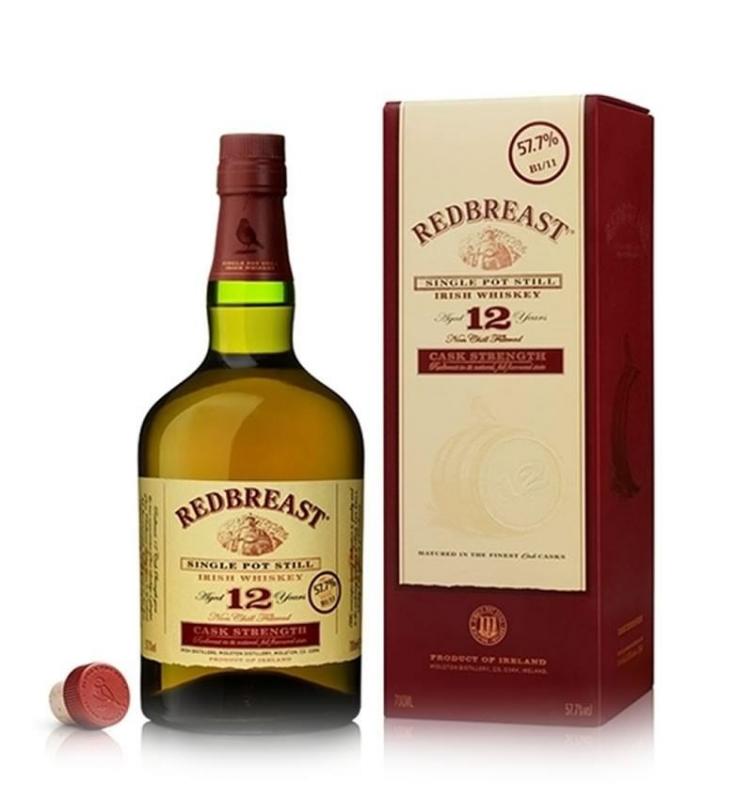
Single Pot Still
Single pot still whiskey is the traditional whiskey type in Ireland. These whiskeys are made from a mixture of malted and unmalted barley and are distilled in copper pot stills.
Pure Pot Still
Pure pot still whiskey is now called single pot still. The word pure, meaning clean, was not favored by American authorities when used in connection with alcohol. Thus, the name was changed to appease this large and important market.
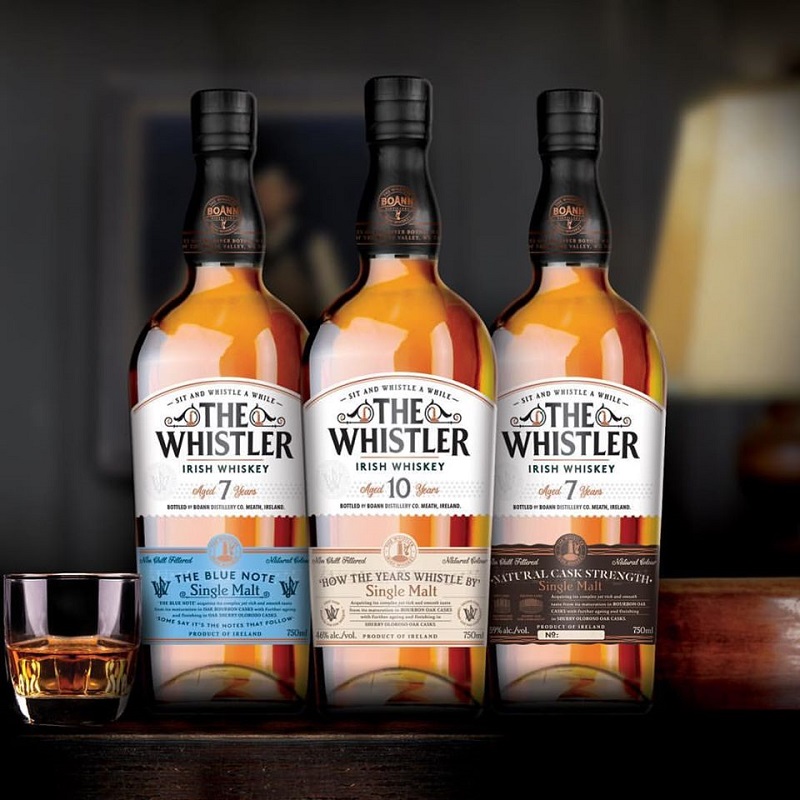
Single Malt
Single malt whiskey is distilled solely from malted barley at a specific distillery.
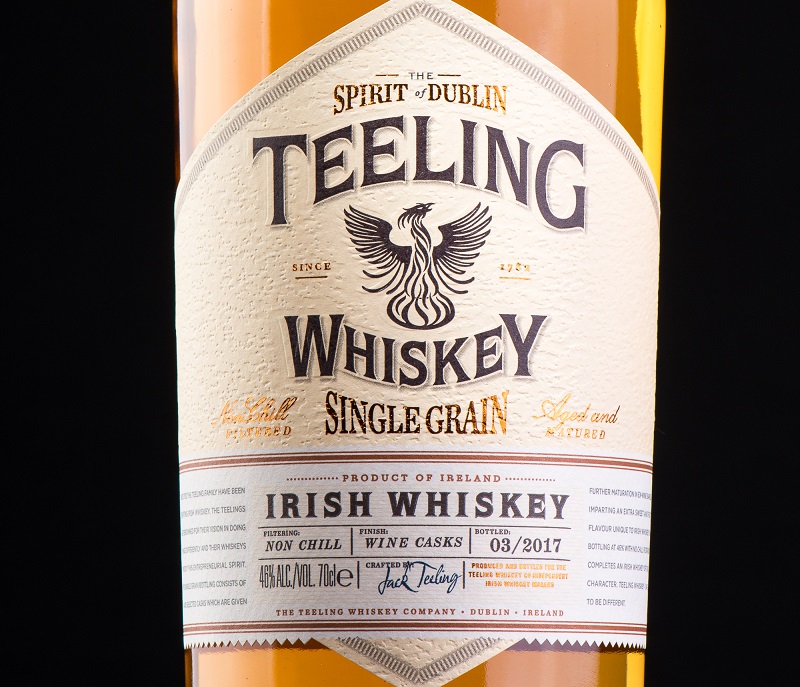
Grain
Grain whiskey is made from a mixture of grains, typically wheat or corn, with an addition of malted and/or unmalted barley. Grain whiskey is distilled in column stills (see more about this in the section on Column Still Distillation).
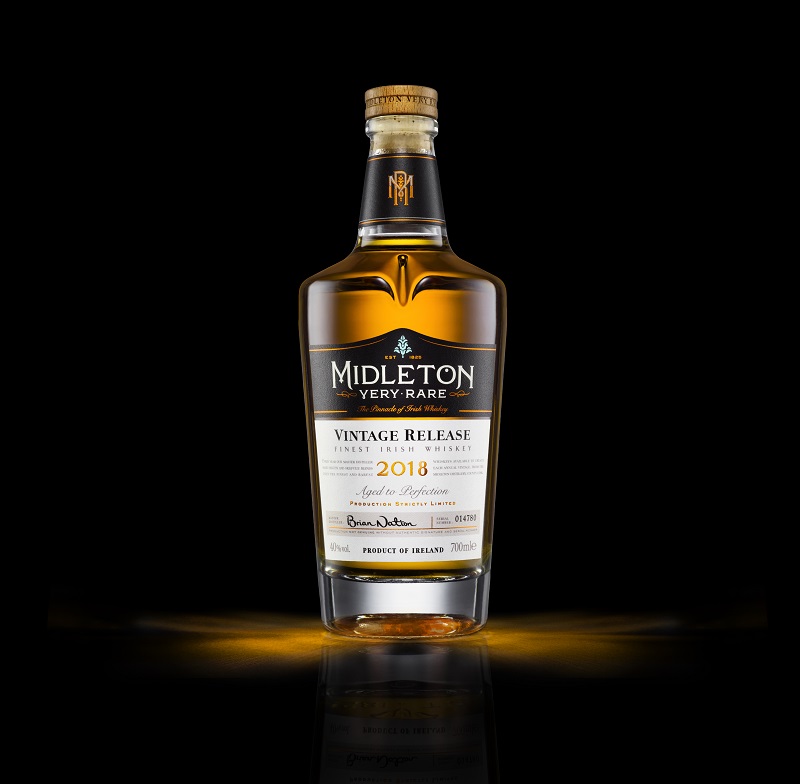
Blended
Blended whiskey is a mixture of whiskeys distilled in both copper pot stills and column stills.
Poitín
Irish poitín is not technically considered whiskey by today’s definition. It is a newly distilled spirit that is not matured in barrels. Poitín can be made from spirit distilled from malted barley, but it can also be a blend that includes spirit made from corn or wheat in addition to malted barley.
Single Distillery
The term single distillery whiskey is used by Irish Distillers in Cork. Most would call a standard Jameson a blended whiskey, as it contains both pure pot still whiskey and grain whiskey. But since all the spirit, both that distilled in copper pot stills and that distilled in column stills, is made at the same distillery, namely New Midleton Distillery, they choose to call it a single distillery whiskey rather than a blended one.
Why Whiskey with an e?
The spellings whiskey and whisky were used interchangeably in the past. It depended wholly on who was writing. The Royal Commission, which published the definition of whisky in 1909 (The Royal Commission on Whisky), consistently uses the spelling without an e. Over time, it has been legally required that Scotch whisky be spelled without an e. In Europe—with Ireland as the exception—they have chosen to follow British legislation. The same goes for Japan, the Nordic countries, and Australia.
The article is from the book: “Irish Whiskey“, written by the author Peter Kjær.
