In recent years, the concept of ultra-processed food has drawn increasing attention, thanks in part to Brazilian epidemiologist Carlos Augusto Monteiro, who coined the term and introduced the Nova classification. His observations and theories have sparked broader discussions about how modern food products—especially those no longer made at home—affect our health, appetite, and digestion.
This article offers an overview of what ultra-processed foods are, how they are developed, and why they tend to make us eat more. It also provides concrete examples of how ingredients and manufacturing processes differ from home cooking.
Carlos Monteiro’s Observations
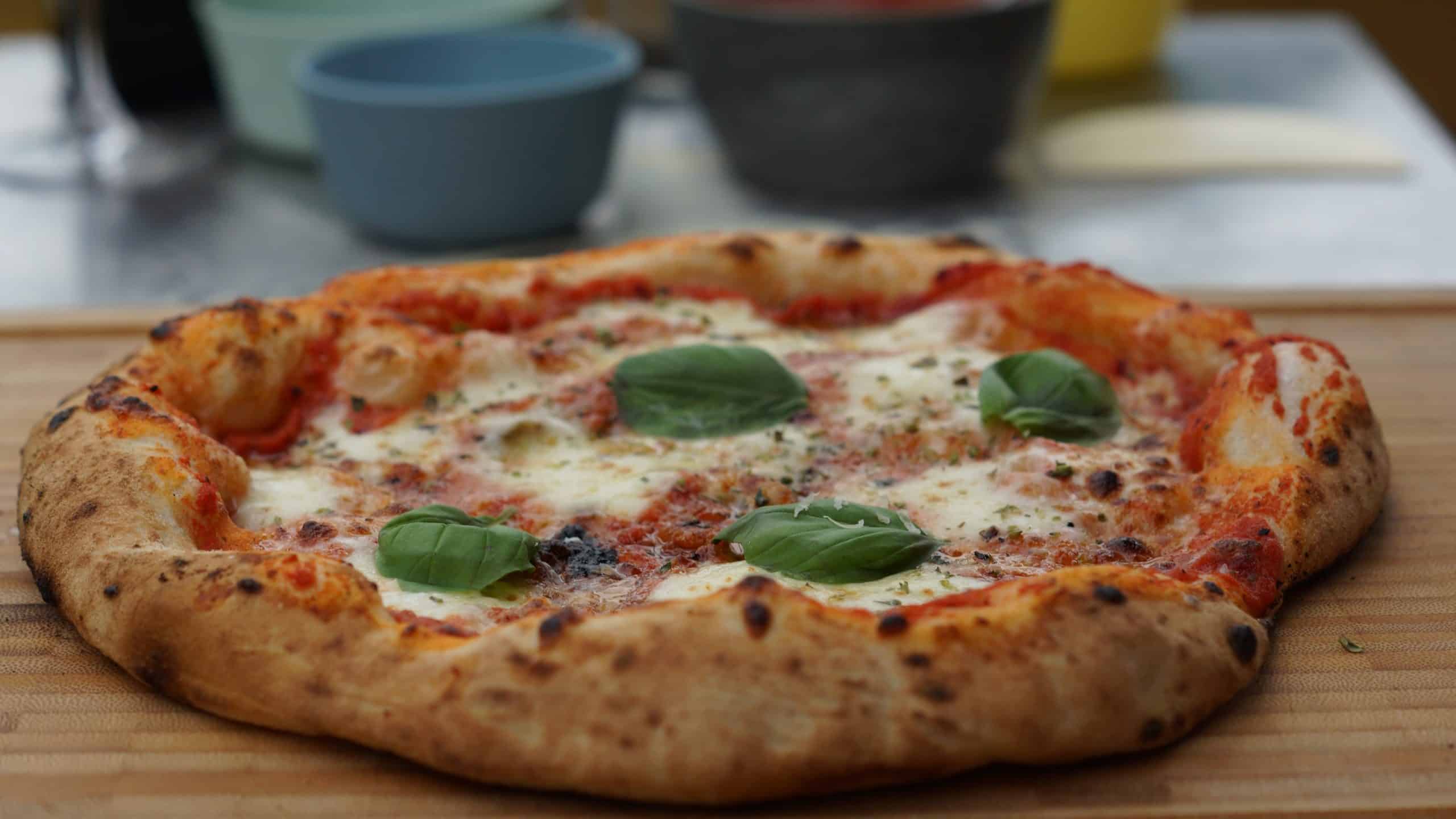
Carlos Augusto Monteiro observed that between the 1990s and 2010s, Brazilians were gaining weight, even though their consumption of cooking oils, salt, and sugar was decreasing. In other words, families had largely stopped cooking at home and instead began getting most of their nutrition from industrially produced foods such as burgers, pizzas, tortillas, snacks, ready-made desserts, cakes, and sugary beverages.
This led him to develop the theory that the degree of food processing plays a crucial role in how our bodies absorb nutrients. Monteiro argued that the level of processing mattered more to human health than the actual nutritional composition of the food.
Stomach Share

The portion of our digestive capacity that a company can claim from competitors and home-cooked meals.
Historically, large food manufacturers spent the 20th century competing to increase profits by expanding market share and developing products that maximize flavor while minimizing costs. This has led to the development of numerous ultra-processed foods designed to be highly palatable, easy to eat, quick to digest, and low in dietary fiber—meaning they don’t fill you up for long.
The Science of Taste
Like the tobacco industry, food corporations have pursued taste enhancement through rigorous scientific methods, such as statistically designed experiments to optimize flavor. Starting in the 1920s and continuing into the 1950s, they used focus groups and trained tasting panels to test thousands of flavor combinations in search of the ultimate balance of visual appeal, sound, smell, taste, texture, and mouthfeel.
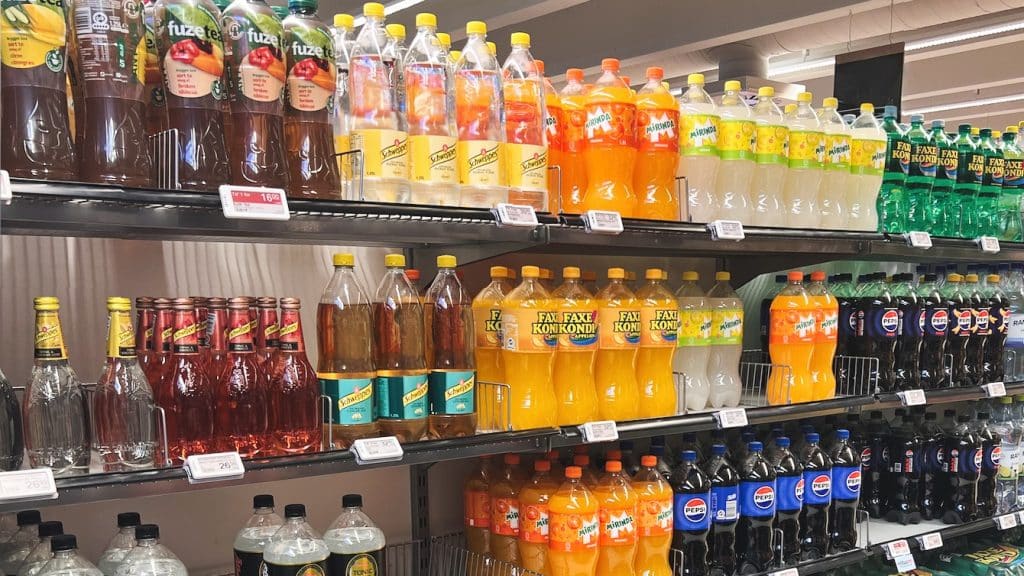
One key discovery was that the rare natural combination of fat and sweetness creates particularly appealing foods—think hot dogs, burgers with fries, mayonnaise-based salads, or a sweet soda.
From the 1990s onward, the use of MRI scanners enabled researchers to observe the brain’s response to flavor stimuli directly, avoiding the subjectivity of traditional taste panels. For example, researchers found that sugar-free diet sodas could quench thirst but did little else, as the gut signaled to the brain that no actual sugar had entered the system. However, if diet soda was consumed alongside crispy fries (which break down easily into glucose) and a rich mayonnaise, the desire to drink more diet soda increased—creating the ultimate fast-food meal that encourages overeating.
Scientific Trials on Ultra-Processed Foods

A scientific study referenced by the BBC divided 50 participants into two groups and monitored them over several weeks. One group was given only ultra-processed meals, while the other received minimally processed meals similar to those prepared in a home kitchen. The meals contained the same calories and nutritional values, and participants were told to eat as much as they liked. On average, the ultra-processed group consumed 500 more calories per day than those eating the less-processed meals.
Hyper-Palatable Foods

Foods that combine unusually high levels of fat, sugar (starch), and salt, which can stimulate overeating.
What makes hyperpalatable foods concerning is that they are often engineered to override the body’s natural signals of fullness. This can be achieved, for instance, by minimizing chewing effort, since chewing contributes to satiety. French fries are a good example—you would never eat as many boiled potatoes as you do fries. Juices and smoothies are other examples of how less chewing allows us to consume more calories due to the processing of raw ingredients.
Cost Reduction

Another way the food industry boosts profits is by focusing on:
- Ingredients
- Manufacturing processes
- Transport
- Distribution
Natural ingredients are often more expensive than their industrial substitutes.
Examples of Ingredients

| Natural Ingredients | Industrial Alternatives |
|---|---|
| Wheat flour, potato starch, etc. | Modified starches |
| Sugar | Fructose syrup |
| Fresh eggs | Pasteurized whole eggs from caged hens |
| Fresh fruit | Artificial flavorings |
| Cocoa butter | Palm oil |
| Olive oil, butter | Sunflower oil, margarine |
| Egg yolk | Emulsifiers |
| Milk | Skim milk powder, whey, etc. |
| Fermentation, canning | Preservatives |
| Emulsified sauces: real sauces, bearnaise, etc. | Stabilizers – xanthan gum, guar gum, etc. |
| Lemon juice, lime juice, apple cider vinegar, etc. | Acidity regulators, citric acid |
Industrial Efficiency and Potential Consequences

Industrial food production is optimized for raw material handling, energy use, packaging, and distribution. Flour delivered in bulk is cheaper than 2 lb. retail bags. Heat from industrial ovens is recycled for use elsewhere in production. Packaging is optimized for branding and transport.
This in itself is not problematic. Food must reach consumers before it spoils, and recognizable branding is part of marketing. What may raise concern is the use of preservatives, which can affect our gut microbiome. Artificial emulsifiers might also weaken the epithelial tissue lining the intestines, making it more vulnerable to mechanical stress from food—potentially contributing to irritable bowel syndrome and other gut issues. Although this area is still under-researched, many lifestyle diseases today are linked to imbalances in the microbiome.
Everyday Challenges and Conscious Choices

Today, the major challenge for families is finding time to cook or, at the very least, becoming more aware of choosing minimally processed ready meals with more natural ingredients, higher fiber content, and fewer artificial additives. Fortunately, we are seeing more of these options in grocery stores. Still, cooking from scratch with whole foods remains more time-consuming and expensive.
Lemon Cake: Homemade vs. Ultra-Processed

| Homemade Lemon Cake | Ultra-Processed Lemon Cake |
|---|---|
| Shelf life: 4 days | Shelf life: 30 days |
| Price: approx. $8–$10 | Price: approx. $1 |
| Wheat flour | Enriched wheat flour (with iron, niacin, thiamine, riboflavin) |
| Sugar with vanilla | Sugar |
| Marzipan | Pasteurized whole eggs |
| Fresh eggs | Palm and canola oil |
| Butter | Water |
| Lemon zest | High-fructose corn syrup |
| Fresh lemon juice | Emulsifiers (mono- and diglycerides of fatty acids, polysorbate 80) |
| Leavening agent: baking soda | Skim milk powder |
| Salt | Whey powder (from milk) |
| Modified starch | |
| Artificial lemon flavor | |
| Preservatives (potassium sorbate, sodium propionate) | |
| Leavening agents (disodium diphosphate, baking soda) | |
| Stabilizers (xanthan gum, guar gum) | |
| Acidity regulator: citric acid | |
| Artificial color: tartrazine/Yellow 5 |
Making Informed Food Choices

Ultra-processed foods have become an everyday convenience for many. They’re affordable, shelf-stable, and easy to prepare—but they also come with trade-offs. That doesn’t mean everything has to be homemade, but knowing what’s in your food and how it’s made empowers better choices. Small, daily decisions—like picking products with fewer additives and simpler ingredients—can make a meaningful difference.
Feel like baking?