


When Donald Trump returned to the White House in 2025, he vowed to bring grocery prices down starting “on Day One.”
But months into his presidency, the numbers tell a different story. From bananas to beef, food prices have continued to climb, driven in part by sweeping tariffs on global imports.
Using data from CNBC, Yahoo! Finance, and the USDA, this article breaks down how tariffs and inflation have reshaped the American grocery bill and what it means for your wallet.
1. Food prices rose despite promises to lower them

During his 2024 campaign, Donald Trump promised to “immediately bring prices down” for groceries.
But since taking office, average U.S. food prices have according to Yahoo!Finance risen 2.9% in the 12 months ending July 2025, according to the U.S. Inflation Calculator.
That’s slightly higher than the overall inflation rate of 2.7%.
2. Tariffs are driving much of the price increase

One of the clearest drivers of rising food prices is Trump’s tariff policy. Since his import duties took effect in April 2025, many grocery staples have seen sharp price increases.
The Federal Reserve Bank of San Francisco confirmed according to CNBC that tariffs are having a “significant impact on prices”.
3. Bananas got hit hard with nearly 5% in just four months

Usually stable in price, bananas saw a 4.9% increase between April and August after a 10% tariff was imposed on imports from Central and South America.
Since the U.S. imports nearly all its bananas, it’s one of the most tariff-sensitive foods.
4. Beef prices are up more than 11%

From June to July 2025 alone, beef and veal prices rose 2.5%, and they’re up 11.3% year-over-year, according to the USDA.
Supply shortages and increased processing costs are part of the issue, but tariffs are also playing a role.
5. Coffee drinkers are feeling the squeeze

Coffee prices climbed 9.8% between April and August. The U.S. imports more than 99% of its coffee, and new tariffs, especially a 50% duty on Brazilian beans, have sent prices sharply higher.
6. Retail giants like Walmart are passing costs to you
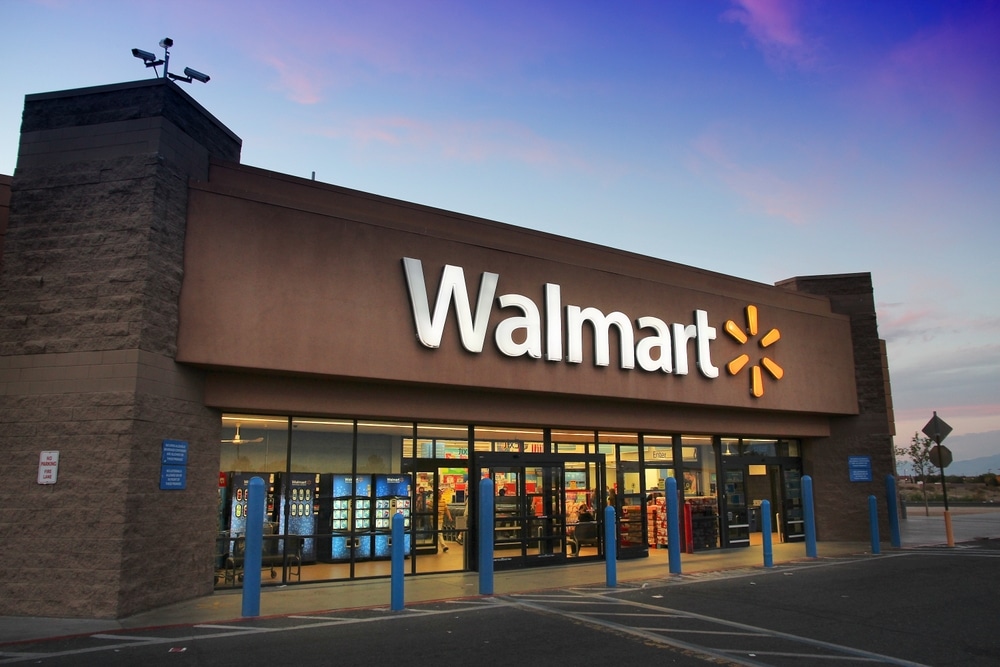
Even profitable chains like Walmart and Whole Foods have raised prices to offset tariff costs. With profit margins as low as 2.5% to 4%, these retailers are left with little choice but to increase shelf prices to stay afloat says Yahoo!Finance.
7. Restaurant prices are rising faster than groceries

It’s not just groceries. Dining out is now inflating faster than shopping at the supermarket.
The USDA reports food-away-from-home prices rose 3.9% year-over-year, while grocery store prices rose 2.2% over the same period.
8. Sugary and processed foods are also more expensive
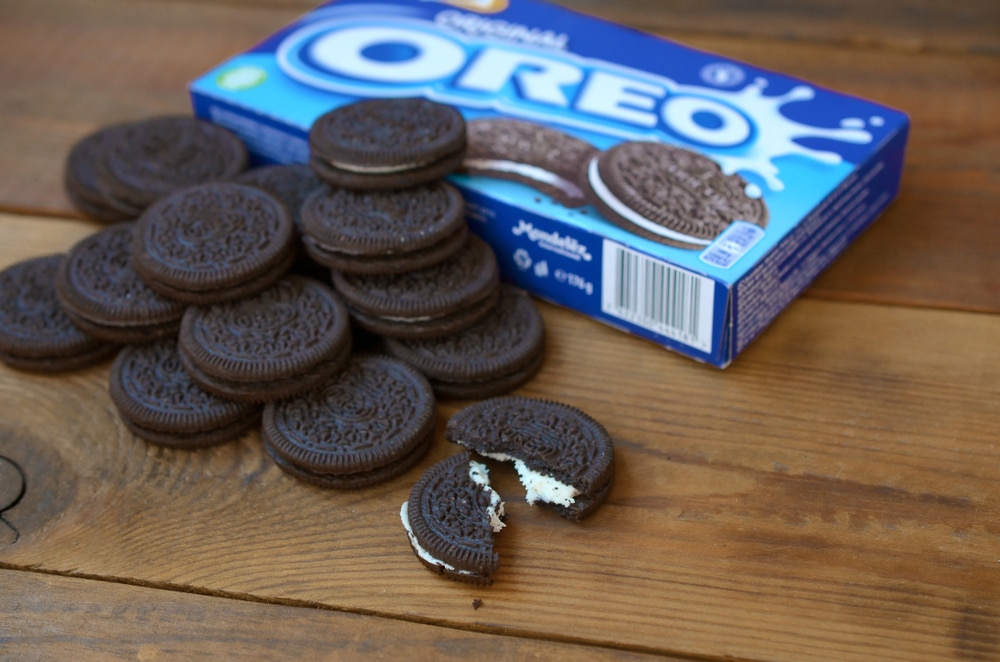
Items like pancake mix, cookies, and snack foods have seen unusual price spikes. These items are heavily imported and hit by new tariffs.
As Anna Wallace of Truly Nolen Pest Control noted to CNBC, sugary and starchy processed foods are especially impacted.
9. Food inflation is outpacing overall inflation

Core inflation – which excludes food and energy – rose 3.1% year-over-year by August, the highest jump since January 2025.
But food alone climbed 2.9%, meaning grocery costs are now pushing overall inflation higher.
10. Watches and jewelry? Also affected by tariffs
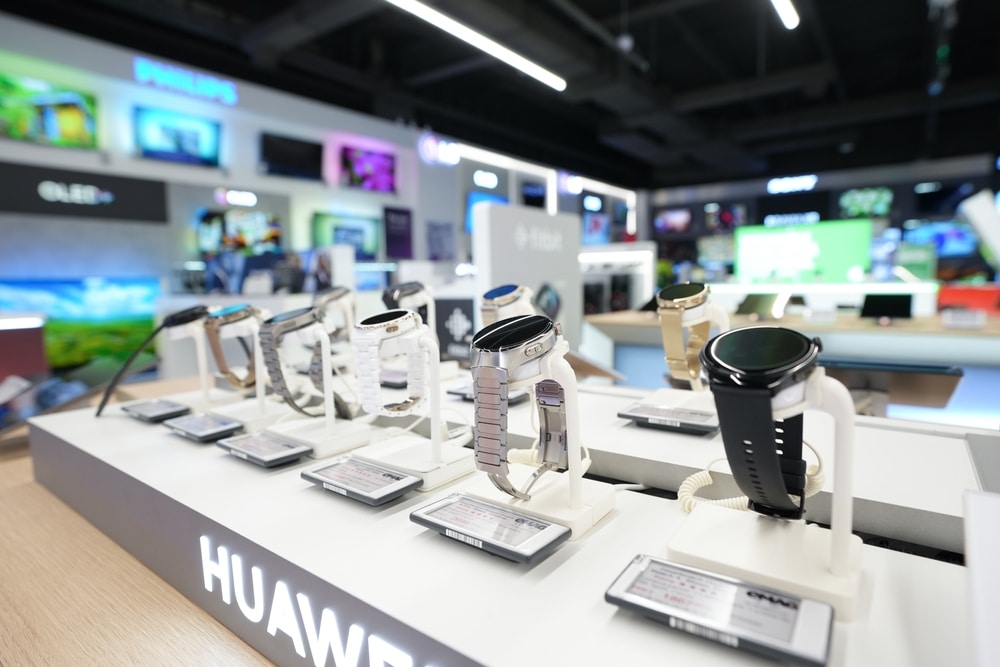
Although not food, luxury items like watches and jewelry offer a wider picture of the tariff impact. Swiss watches now face a 39% tariff, and jewelry prices rose 5.5% in August alone, an indicator that broad import costs are affecting many categories.
11. Tariffs affect 75% of food imports

The Tax Foundation estimates that nearly 75% of U.S. food imports are now affected by tariffs under the Trump administration’s trade policy.
If these remain in place or increase, short-term food inflation is expected to continue.
12. There’s no clear path to lower food prices yet

The USDA predicts grocery inflation will continue through 2026. While they estimate a 1.2% increase for groceries next year, food-away-from-home is expected to rise by 3.3%, and key staples like eggs, sweets, and beverages will stay above average.