

Want glowing, healthy skin without another serum in your cart? TikTok’s “Eat Your Skincare” trend is serving up more than viral recipes, but is also backed by real science.
From carrots rich in vitamin A to berries loaded with antioxidants, experts say what you eat can truly show on your skin.
Here’s what the pros recommend adding to your plate if you want your glow to start from within.
1. the rise of “eat your skincare”
TikTok’s latest wellness wave encourages consuming nutrient‑rich foods to support your skin from the inside out. The viral “Eat Your Retinol” trend centers on getting a glow through diet, not just topical products.
This idea has caught expert attention, and many dermatologists and nutritionists say there’s merit behind it.
2. the carrot salad that sparked the trend
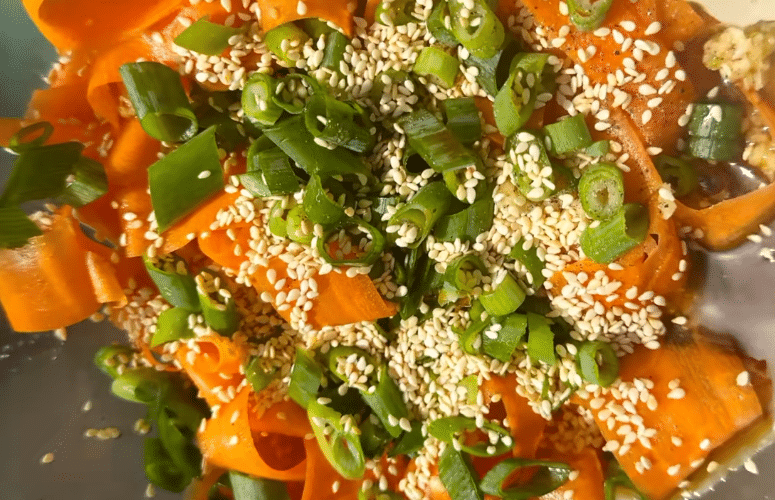
One popular video (by @lainiecooks) shows a shaved carrot ribbon salad tossed with garlic, lime, sesame oil, coconut aminos, rice vinegar, green onion, and sesame seeds.
The creator calls it “crunchy and totally addictive”, and that appeal helped it go viral, with hundreds of thousands of views says Martha Stewart.
3. how the salad may benefit your skin
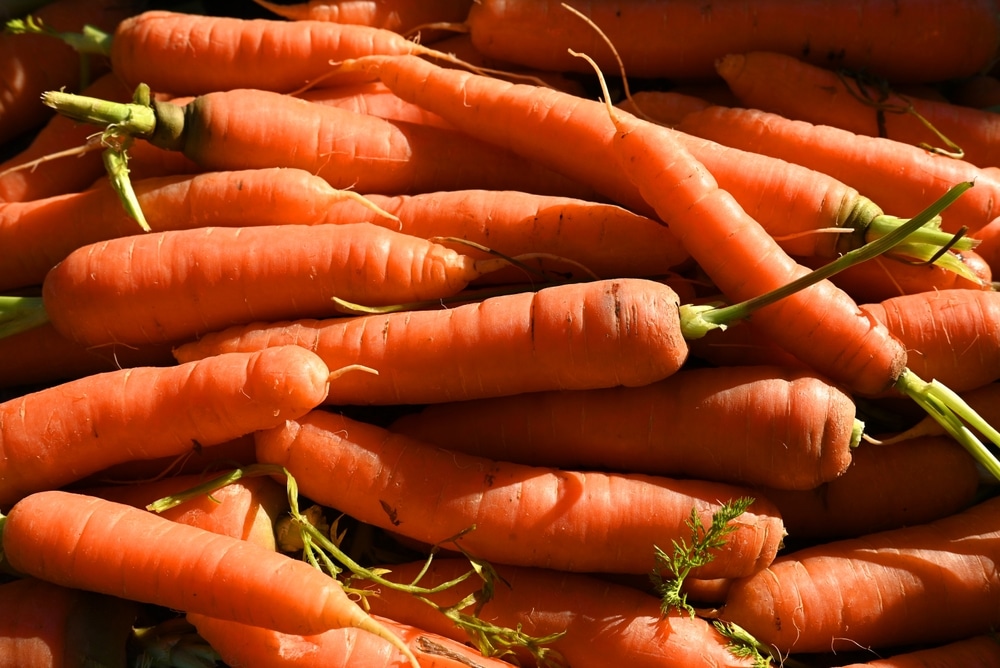
Carrots are rich in beta‑carotene, a precursor to vitamin A, which supports healthy skin. In the salad, sesame oil helps with fat‑based absorption.
Garlic and green onions offer prebiotics that may benefit gut health, which in turn supports skin. Lime juice injects vitamin C (key for collagen). Sesame seeds also contribute vitamin E and fiber.
4. expert voices: diet + dermatology
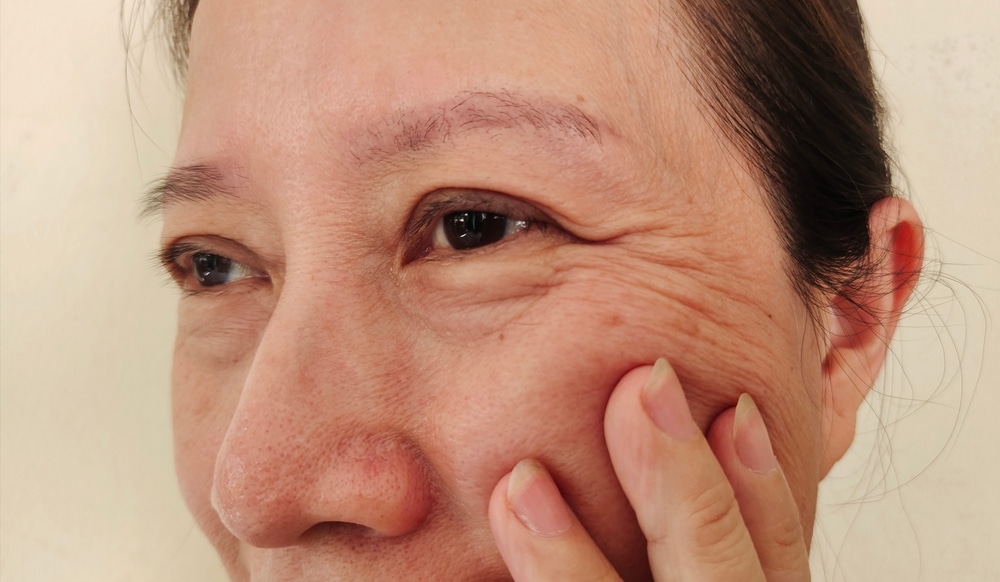
Johanna P. Salazar, RDN, emphasizes that “skincare starts within.”
Dermatologist Carolyn Jacob stresses that antioxidants and nutrients from whole foods help reduce oxidative stress on skin.
However, experts caution diet is supportive, not a substitute, for topical skincare or medical treatment.
5. what the scientific literature says
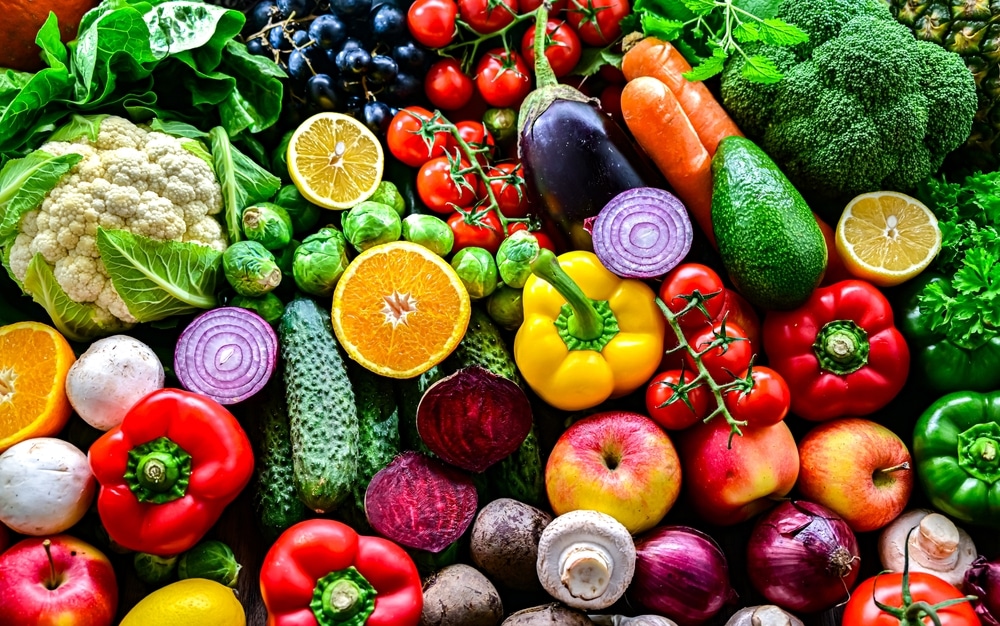
A narrative review found that consuming fruits, vegetables, nuts, and legumes which all are rich in vitamins and polyphenols can improve skin health.
Healthline lists foods like berries, nuts, leafy greens, and fatty fish as beneficial for skin, noting effects on hydration, elasticity, and protection.
6. dark‑colored fruits as skin allies
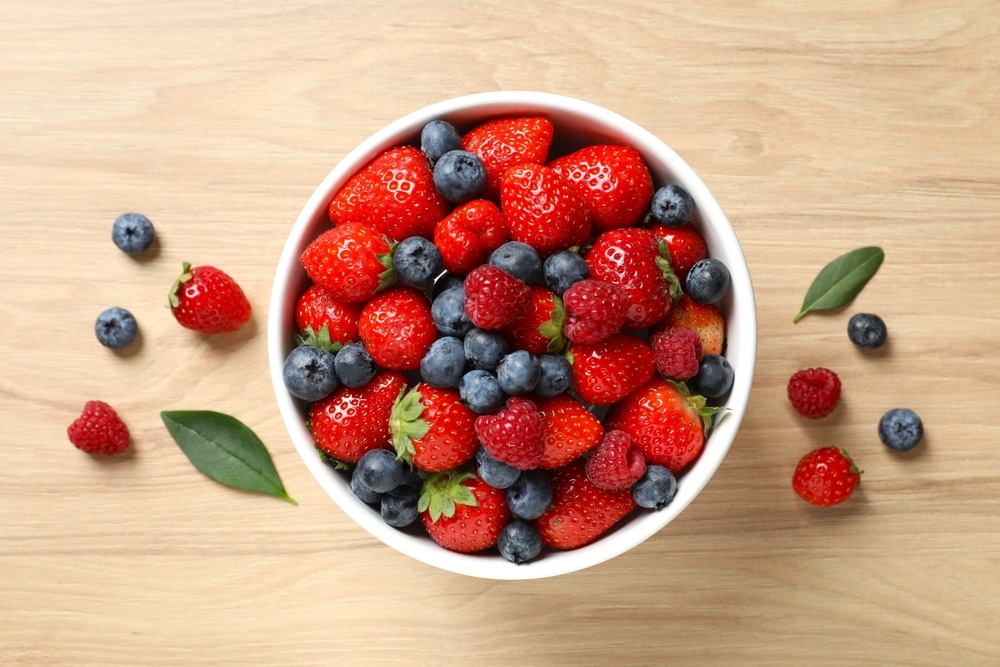
Berries (blueberries, strawberries, blackberries) are antioxidant powerhouses that counter free radical damage.
Red grapes also have resveratrol, another antioxidant tied to skin benefits.
These compounds help slow oxidative aging of skin.
7. leafy greens & vegetables
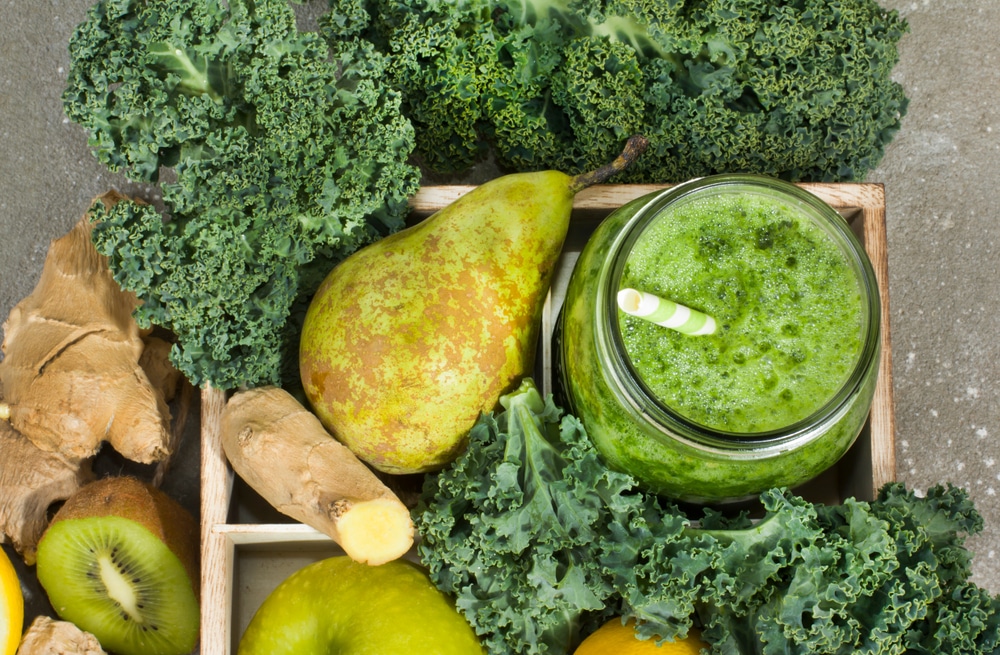
Greens like kale, spinach, and Swiss chard are rich in vitamin C, which aids collagen formation.
Other veggies like peas, cauliflower, broccoli, mushrooms may support pigmentation stability (melanogenesis) and slow skin aging.
8. healthy fats & oils
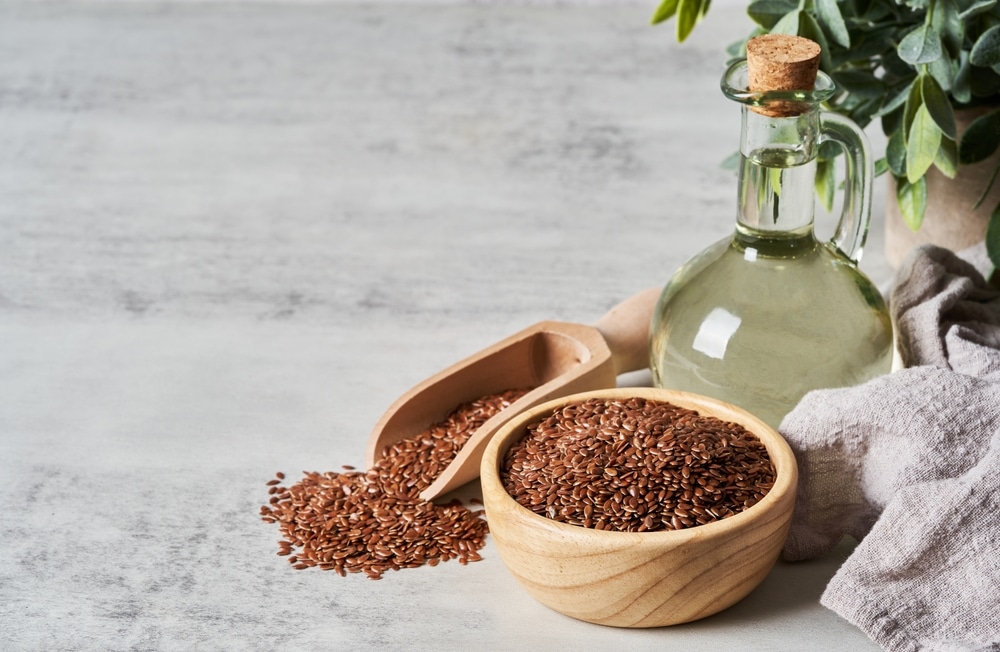
Avocados, nuts, and seeds (especially walnuts and flaxseeds) supply omega‑3s, which help tamp down inflammation and preserve skin’s moisture.
These fats also support the lipid barrier of skin, crucial for smooth texture says Martha Stewart.
9. nutrients often highlighted for skin
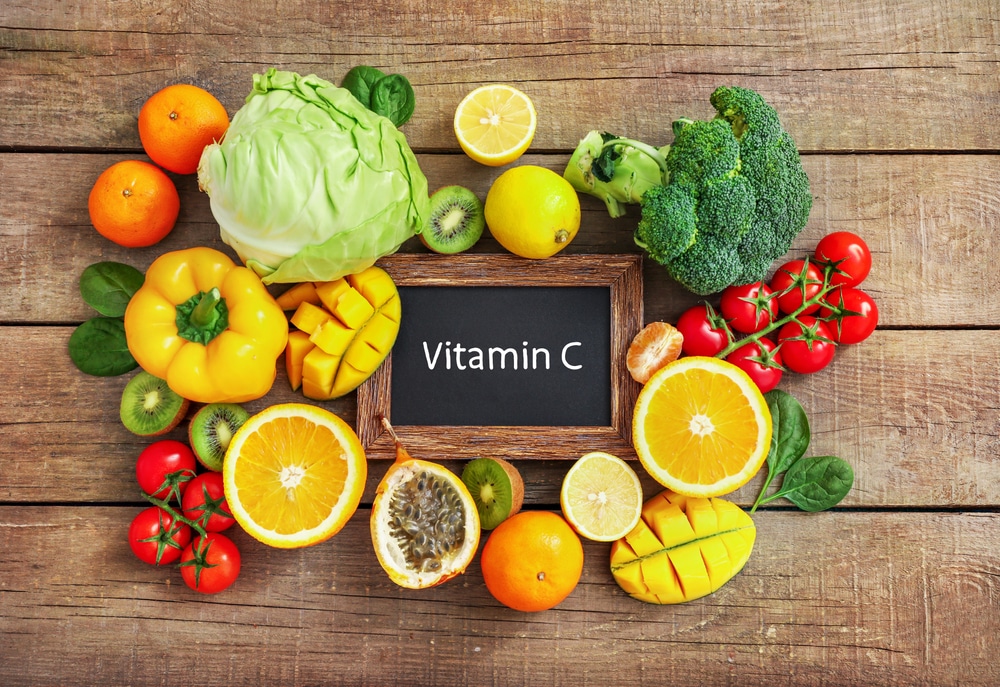
Vitamins A, C, and E, plus minerals like zinc and selenium are frequently mentioned as skin‑supporting micronutrients.
WebMD notes a deficiency in vitamin A can lead to dry, scaly, or bumpy skin.
10. caveats & limits to the trend

Eating “your retinol” is not the same as applying retinoid skincare says Verywell Healthy. Overconsumption of preformed vitamin A (especially via supplements) can be harmful.
Food-based antioxidants and nutrients support skin, but they can’t entirely replace targeted dermatological treatments.
11. how to “eat your skincare” wisely
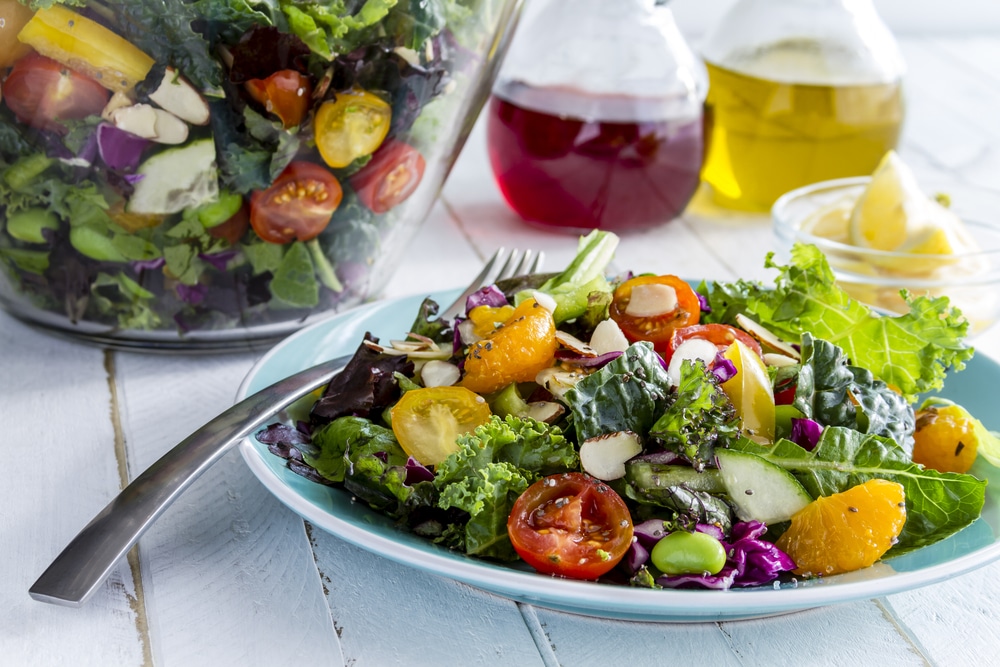
- Aim for a balanced diet full of colorful vegetables, fruits, nuts, seeds, and healthy fats.
- Pair fat‑soluble nutrients (like carotenoids) with a fat source for better absorption.
- Use food trends like the carrot salad as inspiration, but not as a sole strategy.
- Consult qualified professionals (dietitians, dermatologists) before making drastic changes.
12. synergy of diet and topical care

Eating for skin health can enhance your complexion over time, but conventional skincare (sunscreen, moisturizers, actives) remains essential.
This “inside/out” approach aligns with growing scientific consensus: skin health is intimately linked to overall diet and systemic nutrition.