


What’s good for your heart is also good for your brain.
A growing body of research suggests that eating patterns like the Mediterranean and MIND diets can lower the risk of dementia and slow cognitive decline.
From olive oil and nuts to leafy greens and berries, these simple, minimally processed foods may help keep your mind sharp well into old age.
1. The Brain–Heart Connection

What protects your heart often protects your brain. Both rely on strong, flexible blood vessels. When arteries narrow or clog, brain cells lose oxygen, sometimes leading to tiny, unnoticed strokes that gradually damage memory and thinking.
2. Food as First Defense

Exercise, stress control, and social connection all support brain health, but diet plays an equally powerful role.
The nutrients you consume shape blood vessel health, inflammation, and how efficiently your brain cells communicate.
3. The Mediterranean Blueprint
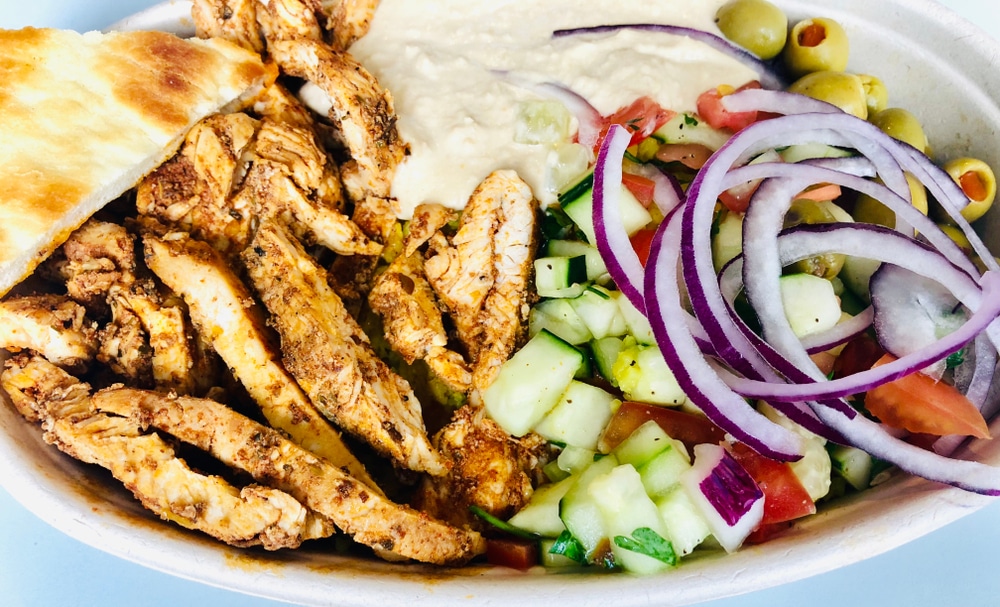
The Mediterranean diet is rich in vegetables, fruits, whole grains, beans, nuts, fish, and olive oil and it consistently shows benefits for both heart and mind.
Studies from BMC link it to lower dementia risk and slower age-related cognitive decline.
4. The MIND Diet Advantage

The MIND diet blends the Mediterranean and DASH approaches, focusing on leafy greens, berries, nuts, and olive oil while limiting sugar, processed meat, and saturated fat says Mayo Clinic.
Research suggests it may reduce Alzheimer’s risk even more effectively than either plan alone.
5. Cut the Ultra-Processed

Highly processed foods, loaded with additives and refined fats, have been linked to faster cognitive decline.
Swap a veggie omelet for a toaster pastry, or choose an apple and nuts instead of chips. Even small changes may protect your brain over time.
6. Fish for Focus
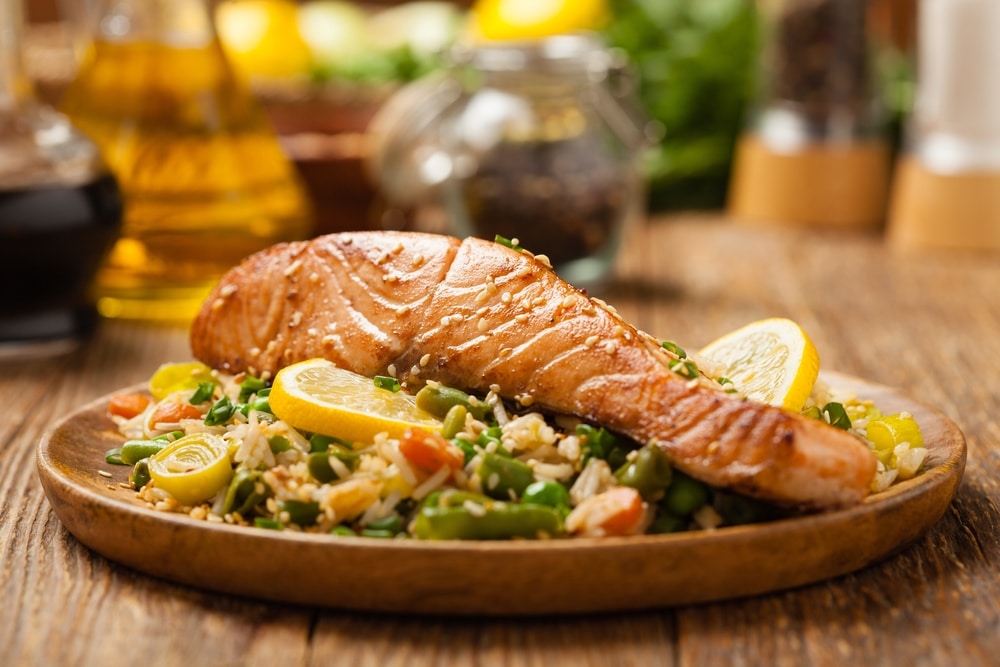
Fatty fish such as salmon, trout, and sardines are packed with omega-3s that keep brain cells flexible and reduce inflammation.
Studies show people who eat fish weekly are less likely to show Alzheimer’s-like changes in their brains.
7. Nuts and Seeds for Daily Protection

A handful of almonds, walnuts, or sunflower seeds provides plant-based omega-3s, vitamin E, and polyphenols that guard against cell damage.
In long-term research, women who ate nuts five times a week had slower cognitive decline.
8. Olive Oil: Liquid Gold for the Brain

Extra-virgin olive oil delivers monounsaturated fats that improve cholesterol and reduce inflammation.
A study from NIH found that just half a tablespoon a day correlated with a lower risk of dementia-related death.
9. Fiber-Rich Plants for Fuel
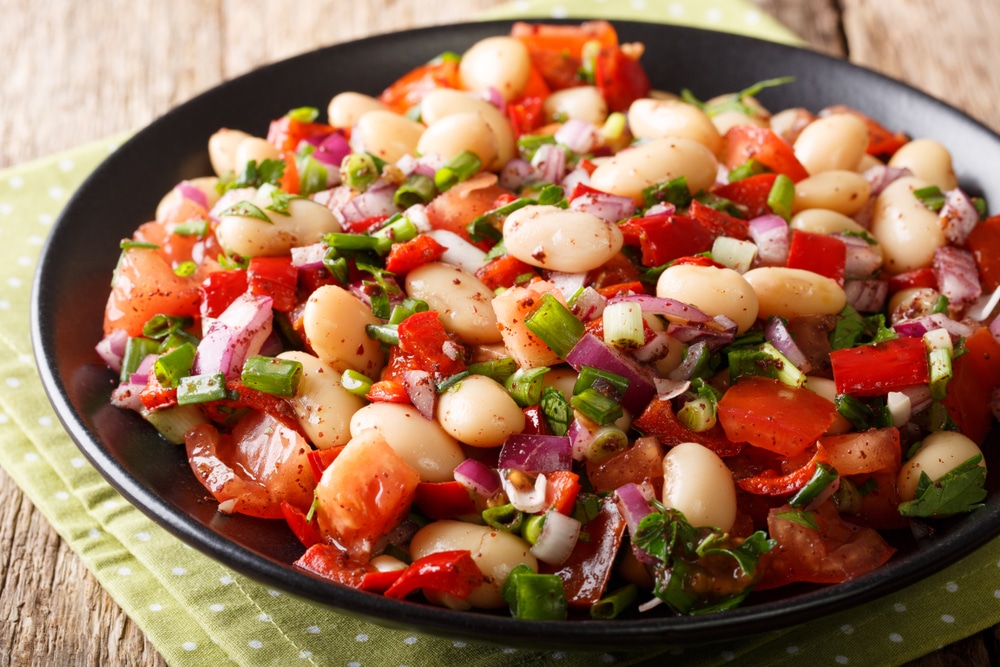
Vegetables, beans, lentils, and whole grains supply fiber that supports gut health and, in turn, brain health.
A diverse, plant-forward diet helps maintain healthy blood sugar and blood flow, both vital for cognitive function.
10. Color Counts: Greens and Berries
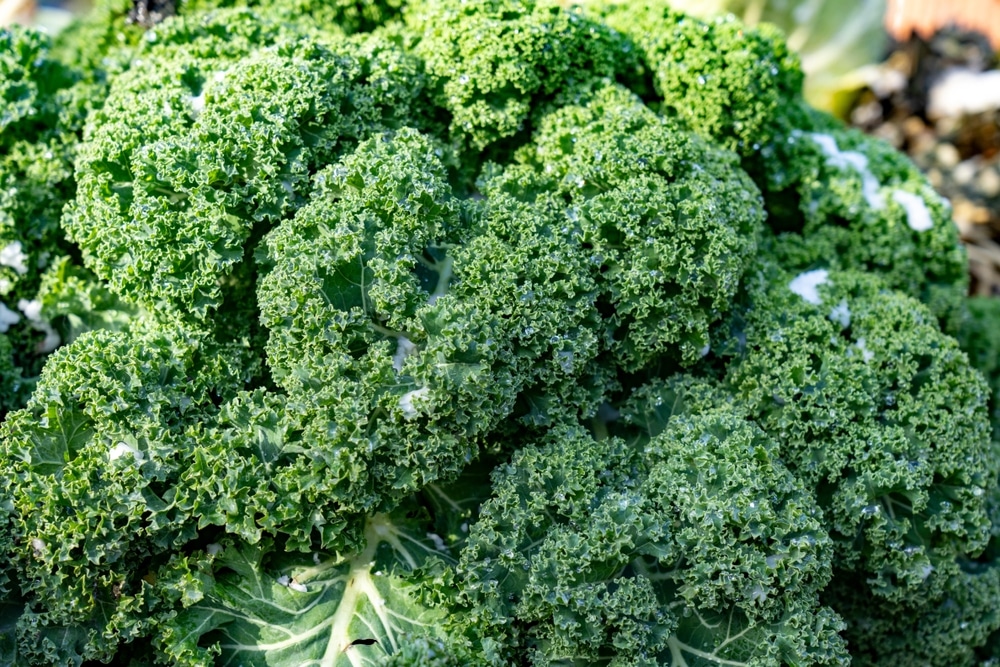
Leafy greens like spinach and kale offer folate and vitamin K, while berries provide flavonoids that fight oxidative stress.
National Institute on Aging data show those who eat more of both have fewer Alzheimer’s-related brain changes.
11. Spices and Flavor Boosters

Turmeric’s active compound, curcumin, may calm inflammation linked to neurodegeneration. Add it to soups, roasted vegetables, or rice dishes for a flavorful boost that benefits your brain.
12. The Takeaway

No single food prevents dementia, but a pattern of real, minimally processed, plant-based eating appears protective.
The BMC Medicine study found people following a Mediterranean-style diet had up to a 23 percent lower dementia risk, even with genetic predisposition.
Healthy brain aging, it turns out, begins at the table with one mindful meal at a time.