


You might think your pantry is clean and organized, but pests often find their way in through common and overlooked items.
Foods like flour, cereal, pet food, and spices can be exactly what attracts bugs into your kitchen. The good news is that a few smart storage habits and regular cleaning can make a big difference.
Here’s what to watch for and how to protect your pantry from unwanted visitors while keeping your food fresh and safe.
Seal those tiny cracks before pests find them

Small crevices and unsealed cabinet joints can serve as doorways for pests. Even if your food is stored properly, insects and rodents can sneak through gaps behind shelves or along baseboards.
Use silicone caulk or weatherproof filler to close visible cracks in your pantry, cabinets, and walls.
Pet food can be a hidden pest magnet

Bulk bags of kibble, bird seed, or even chicken feed stored in garages or basements are often forgotten, but not by pests.
Their dense, nutrient-rich content attracts everything from beetles to rodents.
Transfer pet food into airtight, chew-proof containers and store it off the ground.
Processed snacks are more tempting than you think

You might not expect pancake mix, cookies, or crackers to attract pests, but the sugar and starch make them prime targets. Thin packaging also offers little resistance to bugs.
Decant snacks into sealable jars or tubs as soon as they’re opened. Bonus: it helps them stay crisp.
Store grains like you live in a bakery

Flour, oats, rice, and pasta are common pantry staples and common bug targets. Their powdery texture can hide infestations until it’s too late.
Use airtight containers made of glass or hard plastic. Avoid leaving anything in original paper or thin plastic bags.
Even dried herbs and spices aren’t safe

Bay leaves, paprika, or chili flakes may seem unlikely pest food, but small beetles can burrow into spice jars or infest spice racks.
Use tightly sealed containers, and check expiration dates regularly to avoid stale or vulnerable herbs.
Declutter for fewer hiding spots
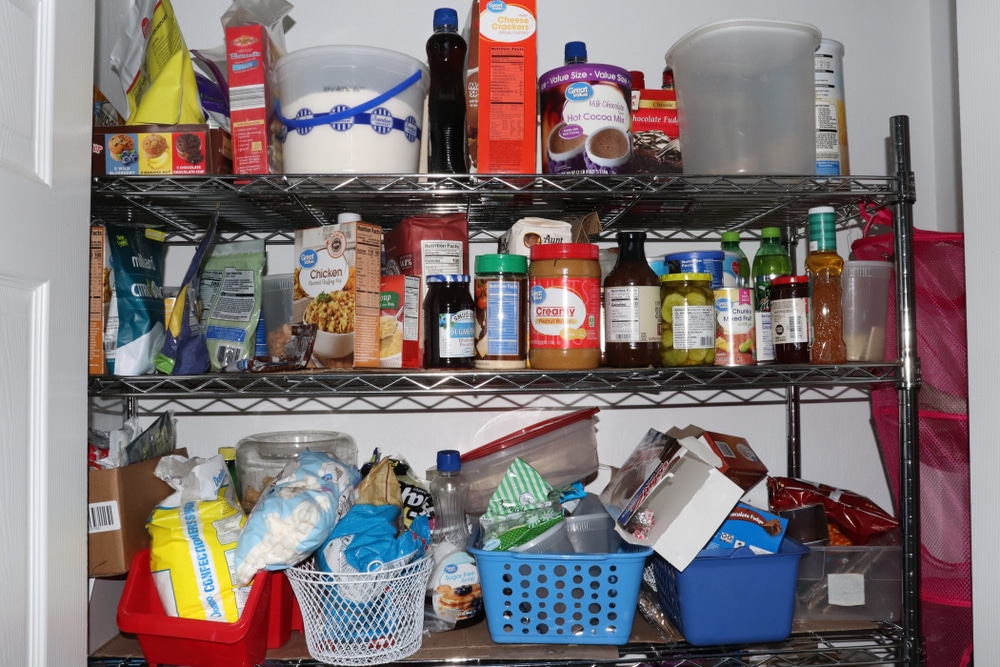
Overcrowded shelves and cluttered corners make it easy for pests to nest and go unnoticed. If you can’t see the back of your pantry, pests might be living there.
Declutter seasonally. Donate unused items and clean behind containers to remove potential nesting spots.
Cured meats and charcuterie: more at risk than you think

Salami, jerky, and prosciutto may be shelf-stable, but they still count as organic material, making them fair game for pests.
Store cured meats in the refrigerator if not vacuum-sealed, or check frequently for signs of chew marks or tiny holes in packaging.
A clean shelf keeps pests guessing

Even a few spilled oats or a sticky syrup ring can attract bugs. Crumbs and sticky residue create the perfect environment for an infestation to start.
Wipe down shelves weekly with warm, soapy water or vinegar to remove scent trails and debris.
Don’t forget about cereal boxes

Breakfast cereals are often stored in their original boxes, but the cardboard and inner liners offer little defense.
Indian meal moths love a sugary breakfast just as much as kids do. Transfer cereal into clear, sealed containers and rotate stock so older items are used first.
Check food packaging before it comes home

Pests can arrive from the grocery store, especially in dry goods or warehouse packaging. If you bring an infested product into your home, it can quickly spread.
Inspect packages for rips, powdery residue, or webbing. Avoid damaged goods entirely.
Dried fruit is sweet, but risky

Raisins, apricots, and dates contain sugars that attract pantry pests like beetles and weevils. Once opened, they can spoil or draw bugs if not stored correctly.
Keep dried fruit in the fridge or in small airtight containers with minimal air exposure.
Rotate your pantry like a restaurant does
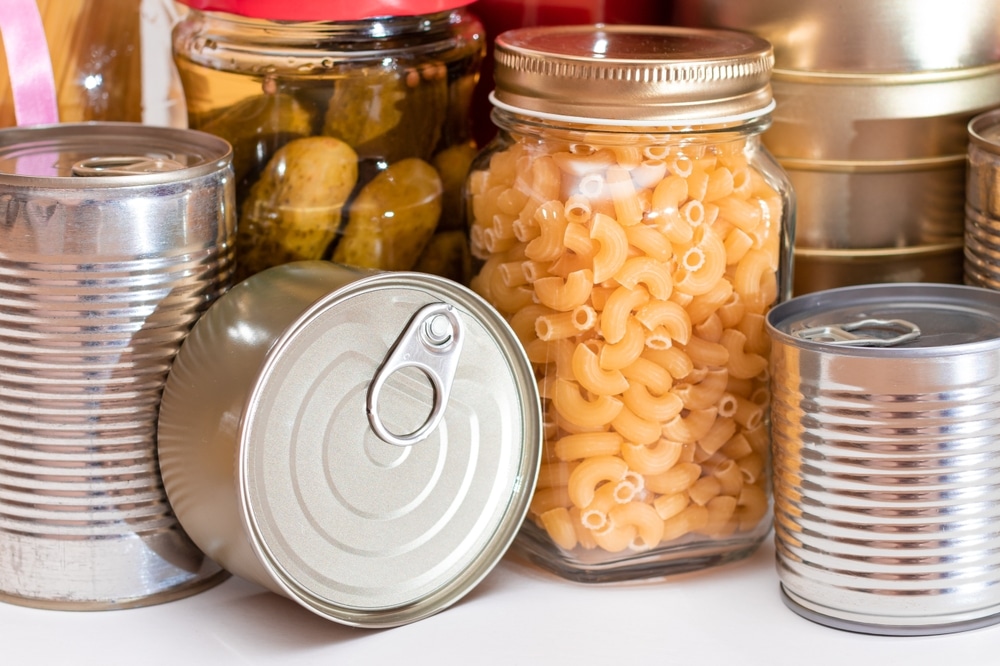
Older items shoved to the back often go untouched, and pests love forgotten food.
Use the FIFO method (First In, First Out). Place newer groceries behind older ones and label containers with dates.