
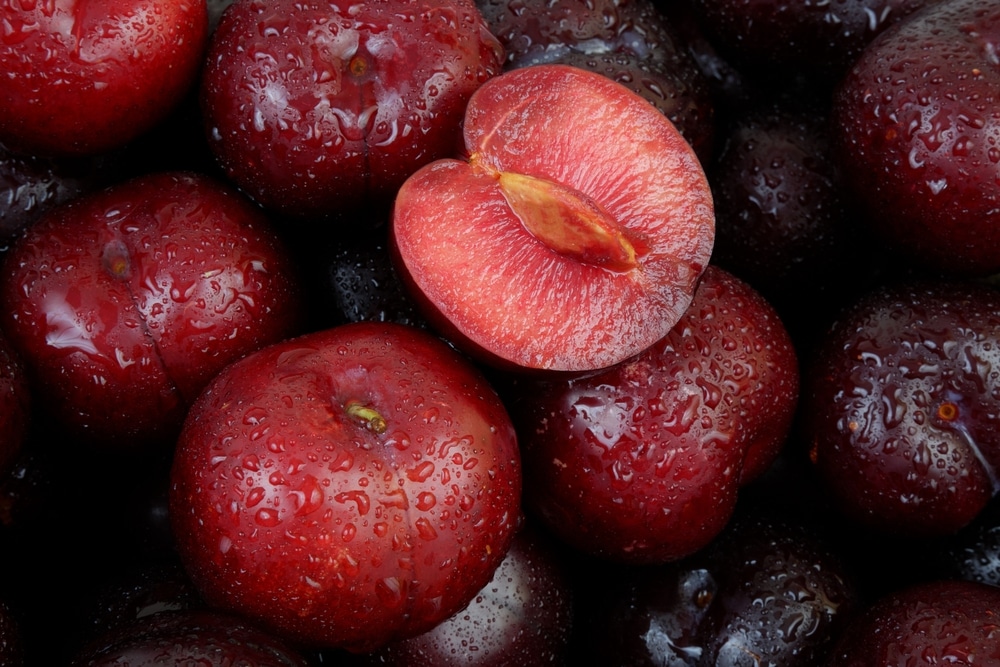

A colorful plate isn’t just pleasing to the eye, it’s also a natural shield for your health.
According to Eating Well, many fruits are rich in antioxidants, fiber, and phytochemicals that help protect your cells, lower inflammation, and support your body’s defenses against cancer.
Here are ten of the most powerful fruits to keep in rotation.
1. Grapes: Resveratrol Rich

Especially in their red and purple varieties, grapes contain resveratrol, a polyphenol shown to slow tumor growth in some studies.
Freeze them for a cooling snack or toss into salads for natural sweetness.
2. Apples: Everyday Defenders
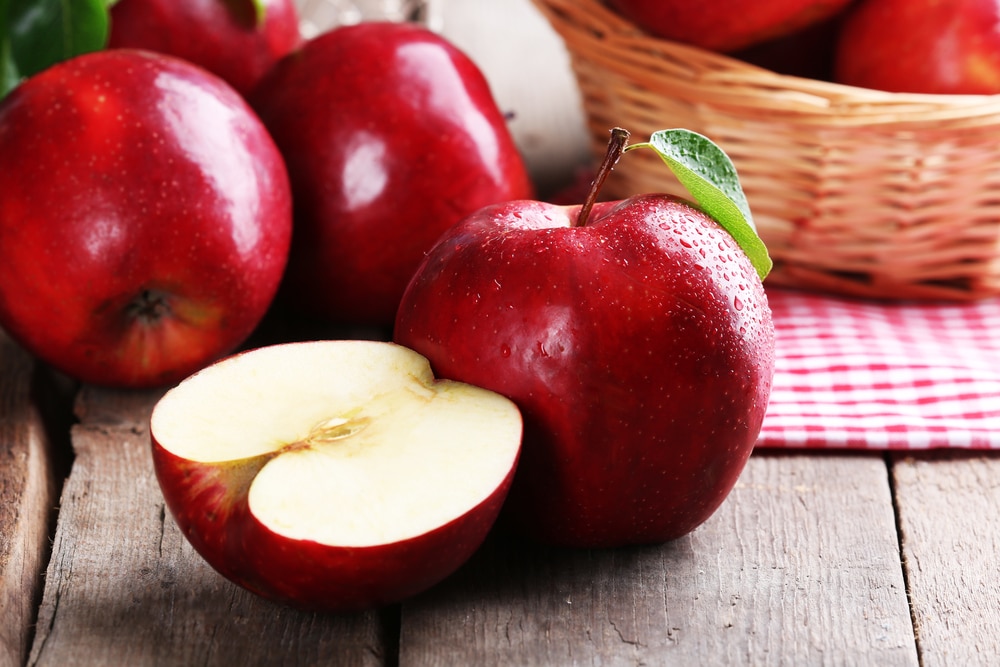
With their high quercetin content and plenty of phenolic compounds, apples deliver anti-inflammatory and anticancer benefits, says Cambridge University.
Eating the skin adds extra fiber, which supports digestive health. Slice into oatmeal, dip in almond butter, or simply enjoy fresh for an easy snack.
3. Pomegranates: Seeds of Strength

Pomegranate seeds are rich in polyphenols like punicalagin, which may reduce cancer cell proliferation.
Pomegranat Extrat also shows antitumor properties on breast cancer, says Springer Nature.
Sprinkle the jewel-like seeds over salads, yogurt, or oatmeal for a burst of tart flavor and protection.
4. Strawberries: Vitamin C Powerhouses
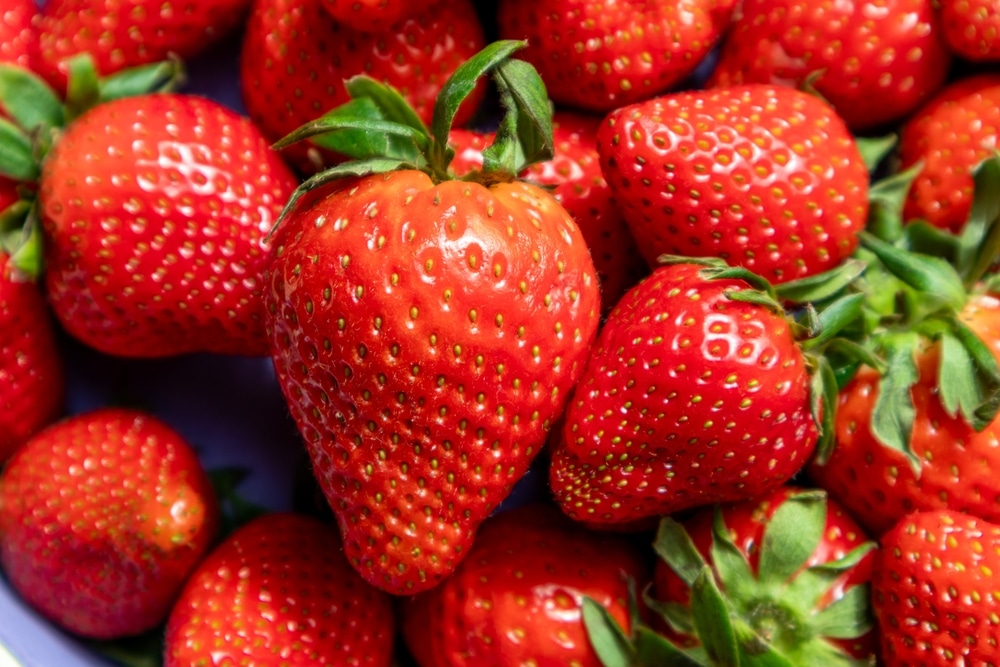
Juicy and sweet, strawberries are packed with vitamin C and ellagic acid, compounds that may slow cancer cell growth.
They also provide a solid dose of fiber. Toss into salads, blend into smoothies, or enjoy fresh for a refreshing cancer-fighting treat.
5. Cherries: Anti-Inflammatory Allies

Dark cherries contain anthocyanins and melatonin, both known for their antioxidant and anti-inflammatory effects.
Snack on them fresh, bake into desserts, or freeze for year-round enjoyment.
6. Tomatoes: Lycopene Leaders

Tomatoes are one of the richest sources of lycopene, a carotenoid studied for its role in reducing risks of prostate and stomach cancers says Frontiers.
Cooking them in olive oil enhances absorption, making pasta sauces, soups, and roasted tomatoes excellent choices.
7. Blueberries: Tiny but Mighty
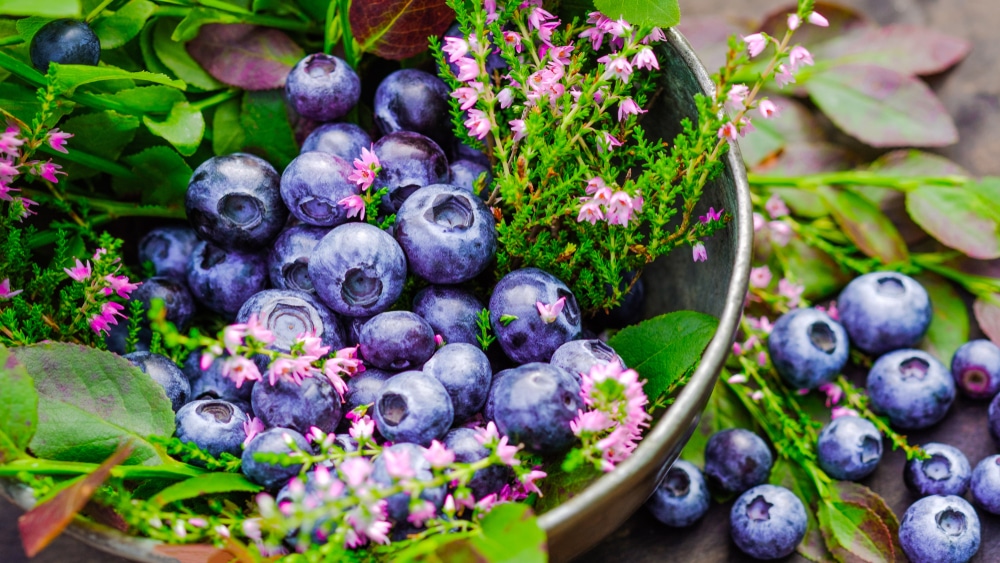
Blueberries are bursting with anthocyanins, pigments that help protect DNA from oxidative damage. With over 3 grams of fiber per cup, they also promote gut health, which is linked to reduced colorectal cancer risk.
Sprinkle them on cereal, yogurt, or blend into smoothies for a daily dose of protection.
8. Avocados: Creamy Nutrient Boost

Avocados bring a unique mix of heart-healthy fats, fiber, and antioxidants like lutein and beta-carotene.
Studies suggest regular consumption may lower the risk of colorectal and lung cancers. Mash into guacamole, spread on whole-grain toast, or dice into salads for a filling, protective bite.
9. Papaya: Tropical Protection
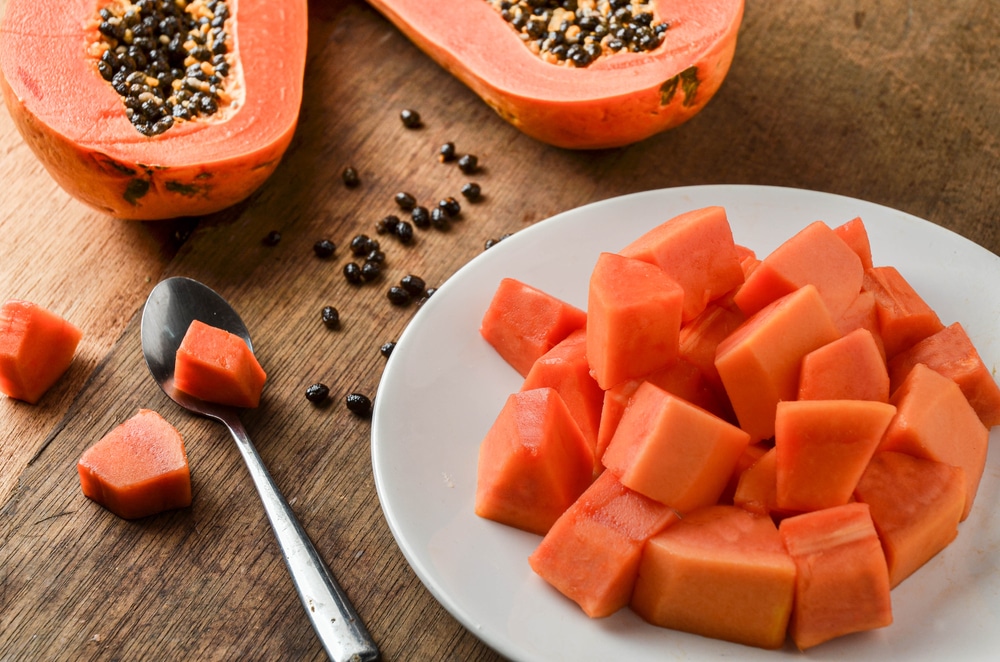
Papaya is loaded with vitamin C, beta-carotene, and lycopene, all linked to reduced cancer risk. Its enzymes also support digestion.
Blend into smoothies or pair with lime juice for a bright, immune-friendly dish.
10. Kiwi: A Vitamin C Powerhouse

Two kiwis supply more than 100% of your daily vitamin C needs. This antioxidant may protect the digestive lining from oxidative damage and reduce harmful compounds linked to cancer risk.
Eat them with a spoon or add slices to fruit salads for tangy freshness.