


Not all bread is created equal but all about what’s in the grain. While white bread is stripped of nutrients, whole and ancient grains bring fiber, protein, and antioxidants that support heart, gut, and long-term health.
From hearty rye to tiny teff, here are 10 of the healthiest grains that turn an ordinary loaf into real nourishment.
1. Whole Wheat
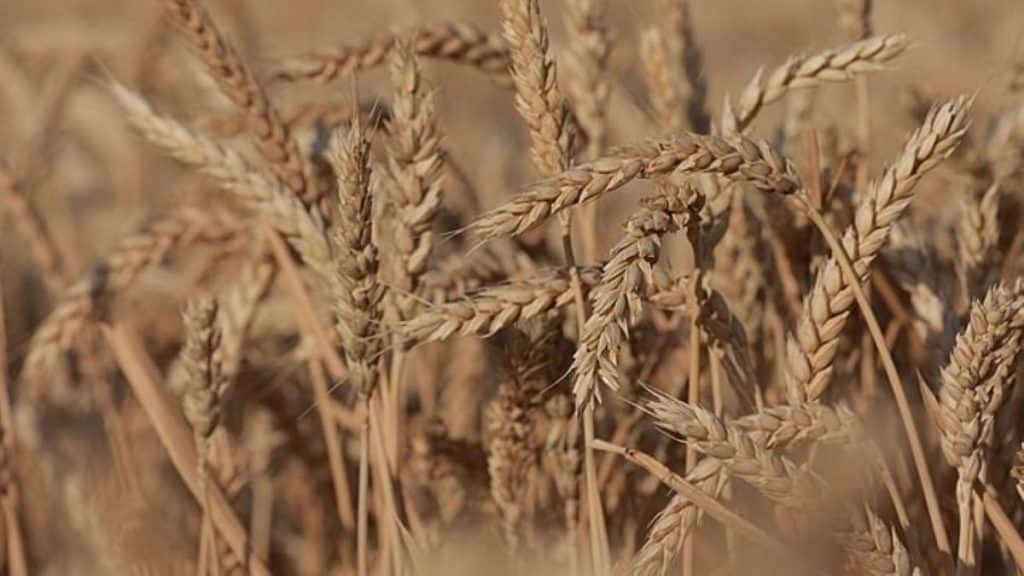
Whole wheat uses the entire kernel with bran, germ, and endosperm, giving bread more fiber, vitamins, and minerals than refined white flour.
It supports digestive health, lowers heart disease risk, and helps stabilize blood sugar.
Best in bread: classic whole wheat loaves, sandwich bread, or rustic artisan loaves.
2. Rye
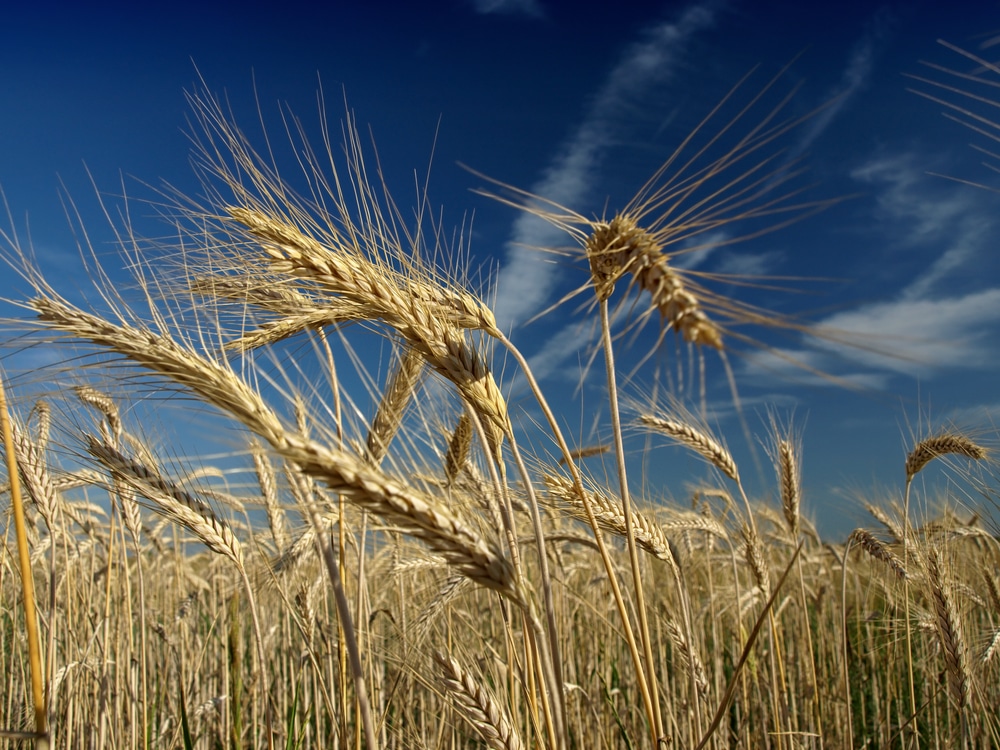
Rye is dense, earthy, and naturally rich in fiber and magnesium. It promotes satiety, improves gut health, and has been linked to better blood sugar control.
Sprouted rye enhances its digestibility and nutrient absorption.
Best in bread: hearty rye loaves, pumpernickel, or Nordic-style seeded bread.
3. Oats
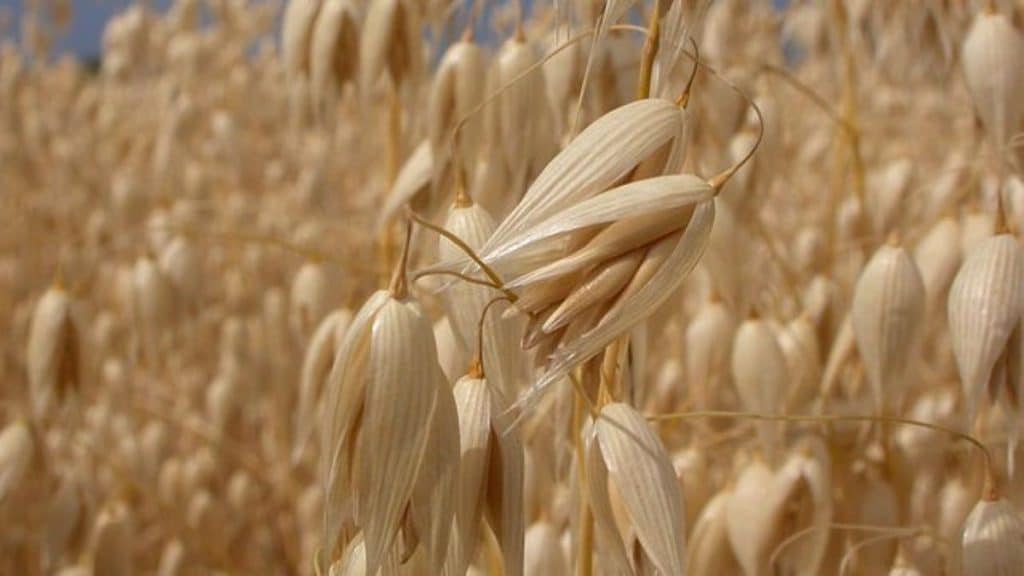
Oats provide beta-glucan, a soluble fiber that helps lower cholesterol and balance blood sugar.
When combined with wheat flour in bread, they add a slightly sweet, nutty flavor and chewy texture.
Best in bread: oat sandwich loaves or multigrain breads topped with rolled oats.
4. Barley
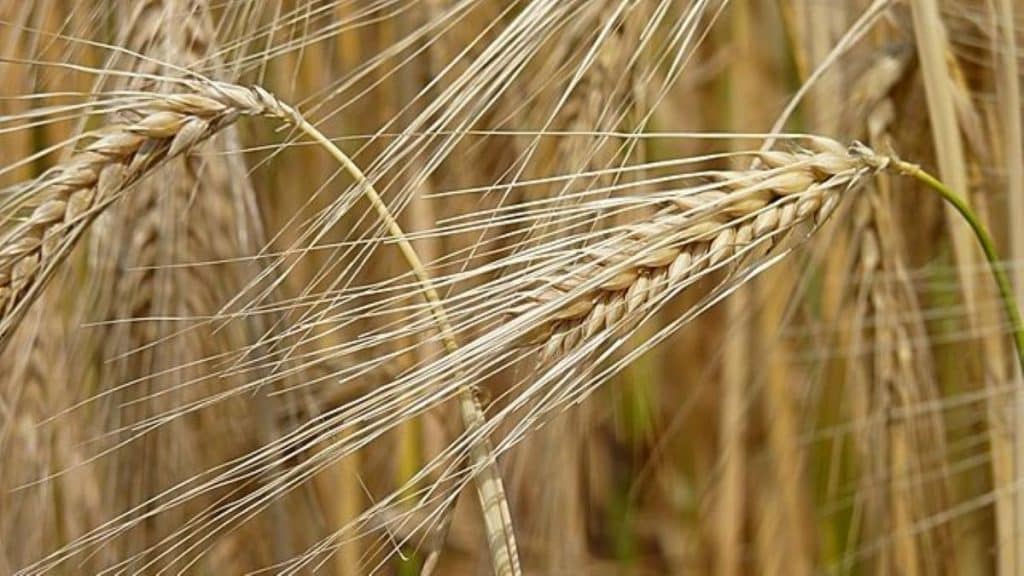
One of the oldest grains, barley is full of fiber, selenium, and B vitamins. Its beta-glucan content supports heart health and digestion.
Adding barley flour to bread makes for a nutty, moist crumb.
Best in bread: mixed-grain loaves or rustic barley-wheat blends.
5. Millet
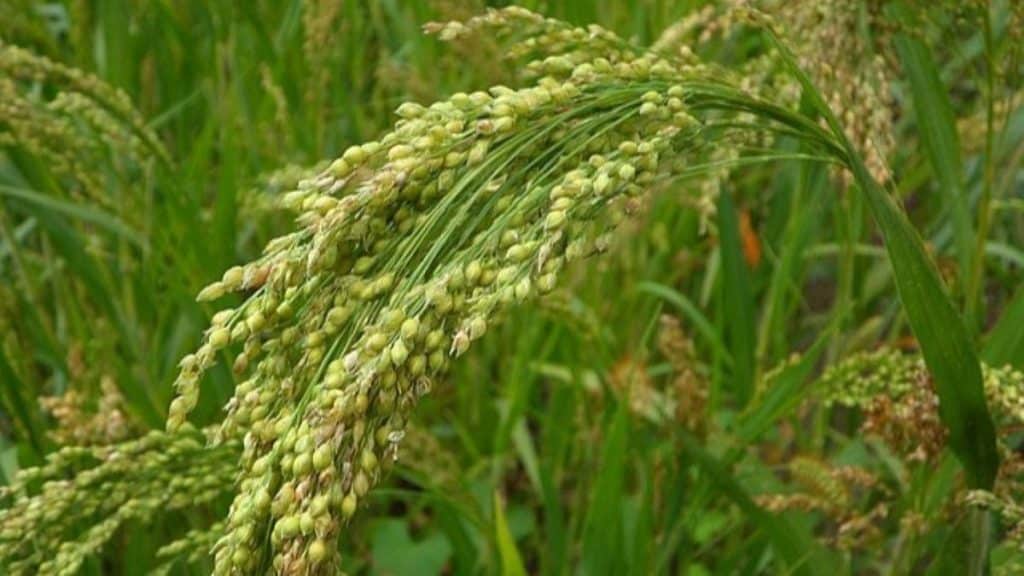
Naturally gluten-free, millet is rich in magnesium, antioxidants, and protein. It has a mild, slightly sweet flavor that pairs well with other grains.
It also supports blood sugar balance.
Best in bread: multigrain breads, flatbreads, or gluten-free blends.
6. Quinoa
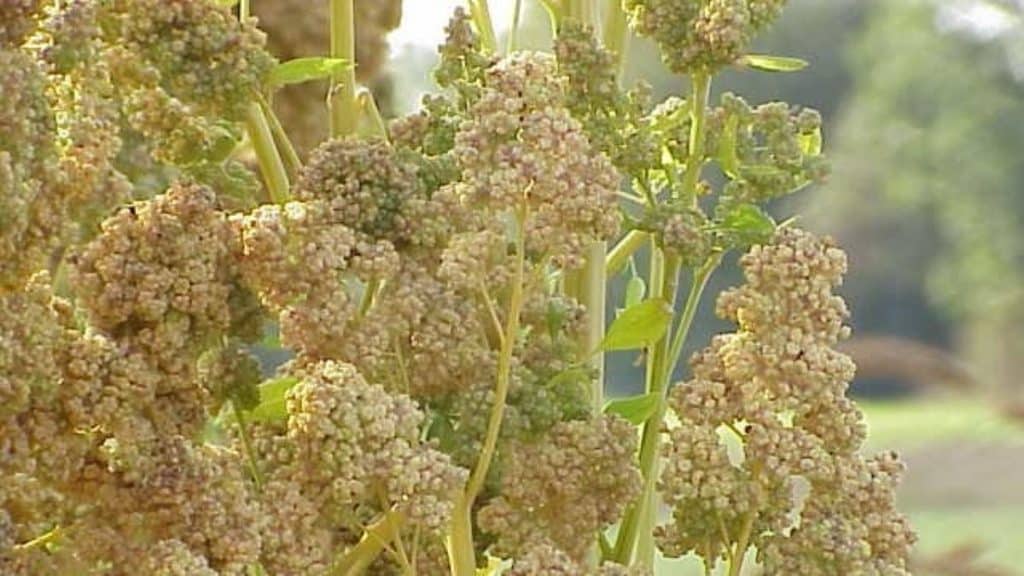
This tiny seed is technically a pseudograin, but it’s a complete protein with all nine essential amino acids.
Quinoa is high in iron, magnesium, and fiber, making it a powerhouse in bread baking.
Best in bread: gluten-free loaves or as a crunchy topping on multigrain bread.
7. Flaxseed
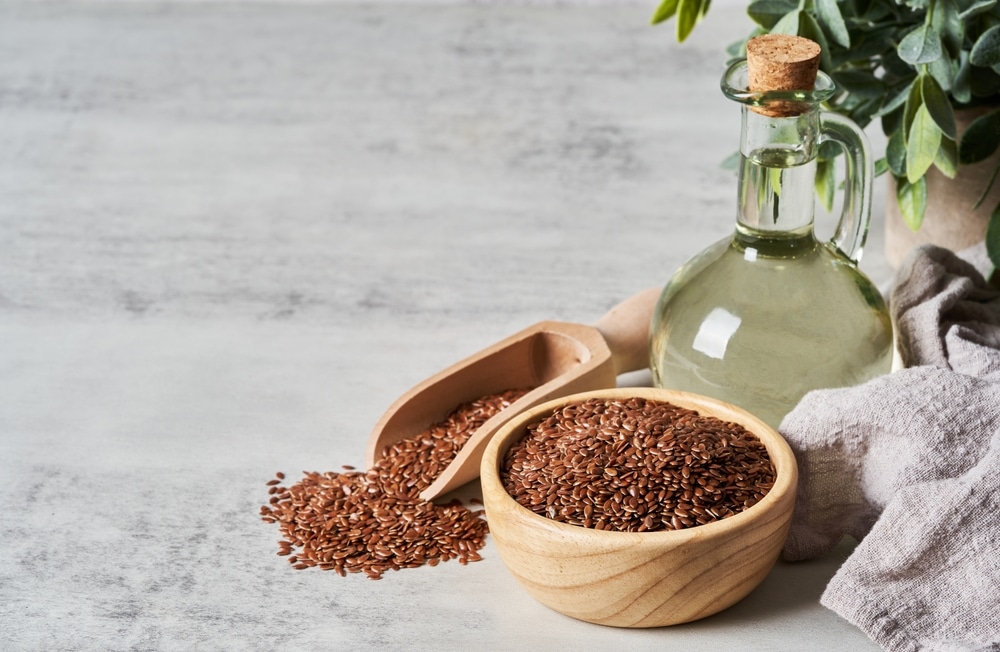
Flaxseed delivers omega-3 fatty acids, fiber, and plant compounds called lignans that reduce inflammation.
It adds a nutty flavor and boosts the nutritional value of bread.
Best in bread: flaxseed sandwich bread or added into seeded artisan loaves.
8. Spelt
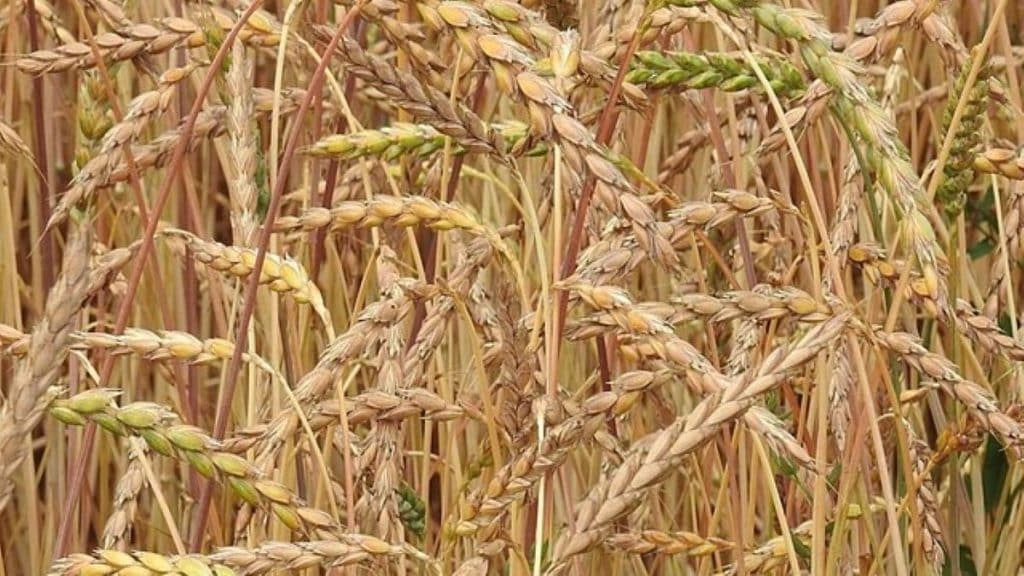
An ancient grain related to wheat, spelt has a nutty, slightly sweet flavor and is easier to digest for some people than modern wheat. It’s rich in protein, iron, and zinc.
Best in bread: rustic sourdoughs, sandwich loaves, or spelt flatbreads.
9. Teff

Tiny but mighty, teff is gluten-free and packed with iron, calcium, and resistant starch that supports gut health. It has a mild, nutty flavor that enhances whole-grain breads.
Best in bread: Ethiopian-style injera or blended into multigrain loaves.
10. Buckwheat
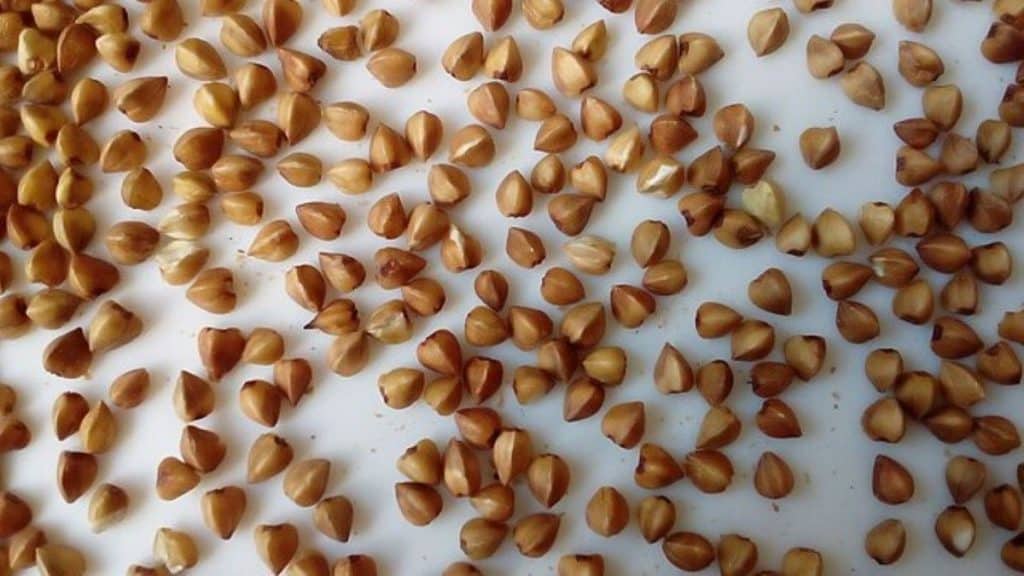
Despite its name, buckwheat isn’t wheat and is naturally gluten-free. It’s rich in antioxidants, fiber, and magnesium. Its earthy taste gives bread a hearty depth of flavor.
Best in bread: gluten-free buckwheat loaves or rustic multigrain bread.