
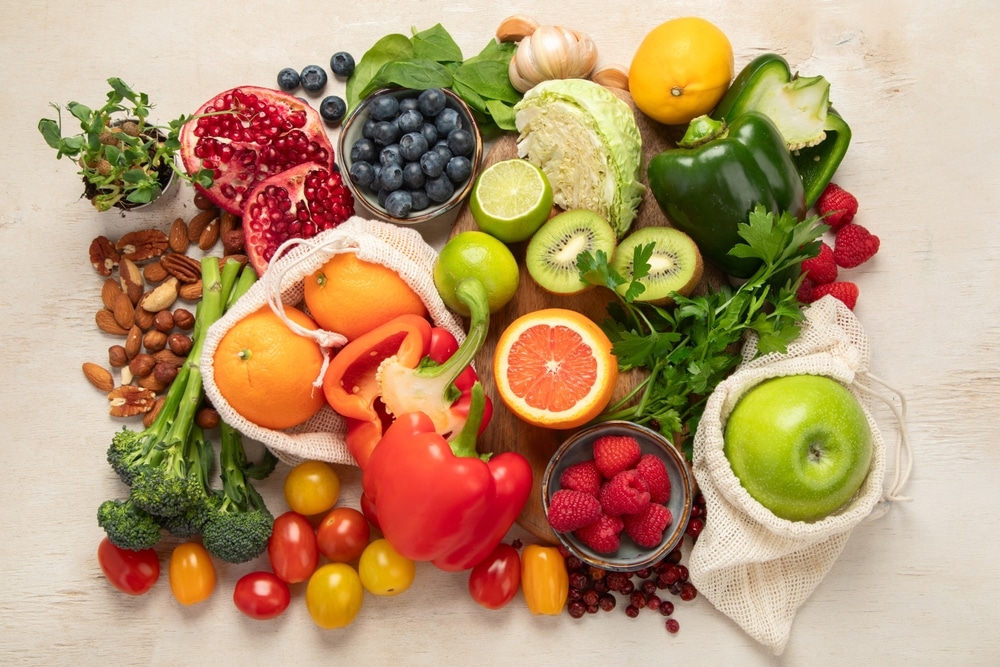

Every year, the Environmental Working Group (EWG) analyzes USDA testing data and compiles the ‘Dirty Dozen’ that consist of fruits and vegetables most contaminated with pesticide residues.
While washing and peeling can help, many chemicals seep into the skin or flesh, making them hard to remove.
EatingWell and Food & Wine echo the warnings: if you can, buy these foods organic to reduce your exposure.
1. Strawberries
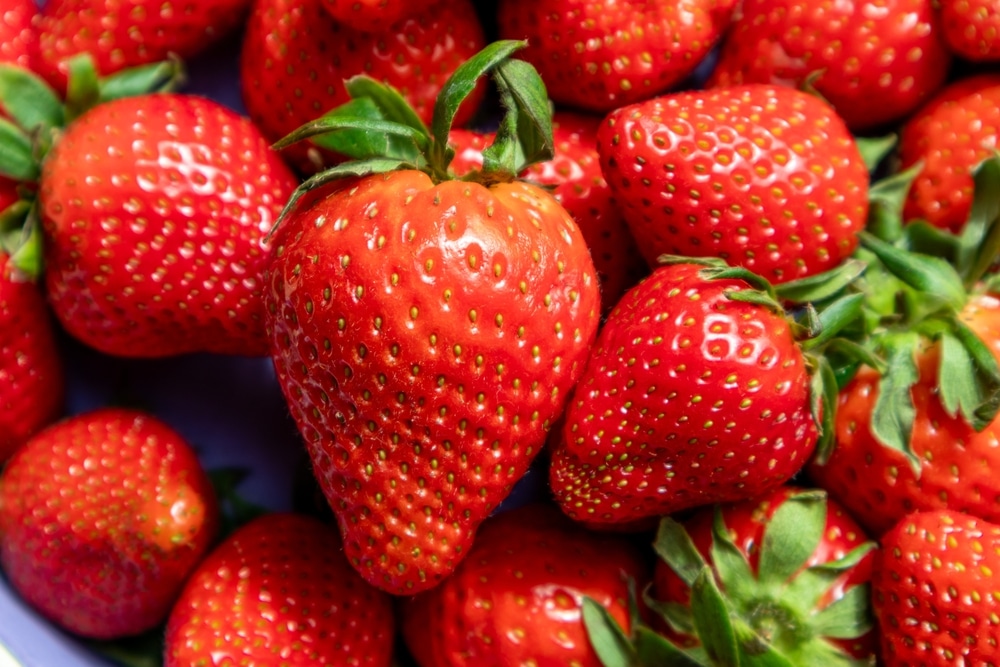
Strawberries has moved down one spot to second place on the list. Their soft, porous surface easily absorbs pesticides, and because they’re eaten raw, residues often end up directly in your body.
Even after rinsing, tests show multiple types of pesticides remain. Sweet and colorful as they are, strawberries are best bought organic if they’re a regular part of your diet.
2. Spinach

Spinach’s tender leaves are nutrient-dense but also magnets for pesticide residue. The USDA has found it to contain high levels of permethrin, a pesticide linked to neurological effects.
According to EatingWell, spinach is among the worst offenders for carrying traces of multiple chemicals at once. Steaming won’t always eliminate the risk, making organic a safer bet.
3. Kale & Collard Greens
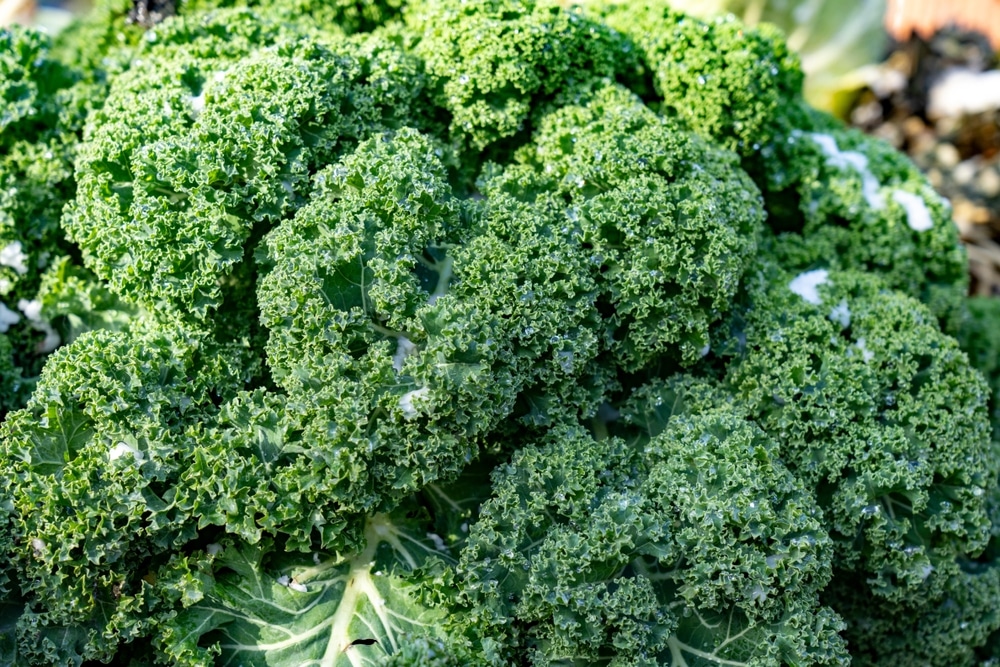
Once crowned “superfoods,” kale and collard greens frequently show up high on the contamination charts. Tests have found residues from DCPA, a pesticide restricted in the European Union but still used in the U.S.
These greens are packed with vitamins A, C, and K, but the heavy spraying means you may get more than you bargained for unless you buy organic.
4. Grapes
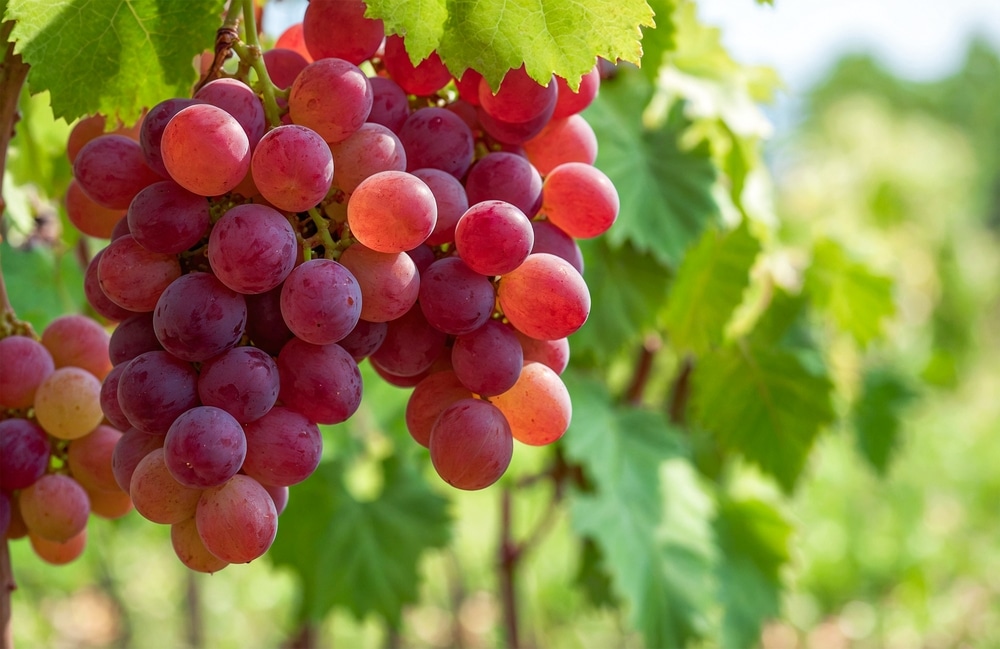
Both red and green grapes are among the most pesticide-contaminated fruits sold in the U.S. Their thin skins don’t offer much protection, and residues linger even after rinsing.
Grapes are popular with kids and often eaten by the handful, which means exposure can add up quickly. Food & Wine notes that grapes are a major contributor to children’s pesticide intake.
5. Peaches
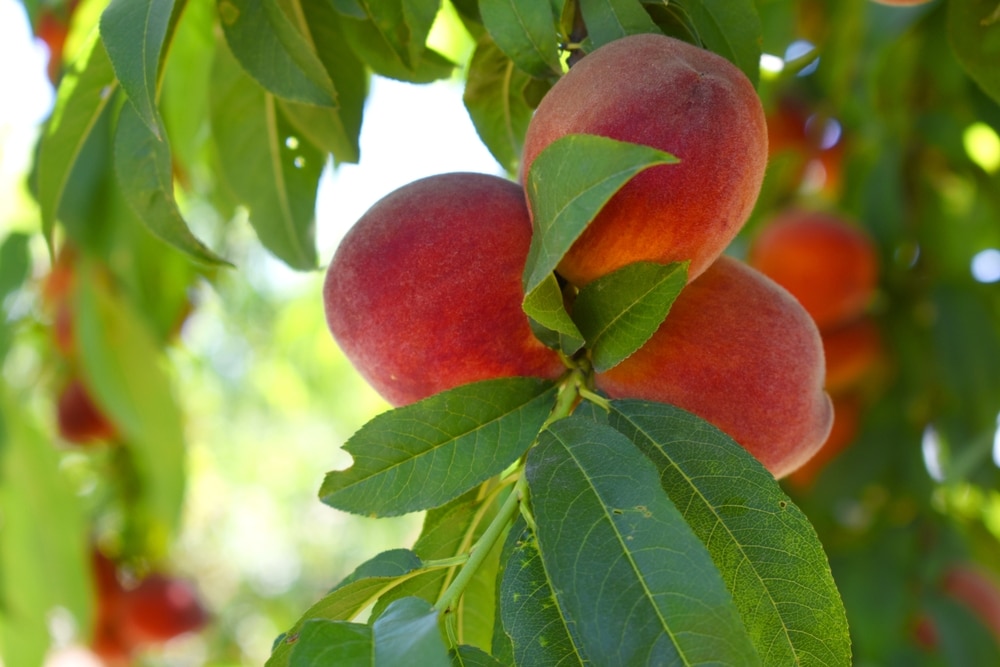
Sweet, juicy peaches are irresistible, but also highly sprayed. Their delicate skins absorb chemical treatments meant to keep pests away and extend shelf life.
USDA data shows multiple residues per sample, sometimes more than ten different pesticides on a single fruit. Washing helps, but Food & Wine advises going organic if peaches are a summer staple in your home.
6. Cherries

Cherries look harmless, but USDA testing reveals they’re among the most pesticide-heavy fruits. Traces of chemicals linked to reproductive and neurological issues have been found on samples.
Since cherries are often eaten raw and by the handful, the risks can stack up fast. Organic cherries may cost more, but many consumers argue they’re worth it for peace of mind.
7. Nectarines
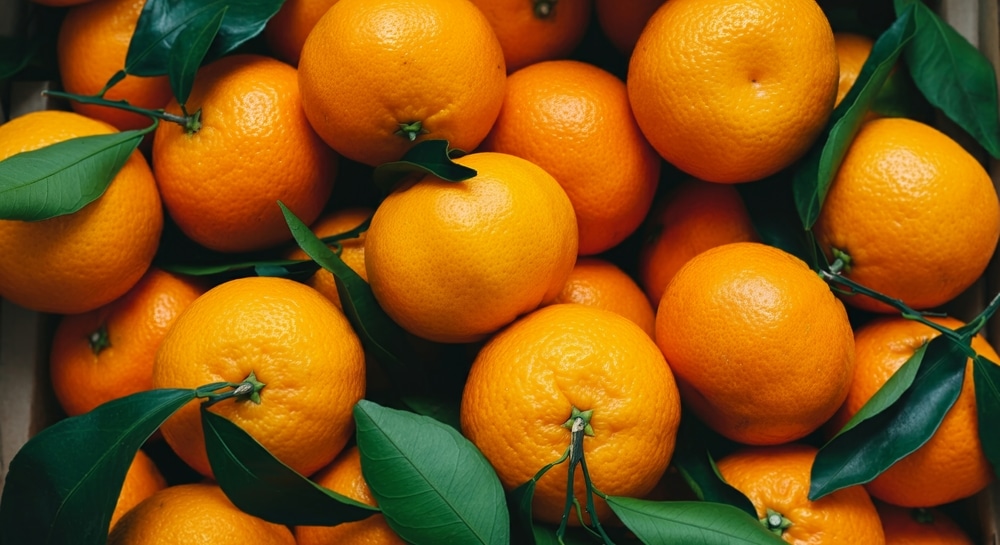
Closely related to peaches, nectarines rank nearly as high for pesticide residues. Their smooth skin doesn’t protect against the heavy spraying common in orchards.
Even after rinsing, residues remain embedded. According to EWG, nectarines regularly test positive for multiple pesticide types, making them a food to approach with caution if conventionally grown.
8. Pears
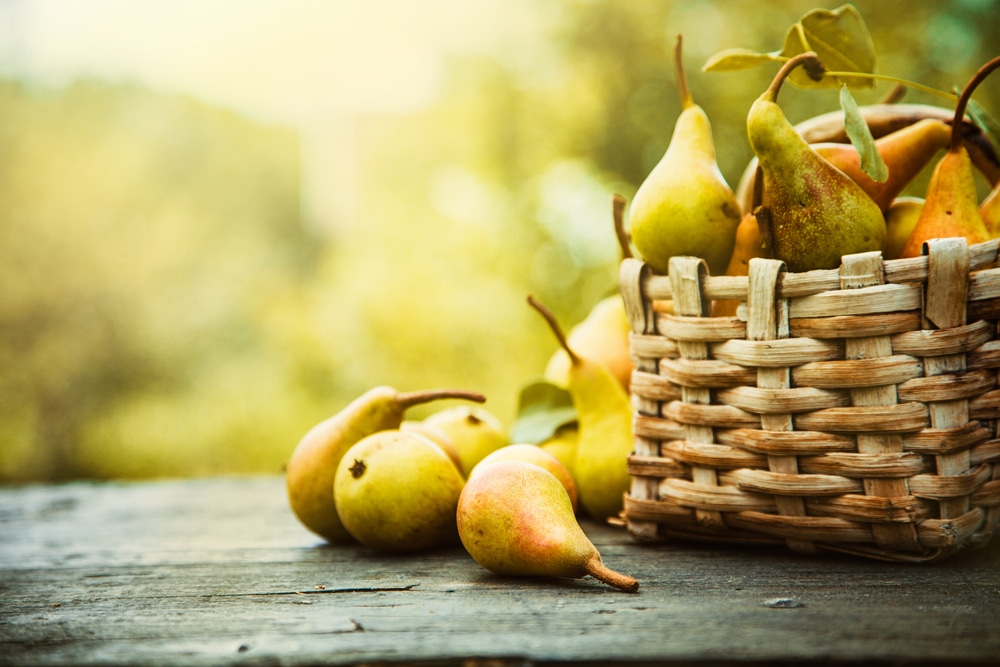
Pears are deceptively risky. Despite their tougher skin, USDA tests have revealed residues of fungicides and insecticides, often in cocktail-like combinations.
EatingWell notes that pears sometimes contain residues banned in other countries. Since pears are often given to kids as a “safe snack,” choosing organic may help reduce early exposure to harmful chemicals.
9. Apples
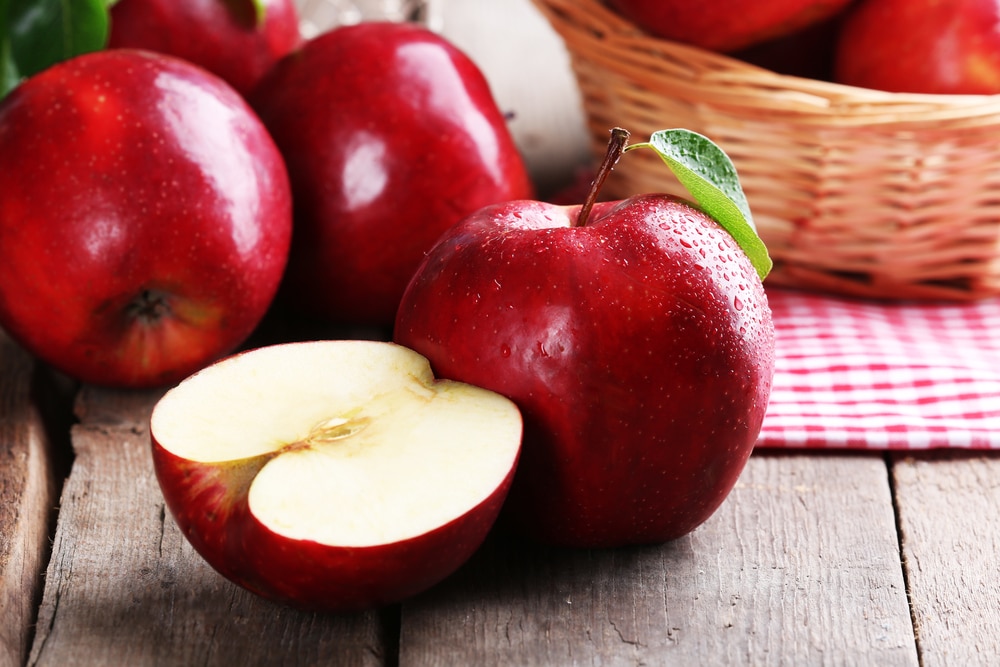
“An apple a day” doesn’t always keep the doctor away if it’s covered in pesticides. Apples routinely rank high on the Dirty Dozen, with residues found even after peeling in some cases.
Fungicides and insecticides are used to keep them looking perfect in storage. EWG points out that apples are one of the top sources of pesticide exposure for children.
10. Bell Peppers & Hot Peppers

Their bright colors may look healthy, but peppers often carry residues from multiple pesticides, including some classified as toxic to human health.
Food & Wine notes that both bell and hot peppers tested high for chlorpyrifos, a pesticide linked to developmental issues. Because peppers are widely used raw in salads and dips, organic is the safer choice.
11. Blueberries
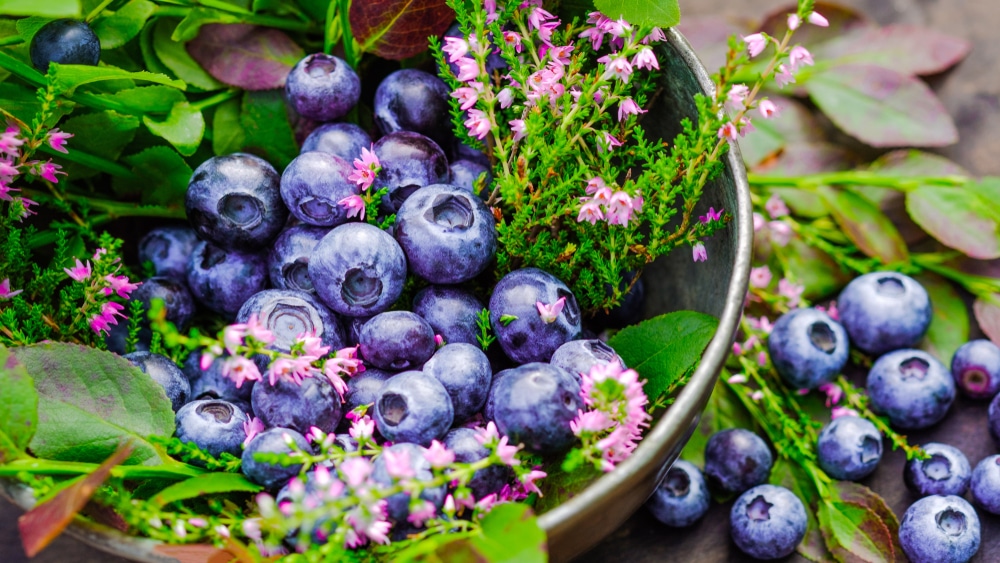
Marketed as a “superfood,” blueberries often disappoint when it comes to pesticide safety. Both domestic and imported blueberries frequently test positive for residues, sometimes at high levels.
Since they’re small and eaten by the handful, exposure builds up quickly. EatingWell highlights blueberries as a growing concern, especially for kids.
12. Green Beans

Green beans are surprisingly contaminated for such a simple vegetable. USDA tests have detected pesticides banned in the European Union on U.S. samples.
EWG ranks them high because they’re usually eaten whole, meaning there’s no skin to peel away to reduce risk. Organic green beans are widely available and a safer option.
13. Blackberries

Blackberries have been flagged in recent years for their rising pesticide residue levels. Their soft surface absorbs sprays easily, and since they’re eaten raw, residues don’t break down before consumption.
Food & Wine warns that blackberries are quietly climbing the Dirty Dozen rankings.
14. Potatoes
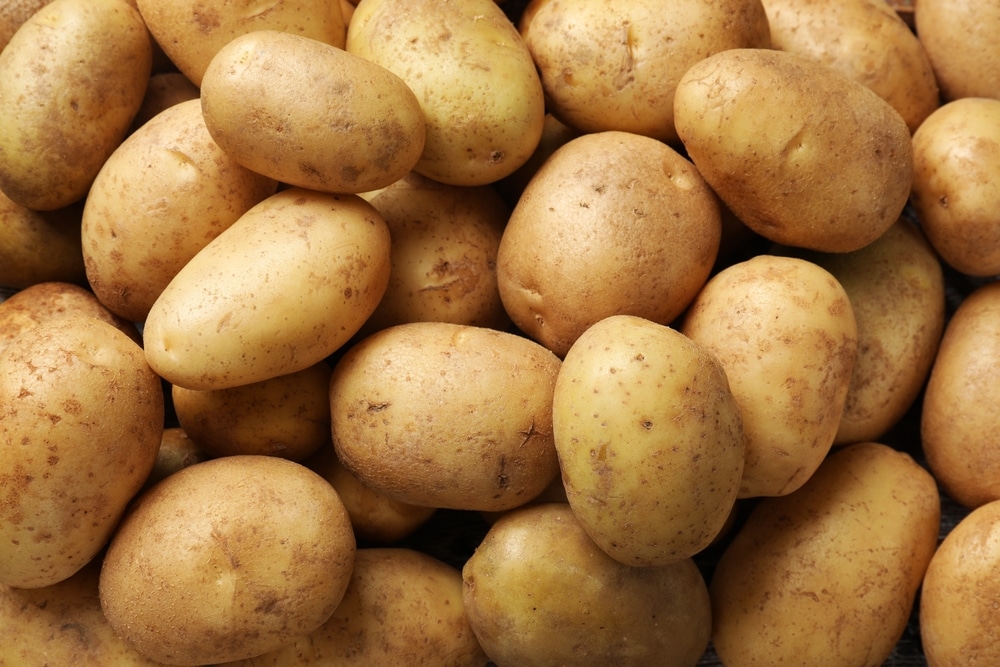
Potatoes may seem safe, but conventional ones are often treated with fungicides and sprout inhibitors during storage.
USDA testing has revealed residues inside the potato flesh, not just on the skin. Since potatoes are a staple in many diets, going organic can significantly reduce pesticide intake.
15. Celery
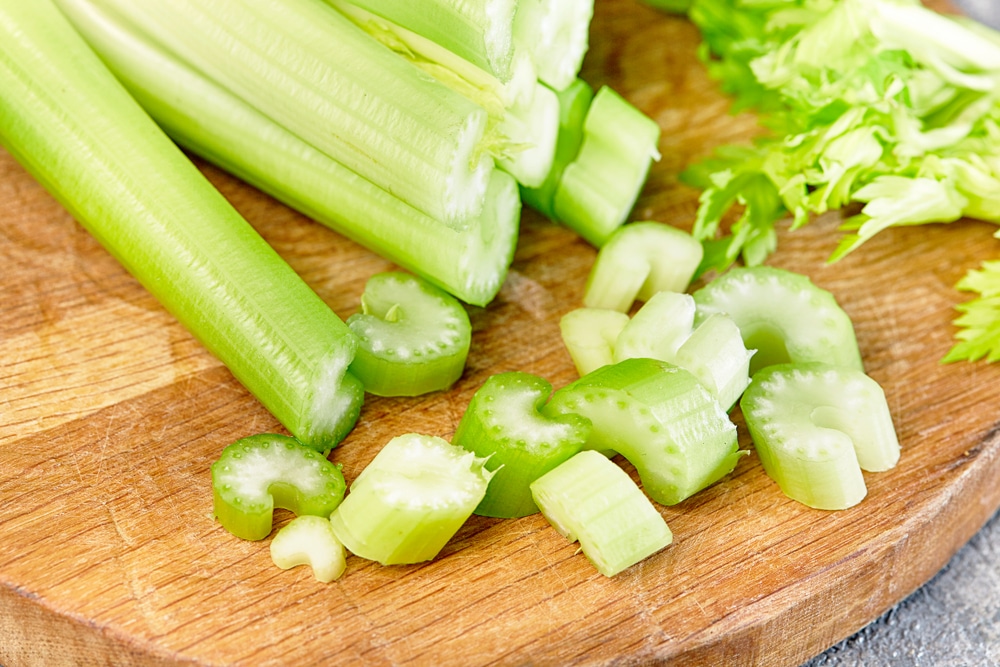
Celery stalks are highly porous and retain pesticide residues even after rinsing. They often test positive for multiple chemicals per stalk.
Because celery is usually eaten raw in salads or as a snack, organic celery is strongly recommended by EWG.
16. Tomatoes
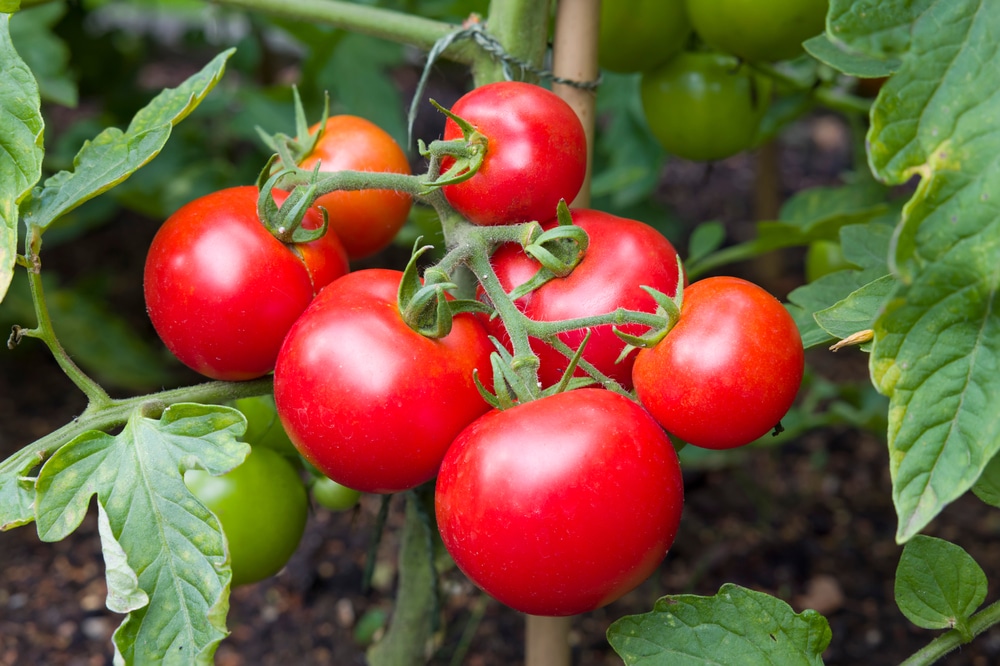
Tomatoes, particularly cherry and grape varieties, absorb pesticides through their thin skins. USDA tests have detected fungicides and insecticides at concerning levels. Since tomatoes are widely eaten raw, Food & Wine recommends choosing organic to cut down exposure.
17. Lettuce
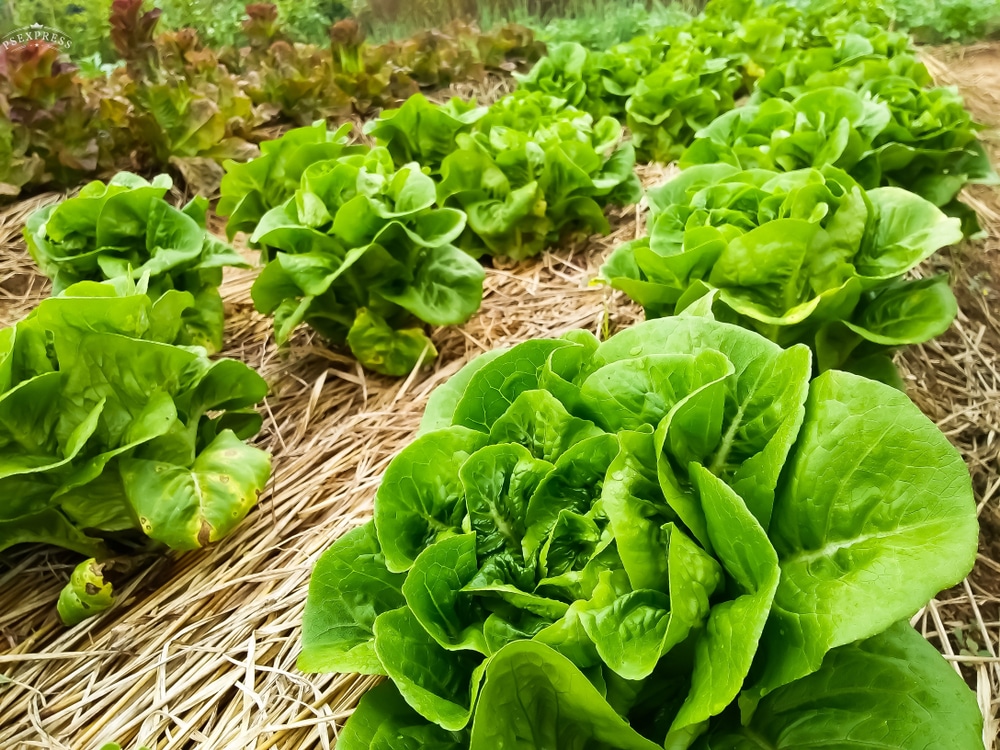
Lettuce is a mainstay in salads, but its broad leaves make it a magnet for pesticides. Residues cling tightly and are hard to wash away completely.
Lettuce frequently appears on EWG’s extended “Dirty 15” list. Organic lettuce offers a cleaner choice for daily salads.